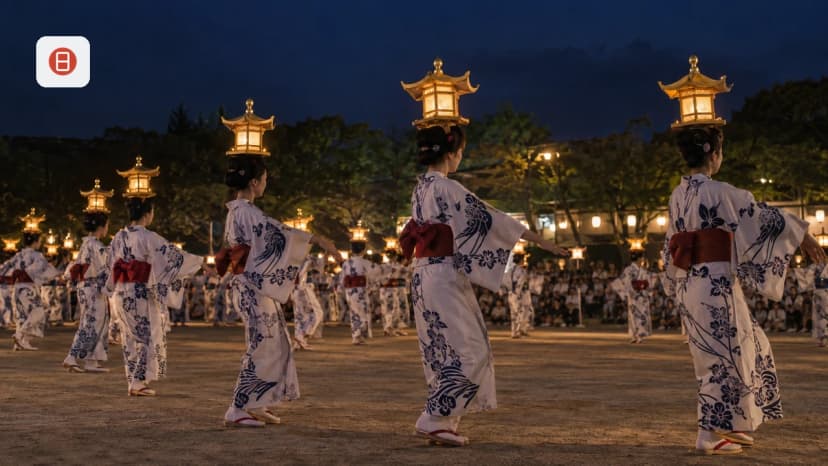
Kumamoto sits at the heart of Kyushu, and its attraction landscape is unusually varied for a single prefecture: a feudal stronghold ranked among Japan's three premier castles, a strolling garden the Hosokawa lords built to recreate the old Tokaido road, the steaming Nakadake crater inside one of the world's largest volcanic calderas, and the rustic ryokan hot springs of Kurokawa Onsen high in the Aso highlands. Layered on top is a deep samurai heritage — Reigando Cave is where the swordsman Miyamoto Musashi wrote The Book of Five Rings, and Kato Shrine and Honmyoji Temple both honor Kato Kiyomasa, the warlord who raised Kumamoto Castle in the early 17th century.
The 2016 Kumamoto earthquakes damaged the castle's keep and stone walls, but a decade-long restoration has reopened the reconstructed tower and large parts of the grounds — and the recovery itself has become part of the visit, with viewing routes that let you watch the repair work alongside the history. For 2026 the city core, Aso region, and southern Yamato villages are all accessible, with the single caveat that Mount Aso's crater access depends on live volcanic-alert levels. This page narrows the prefecture to 10 sights that consistently reward the time and ticket price; each card below links to a full visitor guide with verified hours, current pricing, and on-the-ground tips. The sections that follow group those attractions by area, category, and cost, then lay out itineraries, transport, timing, and money-saving tactics so you can build a plan that fits your trip.
Planning a wider trip? See our Japan travel guide, the things to do in Kumamoto guide, and getting around Japan.
Top 10 attractions in Kumamoto
Kumamoto Castle
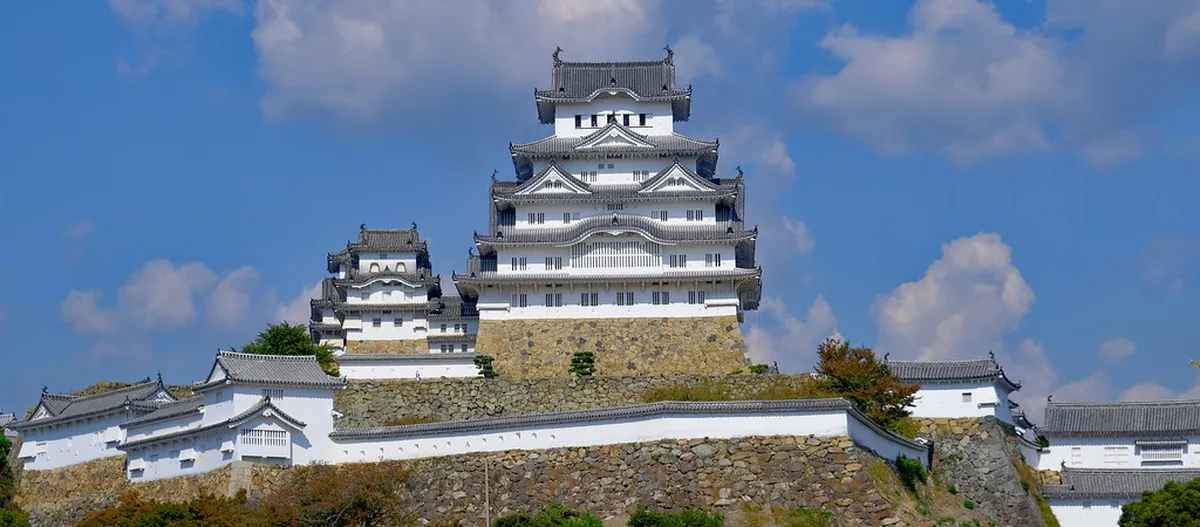
Kumamoto Castle is a hilltop fortress in central Kumamoto and one of Japan's three premier castles. Visitors can tour the reconstructed main keep with its museum exhibits and walk the extensive grounds, though some areas remain closed for ongoing 2016 earthquake repairs.
Visitor guide →
Suizenji Jojuen Garden
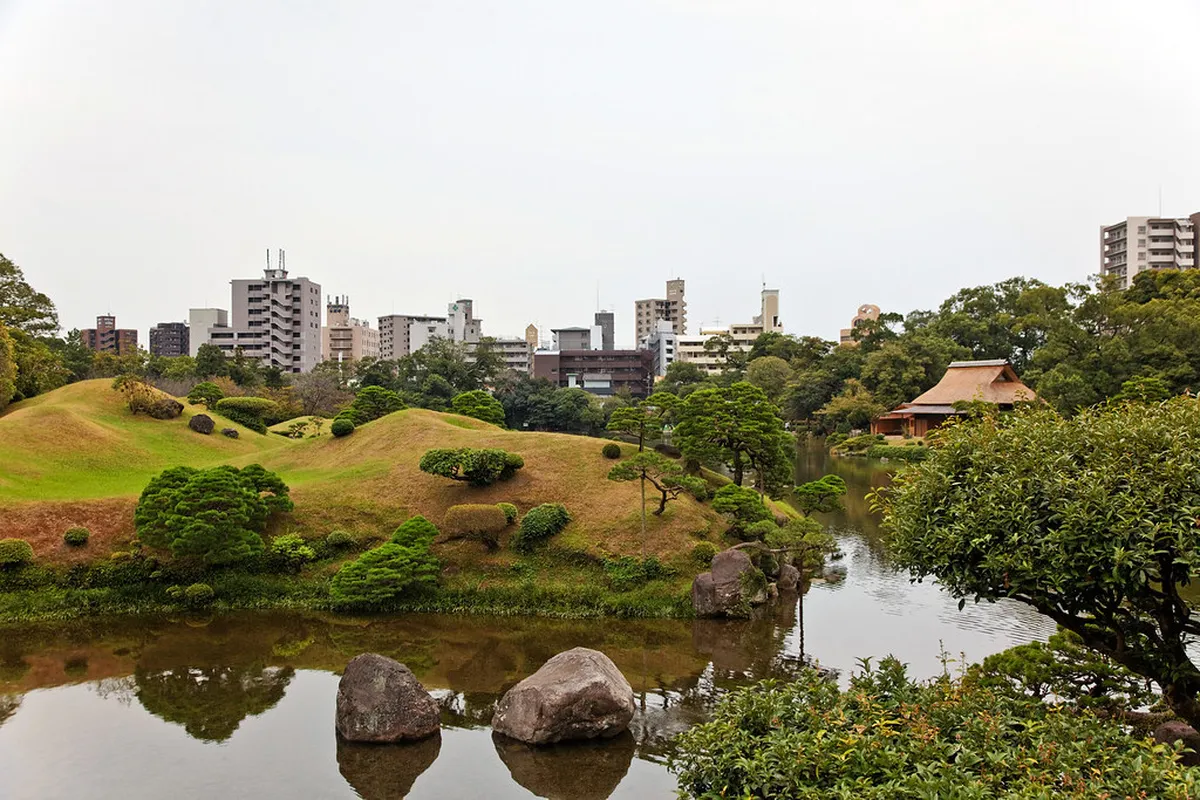
Suizenji Jojuen is a classic Edo-period strolling garden in central Kumamoto built by the Hosokawa clan. Its landscaped path winds past a spring-fed pond and a miniature Mount Fuji, recreating scenery from the old Tokaido road.
Visitor guide →
Mount Aso (Nakadake Crater)
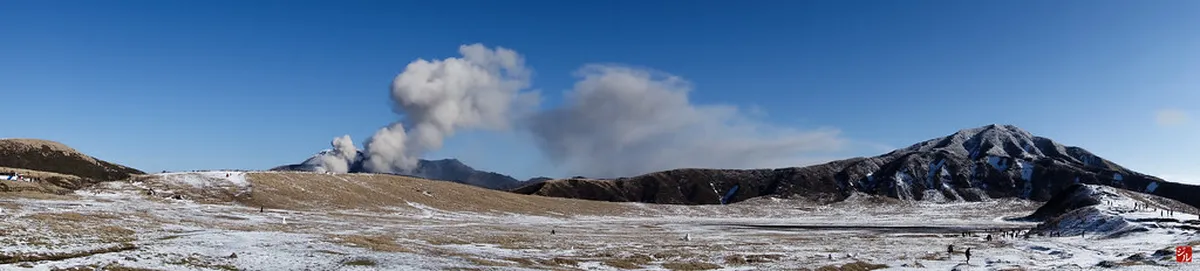
Nakadake is the active crater of Mount Aso, the only one still volcanically active on the mountain, drawing visitors to its smoking, steaming rim. Access via the Aso Park toll road varies by season and is restricted whenever volcanic activity or gas levels rise.
Visitor guide →
Kurokawa Onsen
Kurokawa Onsen is a celebrated rustic hot-spring town in the Aso highlands of Kumamoto Prefecture, where a wooden Nyuto Tegata pass lets visitors hop between three open-air baths at traditional ryokan.
Visitor guide →
Sakuranobaba Josaien
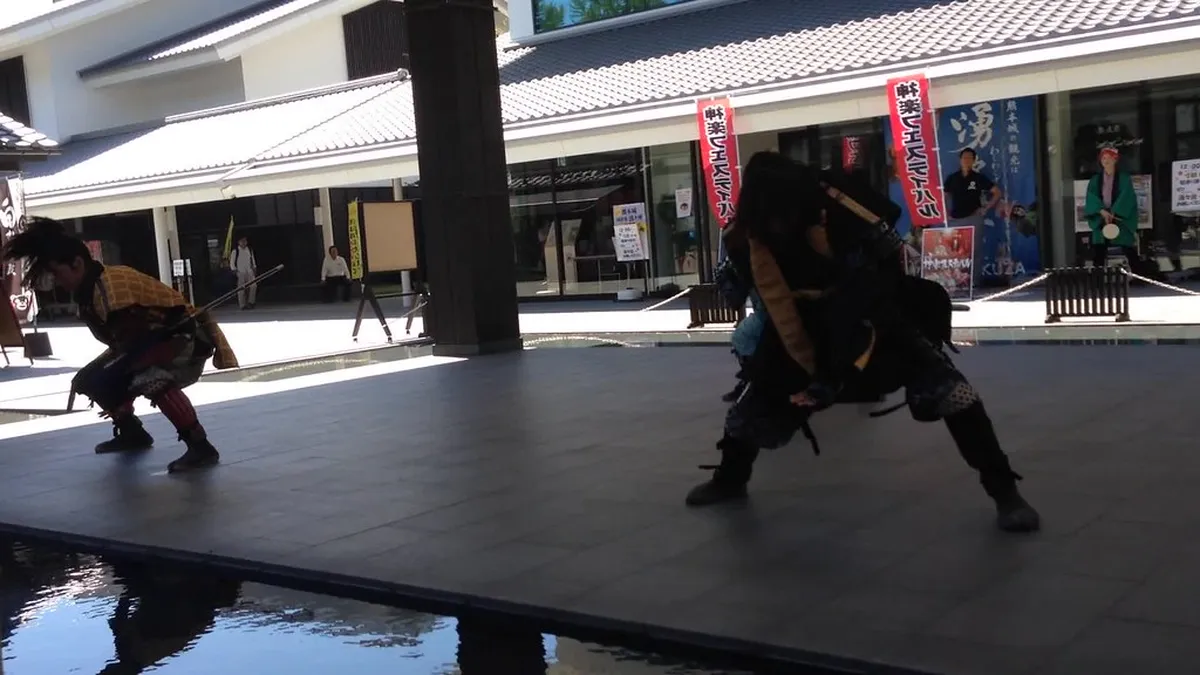
Sakuranobaba Josaien is a free-to-enter castle-town complex beside Kumamoto Castle, packed with local shops and restaurants plus the paid Wakuwakuza history museum and a tourist information center.
Visitor guide →
Reigando Cave (Unganzenji Temple)
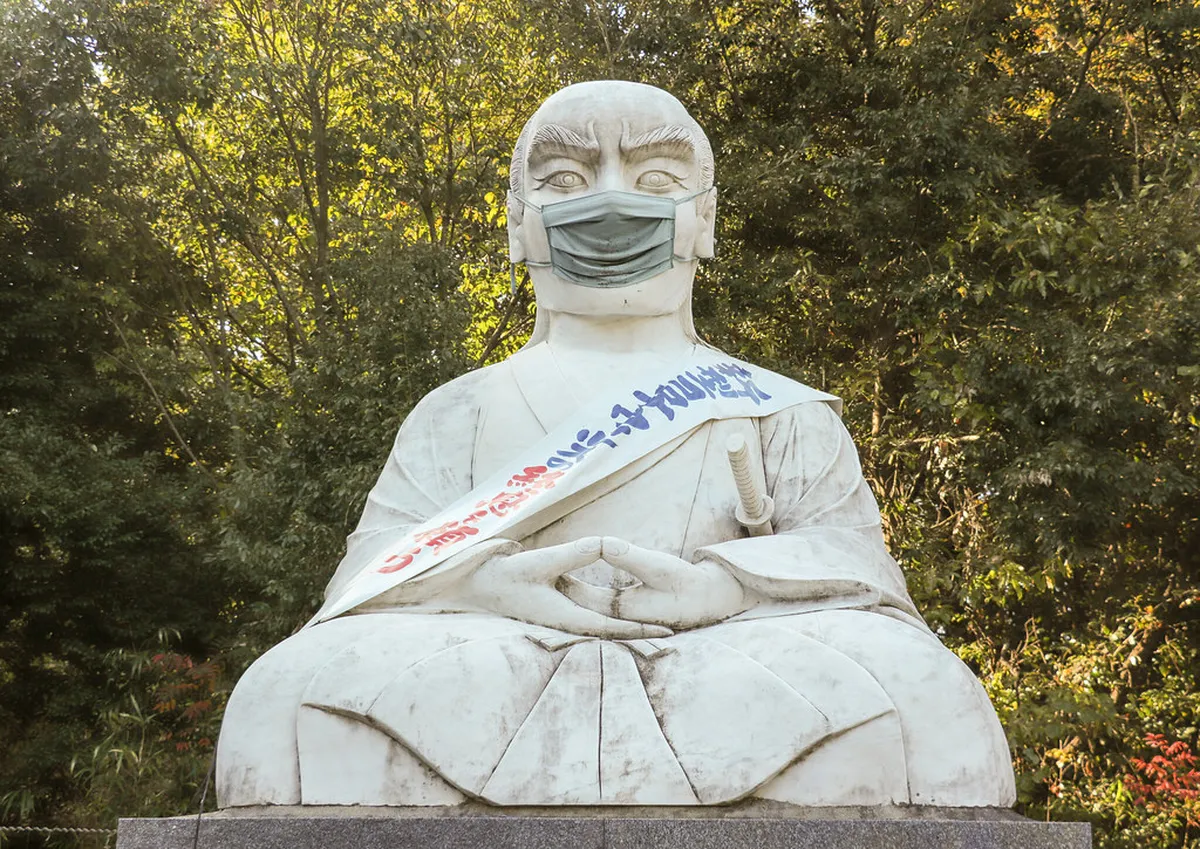
Reigando Cave, set within the ancient Unganzenji Temple west of Kumamoto, is the meditation retreat where samurai Miyamoto Musashi wrote The Book of Five Rings, reached past a hillside of stone rakan statues.
Visitor guide →
Kato Shrine
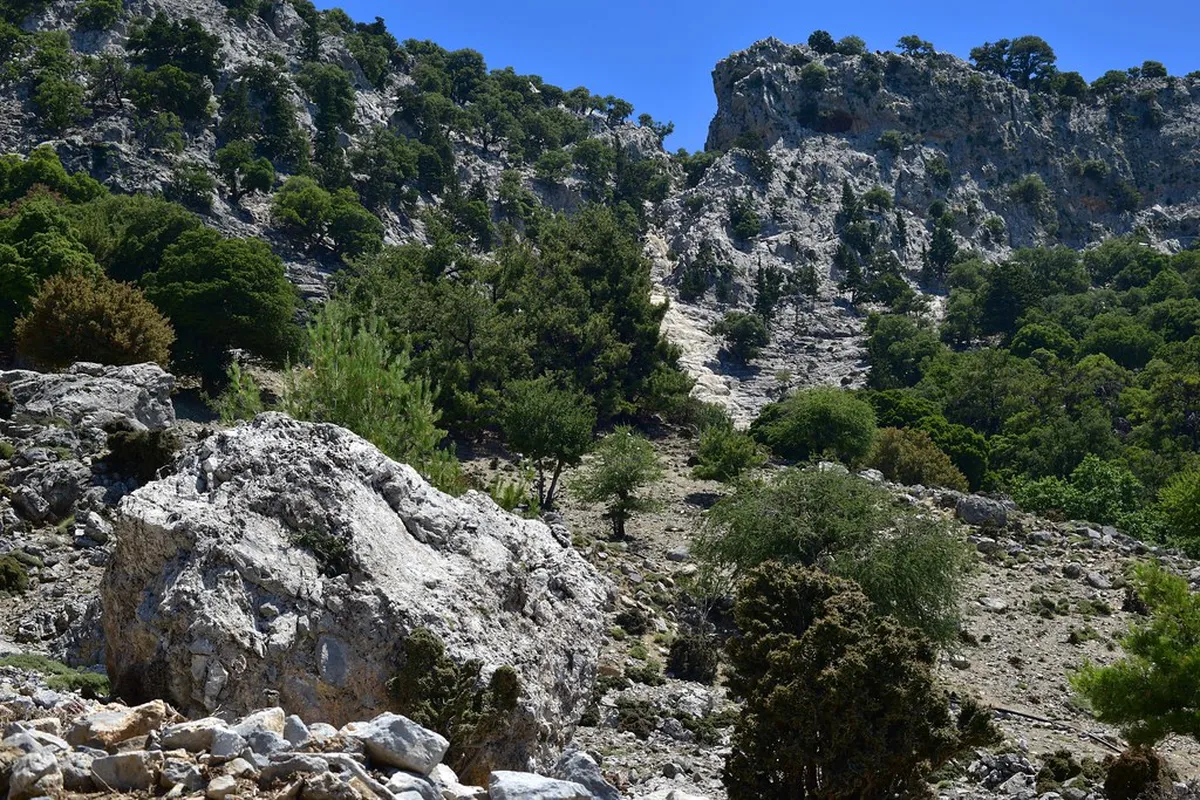
Kato Shrine is a free Shinto shrine on the grounds of Kumamoto Castle honoring its builder, the warlord Kato Kiyomasa, and offering striking views of the castle's main keep.
Visitor guide →
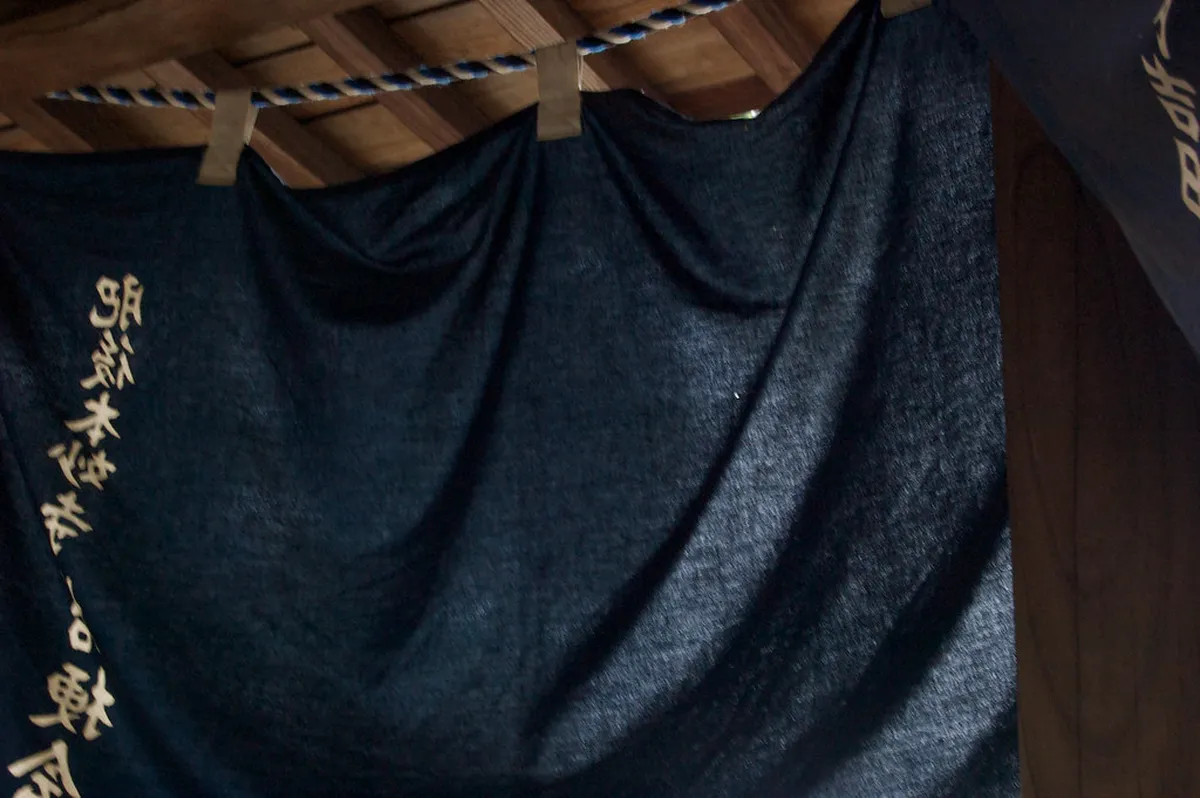
Honmyoji Temple
Honmyoji Temple is a hillside Nichiren-sect Buddhist temple in western Kumamoto, best known as the burial site of Kato Kiyomasa, the warrior-lord who built Kumamoto Castle. Visitors climb the steep Munatsuki Gangi staircase past the Niomon gate to reach his mountaintop grave and sweeping views over the city.
Visitor guide →

Tsujunkyo Bridge
Tsujunkyo Bridge is a 19th-century stone arch aqueduct in rural Yamato, on the southern edge of the Aso caldera, built in 1854 to irrigate the Shiroito Plateau. Japan's largest stone aqueduct and a National Treasure, it is famous for its dramatic scheduled water discharges that send powerful jets arcing from the bridge to flush its channels.
Visitor guide →
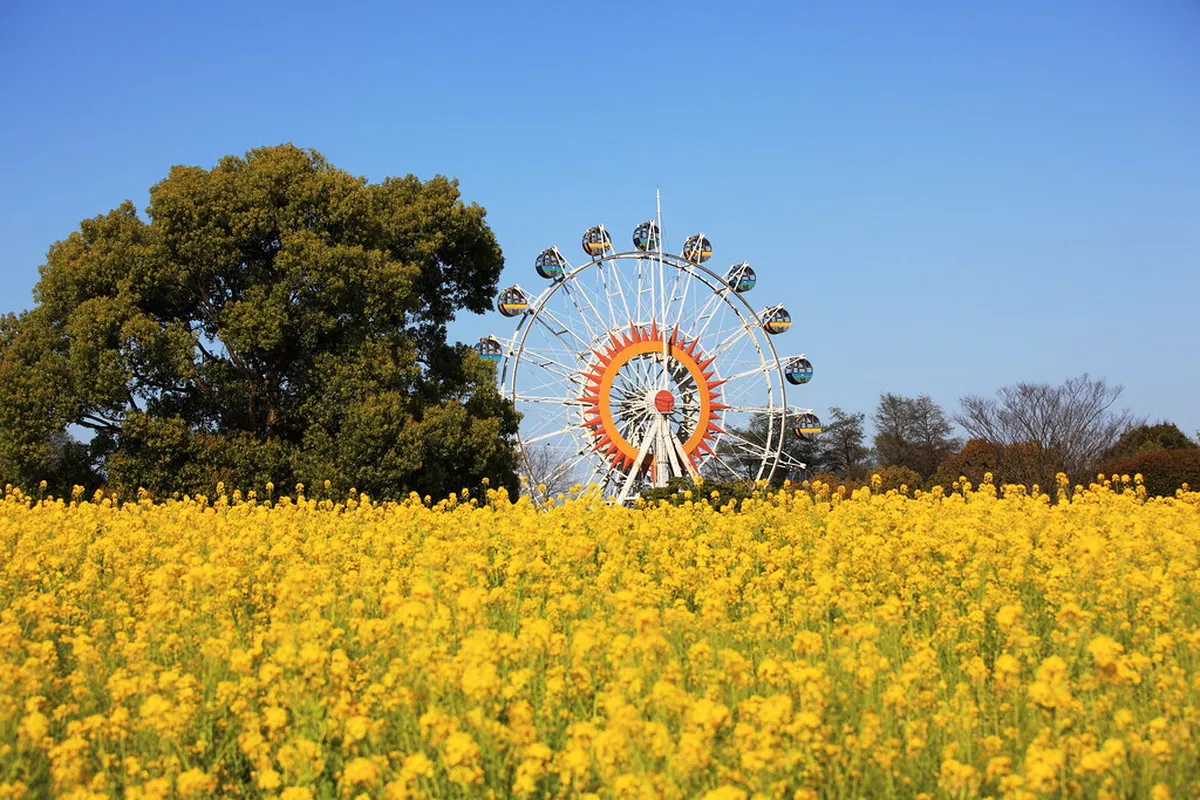
Kumamoto City Zoo and Botanical Gardens
The Kumamoto City Zoo and Botanical Gardens is a combined zoo, botanical garden, and small amusement park on the shore of Lake Ezu in eastern Kumamoto. With over 600 animals across roughly 120 species and more than 800 plant varieties, it is a popular family destination.
Visitor guide →
Kumamoto attractions by area
Kumamoto's sights fall into three distinct geographic zones, and understanding the split is the key to a workable itinerary — the difference between them is measured in hours of travel, not minutes.
Central Kumamoto City holds the densest cluster. Kumamoto Castle, Kato Shrine, and the Sakuranobaba Josaien castle-town complex sit side by side, walkable in a single morning. Suizenji Jojuen Garden lies a short tram ride southeast, while Honmyoji Temple climbs a hillside to the west and the Kumamoto City Zoo and Botanical Gardens spreads along Lake Ezu to the east. Reigando Cave is also a city-area sight, though it sits further west toward the coast and needs a bus or car to reach. Together these account for seven of the ten attractions and can fill one to two days without a vehicle.
The Aso region, roughly an hour northeast of the city by car or train, is built around Mount Aso's active Nakadake crater and the grasslands of Kusasenri inside the caldera. Pair it with Kurokawa Onsen, the highland hot-spring village another 40 minutes north, where the Nyuto Tegata pass opens three open-air ryokan baths. This zone rewards an overnight stay rather than a rushed day trip.
Southern Yamato is the least-visited zone but holds Tsujunkyo Bridge, the 1854 stone aqueduct on the caldera's southern rim — Japan's largest, a National Treasure, and famous for its scheduled water-discharge spectacle. It is an hour south of the city and works best as a half-day detour for travelers with a rental car.
Kumamoto attractions by category
If you prefer to plan around interests rather than geography, Kumamoto's ten sights sort cleanly into six themes:
- Castles & landmarks: Kumamoto Castle anchors this group as one of Japan's three great fortresses, with the adjoining Sakuranobaba Josaien district recreating its Edo-era castle town.
- Gardens: Suizenji Jojuen is the showpiece — a 17th-century Hosokawa strolling garden built around a spring-fed pond and a miniature Mount Fuji.
- Nature & volcano: Mount Aso's Nakadake crater and the surrounding caldera grasslands are the prefecture's natural headline.
- Onsen: Kurokawa Onsen is among Japan's most atmospheric hot-spring towns, its riverside ryokan linked by the wooden bathing pass.
- Temples & shrines: Kato Shrine, Honmyoji Temple, and Reigando Cave (within Unganzenji Temple) all tie into the region's samurai and Buddhist heritage.
- Family: Kumamoto City Zoo and Botanical Gardens, with 600-plus animals and a small amusement area beside Lake Ezu, is the obvious choice for travelers with children.
Free vs paid Kumamoto attractions
A good chunk of Kumamoto's best sights cost nothing to enter, which makes the prefecture easy on the budget if you plan around them. The free attractions include Kato Shrine on the castle grounds, the open grounds and mountaintop grave at Honmyoji Temple, the shops-and-streets core of the Sakuranobaba Josaien district, and viewing Tsujunkyo Bridge from the riverbank (only the scheduled water-discharge events carry a small fee).
The paid attractions are still modestly priced. Current 2026 admission runs roughly:
- Kumamoto Castle: ¥800 adults (keep and grounds)
- Suizenji Jojuen Garden: ¥500 adults
- Reigando Cave (Unganzenji): ¥200
- Kumamoto City Zoo and Botanical Gardens: ¥500 adults
- Kurokawa Onsen Nyuto Tegata bathing pass: ¥1,500 (three baths of your choice)
Mount Aso has no entry fee, though the Aso Park toll road and crater shuttle carry small charges when the crater is open. Always confirm individual hours and prices on each linked guide before you go, as seasonal and event schedules shift.
Practically, this free-heavy mix means a Kumamoto trip can flex to almost any budget. A frugal traveler could spend a full day on Kato Shrine, the castle grounds, Sakuranobaba's streets and Honmyoji's hillside paths for the price of a tram pass and lunch, while a splurge itinerary adds the castle keep, garden, and a Kurokawa onsen night without ever feeling expensive by Japanese standards. Children's and senior discounts apply at most paid sights, and the zoo in particular is one of the best-value family outings in Kyushu at ¥500 a head.
Suggested Kumamoto itineraries
One day (city core): Start at Kumamoto Castle when it opens, then walk to Kato Shrine and the Sakuranobaba Josaien district for lunch. Take the tram to Suizenji Jojuen Garden in the afternoon, and if time allows, climb Honmyoji Temple for sunset views over the city. This covers the prefecture's signature sights without leaving the tram network.
Two days (+ Aso): Spend day one on the city core as above. On day two, head to the Aso region by car or train to see the Nakadake crater (alert levels permitting) and the Kusasenri grasslands, returning to the city by evening. Reigando Cave makes a worthwhile add-on if you have a car.
Three days (+ Kurokawa Onsen + Tsujunkyo): Follow the two-day plan, then on day three drive south to Tsujunkyo Bridge in the morning — ideally timed to a scheduled water discharge — before continuing to Kurokawa Onsen to soak in three baths with the Nyuto Tegata pass and stay overnight in a ryokan. This is the fullest version, mixing castle, garden, volcano, samurai history, and hot springs.
Getting around Kumamoto's attractions
Within the city, the tram (streetcar) is the workhorse — its two lines connect the castle, downtown, and Suizenji Garden, with a flat fare and a one-day pass available. The Shiromegurin loop bus circles the castle district and is the easiest way to reach Kumamoto Castle, Sakuranobaba Josaien, and nearby sights for a low per-ride fare. For everything inside the city, trams and the loop bus cover you without a car.
The Aso region and southern Yamato are a different story. Mount Aso, Kurokawa Onsen, and Tsujunkyo Bridge are spread across rural Kyushu where buses run infrequently, so a rental car is by far the most flexible option and the only practical way to combine them in a single day. If you prefer not to drive, JR's Hohi Main Line reaches Aso Station, from which seasonal buses run toward the crater; Kurokawa Onsen is served by limited express buses from Kumamoto and Fukuoka. Kumamoto Airport and the Kyushu Shinkansen at Kumamoto Station both feed the city tram and bus network for arrivals.
Best time to visit Kumamoto's attractions
Good to know
A full day of sightseeing around Kumamoto city's free attractions — Kato Shrine, Honmyoji Temple grounds, and Sakuranobaba Josaien — costs only the price of a tram pass and lunch. The city's one-day tram and bus pass pays for itself in three or four rides and covers the castle, downtown, and Suizenji Garden.
Spring is the marquee season: cherry blossoms peak at Kumamoto Castle from late March into early April, when the grounds become one of Kyushu's finest hanami spots. Autumn (late October through November) brings crisp air and foliage to Suizenji Garden and the Aso highlands, with comfortable hiking weather around the caldera.
Summer is hot and humid but is when Tsujunkyo Bridge's irrigation discharges are most active. Winter is quiet and good for onsen, though the Aso grasslands turn brown and some high-elevation roads can be affected by snow. Avoid the Golden Week holiday (late April to early May) and the Obon period (mid-August) if you can — domestic crowds peak and accommodation prices spike.
One timing caveat overrides all of the above for the Aso region: crater access depends on live volcanic-alert levels. The Nakadake crater is closed to visitors whenever gas concentrations or seismic activity rise, regardless of season, so always check the current alert status before building a day around it.
Heads up
Mount Aso's Nakadake crater closes without notice whenever volcanic gas levels or seismic activity rise — check the live alert status before building a day trip around it. Some Kumamoto Castle grounds areas remain restricted due to ongoing post-2016 earthquake repairs. Avoid Golden Week (late April–early May) and Obon (mid-August) when domestic crowds peak and accommodation prices spike.
How to save money on Kumamoto attractions
The single biggest lever is the spread of free attractions — Kato Shrine, Honmyoji's grounds, the Sakuranobaba Josaien district, and Tsujunkyo Bridge viewing can fill a half-day or more at no cost. Build a day around those and your only spend is transport and food.
For getting around, a Kumamoto City one-day tram and bus pass pays for itself in three or four rides and covers the castle, downtown, and Suizenji Garden. The Shiromegurin loop bus is cheap per ride if you skip the pass. Where combination or grounds-only tickets exist — such as entering the Kumamoto Castle grounds without the keep, or the free streets of Sakuranobaba without the Wakuwakuza museum — choose the lighter option if your interest is the atmosphere rather than the exhibits. Finally, basing yourself in the city and taking day trips out to Aso keeps lodging costs down compared with multiple ryokan stays, while still letting you splurge on one memorable Kurokawa onsen night.
Frequently asked questions about Kumamoto attractions
How many days do you need for Kumamoto? One full day covers the city core (castle, Kato Shrine, Sakuranobaba, Suizenji Garden). Two days lets you add Mount Aso, and three days rounds out the trip with Kurokawa Onsen and Tsujunkyo Bridge.
What is the number-one must-see attraction in Kumamoto? Kumamoto Castle — one of Japan's three premier castles — is the signature sight, with its reconstructed keep, museum exhibits, and earthquake-recovery viewing routes.
Are Kumamoto attractions free? Many are: Kato Shrine, the grounds of Honmyoji Temple, the Sakuranobaba Josaien district, and Tsujunkyo Bridge viewing cost nothing. Paid sights like the castle (¥800), Suizenji Garden (¥500), and Reigando Cave (¥200) remain inexpensive.
Is the Mount Aso crater open to visitors? It depends on the live volcanic-alert level. The Nakadake crater closes whenever gas or seismic activity rises, so check the current status before planning a visit. The surrounding caldera grasslands stay open even when the crater itself is restricted.
What is the best time to visit Kumamoto? Late March to early April for cherry blossoms at the castle, or autumn (late October–November) for foliage and comfortable weather. Avoid Golden Week and Obon for thinner crowds.
How do you get from Kumamoto city to Mount Aso? The easiest option is a rental car (about an hour). By public transport, take JR's Hohi Main Line to Aso Station, then a seasonal bus toward the crater when it is open.
Can you see Kumamoto in one day? Yes — the central-city attractions are all reachable by tram and the Shiromegurin loop bus, so a single day comfortably covers the castle, Kato Shrine, Sakuranobaba, and Suizenji Garden. Aso and Kurokawa Onsen need extra days.
Plan your Kumamoto trip
Once you've decided which sights make your list, the next step is stitching them into a daily plan. Our complete Kumamoto attractions guide goes deeper on each spot, while the Kumamoto 2-day itinerary and 3-day adventure itinerary map out routes that pair the city core with Aso and Kurokawa Onsen. For the prefecture's headline sight, see our Kumamoto Castle tickets and tips guide, and if you're still weighing the destination, is Kumamoto worth visiting? makes the case.