

Kumamoto 2 Day Itinerary: The Ultimate City & Nature Guide
Plan your kumamoto 2 day itinerary with this expert guide. Includes castle tips, Mt. Aso day trips, local food spots, and practical booking advice.
On this page
A Perfect Kumamoto 2-Day Itinerary for First-Timers
Two days in Kumamoto gives you enough time to cover the castle district, the most famous strolling garden in Kyushu, and Japan's most accessible active volcano. This 2026 guide is built around that core loop, with clear day-by-day timing, transport options, and cost estimates so you can pack your 48 hours without guesswork.
For official prefectural travel information, the Japan National Tourism Organization's Kumamoto guide offers comprehensive resources.If you only have one day in the city, the Kumamoto day-trip itinerary strips the plan to the absolute must-sees. If you have three full days and want to add onsen, hiking, or the Amakusa Islands, the 3-day Kumamoto adventure itinerary picks up where this guide ends. For a broader look at every attraction in the prefecture, the Kumamoto attractions guide is the full reference. You can easily combine this with trips to Fukuoka and Hiroshima for a broader Kyushu tour.
This article is for the visitor who wants two full days — the sweet spot between a rushed day trip and an open-ended stay.
Free: The Kumamoto Essentials guide
Top things to do, where to stay, a perfect day plan, getting around, and the best time to go — a Kumamoto mini-guide you can take offline.
At a Glance: 2 Days in Kumamoto
Kumamoto rewards a logical structure: keep Day 1 inside the city and Day 2 outside it. The castle, Suizenji garden, and the covered shopping arcades all sit within tram range of each other, making Day 1 walkable and low-stress. Day 2 is a dedicated Mt. Aso excursion — you will be on a train by 8:30 AM and back in the city for dinner.
- Day 1 — Urban Kumamoto: Kumamoto Castle and Josaien → Former Residence of Lafcadio Hearn → Suizenji Jojuen → Shimotori arcade for dinner
- Day 2 — Mt. Aso Day Trip: JR train to Aso → crater shuttle → Kusasenri prairie → Aso Shrine → return to city for ramen
Transport: City tram covers all Day 1 stops (flat fare 170 yen, IC cards accepted). Day 2 requires JR rail — a Japan Rail Pass covers the Kumamoto–Aso leg if you already have one; otherwise budget around 1,640 yen each way.
Kumamoto Castle
Start Day 1 at Kumamoto Castle, the centerpiece of the city and one of Japan's three premier castles. The 2016 earthquake caused significant damage, and the painstaking reconstruction finished in 2021 — what you see in 2026 is the fully restored main keep surrounded by ongoing stone wall repairs that are genuinely fascinating to watch. For the official castle background, visit the Kumamoto Castle official site.
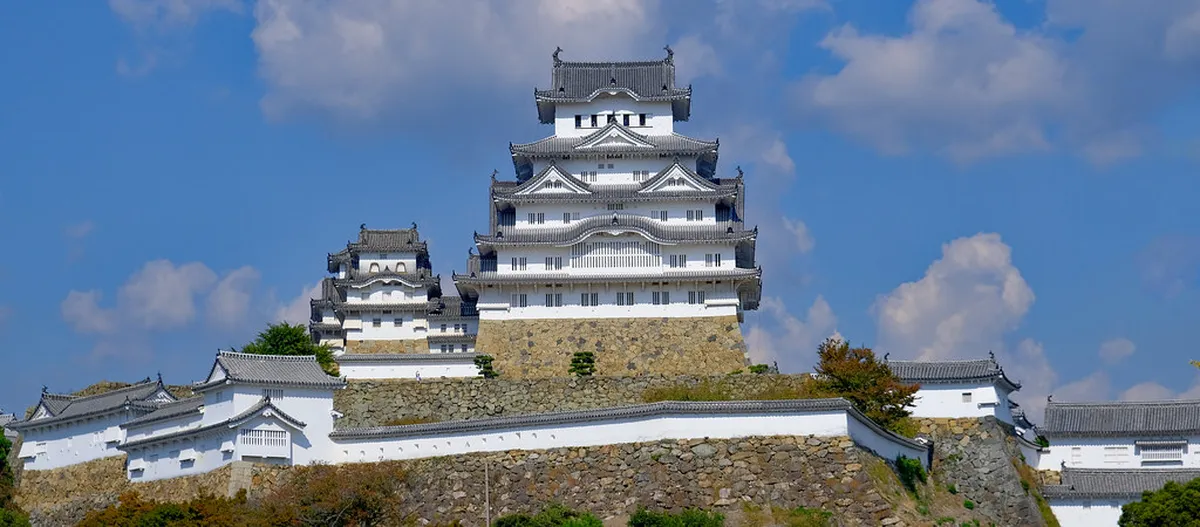
Arrive by 9:00 AM to beat the tour groups. The main keep is open from 9:00 AM to 5:00 PM daily, with last entry at 4:30 PM. Adult admission is 800 yen; tickets are available at the gate and via advance booking during peak cherry blossom season (late March to early April).
After the keep, walk down to the Sakura-no-baba Josaien shopping area adjacent to the castle grounds. This replica Edo-period castle town has a dozen food stalls and craft shops. Try the ikinari dango (steamed rice cake stuffed with sweet potato and red bean) — it is the quintessential Kumamoto street snack. Shops open around 9:00 AM and run until 7:00 PM.
- Time needed: 2–2.5 hours for castle + Josaien
- Cost: 800 yen admission; food 300–800 yen per item
- Transport: Tram to Kumamoto-jo/Shiyakusho stop (lines A and B)
Arrive at Kumamoto Castle by 9:00 AM to beat tour groups and get photos of the stone walls without crowds. The elevated Special Observation Route gives a front-row view of the ongoing earthquake restoration — budget an extra 30 minutes for it.
Former Residence of Lafcadio Hearn
From Josaien, it is a 10-minute walk east to one of the most overlooked stops on any Kumamoto itinerary: the Former Residence of Lafcadio Hearn. Hearn was a Greek-Irish writer who lived in Japan from 1890 until his death in 1904, and Kumamoto was one of his homes. His books — particularly Kwaidan — gave Western readers their first serious literary introduction to Japanese ghost stories and folklore.
The house has been carefully restored to its late 1890s condition. Walking through the tatami rooms and the small garden takes about 30 minutes and gives you a rare look inside a Meiji-era middle-class Japanese home. Entry is free.
This stop is easy to skip on a rushed itinerary, but it adds genuine cultural depth that the castle alone cannot provide. Most competitors' itineraries omit it entirely — that is your window to experience something less crowded and more memorable.
- Time needed: 25–35 minutes
- Cost: Free
- Hours: 9:30 AM – 4:30 PM, closed Mondays (if Monday falls on a holiday, closed the following Tuesday)
Suizenji Jojuen
Take the tram from the city center to Suizenji Koen stop (roughly 20 minutes) for the afternoon's main attraction. Suizenji Jojuen is a 400-year-old stroll garden commissioned by the Hosokawa clan, designed to miniaturize the 53 post stations of the Tokaido road. The central hill replicates Mt. Fuji — subtle, but unmistakable once pointed out.
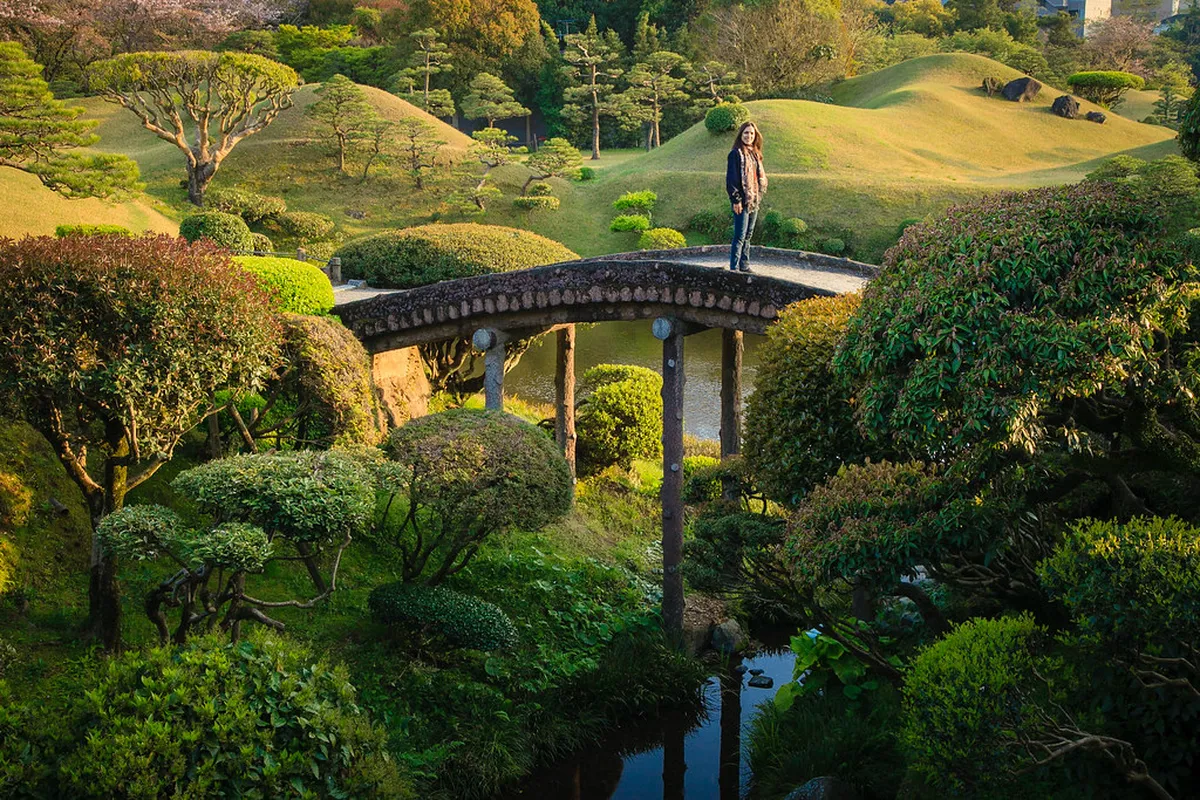
The garden is best experienced slowly: walk the perimeter path, cross the arched stone bridges, and stop at the thatched-roof Izumi Shrine inside the grounds. Entry is 400 yen for adults.
A small traditional tea house inside the garden serves matcha and wagashi (seasonal sweets) for around 600 yen — a worthwhile pause before heading back downtown for dinner.
- Time needed: 60–90 minutes
- Cost: 400 yen admission; 600 yen optional tea ceremony
- Hours: 7:30 AM – 6:00 PM (Mar–Oct); 8:30 AM – 5:00 PM (Nov–Feb)
Kumamoto Food Stall Village and Shimotori Arcade
End Day 1 at the Shimotori and Kamitori covered shopping arcades — the beating heart of downtown Kumamoto. The arcade complex stretches nearly a kilometer and is lined with izakayas, specialty restaurants, souvenir shops, and local boutiques. Look for the Kumamon mascot merchandise everywhere; Kumamon (the prefectural bear mascot) is consistently Japan's top-ranked regional mascot by brand value.
For dinner, prioritize two local dishes:
- Kumamoto Ramen: Distinct from Hakata ramen — it uses a pork-chicken tonkotsu base with garlic chips and black mayu (charred garlic oil) rather than straight tonkotsu. Richer and more complex. Budget 900–1,200 yen per bowl.
- Basashi: Thinly sliced raw horse meat served with ginger, soy, and sesame oil. Kumamoto produces more basashi than anywhere else in Japan. Best experienced at a sit-down izakaya (1,200–2,000 yen per plate) rather than a market stall.
The adjacent Kumamoto Food Stall Village (Yatai Village near the SAKURA-MACHI Kumamoto building) operates Thursday–Sunday evenings and offers a casual way to sample local food from multiple vendors with one drink in hand. Best-fit traveler: anyone who wants variety over a single long meal. Not ideal if you prefer a quiet sit-down — the atmosphere is lively and communal.
Mt. Aso Day Trip
Day 2 is a full-day excursion to Mt. Aso, Japan's largest active volcano and one of the most dramatic natural landscapes in the country. The caldera is 25 km across — cities, farms, and shrines sit inside it. The main draw is Nakadake crater, where you can stand at the rim and look into an active sulfurous vent (weather and alert levels permitting). Mt. Aso sits within Aso-Kuju National Park, one of Japan's oldest and most dynamic natural reserves.
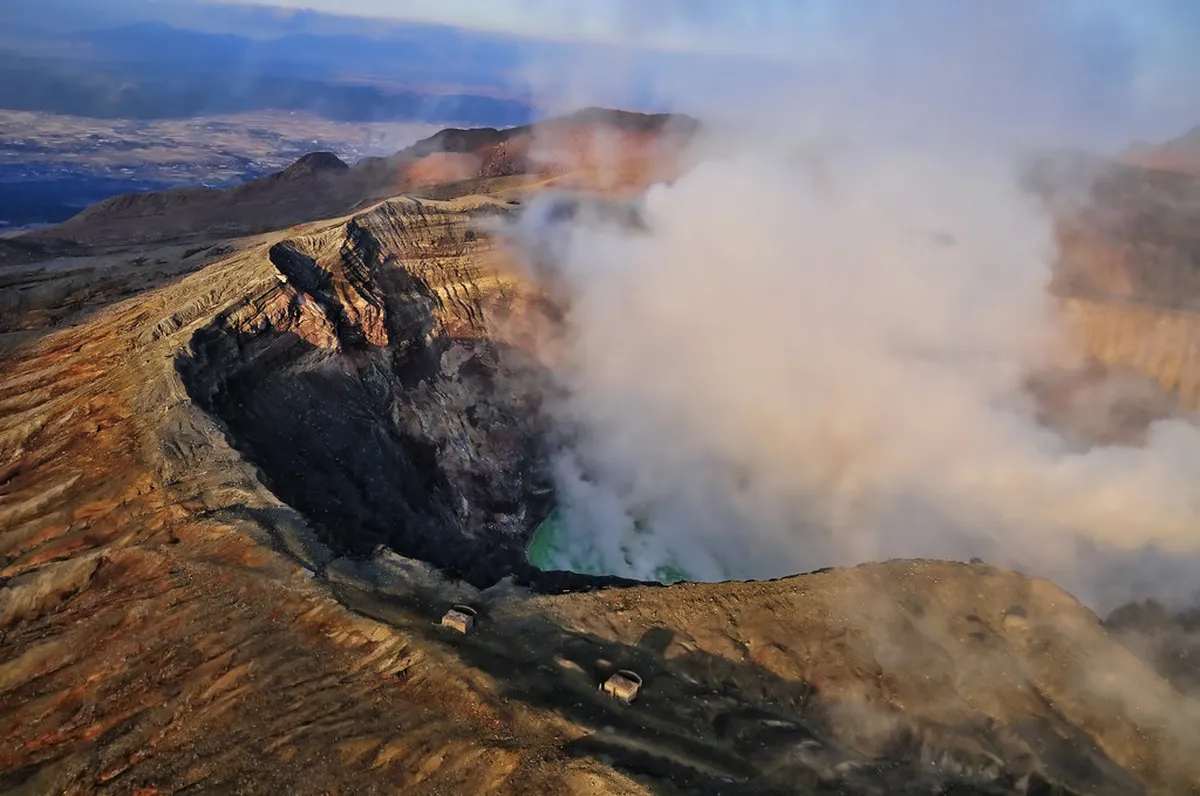
Getting there: Take the JR Kyushu limited express from Kumamoto Station to Aso Station (about 70 minutes). The Aso Boy train runs on select days and is popular with families for its interior design — book 30 days ahead at JR Kyushu stations or online. Standard local trains run more frequently but take around 90 minutes. Japan Rail Pass holders ride both for free; non-pass travelers pay approximately 1,640 yen each way.
Crater access: A shuttle bus runs from Aso Station to the crater area (about 45 minutes, 1,100 yen round trip). Always check the Japan Meteorological Agency volcano alert level before departing — the crater is closed when the alert rises above Level 1. Closures happen several times per year with little notice.
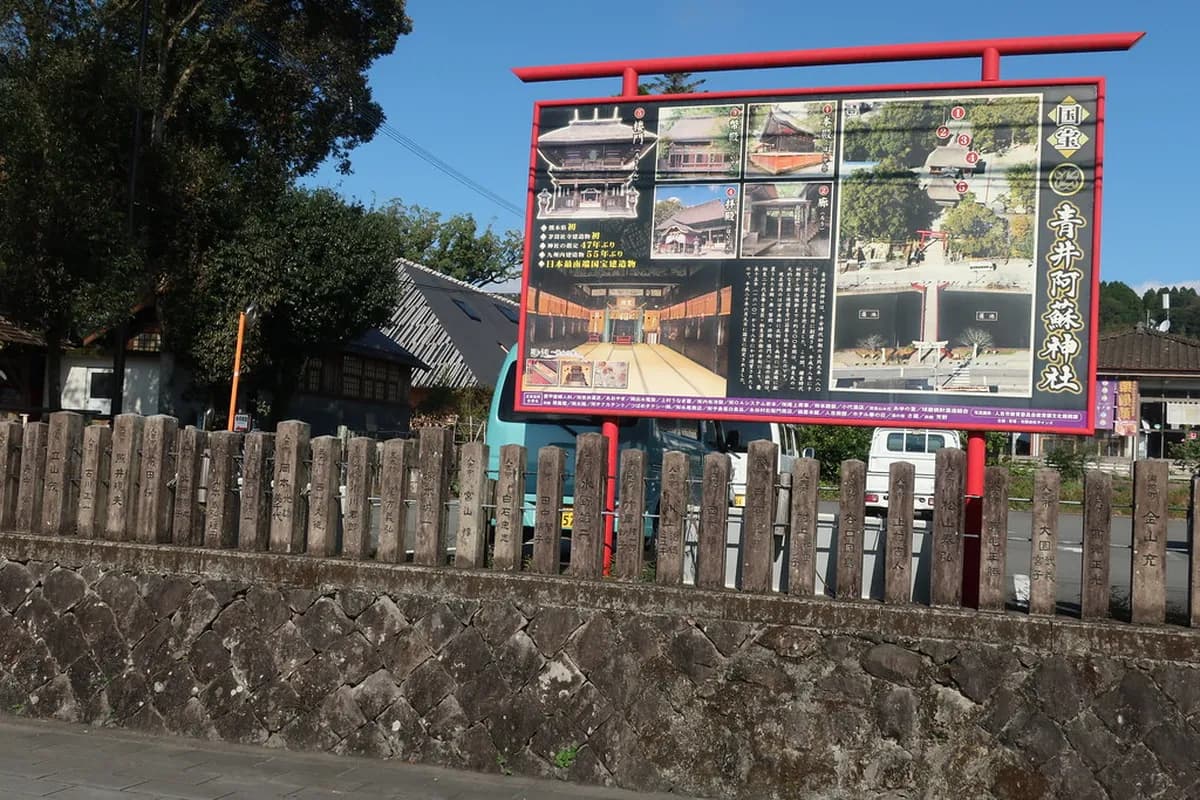
Afternoon plan: After the crater, walk the Kusasenri plateau (a broad grassland with a small lake that perfectly reflects the Kishimadake peak) and then visit Aso Shrine in the town below — one of Japan's oldest shrines, currently undergoing post-earthquake restoration. The shrine is free to enter.
Return: Aim to catch a train back to Kumamoto by 5:00–6:00 PM, leaving time for a final bowl of ramen before departure.
- Time needed: Full day (depart 8:00–8:30 AM, return by 6:00 PM)
- Cost: 3,280 yen rail (round trip, no pass) + 1,100 yen shuttle + meals
- Key risk: Crater closures — always check JMA alert level the morning you go
Mt. Aso's Nakadake crater closes several times a year without much notice when the JMA alert level rises above 1. Check the Japan Meteorological Agency website the morning of your Day 2 visit — if the crater is closed, the Daikanbo viewpoint on the northern caldera rim is the best backup.
Where to Stay in Kumamoto
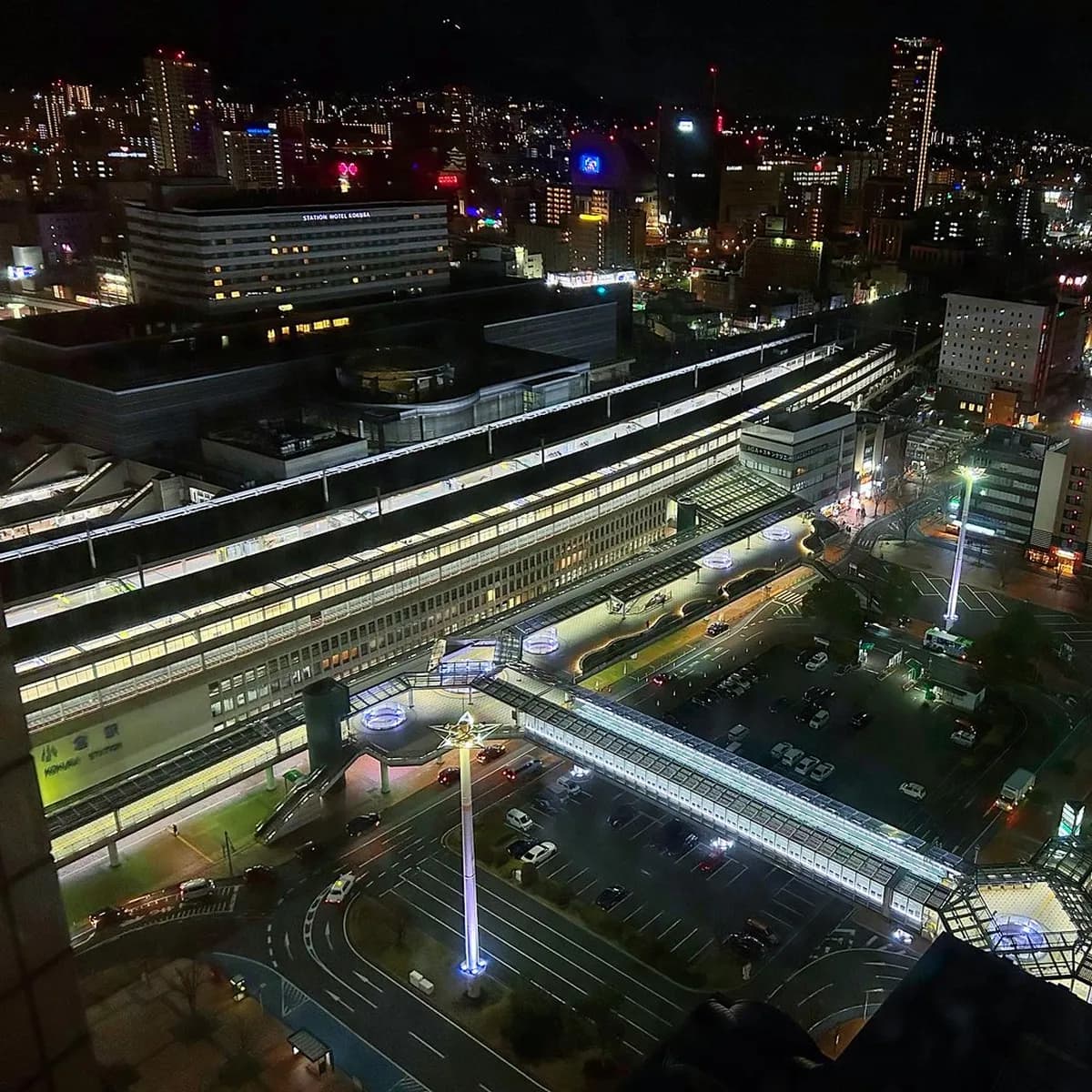
For a 2-day itinerary structured around Day 1 city exploration and Day 2 Aso, the best base is downtown near the Shimotori arcade or the Hanabata-cho tram stop. This puts you within 15 minutes on the tram to the castle and 20 minutes by taxi or bus to Kumamoto Station for the Day 2 train.
- Best for transit efficiency: Hotels near Kumamoto Station (10 minutes walk to JR platforms; modern business hotels, budget 6,000–12,000 yen/night)
- Best for food and nightlife access: Downtown near Shimotori arcade (surrounded by restaurants and izakayas; slightly further from the train station)
- Best for atmosphere: A local ryokan in the downtown district — see the Kumamoto ryokan guide for specific options and pricing
Budget travelers can find clean business hotels near the Karashimacho tram stop for 5,500–8,000 yen/night. Rooms in Japan are smaller than Western equivalents at any price point; check room size in square meters before booking if this matters to you.
What's the Weather Like in Kumamoto?
Kumamoto has a humid subtropical climate — hot and wet summers, mild winters, and two distinct seasons that affect your itinerary planning meaningfully.
- Spring (March–May): Best overall. Cherry blossoms peak late March to early April at the castle. Mild temperatures (15–22°C). Book accommodation 2–3 months ahead during cherry blossom season.
- Summer (June–August): Hot (30–35°C) and humid, with heavy rain during tsuyu (rainy season, mid-June to mid-July). Mt. Aso is lush and green. The crater is more frequently accessible in summer because volcanic activity tends to be lower, but typhoon season starts in August.
- Autumn (September–November): Second best season. Cooler temperatures, autumn foliage at Suizenji and the castle grounds, and generally lower tourist density than spring.
- Winter (December–February): Cool and occasionally frosty (5–12°C). Mt. Aso can see snow on higher ground. The castle and gardens are quietest, but hours at some sites shorten. Suizenji has reduced morning opening hours in winter (8:30 AM instead of 7:30 AM).
| Season | Temp (°C) | Highlights | Watch out for |
|---|---|---|---|
| Spring (Mar–May) | 15–22 | Cherry blossoms at the castle; fresh green at Aso | Book 2–3 months ahead during cherry blossom |
| Summer (Jun–Aug) | 30–35 | Lush Aso highlands; city festivals | Heat + humidity; typhoon risk from August |
| Autumn (Sep–Nov) | 10–18 | Foliage at Suizenji + castle; best Aso hiking | Accommodation fills fast in November |
| Winter (Dec–Feb) | 5–12 | Quietest; lowest hotel rates | Suizenji opens later (8:30 AM); Aso may snow |
For a Mt. Aso day trip specifically, late spring and autumn give you the best combination of stable weather and open crater access. Summer is acceptable but typhoon risk applies from August onward.
Japan Rail Pass and Transport Tips
If Kumamoto is part of a broader Kyushu trip, a Japan Rail Pass (or the regional Kyushu Rail Pass) pays for itself quickly. The Kumamoto–Aso day trip alone costs 3,280 yen round trip without a pass. Add a Shinkansen leg from Fukuoka (1,360 yen each way without a pass) and the math clears within a day or two.
- JR Pass holders: The Aso Boy limited express is covered; reserve a seat regardless because the train sells out on weekends and holiday periods.
- Non-pass travelers: Buy an IC card (Suica or Nimoca) for all tram and local bus travel — no need to buy individual tram tickets and the card works at convenience stores too.
- City tram day pass: 500 yen unlimited tram rides for one day. Worth buying on Day 1 when you will take 4–5 tram trips. Available at Kumamoto Station and on the tram itself.
- Taxi from castle to Suizenji: Around 1,200–1,500 yen if you want to skip the tram after a long castle morning. Faster but unnecessary if you are not exhausted.
Is Kumamoto Worth Visiting for Two Days?
Yes — and the two-day structure is arguably the ideal length for a first visit. One day forces you to choose between the castle and Aso. Three days opens up Amakusa or Kurokawa Onsen, which are excellent but require a specific interest. Two days threads the needle: you see the city's historical depth on Day 1 and Kyushu's volcanic landscape on Day 2 without padding either.
The most common objection from travelers skipping Kumamoto is that it lacks the brand recognition of Kyoto or Hiroshima. That is precisely why it is better for a short stay — the castle has shorter queues, the garden has fewer crowds, and locals are more accessible. The earthquake reconstruction story is also genuinely moving: watching craftspeople restore 16th-century stone walls by hand in 2026 is not something you see at most heritage sites.
Frequently Asked Questions
What is the best way to get around Kumamoto city?
The city tram covers all Day 1 major stops — castle, Lafcadio Hearn house, and Suizenji garden. Rides cost a flat 170 yen per trip or 500 yen for an unlimited day pass. IC cards (Suica, Pasmo, Nimoca) work on the tram and are the fastest way to pay.
Is Mount Aso safe to visit in 2026?
Mt. Aso is an active volcano and crater access depends on the current JMA alert level. At Level 1, the crater viewing area is open. At Level 2 or above, a 1 km exclusion zone closes the rim. Check the Japan Meteorological Agency website the morning of your visit — closures happen several times per year without much advance notice.
What food is Kumamoto most famous for?
Kumamoto is best known for Basashi (raw horse sashimi), Kumamoto-style ramen with garlic chips and black mayu oil, and Karashi Renkon (lotus root stuffed with spicy mustard miso). All three are easily found in the Shimotori and Kamitori covered arcades downtown.
How does a 2-day itinerary differ from a 1-day or 3-day visit?
A 1-day visit covers only the city highlights — castle, Suizenji, and arcades — with no time for Mt. Aso. Two days adds the full Aso day trip, which is Kumamoto's most iconic experience. Three days allows you to add Amakusa Islands, Kurokawa Onsen, or deeper hiking in the Aso caldera. See the 1-day itinerary or the 3-day adventure itinerary depending on your schedule.
A 2-day Kumamoto itinerary delivers one of the most satisfying Japan combinations available: a castle rebuilt with visible craftsmanship, a garden that compresses an entire highway into a morning stroll, and a volcano close enough to smell. Use Day 1 to root yourself in the city's history and Day 2 to step outside it entirely.
For more on what to see across the prefecture, the Kumamoto attractions guide covers every major site with context on how to prioritize. Safe travels through one of Kyushu's most rewarding stops.
Free: The Kumamoto Essentials guide
Top things to do, where to stay, a perfect day plan, getting around, and the best time to go — a Kumamoto mini-guide you can take offline.
You might also like
Continue reading
More guides you'll find useful


