
6 Best Kumamoto Ryokan and Area Guide (2026)
Discover the best Kumamoto ryokan for your trip. Our guide covers luxury onsen stays, budget-friendly traditional inns, and top attractions in Kumamoto and Amakusa.
On this page
6 Best Kumamoto Ryokan and Area Guide (2026)
After my fourth trip to Kyushu, I realized that finding the perfect kumamoto ryokan depends entirely on your priority: the historic castle or the rugged coast. Kumamoto offers a distinct blend of urban history and volcanic natural beauty that most travelers only scratch the surface of during a quick stop. Staying in a traditional inn here provides an immersion into Kyushu hospitality that modern hotels simply cannot replicate.
This guide was last refreshed in May 2026 following my most recent spring visit to the Aso caldera and the Amakusa coast. I have vetted these locations to ensure they offer the best balance of authentic atmosphere, private hot springs, and proximity to the region's top sights. Whether you seek a mountain retreat or a seaside escape, the following sections will help you navigate the logistics of a high-end Japanese stay.
6 Must-See Kumamoto Attractions Near Ryokan Hubs
Choosing the right base for your stay is essential because Kumamoto's geography is surprisingly spread out between the mountains and the sea. Most visitors start their journey in the city center to explore the reconstructed Kumamoto Castle before heading into the rural onsen towns. This list highlights the essential landmarks that pair perfectly with a high-quality ryokan experience in the prefecture.
Selecting a ryokan near these hubs allows you to maximize your time without rushing through the intricate multi-course kaiseki dinners. I recommend spending at least one night in the city and two nights in a rural area like Kurokawa or Amakusa for a complete experience. Each of these attractions offers a unique window into the culture of central Kyushu, from samurai history to volcanic landscapes.
Travelers often overlook the smaller cultural sites in favor of the castle, but these hidden gems often provide the most peaceful memories. Planning your route around these six pillars ensures you see the best of the region while enjoying world-class hot spring facilities. Be sure to check the seasonal opening hours as many gardens and museums adjust their schedules based on the daylight hours.
- Kumamoto Castle and the Honmaru Goten Palace
- This massive fortress serves as the city's heart and features incredible stone walls known as Musha-gaeshi designed to repel ninjas.
- Expect to pay around $5–$8 for entry, with the grounds typically open daily from 9:00 am to 5:00 pm.
- Located in the Chuo Ward, it is easily reached via the city tram to the Kumamoto-jo/Shiyakusho-mae stop.
- My top tip is to visit the palace kitchens to see the authentic reconstruction of the lord's living quarters.
- Suizenji Jojuen Garden Landscape Walk
- This circular strolling garden represents the 53 stations of the Tokaido road, including a miniature Mount Fuji made of grass.
- Entry costs roughly $3–$5 per adult, and the gates are open from 8:30 am to 5:00 pm throughout the year.
- You can find this serene spot in the eastern part of the city, just a short tram ride from the main station.
- Stop at the Izumi Shrine inside the garden to taste the fresh spring water that feeds the central pond.
- Kurokawa Onsen Village Bath Hopping
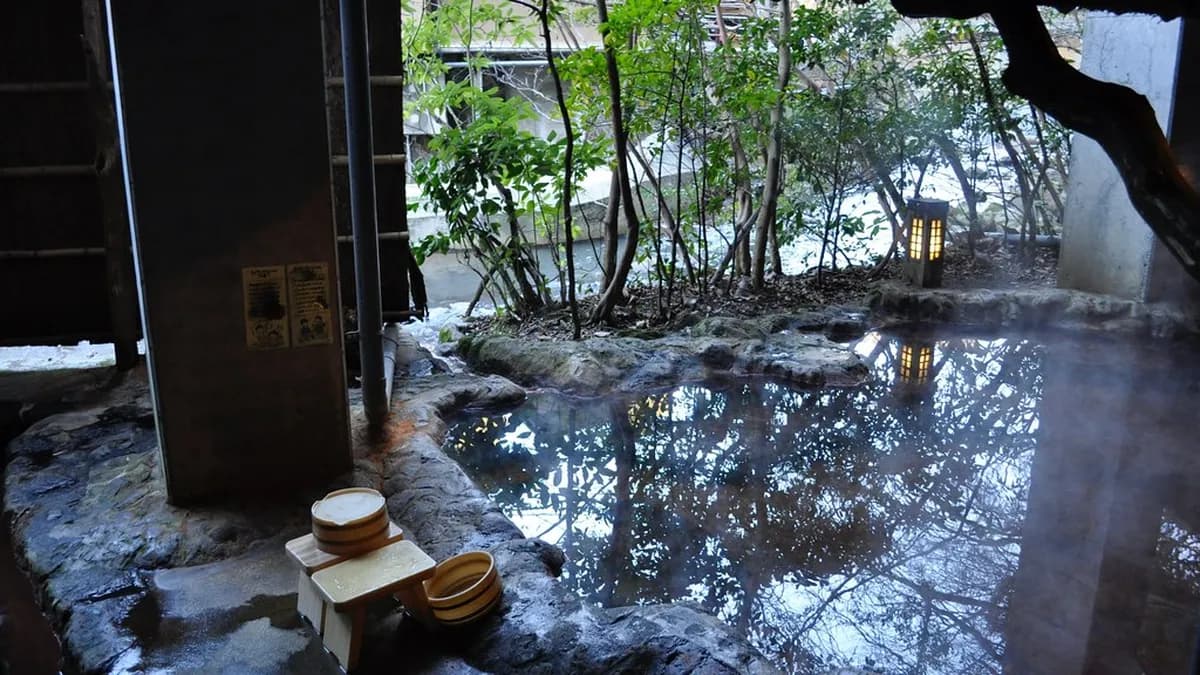
- Kurokawa is a secluded mountain town famous for its cohesive traditional architecture and variety of outdoor hot spring baths.
- A bath-hopping pass (Nyuto Tegata) costs about $10–$12 and allows entry to three different ryokan baths of your choice.
- The village is located in the Aso region and requires a two-hour bus ride from Kumamoto Station or a rental car.
- I found that the baths furthest from the village center are often the most peaceful and offer the best forest views.
- Amakusa Five Bridges and Dolphin Watching
- The Amakusa Islands offer a dramatic coastal landscape where you can take boat tours to see wild Indo-Pacific bottlenose dolphins.
- Boat tours usually cost between $18–$30 per person and operate several times daily depending on the weather conditions.
- Access this area by taking the 'A-Train' limited express from Kumamoto to Misumi, followed by a local ferry or bus.
- Book the last tour of the day during summer to catch the beginning of the sunset over the Ariake Sea.
- Sakuranobaba Josaien Traditional Food Market
- Located at the foot of the castle, this Edo-period themed village is the best place to sample local Kumamoto delicacies.
- Entrance to the market area is free, though individual shops and the Wakuwaku-za museum have their own small fees.
- It sits right next to the main castle entrance, making it an ideal lunch stop during your sightseeing day.
- Try the 'Ikinari Dango,' a local steamed sweet potato and red bean cake that is served warm by street vendors.
- Reigando Cave and the Spirit of Musashi
- This quiet cave is where the legendary swordsman Miyamoto Musashi wrote 'The Book of Five Rings' while living as a hermit.
- Entry to the temple grounds and cave is approximately $2–$4, and it is open daily from 8:00 am to 5:00 pm.
- The cave is situated on the western outskirts of the city and is best reached via a 30-minute taxi or local bus.
- The moss-covered statues of the 500 Arhats leading up to the cave create a hauntingly beautiful atmosphere for photography.
Amakusa & Kumamoto Onsen: Coastal Retreats
While Kurokawa is famous for its mountain charm, the Selected Onsen Ryokan in Amakusa offer a completely different atmosphere. For a full overview of Kurokawa and day-trip logistics, see our guide to Kurokawa Onsen day trip from Kumamoto. Coastal stays here focus on the bounty of the sea, featuring kaiseki meals heavy on fresh sea urchin, abalone, and local snapper. The air is saltier, and the views often encompass the sparkling blue waters of the Amakusa-nada Sea rather than cedar forests.
Private open-air baths are a hallmark of luxury stays in this region, allowing you to soak while watching the sun dip below the horizon. Many of these properties are built into the hillsides, providing tiered views that make each room feel like a private sanctuary. Travelers should note that these coastal retreats are quieter and more spread out than the dense village of Kurokawa.
Getting to Amakusa requires a bit more planning, but the scenic journey via the coastal train line is part of the appeal. I recommend checking the ferry schedules if you plan to island-hop, as the boats are the most efficient way to travel between hubs. The hospitality here feels more relaxed and maritime-focused, reflecting the history of the local fishing communities.
Is a Kumamoto Ryokan Worth the Price?
A common question for travelers is whether the high cost of a kumamoto ryokan is justified for a short one or two-night stay. Typical prices range from $150 to over $600 per person per night, which usually includes two elaborate, high-quality meals. When you factor in the cost of a multi-course dinner and breakfast, the price of the room itself becomes much more reasonable.
The value lies in the 'Omotenashi,' or selfless hospitality, where staff anticipate your needs before you even realize them. For first-time visitors, I suggest booking a ryokan that offers 'Kashikiri' or private rental baths if you are shy about public bathing. This allows you to experience the hot springs comfortably while maintaining your privacy during your stay. For comprehensive guidance on ryokan customs and etiquette, the official Japan National Tourism Organization's ryokan guide provides detailed insights into traditional bathing rituals and dining customs that will help you feel confident during your stay.
If you are on a tight budget, consider a 'business ryokan' or a traditional inn that offers a 'room only' plan without the meals. You can then explore the local food scene independently while still enjoying the tatami mats and futon bedding. For a full rundown of the prefecture's bathing culture, our Kumamoto onsen guide covers day-use facilities, prices, and the best baths for solo travelers. However, for at least one night, the full kaiseki experience is a cultural investment that most travelers find deeply rewarding.
Museums, Art, and Culture in Kumamoto City
Beyond the hot springs, the city center holds several cultural institutions that showcase the artistic soul of central Kyushu. The Contemporary Art Museum Kumamoto (CAMK) is a fantastic free-to-enter space located right in the downtown shopping arcade. It often features interactive installations and a massive library of art books that are perfect for a quiet afternoon.
For those interested in the samurai era, the Shimada Museum of Art houses a significant collection of artifacts belonging to Miyamoto Musashi. The museum is small but incredibly well-curated, offering a deep dive into the philosophy of the sword and local calligraphy. I found that visiting this museum before heading to the Reigando Cave provides much-needed context for Musashi's life.
Traditional crafts like Higo Zogan (gold inlay on iron) are still practiced in small workshops throughout the city's older districts. You can often find live demonstrations at the Kumamoto Prefectural Traditional Crafts Center near the castle grounds. These items make for meaningful souvenirs that carry the weight of centuries of local craftsmanship.
Parks, Gardens, and Outdoor Spots in Kumamoto Prefecture
The phrase 'Land of Fire' refers to the massive Mount Aso, one of the world's largest active volcanic calderas located just east of the city. Taking a Mount Aso day trip is a must for anyone staying in a nearby ryokan. The emerald-green grasslands of Kusasenri offer a stark and beautiful contrast to the steaming vents of the Nakadake crater.
Closer to the city, the Hanaoka-yama viewpoint provides the best panoramic view of the skyline and the distant mountains. It is a popular spot for locals at sunset, and the walk up the hill takes about twenty minutes from Kumamoto Station. The path is lined with small shrines and offers a peaceful escape from the bustling shopping streets below.
If you are visiting during the spring, the banks of the Tsuboi River near the castle become a tunnel of cherry blossoms. I recommend checking the seasonal calendars for Kumamoto Castle to time your stay perfectly. The city's park system is exceptionally well-maintained, providing plenty of space for families to enjoy the outdoors.
Family-Friendly and Budget-Friendly Ryokan Options
Not every ryokan experience has to carry a luxury price tag, and Kumamoto has solid options at every budget level. Family groups traveling with young children will find that many mid-range inns in the Suizenji and downtown neighborhoods accept children under 12 at significantly reduced rates, often around $40–$60 per child when sharing the parents' bedding. Call ahead to confirm futon arrangements, as older properties rarely list this information in English online. The Kumamoto tourism authority's accommodation guide offers curated listings of verified properties and current pricing across all budget ranges.
For solo budget travelers, guesthouses like Kumamoto Hostel and small 'minshuku' (family-run inns) near the castle offer tatami rooms and shared baths for $50–$90 per night without meals. These properties give you the tatami atmosphere and an authentic local breakfast if you add the breakfast plan, while keeping costs manageable. The trade-off is that communal baths have fixed hours and the rooms are less private than ryokan suites.
Travelers who want the ryokan atmosphere without the overnight commitment can book a 'Higaeri' or day-use onsen plan. Several properties in Kurokawa and the Aso foothills offer 60–90 minute private bath rentals for $15–$30 per couple, which includes fresh yukata robes and a small tea service. This is the ideal solution for those on a tight schedule who still want to experience the signature feature of a Kyushu inn.
How to Plan a Smooth Kumamoto Ryokan Itinerary
Planning a trip involving multiple ryokans requires careful attention to check-in times, as most inns require you to arrive by 5:00 pm. This ensures you are settled in before the dinner service begins, which is the highlight of the entire stay. I recommend using the local bus pass if you plan to visit both the city and the Aso region.
Regarding what to skip, I found the Kumamoto City Hall Observatory to be somewhat underwhelming compared to the Hanaoka-yama viewpoint. While the city hall is free, the view is through glass and lacks the atmosphere of the outdoor hilltop spots. Additionally, unless you are a die-hard fan of modern shopping malls, you can spend less time in the Shimotori arcade and more in the gardens.
To optimize your time, consider a 2-day itinerary that focuses on the city center and one onsen area — our Kumamoto attractions guide maps out the best sights to anchor your schedule. Trying to see both Kurokawa and Amakusa in a single weekend is often too rushed and leaves little time for relaxation. Booking your ryokan at least three months in advance is critical, especially for popular weekends or during the autumn foliage season.
Frequently Asked Questions
Which Kumamoto ryokan options fit first-time visitors?
First-time visitors should look for ryokans in the Suizenji area or downtown for easy transport access. These properties often have English-speaking staff and offer a mix of traditional rooms and modern western-style beds. I recommend choosing an inn with private bath options to ease into the onsen culture.
How much time should you plan for a Kumamoto ryokan stay?
A minimum of one night is required to experience the dinner and breakfast cycle, but two nights are ideal for true relaxation. This allows you to explore the local area during the day without rushing back for check-in. If you are visiting Kurokawa, three days is the perfect duration.
What should travelers avoid when booking a ryokan in Kumamoto?
Avoid booking 'room only' plans if you want the full cultural experience, as finding high-end traditional meals nearby can be difficult in rural areas. Also, do not ignore the dietary restriction windows. Most ryokans need at least three days' notice to accommodate allergies or vegetarian requirements.
Choosing a kumamoto ryokan is more than just picking a place to sleep; it is a gateway to the history and natural beauty of Kyushu. From the towering walls of the castle to the steaming baths of the mountains, the region offers a diverse range of experiences for every traveler. I hope this guide helps you find the perfect balance between sightseeing and the profound relaxation that only a Japanese inn can provide.
Remember to embrace the slow pace of ryokan life and let the local hospitality guide your journey through this incredible prefecture. Whether you are watching the sunset in Amakusa or walking the mossy paths of a Zen garden, Kumamoto will surely leave a lasting impression. Safe travels as you explore the Land of Fire and its many hidden treasures.
 9 Best Nara Ryokans for First Timers (2026)May 14, 2026