Things to Do in Kumamoto: 20+ Top Attractions & Travel Guide (2026)
Discover the best things to do in Kumamoto in 2026 — from Kumamoto Castle and Suizenji Garden to Mount Aso, Reigando Cave, and basashi dining. Complete guide with prices, hours & tips.
On this page
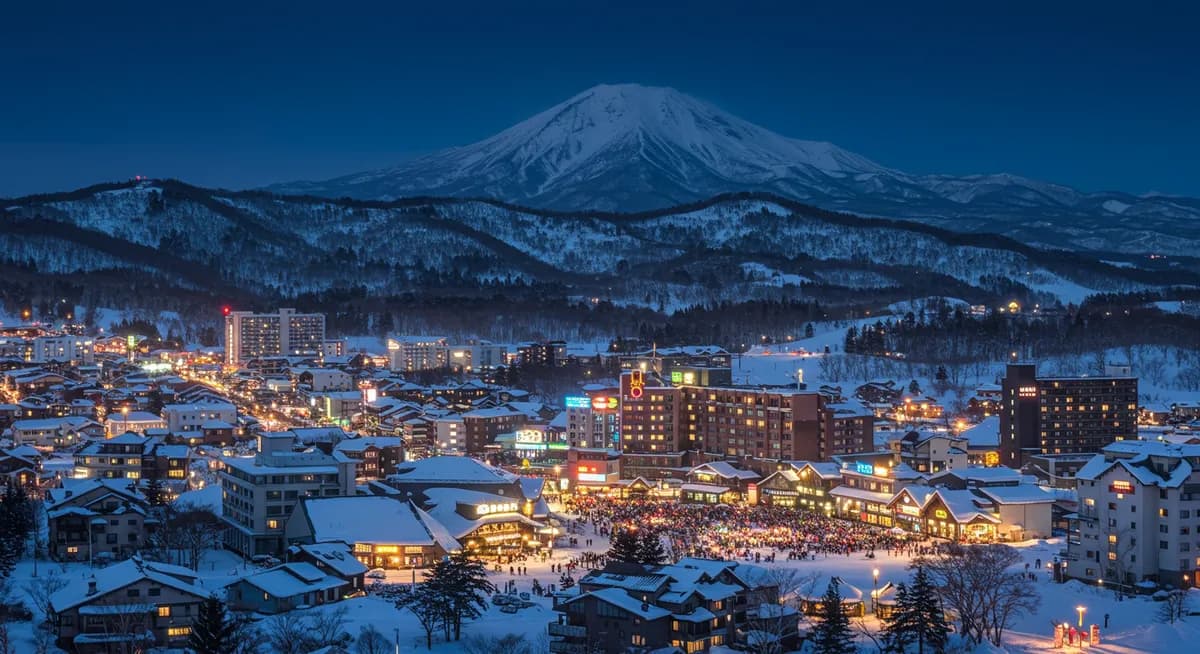
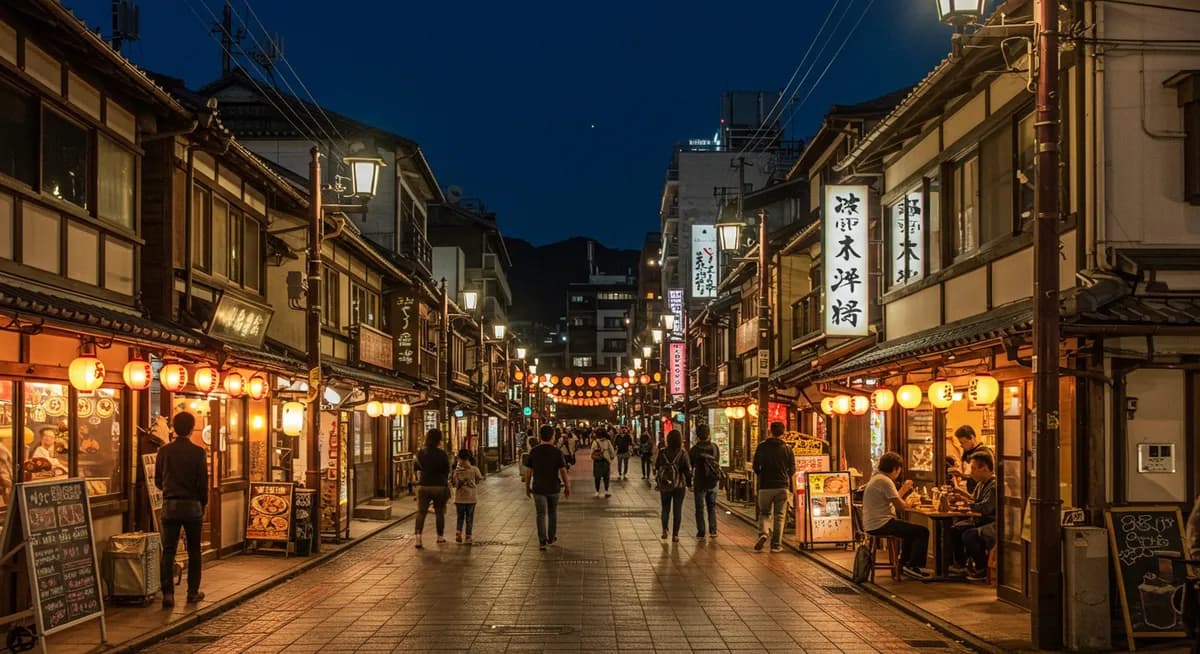
Kumamoto is one of Kyushu's most rewarding destinations — a city where a feudal castle rebuilt stone by stone shares the skyline with Japan's most active volcano, where samurai history meets Japan's quirkiest mascot, and where a single bowl of garlic-rich ramen can make the trip worthwhile on its own. Whether you have a single afternoon or a full week, the things to do in Kumamoto span every style of travel: history, nature, food, hot springs, and adventure. For neighboring regions, see our guides to Nagasaki and Beppu for wider Kyushu exploration.
This guide covers 20+ top Kumamoto attractions, the city's best food experiences, practical day-trip extensions to Mount Aso, Kurokawa Onsen, and the Amakusa Islands, plus all the logistics — transport, timing, and money — you need to plan a trip in 2026. Osaka and Kyoto are easily reached from here via Shinkansen.
Free: The Kumamoto Essentials guide
Top things to do, where to stay, a perfect day plan, getting around, and the best time to go — a Kumamoto mini-guide you can take offline.
Top Kumamoto Attractions
1. Kumamoto Castle — Japan's Most Resilient Fortress
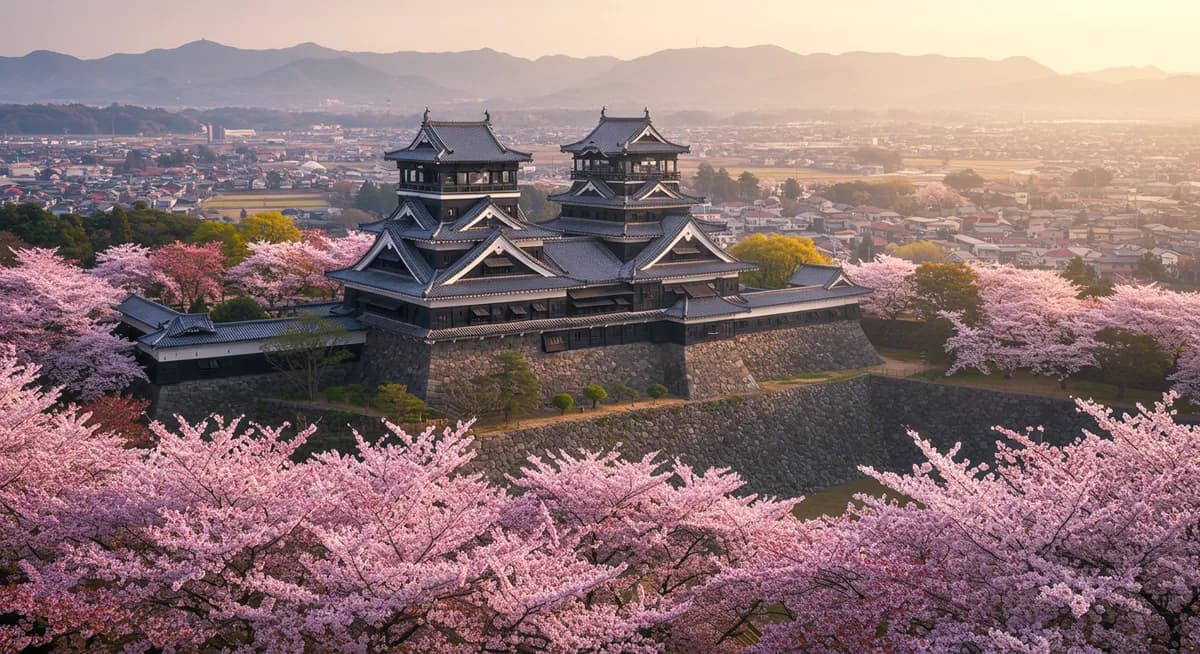
Kumamoto Castle is the undisputed symbol of the city and one of Japan's three great castles alongside Himeji and Matsumoto. Originally constructed in 1607 by feudal lord Kato Kiyomasa, the castle famously withstood a 50-day siege during the Satsuma Rebellion of 1877 — only to be severely damaged by the April 2016 earthquakes. What followed was one of Japan's most ambitious reconstruction projects, completed in stages over a decade. For the latest official reopening updates and visitor information, consult the Kumamoto City official tourism guide.
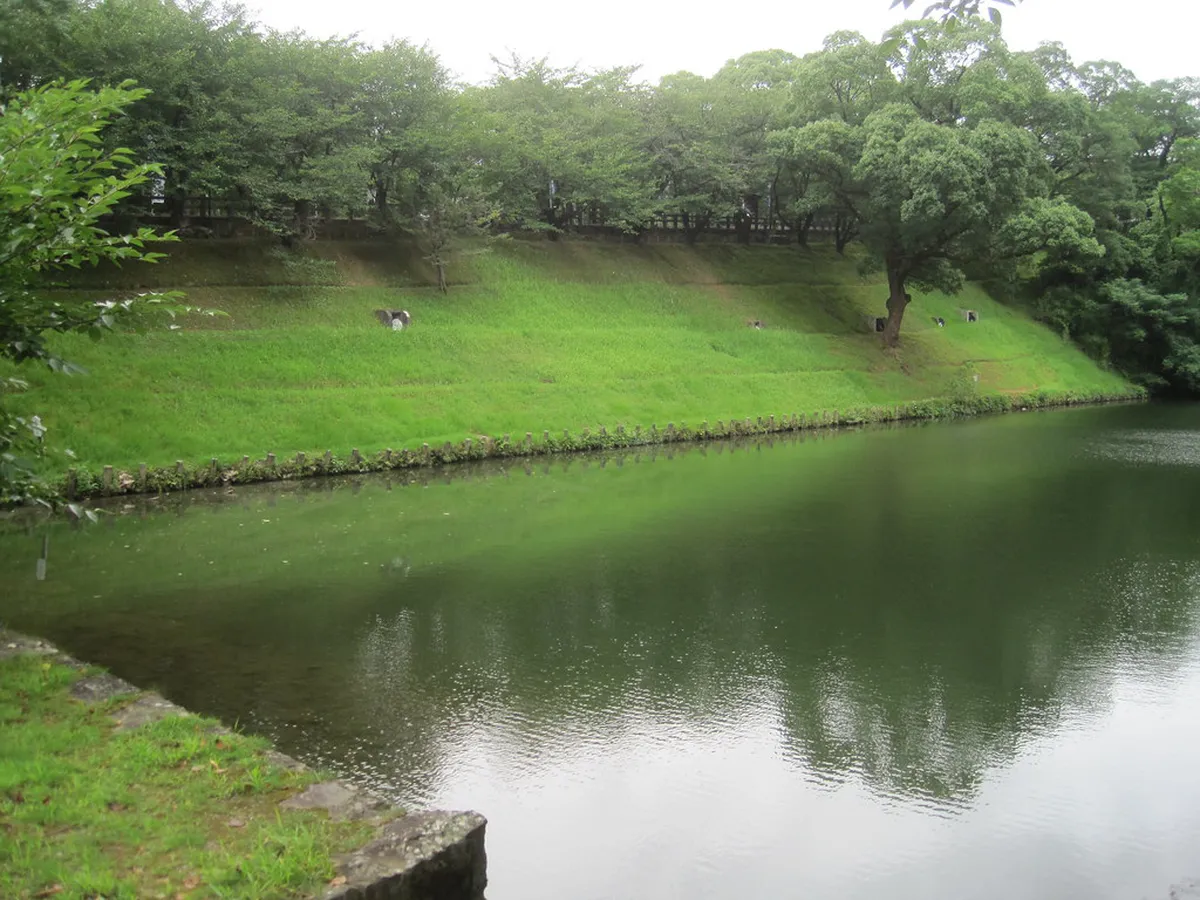
In 2026, the main keep is fully open across all six floors, with a rebuilt interior exhibition tracing the castle's feudal history, earthquake damage, and painstaking restoration. The highlight for most visitors is the 350-metre elevated viewing corridor that routes you directly above the earthquake-damaged stone walls — you can peer down at the tilted ishigaki (stone ramparts) while learning how each is being individually repositioned by hand. Full restoration of the entire castle complex is scheduled for 2053; what you see now is a living archaeological project as much as a sightseeing destination.
2026 practical info: Open daily 09:00–17:00 (last entry 16:30), closed 29 December–3 January. Admission ¥800 for adults, ¥500 for elementary and junior high students. Allow 90 minutes for a thorough visit. The castle park is free to enter and beautiful at cherry blossom time — see our guide to Kumamoto Castle cherry blossoms for seasonal timing.
For a deep dive into the castle's reconstruction story and the most photogenic spots inside the grounds, read our full Kumamoto Castle reconstruction and history guide.
Kumamoto Castle's main keep is fully open in 2026. The elevated Special Observation Route (included in the ¥800 ticket) lets you peer directly down at the earthquake-damaged stone walls being hand-restored — one of Japan's most unique heritage experiences.
2. Suizenji Jojuen Garden — A Miniature Japan in One Walk
Suizenji Jojuen Garden ranks among Japan's most celebrated stroll gardens for a reason: it compresses the 53 post stations of the Tokaido Road — the ancient highway between Kyoto and Edo — into a single manicured landscape, including a small but unmistakable replica of Mount Fuji. Designed in the 17th century by the Hosokawa clan, the garden is arranged around a spring-fed central pond whose water is renowned for exceptional clarity.
A single loop takes 30–40 minutes at a relaxed pace. The best photographs come from the west embankment of the pond in mid-morning light, with the miniature Fuji reflected in still water. At the west end of the garden stands Kokindenju no Ma, a 400-year-old thatched teahouse where you can sit with green tea (¥500 additional) overlooking the pond. The garden also hosts the Izumi Shrine Spring Grand Festival every April, featuring a sacred tea ceremony performed in the tradition of the Higo Koryu school.
2026 practical info: Open 08:30–17:00 (last admission 16:30). Admission ¥400 for adults, ¥200 for children. 10-minute tram ride from Kumamoto Station (Suizenji stop). For our detailed visit guide, see Suizenji Garden Kumamoto.
3. Sakuranobaba Josaien — The Castle Town Reborn
Directly adjacent to Kumamoto Castle's main gate, Sakuranobaba Josaien is a cultural complex purpose-built to recreate the atmosphere of the Edo-period castle town. Spread across two long, low buildings styled as traditional merchant houses, it contains a history museum, a shopping arcade stocked with Kumamoto's best regional crafts — Higo inlay metalwork, Amakusa ceramics, Yamaga paper lanterns — and a restaurant row dedicated to local cuisine.
The food arcade here is one of Kumamoto city's best single-stop dining options: you can work your way through a flight of basashi (horse sashimi) cuts, a bowl of Kumamoto ramen, karashi renkon (lotus root stuffed with spiced miso and deep-fried), and a Kumamon-shaped taiyaki within a few hundred metres. Free to enter; individual shops and restaurants priced separately. Open daily 09:00–18:00.
4. Reigando Cave — Where Musashi Wrote the Book of Five Rings
Of all the things to do in Kumamoto, Reigando is the one most likely to produce a moment of unexpected stillness. This natural cave on a hillside in the Iwato district is where Miyamoto Musashi — Japan's most celebrated swordsman and philosopher — spent his final years in meditation, composing his martial arts treatise The Book of Five Rings before his death in 1645. The cave is small, cool, and lined with stone statues of Buddhist deities; the path leading up to it passes ranks of lanterns and smaller shrines that build a palpable sense of approach.
The cave itself takes about 20 minutes to visit, but the surrounding Unganzenji temple complex warrants an extra 30 minutes. Entry is free. It is most atmospheric at dawn or in light rain, when the cedar forest above drips and the stone carvings appear to glow. Located about 20 minutes by car southwest of central Kumamoto.
5. Kumamon Square — Meet Kumamoto's Bear Ambassador
Kumamon, Kumamoto's rotund black bear mascot, is not a novelty — he is a phenomenon. Since his 2010 launch as a regional tourism mascot, Kumamon has generated an estimated ¥1.67 trillion (~$11.4 billion) in cumulative economic effect, making him arguably the most commercially successful mascot in Japanese history. Kumamon Square, a free venue on the ground floor of a central Kumamoto shopping building, hosts daily live performances where a costumed Kumamon dances, poses for photographs, and interacts with delighted children and adults in equal measure.
Shows run on weekdays at 11:00 and 15:00, weekends at 11:00, 13:00, and 15:00 (check the official schedule at kumamon.jp for exceptions). Arrive 20 minutes early for a front-row position. Free entry. The attached shop stocks Kumamon merchandise unavailable elsewhere — from ceramics to local sake bottles bearing his face.
6. Hosokawa Mansion (Gyobutei) — Feudal Life Without the Crowds
While Kumamoto Castle draws the crowds, the Hosokawa Gyobutei — the surviving residence of the Hosokawa clan, feudal lords of Kumamoto from 1632 — offers an equally rich encounter with samurai-era life at a fraction of the visitor numbers. The mansion is one of the best-preserved examples of a daimyo (feudal lord) residential compound in Japan, with a series of interconnected wooden buildings arranged around rock gardens. Detailed English-language explanations at each room describe the social rituals that determined which guests entered which chamber and why.
Open 08:30–17:30 (last admission 17:00). Admission ¥300 adults, ¥150 children. Located in central Kumamoto, a 10-minute walk from the castle.
7. Honmyo-ji Temple — The Hosokawa Family Shrine in Autumn Foliage
Honmyo-ji Temple is the family temple of the Hosokawa clan, containing the mausoleum of Hosokawa Tadaoki and other clan members. The approach — 176 stone steps lined with stone lanterns — is striking in any season, but during peak autumn foliage (typically mid-November to early December in Kumamoto) the maples turn a deep crimson that drapes over the stone and makes this one of the city's most photographed views. The hilltop location also offers a clear view of Kumamoto Castle across the city. Free entry to the grounds.
8. Kumamoto Prefectural Art Museum
The Kumamoto Prefectural Art Museum holds a strong collection of Japanese art from the Edo period through the present, with particular depth in works from Higo Province (the historical name for Kumamoto). The modern wing regularly hosts touring exhibitions. Admission to the permanent collection is ¥260 for adults; special exhibitions are priced separately. Closed Mondays. Located in the Ninomaru area of the castle grounds, making it convenient to combine with a castle visit.
9. Kato Shrine — The Castle's Spiritual Guardian
Built to enshrine Kato Kiyomasa, the builder of Kumamoto Castle and one of the most revered lords in Kyushu history, Kato Shrine sits within the castle grounds on the slope below the main keep. It draws a steady stream of students praying for success in examinations — Kato Kiyomasa is associated with fortitude and achievement — and offers a good vantage point for castle photography from below. Free entry.
10. Kikuchi Gorge — Crystal Waterfalls an Hour North
About 45 minutes by car north of Kumamoto city, Kikuchi Gorge is a 4-kilometre nature walk through a pristine river valley that the Ministry of the Environment rates as one of Japan's 100 best water environments. The Kikuchi River runs over polished volcanic boulders through cathedral-canopy forest; in summer the water is cold enough to stop you in your tracks. Entry ¥300 per person. The gorge is most popular in new-green season (late April–May) and autumn foliage (October–November). Insider tip: start the walk from the upper entrance to enjoy the scenery downhill on the return.
Nature & Outdoor Experiences
11. Mount Aso — Peer into an Active Volcano
Mount Aso is Japan's largest active volcano and the centrepiece of Aso-Kuju National Park. The caldera — one of the world's largest at 18 km east-west and 25 km north-south — contains five volcanic peaks, and the Nakadake crater is the one that steams, rumbles, and periodically erupts. When alert levels permit (check the Japan Meteorological Agency status before departure), you can walk to the crater rim and look directly into a churning turquoise pool ringed by sulphur deposits.
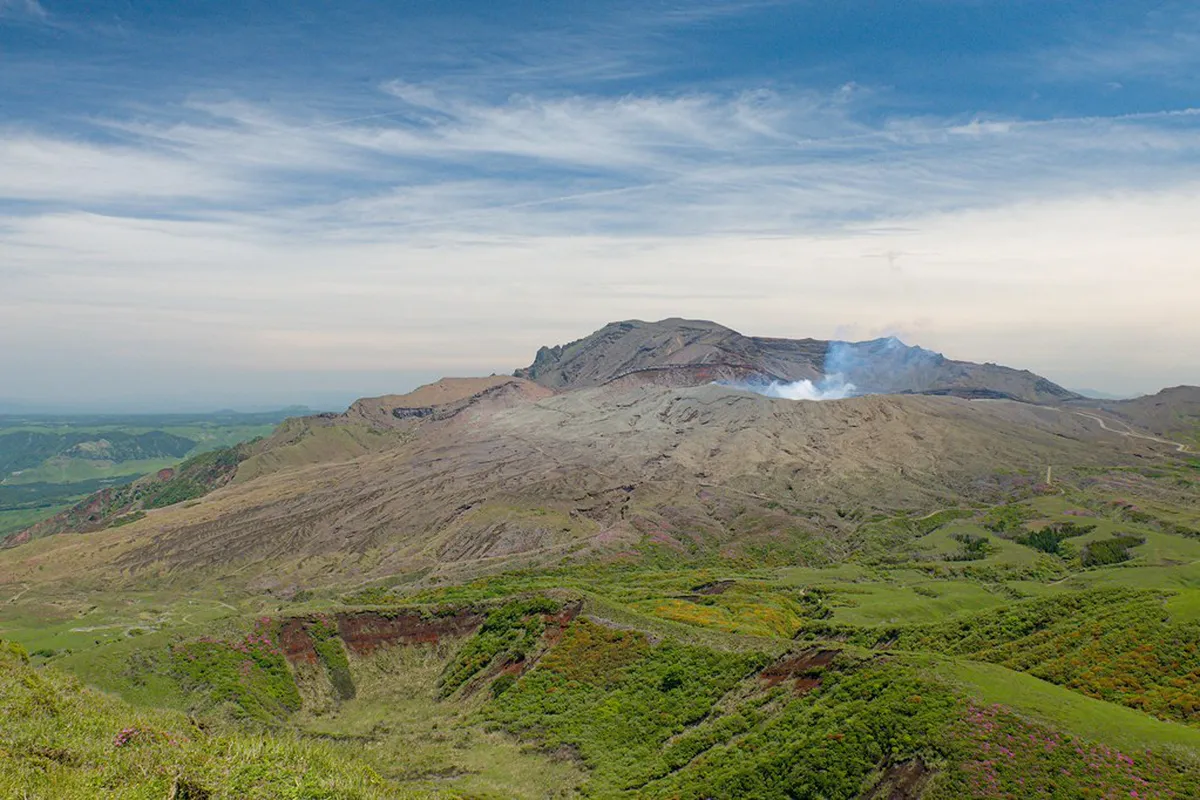
The surrounding Kusasenri Plateau — a 785,000-square-metre grassland growing inside an ancient crater — is one of Kyushu's most beautiful landscapes: horses and cows graze against a backdrop of smoking volcanic cones, and on clear days the view from the Daikanbo lookout on the northern caldera rim gives a 360-degree panorama of the entire caldera basin. The ropeway up to Nakadake was damaged and has not been restored as of 2026; access is on foot or by vehicle to the crater car park.
Mount Aso's Nakadake crater closes when the JMA alert level rises above 1 — this happens several times per year with little notice. Always check the Japan Meteorological Agency alert status the morning of your visit. The Daikanbo caldera viewpoint is the best alternative when crater access is blocked.
Access from Kumamoto: Highway bus from Kumamoto Station to Aso, 1 hour 13 minutes, ¥1,800 one-way. A rental car gives far more flexibility for exploring the plateau. Full day-trip planning at our Mount Aso day trip from Kumamoto guide.
12. Laputa Road (Aso Skyline Road) — Driving above the Clouds
On mornings when cloud fills the caldera below, the winding road along the northern rim of Mount Aso appears to float free in a sea of white — exactly like the flying island of Laputa in the Miyazaki film. The effect is photogenic to the point of appearing staged. Access by car from Kumamoto takes about 75 minutes; the best cloud inversions occur in autumn from September to November, typically between 07:00 and 10:00 before the cloud burns off.
13. Aso Kuju National Park Hiking
Beyond the Aso caldera, the park extends north into the Kuju mountain range, where the highest peak, Nakadake Kuju (1,791 m), is reachable on a half-day hike from Makihatayama trailhead. The Kuju highlands are famous for Hana-Semoga-Hara (Flower Plain), which blazes with wild azaleas in May and autumn grass in October. Trails are graded for all fitness levels; the most popular loop to the Kuju summit and back runs about 4 hours. Nearest access point is a 90-minute drive from Kumamoto city.
14. Ezu Lake — Bird-watching and Waterside Walking
Ezu Lake is a 75-hectare nature reserve lake five kilometres from central Kumamoto, surrounded by parkland and cycling trails. The lake hosts over 60 species of migratory and resident birds, making it popular with birdwatchers from September to March when winter ducks arrive. Paddleboats are available for rent on weekends. Free entry to the park. A relaxed 90-minute addition to a Kumamoto city day.
15. Tatuta Natural Park — Forest Bathing on the City Edge
Tatuta Natural Park sits in the forested hillside directly north of central Kumamoto and offers several trails ranging from a gentle 30-minute loop to a more demanding 90-minute ridge walk with city views. Peak seasons are cherry blossom (late March–early April) and autumn colour (November). Free entry.
Culture, Arts & Unique Experiences
16. Kumamoto Prefectural Traditional Crafts Center
Kumamoto has one of the richest regional craft traditions in Japan: Higo inlay (gold and silver wire hammered into iron), Yamaga paper lanterns (so delicate they are worn on dancers' heads at the Yamaga Lantern Festival), and Amakusa pottery. The Prefectural Traditional Crafts Center in Sakuramachi displays all of them, with live demonstrations by certified artisans and ticketed workshops (¥1,500–¥3,000 depending on craft) where you can try inlay or pottery yourself. Free to browse; workshop booking recommended in advance.
17. Kamishikimi Kumanoimasu Shrine — Kyushu's Hidden Forest Shrine
About an hour east of Kumamoto city, the Kamishikimi Kumanoimasu Shrine is one of Kyushu's most atmospheric sacred sites. A moss-covered stone stairway winds up through dense cedar forest to a hilltop shrine complex that seems to exist in permanent twilight. The approach has been described as the real-world inspiration for the forest shrine in Princess Mononoke — a claim the local tourism board does not discourage. Entry is free; the sacred atmosphere of the cedar forest makes early morning the best time to visit. Allow 90 minutes from departure to return.
18. Green Land Amusement Park — Kyushu's Largest Theme Park
Located 30 minutes northwest of Kumamoto in Arao city, Green Land is one of the largest amusement parks in Kyushu with over 60 attractions including Kyushu's only inverted roller coaster and a family-friendly log flume. One-day passport (all rides) ¥4,300 for adults, ¥3,300 for children (2026 prices). Open year-round with seasonal events. Best for families with children or roller coaster enthusiasts.
19. Onta Ware Village — Living Pottery Tradition
Onta, a remote mountain hamlet about 90 minutes by car east of Kumamoto in Oita Prefecture, is home to one of Japan's last surviving water-powered pottery traditions. Nine kilns operated by families that have worked the same clay seams for 300 years still grind raw materials using wooden water wheels, just as their ancestors did in 1705. Visiting Onta on a weekday allows you to watch artisans throw pots and fire wood kilns; the pottery — recognisable by its slip-trailed and brush-patterned surfaces — is sold directly from the kiln shops at prices far below city gallery rates.
20. Shirakawa Suikoen Water Park & Riverside Walk
The Shirakawa River flows through central Kumamoto and its tree-lined banks provide the city's main outdoor promenading space. The Suikoen area near the castle is landscaped with benches, café terraces, and seasonal flower displays. An evening walk here after dinner — particularly in the 20-minute window after sunset when the castle keep is lit against a deep blue sky — is one of the simplest and most beautiful experiences Kumamoto offers. Free.
Kumamoto Food: What to Eat & Where
Kumamoto's food culture is distinct enough from the rest of Kyushu to justify the trip on its own. Kumamoto is Japan's largest horse-meat producing prefecture, home to a unique style of pork-bone ramen, and the origin of karashi renkon — one of Japan's designated regional specialities. Here are the five dishes you should not miss.
Basashi (Horse Sashimi)
Basashi — thinly sliced raw horse meat — is Kumamoto's most iconic dish and the one most likely to provoke a reaction before the tasting. The meat is served in several cuts: toro (fattier belly, rich and buttery), lean red meat (cleaner and firmer), and tategami (neck fat, almost like lardo). All are served with grated ginger, thinly sliced onion, and a sweet, reduced soy sauce. The taste is mild, slightly sweet, and considerably less challenging than the description suggests. A mixed platter costs ¥1,500–¥3,000. The best place to try it in a single visit is Sakuranobaba Josaien; for a more dedicated experience, the area around the Shimotori covered arcade has several specialist basashi restaurants.
Kumamoto Ramen
Kumamoto-style ramen occupies its own lane within Japan's ramen taxonomy: a tonkotsu (pork bone) base that is lighter and less cloudy than Hakata ramen, served with straight thin noodles, and crucially distinguished by two toppings that appear nowhere else — deep-fried garlic chips and mayu (blackened garlic oil). The combined effect is an aromatic richness that lingers. Expect to pay ¥900–¥1,300 per bowl. The main ramen street is within the covered arcade shopping area in central Kumamoto. For a full guide to the best bowls in the city, see our Kumamoto ramen guide.
Karashi Renkon (Spiced Lotus Root)
Karashi renkon is a Kumamoto invention: lotus root filled with a spiced miso and mustard paste, coated in batter, and deep-fried until golden. The cross-section of the lotus root — circular channels filled with yellow miso — resembles the Hosokawa family crest, which is why this dish became a feudal-era samurai delicacy. It is now sold as a packaged souvenir throughout the city. Try it fresh at Sakuranobaba Josaien for the best version.
Ikinari Dango (Sweet Potato Dumpling)
Ikinari dango is Kumamoto's most beloved casual sweet: a steamed dough wrapped around a whole slice of sweet potato (satsumaimo) and red bean paste. The name means "sudden dumpling" — historically prepared quickly for unexpected guests. Available at most train station kiosks and souvenir shops for ¥200–¥300 each.
Taiso Jidori Chicken
Aso's highland plateau produces a distinctive free-range chicken — Aso Jidori — known for firmer texture and deeper flavour than standard poultry. It appears in local restaurants as grilled yakitori, tataki (lightly seared), and in hot-pot dishes. A definitive Aso dining experience to pair with your crater visit.
Day Trips from Kumamoto
Mount Aso (1.5 hrs each way)
The Aso caldera and surrounding highland plateau deserve a full day. Recommended circuit: start at the Nakadake crater (alert-level permitting), drive or bus to the Kusasenri Plateau for horse-riding and a café stop, then continue to the Daikanbo viewpoint on the northern rim for the caldera panorama. If conditions allow, extend to the Laputa Road for cloud-sea photography. Full logistics in our Mount Aso day trip guide.
Kurokawa Onsen (1.5 hrs each way)
Kurokawa Onsen is Japan's most celebrated rural hot spring village — a cluster of 30 traditional ryokan whose outdoor baths (rotenburo) are accessed via a distinctive wooden "bath passport" (nyuto tegata, ¥1,500) that admits you to any three of the participating inns. The village sits in a steep river valley in northern Kumamoto Prefecture; the architectural consistency and absence of large hotel chains make it feel genuinely Edo-period. Three direct buses per day from Kumamoto Station (2 hrs, ¥2,000). Most visitors combine it with a Mount Aso stop on the return.
Amakusa Islands (2 hrs each way)
The Amakusa archipelago — two large islands and hundreds of smaller ones, connected to the Kumamoto coast by five bridges — is one of Kyushu's most underrated destinations. The islands have a unique history as a refuge for hidden Christians during Japan's 17th-century persecution of the faith; the Amakusa Christian Museum tells this story in detail. Amakusa is also one of the best places in Japan to spot wild Indo-Pacific bottlenose dolphins from tour boats (¥3,000–¥4,000, year-round). Access by highway bus from Kumamoto Station to Hondomachi (approximately 1 hour 50 minutes, ¥1,500).
Hitoyoshi (1.5 hrs each way)
South of Kumamoto, the Kuma River gorge and its castle town of Hitoyoshi offer a different pace: a well-preserved feudal castle, kayaking on Japan's top-class rapids, and the scenic SL Hitoyoshi steam locomotive service (seasonal, reservation required — book well in advance as seats sell out quickly). The train journey from Kumamoto takes 1 hour 40 minutes on the Hisatsu Line.
Practical Information
Getting to Kumamoto
| Origin | Route | Duration | Cost (unreserved) |
|---|---|---|---|
| Fukuoka (Hakata) | Shinkansen (Sakura/Mizuho) | 35–40 min | ¥5,130 |
| Osaka (Shin-Osaka) | Shinkansen direct (Sakura) | 3 h 15 min | ¥16,000–18,000 |
| Tokyo | Shinkansen to Hakata + Sakura, or fly (1 h 20 min) | ~6.5 h / 1.5 h flight | varies |
| Kumamoto Airport (KMJ) | Limousine bus to city | 45–60 min | ¥1,000 |
From Fukuoka (Hakata Station): Sanyo/Kyushu Shinkansen to Kumamoto, 35–40 minutes, ¥5,130 unreserved. This is the fastest and most flexible option. Highway bus from Fukuoka Airport or Hakata Bus Terminal takes 2 hours and costs around ¥2,000 — comfortable but considerably slower.
From Osaka (Shin-Osaka): Shinkansen direct to Kumamoto, 3 hours 15 minutes, approximately ¥16,000–¥18,000. From Tokyo: 6.5 hours by Shinkansen; flying to Kumamoto Airport (served from Tokyo Haneda by JAL and ANA, 1.5 hrs) is faster. For airport-to-city transport, see our Kumamoto Airport to city guide.
Getting Around Kumamoto City
Kumamoto's city tram (streetcar) is the visitor's best friend: two lines run from Kumamoto Station and Shin-Suizenji Station through the castle area, Shimotori arcade, and out to Suizenji Garden for a flat ¥180 per ride. A one-day tram pass costs ¥500 and covers unlimited rides plus discounted entry at several attractions. Taxis and app-based ride services are readily available for non-tram destinations. For Mount Aso and beyond, either join a day tour or rent a car (available at Kumamoto Station and the airport from around ¥5,000/day).
When to Visit Kumamoto
Spring (late March–early May) is peak season: cherry blossoms at the castle (late March–early April), fresh green in the Aso highlands (April–May), and the Suizenji Garden spring festival. Crowds are highest during Golden Week (late April–early May); book accommodation several months ahead.
Autumn (October–November) is the second-best time: cooler temperatures ideal for hiking at Aso, vivid foliage at Honmyo-ji Temple and Kikuchi Gorge, and the best conditions for cloud-sea photography on the Laputa Road. The Yamaga Lantern Festival (mid-August) and the Hinokuni Festival (early August) are the standout summer events.
Summer (June–August) is hot (35°C+ in the city) and humid but rewards those who come for the festivals and the Aso highlands where temperatures are 5–8°C cooler than the city. Winter (December–February) is Kumamoto's quiet season — cold but rarely snowy in the city, with shorter queues at all major sites and the lowest accommodation rates of the year.
Where to Stay in Kumamoto
The main accommodation cluster is around JR Kumamoto Station and in the Shimotori/Kamitori arcade area in central Kumamoto (a 15-minute tram ride from the station). Staying central puts you within walking distance of the castle, Sakuranobaba Josaien, and the main shopping and dining streets. Budget business hotels average ¥6,000–¥9,000/night; mid-range hotels ¥10,000–¥18,000. For the onsen experience, book a night in Kurokawa Onsen (¥15,000–¥40,000 per person including dinner and breakfast) rather than staying in the city.
For a detailed multi-day itinerary plan, see our Kumamoto 3-day adventure itinerary and Kumamoto day trip itinerary guides.
Frequently Asked Questions: Kumamoto Attractions
Is Kumamoto worth visiting?
Yes — Kumamoto is one of Kyushu's most rewarding stops and is frequently under-visited relative to Fukuoka and Nagasaki. It combines a major castle, one of Japan's best-preserved stroll gardens, the world's largest active caldera, distinctive food culture, and easy access to hot springs (Kurokawa Onsen) and island scenery (Amakusa). Even a two-day visit covers the highlights comfortably.
How many days do you need in Kumamoto?
Two days is the practical minimum for seeing the main city attractions (castle, Suizenji Garden, Sakuranobaba Josaien, Reigando Cave, Kumamon Square) and eating well. Add a third day for Mount Aso as a day trip. Four to five days allows Kurokawa Onsen, Amakusa Islands, and a slower pace. For a one-day route, see our Kumamoto day trip itinerary.
What is Kumamoto most famous for?
Kumamoto is most famous for three things: Kumamoto Castle (one of Japan's three great castles), Mount Aso (one of the world's most active and largest calderas), and Kumamon (one of Japan's most commercially successful regional mascots). The city is also nationally known for basashi (horse sashimi), Kumamoto-style garlic ramen, and Higo inlay craftsmanship.
How far is Kumamoto from Fukuoka?
By Shinkansen, Kumamoto is 35–40 minutes from Hakata Station (Fukuoka). The standard unreserved fare is approximately ¥5,130. This makes Kumamoto a feasible day trip from Fukuoka, though one overnight stay is recommended to do the city justice.
Is Kumamoto Castle open in 2026?
Yes. Kumamoto Castle's main keep is fully open in 2026 across all six floors. The entire castle complex is still under restoration following the 2016 earthquakes (scheduled for completion by 2053), but the main tower, Honmaru Goten Palace, and the elevated viewing corridor over the damaged stone walls are all open to visitors. Admission is ¥800 for adults, ¥500 for children; open daily 09:00–17:00.
When is the best time to visit Kumamoto?
Late March to early May for cherry blossoms and spring greenery; October to November for autumn foliage and ideal hiking weather at Mount Aso. Summer (June–August) is hot in the city but cooler and dramatic at the Aso highlands. Winter is the quietest and most affordable season.
Can you see Mount Aso from Kumamoto city?
On clear days you can see the distinctive silhouette of the Aso caldera rim and volcanic smoke from elevated points in Kumamoto city, including from the upper floors of Kumamoto Castle. Mount Aso's Nakadake crater is about 60 km east of the city — a 75-minute drive or 1 hour 13 minutes by highway bus. Volcanic activity can affect access to the crater rim; always check alert levels at the Japan Meteorological Agency website before departure.
What are the best things to do in Kumamoto with one day?
A well-paced one-day route: start at Kumamoto Castle (90 minutes) → Sakuranobaba Josaien for lunch including basashi and karashi renkon (60 minutes) → tram to Suizenji Garden (60 minutes) → Reigando Cave in the afternoon (60 minutes, requires a taxi) → return to Shimotori arcade for Kumamoto ramen dinner. For a more detailed schedule, see the full Kumamoto day trip itinerary.
Kumamoto rewards slow travel. Come for the castle, stay for the ramen, and make time for the volcano — you will leave convinced that Kyushu's interior deserves far more attention than it typically gets. For the full Kumamoto nightlife scene see our Kumamoto nightlife guide, and for local festivals check our Kumamoto events calendar.
Explore More Kumamoto Guides
Deep-dive guides for every part of a Kumamoto trip — from castle history and ryokan stays to ramen, onsen, and day trips into the Aso volcanic region.
Castle & Historic Landmarks
- Kumamoto Castle Reconstruction & History
- Kumamoto Castle Tickets & Tips
- Best Time for Kumamoto Castle Cherry Blossoms
- Sakuranobaba Josaien Guide
- Suizenji Garden
- Reigando Cave (Musashi)
Itineraries & Day Trips
- Kumamoto Day-Trip Itinerary
- Kumamoto 2-Day Itinerary
- Kumamoto 3-Day Adventure Itinerary
- Mount Aso Day Trip
- Kurokawa Onsen Day Trip
- Amakusa Islands
Food & Drink
Stays & Onsen
Practical & Transport
Seasonal & Events
Is It Worth It?
Plan Your Visit
- How to Get to Kumamoto
- Fukuoka to Kumamoto
- Best Time to Visit Kumamoto
- How Many Days in Kumamoto
- Kumamoto Travel Tips
Where to Stay
Things to Do, Food & Day Trips
- Kumamoto Hidden Gems
- Free Things to Do in Kumamoto
- Kumamoto with Kids
- Best Restaurants in Kumamoto
- Day Trips from Kumamoto
Plan Your Japan Trip
Free: The Kumamoto Essentials guide
Top things to do, where to stay, a perfect day plan, getting around, and the best time to go — a Kumamoto mini-guide you can take offline.
You might also like


Continue reading
More guides you'll find useful