
Kumamoto In Winter Travel Guide
Plan Kumamoto in winter with top picks, neighborhood context, timing tips, and practical booking advice for a smoother trip.
On this page
Kumamoto In Winter
I visited Kumamoto in late January 2026, and the crisp air made the castle views stunning. This guide covers the best cold-weather secrets gathered from my most recent winter visit. For most travelers, the best time to visit is mid-January to mid-February for the lantern festivals. Late fall (November) and early spring (March) are also excellent shoulder season choices for mild weather.
Winter in this part of Kyushu offers a unique mix of snowy peaks and steaming hot springs. Crowds are significantly thinner compared to the busy cherry blossom or autumn leaf seasons. You will find that prices for high-end ryokans are often more manageable during these months. Planning a trip for 2026 allows you to secure the best spots in Kurokawa Onsen before they fill up. Start with our Kumamoto attractions guide to understand what the city has to offer year-round before deciding when to go.
What's the weather like in Kumamoto?
Winters in Kumamoto are generally chilly and dry with plenty of clear blue skies. Daytime temperatures usually hover between 8–12°C / 46–54°F during the peak of January. Overnight, the mercury often drops significantly to around 1–3°C / 34–37°F in the city center. According to data from Weatherspark.com, humidity remains low, making the cold feel quite sharp.
Snow is relatively rare in the city but frequently blankets the surrounding mountain ranges. The cold winds from the Ariake Sea can make the harbor areas feel much frostier. I noticed that the sun sets early, usually around 5:15 PM in mid-winter. This early darkness is perfect for viewing the various illumination events held across the prefecture.
Compared to Tokyo or Osaka, Kumamoto stays slightly warmer during the daylight hours. However, the temperature gap between day and night is often wider here. Travelers should prepare for these shifts when moving from indoor shopping to outdoor sightseeing. The air is much clearer in winter, providing the best visibility for mountain photography.
Season Comparison
Choosing the right time to visit depends on your tolerance for cold and crowds. While spring is famous for flowers, winter offers a peaceful and authentic atmosphere. Local festivals in February provide a cultural depth that summer tourists often miss. Consult the table below to see how winter compares to other peak travel windows.
| Season | Weather | Crowds | Prices | Events | Best for |
|---|---|---|---|---|---|
| Mid-Dec to Feb | 1-10°C / 34-50°F | Low | Budget | Lanterns | Onsens |
| Late Mar to Apr | 10-20°C / 50-68°F | High | Premium | Sakura | Flowers |
| Jun to Aug | 24-32°C / 75-90°F | Medium | Standard | Firework | Hiking |
| Oct to Nov | 12-22°C / 54-72°F | High | High | Fall Foliage | Colors |
Kurokawa onsen village winter light up
The Yuakari light festival is the most magical reason to visit Kurokawa Onsen in winter. Hundreds of spherical bamboo lanterns float gracefully over the river from late December to early April. Our late-January trip was perfectly timed to see the lanterns glowing against the light evening snow. The display starts at sunset and continues until 10:00 PM every single night.
Walking through the village in a traditional yukata is a highlight for many visitors. I recommend booking a local ryokan at least three months in advance for the festival period. The village is quite small, and the best rooms fill up quickly. Day trippers can still enjoy the lights, but staying overnight is a far better experience.
The lanterns are handcrafted by locals to help maintain the surrounding bamboo groves. This sustainable practice adds a layer of local meaning to the beautiful visual display. Be careful on the stone paths, as they can become quite slippery after a frost. Most ryokans provide heavy wooden sandals or boots to help you navigate the village safely.
Yamaga winter lantern festival
The Yamaga Toro Lantern Festival (Yamaga Toro Matsuri) runs each February about 40 km north of Kumamoto city. Women wearing white paper lanterns (kinshoryo) balanced on their heads perform the Yukata dance in slow, graceful movements beneath dark skies. This event has been recognized as an Intangible Cultural Property of Japan and draws around 20,000 visitors in a single evening — far fewer than large-city equivalents.
Practical details for 2026: the main performances are staged at Yatsushiro Municipal Gymnasium grounds and the Yamaga Municipal Gymnasium from 8:00 PM onward. Admission to the grounds is free; the seated grandstand section costs around ¥2,000. The Yamaga Onsen Bus Line connects Kumamoto Station to Yamaga in roughly 70 minutes, running late on festival nights. Book your seat on the return bus in advance because coaches fill completely by 10:30 PM.
- Best for: cultural immersion, photographers, couples
- Cost: free standing / ¥2,000 seated grandstand
- Access: 70-min bus from Kumamoto Station
- Crowd level: moderate — much calmer than Kyoto winter events
Access to the Plateau of Mount Aso
Visiting Mount Aso in winter requires more planning than a typical summer excursion. Snow chains are mandatory for rental cars if you plan to drive up to the crater area. Bus services usually run as scheduled from Aso Station, but delays occur during heavy snowstorms — always budget an extra 30–45 minutes.
The Kusasenri plateau looks like a frozen moonscape during the coldest weeks of January. Horses still graze on the brown grass, creating a stark and beautiful photographic subject. I found the mountain air to be incredibly refreshing, though the wind chill is intense. Always check the volcanic activity levels on the Japan Meteorological Agency volcano alert page before heading out, as the crater observation deck closes without notice when SO2 levels spike.
The Aso Boy train is a fun alternative to reach the region without worrying about ice. This themed train offers panoramic views of the caldera through large glass windows. Make sure to try the local milk and pudding sold at Aso Station — these treats are famous across Japan and taste even better in the cold mountain air.
Mountain trail hiking in winter
High-altitude trails above 800 m are closed from mid-December through March due to ice. However, the lower Kusasenri loop (roughly 2 km, flat) remains walkable on clear days with proper boots. Bring micro-crampons if the ground is frozen — rental is available at the Aso Volcano Museum gift shop for ¥500/pair. The payoff is unobstructed views of the caldera rim without the summer crowds.
Visiting Kumamoto in the winter? Here are the winter highlights
One of the best things to do is explore the Kumamoto Castle grounds. The stark black and white walls of the fortress look magnificent against a clear winter sky. Crowds are small, so you can take photos without dozens of other tourists in the frame. The nearby Sakuranobaba Josaien area is perfect for finding warm snacks and local crafts.
You must try a hearty bowl of dago jiru to warm your bones. This traditional soup features thick, hand-pulled noodles and seasonal root vegetables in miso broth. It is a staple of local Kumamoto cuisine and is widely available in winter. Locals swear by its ability to keep the winter chill at bay during the coldest months. A bowl costs ¥750–¥900 at most castle-district restaurants and takes roughly 20 minutes to prepare fresh — worth every minute.
For castle visitors planning ahead, our guide to the best time to visit Kumamoto Castle for cherry blossoms shows how dramatically the experience changes season by season — useful context even for a winter trip.
What's Closed in Low Season
While most major sites remain open, some outdoor activities are restricted in winter. High-altitude hiking trails around Mount Aso often close from December through March due to ice. Many smaller cafes in the Amakusa Islands may close for the season. Ferries to smaller outer islands often run on a reduced schedule during these months.
Some garden cafes within Suizenji Garden have shorter operating hours in January. Outdoor seating at many restaurants is removed to keep guests warm inside. Rental cycle stations in rural areas might be unstaffed during periods of heavy frost. Always verify the hours for smaller museums before making a long trip out.
Pick Your Winter Window
Kumamoto appeals to different types of travelers depending on the specific month. Foodies will love the peak season for fresh seafood and warm soups in January. Photographers should aim for the crystal clear skies of mid-winter for mountain shots. Budget travelers can find excellent deals on city hotels throughout the entire winter season.
- Pick mid-January if you want
- The best hot spring weather with thin crowds
- Pick early February if you want
- Yamaga Lantern Festival and Kurokawa illuminations
- Pick late December if you want
- Festive lights and early Yuakari lantern display
- Pick early March if you want
- Mild air, early plum blossoms, and pre-cherry-season deals
What to Pack
Packing correctly will make your winter exploration much more comfortable and enjoyable. Layers are the key to handling the difference between heated trains and cold streets. I suggest bringing a windproof outer shell if you plan to visit Mount Aso. A small thermos for hot tea is a great addition to your daily bag.
- Thermal base layers
- Essential for cold mountain winds
- Sturdy non-slip boots
- Crucial for icy castle paths and Kurokawa stone lanes
- Heavy moisturizing cream
- The winter air is very dry
- Portable power bank
- Batteries drain faster in cold temperatures
Frequently Asked Questions
Does it snow in Kumamoto city during winter?
Snow in the city is quite rare and usually melts quickly. You are much more likely to see heavy snow in the Aso mountains. Most city days are sunny but cold.
Is Kumamoto worth visiting in January?
Yes, Kumamoto in January is excellent for hot springs, the Kurokawa lantern display, and thin crowds at the castle. You can enjoy local winter delicacies like dago jiru comfortably and at lower prices than peak seasons.
What is the best way to get around in winter?
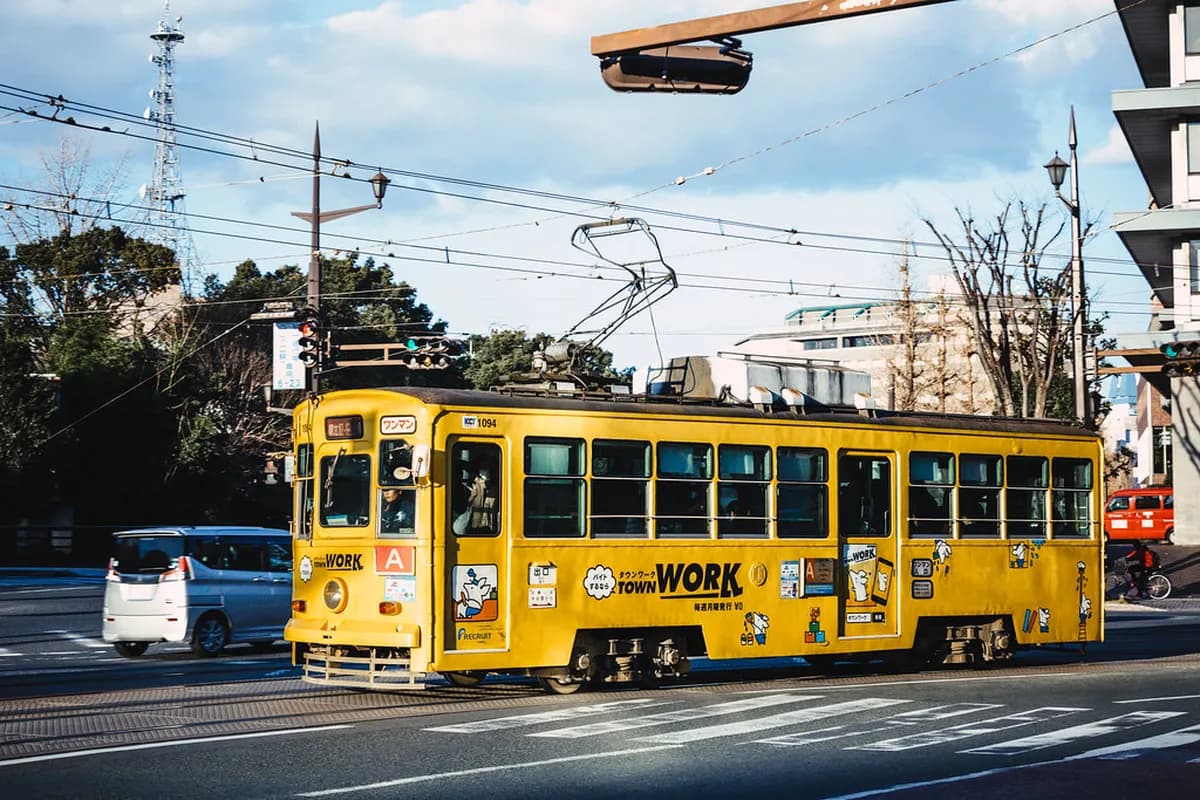
The city tram and trains are the most reliable options. They are well-heated and run frequently regardless of the weather. Avoid driving in the Aso mountains without snow chains and experience on icy roads.
How much time should I plan for Kumamoto in winter?
Three to four days covers the city highlights, a day trip to Mount Aso, and an overnight in Kurokawa Onsen. Budget an extra day if you plan to attend the Yamaga Lantern Festival in February.
Kumamoto in winter is a hidden gem for travelers seeking a slower pace. The combination of volcanic landscapes and warm onsens creates a perfect winter retreat. Whether you are eating hot dago jiru or watching handcrafted lanterns glow over a river, the city will charm you. Explore our full Kumamoto attractions guide and our tips on the best onsens near Kumamoto to build the ideal 2026 itinerary.
 10 Essential Things to Know About BasashiMay 14, 2026