

Niseko Skiing Guide: 9 Essential Tips for Your Trip
Plan your Niseko skiing trip with our comprehensive guide. Covers Niseko United resorts, lift passes, transport from Tokyo, and the best après-ski spots.
On this page
Niseko is a dream for skiers seeking the world's best powder snow. This niseko skiing guide helps you plan every detail for a 2026 trip from Tokyo. From the four interlinked resorts to hidden food trucks, we cover it all. Prepare for an unforgettable winter adventure in the heart of Hokkaido. For a complete overview of the destination, see our main Niseko attractions guide.
Many travelers visit this part of Japan specifically for the deep snow conditions. You will find a unique mix of Japanese culture and international alpine vibes. Navigating the mountain requires some local knowledge to avoid crowds. Use this guide to master the lifts and find the best runs.
Niseko United: A Niseko Skiing Guide to the Four Resorts
Niseko United consists of four distinct ski areas on a single mountain peak, Mt. Annupuri
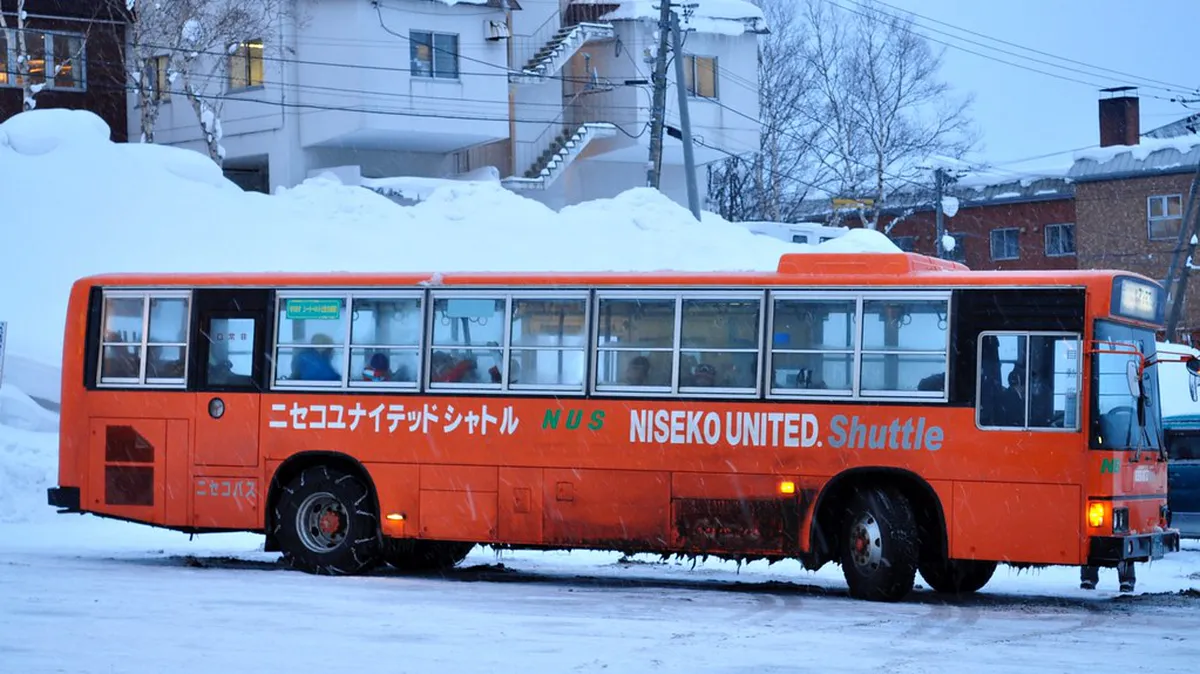
Grand Hirafu is the largest and most active hub, hosting the majority of lifts (15 in total), the liveliest après-ski scene, and night skiing until 22:00. It suits all ability levels but draws the biggest crowds during peak weeks. Hanazono sits on the northern face and is famous for its tree runs, terrain park, and a six-seat gondola. Families and freestyle riders tend to gravitate here for its modern facilities and slightly colder, powder-holding aspect.
Niseko Village offers some of the steepest inbound runs in the entire area along with luxury hotels and a quieter atmosphere. Annupuri sits on the western face with wide, gentle slopes that suit beginners and intermediates who want uncrowded skiing and a more traditionally Japanese vibe. It also functions as a natural starting point for backcountry touring into the surrounding Hokkaido wilderness.
For riders who want to venture further, Niseko Moiwa is a smaller independent resort about 10 minutes by car from Annupuri. It is not part of Niseko United, but its west-facing powder fields and minimal lift queues make it worth a half-day excursion if you are staying four nights or longer.
Beginners and budget travelers get the best value in early December (1–20 Dec) or mid-March onward: comparable snow quality to January with 30–50% lower accommodation rates and far shorter lift queues.
Best Time to Visit Niseko: Timing Your Trip for Snow and Value
Niseko averages 15 metres of snowfall annually, but not all months are equal.
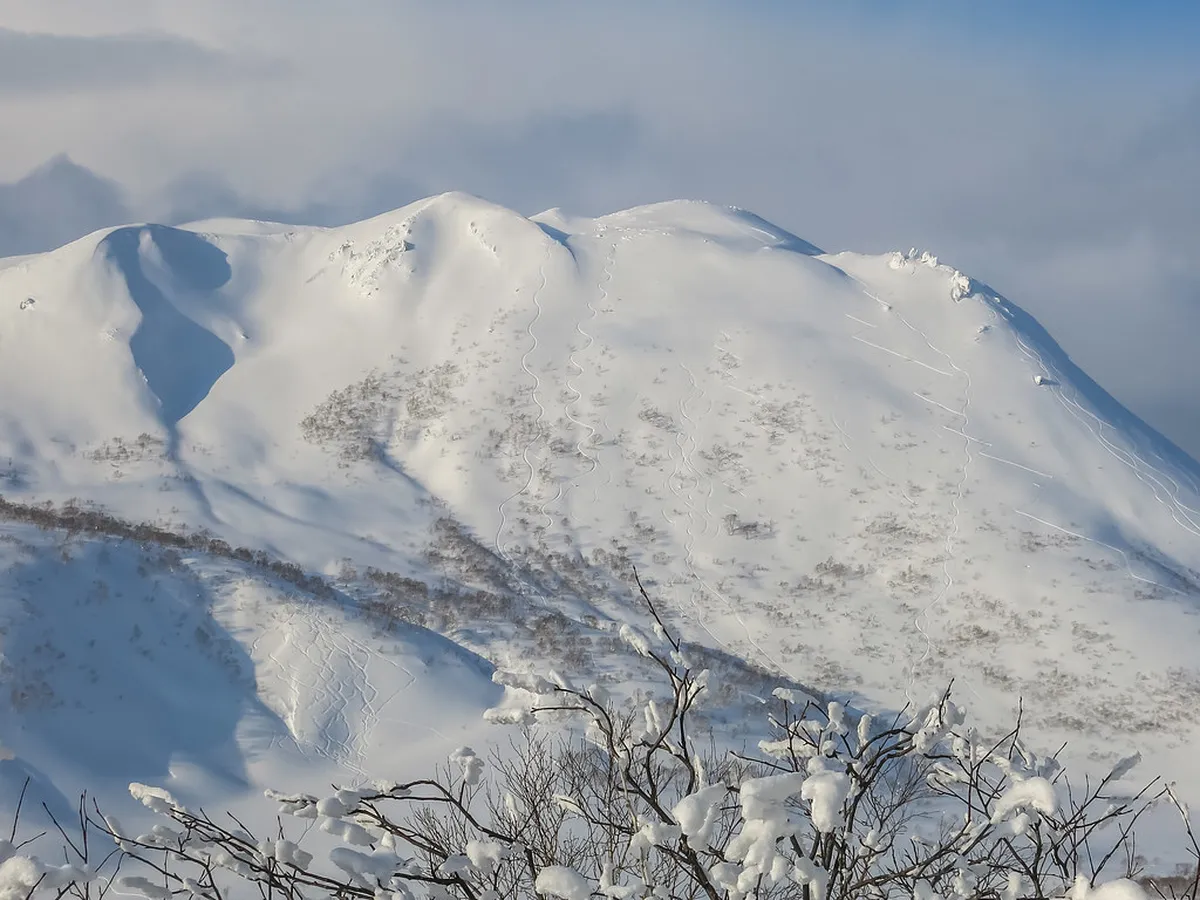
February matches January for snow quality and adds the bonus of the Sapporo Snow Festival (usually the first two weeks of the month), which makes a natural day-trip pairing from Niseko. The downside is that this is when Chinese New Year crowds often coincide with the festival period, pushing accommodation prices to their highest. March offers warmer temperatures, 1.5 metres of average snowfall, and spring light that makes Mt. Yotei look spectacular from the runs. Lift queues thin out noticeably after early March.
For budget-conscious skiers, early December (1–20 December) and mid-March onward offer the best value. You get verified good snow and half the crowd density of January, often at 30–50% lower accommodation rates. Beginners specifically benefit from these shoulder periods: the slopes are less intimidating and instructors have more availability for extended lesson blocks.
Getting to Niseko: Logistics from Tokyo and Sapporo
Most international travelers arrive via New Chitose Airport near Sapporo.
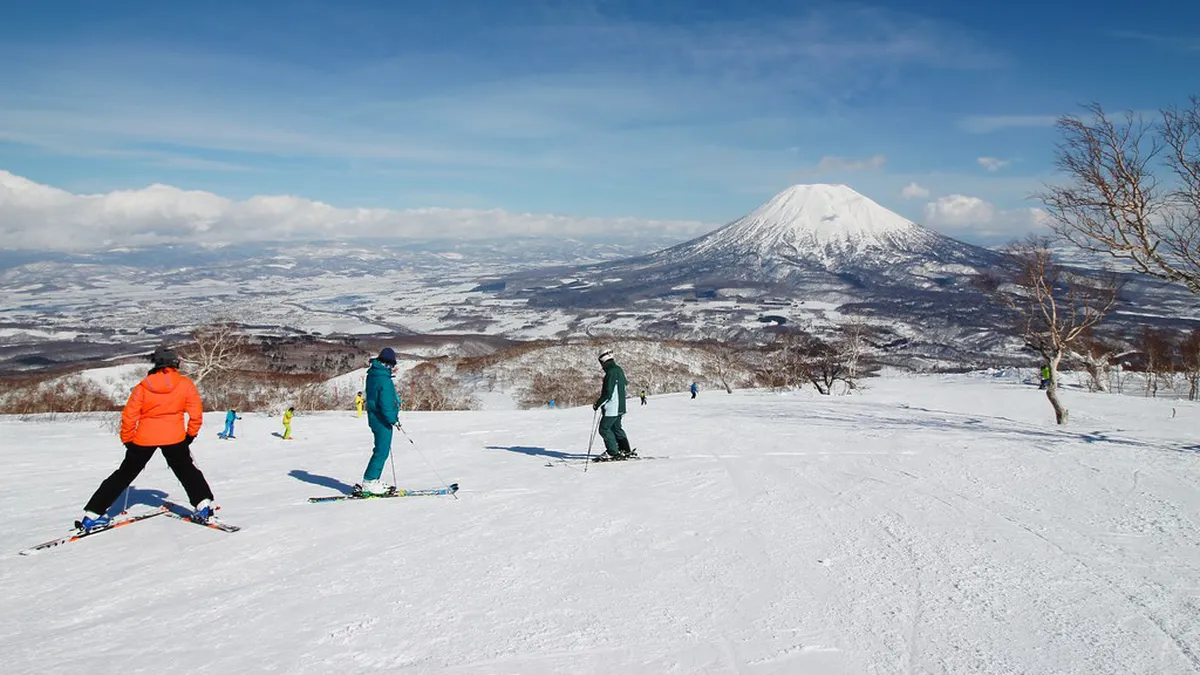
Taking the JR Train is a scenic alternative that passes through Otaru's snowy coastal streets. From New Chitose, take the JR Rapid Airport train to Otaru (about 1 hour), then transfer to the JR Hakodate Line to Kutchan Station (1.5 hours). A 15–20 minute taxi or shuttle from Kutchan drops you in Hirafu. The total cost is broadly similar to the bus, but the flexibility to break the journey in Otaru — famous for its canal district and fresh seafood — makes the train worthwhile for first-timers. Check out our guide on how to get to Niseko from Tokyo for more details.
Smart travelers use the Takkyubin luggage delivery service to stay hands-free on the entire journey. You can send your ski bags directly from any Tokyo hotel or convenience store to your Niseko accommodation, typically arriving 24–48 hours later at a cost of around ¥2,000–3,000 per bag. This makes navigating busy Shinkansen platforms and airport check-ins dramatically easier, especially for families.
Choosing Your Base: Why Stay in the Heart of Niseko?
Choosing where to stay impacts your daily logistics and dining options significantly. Hirafu Village is the most popular choice because you can walk to restaurants, bars, and the main lifts without relying on shuttles. The trade-off is noise: Hirafu gets genuinely lively after dark, and the main drag can feel crowded during Christmas and Chinese New Year weeks.
Niseko Village and Hanazono offer a more secluded and luxurious experience. These areas work well for travelers who want a quiet resort stay with slope-side access, but you will need shuttle buses to reach the Hirafu dining and bar scene. Consider reading our Niseko Hirafu vs Niseko Village comparison before committing to a base.
Booking accommodation early is essential for the peak winter season. Top-rated lodges often fill up six months before the first snow falls, and premium ski-in ski-out properties at Grand Hirafu (such as Ki Niseko or The Vale Niseko) sell out fastest. Look for places near shuttle stops if you stay outside the centre, and confirm whether your property offers complimentary shuttle access to all four resort bases before paying a deposit.
Lift Pass Strategy: All Mountain vs. Grand Hirafu Pass
Understanding the lift pass system can save you significant money. The All Mountain Pass grants access to all four resorts and the inter-resort shuttle. It is the best choice for intermediate and advanced skiers who want to chase wind-sheltered powder across different aspects of the mountain on the same day. Check the Niseko United Official site for current 2026 pricing, which typically releases in October.
Beginners might save money with a single-resort pass. A Grand Hirafu pass covers 60% of the mountain's terrain when combined with Hanazono access, and this pairing suits most first-timers for a 3–5 night trip. Point-based tickets are also available if you only plan two or three runs per day. The Grand Hirafu and Hanazono combination pass is often the best value for those not yet ready for the backcountry gates on the western side.
IKON Pass and Mountain Collective pass holders receive discounted access to Niseko United resorts — check current partner terms before buying a standalone pass if you already hold either of those. Most passes now use an electronic chip card; keep it away from your phone to avoid signal interference, and return it at the end of your stay to recover the small refundable deposit.
Ski Hire and Lessons in Niseko
Renting high-quality gear is vital for enjoying the deep powder snow. Shops like Rhythm Japan Niseko offer premium equipment suited for local conditions, including fat powder-specific skis that make a significant difference in Niseko's heavy, champagne snow. They provide expert fittings, overnight gear storage, and allow you to swap equipment to match daily conditions at no extra charge.
Booking lessons in advance is strongly recommended for all ability levels. English-speaking instructors fill up weeks ahead during January and February. Private lessons offer the fastest way to improve your powder technique — particularly for intermediate skiers who have never skied off-piste before. Group lessons are a cost-effective alternative and a reliable way to meet other solo travelers in the first 48 hours of your trip.
Check your rental equipment carefully before heading up the mountain. Modern powder skis are noticeably wider than standard resort skis, helping you float rather than sink in deep snow. If you own skis built for groomed European runs, leave them at home and rent locally — they will actively slow you down in Niseko's conditions. Ask the rental staff which specific model suits your weight and skiing style rather than simply selecting by boot size.
Eating and Drinking: From Local Ramen to Après-Ski
Niseko has a vibrant food scene that ranges from Michelin-starred tasting menus to food trucks parked in the snow. The food trucks in Grand Hirafu's village centre are a Niseko institution — you can find hot ramen, karaage, and fresh Hokkaido scallops within walking distance of the main lift base. Explore our Niseko food guide for a full list of top-rated spots across all four bases.
The reservation culture in Niseko is strict and catches many first-timers off guard. Popular restaurants such as Kamimura (modern Japanese-French fusion) and Bang Bang (yakitori izakaya) book out two to three months in advance for peak-season dinner slots. Walk-ins are effectively impossible in February. Make your dinner reservations the same week you book your flights, not after you arrive.
Après-ski culture is a major part of the Niseko experience. The Gyu+ Bar in Hirafu, known locally as the Fridge Door Bar for its refrigerator-door entrance, is one of the most iconic stops for a post-run cocktail. Craft beer bars and whisky-focused lounges fill out the quieter corners of Hirafu Village. For a lower-key evening, the Niseko Village area has a fireplace lounge scene that suits families and couples more than the louder Hirafu bars.
Niseko operates a Gate System for backcountry access. Gates are opened or closed daily based on avalanche risk. Never duck ropes or enter closed areas — ski patrols actively enforce these rules and violations result in pass confiscation.
Off The Mountain: Onsens, Culture, and Off-Piste Safety
Soaking in a traditional onsen is a must-do activity after skiing. These natural hot springs help soothe sore muscles and provide genuine recovery after hard days in deep snow. Many hotels have their own baths, but Niseko Grand Hotel operates one of the only mixed-gender (konyoku) outdoor onsens in Hokkaido at a cost of around ¥900 per person. Consult the Niseko hot springs guide for the best local options and etiquette tips for first-time onsen users.
Safety is paramount when exploring backcountry areas. Niseko operates a Gate System — a set of officially designated entry points into the off-piste terrain around all four resorts. Gates are opened or closed daily based on avalanche risk and snow stability, and the status is updated on the official Niseko app each morning. You must only enter backcountry through open gates. Check Japan Ski Experience for updates on current mountain safety protocols before each backcountry session.
Following the "Niseko Rules" is mandatory for all skiers and boarders. These rules exist to prevent accidents and protect the local environment. Never duck ropes or enter closed areas under any circumstances — ski patrols actively enforce these rules and violations can result in pass confiscation. Backcountry touring beyond the gate system requires hiring a certified mountain guide, and this is non-negotiable regardless of your experience level. Respecting these guidelines ensures the mountain stays safe and keeps Niseko's backcountry access among the most permissive of any resort in Japan.
A 3-Day Niseko Winter Itinerary for First-Timers
A well-planned itinerary helps you recover from "first lift" fatigue — the heavy-legged exhaustion that sets in on day one after underestimating Niseko's deep snow — and still see the best of the mountain. Start your first morning with a 90-minute group lesson in Hirafu to calibrate your technique to powder conditions before free skiing. Our Niseko itinerary offers a detailed breakdown for your full stay.
Spend your second day crossing to Hanazono for the tree runs in the morning, when overnight snow sits undisturbed in the glades. Transit between resort peaks takes 20–30 minutes, so check the peak lift status by 08:30 on the Niseko app before committing to a cross-resort plan. If the connecting summit lifts are wind-closed, stay in Hirafu and work the lower gondola circuit — it rarely shuts down. Book your dinner reservation for this evening before you leave home, not on the day.
Use your final day to visit Annupuri for wide, uncrowded runs and a more relaxed pace. This is also the best day to use any backcountry gates that have been open, as by day three your legs have adapted and your spatial awareness of the mountain is sharper. End your trip with a celebratory dinner at a local izakaya and consider a final soak at a public onsen before transferring back to New Chitose.
- Day 1 — Grand Hirafu orientation: group lesson in the morning, Hirafu village walk in the afternoon, ramen dinner and night skiing in the evening.
- Day 2 — Peak connection day: Hanazono tree runs in the morning, Niseko Village cruisers in the afternoon, pre-booked dinner reservation at a top Hirafu restaurant.
- Day 3 — Annupuri and departure: wide powder runs in the morning, optional backcountry gate session, public onsen before the shuttle back to New Chitose.
Your Niseko Booking Checklist
Managing multiple reservations across accommodation, gear rental, lessons, and restaurants is the part of Niseko trip planning that catches first-timers out. Everything fills up faster than an equivalent European ski resort because Niseko draws an international crowd — Australians, Hong Kong visitors, and mainland Chinese travelers all book months ahead, compressing availability into a short window.
Work through these items in roughly this order, 4–6 months before your trip for peak season (December–February) or 6–8 weeks out for March:
| Item | When to Book | Notes |
|---|---|---|
| Flights to New Chitose | 4–6 months ahead | ANA/JAL Haneda routes fill fast in January |
| Accommodation | 4–6 months ahead | Ski-in/ski-out in Hirafu or Hanazono sells out first |
| Gear rental | Same time as accommodation | Reserve Rhythm Niseko for powder-specific skis |
| Ski/snowboard lessons | 6–8 weeks ahead (Jan/Feb) | Private instructor slots fill fastest in January |
| Dinner reservations | Same week as flights | Top restaurants book 2–3 months ahead in peak season |
| Lift pass | October release | Check IKON/Mountain Collective eligibility first |
| Takkyubin luggage forward | 48 hrs before travel day | ~¥2,000–3,000 per bag from any Tokyo hotel or convenience store |
- Flights to New Chitose Airport — book early; ANA and JAL routes from Haneda fill fast in January.
- Accommodation — ski-in ski-out properties in Hirafu or Hanazono sell out first; confirm shuttle access if staying outside the village core.
- Gear rental — reserve with Rhythm Niseko or your hotel's rental partner at the same time as accommodation; gear-swap flexibility is only guaranteed with advance booking.
- Ski or snowboard lessons — private instructor slots in January book out 6–8 weeks ahead; group lessons have more availability but still benefit from advance reservations.
- Dinner reservations — book your two or three most-wanted restaurants the same week you lock in flights.
- Lift pass — purchase online through the Niseko United website for the fastest gate entry; confirm IKON/Mountain Collective eligibility before paying full price.
- Takkyubin luggage forward — arrange delivery from your Tokyo hotel to Niseko accommodation 48 hours before your Hokkaido travel day.
Download the official Niseko app before you leave home. It provides real-time lift status, gate open/closed information, and bus timetables — the three pieces of data you will check every morning of your trip. Cross-reference it with Google Maps for izakaya locations and walking distances between village areas at night.
Essential Planning: Burton Stores, Apps, and Google Maps
Modern technology makes navigating the Niseko resorts much easier for visitors. Download the official Niseko app for real-time lift and weather updates. This tool shows which gates are open for backcountry access each day and includes bus timetables and a full events calendar. It is the single most reliable source for on-mountain information during your stay.
The Burton flagship store in Hirafu carries specialized gear and apparel not always available at standard rental fleets. The in-store selection skews toward Niseko-specific conditions — stiffer powder boards, wider skis, and high-loft outerwear rated for Hokkaido's wet-heavy snowfall. It is a good stop for buying quality gloves, goggles, or a neck gaiter if you arrive underprepared, and the staff offer genuinely useful local terrain advice.
Google Maps is useful for finding hidden izakayas and shuttle stops in the dark after a long day of skiing. Many local businesses list their current hours and real-time reservation availability directly on their Maps listing. Use it alongside the Niseko app — the app for mountain decisions, Google Maps for village navigation — and you have a complete on-the-ground toolkit for the trip.
Frequently Asked Questions
Is the All Mountain Pass worth the extra cost?
Yes, the All Mountain Pass is worth it for intermediate skiers who want variety. It allows you to use the inter-resort shuttle for free. Beginners might save money by sticking to a single resort pass. Check the latest rates on the Japan Activity blog for more info.
What is the best way to handle heavy ski luggage?
Using the Takkyubin luggage delivery service is the best way to handle heavy bags. You can send equipment from any airport or convenience store to your hotel. This allows you to travel on trains without bulky gear. It usually takes 24 to 48 hours for delivery.
When should I book my Niseko dinner reservations?
You should book dinner reservations at least two to three months in advance. Peak season dates like Christmas and Chinese New Year fill up very quickly. Many top-tier restaurants only accept bookings through their official websites. Early planning ensures you enjoy the best local cuisine.
Niseko offers a world-class skiing experience that every enthusiast should try once. Following this guide ensures you make the most of your time in Hokkaido. Remember to book your gear and meals well before you arrive. Check the best time to visit Niseko to find your perfect week.
The combination of deep powder and Japanese hospitality is truly special. Stay safe by following the mountain rules and using the gate system correctly. Your winter trip to Japan will be a memory that lasts a lifetime. Enjoy the incredible snow and the warmth of the local onsens.
Free: The Niseko Essentials guide
Top things to do, where to stay, a perfect day plan, getting around, and the best time to go — a Niseko mini-guide you can take offline.
You might also like


Continue reading
More guides you'll find useful


