

Niseko Accommodation Guide: 10 Best Areas and Planning Tips
Plan your Niseko ski trip with our guide to the best areas, from luxury ski-in ski-out in Hirafu to budget stays in Annupuri. Includes transport and booking tips.
On this page
Niseko is famous for its legendary powder snow and world-class ski resorts located on Japan's northern island. Choosing the right base for your trip is the most important part of your planning process. For a complete overview of the destination, see our main Niseko attractions guide.
This niseko accommodation guide helps you navigate the four main resort areas to find the perfect stay. Whether you want luxury ski-in ski-out access or a quiet budget pension, there is an option for you.
The mountain layout can seem complex for first-time visitors arriving at New Chitose Airport. We will break down the villages, lift pass options, and transport routes to ensure your 2026 winter holiday is seamless.
Overview of the Niseko United Resort Layout
The Niseko United mountain consists of four interconnected resorts that share one peak.
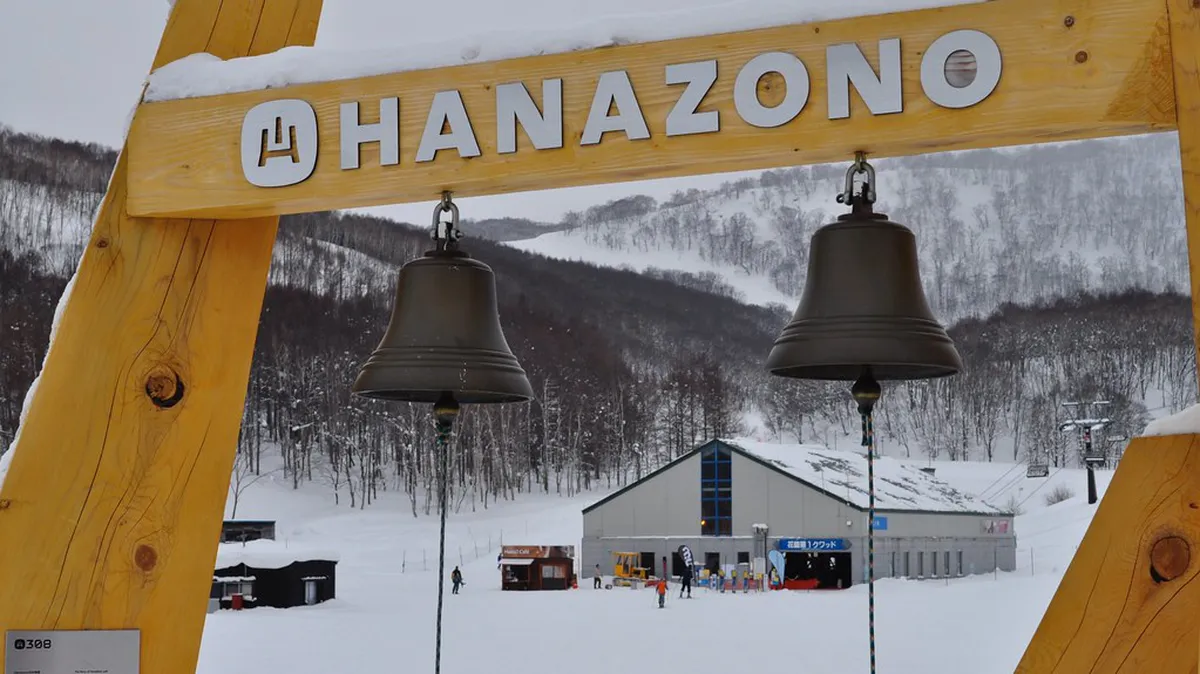
Travelers can move between the resorts using the lift system or the Niseko United shuttle buses. Understanding this layout is essential for choosing a central location. Check the Niseko United Official Website for real-time mountain updates and shuttle timetables.
Your choice of base affects your daily access to specific terrain and dining options. Some areas cater to those who enjoy night skiing and vibrant crowds. Other bases provide a peaceful retreat closer to nature and hot springs.
Niseko Resort Comparison: The Four Areas at a Glance
| Resort | Lifts / Runs | Vertical Drop | Best For |
|---|---|---|---|
| Hanazono | 4 lifts, 12 runs | 732 m | Luxury slope-side stays; quieter; beginner magic carpet |
| Grand Hirafu | 12 lifts, 22 runs | 940 m | First-timers; widest dining and nightlife; all budgets |
| Niseko Village | 8 lifts, 27 runs | 890 m | Families; near-total ski-in ski-out resort hotels |
| Annupuri | 6 lifts, 13 runs | 756 m | Budget travelers; onsen; shorter lift queues; authentic Japanese feel |
Before diving into each area in detail, this quick overview helps you match your priorities to the right village. The four resorts differ significantly in price, vibe, and slope characteristics, and the best choice depends on whether you prioritize lift access, budget, nightlife, or authenticity.
- Hanazono — 4 lifts, 12 runs, vertical drop 732m. Best for luxury accommodation seekers who want modern slope-side hotels with no budget constraints. Quieter than Hirafu, with a dedicated beginner magic carpet.
- Grand Hirafu — 12 lifts (including two gondolas), 22 runs, vertical drop 940m. Best for first-timers, social travelers, and those who want the widest range of dining and nightlife. Most diverse accommodation across all budgets.
- Niseko Village — 8 lifts (including two gondolas), 27 runs, vertical drop 890m. Best for families and anyone prioritizing ski-in ski-out resort hotels. Nearly all accommodation here is slope-side.
- Annupuri — 6 lifts, 13 runs, vertical drop 756m. Best for budget travelers, onsen enthusiasts, and returning visitors seeking shorter lift queues. Most traditional Japanese atmosphere of the four resorts.
A single Niseko United All Mountain Pass covers all four resorts, so staying in one village never restricts where you can ski. The pass costs around 12,000 yen per adult for one day in the 2025/26 season. Individual resort passes are also sold, ranging from 7,000 to 11,000 yen per day, which suits budget travelers who plan to stay in one or two areas.
Grand Hirafu: Best for Nightlife and First-Timers
Grand Hirafu is the most popular choice for travelers visiting Niseko for the first time.
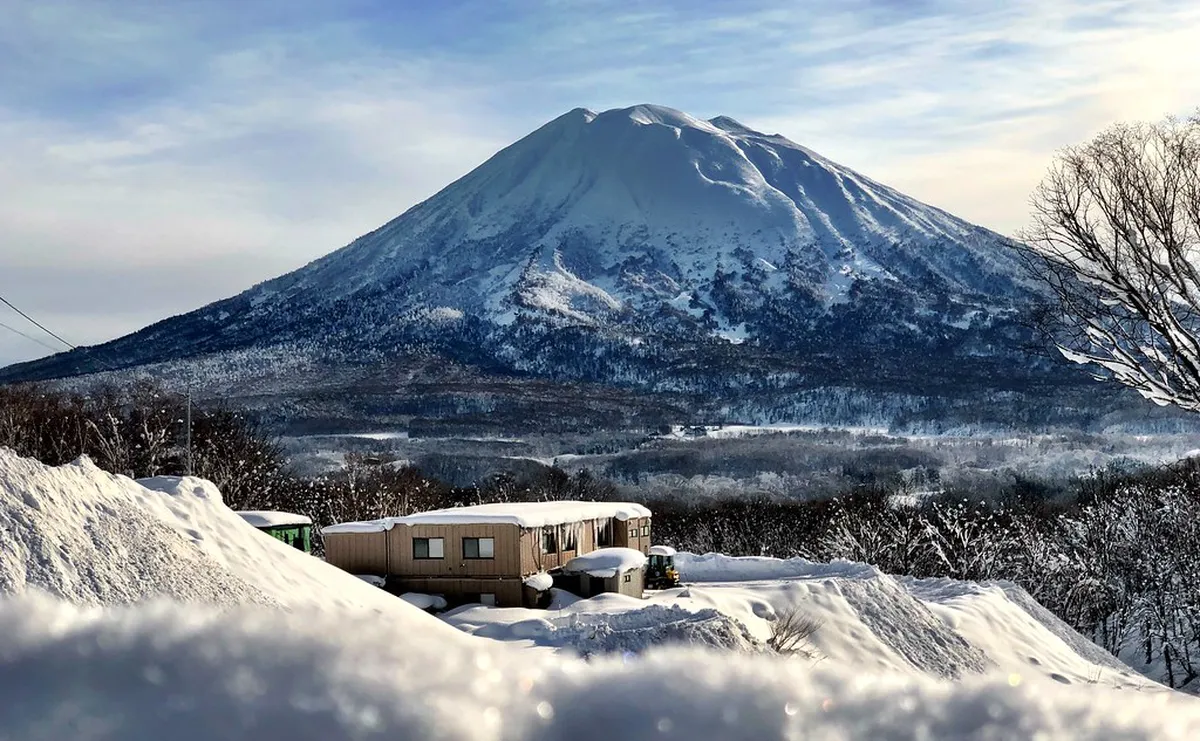
The dining scene here is unmatched, with hundreds of restaurants ranging from food trucks to fine dining. Middle Hirafu is the social heart of the village, where you'll find convenience stores, rental shops, and the majority of restaurants. Refer to our niseko nightlife guide for the best evening spots.
Many accommodation providers like Niseko Central offer managed apartments in this area. These units often include full kitchens and laundry facilities for longer stays. This convenience makes Hirafu a favorite for international families and groups.
Hirafu is also Niseko's primary night skiing hub. Several lifts remain open until 20:30 most evenings, and the illuminated slopes draw crowds who want to maximize their time on the mountain. If night skiing is a priority for your trip, staying within walking distance of the Upper Hirafu gondola stations is a significant advantage.
Hanazono: Best for Luxury Slope-Side Stays
Hanazono is the easternmost and most modern of the four resorts. The lift infrastructure feels new and well-maintained, and luxury hotels cluster directly at the base of the mountain. Properties like the Nikko Style Niseko Hanazono start from around 12,000 yen per night, making it one of the more accessible entry points into slope-side luxury. The resort operator publishes current lift and run details on the Hanazono Niseko official site.
The terrain here suits intermediate riders, with 66% of runs classified at that level. A dedicated beginner area with a magic carpet makes it viable for first-time skiers who want high-end accommodation without venturing to the busier Hirafu slopes. Lift queues are typically shorter than at Grand Hirafu during peak weeks.
The village itself is compact. Restaurants and bars are limited to what is inside the hotels, so those seeking variety in the evenings usually take the free 20-minute shuttle bus to Hirafu. That same shuttle runs late on night skiing nights, so Hanazono guests can still enjoy Hirafu's nightlife and return without a taxi.
Niseko Village and Annupuri: Best for Families and Budget
Niseko Village is home to large integrated resorts including the Hilton Niseko Village and the Ritz Carlton Reserve.
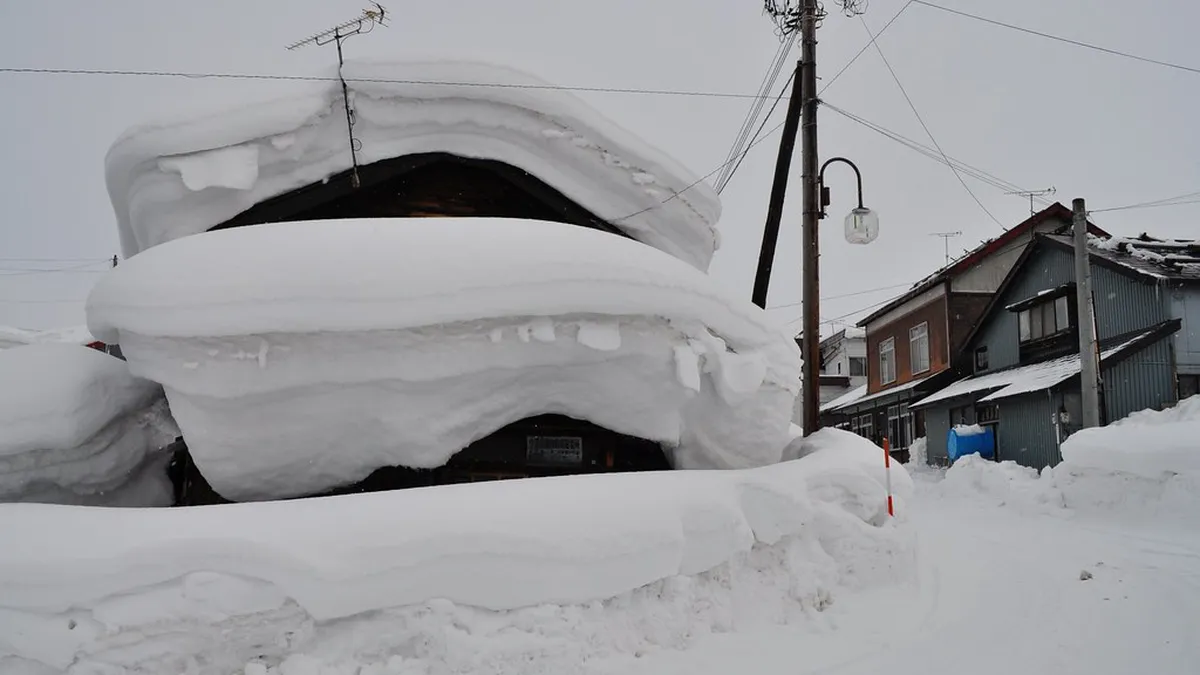
Annupuri is the go-to spot for travelers looking for a more authentic Japanese atmosphere. The area features many cozy pensions and traditional guesthouses at lower price points. It is also the closest resort base to Konbu Onsen, a small onsen village just west of Annupuri accessible by a 100-yen bus ride.
One practical note about Annupuri: fewer staff speak English compared to Hirafu, which matters for booking ski lessons. Group lessons with English-speaking instructors are limited here, though private instruction is available. Budget-conscious skiers can find excellent value in the smaller lodges and pensions in this area. You can learn more in our niseko hot springs guide for post-ski relaxation tips.
Staying in either of these areas requires more planning for evening meals if you want variety beyond your hotel restaurant. Most guests eat on-site or take a taxi to Hirafu for dinner. The trade-off is shorter lift queues, more powder on weekdays, and a noticeably calmer atmosphere.
Ski-In Ski-Out vs. Village Accommodation: Making the Right Choice
Ski-in ski-out accommodation allows you to slide directly from the slope to your door. In Niseko, true ski-in ski-out options are concentrated in Upper Hirafu, Niseko Village, and Hanazono. Prices for slope-side apartments in Upper Hirafu start at around 30,000 yen per night and can exceed 100,000 yen during the peak January powder weeks.
Village accommodation — properties in Middle or Lower Hirafu — trades direct slope access for lower prices and more dining options on your doorstep. The free Hirafu shuttle runs every 10–15 minutes and covers most of the village, making the practicality gap smaller than it sounds. Properties in Vacation Niseko's portfolio typically detail exact shuttle stop proximity, which is worth verifying before booking.
The decision comes down to group composition. Families with gear-laden young children benefit most from ski-in ski-out because morning and afternoon transitions are physically demanding with boots and equipment. Solo travelers and couples who enjoy après-ski dining and bar-hopping often prefer the Lower Hirafu village scene and use the shuttle for lift access.
Lift Passes Explained: All Mountain vs. Individual Resort
The Niseko United All Mountain Pass covers all four resorts — Hanazono, Grand Hirafu, Niseko Village, and Annupuri — on a single ticket. For the 2025/26 season, a one-day adult pass costs approximately 12,000 yen (around USD 80). Multi-day passes reduce the per-day cost and are available for periods of 3, 5, 7, and 14 days. The all-mountain pass also entitles you to use the inter-resort shuttle bus for free.
Individual resort passes are sold for each base area. The Hanazono and Hirafu passes are sold as a combined product since the two resorts are directly adjacent. Individual passes range from roughly 7,000 to 11,000 yen per day. These make sense if you are staying in one area and unlikely to venture to Annupuri or the opposite end of the mountain.
Night skiing access is included in the all-mountain pass for designated evenings. Grand Hirafu's illuminated slopes are open until 20:30, making the all-mountain pass the better value choice for anyone planning to ski after dark. Buying passes in advance online occasionally unlocks small discounts, and some accommodation packages bundle the pass into the nightly rate, so compare carefully before paying for them separately.
How to Find Affordable Accommodation in Niseko
Niseko has a reputation for being expensive, but budget options do exist for savvy travelers. Consider staying in the nearby town of Kutchan for significantly lower room rates. A short train or bus ride connects the town to the ski resort daily, and Kutchan's MaxValu supermarket is the largest in the area — useful for stocking a self-catering apartment.
Booking your stay at least six months in advance can unlock early bird discounts. Many operators offer 10% to 20% off for reservations made before the end of summer. Planning ahead is the best way to secure a deal for the 2026/27 season.
Visiting during the shoulder seasons in December or March can also reduce your costs. The snow quality remains excellent, but demand for lodging is much lower. The one timing caveat is Chinese New Year, which typically falls in late January or early February and drives a sharp spike in demand across all four resort areas. Check the best time to visit niseko to balance snow quality and price.
Getting to Niseko: Budget Transport from New Chitose Airport
Book your accommodation at least six months in advance for the peak January powder weeks. The Hokkaido Resort Liner bus from New Chitose Airport (CTS) costs around ¥3,000–¥4,000 per adult and delivers you door-to-door in approximately 2.5 hours — avoid the hassle of ski bags on trains.
The most convenient way to reach your accommodation is by taking a dedicated resort bus. The Hokkaido Resort Liner runs direct transfers from New Chitose Airport (CTS) to your village and costs around 3,000–4,000 yen per adult. This service avoids the hassle of carrying heavy ski bags through train stations and takes approximately 2.5 hours.
For those on a strict budget, the JR Train is a scenic and affordable alternative at roughly 1,500–2,000 yen. You will need to transfer at Otaru station before arriving at Kutchan or Niseko station. From Kutchan, a local taxi to Grand Hirafu costs around 3,500 yen, so factor that into the total cost comparison.
Private transfers are the most expensive option but offer door-to-door service for large groups carrying significant luggage and ski equipment. Review the Niseko United Shuttle Bus Schedule for local transport links once you are in the resort. Always book your airport transfer at least two weeks before your arrival date — seats on the popular resort buses fill up quickly during the peak powder weeks in January.
Planning Your Gear: Ski Hire and Lessons in Niseko
Most visitors choose to rent high-quality powder skis rather than bringing their own equipment. Local shops like Rhythm Japan (Ski Hire) offer the latest models for all conditions. They also provide free pick-up and drop-off services for your gear, which saves time on your first morning.
If you are a beginner, booking lessons in advance is highly recommended for the peak season. English-speaking instructors are in high demand and schedules fill up months ahead of time. Read our niseko skiing guide for more mountain tips on terrain selection and conditions.
Renting gear near your accommodation makes it easier to swap equipment if the snow conditions change. Many shops allow you to switch between groomed-run skis and fat powder skis mid-week. This flexibility helps you make the most of Niseko's famous deep snow when a storm arrives.
Trip Duration: How Many Days Do You Need in Niseko?
A typical Niseko ski trip lasts between five and seven days for most international visitors. This duration allows enough time to explore all four resorts and experience the local culture. It also provides a buffer for any days with extreme weather or low visibility, which are common in January.
If you plan to visit from Tokyo, you should account for travel time on both ends. Our guide on how to get to niseko from tokyo explains the best flight and train routes. Adding a few extra days allows for rest and recovery in the local onsens after heavy snow days. You can also check the things to do in Sapporo guide for nearby onsen opportunities.
Longer stays of ten days or more are ideal for those who want to chase the best storms. You can also use Niseko as a base for day trips to nearby resorts like Rusutsu or Kiroro, both within a 45-minute drive — the Hokkaido official tourism portal maps out additional winter destinations across the island. This variety keeps the skiing experience fresh throughout your holiday and reduces the per-day accommodation cost for longer bookings.
Essential Tips for Booking Your Niseko Stay
Some listings claim to be in Hirafu but are actually a long walk from the lifts or shuttle-dependent. Verify the exact shuttle stop proximity before booking. Cash access is limited in Annupuri and nearby onsen villages — many smaller establishments do not accept foreign credit cards. The MaxValu in Kutchan is the best ATM and grocery stop on the way from the airport.
Always confirm the exact location of your property on a map before paying a deposit. Some listings may claim to be in Hirafu but are actually a long walk from the center or a shuttle-dependent distance from the lifts. Using a reputable agency like Vacation Niseko can provide peace of mind, and their listings specify which shuttle stop is closest to each property.
Check if your booking includes a Niseko United All Mountain Pass or local shuttle access. These small details can save you thousands of yen in daily transport costs. Having a pass ready upon arrival allows you to hit the slopes immediately on your first day.
Finally, consider cash access in some of the more traditional areas. Annupuri and nearby onsen villages have restaurants and smaller establishments that may not accept foreign credit cards. The MaxValu supermarket in Kutchan accepts cards and offers the best prices for self-catering supplies — many visitors stop there on the way from the airport to stock up for the week.
Frequently Asked Questions
Which Niseko resort is best for beginners?
Annupuri and the lower slopes of Grand Hirafu are excellent for beginners. These areas offer wide, gentle runs and dedicated learning zones for new skiers. Niseko Village also features a great beginner area near the main resort hotels.
Is it better to stay in Hirafu or Niseko Village?
Hirafu is better for those who want nightlife, diverse dining, and a social atmosphere. Niseko Village is preferred by families seeking convenience and integrated resort services. Both offer great access to the mountains.
How do I get from Sapporo airport to Niseko?
The easiest way is by taking the Hokkaido Resort Liner bus directly to your accommodation. Alternatively, you can take the JR Train to Kutchan Station and then a short taxi. Each option takes roughly 2.5 to 3 hours.
What is the best month to visit Niseko for snow?
January is the best month for consistent, deep powder snow known as Japow. February also offers excellent conditions with slightly more sunshine. If you prefer fewer crowds, consider visiting in early March. Check our niseko food guide for seasonal treats.
Is Niseko expensive for accommodation?
Niseko can be expensive during peak winter months, but budget options are available. Staying in Kutchan or booking early bird deals can significantly reduce your costs. Hostels and traditional pensions offer affordable alternatives to luxury apartments.
Finding the right base in Niseko is the key to an unforgettable Japanese ski adventure. Whether you choose the energy of Hirafu or the peace of Annupuri, the powder snow remains world-class. Use this guide to match your preferences with the perfect village for your 2026 trip.
Remember to book your transport and gear early to avoid any last-minute stress during the peak season. With proper planning, you can focus on enjoying the legendary slopes and warm hospitality of Hokkaido. We hope this niseko accommodation guide helps you plan your dream winter getaway.
Free: The Niseko Essentials guide
Top things to do, where to stay, a perfect day plan, getting around, and the best time to go — a Niseko mini-guide you can take offline.
You might also like


Continue reading
More guides you'll find useful


