Best Time to Visit Niseko: The Ultimate Month-by-Month Guide
Discover the best time to visit Niseko for world-class powder, spring skiing deals, or summer adventures. Includes month-by-month weather, snow, and crowd guides.
On this page
Best Time to Visit Niseko
Niseko is a world-class destination located on Japan's northern island of Hokkaido. I visited Niseko in late January, and the snow was truly bottomless during my entire stay. Mid-January to late February is the best time to visit Niseko for deep powder snow. For a complete overview of the destination, see our main Niseko attractions guide. Travelers comparing Hokkaido's winter offerings often choose between Niseko's Alpine terrain and the gentler slopes near Sapporo further south.
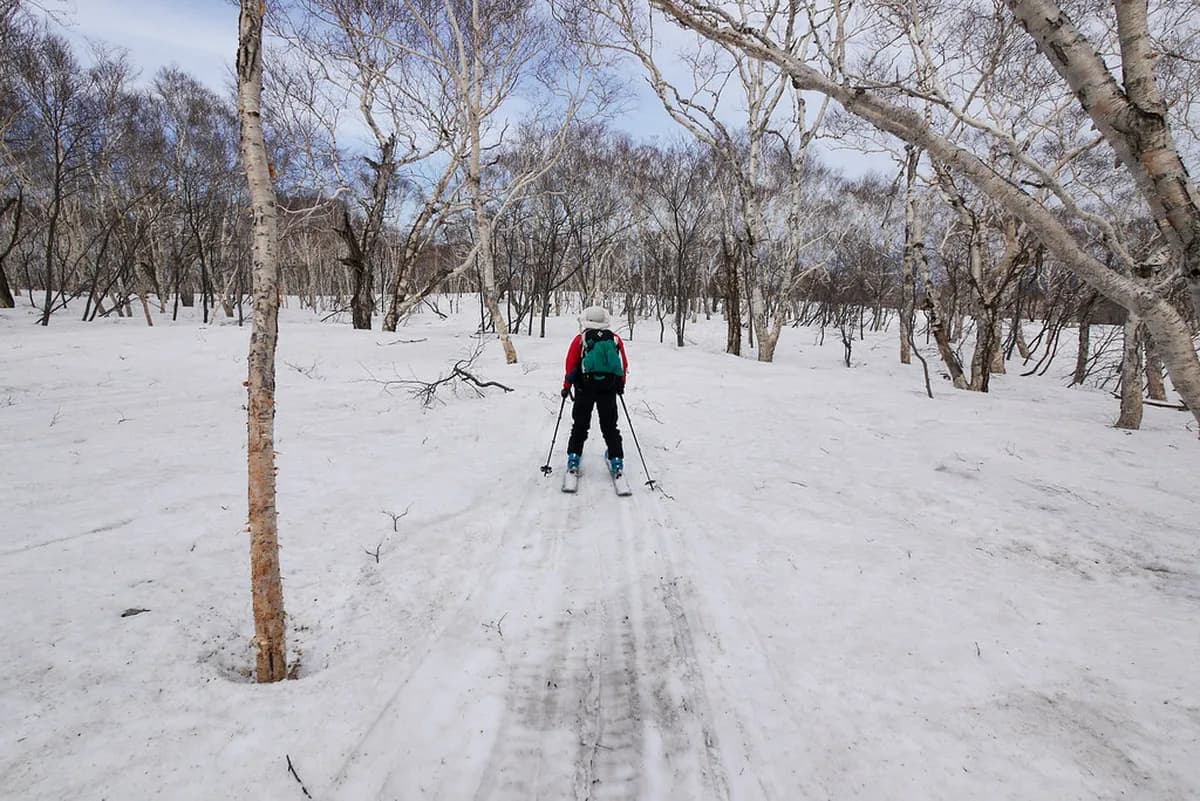
Late spring (March to early April) is the sweet spot for sunny days and better prices. The region transforms from a winter wonderland into a lush green paradise during the summer months. Deciding when to go depends on whether you crave sub-zero powder or mild mountain air. This guide breaks down every season, every month, and every travel style to help you plan the perfect Japanese escape.
Free: The Niseko Essentials guide
Top things to do, where to stay, a perfect day plan, getting around, and the best time to go — a Niseko mini-guide you can take offline.
Understanding Niseko's Ski Season: Opening Dates & Resorts
The winter season usually begins in late November or early December each year. Resorts like Grand Hirafu and Annupuri aim to open as soon as the first snow settles. Our Niseko skiing guide provides details on all four major resort areas. Check the Niseko United website for real-time lift status and official opening dates for the 2025/26 season.
The four main resorts — Grand Hirafu, Hanazono, Niseko Village, and Annupuri — connect at the top of Mount Annupuri to form Niseko United. You can access all areas with a single All Mountain Pass during the peak winter months. Moiwa is a smaller, independent resort located about five minutes' drive from Annupuri. It offers a quieter experience for those looking to avoid the morning lift lines and is not included in the Niseko United pass.
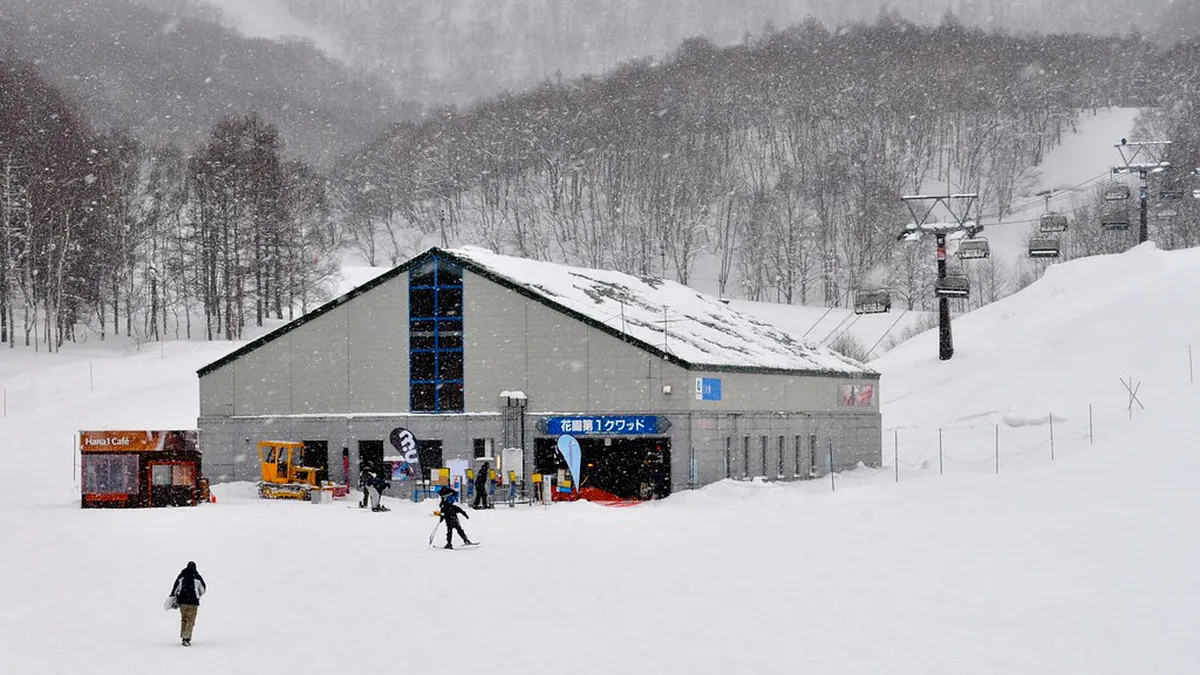
Early December often features thinner snow cover and limited terrain openings for visitors. Full resort connectivity typically happens by mid-December once the base layer is established. Night skiing usually starts around the third week of December across the major mountain faces. The season officially winds down in early May as the spring sun melts the lower slopes — independent daily reports from Snow Japan are a useful reference for tracking base depth and season open/close dates across Hokkaido resorts.
Niseko Month-by-Month Guide: Snow, Weather & Crowds
Niseko's weather is dominated by the Siberian High, which pushes freezing air from Russia across the Sea of Japan. That cold air mass picks up enormous moisture before slamming into Hokkaido's mountains, creating the legendary 'Japow' — ultra-light, dry powder that stays fluffy even at low elevations. The resort receives 10 to 15 metres of snow annually, more than almost any ski resort outside Canada — official monthly snowfall and temperature observations for the Kutchan station are published by the Japan Meteorological Agency if you want to cross-check historical conditions before booking.
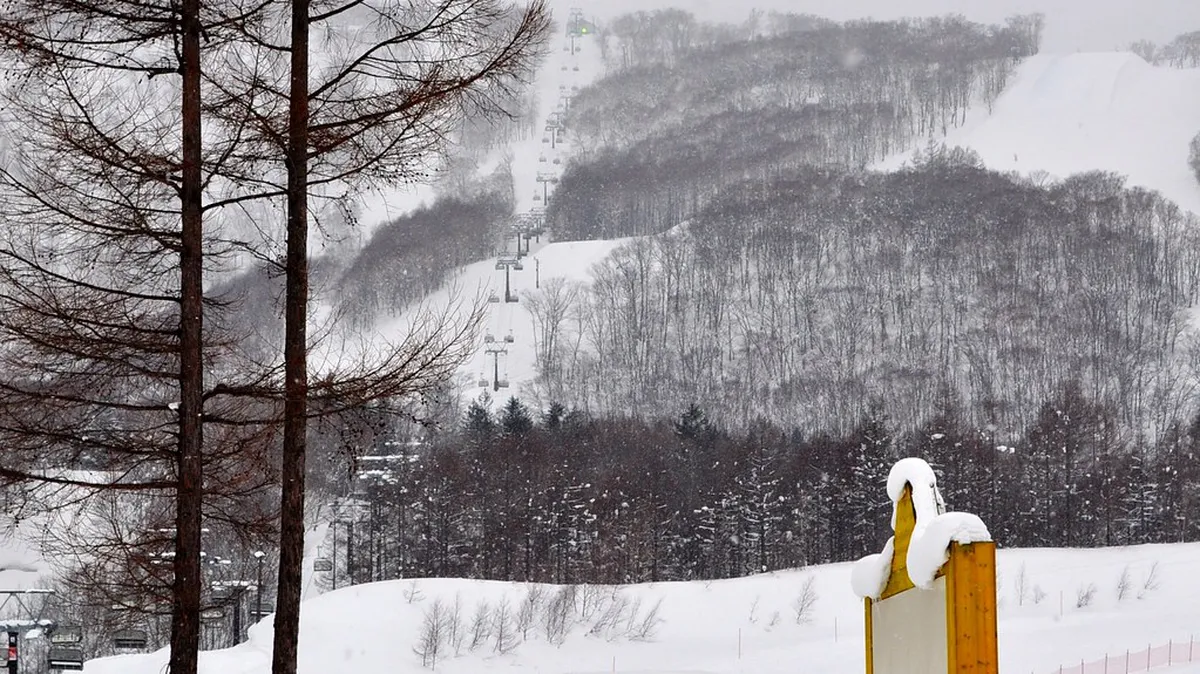
- November: First snowfalls dust the slopes and resort opening is targeted around 29 November, though terrain is limited. Accommodation is cheapest and slopes are empty. Ideal for those who want to be there when the gates first open.
- December: A solid base builds in the first two weeks, with night skiing launching mid-month. The Christmas and New Year window is one of Niseko's busiest periods — festive energy, fireworks, and premium prices. Book at least six months ahead for this window.
- January: The peak powder month and Niseko's global reputation rests on it. Temperatures drop below -10°C regularly, keeping snow bone-dry. By mid-January all backcountry gates are open including the Annupuri summit. This is "Japanuary" — coined by locals as a fusion of Japow and January. Hit the slopes early: fresh tracks are gone by 9 AM.
- February: Deep snowpack from January accumulates further. The end of February brings slightly more blue-sky days and the Yukitopia Snow Festival in Kutchan. Chinese New Year causes a second crowd spike — plan around it if you can. Arguably the best all-round month: serious powder with more sunshine than January.
- March: Crowds thin fast and prices drop noticeably. Top-ups of light snow still arrive in early March. Longer daylight hours and stunning sunsets behind Mount Yotei make this a favourite for families and first-timers. Spring skiing conditions dominate by late month.
- April / early May: Lowest prices of the ski season. Some lifts close from late April but upper slopes stay open into early May. Cherry blossoms appear in nearby Sapporo around late April — combining spring skiing with sakura is a niche highlight that most visitors completely miss.
Summer (June to August) brings temperatures of 18 to 26°C / 64 to 79°F. Autumn colours peak in October on the slopes of Mount Yotei. Both seasons draw far fewer visitors than winter and are covered in detail below.
January delivers the deepest, driest Japow. Late February is often the sweet spot — serious powder with more blue-sky days and shorter queues after Lunar New Year crowds leave. The Niseko United All Mountain Pass gives access to all four resorts.
| Month / Period | Temp (°C) | Crowds | Prices | Snow Quality |
|---|---|---|---|---|
| Late Nov | -3 to 0 | Very Low | Low | Thin, early |
| Dec (early) | -5 to -2 | Low | Medium | Building base |
| Dec (late) / Jan | -10 to -2 | Very High | Peak | Deep powder |
| February | -9 to -3 | High | High | Deep + stable |
| March | 0 to 7 | Moderate | Medium | Spring powder |
| April / May | 5 to 12 | Low | Low | Spring slush |
| Jun – Aug | 18 to 26 | Very Low | Very Low | No snow |
| Sept – Nov | 5 to 15 | Very Low | Low | No snow |
When Should You Visit Niseko?
Your ideal travel dates depend heavily on your personal priorities and vacation goals. Hardcore skiers should prioritize the deep winter months for the most consistent snow quality. Families might prefer the warmer spring months for more comfortable learning conditions on slopes. You should consult our Niseko accommodation guide before booking your winter stay.
Budget-conscious travelers can find excellent deals by visiting during the shoulder season windows. March offers a great balance of decent snow and lower lodging costs. Summer visitors enjoy the quietest atmosphere and the lowest overall travel expenses in Hokkaido. The Niseko summer activities include white-water rafting and world-class golf.
I found that visiting in late February offered the best mix of snow and sun. The massive crowds from Lunar New Year usually dissipate by mid-February, allowing for shorter lift lines and easier dinner reservations. Foodies will love exploring the options in our Niseko food guide.
| Travel Style | Best Months | Why |
|---|---|---|
| Powder hunters | January – February | Deepest, driest Japow; all backcountry gates open |
| Families & beginners | Early December, March | Fewer crowds, softer snow, shorter lift queues |
| Budget travelers | Early December, March – April | Off-peak rates, early-bird accommodation deals |
| Culture & apres fans | Mid December – January | Festivals, fireworks, peak nightlife energy |
| Summer adventurers | July – August | Hiking, golf, rafting, cool mountain air |
Costs, Crowds & Booking Tips for Niseko
The most expensive time to visit is during the Christmas–New Year window and again during Lunar New Year in late January or early February. Both periods see flight and hotel prices spike significantly. Early December and late March are the primary value seasons for most resort areas. Lift passes are often discounted during these times to encourage more spring visitors.
Booking accommodation at least six months in advance secures early-bird rates for peak weeks. Many hotels drop prices noticeably once the February powder rush ends. After dark, the Niseko nightlife scene comes alive in the Hirafu village. Summer remains the cheapest season overall — luxury chalets that cost ¥80,000+ per night in January often list for a fraction of that in August.
Choosing the right lift pass can save you ¥10,000–¥20,000 per week. The Niseko United All Mountain Pass gives access to all four resorts and makes sense if you plan to chase the best snow across the mountain each day. The Grand Hirafu + Hanazono shared pass covers roughly 60% of the total skiable terrain and is the better value for beginners or those staying in Hirafu who rarely ski over to Annupuri or Niseko Village. Day passes are available for each individual resort if you want to try Moiwa without committing to multi-day access. Holders of the Mountain Collective or IKON pass get discounted access — check the Niseko United site for current benefits.
Getting there: fly into New Chitose Airport (Sapporo CTS) and take a direct resort shuttle (roughly 2.5 to 3 hours) or the train to Kutchan station then a short taxi to Hirafu. Deciding between Niseko Hirafu vs Niseko Village depends on how central you want your base and your nightlife preferences.
Beyond the Slopes: What to Do in Niseko Besides Skiing
Even off the mountain, Niseko delivers. The Yukoro onsen — within walking distance of most Grand Hirafu accommodation — reopened recently and has quickly become the après-ski favourite in the area. Relaxing in an outdoor bath while snow falls around you is one of those experiences that stays with you. Explore more soaking spots with our Niseko hot springs guide.
Winter events add texture to any stay. The Kutchan Yukitopia Snow Festival (February) combines taiko drum sessions with ice sculptures and fireworks. New Year's Eve brings a spectacular fireworks display in Hirafu. Niseko's restaurant scene in Hirafu covers everything from serious sushi counters to casual ramen, and local dairy is genuinely exceptional — Hokkaido milk, cheese, and fresh cream products from nearby farms are worth seeking out for their own sake.
Off-mountain winter adventures include snowmobiling on guided backcountry routes, snow rafting on the Shiribetsu River, snowshoeing around the base of Mount Yotei, and horse riding through snow-covered forests. These activities run from December through late March and provide a compelling reason to extend your trip beyond a pure ski itinerary.
Enjoying the Niseko Summer: The Green Season Guide
Summer in Hokkaido is famous for its colorful flower fields and delicious local produce. Niseko becomes a hub for outdoor enthusiasts who enjoy cycling and river rafting from June onward. The Shiribetsu River offers some of the cleanest water in Japan, and guided raft trips run daily during summer. You can enjoy fresh corn, melons, and potatoes from local farms during August — produce that genuinely tastes different at this latitude.
The weather is perfect for golf on several world-class courses, including the Jack Nicklaus-designed layouts that have made Niseko a bucket-list destination for serious golfers. Hiking up Mount Annupuri provides panoramic views of the iconic Mount Yotei that are impossible from the ski lifts. The lack of crowds makes it a peaceful retreat, with temperatures that rarely climb above 26°C — a dramatic contrast to the humid heat of Tokyo in August.
Summer festivals in Kutchan and Niseko town feature traditional Bon Odori dancing and local fireworks. The Hanazono zip-line and summer adventure park run from June through early October. Evening breezes are refreshing and rarely require more than a light jacket. It is a genuinely worthwhile time to visit for anyone who wants Hokkaido's natural beauty without the cost or crowds of the ski season.
What's Closed in Low Season?
The Christmas–New Year window and Lunar New Year (late January/early February) are peak-price periods with rooms booking out six months in advance. Many Hirafu restaurants and shops close from May through late November during the off-season.
Many seasonal restaurants in Hirafu close their doors from May through late November. The Niseko United shuttle bus stops running once the ski season officially ends. Visitors during the shoulder months will need a rental car to get around easily. Hiking trails on Mount Yotei are often inaccessible until the snow melts in late June.
Small boutique shops in Niseko Village often reduce their hours during the rainy June period. Some larger hotels close for maintenance during the transition from winter to summer seasons. Always check the operating hours of specific onsens before driving to remote mountain locations. Most mountain lifts stop operating entirely during late autumn and early spring.
The popular food trucks at Hirafu intersection are strictly a winter-only feature. Planning around these closures is essential for a smooth trip during off-peak months. The upside is that whatever is open tends to be relaxed, unhurried, and genuinely welcoming to visitors who have made the effort to come outside peak season.
Niseko Weather & Packing Tips for Every Season
Winter packing requires high-quality thermals and a waterproof outer shell for the deep snow. Bring a face mask or balaclava to protect against the biting Siberian winds — this is not optional in January. Mittens are generally warmer than gloves when temperatures drop below -10°C / 14°F. Goggles with low-light lenses handle the frequent overcast and snowy days better than clear lenses.
Spring skiing requires lighter jackets as the sun can make the slopes surprisingly warm by midday. Sturdy boots with good grip are essential for walking on icy village streets in the early morning. Always carry a portable power bank because cold weather drains phone batteries very quickly. A small towel is useful for the traditional Japanese onsen experience at any time of year.
Summer visitors should pack light layers and comfortable hiking shoes. Sunscreen is vital as the alpine sun can be strong even in Hokkaido. Bring a swimsuit if you plan to visit mixed-gender outdoor onsens. Autumn requires medium-weight jackets and walking boots for exploring the colorful mountain trails.
- Winter (Dec–Feb): Heavy down jacket, thermal base layers, waterproof shell, balaclava, mittens, low-light goggles, power bank.
- Spring skiing (Mar–Apr): Water-resistant shell, mid-layer fleece, sunscreen, grip boots for village streets.
- Summer (Jun–Aug): Light layers, hiking shoes, sunscreen, swimsuit for onsens.
- Autumn (Sept–Nov): Medium-weight jacket, walking boots, rain layer.
Frequently Asked Questions
When is the best month for powder in Niseko?
January is the best month for consistent, deep powder snow in Niseko. The Siberian winds are strongest then, creating daily snowfall. Temperatures stay very low, which keeps the snow light and dry.
Is Niseko worth visiting in the summer?
Yes, Niseko is excellent in summer for hiking, golf, and river rafting. The weather is mild and much cooler than southern Japan. It is a great time for fresh Hokkaido produce.
What is the cheapest time to visit Niseko?
Late March and April offer the lowest prices for skiing and accommodation. Summer is also very affordable compared to the peak winter season. Booking early can save you even more money.
Niseko is a remarkable destination that offers something special during every single month. Whether you want deep powder or green mountain trails, timing your visit is key. January remains the gold standard for skiers, while summer is perfect for quiet relaxation. Plan your trip according to your budget and your favorite outdoor activities.
Remember to book your stay early if you plan to visit during peak holidays. Hokkaido's natural beauty will impress you regardless of the season you choose to explore. We hope this guide helps you find the best time to visit Niseko in 2026.
Free: The Niseko Essentials guide
Top things to do, where to stay, a perfect day plan, getting around, and the best time to go — a Niseko mini-guide you can take offline.
You might also like


Continue reading
More guides you'll find useful