Niseko Summer Activities: The Ultimate Travel Guide
Discover the best Niseko summer activities, from whitewater rafting and world-class golf to kids' camps and local festivals. Plan your perfect green season escape.
On this page
Niseko Summer Activities
Niseko transforms from a snowy paradise into a lush green playground during the warmer months.
Many travelers visit to see the iconic Mt. Yotei without its thick winter coat.
The region offers a peaceful pace compared to the busy winter ski months.
You can find a variety of niseko summer activities that cater to thrill-seekers and families alike.
Must-See Niseko Summer Attractions
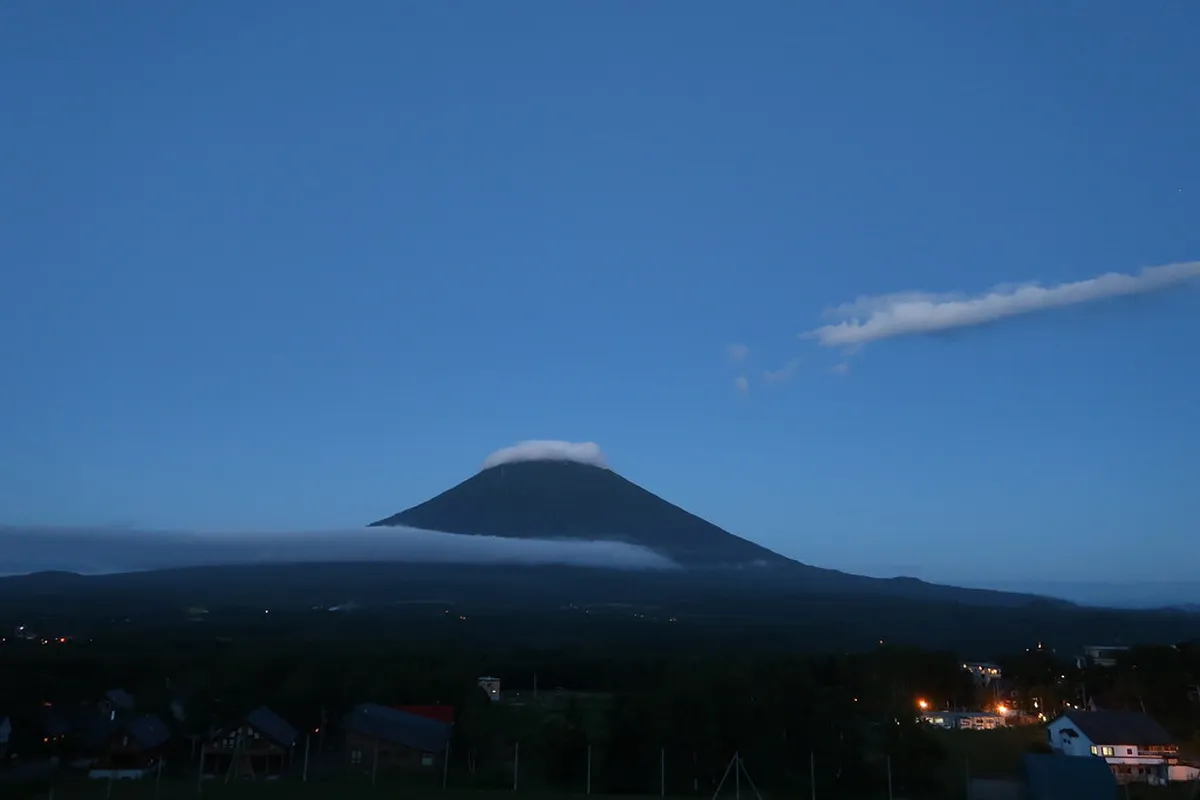
Mount Yotei stands as the centerpiece of the region and resembles Mount Fuji in its perfect symmetry. During the summer, the mountain loses its snow cap and reveals deep green forests. You can view this majestic peak from almost anywhere in the village. This natural landmark provides a stunning backdrop for all your outdoor photos.
The landscape shifts into vibrant fields of wildflowers and rolling hills as the temperatures rise. You will find that the air feels fresh and significantly cooler than in Japan's major cities. Many visitors enjoy the scenic gondola rides that operate even outside the ski season. These lifts offer a panoramic perspective of the surrounding national parks.
Exploring the Niseko attractions in summer allows you to see a side of Hokkaido that many miss. The rivers flow clearly with mountain runoff and the forests teem with local wildlife. You might spot Ezo red foxes or deer while driving through the countryside. This season is truly the best-kept secret for nature lovers.
Planning your visit involves choosing between the different resort areas that offer unique summer vibes. Hirafu remains the most active hub with plenty of dining and shopping options. In contrast, Niseko Village offers a more secluded and resort-focused experience. Each area provides easy access to the main natural landmarks of the region.
The Local Phenomena Most Visitors Miss
In June, rice farmers around Kutchan and Makkari flood their paddies, and on calm mornings the still water creates a perfect mirror reflection of Mt. Yotei. Locals call this "Sakasa Yotei" — the upside-down Fuji of Hokkaido. You need to leave the main resort strip and drive into the farming flatlands to find the best angles. No guided tour organizes this; you simply pull over at any flooded paddy with a clear sightline and the shot is yours.
In July, the Kutchan Jaga Matsuri celebrates the potato harvest that defines this part of Hokkaido. The town's mascot is literally a skiing potato, and the festival delivers classic matsuri energy: parade floats, food stalls, taiko drums, and fireworks. It is the most community-rooted event of the green season and draws a local crowd rather than an international one. Visiting it alongside the Jazz Festival gives you a complete picture of Niseko's two very different summer personalities.
Later in summer, lupine flowers and potato blossoms spread across the farmland in waves of pink, purple, and white. Driving the back roads between Niseko Town and Kutchan in mid-June puts these blooms at eye level with Mt. Yotei behind them. Most travel guides list the shibazakura moss at Mishima-san's garden correctly, but miss the broader flower season that makes any drive through the countryside rewarding well beyond that single garden.
Choosing the Right Activity for Your Group
Niseko summer activities span a wide range of physical demand and cost. Rafting and canyoning in spring are high-intensity; summer rafting drops to moderate effort suitable for families. Golf, cycling, and hiking sit in the middle — genuinely physical but paced by you. Milk Kobo, flower gardens, and the Arishima Museum require almost no exertion and cost little or nothing beyond entry fees.
Budget considerations matter here. The Pure adventure park at Niseko Village, the Hanazono gondola, and EdVenture camps all carry premium pricing — budget around 5,000–10,000 JPY per person per session. Rafting typically runs 6,000–9,000 JPY for a half-day. Golf at the top courses can exceed 15,000 JPY per round in peak July–August. By contrast, hiking Mt. Yotei or Annupuri, cycling the countryside on a rented bike (roughly 3,000–5,000 JPY per day), and visiting free viewpoints along the flooded paddies cost almost nothing.
Families with children under ten will get the most from the Pure park, EdVenture camps, fruit picking, and summer rafting. Solo travelers or couples tend to gravitate toward golf, fly fishing, mountain biking, and the nighttime Mountain Lights gondola run. If your group contains both, plan your mornings around the kids and your afternoons around yourselves — most activity operators keep morning slots available for family bookings.
Mountain Lights: Hanazono After Dark
Mountain Lights at Hanazono Resort is one of the most distinct summer experiences in all of Hokkaido. British light artist Bruce Munro created the installation, which covers the lower mountain slopes in thousands of illuminated spheres, creating a flowing sea of color after dark. The display runs beneath the Hanazono Symphony Gondola and is best seen from the lift itself on the way up. Munro's work has appeared in Australia, the USA, and Europe — Niseko is the only venue in Japan.
The gondola operates special evening hours during the Mountain Lights season, typically from early July through late August. You ride up through the dark forest while the lights pulse below and ahead of you. At the top viewing platform, Mt. Yotei sits as a black silhouette against the sky while the illuminated hillside reflects in any standing water below. It is completely different from the daytime mountain experience and worth a separate visit even if you have already done the gondola by day.
Hanazono also hosts the Fire Goddess Performance on specific evenings — check the resort calendar when you book. This fire-dance show interprets a local legend through movement and live drumming. The combination of Mountain Lights and the Fire Goddess performance on the same evening makes for one of the best nights in Niseko regardless of season.
Museums, Art, and Culture in Niseko
Niseko boasts a surprisingly rich cultural scene that extends beyond its famous outdoor sports. The Arishima Takeo Memorial Museum offers a deep dive into the life of a famous Japanese novelist. You can explore the beautiful grounds and learn about the local history of land reform. This site provides a quiet escape for those interested in Japanese literature and philosophy.
Local art galleries showcase the work of talented residents who draw inspiration from the mountain scenery. You will find unique glasswork and pottery that reflect the colors of the Hokkaido landscape. Many of these studios offer workshops where you can try your hand at traditional crafts. These activities are perfect for a rainy afternoon or a slower travel day.
The cultural heritage of the Ainu people is also present in the wider region surrounding the village. You can find small exhibits and local shops that honor these indigenous traditions. Learning about the original inhabitants adds a layer of depth to your Niseko journey. It helps you appreciate the spiritual connection between the people and the land.
Parks, Gardens, and Outdoor Spots in Niseko
The Niseko Hirafu Green Park serves as a central gathering spot for summer visitors. You can enjoy outdoor movies, food stalls, and live music in this open-air space. It provides a relaxed atmosphere where children can run freely while adults enjoy local snacks. This park often hosts weekend markets featuring fresh produce from nearby farms.
The Niseko Outdoor Center offers a gateway to many hidden gems in the local forest. You can join guided nature walks that explain the local flora and fauna in detail. These tours often lead to quiet ponds and secret viewpoints that most tourists never find. It is an excellent way to immerse yourself in the serene green season environment. The center also runs jam-making and soba noodle-making classes year-round — solid options for rainy days.
Flower gardens like the one at Mishima-san's house are famous for their stunning pink moss phlox, or shibazakura. These private gardens open to the public and offer incredible photo opportunities with Mt. Yotei in the background. You should visit in early June to see the blooms at their most vibrant. The dedication of local residents to their gardens makes the entire town feel welcoming.
Family-Friendly Activities and Kids' Summer Camps
Niseko is an ideal destination for families looking to escape the city heat during school holidays. The EdVenture program provides high-quality English-speaking summer camps for children running from June through autumn. Days one to three cover skateboard making, fruit picking, farm visits, rafting, and tree planting. The final two days take children and one accompanying parent on an overnight camping trip with BBQ and outdoor skills training — a genuine parent-child adventure that competitors running standalone kids camps cannot match.
Pure at Niseko Hanazono Resort and the parallel Pure park at Niseko Village offer massive outdoor adventure setups designed specifically for active families. You can challenge yourself on the tree trekking courses or fly through the air on zip lines — the zip line totals 1.4 kilometres, the longest in Japan. The park also features inflatable obstacle parks and quick-jump platforms for an extra adrenaline boost. It offers a safe and controlled environment for kids to push their limits.
Night trekking organized by the Niseko Adventure Center runs from early July through late August. Children search for the elusive Niseko stag beetle under the moonlight while guides explain the forest ecosystem. Kids under six must be accompanied by an adult, but older children can join independently. It is one of the more unusual and memorable family activities in the region.
Many resorts provide specialized Niseko accommodation that includes family-friendly amenities and play areas. You can find apartments with full kitchens, which make traveling with picky eaters much easier. The region also offers horse riding through Niseko Village via Niseko Horse, where gentle guided rides cater to all ages. Most workshops — soba noodle making, fruit picking, jam making — are taught by friendly locals who are patient with beginners.
Hit the Perfect Tee on Niseko's Golf Courses
Niseko is a premier destination for golfers seeking world-class courses with breathtaking views. The cooler mountain climate ensures that the grass stays lush and green throughout the summer. You can enjoy a full round without the oppressive humidity found in southern Japan. Each course offers a unique challenge ranging from forest-lined fairways to wide-open resort layouts.
Niseko Village Golf Course was named Japan's Best Golf Course at the World Golf Awards and suits all skill levels. It delivers the most direct Mt. Yotei views of any course in the region. The Arnold Palmer-designed Niseko Golf Course is the championship option — longer, more demanding, and routed through mature forest with limited mountain sightlines. Hanazono Golf Course sits between the two in difficulty and adds water features that introduce a tactical element missing from the other layouts.
Most courses offer full equipment rental so you do not need to bring your own clubs. Book tee times at least two weeks ahead for July and August weekends. Many clubs have English-speaking staff who can help with course strategy and local rules. Green fees at top-tier courses typically run 12,000–18,000 JPY per round; the Niseko Tokyu Golf Course offers a comparable standard to the Arnold Palmer layout at slightly lower pricing.
Park golf — a Hokkaido-born hybrid of croquet and golf played with one club on shorter courses — is a low-cost alternative worth trying. You will see signs for park golf courses all across the Niseko and Kutchan countryside. The Niseko Athletic Park has a well-maintained course and equipment for hire. It is a genuine local pastime, not a tourist gimmick, and plays completely differently from anything you would find outside Hokkaido.
Enjoy Milk Kobo's Famous Desserts
No trip to Niseko is complete without a visit to the legendary Milk Kobo dairy farm. This local institution is famous for its fresh cream puffs and drinkable yogurt. You can watch the staff prepare the desserts through large glass windows in the kitchen. The taste of fresh Hokkaido milk makes these treats truly stand out from store-bought versions.
To avoid the longest lines, you should try to visit early in the morning or late in the afternoon. The shop often gets crowded with tour buses during the middle of the day. You can enjoy your ice cream on the outdoor benches while looking at the mountain. This simple pleasure is a highlight for many travelers exploring Niseko food options.
If you are feeling adventurous, look for the "Shakotan Blue" ice cream flavor available at shops near the Shakotan Peninsula. This vibrant blue treat is inspired by the clear waters of the coast and delivers a refreshing citrus-like taste perfect for a hot summer day. Many local shops also sell seasonal fruit-flavored soft serve during the harvest months. The soft serve at Milk Kobo itself — bright white with an intense dairy richness — remains the benchmark all other Hokkaido soft cream is measured against.
Cycle the Beautiful Niseko Countryside
Cycling has become one of the most popular niseko summer activities for both locals and tourists. The region hosts the Niseko Classic, a major road cycling event held each July that draws professional-level participants. You can ride the same challenging routes used by competitors during your visit. The well-maintained roads, mild temperatures, and low traffic levels make it a paradise for road cyclists.
For those who prefer off-road excitement, the Grand Hirafu mountain bike park offers world-class downhill trails accessed via the high-speed gondola. Niseko Hanazono has separate beginner and intermediate areas where riders of all ages can develop skills before attempting the main descents. The Niseko Area Mountain Biking Association maintains the trail network through the season and publishes current trail conditions online.
Electric bikes are available for rent at many shops for a more relaxed experience across rolling farmland. You can cycle between cafes, viewpoints, and flower fields at your own pace without overexerting. Budget roughly 3,000–5,000 JPY per day for a quality rental. Always carry a printed or downloaded map of local cycling routes — mobile signal drops in some of the mountain corridors.
Hike Up Niseko's Gorgeous Trails
Hiking is the best way to experience the raw beauty of the Hokkaido wilderness up close. The trail to the summit of Mt. Yotei is the most famous and challenging hike in the area. You will need a full day — expect 7–8 hours round trip — and a solid level of physical fitness to complete this trek. The views from the caldera rim at the top cover the entire Niseko valley and on clear days extend to the ocean.
Mount Annupuri offers a shorter and more accessible option for casual walkers. You can take the gondola partway up to save time and energy on the ascent. This trail is well-marked and provides excellent views of the surrounding mountain ranges. It is a great choice for families with older children who want a genuine mountain experience without a full-day commitment.
- Mt. Yotei safety checklist: carry 2–3 liters of water, wear sturdy hiking boots, check the weather before you leave as conditions change rapidly above the treeline, bring high-energy snacks, and start no later than 07:00 to ensure a safe descent before dark.
- For guided treks, Niseko Expedition organizes expert-led mountain treks with safety equipment and local knowledge — strongly recommended for solo travelers unfamiliar with Hokkaido mountain conditions.
Shiribetsu-dake and the Asahigaoka trails offer mid-level options for those who want more than a nature walk but less than a full summit push. The Shinsen-numa wetland trail near the base of Annupuri is flat, short, and exceptionally photogenic in early morning mist. August is the best month for hiking as the heat eases, trails dry out after the June rainy season, and long daylight hours give you plenty of time to pace yourself.
Ride the Rapids in Shiribetsu River
Rafting on the Shiribetsu River is a quintessential summer experience in the Niseko region. The river is known for having some of the cleanest water in all of Japan. During spring, the melting snow creates high water levels and intense, adrenaline-filled rapids — the most challenging conditions of the year. This is the best time for experienced thrill-seekers looking for a demanding whitewater run.
In contrast, summer months bring lower water levels and a much calmer river flow. This makes the experience perfect for families with young children or those who prefer a scenic float. You can often swim in the calmer sections between rapids. Professional guides ensure that everyone stays safe and has a good time regardless of the water level.
Canyoning is another exciting water activity that involves sliding down natural rock chutes and jumping into pools in the Sakazuki river canyon. This activity is generally more physically demanding than rafting and requires a bit of bravery. You will be provided with thick wetsuits and helmets to keep you warm and protected. The Sakazuki canyon is surrounded by oaks, maples, and wildflowers — accessible only by this route.
Most rafting and canyoning operators are based near the Hanazono or Hirafu areas. They provide all necessary gear including life jackets and waterproof boots. Bring a change of clothes and a towel; most centers have hot showers and cafes where you can relax after your adventure. Expect to pay 6,000–9,000 JPY for a half-day rafting session.
Go Fishing in Niseko's Rivers
The rivers around Niseko are teeming with freshwater trout, making it a hotspot for fishing enthusiasts. You can find rainbow trout, yamame (cherry salmon), and iwana in the clear mountain streams from June onwards. Fly fishing is particularly popular here due to the abundance of insect life in the summer. Many local guides offer half-day or full-day trips to the best spots on the Shiribetsu and Shirabetsu rivers.
Unlike much of Japan, no fishing license is required to fish in Hokkaido — you can purchase a simple local permit at outdoor shops or convenience stores for a small fee, and regulations focus on protecting the fish populations rather than restricting access. Following catch-and-release practices helps sustain the ecosystem. If you want to go independently, look for slow-moving pools near overhanging trees early in the morning or late in the evening when fish are most active.
The Niseko Outdoor Center and NOASC both run organized fishing trips with all equipment provided. These operators know the best access points and current conditions, which matters when water levels vary. A guided half-day is especially worthwhile for beginners who want to learn casting technique on a genuinely productive stretch of river.
Experience a Summer Festival (Matsuri)
Summer in Japan is famous for its vibrant festivals, and Niseko offers several across the season. The Niseko Jazz Festival attracts talented musicians and fans from across Japan. You can enjoy world-class music in a stunning outdoor setting with the mountains as a backdrop. It is a sophisticated event that brings a touch of city culture to the countryside.
The Niseko Village Summer Festival offers a more traditional experience with games and food stalls. You can try classic festival snacks like yakisoba and takoyaki while watching local performances. The atmosphere is festive and welcoming for visitors of all ages. It is a great opportunity to wear a yukata and immerse yourself in Japanese culture.
The Kutchan Jaga Matsuri in late July, hosted by the Town of Kutchan, celebrates the potato harvest — arguably the most locally rooted festival of the season. Kutchan is famous for potato farming to the point where the town mascot is a skiing potato. The festival runs over a weekend with parades, drumming, food stalls packed with potato-based dishes, and a fireworks finale. It draws a predominantly local crowd, which makes it more authentic than the international-facing resort events.
Local shrines also host smaller festivals throughout the summer to celebrate the harvest. These neighborhood events feature portable shrines being carried through the streets by chanting residents. You are welcome to watch and participate in some of the community activities. These smaller matsuri offer a very authentic glimpse into local village life.
Relaxing in Onsens and Natural Hot Springs
After a long day of niseko summer activities, there is nothing better than soaking in a natural onsen. The region is famous for its mineral-rich waters that are said to have healing properties. Many niseko hot springs offer outdoor baths with views of the forest or mountains. The contrast of the warm water and the cool mountain air is incredibly relaxing.
You will find a wide variety of onsens ranging from modern resort facilities to rustic local baths. Some onsens are known for their cloudy, sulfurous water while others are crystal clear. Each type of mineral water offers different benefits for your skin and muscles. Trying several different springs is a popular pastime for many repeat visitors.
Most onsens have specific etiquette rules that you should follow to show respect to other bathers. You must wash your body thoroughly before entering the communal pools. Large towels are not allowed in the water, but you can use a small hand towel for modesty. Many hotels allow day visitors to use their onsen facilities for a small fee, so you can enjoy a luxury spa experience even if you are staying in a simple lodge.
Sea Kayaking and Shakotan Blue Day Trips
For a change of scenery, take a day trip to the stunning Shakotan Peninsula on the coast. This area is about a 90-minute drive from Niseko and offers dramatic ocean views. The water here is famous for its incredible clarity and deep turquoise color, referred to locally as "Shakotan Blue." It is genuinely different from anything visible in the main resort area and worth dedicating a full day to.
Sea kayaking is the best way to explore the rugged coastline and hidden sea caves. You can paddle through crystal-clear water and see the rocky bottom far below your boat. Guided tours are available for all skill levels and provide a unique perspective of the cliffs. It is a refreshing contrast to the mountain-based activities in the main village area.
The peninsula is also world-famous for its fresh sea urchin (uni) in season during summer. You can find many small restaurants serving generous bowls of uni over rice. Food lovers travel from all over Japan just to taste this seasonal delicacy. Arrive early — popular spots often sell out by midday. Cape Kamui at the tip of the peninsula has a walking trail along the edge with panoramic views of the Sea of Japan that rival any viewpoint in Hokkaido.
How to Plan a Smooth Niseko Summer Visit
Planning a successful summer trip to Niseko requires a bit of logistical preparation. Unlike the winter season, very few shuttle buses operate between the different resort areas. Renting a car is highly recommended to give you the freedom to explore the wider region. Most major car rental companies have offices near New Chitose Airport or Kutchan Station.
Book your high-priority activities like rafting or golf well in advance. While summer is quieter than winter, the best time slots can fill up quickly during July and August weekends. Checking the weather forecast daily is also important as mountain conditions can change rapidly. Have a backup plan with indoor activities like museums, the Niseko Outdoor Center workshops, or craft sessions in case of rain.
Pack a variety of clothing layers to handle the changing temperatures throughout the day. While afternoons can be warm (averaging 23–26°C in August), mornings and evenings drop to 15°C or below near the mountains. Comfortable walking shoes are essential for parks and trails. Bring sunscreen, insect repellent, and a light waterproof jacket for forest activities.
Many restaurants in Hirafu have shorter operating hours or may close on certain days during the summer. Check opening times online or call ahead for reservations at popular spots. Staying organized will help you make the most of your time in this beautiful mountain destination. Start your Niseko itinerary planning by anchoring two or three must-do activities per day and filling the gaps with the spontaneous discoveries that make the green season so rewarding.
Frequently Asked Questions
What is the best month for niseko summer activities?
July and August are the best months for most activities due to the warm weather and vibrant festivals. You will enjoy the full range of outdoor sports like rafting and golf during this peak window. Check our Niseko timing guide for more seasonal details.
Do I need a car to get around Niseko in the summer?
Yes, renting a car is highly recommended for summer visitors. Public transport and resort shuttles are very limited during the green season. Having your own vehicle allows you to visit distant attractions like Milk Kobo and the Shakotan Peninsula easily.
Are Niseko summer activities suitable for young children?
Niseko is very family-friendly with many activities designed specifically for kids. The Pure adventure park and EdVenture summer camps provide safe and engaging options for all ages. Most rafting companies also offer gentle summer tours that are perfect for younger children.
Is Niseko expensive during the summer season?
Summer is generally more affordable than the peak winter ski season. You can find significant discounts on luxury accommodation and many outdoor activities are budget-friendly. Eating at local farm-to-table restaurants also provides excellent value compared to city prices.
What should I pack for a summer trip to Niseko?
Pack light layers, a waterproof jacket, and sturdy walking shoes for your mountain adventures. Even in mid-summer, evening temperatures can drop, so a light sweater is essential. Don't forget swimwear for the onsens and a hat for sun protection during outdoor activities.
Niseko offers a diverse range of experiences that make it a premier summer destination in Japan.
From high-adrenaline river rafting to relaxing in mineral-rich onsens, there is something for every traveler.
The stunning natural beauty of Mt. Yotei and the surrounding national parks provides a perfect escape from the city.
Start planning your Niseko itinerary today to experience the magic of the green season.