12 Best Niseko Hot Springs Guide: 2026 Tips & Top Spots
Discover the best Niseko hot springs with our 2026 guide. Covers 12 top onsens, etiquette rules, health benefits, and the Niseko Yu Meguri Pass.
On this page
Our editors have spent years exploring the volcanic slopes of Hokkaido to bring you this definitive niseko hot springs guide. After dozens of winter visits, I have found that nothing beats a sulfur soak after a day of deep powder skiing. This guide was last refreshed in May 2026 to ensure all pricing, seasonal shuttle routes, and road-access conditions are completely accurate.
The Niseko region sits atop a geothermal powerhouse, offering a variety of mineral waters that few other places can match. Choosing the right bath depends on whether you seek skin-healing mud, volcanic views, or a convenient spot near your hotel. Check out our guide on the best time to visit Niseko to plan your soaking schedule perfectly.
While many travelers flock to the most famous hotel baths, some of the best experiences are found in quiet mountain corners. I recommend skipping the overcrowded hotel baths in central Hirafu during the 5:00 PM peak rush when skiers return. Instead, head to the outskirts for a more authentic and tranquil atmosphere that truly captures the spirit of Hokkaido.
Why Niseko is a World-Class Onsen Destination
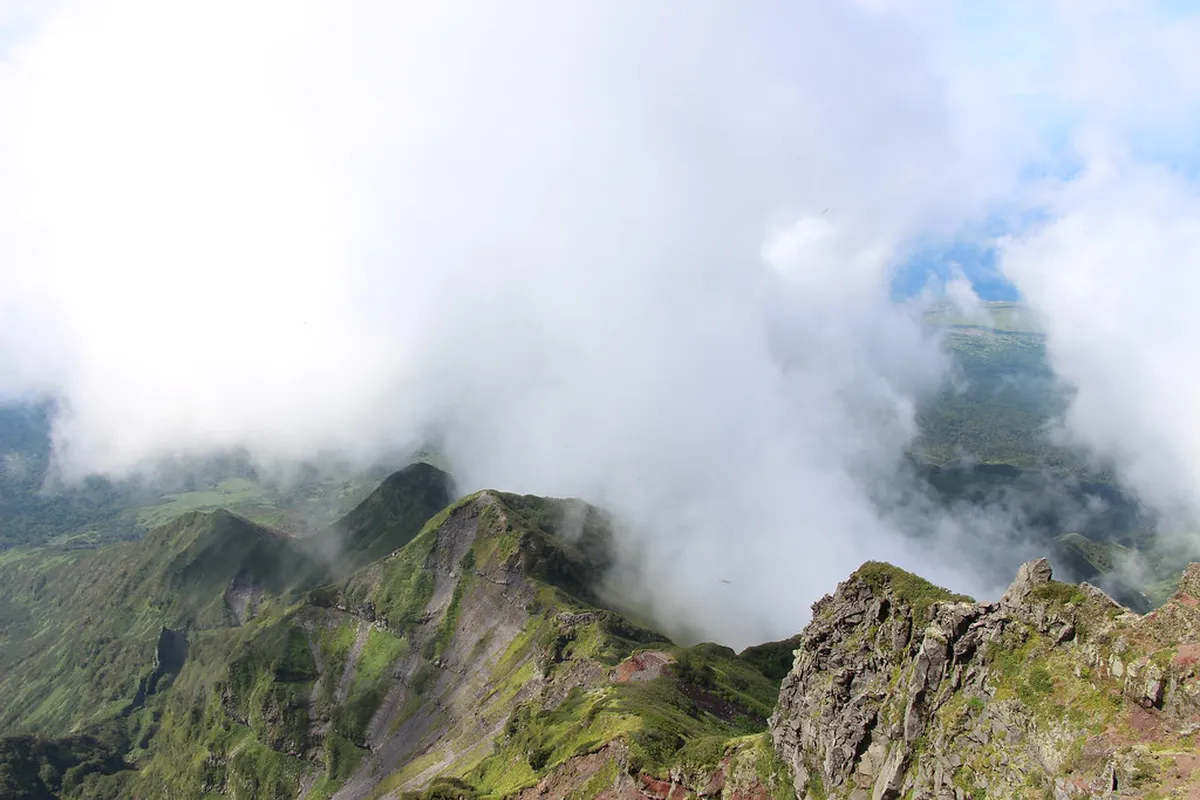
The geology of Mount Annupuri and the surrounding ranges creates a diverse network of geothermal activity. Unlike many regions that feature only one type of mineral water, Niseko boasts sulfur, iron, and sodium bicarbonate springs. These varied sources are fed by the heavy snowmelt that filters through volcanic rock over several decades.
Local bath culture is deeply ingrained in the daily life of residents and seasonal visitors alike. You can find everything from high-end forest retreats to simple municipal baths used by local farmers. Adding a few onsen stops to your Niseko itinerary provides a necessary physical reset for your body.
The sheer concentration of quality baths within a 30-minute drive makes this a premier wellness destination. Many of these facilities have operated for over a century, maintaining traditional architecture and rustic charm. Visitors often report that the mineral content here feels significantly more potent than in urban Japanese bathhouses.
Cultural Context: What is an Onsen?
An onsen is a natural hot spring bath fed by geothermally heated water — and in Niseko, the source is volcanic activity from Mount Yotei
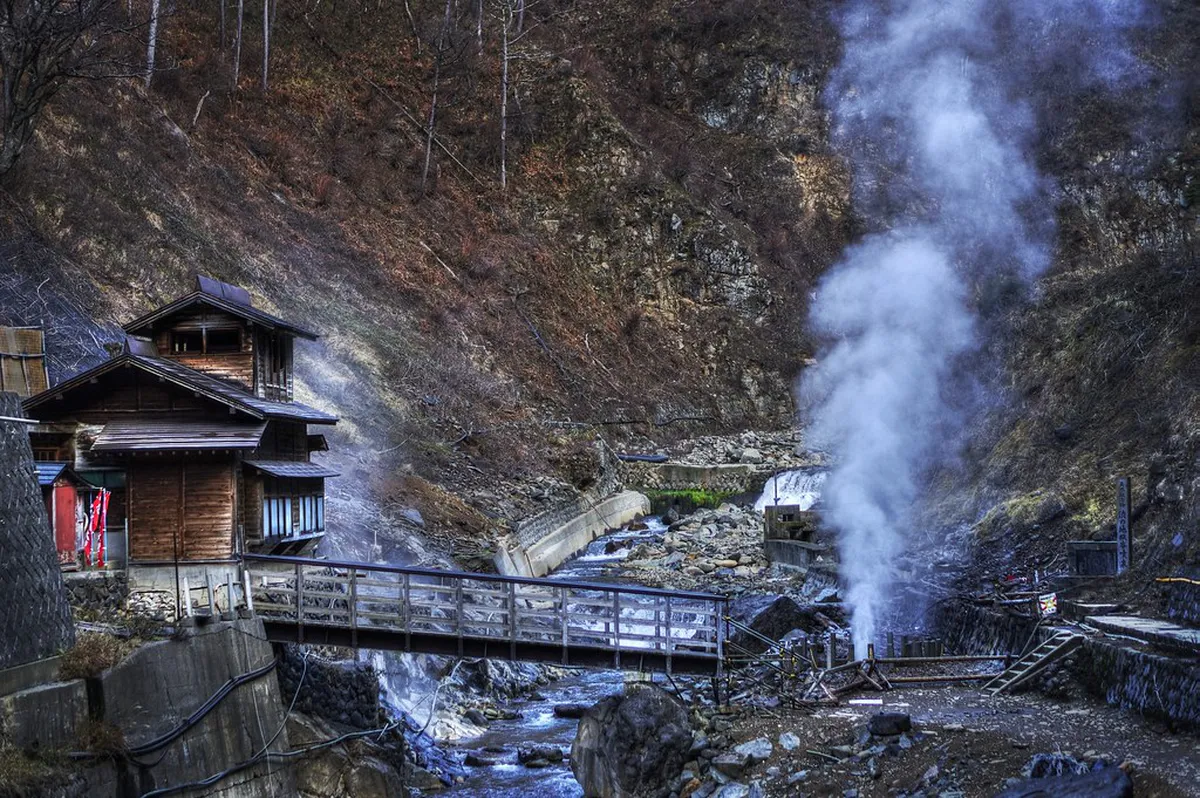
Onsen are different from a regular hot tub or sento (public bath). The water cycles through naturally — most are kakenagashi (free-flowing) rather than recirculated. Bathers wash thoroughly at the standing shower stations before entering the tub. Most Niseko facilities separate by gender and are nude-only; mixed-gender (konyoku) onsens exist but are increasingly rare. Some hotel rotenburo (outdoor baths) and private kashikiri (rentable family baths) allow swimwear or guests of all genders together — confirm before you book.
Health Benefits and Mineral Composition
Japanese researchers have documented the therapeutic properties of onsen water since the 18th century.
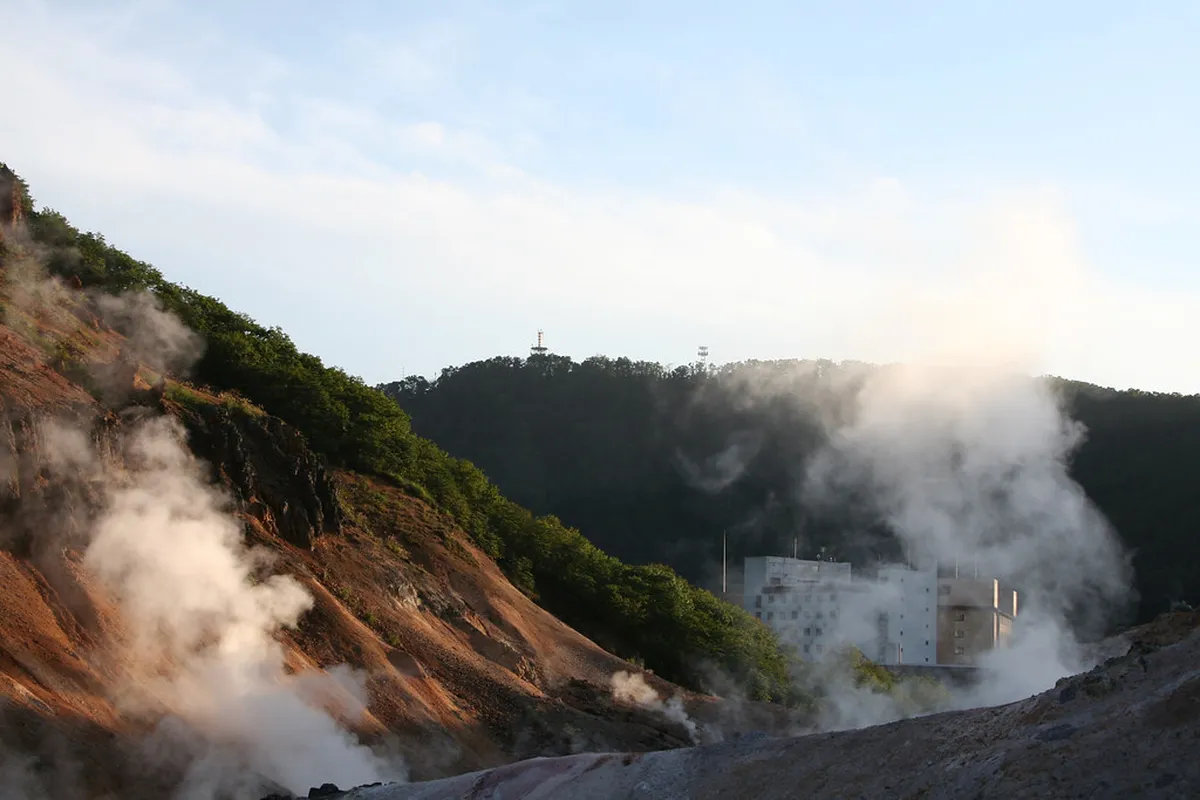
Sulfur springs — found at Goshiki Onsen and Yukichichibu — dilate blood vessels, lower blood pressure, and treat chronic eczema, neuralgia, and joint pain. The sulfur smell fades from skin within a few hours but can linger on synthetic fabrics, so leave your technical ski base layer at the hotel. Sodium bicarbonate springs (called "beauty baths" by locals) emulsify skin oils and strip dead cells gently, leaving skin unusually smooth; Ikoino Yuyado Iroha and Yusenkaku Konbu are the best examples in the valley. Sodium chloride springs — the most widespread type in Niseko — deposit a thin salt film on skin that slows heat loss, making them the practical choice on the coldest winter days.
The table below summarises the main spring types, their primary locations in Niseko, and the conditions they are traditionally associated with.
| Spring Type | Key Locations | Traditionally Good For |
|---|---|---|
| Sulfur (simple sulfur spring) | Goshiki Onsen, Yukichichibu | Neuralgia, joint pain, high blood pressure, chronic eczema |
| Sodium bicarbonate | Yusenkaku Konbu, Ikoino Yuyado Iroha | Skin diseases, fatigue recovery, burns, cuts |
| Sodium chloride / chloride-bicarbonate | Kiranoyu, Makkari, Niseko Grand Hotel | Muscle pain, poor circulation, chronic digestive complaints |
| Sodium chloride / sulfate | Kyogoku Onsen | Joint and muscle pain, bruises, sprains, hemorrhoids |
| Ferruginous (iron-rich) | Niseko Grand Hotel outdoor bath | Body heat retention; distinct orange tint in water |
- Sulfur (simple sulfur spring): Goshiki Onsen, Yukichichibu — neuralgia, joint pain, high blood pressure, chronic eczema.
- Sodium bicarbonate: Yusenkaku Konbu, Ikoino Yuyado Iroha — skin diseases, fatigue recovery, burns, cuts.
- Sodium chloride / chloride-bicarbonate: Kiranoyu, Makkari, Niseko Grand Hotel — muscle pain, poor circulation, chronic digestive complaints.
- Sodium chloride / sulfate: Kyogoku Onsen — joint and muscle pain, bruises, sprains, hemorrhoids.
- Ferruginous (iron-rich): Niseko Grand Hotel outdoor bath — body heat retention, known for distinct orange tint in water.
Soaking for 10 to 15 minutes is the standard recommendation for first-timers. Longer sessions, especially in high-sulfur baths, can cause dizziness — exit, rest in the changing area, and re-enter after 10 minutes if you want to continue.
12 Best Niseko Hot Springs for a Perfect Soak
This list covers a range of experiences from famous landmarks to hidden gems tucked away in the forest. Most public baths in the region accept cash only, so keep a stash of 100-yen coins for lockers. Typical entry fees range from 600 to 1,200 JPY per adult, making this an affordable daily luxury. Operating hours usually span from late morning until 21:00, though some remote spots close earlier in winter.
- Yukichichibu Onsen in the Rankoshi Area
- This community-run facility is famous for its natural mud baths, high sulfur content, and seven open-air baths overlooking Nitonupuri.
- Expect to pay around 700 JPY for entry between 10:00 and 20:00, with a closure on Tuesdays.
- The mud bath (grey clay and thermal mud) is particularly popular for skin care; it is internationally recognized as tattoo-friendly.
- Spring type: Simple sulfur spring. Good for: Neuralgia, back pain, chronic eczema, motor dysfunction, fatigue recovery.
- Goshiki Onsen High-Altitude Volcanic Bath
- Located high on the mountain, Goshiki Onsen offers a raw, sulfur-rich experience inside a fully wooden building; its name means "five colours" — the water colour shifts depending on the day.
- The cost is approximately 800 JPY and it is open daily from 10:00 to 20:00 during the season.
- The road to Goshiki can close after heavy snowfall; see the seasonal access section below before driving up.
- Spring type: Sulfur-containing magnesium and sodium sulfate/chloride spring. Good for: Neuralgia, high blood pressure, arteriosclerosis, diabetes.
- Niseko Annupuri Yugokorotei Natural Source
- This boutique inn just 10 minutes from Hirafu is celebrated for 100% natural spring water without any added heat or tap water dilution; water temperature holds around 49°C.
- Adult entry is usually 1,000 JPY and the facility stays open until 22:00 for late-night soakers.
- The wooden interior creates a warm atmosphere that is particularly cozy when the snow is falling outside the windows.
- Yukoro Onsen Public Bath in Hirafu
- As the only public bath within the main Hirafu village, this is a staple for many skiers after a day on the slopes.
- Entry costs about 1,100 JPY and it often gets very busy between 16:00 and 19:00.
- Try visiting during the early afternoon to enjoy the large outdoor rock bath in relative peace and quiet.
- Kiranoyu Onsen Near Niseko Station
- Conveniently located directly in front of Niseko Station, Kiranoyu Onsen is a favourite for those using public transport; the Japanese-style and Western-style baths alternate between men and women daily.
- It is one of the most affordable options at 600 JPY and is open from 10:00 to 21:30.
- The facility includes a resting area and a small stand selling local Hokkaido produce and souvenirs after your soak.
- Spring type: Sodium chloride, bicarbonate spring. Good for: Neuralgia, muscle pain, joint pain, chronic digestive diseases, poor circulation.
- Makkari Onsen with Mt. Yotei Views
- This bath offers arguably the best unobstructed view of the iconic Mt. Yotei from its fully open-air outdoor tub; the water flows directly from the source, unheated.
- It costs roughly 600 JPY and is a short drive from the main resort areas toward the village of Makkari.
- Pair your visit with a stop at the nearby tofu shop as suggested in our Niseko food guide.
- Spring type: Sodium chloride, sulfate, bicarbonate spring. Good for: Neuralgia, muscle pain, joint pain, frozen shoulder, motor paralysis, bruises, sprains.
- Kyogoku Onsen Near Fukidashi Park
- Situated near the famous Fukidashi Park, Kyogoku Onsen offers an outdoor bath with Mt. Yotei views, a whirlpool bath, sauna, and a rest area with affordable food.
- Entry is priced at 600 JPY and the bath is open daily from 10:00 to 21:00.
- The indoor area features a large sauna and cold plunge pool that is perfect for muscle recovery after hiking.
- Spring type: Sodium chloride, sulfate spring. Good for: Neuralgia, muscle pain, joint pain, frozen shoulder, stiff joints, sprains, cuts.
- Niseko Konbu Tsuraga Moku-no-sho
- This luxury forest retreat at the foot of Mt. Yotei offers both segregated public baths and private group baths; it also runs an onsen-and-dinner package using local farm produce.
- Day use is limited and can cost up to 3,000 JPY, so call ahead for availability.
- The architecture blends modern design with traditional Japanese elements — the best choice in the valley for couples seeking a premium, uncrowded experience.
- Niseko Grand Hotel Mixed Bathing
- This hotel is unique for its massive outdoor mixed-gender bath decorated with a zen garden and wooden bridge, where families can soak together using provided modesty wear.
- Entry is about 900 JPY and the facility is open for day visitors from 11:30 to 21:00.
- The iron-rich water has a distinct orange tint known for its heat-retention properties.
- Spring type: Sodium chloride, hydrogen carbonate spring. Good for: Neuralgia, muscle pain, joint pain, chronic skin diseases.
- Ikoino Yuyado Iroha Onsen
- Located in the Annupuri area, Ikoino Yuyado Iroha Onsen features large glass windows looking onto birch forest; locals call the water bihada-no-yu ("beautiful skin bath") for its high silicic acid and hydrogen carbonate content.
- The entry fee is 800 JPY and it is open to the public from 12:30 to 21:00.
- Facilities include a sauna, massage chairs, steam bath, cold plunge, and chair seating in the bath for elderly guests and children.
- Spring type: Sodium-hydrogen carbonate, sulfate, chloride spring. Good for: Neuralgia, arthralgia, arteriosclerosis, chronic dermatitis.
- Hilton Niseko Village Iconic View
- The Hilton's outdoor rotenburo sits on a pond directly below the peak of Mt. Yotei — one of the most photogenic bath settings in the valley.
- Expect to pay a premium of around 1,200 JPY for day visitors, though it is included for hotel guests.
- The massive scale of the outdoor tub makes early-morning visits particularly rewarding before the slopes open.
- Kanronomori Forest View Onsen
- Tucked away in the Konbu Onsen area, this facility is famous for the 'Kanro' spring water, which has a subtly sweet character distinct from sulfur-heavy neighbours.
- It costs approximately 900 JPY for a day pass and offers a very peaceful, secluded forest setting.
- Private family baths are available for an extra fee — a practical option for those with large tattoos who are unsure of the main pool policy.
Best Niseko Onsens by Experience Type
With over 25 public facilities in the Niseko area, choosing one can feel overwhelming. This breakdown points you to the right bath depending on what you are prioritising for the day.
- Best for families: Niseko Grand Hotel — the only facility with a large mixed-gender outdoor bath, modesty wear provided, welcoming to children.
- Best for mountain views: Makkari Onsen (unobstructed Mt. Yotei) and Kyogoku Onsen (outdoor bath also faces Yotei).
- Best for couples: Niseko Konbu Tsuraga Moku-no-sho — private group baths, dinner package, quiet atmosphere away from ski-resort crowds.
- Best for tattoos: Yukichichibu Onsen (explicitly tattoo-friendly), Kiranoyu (generally accommodating to international guests), Kanronomori private baths (no policy issue in private room).
- Best budget option: Kiranoyu or Makkari Onsen at 600 JPY each — both accept the Yu Meguri Pass sticker.
- Best for skin care: Ikoino Yuyado Iroha — sodium-hydrogen carbonate "beauty bath" rated the most effective in the valley for skin smoothness.
- Best after skiing: Yukoro Onsen in Hirafu — closest public bath to the main ski village; arrive before 16:00 to avoid the post-slope rush.
- Most adventurous / off-the-beaten-path: Goshiki Onsen — highest-altitude, raw sulfur, traditional wooden interior, colour-shifting water.
Getting to Remote Onsens in Winter
The access roads to Goshiki Onsen and Yukichichibu can close without notice after heavy snowfall, sometimes for 24–48 hours. Before driving up, check the Hokkaido Prefecture road closure map or call the facility directly — Goshiki Onsen has an English-language contact line. Studded-tyre or four-wheel-drive vehicles are compulsory for mountain routes between December and March.
The most atmospheric Niseko onsens — Goshiki, Yukichichibu, and Makkari — sit away from the main resort strip. In mid-winter this creates a real logistics question: the access roads to Goshiki Onsen and Yukichichibu can close without notice after heavy snowfall, sometimes for 24–48 hours. Before driving up, check the Hokkaido Prefecture road closure map at douro.hkd.mlit.go.jp (Japanese only, but the red route markers are self-explanatory) or call the facility directly — Goshiki Onsen has an English-language contact line.
If you plan to use a rental car, studded-tyre or four-wheel-drive vehicles are compulsory for mountain routes between December and March. Most major rental agencies at Chitose Airport stock these automatically in winter, but confirm when booking. Chains are required for the final stretch to Goshiki after a heavy dump — the facility keeps a set available to borrow, but supply is limited. Budget an extra 45 minutes each way compared to summer drive times.
Shuttle alternatives exist and are underused by international visitors. The Niseko area resort shuttles run between Hirafu, Niseko Village, and Annupuri on a fixed schedule, with stops near Kiranoyu and Ikoino Yuyado Iroha. For Makkari and Kyogoku, a taxi from Kutchan Station costs approximately 3,000–4,500 JPY one way; split between two or three people this beats the cost and risk of a rental car. The Makkari Village tourism office occasionally runs a seasonal bus from Kutchan on weekends — check their website ahead of your trip.
What to Pack for a Public Onsen
Most first-time visitors to Niseko's public baths arrive under-prepared and end up paying avoidable extra fees. The items below cover a typical day visit to any public facility in the valley.
- Cash (JPY): Most public baths are cash-only. Bring exact change if possible — 600 to 1,200 JPY entry plus 100-yen coins for coin lockers.
- Large towel (bath towel): For drying after the bath. Some facilities rent one for 200–400 JPY; bringing your own saves money and is more hygienic.
- Small towel (tenugui or face cloth): Used for modesty when walking between changing room and bath. Must never touch the water — fold it and rest it on your head in the tub.
- Toiletries: Basic shampoo, conditioner, and body wash are provided at most facilities. A small travel kit is useful for remote spots that charge extra for amenity use.
- Hair tie: Long hair must be tied up before entering the water.
- Waterproof bandages: If you have small tattoos, cover them before arriving. Facilities with stricter policies will check at entry.
- Reusable water bottle: The heat depletes fluids faster than you expect. Many facilities sell canned drinks in the changing area, but a bottle saves cost and reduces plastic waste.
- Light change of clothes: Ski gear is impractical post-bath. A comfortable layer that slips on quickly makes the walk back to your car or shuttle significantly more comfortable in sub-zero temperatures.
Leave your synthetic technical ski baselayer at the hotel if you plan to visit a sulfur bath like Goshiki or Yukichichibu. The sulfur compounds bind to synthetic fibres and the smell persists through washing. Natural fabrics — wool or cotton — air out far more easily.
Essential Onsen Etiquette and Rules
Understanding the local rules is vital for a respectful experience in any Japanese hot spring facility. Always wash your body thoroughly at the provided stations before entering the communal soaking pools. Whether you stay in Hirafu or Niseko Village, these traditional rules remain exactly the same.
Your small privacy towel should never touch the water; most people fold it and place it on their head. Keep your hair tied up and avoid splashing or loud conversations while other guests are trying to relax. Photography is strictly prohibited inside the changing rooms and bath areas to protect the privacy of all guests.
Tattoo policies are slowly changing, but many traditional onsens still ask guests to cover small ink with bandages. Large tattoos may require a private bath booking, though spots like Yukichichibu are notably more relaxed with international visitors. Always check for a 'no tattoo' sign at the entrance or ask the staff politely before paying your entry fee.
Saving Money with the Niseko Yu Meguri Pass
If you plan to visit more than three baths, buy the Niseko Yu Meguri Pass at the Niseko View Plaza or most major hotel front desks. The pass offers discounted entry at participating facilities and is valid for 180 days. Soaking for 10–15 minutes is the standard recommendation for first-timers — longer sessions in high-sulfur baths like Goshiki can cause dizziness.
If you plan to visit more than three baths, the Niseko Yu Meguri Pass is an essential purchase. This pass allows you to access multiple facilities at a discounted rate compared to individual entry fees. You can buy the pass at the Niseko View Plaza or most major hotel front desks in the area.
The pass comes in different tiers, usually offering three stickers that can be redeemed at participating locations. Some luxury baths require two stickers for entry, while most local spots only require one. It remains valid for 180 days, making it perfect for long-stay visitors or those returning later in the season.
Using the pass also encourages you to explore different neighborhoods beyond the main resort centers. I have found that the pass often pays for itself by the third visit if you choose the higher-priced hotel baths. Keep the pass in a waterproof sleeve as the paper can easily get damaged in the humid onsen environments.
Frequently Asked Questions
What is the best onsen in Niseko for families?
Niseko Grand Hotel is the top choice for families because it offers a large mixed-gender outdoor bath. This allows parents and children to soak together while wearing provided modesty towels. The facility is spacious and very welcoming to international travelers.
Can I visit Niseko onsens if I have tattoos?
Yes, many spots like Yukichichibu and Kiranoyu are tattoo-friendly. For other locations, you may need to cover small tattoos with waterproof bandages. You can also check our Niseko accommodation guide for hotels that offer private in-room onsens.
Do I need to bring my own towels to the hot springs?
Most public onsens charge a small fee of 200-400 JPY to rent or buy towels. It is more cost-effective to bring your own from your hotel or apartment. Always bring a large towel for drying and a small one for the bath.
Soaking in a hot spring is the ultimate way to experience the natural beauty and culture of Hokkaido. From the mud baths of Rankoshi to the iconic views of Mt. Yotei, Niseko offers a world-class variety of geothermal wonders. I encourage you to try at least three different spots to truly appreciate the diverse mineral qualities of the region.
Remember to respect the local etiquette and plan your transport carefully during the snowy winter months. Exploring these Niseko attractions will provide memories that last long after your muscles have recovered. Pack your towel, grab a Yu Meguri Pass, and enjoy the healing waters of Japan's premier alpine destination.
Free: The Niseko Essentials guide
Top things to do, where to stay, a perfect day plan, getting around, and the best time to go — a Niseko mini-guide you can take offline.
You might also like


Continue reading
More guides you'll find useful