10 Essential Things to Know About Basashi
Discover the world of basashi (raw horse meat) in Japan. Learn about its safety standards, regional specialties in Kumamoto, and the best ways to enjoy this delicacy.
On this page
10 Essential Things to Know About Basashi Horse Meat
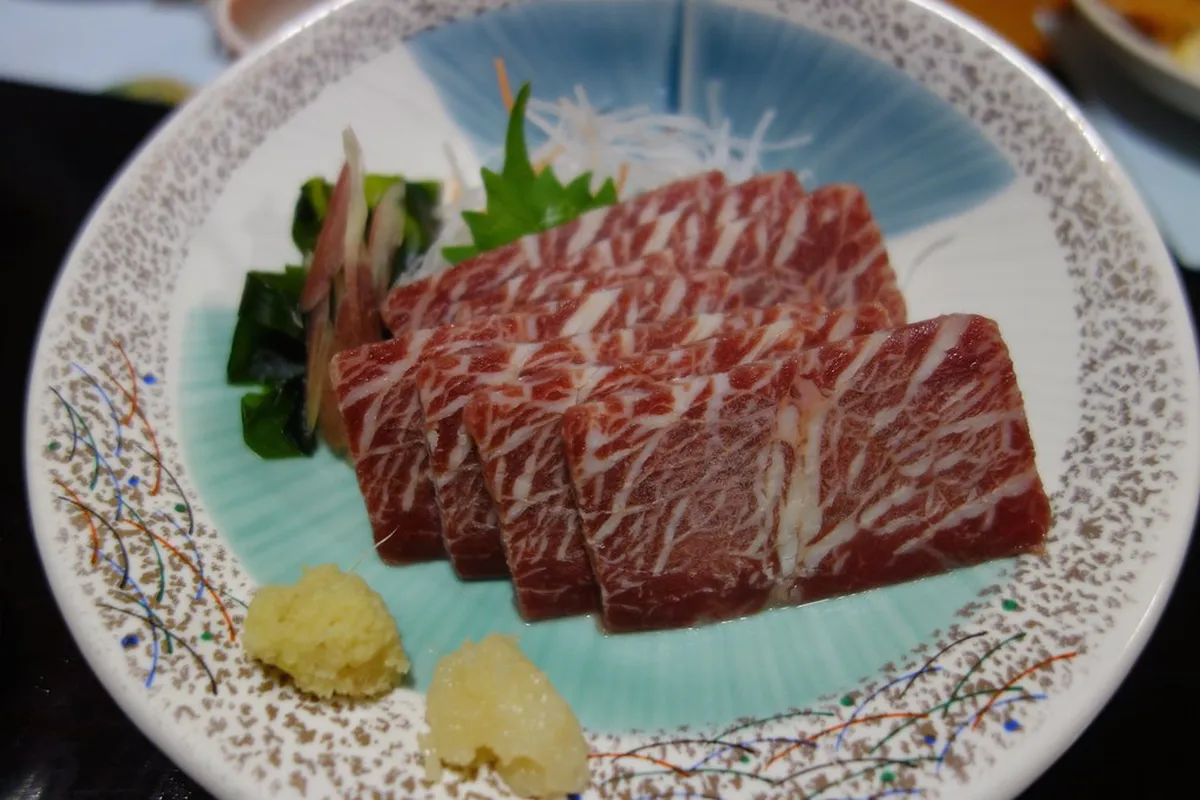
Basashi is a celebrated Japanese delicacy consisting of thinly sliced raw horse meat. Many locals refer to this dish as 'sakura niku' because of its vibrant pink color. This unique name translates directly to cherry blossom meat in English. You will find it served most frequently in specialized restaurants across Kumamoto Prefecture.
Travelers often view this dish as a daring culinary adventure when visiting Japan. Slices are typically served chilled and paired with specific local condiments. Dipping the meat into sweet soy sauce enhances its natural, subtle sweetness. Traditional basashi has roots in regional history and survival during difficult times.
History suggests that samurai first turned to horse meat during castle sieges centuries ago. Legend credits Lord Kato Kiyomasa with popularizing the dish in the Kumamoto region after he ate horse meat during a food shortage in Korea in the 16th century. Today, it stands as a premium food item enjoyed by locals and tourists alike. Visiting a specialized restaurant offers the most authentic way to experience this cultural staple.
Planning a trip to Kumamoto allows you to taste the freshest varieties available. This guide covers everything from safety standards to the best ways to eat it. You will learn why this meat is a healthy choice for modern diners. Prepare to discover one of the most interesting aspects of the Kumamoto food scene.
What is Basashi? (The Sakura Niku Connection)
Basashi refers specifically to horse meat served in a raw, sashimi-style presentation. Chefs slice the meat into bite-sized pieces that showcase different textures and fat levels. The meat is known for being incredibly lean compared to traditional beef or pork. You will notice a distinct lack of gamey odor when the meat is fresh and handled correctly.
The nickname 'sakura niku' comes from the beautiful deep pink hue of the flesh. When exposed to air, the meat takes on a color resembling cherry blossom petals. This poetic name makes the dish sound more appealing to those hesitant about eating horse. It also reflects the Japanese appreciation for seasonal beauty and natural colors.
Cultural historians note that horse meat consumption became more common during the Meiji Restoration era from 1868 to 1912, when the long-standing Buddhist prohibition on eating meat was lifted. It eventually evolved from a survival food into a high-end regional specialty. Modern farms now raise specific horse breeds — most commonly Draft and Thoroughbred crosses — selected specifically for their meat quality and marbling.
Why You Should Try Horse Meat in Japan
Eating horse meat offers surprising health benefits that many international visitors do not realize. It is significantly lower in calories and fat than most cuts of Wagyu beef. You can enjoy a rich dining experience without the heavy feeling of saturated fats. This makes it a popular choice for health-conscious diners in Kumamoto.
The nutritional profile stands out compared to other proteins. Horse meat contains roughly three times the iron of beef and significantly higher levels of omega-3 fatty acids than most red meats. It runs around half the caloric density of pork at an equivalent serving weight. Many athletes in Japan consume it specifically to help with muscle recovery and energy levels.
Trying this dish is also a key part of understanding local heritage. It represents a unique branch of Japanese gastronomy that differs from standard sushi or ramen — a regional tradition shaped by centuries of horse farming in the Aso volcanic plateau. Sampling these local flavors gives you a deeper appreciation for Kyushu's culinary identity. Most first-time diners find the taste surprisingly mild and easy to enjoy.
Why Raw Horse Meat is Safe to Eat (Hygiene Standards)
Safety is the top priority for any restaurant serving raw meat products in Japan. In 2011, Japan's Ministry of Health, Labour and Welfare established official "Hygiene Standards for Raw Horse Meat" — a legally binding framework that goes well beyond what most countries require. Horse meat carries a significantly lower inherent risk of parasites than beef or pork due to the physiology of horses, but restaurants must still comply with four specific controls.
- Maintaining a constant temperature of 4°C or below from slaughter to shipment
- Processing and packaging only at facilities certified for raw consumption
- Completely trimming and removing the surface layer to ensure internal hygiene
- Keeping detailed records of processing and distribution to maintain traceability
Beyond these legal minimums, specialized baniku restaurants also freeze the meat at minus 20 degrees Celsius for at least 48 hours before slicing. This step eliminates any residual parasite risk from Sarcocystis fayeri. You can eat with confidence knowing these legal requirements are strictly enforced and routinely inspected.
Chefs use dedicated knives and cutting boards to prevent any cross-contamination. Many establishments display their sourcing information and health permits near the entrance. When in doubt, look for busy, well-reviewed shops with a visible horse-related motif or the characters 馬肉 (baniku) on the signage — these are almost always specialists rather than general restaurants adding it as an afterthought.
Regional Specialties: From Kumamoto to Nagano
Kumamoto is the undisputed center of basashi culture in Japan, accounting for roughly 40% of the country's entire horse meat production. The prefecture's farms benefit from pristine spring water flowing down from the Mount Aso caldera and a long tradition of raising horses in the volcanic highlands. You will find basashi on nearly every local menu when exploring things to do in Kumamoto.
Nagano Prefecture also has a strong tradition of serving horse meat, dating back to the Bunkyu era from 1861 to 1864. Their style often features leaner cuts compared to the marbled varieties found in Kyushu. Some mountain villages in the Matsumoto area have served this meat for generations as a winter protein source.
Tohoku regions including Fukushima, Aomori, and Yamagata Prefecture offer their own distinct takes. Nagai City in Yamagata is particularly known for horse meat ramen — locals there simply call it "ramen" without specifying the protein, as it has always been the default. Each region takes great pride in its specific preparation and serving methods, making it worth trying more than once across different prefectures.
Common Varieties and Cuts of Horse Meat
Understanding the different cuts will help you order like a local expert. The most common variety is akami, which refers to lean red meat from the back and hindquarters. This cut is prized for its soft texture and clean, mildly sweet flavor. It is the right starting point for anyone trying the dish for the first time.
Fatty cuts go by the terms toro or shimofuri and feature white marbling running through the flesh. These pieces melt on the tongue much like high-grade fatty tuna. The fat in horse meat has a lower melting point than beef fat, which creates a silky sensation that food lovers specifically seek out. A platter of shimofuri paired with akami gives you the full spectrum of texture in a single sitting.
One of the most unusual parts to try is tategami, cut from the mane and neck area. Unlike the marbled body cuts, tategami is almost entirely collagen-rich fat with a distinct white color and a pleasantly chewy snap. It has no real equivalent in other meat traditions. Many restaurants serve it sliced thin alongside lean akami to provide a textural contrast — try a piece of each together rather than separately.
How to Order: Strategy for First-Timers vs. Regulars
Most dedicated baniku restaurants offer a set assortment (moriawase) as the entry-level order. This platter typically includes three to five cuts and is the most practical way to orient yourself. Expect to pay between 1,800 and 3,000 yen for a standard moriawase in 2026. The staff will usually explain each piece as they set it down.
If you are returning or want to go deeper, order cuts individually and ask the chef which batch arrived most recently. Horse meat quality degrades faster than fish once sliced, so freshness on the day matters. In specialist restaurants, cuts from that morning's delivery will be mentioned by staff — this is worth asking about directly, even with basic Japanese or a translation app.
Regulars also know to order saiboshi alongside raw basashi. Saiboshi is dried, smoked horse meat with a texture and flavor somewhere between beef jerky and aged salumi. It holds well, ships easily, and has become a popular Kumamoto souvenir for this reason. The contrast between raw akami and a strip of saiboshi in the same meal shows the full range of what horse meat can do.
How to Eat Basashi: Condiments and Etiquette
Eating basashi correctly requires the right balance of condiments to enhance the meat. Unlike fish sashimi, horse meat is rarely paired with wasabi in traditional settings. Instead, you will receive grated ginger and crushed garlic on the side. These pungent flavors cut through the richness of the fat without masking the meat's natural sweetness.
The choice of soy sauce is also critical for the authentic Kumamoto experience. Local restaurants use a thick, sweet soy sauce that is unique to the Kyushu region — notably different from the thin, saltier tamari or the light soy sauces you find in Tokyo or Osaka. This sweetness complements the natural sugars in the horse meat directly. Avoid the temptation to substitute standard soy sauce if you can; the Kyushu variety is what the dish was designed around.
To eat, place a small amount of ginger or garlic onto a slice of meat, fold it over the condiment, and dip lightly into the soy sauce. Avoid soaking the meat — you want to taste the quality of the flesh, not the sauce. Sliced onions or shiso leaves are often provided as refreshing palate cleansers between cuts.
How Long Does It Take to Prepare Basashi?
The preparation of basashi involves a careful balance of long-term safety and short-term speed. As mentioned, the meat must undergo a mandatory freezing period at minus 20 degrees Celsius for at least 48 hours before it can be legally served raw. Most restaurants manage this inventory in advance and receive regular deliveries from licensed suppliers rather than buying from general butchers.
Once an order is placed, the actual slicing process takes only a few minutes. Skilled chefs work quickly to keep the meat at the optimal chilled temperature throughout. Serving the slices slightly frosty in the center is intentional — it is both a safety technique and a texture preference. You can expect your dish at the table within 10 to 15 minutes.
Beyond Sashimi: Other Ways to Enjoy Horse Meat
While raw slices are the most famous preparation, horse meat works across several cooking methods. Sakura nabe is a savory horse meat hot pot where the meat is simmered in a miso or soy-mirin broth with vegetables and tofu. The cooking method creates a tender texture that appeals to people who prefer not to eat raw food. It is a particularly popular order in Kumamoto during cooler months.
Horse meat tataki is another option: the outside is briefly seared over high heat while the center stays rare. The sear adds a light smokiness and changes the color of the surface while keeping the interior pink and soft. It is often served with ponzu or citrus soy sauce rather than the sweet Kyushu-style soy sauce used for raw basashi.
You might also find saiboshi in local markets and souvenir shops — dried, smoked horse meat that keeps well and travels easily. Some creative chefs serve horse meat sushi or horse tartare topped with a raw egg. Exploring these variations is a natural extension of any culinary tour through Kumamoto, where horse meat appears in more forms than most visitors expect.
People's Reaction: What to Expect When Eating Basashi
Many Western travelers feel a natural hesitation when first encountering horse meat on a menu. This mental hurdle is understandable given the cultural status of horses in many countries. However, once people take their first bite, the most common reaction is surprise — it tastes much closer to high-quality lean beef than to anything wild or gamey.
The flavor is often described as a cross between beef and venison but without the strong aftertaste. It has a clean finish that does not linger heavily. Some diners compare the fatty cuts to premium toro tuna. In Japan, eating horse meat carries none of the social stigma found elsewhere — it is a sophisticated, health-conscious choice associated with a special night out rather than everyday eating.
Sharing a platter of various cuts is a common social activity for friends and colleagues. Approaching the meal with curiosity rather than hesitation tends to produce a better experience. The best strategy is to start with a piece of akami before moving to richer cuts — this lets your palate adjust before the fat-forward flavors arrive.
How to Find Basashi Restaurants and Accepted Payment Methods
Finding a specialist is straightforward once you know what to look for. Search for signs featuring the characters 馬肉 (baniku) or 馬刺し (basashi). Dedicated venues often have a horse statue or illustration near the entrance and will list specific cuts on the menu rather than simply offering "horse meat." These specialist shops almost always source from licensed raw-grade suppliers and maintain stricter hygiene standards than general izakayas.
You can also find basashi served in many local izakayas throughout Kumamoto City's downtown area. These casual pubs are practical for trying a small portion before committing to a full specialist meal. Prices for a standard platter in 2026 typically range from 1,500 to 3,500 yen depending on cut selection. High-end restaurants may charge considerably more for tategami or aged shimofuri.
Keep in mind that many traditional restaurants in rural areas remain cash-only. While Kumamoto City has become more card-friendly, carry sufficient yen if you plan to visit smaller towns near Mount Aso. Always check the payment icons displayed at the entrance before sitting down. For a broader sense of what to pair with your meal, the Kumamoto food guide covers local shochu, karashi renkon, and other regional staples worth ordering alongside basashi.
Frequently Asked Questions
Is it safe to eat raw horse meat in Japan?
Yes, it is very safe due to strict government hygiene standards. The Ministry of Health requires all horse meat to be frozen at minus 20 degrees Celsius for 48 hours to kill parasites. These regulations ensure that basashi remains a high-quality and safe delicacy for all diners.
What does basashi taste like?
Basashi has a very mild, slightly sweet flavor that is similar to lean beef. It lacks the gamey smell often associated with other wild meats. The texture varies from tender and soft in lean cuts to buttery and rich in marbled fatty sections.
Why is horse meat called sakura niku?
It is called sakura niku because of its beautiful pink color, which resembles cherry blossoms. The name 'sakura' means cherry blossom, and 'niku' means meat. This poetic term highlights the freshness and visual appeal of the dish in Japanese culture.
Where is the best place to eat basashi in Japan?
Kumamoto Prefecture is the undisputed capital of basashi in Japan. The region produces roughly 40% of Japan's horse meat supply and has the longest tradition of serving it. You can find specialized restaurants throughout Kumamoto City and near the Mount Aso region.
Basashi remains one of Japan's most intriguing and misunderstood culinary treasures. From its historical origins to its modern status as a regulated health food, it offers a genuine taste of Kyushu that you cannot replicate elsewhere. Understanding the safety standards and proper etiquette allows you to enjoy this dish fully — and eat it with complete confidence.
Whether you prefer lean akami, rich shimofuri, or the collagen snap of tategami, there is a cut suited to every appetite. Visiting Kumamoto provides the best opportunity to sample the freshest meat available, paired with the local sweet soy sauce the dish was designed for. Be sure to order a local shochu alongside for the complete experience.
Take the time to find a reputable specialist shop for your first taste. The combination of sweet soy sauce and fresh ginger creates a flavor memory that stays with most diners. Don't let unfamiliarity stop you from trying one of the region's most distinctive staples. For more on planning your time in the city, the Kumamoto attractions guide has practical recommendations on where to eat, what to see, and how to get around.