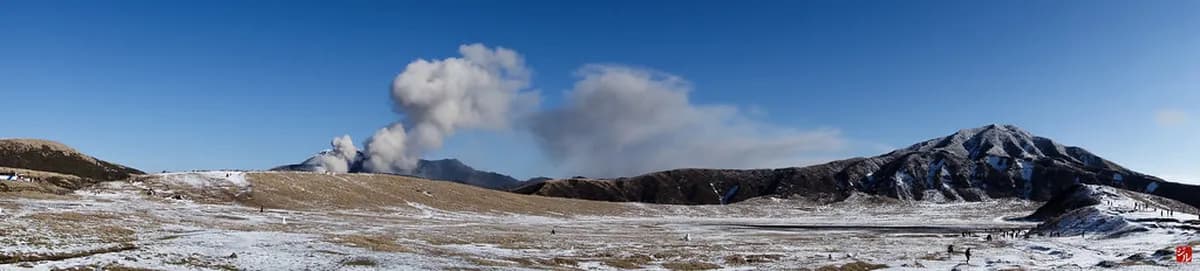
Amakusa Islands Travel Guide: History, Nature, and Gems
Discover the Amakusa Islands with our guide to UNESCO World Heritage sites, dolphin watching, and hidden history for your next Kumamoto adventure today.
On this page
The Amakusa Islands form a stunning archipelago off the western coast of Kyushu in Kumamoto Prefecture. More than 100 islands stretch across the Ariake Sea and East China Sea, connected by five iconic bridges that make the region accessible by car. Few destinations in Japan blend deep historical drama, vibrant marine life, and quiet coastal scenery as completely as this one. For comparison with Kyoto's Buddhist temples, Amakusa's Christian heritage sites offer a distinctly different spiritual and historical narrative that enriches any Kyushu itinerary.
Amakusa is most famous for two things: a centuries-long history of secret Christian practice now recognized as a UNESCO World Heritage Site, and one of Japan's most reliable wild dolphin watching spots. Both draw visitors year-round, yet the islands remain far less crowded than comparable heritage destinations in Kyoto or Nara. For trip planning and official tourism information, the official Japan travel guide to Amakusa provides comprehensive practical details.
This guide covers the key churches, museums, natural attractions, and practical logistics you need to plan a trip in 2026. For the broader context of Kumamoto attractions, see our Kumamoto Attractions guide, and if you are planning multiple days in the region, the Kumamoto 3-Day Adventure Itinerary maps a complete route.
Top Attractions: Sakitsu and Oe Churches
Sakitsu Village on Shimoshima Island is the most visited stop on the archipelago and holds a UNESCO World Heritage designation as part of the Hidden Christian Sites in the Nagasaki Region. The village sits where a small fishing bay meets a mountainous backdrop, giving the Gothic-style Sakitsu Church its informal name: Umi no Tenshudo, or Church of the Sea. The church was built on the site where Hidden Christians secretly gathered for 240 years, and its most striking feature is an interior floored entirely with traditional tatami mats — almost certainly the only Catholic church in the world designed this way. Worshippers kneel directly on the mats rather than using pews, a deliberate concession to Japanese custom that allowed the community to blend their faith with local practice. Remove your shoes before entering, and note that photography is strictly prohibited inside.
Fifteen minutes north by car is Oe-Tenshudo Church, perched on a hilltop with wide views down to the sea. A French missionary named Father Garnier funded and oversaw its construction in 1933, after the ban on Christianity was finally lifted in 1873. The walk from the free car park to the entrance takes about ten minutes up a shaded path lined with religious statues. Entry is free and the church is open daily from 09:00 to 17:00. A small museum next to the car park provides additional context on the local Christian community.
Both churches are architecturally European yet embedded in a thoroughly Japanese landscape — that contrast is precisely what makes Amakusa feel different from other heritage sites. If you only have a half day, prioritize Sakitsu Village for the combination of the church, the fishing-village streetscape, and the bay views.
Photography is strictly prohibited inside Sakitsu Church — remove your shoes before entering and maintain respectful silence. Oe-Tenshudo Church is open daily 09:00–17:00 and entry is free; the Sakitsu church interior can be entered during open hours at no cost.
Exploring the Hidden Christian History of Amakusa
Christianity arrived in Amakusa in 1566 when Portuguese Jesuit Luis de Almeida made contact with local communities. Conversion spread quickly, supported by warlords who valued trade ties with European merchants. The Tokugawa Shogunate viewed these ties as a political threat and progressively tightened restrictions, culminating in a total ban on Christian practice.
In 1637 the situation reached a breaking point. Heavily taxed and religiously persecuted, roughly 40,000 peasants, ronin, and Christian islanders rose up in what became known as the Shimabara Rebellion. The uprising was led by a 16-year-old samurai named Amakusa Shiro, whose charisma turned a local grievance into the last major armed challenge to Tokugawa rule before the 19th century. The shogunate responded with an army of 120,000. The rebels made their final stand at Hara Castle on the Shimabara Peninsula, and when the castle fell, up to 37,000 people were executed.
After the rebellion, surviving Christians in remote communities like Sakitsu and Oe went underground entirely. They disguised crucifixes inside Buddhist statues, embedded crosses into decorative patterns, and passed down prayers orally through family lines. These Kakure Kirishitan — Hidden Christians — maintained their practice in secret for over two centuries until a small group appeared at a Nagasaki church in 1865, astonishing foreign missionaries who had assumed Japanese Christianity was extinct. The sites associated with this story now form part of the UNESCO World Heritage listing for Hidden Christian Sites in the Nagasaki Region shared with Nagasaki.
Cultural Landmarks: Museums and the Amakusa Collegio
The Shiro Amakusa Memorial Hall on Oyano Island is the largest museum dedicated to this history. Built overlooking the beach in Kamiamakusa, it uses cinematic displays and a significant artifact collection to reconstruct the Shimabara Rebellion and the broader arc of Christian persecution. One of its more unusual exhibits is a large-scale replica of the bow of the Golden Hind, the English ship sailed around the world by Francis Drake — a reminder that Amakusa's story was entangled with European global expansion. Entry is 600 yen for adults; open daily 09:00–17:00.
In Hondo, the largest city on the islands, the Amakusa Christian Museum sits on a hilltop overlooking the town. Its most notable piece is the actual battle banner carried by rebel forces at Hara Castle. The museum also runs a short film with English subtitles, and the park in front is a popular cherry-blossom spot in spring. Entry is 300 yen; open daily 08:30–18:00. A taxi from central Hondo is easier than the uphill walk.
Less visited but genuinely remarkable is the Amakusa Collegio Museum at the southern end of Shimoshima Island. In the late 16th century, Jesuit missionaries relocated their university-level Collegio here from Nagasaki to keep it out of reach of the shogunate's enforcers. The Collegio operated a modern printing press that produced hundreds of books — one of the first print operations in Japanese history. The museum houses a full-size replica of a Gutenberg-style press alongside original printed materials. The connection between the Renaissance printing revolution and a remote Japanese archipelago is something almost no guide to Amakusa covers, and it is worth the extra drive south. Entry is 200 yen; open 08:30–17:00, closed over New Year.
| Site / Transport | Entry / Cost | Hours |
|---|---|---|
| Sakitsu Church (Umi no Tenshudo) | Free (no photography inside) | Open daily (check current hours) |
| Oe-Tenshudo Church | Free | 09:00–17:00 daily |
| Amakusa Christian Museum (Hondo) | ¥300 adult | 08:30–18:00 daily |
| Shiro Amakusa Memorial Hall | ¥600 adult | 09:00–17:00 daily |
| Amakusa Collegio Museum | ¥200 adult | 08:30–17:00 (closed New Year) |
| Dolphin watching tour (Itsuwa) | ~¥3,500–¥5,000 per person | Multiple departures (Apr–Oct best) |
| JR to Misumi + ferry to Matsushima | ~¥1,500–¥2,000 total | ~70 min from Kumamoto Station |
| Car rental (Kumamoto City) | ~¥7,000–¥9,000/day | Strongly recommended |
Natural Wonders: Parks and Coastal Views
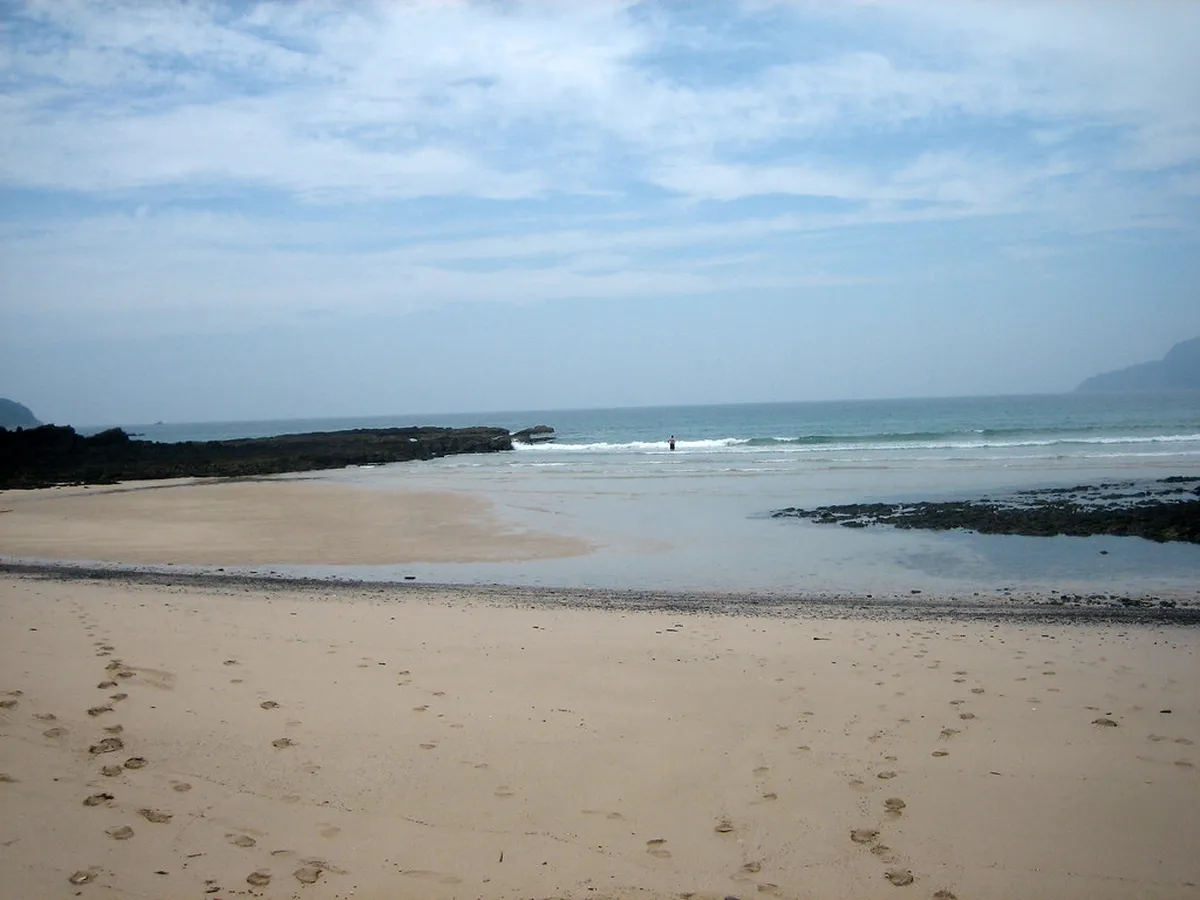
The Senganzan Observatory is the best vantage point on the islands. A short 10–15 minute climb from the car park rewards visitors with a panoramic sweep over the entire archipelago, the Five Bridges threading between the islands, and, on clear days, the volcanic peaks of mainland Kumamoto to the east. The drive from Oe-Tenshudo Church to the observatory takes about 90 minutes; plan the hike for morning when haze is lowest.
Nature enthusiasts should time a visit to Nagaura Island for low tide during the warmer months to see the Hakusen Shiomaneki, rare white fiddler crabs that emerge in large numbers across the mudflats. The sight of thousands of these small pale creatures is one of the most distinctive natural spectacles on the islands and one that almost no travel guide bothers to describe in practical terms: arrive roughly 30–60 minutes after low tide when the crabs are most active, and check a local tide table in advance.
The coastal roads themselves reward slow driving. Small parks with sea-facing benches are scattered along the route between Hondo and Sakitsu, and the light on the water in late afternoon is consistently good for photography. These stops offer a natural counterpoint to the intensity of the historical sites.
Marine Adventures: Dolphin Watching and Beaches
The waters around Tsuji Island near Itsuwa are home to a permanent population of over 200 wild Indo-Pacific bottlenose dolphins. Unlike seasonal cetacean sightings elsewhere in Japan, these dolphins do not migrate, which means tour operators offer departures year-round with a sighting rate that companies quote at over 99%. Tours run roughly one hour and depart frequently during the morning and early afternoon. Bring a windproof layer even in summer — the boat picks up speed once clear of the harbor.
The calmest sea conditions for comfortable boat tours are between April and October. Outside that window tours still run, but choppy conditions can affect departure times. Always confirm your booking by phone the morning of your departure during winter or typhoon season.
The wild dolphin population around Tsuji Island does not migrate, so tours operate year-round with a quoted sighting rate of over 99%. Bring a windproof layer even in summer — the boat picks up speed once clear of the harbor.
After the boat tour, the beaches at Shirahama and Mogushi Beach are good options for swimming from June through August. Both have clear water and are quieter than the popular beaches around Nagasaki. For a day trip that combines dolphin watching with beach time, base yourself in the Itsuwa area and allocate at least five hours.
Local Arts: Mizunodaira Kiln and Amakusa Pottery
The Mizunodaira Kiln has been operated by the Matsutani family for over 250 years, producing ceramics distinguished by the deep "Amakusa Blue" glaze. The color comes from the specific mineral composition of local clay and the particular firing conditions of the kiln — attempts to replicate it elsewhere have never quite succeeded. You can purchase finished pieces in the showroom and, on some days, watch the potters at work. The studio is a working kiln rather than a tourist center, so visits feel genuinely unscripted.
The quality of Amakusa clay is well known throughout Japan. Many prestigious kilns in the Arita porcelain region source their raw material from the islands, a fact that rarely appears in tourist literature but which explains why Amakusa sits at the base of one of Japan's most celebrated ceramic traditions.
Pottery makes an ideal souvenir from the islands — lighter than seafood, more durable than paper goods, and meaningfully tied to the specific geography of the place. A small bowl or cup from Mizunodaira carries the color of the surrounding sea.
Practical Planning: Transportation and Getting Around
The Five Bridges of Amakusa — collectively known as the Amakusa Pearl Line — connect Uto Peninsula on the mainland to Shimoshima Island via a chain of four smaller islands. Each bridge has a different structural design: the first is a low girder span, the fourth is the most photogenic arch, and the fifth is the longest at over 500 meters. Driving the sequence takes about 30 minutes end-to-end and is best done in the late afternoon when the light angles across the water. Pull-offs for photography exist near bridges 3 and 5.
Renting a car in Kumamoto City before departure is strongly recommended. Bus schedules between islands are infrequent — some routes run only two or three times per day — and a car allows you to reach the southern museums and coastal parks that public transport simply doesn't serve on a convenient timeline. Most car rental outlets at Kumamoto Station offer compact cars from around 7,000–9,000 yen per day in 2026.
If you prefer not to drive, take the JR Amakusa Misumi Line from Kumamoto Station to Misumi Station (approximately 50 minutes), then board the Amakusa Takarajima Line ferry to Matsushima. Highway buses also run directly from Kumamoto Station to Hondo in about two hours and 25 minutes. For day-trip logistics from Kumamoto, see our Mount Aso Day Trip from Kumamoto guide for a comparison of how to structure different regional excursions.
Travel Tips: Family-Friendly and Budget Options
Amakusa is one of Kumamoto Prefecture's more affordable destinations if you stay focused on natural sites and public heritage landmarks. Most coastal parks, viewpoints, and the exterior of both churches are free to visit. A day covering Sakitsu Village, the Senganzan Observatory, and a beach stop costs nothing beyond fuel and meals.
Seafood is the local speciality and the best value comes from port-side restaurants rather than tourist-facing places near the main churches. Spring is the peak season for Amakusa Uni — sea urchin with a notably creamy flavor — while autumn brings Ise Ebi (spiny lobster) and winter is the time for Kuruma Ebi (tiger prawns). Many fishing towns along the southern coast offer a daily catch lunch set for under 2,000 yen that outperforms comparable meals in Kumamoto City.
The large seaside parks have clean facilities and enough open space for children to move freely. Major attractions maintain accessible paths for strollers and visitors with limited mobility, though some museum sites require stairs. The islands work well as a full-day excursion from Kumamoto City, but an overnight stay at a small inn in Hondo or near Sakitsu Village makes the experience considerably more relaxed.
Sample Itinerary: A Journey from Hondo to Ushibuka
Start the morning in Hondo at the Amakusa Christian Museum, which opens at 08:30. Allow 60 to 90 minutes for the exhibits and the view from the park. Drive south to Sakitsu Village by mid-morning to reach the church before the midday tour groups arrive. Spend an hour walking the village streets, visiting the church, and having an early lunch at one of the small port-side cafes facing the bay.
In the early afternoon continue south toward the Amakusa Collegio Museum, adding roughly 30 minutes to the route but rewarding you with an attraction almost no other visitor bothers with. Then head back north via the coastal road toward the dolphin watching departure point at Itsuwa for a late afternoon boat tour, which tends to be less crowded than morning departures.
End the day in Ushibuka at the southernmost tip of the archipelago. The town is known for its annual Ushibuka Haiya festival and for the striking modern bridge designed by Renzo Piano that spans the harbor. A fresh seafood dinner overlooking the water here makes an ideal close to the day. Those staying overnight will find a small selection of traditional inns that provide a quieter and more local experience than the accommodation options near the main tourist sites.
Frequently Asked Questions
How do you get to the Amakusa Islands from Kumamoto?
Travelers can take the JR Amakusa Misumi Line train from Kumamoto Station to Misumi Station in about 50 minutes. From Misumi, you can board the Amakusa Takarajima Line ferry for a scenic 20-minute ride to Matsushima. Alternatively, local buses run directly from Kumamoto City to Hondo in roughly two hours.
Is Amakusa worth visiting for a day trip?
Yes, a day trip is possible if you focus on one specific area like the dolphin watching in Itsuwa or the churches in Sakitsu. However, staying overnight is highly recommended to fully enjoy the seafood and remote coastal views. A longer stay allows for a more relaxed pace across the different islands.
What is the history of the Hidden Christians in Amakusa?
The Hidden Christians, or Kakure Kirishitan, practiced their faith in secret for over 200 years during the Edo period ban. They used disguised symbols and secret rituals to maintain their beliefs despite strict government surveillance. Their story is now preserved at various UNESCO World Heritage sites throughout the archipelago.
When is the best time for dolphin watching in Amakusa?
Dolphin watching is available year-round because the local population does not migrate away from the islands. The best weather for boat tours typically occurs between April and October when the seas are calmer. Always check the weather forecast before booking as tours may be canceled during high winds.
Are the Amakusa Islands connected by bridges?
Yes, the five main islands are connected to the mainland by a series of impressive bridges known as the Five Bridges of Amakusa. This makes the region very accessible for those traveling by car or bus from Kumamoto City. The drive offers stunning views of the Ariake Sea from every bridge crossing.
The Amakusa Islands offer a rare combination of profound history and breathtaking natural scenery that every traveler should experience. Whether you are exploring the UNESCO churches or watching wild dolphins, the archipelago leaves a lasting impression. The warmth of the local people and the quality of the seafood make every visit special.
Planning your trip with a focus on both cultural heritage and coastal adventure ensures a well-rounded Kyushu experience. Use this guide to navigate the logistics and discover the hidden gems scattered across these beautiful islands. You will find that the journey across the Five Bridges leads to a truly unique part of Japan.
Pack your camera and your appetite for an unforgettable adventure in this western corner of Kumamoto Prefecture. The islands are waiting to share their stories and their beauty with you on your next trip. For more travel inspiration, check out our other guides on JapanActivity.com to plan your perfect holiday.
Free: The Kumamoto Essentials guide
Top things to do, where to stay, a perfect day plan, getting around, and the best time to go — a Kumamoto mini-guide you can take offline.
You might also like


Continue reading
More guides you'll find useful