
Suizenji Garden Guide: 7 Essential Things to See and Do
Discover Suizenji Jojuen Garden in Kumamoto. Our guide covers the 350-year history, Momoyama-style design, teahouse experiences, and essential travel tips.
On this page
Suizenji Garden Guide: 7 Essential Things to See and Do
Suizenji Jojuen Garden stands as a masterpiece of Japanese landscape design in the heart of Kumamoto City. This historic site offers a peaceful escape with its meticulously manicured hills and crystal-clear spring water. Visitors exploring Kumamoto attractions consistently rank this garden as a must-see destination. Exploring the suizenji garden provides a definitive answer with its stunning 350-year-old scenery.
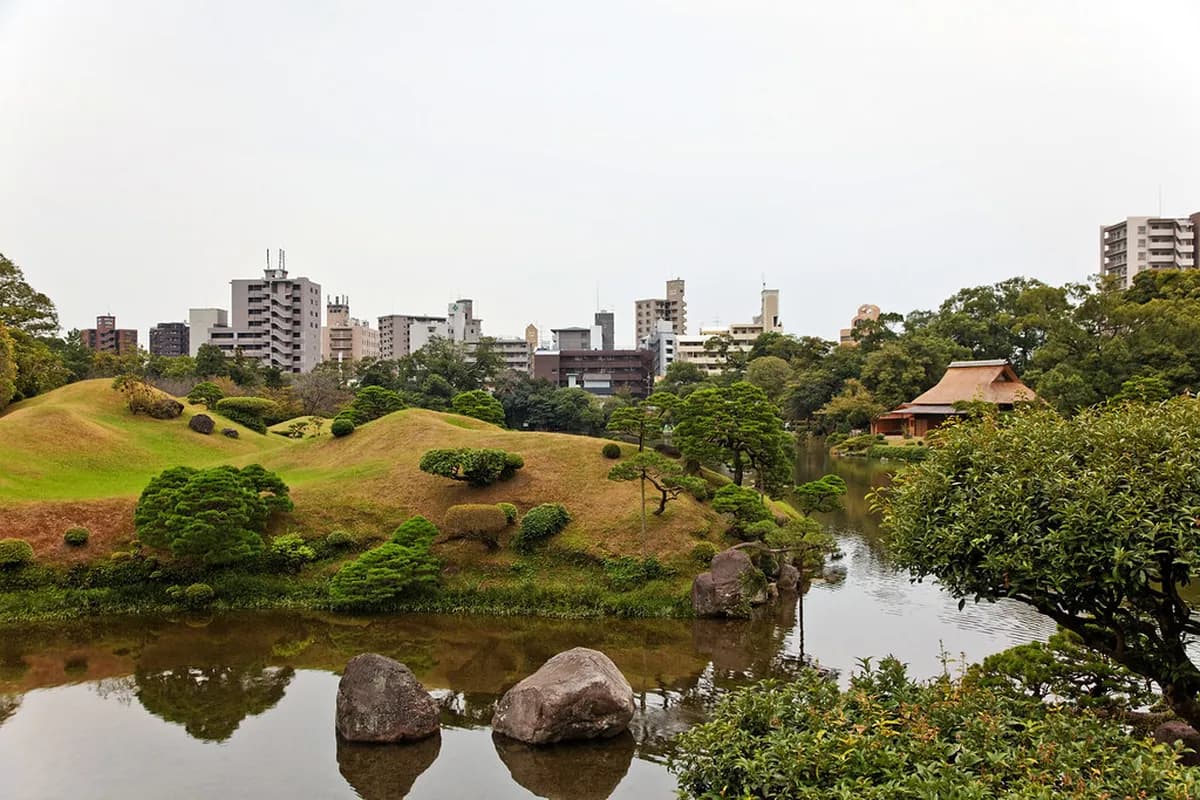
The garden follows a classic stroll style that invites visitors to walk along a circular path. Each turn reveals a new perspective inspired by ancient Japanese literature and famous travel routes. You will find miniature versions of iconic landmarks like Mount Fuji nestled within the greenery. This guide covers everything you need to know about this cultural treasure.
The 350-Year Legacy of Suizenji Jojuen Garden
The history of this beautiful space began in 1636 under the direction of Lord Hosokawa Tadatoshi. He originally selected the site for a Buddhist temple because of its pure spring water. The garden later evolved into a private retreat for the powerful Hosokawa clan during the Edo Period. It remains one of the most significant landmarks in the city, explored in our full guide to Kumamoto attractions today.
Completion of the landscape occurred in 1671 under the third generation of the family. The design reflects the status and wealth of a high-ranking daimyo in feudal Japan. Walking through the gates feels like stepping back into a more disciplined and artistic era. The garden has survived centuries of change while maintaining its original 17th-century layout.
Preservation efforts have kept the site authentic for modern visitors to enjoy. The Hosokawa family's influence is still visible in the crests and architecture found throughout the grounds. Cultural heritage is a core part of the experience for any history enthusiast. Learning about the clan's legacy adds depth to your visit to the city.
The Momoyama-Style Stroll Garden and Spring-Fed Pond
The garden features a distinctive Momoyama-style design characterized by bold and expressive landscape features. Central to this design is a large pond fed by natural groundwater from Mount Aso. This water flows constantly without the need for modern mechanical pumps or pipes. The natural pressure from the underground aquifer keeps the pond clear and vibrant year-round.
Engineers in the 1600s used the natural slope of the land to manage water levels. This feat of 17th-century engineering is a unique point of pride for the local community. The pond reflects the sky and the surrounding pine trees with incredible clarity. It serves as the unmistakable focal point when planning visits to top Kumamoto attractions.
Visitors follow a path that winds around the water to see different angles of the park. The arrangement of stones and plants creates a sense of harmony and balance. Each element was placed with careful intent to represent the natural world in miniature. This style of gardening is meant to be appreciated slowly while walking.
Lord Hosokawa Tsunatoshi and the Art of War Connection
Lord Hosokawa Tsunatoshi was responsible for finalizing much of the garden's current appearance. He integrated samurai sensibilities and military discipline into the very fabric of the landscape. The meticulously pruned pine trees represent the controlled strength of a warrior. Even the placement of hills can be viewed through the lens of tactical positioning.
Historical analyses suggest the garden layout reflects principles found in the Art of War. Every path and clearing provides a strategic view that would have appealed to a military mind. This connection to Kumamoto's samurai culture highlights the dual nature of the warrior class as both military strategists and artistic patrons. The discipline required to maintain such a garden mirrors the rigors of samurai training.
Understanding this context changes how you perceive the quiet beauty of the park. It is not just a place for relaxation but a monument to focus and order. The sharp lines of the hedges and the precise placement of rocks tell a story of control. Many visitors find that exploring the Edo period history of these gardens makes the scenery even more impressive.
The Miniature Mount Fuji and Tokaido Landscapes
The suizenji garden is famous for recreating the 53 stations of the Tokaido road. This historic route connected the old capital of Kyoto with the city of Edo. Designers used earth and stone to build miniature versions of famous landmarks along that path. The most recognizable feature is the perfectly shaped hill representing Mount Fuji.
Capturing the miniature Mount Fuji in a photo is a top priority for many guests. The best time for photography is during the early morning when the light is soft. Try to find an angle where the hill reflects perfectly in the central pond. This view is a staple of any first-time visit to the city. Pair it with a stop at Sakuranobaba Josaien for a full day of historic Kumamoto.
Other sections of the garden represent Lake Biwa and various coastal scenery. Each miniature landscape is labeled to help you identify the specific historical locations. The level of detail in these small-scale recreations is truly remarkable. It allows you to travel across Japan without ever leaving the garden gates.
- Miniature Mount Fuji Hill
- Feature: Iconic cone shape
- Location: North side pond
- Best view: Teahouse porch
- Photo tip: Morning light
- Lake Biwa Representation
- Feature: Central pond area
- Source: Mount Aso water
- Wildlife: Large colorful koi
- Symbolism: Purity and life
- Tokaido Pine Trees
- Style: Traditional pruning
- Age: Over 100 years
- Meaning: Eternal strength
- Care: Daily hand-trimming
Izumi Shrine and the Sacred Groundwater
Izumi Shrine sits within the garden grounds and honors the ancestors of the Hosokawa clan. The shrine was established in 1878 following the end of the feudal era. It serves as a spiritual center where locals pray for health and prosperity. The architecture of the shrine blends seamlessly with the surrounding natural beauty.
A highlight of the shrine is the 'Longevity Water' spring found near the entrance. This water travels underground from Mount Aso to reach the garden, the same volcano that shapes the landscape on any Kumamoto excursion. It is rich in minerals and is believed to grant a long life to those who drink it. The water temperature remains a cool 18 degrees Celsius throughout the year.
Kumamoto is known as the 'City of Water' because of this high-quality groundwater. The mineral content is a point of local pride and is strictly monitored for purity. You can see the water bubbling up from the sandy bottom of the pond in several spots. This constant flow ensures the garden remains lush even during dry seasons.
Matcha at the Historic Kokindenju-no-Ma Teahouse
The Kokindenju-no-Ma teahouse is a historic building that was moved here from Kyoto. It was originally used for teaching secrets of classical poetry to the imperial family. Today, it serves as a serene spot where you can enjoy traditional Japanese tea. Sitting on the tatami mats provides the best vantage point of the entire garden.
For a small fee, visitors receive a bowl of frothy matcha and a seasonal sweet. The sweets are often shaped like the garden's miniature Mount Fuji or local flowers. This experience is one of the most memorable activities in Kumamoto for cultural travelers. The quiet atmosphere of the teahouse encourages a moment of deep reflection.
The building itself features elegant wooden craftsmanship and sliding paper doors. It has survived earthquakes and time to remain a functional piece of history. Reservations are usually not required for a simple tea service during the day. Spending thirty minutes here allows you to fully absorb the peaceful energy of the site.
Seasonal Calendar: Flowers, Festivals, and Events
Suizenji Garden transforms dramatically across the four seasons, making every month a distinct experience. Spring brings a soft pink canopy of cherry blossoms from late March through early April, and the reflection of these trees in the central pond is one of Kumamoto's most photographed scenes. Summer evenings see the garden illuminated with lanterns that cast golden light across the water and pine trees. Autumn rivals spring for beauty when the maple and ginkgo trees erupt in shades of red, amber, and gold through November.
Special events deepen the experience beyond what a typical garden visit offers. The Yabusame archery ritual is performed here during the annual Suizenji Jojuen 350th Anniversary commemoration events, drawing large local crowds. The Gishi Gyoretsu procession of the 47 ronin samurai is another highlight that brings feudal Japan vividly to life. Winter visits reward patient travelers with quiet, uncrowded paths and the occasional dusting of snow on the miniature Mount Fuji hill.
| Month | Highlight | Notes |
|---|---|---|
| Late March – Early April | Cherry blossom bloom | Busiest season; arrive before 9 AM |
| May – June | Fresh green foliage | Mild weather, moderate crowds |
| July – August | Evening illumination events | Check official site for exact dates |
| September – October | Autumn color change begins | Peak color in late October |
| November | Maple red and ginkgo gold | Second busiest season; early visits recommended |
| December – February | Quiet winter atmosphere | Fewest crowds; occasional light snow |
The water temperature in the spring-fed pond remains a constant 18 degrees Celsius year-round, regardless of the season. Kumamoto City's tap water, fed by the same Mount Aso aquifer system, contains higher levels of calcium, potassium, silicic acid, and magnesium than most commercial mineral waters. This mineral richness ensures the pond stays clear and supports an abundance of koi fish even during the hottest summer months.
Practical Visitor Tips: Access, Fees, and Best Times
Reaching Suizenji Garden is easy using the efficient Kumamoto City tram system. Take the A-line or B-line tram to the Suizenji-koen stop from the main station. The journey takes about 30 minutes and offers a nice view of the city streets. Consider combining your visit with nearby Kumamoto Castle to make the most of your time in the city.
The garden is open daily from early morning until late afternoon. Admission fees are very reasonable at 400 yen for adults in 2026. Check the official suizenji.Or.jp website for any seasonal schedule changes. Early morning visits help you avoid the larger tour groups that arrive midday.
Spring and autumn are the most popular times to visit for the best weather. Cherry blossoms bloom in late March, while maple trees turn vibrant red in November. Winter offers a different charm with fewer crowds and occasional light snow. Each season brings a new color palette to the meticulously maintained landscape.
- Travel Logistics and Costs
- Tram Stop: Suizenji-koen
- Adult Fee: 400 Yen
- Child Fee: 200 Yen
- Time needed: 1-2 hours
- Seasonal Event Calendar
- Spring: Cherry blossoms
- Autumn: Fall foliage
- Summer: Evening illumination
- Winter: Quiet atmosphere
Frequently Asked Questions
Why is Suizenji Garden famous?
Suizenji Garden is famous for its Momoyama-style design and its miniature recreation of the Tokaido road. It features a stunning miniature Mount Fuji and uses natural groundwater from Mount Aso. This site is consistently ranked among the best Kumamoto attractions for cultural travelers.
How do I get to Suizenji Garden from Kumamoto Station?
You can take the Kumamoto City tram A-line directly from Kumamoto Station to the Suizenji-koen stop. The ride takes approximately 30 minutes and costs a flat fare. From the tram stop, it is a short five-minute walk to the garden entrance.
Is Suizenji Garden worth visiting?
Yes, it is highly recommended for its historical value and unique landscape engineering. The garden offers a peaceful environment that contrasts with the busy city center. It provides excellent photography opportunities and a chance to experience a traditional teahouse.
What is the best time of year to see Suizenji Jojuen?
The best times are spring for cherry blossoms and autumn for vibrant fall colors. November is particularly beautiful when the maple trees turn bright red and orange. Early morning visits are best to enjoy the garden before the peak tourist hours.
Who built Suizenji Garden?
Suizenji Garden was originally commissioned in 1636 by Lord Hosokawa Tadatoshi as a tea retreat. His grandson, the third lord Tsunatoshi Hosokawa, completed the large-scale construction that defines the garden as it appears today in 1671. The garden reflects the combined artistic vision of three generations of the Hosokawa clan.
Suizenji Jojuen Garden remains a vital part of Kumamoto's cultural identity and history. The combination of samurai legacy and natural beauty creates an unforgettable travel experience. Whether you come for the tea or the photography, the garden never fails to impress. Make sure to include this serene destination on your next trip to Kyushu.
The careful preservation of the Hosokawa clan's vision ensures the garden will last for generations. Visitors leave with a deeper appreciation for the art of Japanese landscaping. After the garden, continue your day by exploring the ongoing Kumamoto Castle reconstruction or visiting the heritage precinct at Sakuranobaba Josaien for craft demonstrations and local cuisine. Plan your visit today to walk through 350 years of living history surrounded by the best of Kumamoto's top attractions.
 Isuien Garden Visiting Guide Travel GuideMay 14, 2026
 Yoshikien Garden Free Entry Guide Travel GuideMay 14, 2026