Is Kumamoto Worth Visiting? A Guide to Japan's Land of Fire
Discover if Kumamoto is worth visiting with our guide to the resilient Kumamoto Castle, Mt. Aso, One Piece statues, and local culinary secrets.
On this page
Is Kumamoto Worth Visiting?
Yes, Kumamoto is absolutely worth visiting for its mix of history and nature. If you prefer a faster-paced city with more nightlife, choose Fukuoka instead. Updated May 2026 after revisiting the newly restored castle interior and hiking up to the Daikanbo lookout.
I spent three days exploring the prefecture and was surprised by its resilience. The city successfully blends ancient samurai history with quirky modern anime culture. You will find pristine groundwater and smoky volcanic peaks within a single trip. This natural duality makes the region feel unique compared to urban Tokyo.
Free: The Kumamoto Essentials guide
Top things to do, where to stay, a perfect day plan, getting around, and the best time to go — a Kumamoto mini-guide you can take offline.
Is Kumamoto Worth Visiting?
The Kumamoto city tram charges a flat ¥170 fare and connects Kumamoto Station directly to the castle and Suizenji Jojuen Garden — no IC card top-up needed. The main keep is fully restored and all eight floors are accessible as of 2026 (¥800 adult entry).
The city earns its nickname as the Land of Fire due to nearby Mount Aso. I also discovered it is the Land of Water because of its pure underground springs. Every tap in the city provides delicious mineral water filtered through volcanic rock. This natural duality makes the region feel unique compared to urban Tokyo.
My trip revealed a city that is much quieter than nearby Fukuoka. Walking through the downtown shopping arcades felt relaxed and very welcoming. Local residents take great pride in their mascot, the famous black bear Kumamon. You will see his face on everything from cookies to city buses.
I found the prices here to be slightly lower than in Japan's major hubs. A standard meal in 2026 usually costs between 1,000 and 1,500 yen per person. The tram system offers a cheap way to see the main sights for 170 yen.
- Pros: What visitors usually love
- Resilient and majestic castle grounds with a fully restored main keep as of 2026
- Access to an active volcano and sweeping caldera vistas
- Unique One Piece anime statues connected to creator Eiichiro Oda's hometown
- Delicious and affordable local food including basashi and ikinari dango
- Fewer crowds than Kyoto or Tokyo
- Cons: What may disappoint
- Some exterior castle walls still under repair from the 2016 earthquake
- Volcanic gas can close Aso crater on short notice
- Very hot and humid summer weather
- Nightlife is quieter than in Fukuoka
- Car rental needed to reach rural Aso viewpoints
Quick Travel Time Comparison
| From | Travel Time | Best Option |
|---|---|---|
| Fukuoka (Hakata) | ~35 min | Kyushu Shinkansen |
| Nagasaki | ~90 min | Limited express + transfer |
| Osaka | ~2 h 30 min | Shinkansen via Shin-Osaka |
| Tokyo | ~4 h 30 min | Shinkansen via Hakata |
My Favorite Things to Do in Kumamoto
The city offers a diverse range of things to do in Kumamoto for all ages. I highly recommend starting with a ride on the vintage city tram. It connects the main train station to the castle and the shopping districts. The wooden interiors of the older cars provide a nostalgic travel experience.
Exploring the Shimotori and Kamitori arcades is a great afternoon activity. These covered streets house hundreds of shops, cafes, and local restaurants. I enjoyed finding small stationery shops tucked away in the side alleys. The atmosphere is lively but never feels overwhelming like Shinjuku.
Visiting the contemporary art museum is another hidden gem I discovered. It features works by James Turrell and is located right in the city center. The museum is free to enter for many of its permanent library areas.
Kumamoto Castle: A Symbol of Resilience
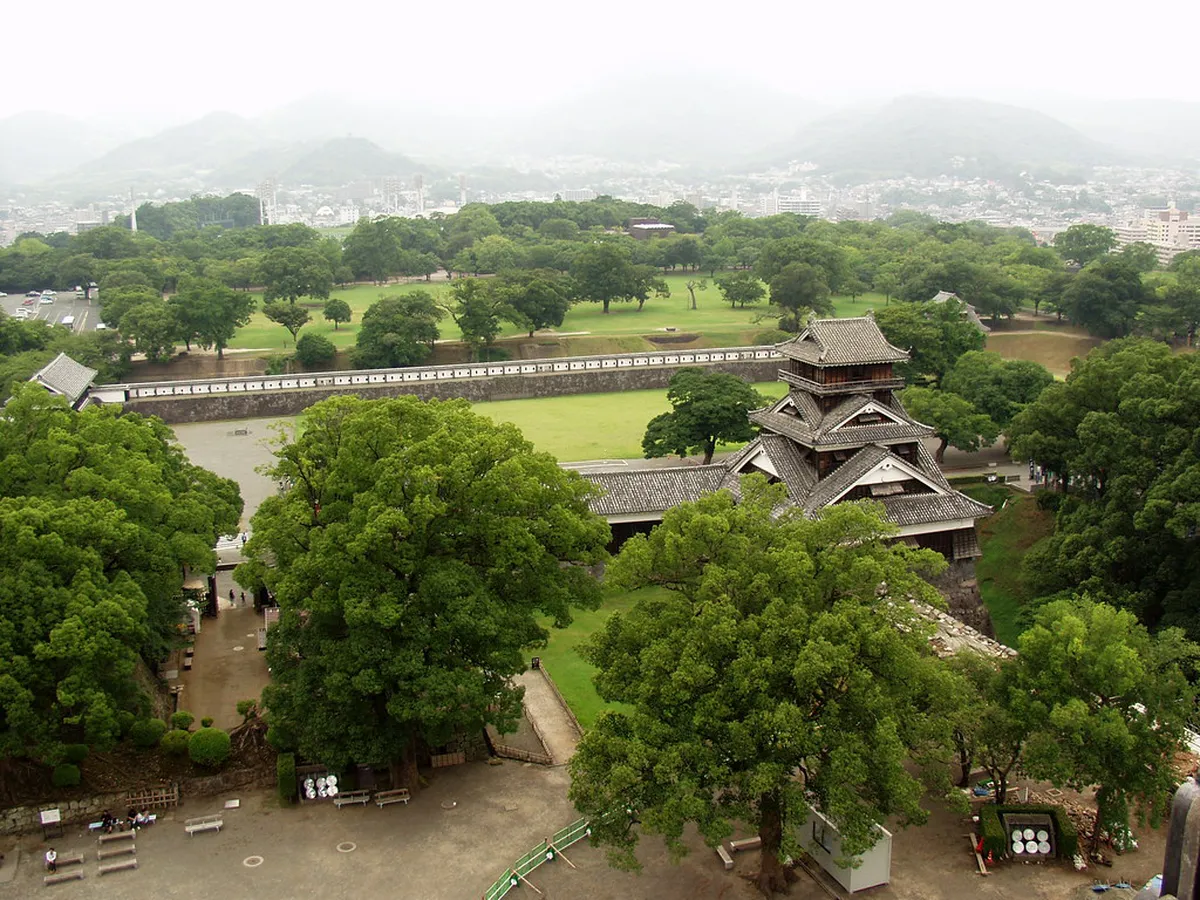
Kumamoto Castle is widely considered one of the three premier castles in Japan. The main keep was fully restored by 2021, and interior exhibits have expanded significantly since then. As of 2026, visitors can explore all eight floors, including the top-floor panoramic deck. The restoration took five years and nearly 5 billion yen to complete. For the most current admission details and hours, check the official Japan National Tourism Organization Kumamoto Castle page.
The castle grounds are open daily from 9am until 5pm. Entry costs 800 yen per adult. I recommend arriving early to avoid tour groups at the main gate. The view from the top floor offers a sweeping look across the city toward the Aso mountains.
I noticed numbered stones still stacked neatly in the outer bailey, waiting for phased repairs on secondary turrets. This sight serves as a powerful reminder of the 2016 Kumamoto Earthquake. For an immersive step back into the Edo period, the nearby Kumamoto Samurai Experience offers traditional costumes and archery alongside the castle walls.
Suizenji Jojuen: Miniature Landscapes
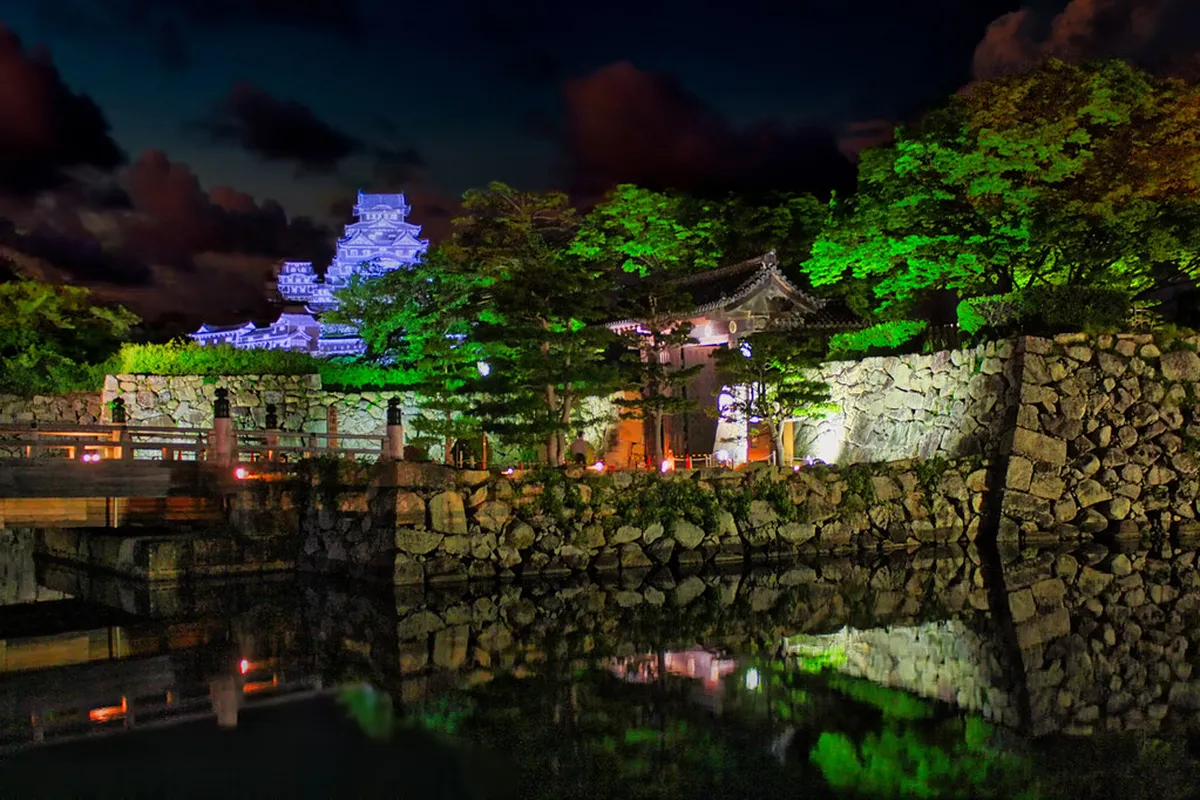
Suizenji Jojuen is a stunning landscape garden built in the 17th century. It replicates the 53 stations of the Tokaido road in miniature form. I loved seeing the small hill that represents a tiny Mount Fuji. The garden is open from 8:30am to 5pm throughout the year.
Admission is 400 yen, and the walk takes about forty-five minutes. I suggest visiting the Izumi Shrine located inside the garden grounds. The spring water here is said to grant long life to those who drink. Watching the large koi fish swim in the crystal-clear pond is very peaceful.
The tea house offers a chance to enjoy matcha and local sweets. I sat on the tatami mats and looked out over the water. This experience was a highlight of my quiet morning in the city.
Mount Aso: The Active Volcano Experience
Volcanic gas levels change quickly at Mount Aso and may close the crater road without warning. Always check the Japan Meteorological Agency alerts before heading up to Nakadake. Some exterior castle walls are still under phased repair from the 2016 earthquake — numbering on stones you see stacked in the outer bailey is intentional, not damage.
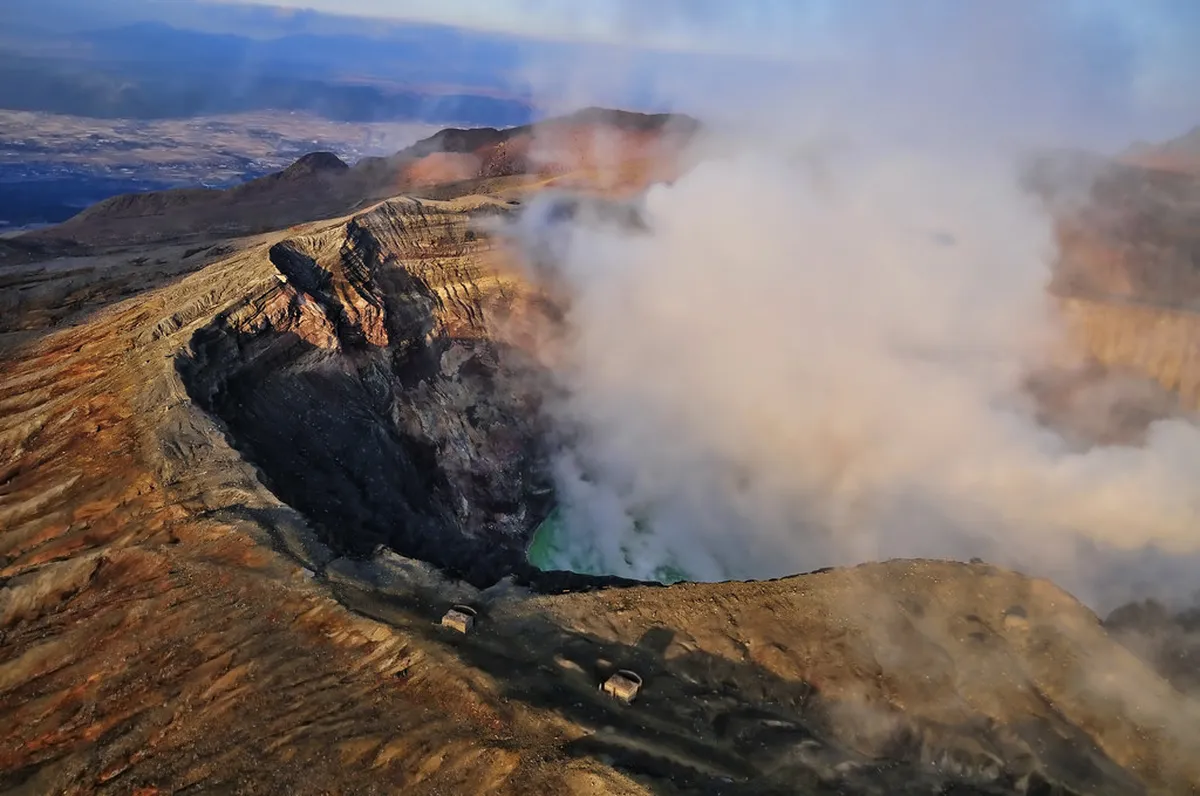
A Mount Aso day trip from Kumamoto is essential for nature lovers. The caldera is one of the largest in the world and a genuinely humbling sight. I drove along the Milk Road (Route 339) for the best views of the rolling green hills. The landscape looks more like Ireland than typical Japan. The area is protected as Aso-Kuju National Park by Japan's Ministry of the Environment.
Daikanbo lookout provides a spectacular panorama of all five Aso peaks. Volcanic gas levels change quickly and may close the crater road without warning. I always check the official alerts from the Japan Meteorological Agency before heading up. The smell of sulfur near the active Nakadake vent is unmistakable.
Public transport to Aso is possible but slow and infrequent. See the table below for when to use the tram and when to rent a car.
City Tram vs. Car Rental: When to Use Each
| Destination | Tram (170 yen flat fare) | Car Rental (from ~5,000 yen/day) |
|---|---|---|
| Kumamoto Castle | Best option — direct stop | Not needed; parking is limited |
| Suizenji Jojuen Garden | Easy — direct tram stop | Not needed |
| Downtown arcades | Ideal — central stops | Not recommended; traffic congestion |
| Mount Aso / Daikanbo | Slow; bus connection adds 90+ min | Essential for Daikanbo and Milk Road |
| Reigando Cave (Musashi) | Bus + 15 min walk | Recommended for flexibility |
| One Piece statue trail | Not feasible — statues are spread across 10+ towns | Required for the full circuit |
The One Piece Statues: Anime Scavenger Hunt
Fans of the One Piece anime will find Kumamoto particularly special. Creator Eiichiro Oda was born in Kumamoto and personally championed the "Kumamoto Revival Project" after the 2016 earthquake. He donated 800 million yen and agreed to have ten bronze Straw Hat Pirates statues installed across the prefecture as a symbol of reconstruction. The project launched in 2019 and has successfully drawn younger travelers from across Japan and Southeast Asia.
Each statue represents one member of the Straw Hat Pirates crew. Finding all ten requires a car since they are spread across different towns and cities in the prefecture. I found the Chopper statue at the Kumamoto City Zoo most photogenic. Luffy stands near the prefectural government building, while Zoro is positioned outside a mountain shrine.
Most statues are free to visit and offer excellent photo opportunities. Weekend lines can be long, so plan weekday morning visits for the best experience.
Miyamoto Musashi: The Cave of Five Rings
History buffs should visit Reigando Cave on the city's western outskirts. The legendary swordsman Miyamoto Musashi spent his final years meditating in this cave and wrote "The Book of Five Rings" (Go Rin No Sho) here around 1643. It remains one of the most celebrated strategy texts in Japanese martial arts history. I felt a deep sense of calm while walking the forested path to the entrance.
The site features hundreds of small stone statues lining the approach, each with a unique face. Moss covers the rocks and creates a very mystical atmosphere. Entry is only a few hundred yen and supports the Unganzenji Temple. I recommend this spot if you want a genuinely meditative break from the main tourist circuit.
Local Flavors: Basashi and Ikinari Dango
No Kumamoto visit is complete without trying basashi, thinly sliced raw horse meat served with ginger and soy sauce. I found the flavor surprisingly mild and the texture silky. Most local izakayas near the castle serve it as a premium specialty.
For a sweet snack, you must try ikinari dango. The name translates roughly as "sudden" or "sudden guest" — they were historically easy to prepare for unexpected visitors. I bought mine from a small stall beside the castle's Ninomaru-koen gate. They contain a thick slice of sweet potato surrounded by red bean paste, wrapped in a steamed mochi skin.
Kumamoto ramen is another local staple. It features a rich pork broth topped with roasted garlic oil (mayu). The bitter garlic balances the creamy soup beautifully and sets it apart from Fukuoka's tonkotsu style.
Where to Stay in Kumamoto
Deciding where to stay depends on your travel style and needs. The area around Kumamoto Station is convenient for early Shinkansen departures. I stayed near the Shimotori arcade to be close to the restaurants. This central location makes it easy to walk to the castle.
The OMO5 Kumamoto by Hoshino Resort is a fantastic modern choice. It features a terrace with a direct view of the castle walls. I enjoyed the local maps and tips provided by the hotel staff. Budget travelers will find many business hotels for under 8,000 yen per night.
Kumamoto vs Fukuoka: Which Should You Choose?
Many Kyushu visitors face this exact choice. Read our full Kumamoto vs Fukuoka comparison for the detailed breakdown, but the short answer is: choose Kumamoto for history, volcanoes, and a slower pace; choose Fukuoka for street food, nightlife, and international connections. The Shinkansen takes only 35 minutes between the two cities, so you can realistically visit both on a single Kyushu trip.
The Bottom Line: Final Travel Tips
I recommend spending at least two days to see the main sights. A full Kumamoto day trip itinerary from Fukuoka works well if you are short on time, since the Shinkansen ride takes only thirty-five minutes. For deeper exploration of all the attractions, see our complete Kumamoto attractions guide.
Verdict: Yes, it is worth it. Best for: History enthusiasts, anime fans, and nature lovers seeking a slower Kyushu pace. Skip if: You only want high-end luxury shopping and late-night clubs. Alternative: Fukuoka offers a more vibrant and modern urban experience.
The best time to visit is during the April cherry blossom season. October and November offer cool weather and beautiful autumn leaves. I suggest avoiding the peak heat of August if you dislike humidity. June is the rainy season and can make mountain trips difficult.
Frequently Asked Questions
How many days do you need in Kumamoto?
I recommend staying for two full days. This allows one day for the castle and garden, and another for Mount Aso. A third day is perfect for hunting One Piece statues across the prefecture.
Is Kumamoto Castle open after the earthquake?
Yes, the main keep is fully restored and open to the public with all eight floors accessible as of 2026. Some exterior secondary turrets and walls are still undergoing phased repairs from the 2016 earthquake. You can visit the main interior exhibits and the panoramic top-floor deck now.
Is Kumamoto cheaper than Tokyo?
Yes, Kumamoto is significantly more affordable than Tokyo. Meals cost between 1,000 and 1,500 yen at local restaurants, and the city tram charges a flat 170 yen fare. Quality business hotels frequently cost under 8,000 yen per night.
Where are the One Piece statues in Kumamoto?
Ten bronze One Piece statues are scattered across Kumamoto Prefecture as part of the Kumamoto Revival Project, championed by creator Eiichiro Oda after the 2016 earthquake. Notable locations include Luffy near the prefectural government building, Chopper at the city zoo, and Zoro at a mountain shrine. A car is required to visit all ten as they span multiple towns.
Kumamoto remains one of my favorite stops on the island of Kyushu. The combination of samurai history, volcanic power, and anime culture is genuinely captivating. The city's friendly atmosphere makes it a perfect Japanese getaway for travelers who want substance over spectacle.
Whether you come for the food, the castle, or the One Piece statues, you will leave with strong memories. Plan your 2026 visit soon to witness the impressive ongoing restoration and the vibrant city that has risen from the earthquake. The Land of Fire is waiting to welcome you with open arms.
Free: The Kumamoto Essentials guide
Top things to do, where to stay, a perfect day plan, getting around, and the best time to go — a Kumamoto mini-guide you can take offline.
You might also like

Continue reading
More guides you'll find useful