10 Best Things to Do with a Kumamoto Bus Pass (2026)
Plan your trip with the best Kumamoto bus pass options. Explore top attractions like the castle and gardens with our expert 2026 guide.
On this page
After my fourth visit to Kumamoto last spring, I realized how much the city's transport network has evolved. Navigating this historic hub is significantly easier when you utilize a local Kumamoto bus pass for the day.
Our editors have reviewed every neighborhood to ensure you find the most efficient routes to the top sights. This guide was last refreshed in May 2026 to reflect the latest pricing and route updates.The primary option for visitors is the Waku Waku 1-Day Pass, which covers trams and most city buses. According to the official Kumamoto City guide, you can purchase the pass at Kumamoto Airport or the main train station. It offers incredible value if you plan to visit at least three major attractions in a single day. This budget-friendly choice also includes discounts at various museum entrances across the city center.
The Waku Waku 1-Day Pass pays off after just three tram or bus rides — making it worthwhile for most sightseeing days. Buy it at Kumamoto Station's tourist information counter or at Kumamoto Airport before boarding your first vehicle.
While many travelers focus solely on the castle, the bus network opens up hidden gardens and craft centers. Choosing the right pass depends on whether you stay within the city or venture toward the outskirts. We have categorized the following picks to help you maximize your time and transport budget. Kumamoto makes an excellent companion to day trips from nearby Fukuoka, or as a stop on a larger Kyushu loop. Check out our Kumamoto day trip itinerary for a pre-planned route through these locations.
How to Choose the Right Kumamoto Bus Pass
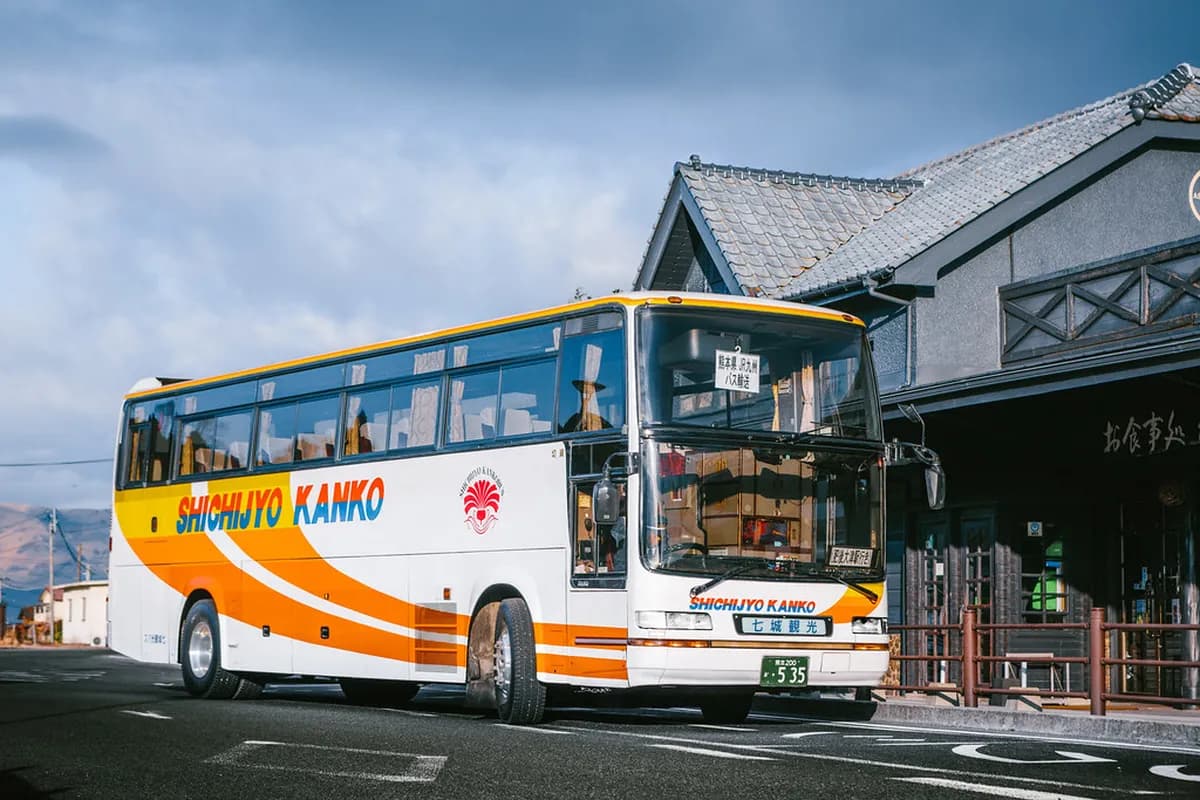
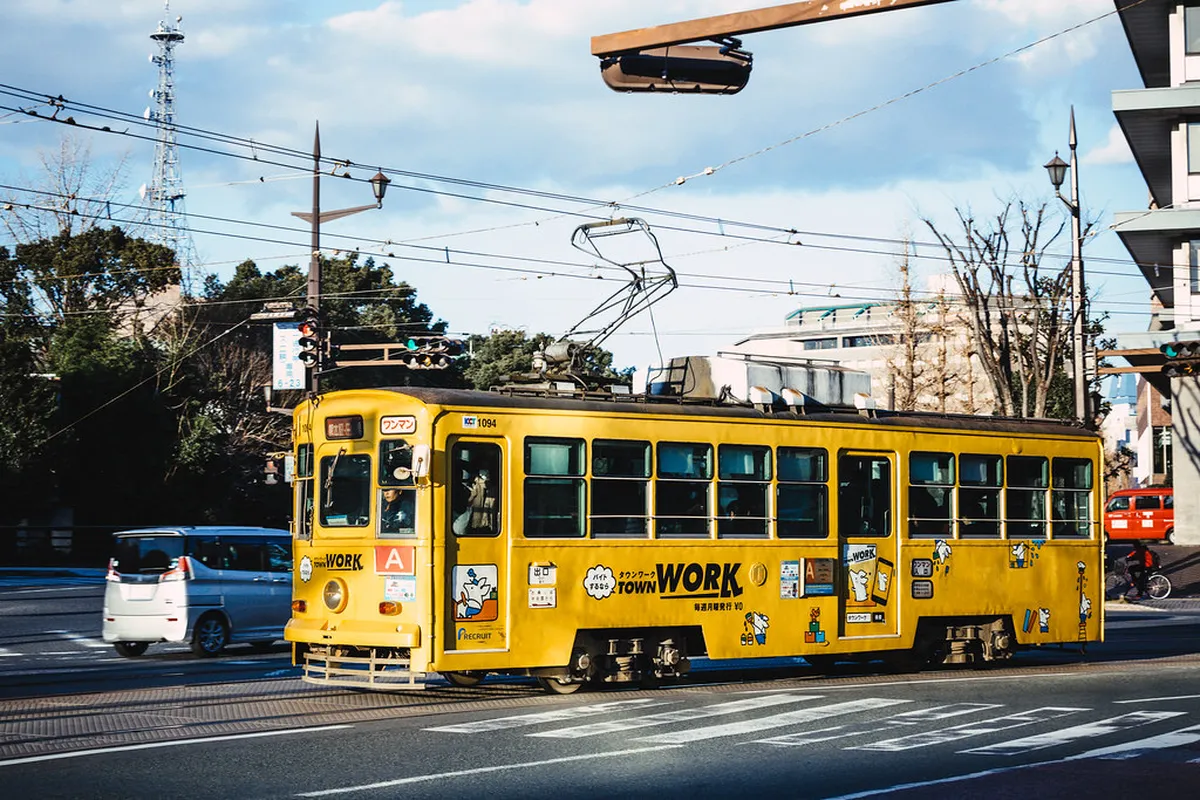
The Waku Waku 1-Day Pass remains the most popular choice for international travelers visiting the city. It is divided into three zones, with the most basic version covering the central downtown area. According to official Kumamoto City transportation data, adults typically pay around 700 to 900 yen depending on the specific zone coverage selected. This pass allows unlimited rides on the iconic city trams and the colorful Kumamoto City buses.
For those arriving from other regions, the Kumamoto airport to city guide explains how to reach the hub. Once at the Kumamoto Kotsu Center, you can find the main ticket office for all passes. Staff members usually speak basic English and can provide a physical map of the bus routes. Digital versions of the pass are now available through several popular Japanese transit mobile applications.
| Pass | Price (adult) | Coverage | Best for |
|---|---|---|---|
| Waku Waku 1-Day Pass (central zone) | 700–900 yen | Trams + city buses (central Kumamoto) | Castle, Suizenji, arcades |
| City Tram 1-Day Pass | 500 yen | Both tram lines (A and B) | Tram-only day; 3+ rides |
| Kumamoto Castle Loop Bus | Included in Waku Waku | Castle loop route | Fastest access to castle north gate |
10 Best Things to Do with a Kumamoto Bus Pass (2026)
Our curated list focuses on attractions that are easily reachable using the city's primary transport passes. We have included a mix of iconic landmarks, quiet gardens, and vibrant local markets for a balanced trip. Each of these stops is located within a short walk from a major bus or tram station. Using a pass ensures you can hop on and off without worrying about individual fare calculations.
To make the most of your day, we recommend starting early at the castle before the crowds arrive. The bus network is most frequent between 9:00 AM and 5:00 PM on weekdays and weekends. Many of these locations offer reduced entry fees when you show your valid day pass at the counter. Be sure to consult our Kumamoto attractions guide for deeper historical context.
Navigating the city is quite intuitive as most major stops have English signage and digital displays. The following items represent the absolute highlights of the city as of the current 2026 season. We have personally tested each route to ensure the walking distances are manageable for all ages. Don't forget to keep your pass handy for the final bus ride back to the station.
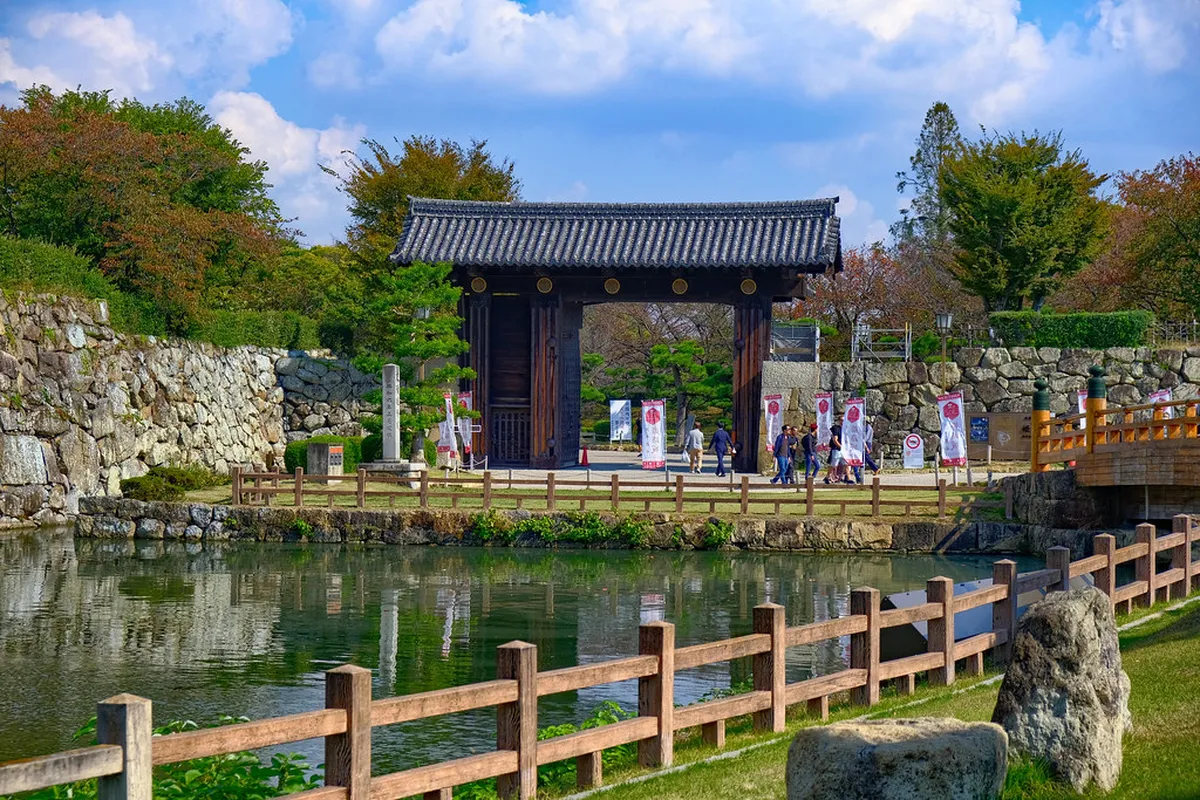
- Kumamoto Castle and Grounds
- This massive fortress is the city's pride and features impressive stone walls and reconstructed towers.
- Entry costs roughly 800 yen and it is open daily from 9:00 AM until 5:00 PM.
- Take the Castle Loop bus to the Shiyakusho-mae stop for the most dramatic entrance view.
- The upper floors of the main keep offer a panoramic view of the entire city skyline.
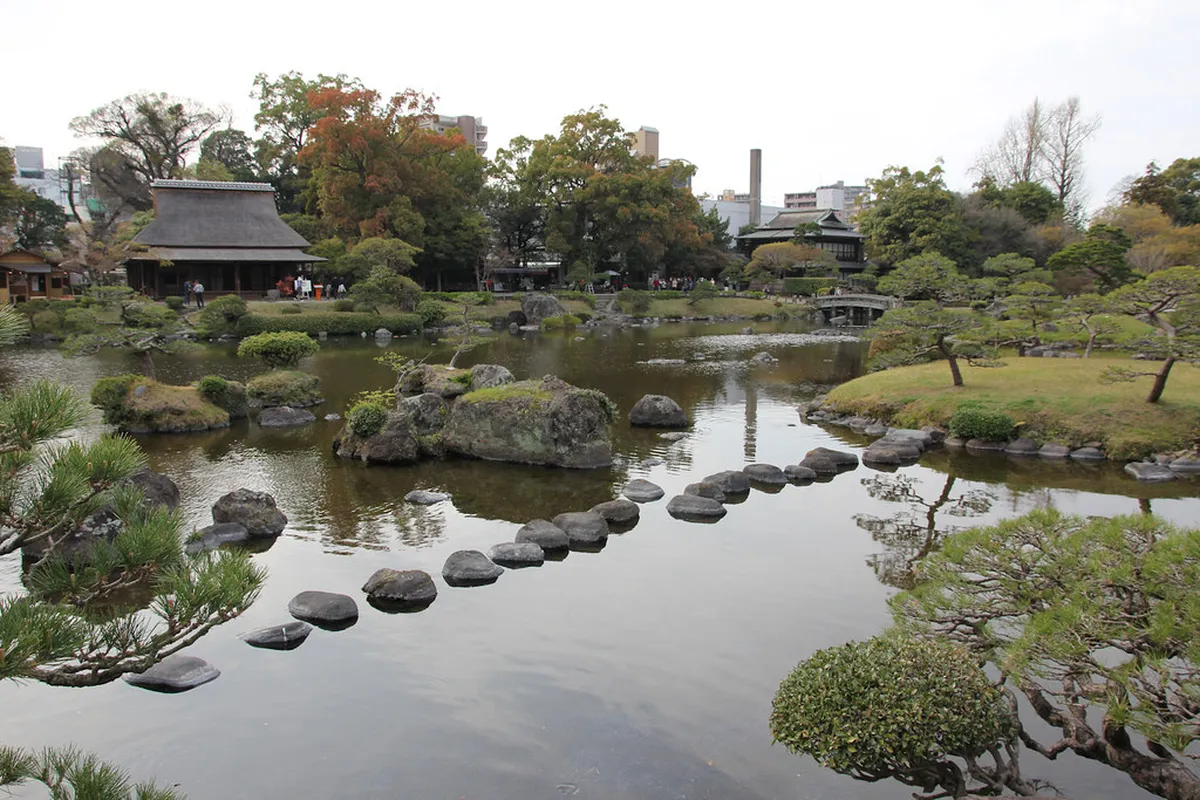
- Suizenji Jojuen Garden
- This traditional landscape garden recreates the fifty-three stations of the Tokaido road in miniature form.
- Tickets are 400 yen and the gates are open from 8:30 AM to 5:00 PM year-round.
- The garden is a short walk from the Suizenji Koen bus stop in the Chuo-ku district.
- Visit the Izumi Shrine located inside the grounds to see the ancient longevity water spring.
- Sakuranobaba Josaien Market
- Located at the foot of the castle, this facility mimics a traditional Edo-period castle town.
- Access to the market area is free, while the historical museum inside requires a small fee.
- Buses drop passengers off directly at the Josaien entrance every fifteen minutes during the day.
- Try the local uni-croquettes or the famous mustard-stuffed lotus root from the street food stalls.
- Kumamoto Prefectural Traditional Crafts Center
- This center showcases the region's rich history of pottery, woodworking, and delicate Higo inlay work.
- General admission is approximately 210 yen and it is open from 9:00 AM to 5:00 PM.
- It sits on the northern edge of the castle park near the Kumamoto Castle bus stop.
- The gift shop is the best place in the city to buy authentic, locally made souvenirs.
- Kumamoto City Museum
- Explore the natural history and archaeological heritage of the Kumamoto region in this modern facility.
- Adult tickets are 400 yen and the museum is closed on most Mondays throughout the year.
- You can reach the entrance by taking the bus to the Museum-mae stop near the park.
- The planetarium inside is a great rainy-day activity for families traveling with curious children.
- Kumamoto Prefectural Art Museum
- This museum houses a significant collection of Japanese art including ancient decorated tomb replicas.
- Entrance fees vary by exhibition but usually range from 210 to 1,000 yen for adults.
- The building is located within the Ninomaru area of the castle grounds near the bus loop.
- Check the official schedule for rotating exhibits featuring modern Japanese painters and international artists.
- Kumamoto Zoo and Botanical Gardens
- This expansive park features a wide variety of animals and a large greenhouse with tropical plants.
- Tickets cost about 500 yen and the park operates from 9:00 AM to 5:00 PM daily.
- Take the tram or the city bus to the Zoo-Botanical Garden stop in the eastern district.
- The lakeside path offers a peaceful escape from the downtown noise during the autumn months.
- Hanaoka Mountain Viewpoint
- This hill offers the best free viewpoint of the city and the distant Mount Aso peaks.
- There is no cost to access the summit and it is open twenty-four hours a day.
- Buses run from the station to the base, followed by a ten-minute uphill walk to the top.
- Visit at sunset to see the castle illuminated against the darkening sky for the best photos.
- Shimotori and Kamitori Arcades
- These covered shopping streets are the heart of Kumamoto's social life and local commerce.
- Walking the arcades is free and most shops are open from 10:00 AM to 8:00 PM.
- The Torichosuji bus and tram stop puts you right at the intersection of both major arcades.
- Look for the hidden basement restaurants for the most authentic and affordable local lunch sets.
- Contemporary Art Museum Kumamoto (CAMK)
- This sleek museum is located inside a shopping complex and focuses on cutting-edge modern works.
- The library and gallery shop are free, while main exhibitions usually cost around 1,000 yen.
- It is situated directly across from the Torichosuji stop in the busy downtown shopping district.
- The James Turrell light installation in the library is a must-see for fans of modern design.
Is Kumamoto Worth Visiting for a Weekend?
Many travelers wonder is Kumamoto worth visiting compared to larger cities like Fukuoka. In my experience, the city offers a more relaxed pace and deeper historical roots than its neighbors. The recent completion of the castle's exterior restoration makes 2026 an ideal time for a return visit. You can experience high-quality cultural sites without the overwhelming crowds found in Kyoto or Tokyo.
The food scene alone justifies a two-day trip for anyone interested in regional Japanese specialties. Our Kumamoto food guide highlights the unique flavors of horse sashimi and rich tonkotsu ramen. Most of these famous eateries are clustered near the bus stops in the Shimotori district. A weekend stay allows you to explore the city center and take one quick trip to the outskirts.
Public transport makes it incredibly simple to see the highlights in a single forty-eight-hour window. The bus pass covers almost every major site mentioned in this guide for a very low price. Travelers often find that the hospitality here is warmer than in the more tourist-heavy Japanese cities. It serves as an excellent base for exploring the wider Kyushu region by train or bus.
What to Skip: Overrated Kumamoto Attractions
While the Kumamoto City Hall Observatory is free, it often feels underwhelming compared to other viewpoints. The windows are frequently dirty and the viewing angle of the castle is partially obstructed by trees. I recommend heading to Hanaoka Mountain instead for a much clearer and more expansive city vista. Save your time for the actual castle grounds where the scale of the architecture is more impressive.
Generic modern shopping malls near the station offer little that you cannot find in any other city. The local arcades like Kamitori have much more character and unique regional boutiques for shoppers. Spending hours in a standard department store can eat into your limited sightseeing time in Kyushu. Focus on the traditional markets where you can actually interact with local craftspeople and vendors.
Always scratch off the correct date on your physical day pass before boarding — drivers may refuse entry if it is not validated. If you forget, buy a single-ride ticket and note it for next time.
Some travelers find the city tram to be quite slow during the peak afternoon rush hours. If you are in a hurry, the city buses often take more direct routes to the northern attractions. The tram is charming for a one-time ride but the bus is generally more efficient for transport. Prioritize your time at the Suizenji Garden Kumamoto rather than sitting on a crowded tram.
How to Plan a Smooth Kumamoto Attractions Day
Start your morning at Kumamoto Station to validate your bus pass at the information desk. Take the first available bus toward the castle to beat the large tour groups that arrive mid-morning. This strategy allows you to photograph the stone walls without hundreds of people in your frame. Consult our Sakuranobaba Josaien Kumamoto guide for the best breakfast options near the gates.
Use the Kumamoto Kotsu Center as your primary transfer point when switching between different bus lines. Most city buses converge here, making it the easiest place to find your next connection quickly. The digital boards show real-time arrival data so you can grab a quick coffee between rides. It is also the main hub for buses heading toward the Reigando Cave Kumamoto for afternoon trips.
Group your visits by neighborhood to minimize the time you spend sitting on public transport. The castle, the crafts center, and the art museum are all within easy walking distance of each other. Save the Suizenji Garden and the Zoo for the afternoon since they are located further east. Ending your day in the downtown arcades puts you near the best spots for a traditional dinner.
Frequently Asked Questions
Which Kumamoto bus pass options fit first-time visitors?
The Waku Waku 1-Day Pass is the best choice for first-time visitors. It offers unlimited rides on trams and city buses within the central sightseeing zones. You can buy it easily at Kumamoto Station or the airport.
How much time should you plan for a Kumamoto sightseeing day?
Plan for at least six to eight hours to see the major city highlights. This allows for two hours at the castle and plenty of time for lunch. Using a bus pass helps keep your schedule efficient and stress-free.
Is a Kumamoto bus pass worth including on a short itinerary?
Yes, the pass is definitely worth it even for a half-day trip. It pays for itself after just three rides on the tram or bus. The added discounts at museum entrances provide even more value for budget-conscious travelers.
What should travelers avoid when planning a Kumamoto bus pass day?
Avoid boarding without scratching the correct date on your physical pass, as drivers may refuse entry. Skip the city hall observatory since the castle view is partially blocked; head to Hanaoka Mountain instead. Also avoid relying solely on the tram during the afternoon rush when buses are significantly faster to northern sites.
Exploring Kumamoto with a dedicated bus pass is the most efficient way to see this resilient city. From the towering walls of the castle to the quiet beauty of Suizenji, the transport network connects it all. We hope this 2026 guide helps you navigate the streets like a local expert on your next visit. Safe travels as you discover the unique history and flavors of this incredible Kyushu destination.
Free: The Kumamoto Essentials guide
Top things to do, where to stay, a perfect day plan, getting around, and the best time to go — a Kumamoto mini-guide you can take offline.
You might also like


Continue reading
More guides you'll find useful