9 Best Nara Ryokans for First Timers (2026)
Discover the 9 best Nara ryokans for first-timers. From private onsens to prime locations near Nara Park, find the perfect traditional stay for your Japan trip.
On this page
After my third visit to Nara last autumn, I realized that the city changes completely once the day-trip crowds leave. Staying in a ryokan lets you see Nara Park before the buses arrive, walk past Sarusawa Pond at night, and enjoy dinner without rushing back to Kyoto or Osaka.
The best Nara ryokans for first timers in 2026 are not just the fanciest properties. They have clear access from Kintetsu Nara Station, patient staff, straightforward bath rules, and locations near Nara Deer Park, Todai-ji Temple, Kofuku-ji Temple, or the main shopping streets.
Why Stay Overnight in Nara?
Nara is often treated as a quick stop between Osaka and Kyoto, but staying overnight gives you the city at its quietest hours. A two-day Nara itinerary lets you separate the deer park, temples, gardens, and old merchant streets instead of compressing them into one tiring afternoon.
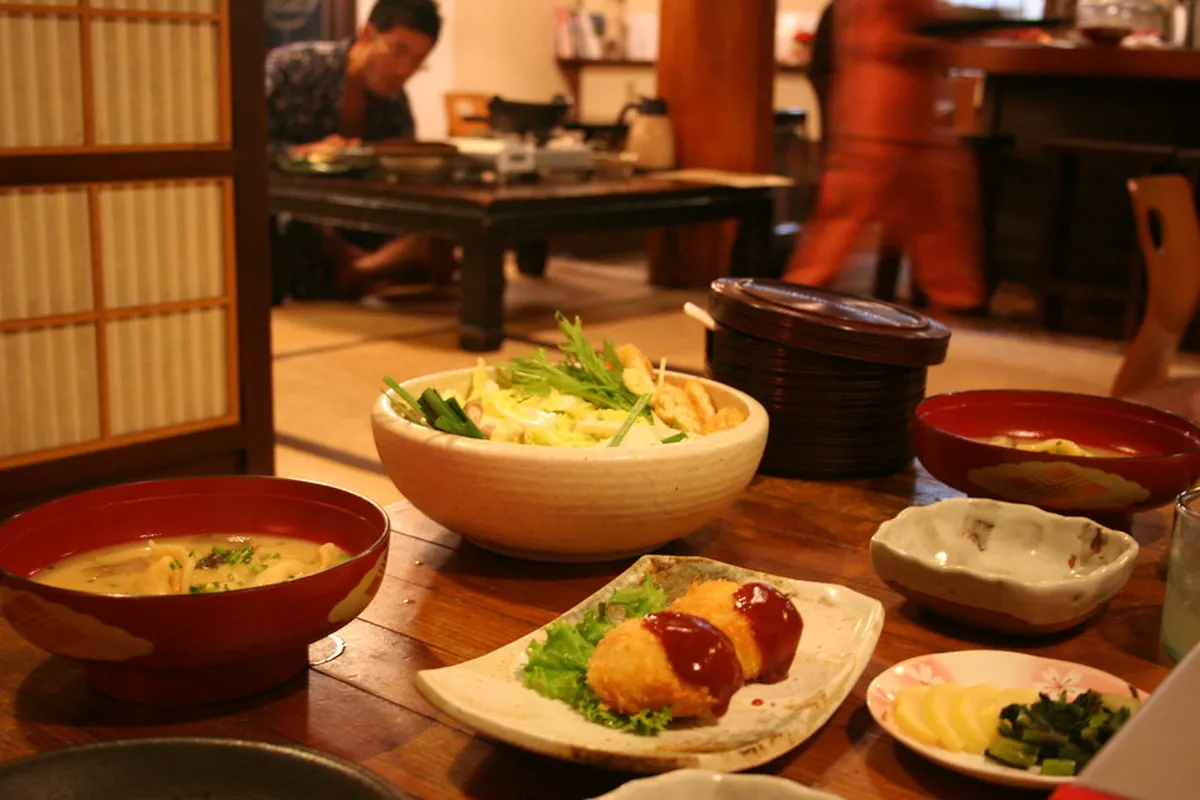
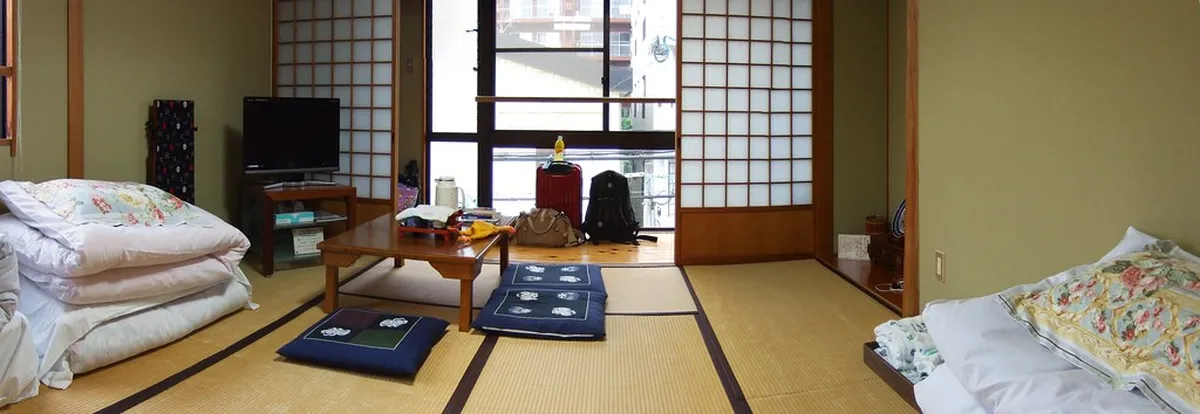
A traditional Japanese inn adds tatami mats, futon beds, yukata, seasonal kaiseki cuisine, and public or private baths. The beginner-friendly choices below reduce the awkward parts with central locations, luggage storage, modern bathrooms, English booking pages, or staff used to international guests.
First-Timer Comparison Table
Use location first, then bath style, then meal plan. First-timers usually enjoy Nara more when they can walk back from top Nara attractions without checking a shuttle timetable every hour. Compared to Kyoto ryokans, Nara offers easier access to major sites and lower prices.
| Ryokan | Best fit | Nara Park access | Bath comfort |
|---|---|---|---|
| Wakasa Annex | Modern-traditional balance | Short walk | Rooftop bath and some private open-air baths |
| Kasuga Hotel | Easy arrival with luggage | Very close | Indoor and outdoor public baths |
| Kotonoyado Musashino | Luxury kaiseki stay | Inside Nara Park | Public baths and some private baths |
| Sarusawaike Yoshidaya | Pagoda views | Walkable | Public bath and select private bath options |
| Ryokan Kosen Kazeya Group | Budget first ryokan | Walkable | Small shared bath |
| Tabist Nara Hakushikaso | Ryokan-lite comfort | Walkable | Simple public bath |
| Nara Ryokan | Central rest stop | Walkable | Private bath options and massage chairs |
| Tenpyo Ryokan | Shopping street convenience | Walkable | Traditional shared bath |
| Asukasou | Classic inn with pagoda views | Walkable | Rooftop and reservable family bath options |
Wakasa Annex
Wakasa Annex is the safest all-rounder for a first Nara ryokan stay. It blends tatami rooms, Japanese meals, soundproofing, modern bathrooms, and clear guest services near Nara Park and Todai-ji Temple.
The rooftop bath is the standout feature after a long temple day. Some rooms also have private open-air baths, useful for couples, families, or travelers nervous about public onsen etiquette. Many visitors pair this with exploring where to stay in Nara to compare accommodation options.
- Why it's great for first-timers: You get classic ryokan atmosphere with modern controls, luggage help, and bath options that feel less intimidating.
Kasuga Hotel
Kasuga Hotel is the practical choice if you are arriving by Kintetsu train with luggage. It sits close to Kintetsu Nara Station, the shopping arcades, Nara Park, and quick food options, so you can start walking without a taxi.
The property feels larger and more hotel-like than a tiny family inn, but it still keeps Japanese rooms, yukata, traditional meals, and indoor-outdoor bathing. That balance helps if this is your first ryokan.
- Why it's great for first-timers: You get a central, established property near transport, restaurants, convenience stores, and the main park route.
Kotonoyado Musashino
Kotonoyado Musashino is the splurge choice for the most atmospheric Nara setting. The inn sits inside Nara Park, so early walks can start with deer, forest paths, and temple approaches before the crowds arrive.
The main reason to book is the high-end kaiseki experience. Dinner and breakfast are part of the stay, and the slower pacing helps first-timers understand why a ryokan meal can become the main event.
- Why it's great for first-timers: Staff are used to new ryokan guests, and the park location removes transport planning for the biggest sights.
Sarusawaike Yoshidaya
Sarusawaike Yoshidaya has one of Nara's most photogenic central settings. It overlooks Sarusawa Pond, with views toward the five-story pagoda of Kofuku-ji Temple, and keeps you close to Naramachi, Nara Park, and Sanjo-dori.
The rooms lean polished rather than rustic. Some layouts use Western-style beds with Japanese design, which helps travelers who are not sure they will sleep well on a futon.
- Why it's great for first-timers: You get classic Nara views, walkable sightseeing, and a soft transition into ryokan-style lodging.
Ryokan Kosen Kazeya Group
Ryokan Kosen Kazeya Group is the entry-level pick for travelers who want a ryokan without luxury prices. Rooms are simpler, but you still get tatami flooring, futon bedding, low tables, and the slower rhythm of a certified member inn.
Budget ryokans can feel easier for first-timers because expectations are clearer. Confirm bathroom setup, meal inclusion, and check-in time before booking, because low-priced rooms may have fewer private facilities.
- Why it's great for first-timers: It lowers the cost of trying a traditional stay while keeping you close to Nara's main sightseeing area.
Tabist Nara Hakushikaso
Tabist Nara Hakushikaso is best understood as a ryokan-lite stay. It is close to Kintetsu Nara Station, keeps prices approachable, and mixes Japanese-style atmosphere with hotel-like convenience.
You can enjoy tatami, a public bath, and Japanese hospitality while staying near shops, pharmacies, cafes, and transport. That helps in Nara, where sightseeing usually means a lot of walking.
- Why it's great for first-timers: It removes pressure from the ryokan experience by keeping the location central and the facilities straightforward.
Nara Ryokan
Nara Ryokan works well for travelers who expect long walking days and want the room to help them recover. Competitor listings point to its central shopping access and massage chairs, a useful detail after Todai-ji, Nara Park, and Naramachi.
The central position also makes dinner planning easier if you choose a breakfast-only or room-only plan. You can try Nara food specialties, then return to a traditional atmosphere.
- Why it's great for first-timers: Massage chairs, central shopping access, and private-bath possibilities make the stay forgiving after heavy walking days.
Tenpyo Ryokan
Tenpyo Ryokan is the best fit if you want traditional rooms but still want modern food, shopping, and transport close by. Its shopping-street location means snacks, coffee, souvenirs, and quick meals are outside the door.
Rooms are generally more spacious than many city hotels in Japan, and the yukata-and-tatami experience is easy to enjoy without feeling isolated. It is a practical compromise for nervous first-timers.
- Why it's great for first-timers: The shopping street location gives you a traditional base with immediate access to everyday conveniences.
Asukasou
Asukasou gives first-timers the classic Nara ryokan image without a complicated location. It sits near Kofuku-ji Temple and Nara Park, so you can walk to the five-story pagoda, the deer area, and Naramachi.
The rooftop bath is the memorable feature, while reservable family-bath options can help couples, parents with children, or travelers unsure about public bathing. Check whether your room uses Western beds or futons before booking.
- Why it's great for first-timers: Walkable sightseeing, attentive service, and bath choices make the ryokan routine easier to learn.
What to Skip: Common First-Timer Mistakes

Staying overnight in Nara puts you in the park before 08:00 — impossible as a day-tripper and the best version of the experience. Most day-trip crowds arrive from 10:00; the pre-9 AM window at Nara Park with deer and no tour groups is genuinely worth the ryokan cost on its own.
Avoid a remote or uphill property unless you have confirmed the shuttle schedule in writing. Views from Mount Wakakusa can be beautiful, but dragging suitcases uphill after a train ride is a rough start.
Skip the full dinner plan if you are a picky eater or have complex dietary restrictions. Kaiseki is a fixed multi-course meal, and breakfast-only plans can be better if you want to explore restaurants at night.
Do not assume every ryokan has a 24-hour front desk. Ask about luggage storage, curfew, bath hours, and breakfast time during check-in so the etiquette feels clear.
Nara Ryokan Shuttles and Arrival Logistics
The easiest Nara ryokans are walkable from Kintetsu Nara Station or close to the park, but some excellent properties sit uphill or deeper in the forest. Mikasa and Heijo-style stays can reward you with views, but they depend more on shuttle timing.
For 2026 bookings, treat the shuttle as part of the room choice. Confirm the pickup station, last pickup time, reservation rules, and whether transfers run after dinner. If your train arrives after 18:00, a central ryokan is usually easier.
Luggage forwarding is another first-timer advantage. Send large bags to your next hotel and bring only an overnight bag to Nara. The room feels larger, and check-in is smoother if you sightsee before 15:00.
Essential Nara Ryokan FAQ for First-Timers
Many traditional ryokans still restrict visible tattoos in public baths. If you have large tattoos, book a room with a private bath before arrival. During cherry blossom and autumn foliage seasons, good ryokans near the park fill up two to three months ahead — do not leave booking until the last minute.
Most first-timer worries are practical. Wear the yukata left-over-right, keep slippers off tatami, wash before entering a public bath, and ask before taking photos in shared bathing areas. If you have tattoos, book a private bath or ask directly before arrival.
For luggage, arrive early and ask the front desk to store bags until check-in. During cherry blossom and autumn foliage periods, book three to four months ahead, especially for Friday and Saturday nights.
Planning Your Nara Stay
The best seasons for a Nara ryokan are late March to early April for cherry blossoms and November for autumn foliage. Weekday stays are usually better value, while winter is good for quieter temples, warm baths, and lower rates.
Most travelers arrive from Kyoto or Osaka, so check train timing before choosing a dinner-included plan. A Nara Transportation Guide: 8 Essential Ways to Get Around helps compare JR Nara and Kintetsu Nara arrivals. If you are deciding between overnight and a day trip from Kyoto, stay overnight when the ryokan itself is part of the experience.
Frequently Asked Questions
Do Nara ryokans allow tattoos in the onsen?
Many traditional inns still restrict visible tattoos in public baths, though some provide waterproof stickers for small designs. If you have large tattoos, booking a room with a private bath is the safest option. Always check the specific property policy on travel.Rakuten.com before your arrival.
What is the difference between a ryokan and a hotel?
Ryokans focus on traditional elements like tatami floors, futon bedding, and communal baths. Unlike hotels, the experience often includes personalized service from a room attendant and structured meal times. It is considered a cultural experience rather than just a place to sleep.
Are ryokans in Nara expensive for solo travelers?
Ryokan pricing is often calculated per person rather than per room, which can make them pricier for solo guests. Some properties offer specific solo-traveler packages that include smaller rooms or simplified meal plans. Booking on weekdays can also help reduce the overall cost significantly.
Choosing a ryokan in Nara is the best way to connect with the city's ancient history and peaceful atmosphere. Whether you prefer a luxury stay inside the park or a budget-friendly inn near the station, there is an option for everyone. We hope this guide helps you find the perfect traditional home for your first visit to this beautiful city.
Free: The Nara Essentials guide
Top things to do, where to stay, a perfect day plan, getting around, and the best time to go — a Nara mini-guide you can take offline.
You might also like


Continue reading
More guides you'll find useful