Sakuranobaba Josaien is a recreated Edo-period castle town built directly beside Kumamoto Castle. The complex combines a free-to-enter market street, the paid Wakuwakuza history museum, and a tourist information center in one walkable area. It is the natural starting point for any visit to the castle grounds in 2026.
The complex splits into two zones. Sakura-no-koji is the open-air market lined with about 23 shops and restaurants. Wakuwakuza sits behind it and charges admission for interactive exhibits on the castle's history. You can spend anywhere from forty minutes browsing snacks to a full half-day if you add the museum and adjacent castle grounds.
What is Sakuranobaba Josaien?
The complex is a faithful recreation of the castle town that once surrounded Kumamoto Castle during the Edo period. Wooden facades, tiled roofs, and narrow alleyways give the streets an authentic period look without feeling like a theme park. The address is 1-1-2 Ninomaru, Chuo Ward, placing it directly at the southern gate of the castle hill.
Entry to Sakura-no-koji, the shopping and dining street, is free for everyone. You pay only if you enter the Wakuwakuza museum — ¥300 for adults, ¥100 for children aged 6 to 15. The tourist information center inside the complex is also free and staffed with English-speaking guides who hand out maps and city brochures.
The design follows the layout of old Higo Province, the historical name for the Kumamoto region. Kumamon merchandise, local pottery, and textiles sit alongside food stalls selling prefecture staples. It makes a useful orientation stop before tackling the steeper castle grounds above. Check the Official Kumamoto Tourist Information site for any seasonal event schedules before you arrive.
Top Things to Do at Josaien
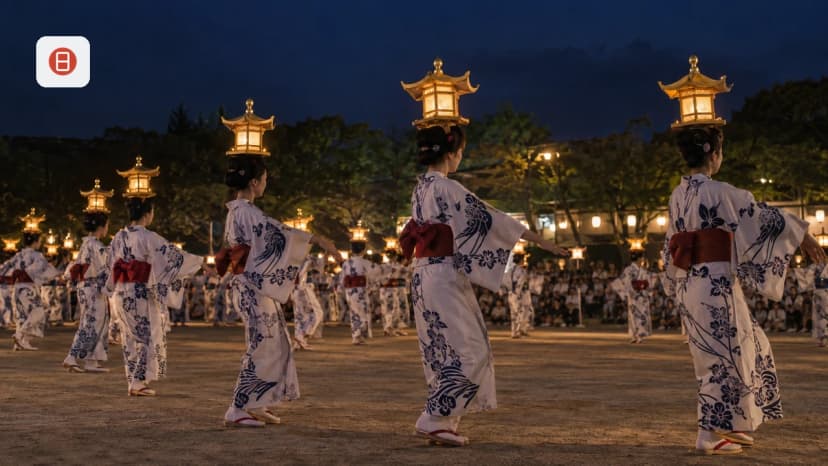
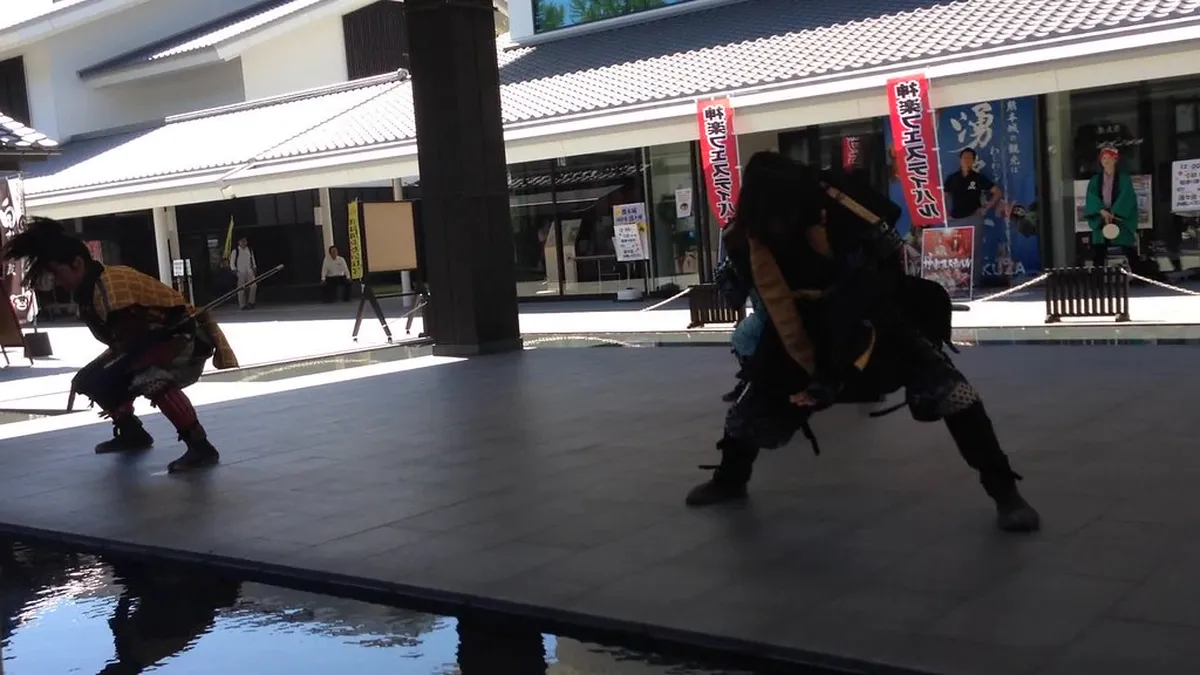
Live performances are staged in the central plaza throughout the day. Shows typically feature samurai characters, traditional music, and short historical vignettes. The schedule is posted at the entrance every morning. Arriving before 10:00 gives you a quiet walk before the tour groups arrive.
Photography is excellent here in the early and late parts of the day. The wooden storefronts frame the castle keep directly above, giving a clean foreground-background shot without crowds. Costumed visitors in period dress are common on weekends, adding another layer to any street photo.
The tourist information center is practical, not just decorative. Staff provide up-to-date maps of the castle grounds, details on which restoration zones are open, and recommendations for the rest of the city. Many people choose to visit Kato Shrine after the market, which sits a short walk north and adds historical context to the area.
Wakuwakuza History and Cultural Experience
Wakuwakuza is the hands-on museum attached to the rear of the Josaien complex. Admission is ¥300 for adults and ¥100 for children aged 6 to 15. Groups of 30 or more receive a discount. The museum closes at 17:30 with last admission at 17:00, and shuts entirely from 29 to 31 December.
The most compelling exhibit uses 3D projections and video to show the castle as it appeared before the April 2016 earthquakes. The footage is visceral — you see stones weighing several tonnes displaced or collapsed — and it sets up the rest of your castle visit with real emotional weight. A second exhibit traces the ongoing reconstruction, including the painstaking process of reassembling original stonework by hand.
Families appreciate the costume-hire area on the upper floor. Children can dress in samurai or castle-town merchant attire and walk the Josaien streets for photos. Digital interactive displays let visitors try their hand at traditional crafts and archery simulations. It is worth the ¥300 admission for most visitors, particularly those with children or a strong interest in the 2016 earthquake recovery story.
A Taste of Old Kumamoto: Local Food and Shopping
Food is a major draw here, but the pricing is worth understanding before you order a full meal. Snacks and small bites are genuinely good value and showcase regional specialties that are hard to find elsewhere. Sit-down restaurant meals tend to cost more than equivalent restaurants downtown, so a common approach is to eat snacks at Josaien and save a proper meal for the Shinshigai arcade area nearby.
Ikinari dango — sweet potato and red-bean dumplings — sell for around 150 to 250 yen each and are the quintessential Kumamoto snack. They are served warm and filling. Karashi renkon, lotus root packed with spicy mustard paste, costs around 500 to 800 yen for a portion and is one of the prefecture's most distinctive savory foods. Shops often give small samples, so ask before you buy. Look also for basashi croquettes — horse meat, a Kumamoto specialty — sold at several stalls in the market and worth trying even if you're unfamiliar with the ingredient.
Souvenir shopping is easy here. Kumamon goods are everywhere, but the more interesting purchases are handmade pottery from local kilns and woodwork items specific to Higo craftsmanship. Most shops accept IC cards and major credit cards, but a few snack stalls prefer cash. The market area is open 09:00 to 19:00 from March through November, and 09:00 to 18:00 in winter.
What the Castle Looks Like From Here in 2026
Standing in the Josaien market, you have a direct sightline up the castle hill to the main keep. This vantage point makes Josaien one of the best places in the city to understand just how much reconstruction work has happened since the 2016 earthquakes. The main keep and Hon-maru Palace reopened to visitors years ago, and the skyline from the market now looks largely complete compared to the scaffold-heavy views of 2018 and 2019.
What you will still notice are the lower stone walls, particularly on the western and northern sections, where repair work continues. Crews are reassembling original stones using centuries-old techniques, numbering each block before repositioning it. You can sometimes see workers on the walls from the Josaien plaza. The Wakuwakuza museum's before-and-after exhibits give these visible repairs their full context — seeing the damage in the museum and then the recovery on the hill above creates a genuinely memorable sequence.
Full restoration of all damaged walls is not expected until the mid-2030s. In 2026, roughly 70 percent of the castle complex is accessible to visitors. The tourist information center inside Josaien has the most current map of which paths and lookout points are open, updated seasonally as new sections are cleared.
How to Get to Sakuranobaba Josaien
The Shiromegurin loop bus is the most direct option from JR Kumamoto Station. It stops at Sakuranobaba Josaien itself, making it a slightly easier choice than the tram if you are carrying bags. The bus runs on a loop and takes about 15 minutes from the station; a single ride costs 200 yen. A one-day Shiromegurin pass costs 500 yen and makes sense if you plan to visit Suizenji Garden later.
The city tram is the most frequent option. From JR Kumamoto Station take the line toward Kengunmachi and get off at the Kumamotojo-mae/Shiyakusho-mae stop, then walk about five minutes to the complex entrance. A single tram ride costs 180 yen. If you plan to use the tram more than twice in one day, a one-day tram pass (500 yen) saves money and removes the need to carry coins.
A taxi from the station takes about ten minutes. Fares run from ¥1,200 to ¥1,500 in normal traffic, and up to ¥2,000 in heavy traffic. Taxis are the most practical choice if you have large luggage. Japan's luggage forwarding service (takuhaibin) is also worth considering — most convenience stores and hotels in Kumamoto will ship a suitcase to your next accommodation for around ¥2,000 to ¥2,500, letting you travel light for the day.
Best Time to Visit and Weather Tips
Late March to early April is peak cherry blossom season. The castle grounds and the Josaien perimeter fill with sakura, and the combination of pink blossoms framing old wooden buildings is the most photographed view in Kumamoto. Crowds are heavy on weekends during this period; plan a weekday morning visit if you can.
Autumn from mid-October to late November brings cooler temperatures and coloured foliage. This is the most comfortable season for extended walking between Josaien and the castle grounds. You can combine the visit with a trip to Suizenji Garden, which is around 20 minutes by tram and equally beautiful in autumn.
Summer in Kumamoto is hot and humid from late June through August. The Wakuwakuza museum is fully air-conditioned, so it becomes a useful midday retreat. Plan outdoor walking for before 10:00 or after 17:00 during July and August. Kumamoto Castle also runs evening illuminations on selected summer nights, when Josaien extends its hours to around 19:30 to capture the evening foot traffic.
Sit-down restaurant prices at Josaien run higher than equivalent restaurants in the Shinshigai or Shimotori arcades ten minutes away on foot. Graze on regional snacks here — ikinari dango, karashi renkon, basashi croquettes — and save a full meal for the city arcades for better value.
Is Sakuranobaba Josaien Worth Visiting?
Yes, but with realistic expectations about the food. The sit-down restaurants here run at tourist prices. Online reviews consistently note that the atmosphere is the draw, not the cuisine. The smart approach is to graze on regional snacks — ikinari dango, karashi renkon, basashi croquettes — rather than paying for a full meal. You can then eat a proper lunch or dinner at the Shinshigai or Shimotori arcades, which are ten minutes away by foot and offer much better value.
The free market area alone justifies a visit if you are already at the castle. The combination of souvenir shopping, live performances, local snacks, and the tourist information center makes this the most practical base for a half-day in central Kumamoto. The ¥300 museum admission is genuinely worthwhile for the earthquake and reconstruction exhibits, especially if the visual context of seeing damaged walls being repaired on the hill above is something you want to understand.
For families, the costume hire and interactive museum elements make Wakuwakuza a definite add. For solo travelers on a budget, the free outdoor area is enough. For history-focused visitors, the museum-plus-castle combination, with tickets available right here at the Josaien information center, is the most efficient way to spend a morning in the city.
Practical Visitor Information (Hours, Tickets, and Maps)
Shops in Sakura-no-koji are open 09:00 to 19:00 from March through November, and 09:00 to 18:00 from December through February. Restaurants open at 11:00 and close at 19:00. The Wakuwakuza museum and tourist information center run 09:00 to 17:30, with last museum admission at 17:00. Wakuwakuza is closed from 29 to 31 December. On evenings when Kumamoto Castle holds night illuminations, the complex stays open until around 19:30.
| Zone / Facility | Hours (Mar–Nov) | Hours (Dec–Feb) | Admission |
|---|---|---|---|
| Sakura-no-koji shops | 09:00–19:00 | 09:00–18:00 | Free |
| Restaurants | 11:00–19:00 | 11:00–19:00 | Free entry |
| Wakuwakuza Museum | 09:00–17:30 (last entry 17:00) | 09:00–17:30 (last entry 17:00) | ¥300 adults / ¥100 children (6–15) |
| Tourist info center | 09:00–17:30 | 09:00–17:30 | Free |
| Night illumination evenings | Extends to ~19:30 | Free (market area) | |
Wakuwakuza admission is ¥300 for adults and ¥100 for children aged 6 to 15. You can also purchase combined tickets for the castle and the museum at the Josaien information center. Buying your castle ticket here lets you skip the main castle gate queue — a useful time saver during peak seasons. The information center staff also provide English-language audio guide app instructions for the castle interior.
You can buy combined Kumamoto Castle + Wakuwakuza Museum tickets at the Josaien tourist information center, bypassing the main castle gate queue — a worthwhile time-saver during cherry blossom season and Golden Week.
The site is fully wheelchair accessible. The complex provides wheelchairs on loan, multipurpose restrooms, elevators, stroller hire, a nursing room, and permits guide dogs. Coin lockers for small bags are available on site. For large luggage, leave bags at the JR Kumamoto Station lockers or use the takuhaibin forwarding service from your hotel. Find the exact location via the Sakuranobaba Josaien map on Google Maps.
Frequently Asked Questions
Is Sakuranobaba Josaien free to enter?
Entry to the Sakura-no-koji shopping and dining area is completely free for everyone. You only need to pay a small fee if you wish to enter the Wakuwakuza history museum. This makes it a great budget-friendly stop during your tour of the Kumamoto Castle grounds.
How much time do you need at Sakuranobaba Josaien?
Most visitors spend about 60 to 90 minutes exploring the shops and museum. If you plan to have a full meal at one of the restaurants, allow for two hours. This gives you enough time to browse souvenirs and watch a short performance in the plaza.
What are the best things to eat at Josaien?
The top snacks to try are Ikinari dango and karashi renkon. These items are famous regional specialties that reflect the history of Kumamoto. Many visitors also enjoy the local sea urchin croquettes or Kumamoto-style ramen available at the various food stalls in the market.
Can you buy Kumamoto Castle tickets at Sakuranobaba Josaien?
Yes, you can purchase combined tickets for the castle and the museum at the Josaien information center. This is a very smart move as it helps you avoid the longer queues at the main castle ticket booths. It ensures a smoother transition between the two attractions.
Sakuranobaba Josaien is a delightful addition to any Kumamoto itinerary. It successfully bridges the gap between historical education and modern entertainment. Whether you come for the food or the museum, the atmosphere is memorable. We hope this guide helps you enjoy every moment of your visit.
Remember to bring your appetite and a camera for the beautiful streets. The combination of the castle and this town recreation is truly special. Safe travels as you explore the wonders of Kumamoto in 2026. Enjoy the unique tastes and sights of this historical Kyushu treasure.
For official details, visit the Sakuranobaba Josaien official site and Sakuranobaba Josaien on Wikipedia.
For more Kumamoto trip planning, see our Kumamoto Attractions, Kumamoto 2-Day Itinerary, Sakuranobaba Josaien Guide guides.