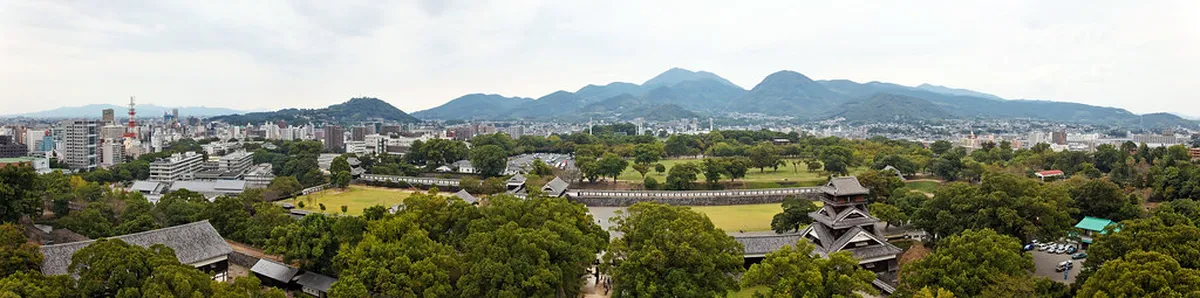
Kumamoto Castle is the landmark most visitors build their Kumamoto itinerary around. The reconstructed main keep, dramatic stone walls, surviving turrets, and earthquake restoration zones make the site both a classic castle visit and a clear look at how Japan protects major cultural heritage in 2026.
This Kumamoto Castle visitor guide focuses on the practical decisions that matter on the ground: how long to allow, how to arrive from Kumamoto Station, when to visit, what is accessible, and which nearby stops fit before or after the castle. The castle is central enough for a short stop, but it rewards travelers who give it a slow half day.
Some parts of the grounds remain affected by long-term repair work after the 2016 Kumamoto earthquakes, so routes can feel different from older guidebooks. Check the official Kumamoto Castle website before you go, then use this page to plan a realistic route around the attraction and nearby Kumamoto sights.
Is Kumamoto Worth Visiting?
Yes. Kumamoto is worth visiting if you want an easy Kyushu city with a major historic attraction, good food, and simple onward access to Aso, Fukuoka, Kagoshima, and other regional stops. It feels less overwhelming than Japan's largest cities, but the castle, shopping arcades, gardens, and local dining give it enough depth for one or two nights.
Kumamoto Castle is the main reason many travelers come. The scale of the stone walls is best appreciated in person, especially from the approach paths around the main keep and the restored viewing routes. The combination of reopened areas and visible repairs also makes the castle different from sites that feel completely polished.
If you have extra time, pair the castle with Suizenji Garden for a calmer landscape garden experience. Travelers with a full day can add food stops around Sakuranobaba Josaien or Shimotori, while history-focused visitors can continue to Honmyoji Temple, connected with Kato Kiyomasa, the lord who built Kumamoto Castle.
What is Kumamoto Castle?
Kumamoto Castle is one of Japan's most famous castles and the defining attraction of Kumamoto City. Kato Kiyomasa completed the castle in the early 1600s, using huge stone walls, layered gates, and defensive approaches to create a fortress designed to slow attackers before they reached the core keep.
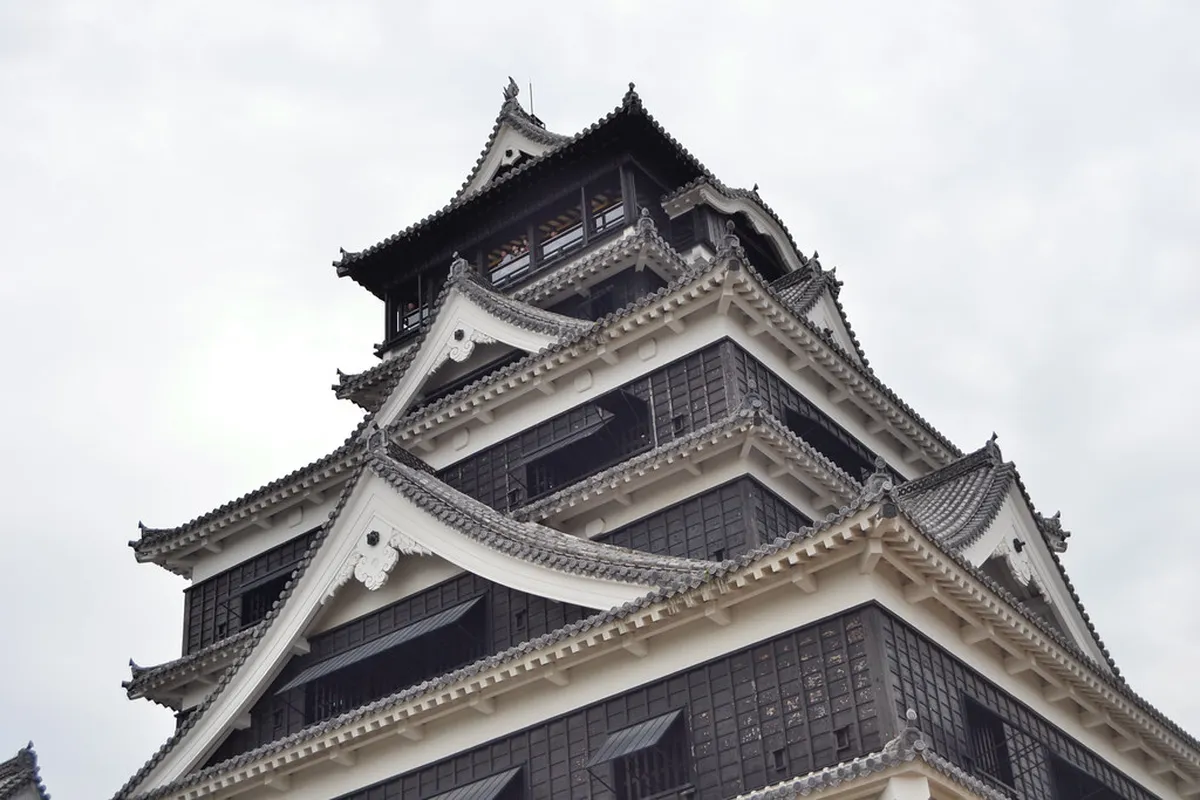
The castle is especially known for its steep, curving stone walls called mushagaeshi. From below, the walls look climbable at first, then become sharply angled near the top. That visual detail is one of the easiest ways to understand the castle's defensive design without needing a specialist guide.
The 2016 Kumamoto earthquakes damaged the castle severely. In 2026, visitors can enter the restored main castle tower and see museum exhibits inside, but several parts of the grounds remain restricted for repair work. That means the best route is not simply "wander anywhere"; follow current signs, barriers, and staff guidance as you move through the site.
Where to Stay in Kumamoto
The most convenient areas are around the castle, Torichosuji, Sakuramachi, Shimotori, and the city tram line. These neighborhoods keep you close to restaurants and reduce the number of transfers needed for sightseeing. If Kumamoto Castle is your main priority, staying downtown is usually more efficient than staying beside Kumamoto Station.
Hotel Nikko Kumamoto works well for travelers who want a central, polished hotel near shopping and the castle area. HOTEL MYSTAYS Kumamoto Riverside is a practical alternative for visitors who want easier access to the river side of downtown and a quieter base.
Staying near Kumamoto Station makes sense if you arrive late, leave early, or plan several Shinkansen trips. The trade-off is that you will likely use the tram or a taxi each time you head to the castle and shopping streets. For a first-time sightseeing stay, downtown usually saves more time.
Plan a Half-Day to Full-Day Castle Visit
Most visitors should allow about two to three hours for Kumamoto Castle itself, including the approach, the main keep, museum exhibits, photo stops, and time to navigate detours around repair zones. A quick visit is possible, but rushing the grounds removes much of what makes the castle impressive.
- Fast visit: allow 90 minutes for the main keep and nearby viewpoints.
- Balanced visit: allow two to three hours for the keep, stone walls, exhibits, and Sakuranobaba Josaien.
- Fuller history route: add Kumamoto Castle Museum Wakuwakuza and Honmyoji Temple.
Start in the morning if you want quieter photos and cooler walking conditions. Afternoon works better if you are arriving from another city by train, but leave enough buffer before last entry. The paths around the castle include slopes, stairs, stone surfaces, and occasional route changes, so comfortable shoes matter more than a packed checklist.
Opening Hours and Entrance Fee
Kumamoto Castle is open daily from 09:00 to 17:00, with last admission at 16:00 and final entry to the main castle tower at 16:30. It is closed on December 29 and may close during severe weather. Otherwise it is open year-round.
Admission is ¥800 for high school students and older, ¥300 for elementary and junior high school students, and free for children under 6. Groups of 30 or more pay ¥640 (adults) and ¥240 (students).
The main planning mistake is arriving too close to last admission. The castle is not only a tower; the value is in the approach, stone walls, exhibit flow, and views from the top. If your schedule is tight, prioritize the main keep and the key exterior viewpoints rather than trying to add every nearby stop.
| Visitor Type | Admission | Group Rate (30+) |
|---|---|---|
| High school students & older | ¥800 | ¥640 |
| Elementary & junior high school students | ¥300 | ¥240 |
| Children under 6 | Free | Free |
Allow at least two to three hours rather than rushing straight to the tower — the value of Kumamoto Castle is in the approach paths, the mushagaeshi stone walls, and the exhibits inside. Start in the morning for cooler walking conditions and quieter photography at the castle exterior.
How to Get to Kumamoto Castle
The castle sits in central Kumamoto, away from Kumamoto Station but easy to reach by tram, bus, or taxi. From Kumamoto Station, the city tram is usually the simplest option for independent travelers. Get off around Kumamotojo-mae or a nearby downtown stop, then follow signs toward the castle grounds.
A taxi is useful if you are traveling with luggage, visiting in hot or wet weather, or moving between the castle and a hotel outside the tram corridor. Walking from the main shopping arcades is straightforward, but the final approach can include slopes and detours depending on the current restoration route.
For accessibility, check the official route information before visiting. Some castle areas are easier than others, and repair-related closures can change the most convenient path. Travelers using wheelchairs, strollers, or canes should build in extra time and avoid planning the castle as a rushed transfer-day stop.
Best Time to Visit
Spring is popular because cherry blossoms around the castle create the classic Kumamoto view, but it also brings heavier crowds and higher hotel demand. Autumn is often the most comfortable season for walking, with milder temperatures and clearer weather for city views from the keep.
Summer can be hot and humid, so start early, carry water, and plan indoor breaks at the main keep exhibits or Wakuwakuza. Winter is usually quieter, though shorter daylight makes timing more important. In any season, avoid arriving just before closing unless you only want a brief exterior look.
Last admission is at 16:00 and final entry to the castle tower is at 16:30 — do not arrive close to these times if you want the full experience. The castle is closed on December 29 and may close during severe weather. Some grounds areas remain restricted due to ongoing post-2016 earthquake repairs; follow current signs and barriers.
If your itinerary asks "When are you traveling?" the answer should shape the route. Cherry blossom travelers should book hotels early and expect crowding. Families may prefer morning visits before heat and lines build. Photographers should watch the light on the stone walls and plan a slower loop rather than moving straight to the tower.
Guided Tours and What's Included
A guided walking tour is worthwhile if you want help understanding the stone walls, earthquake damage, restoration work, and Kato Kiyomasa's role in the castle's history. Independent visitors can still enjoy the site, but a local guide can make the defensive design and route restrictions easier to interpret.
Before booking any Kumamoto Castle walking tour, check exactly what is included. Some tours include guide service only, while admission, transportation, food, or hotel pickup may be separate. Also confirm the meeting point, language, cancellation terms, and whether the tour enters the main keep or focuses on the exterior grounds.
A tour is best for first-time visitors, families who want context without reading every display, and travelers with limited time. Independent entry is better if you prefer a flexible pace, already know Japanese castle history, or want to spend extra time photographing the walls and restoration areas.
Other Things to Do Nearby
Sakuranobaba Josaien is the easiest add-on because it sits beside the castle area and has food, souvenirs, and the Wakuwakuza museum. It is the best choice when you want a short extension without adding another transit leg.
Suizenji Garden pairs well with the castle because it shows a different side of Kumamoto: refined landscaping rather than military architecture. Reigando Cave is more of a half-day side trip for travelers interested in Miyamoto Musashi, while Tsujunkyo Bridge is better for visitors with a car or a wider Kumamoto countryside plan.
What is Kumamoto known for beyond the castle? The city is known for local food, a relaxed downtown, access to Mt. Aso, and its role as a major Kyushu hub. Kumamoto is a major city and the prefectural capital, so it works well as both a sightseeing stop and a base for regional travel.
Frequently Asked Questions
What is Kumamoto Castle known for?
Kumamoto Castle is known for its large reconstructed keep, imposing stone walls, mushagaeshi defensive curves, and visible restoration after the 2016 earthquakes. It is the top historic attraction in Kumamoto City.
How much does it cost to enter Kumamoto Castle?
Admission is ¥800 for high school students and older, ¥300 for elementary and junior high school students, and free for children under 6. Groups of 30 or more pay ¥640 (adults) and ¥240 (students).
What is Kumamoto known for?
Kumamoto is known for Kumamoto Castle, access to Mt. Aso, local foods such as basashi and karashi renkon, Kumamon, and a compact downtown that works well for Kyushu sightseeing.
Is Kumamoto a major city?
Yes. Kumamoto is the capital of Kumamoto Prefecture and one of Kyushu's major cities, with strong rail, tram, bus, shopping, dining, and hotel infrastructure for travelers.
Kumamoto Castle remains one of Japan's most rewarding castle visits in 2026 because it combines scale, history, city views, and an active restoration story in one central site. Give yourself enough time for the main keep and the exterior approaches, then add nearby stops based on your energy and transport plan.
For most travelers, the strongest itinerary is simple: visit the castle early, pause at Sakuranobaba Josaien or Wakuwakuza, then continue to Suizenji Garden, downtown food streets, or another Kumamoto attraction. That pace keeps the day focused while still showing why Kumamoto is more than a one-photo castle stop.
To verify current details, consult the Kumamoto Castle on Wikipedia.
For more Kumamoto trip planning, see our Kumamoto Attractions, Kumamoto 2-Day Itinerary, Kumamoto Castle Tickets & Tips guides.