
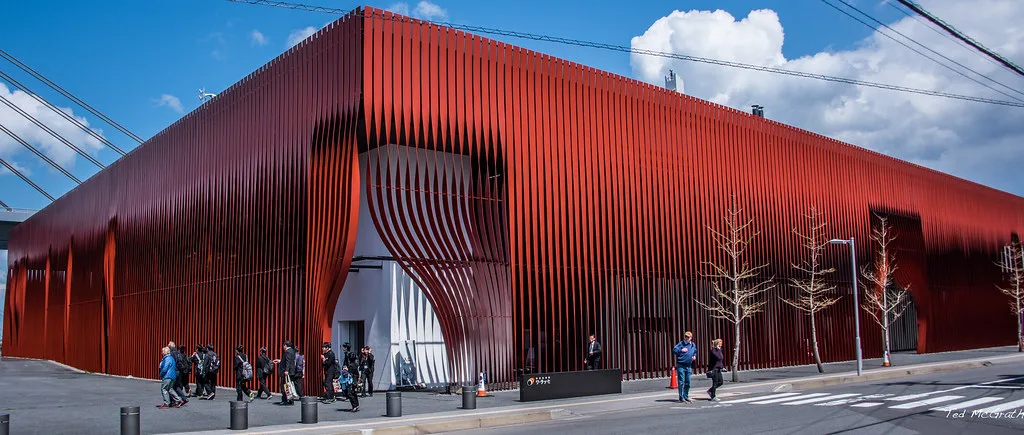
Nebuta Museum WA RASSE
Waterfront museum letting you experience Aomori's Nebuta Matsuri year-round, with full-size illuminated floats.
Visitor guide →
Planning Aomori attractions for 2026? Compare the 6 best things to do in Aomori — Nebuta WA RASSE, Hakkoda Mountains, Oirase Gorge, Lake Towada and the bayfront — with prices, hours, transport and the best time to visit.
Aomori packs an unusual range into one compact corner of northern Honshu, and that mix is exactly what makes its attractions worth the trip up the Tohoku Shinkansen in 2026. The city is the home of the Nebuta Matsuri — the giant illuminated-float festival that draws roughly three million people every August — and you can experience it year-round at the waterfront Nebuta Museum WA RASSE. Step out of the city and the Hakkoda Mountains, Oirase Gorge and Lake Towada deliver some of the best foliage, hot springs and lake scenery in Japan, while the harbourfront pairs the cable-stayed Aomori Bay Bridge with A-Factory, a glass-walled market built around Aomori's famous apples and cider.
Most first-timers struggle less with finding things to do than with sequencing them: the city sights sit within a short walk of the station, but the headline nature spots are a bus or drive into the mountains. We've narrowed the field to the 6 attractions that consistently reward the time and ticket price, and each card below links to a full visitor guide with verified 2026 opening hours, current pricing and practical access notes. Use this hub as your starting point, then read on for how to split them across one or two days, what's free versus paid, and the best time of year to come.
Waterfront museum letting you experience Aomori's Nebuta Matsuri year-round, with full-size illuminated floats.
Visitor guide →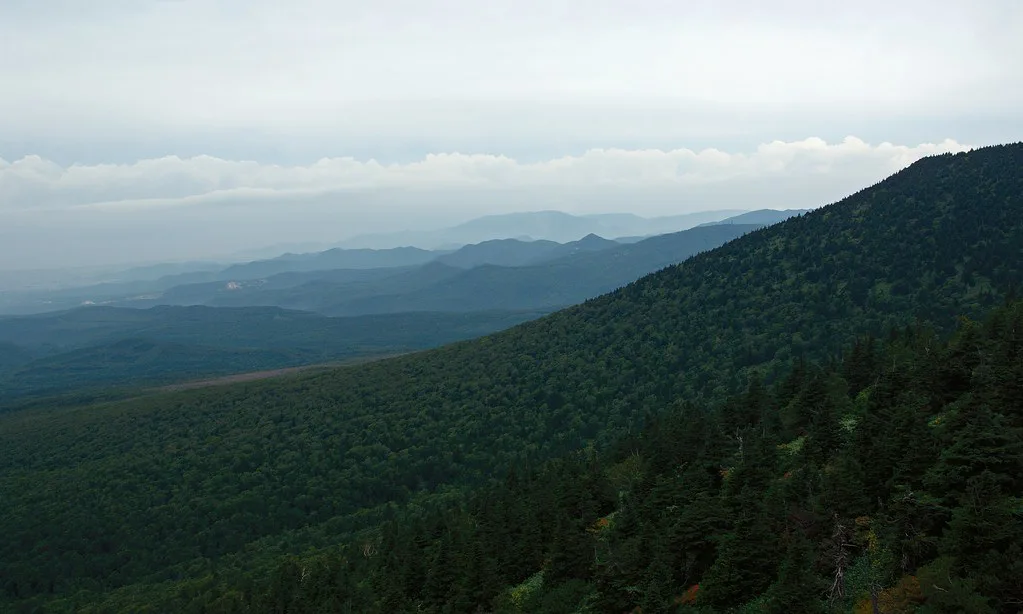
Volcanic peaks south of Aomori reached by ropeway — autumn colours, summer alpine hiking and winter frost-covered trees.
Visitor guide →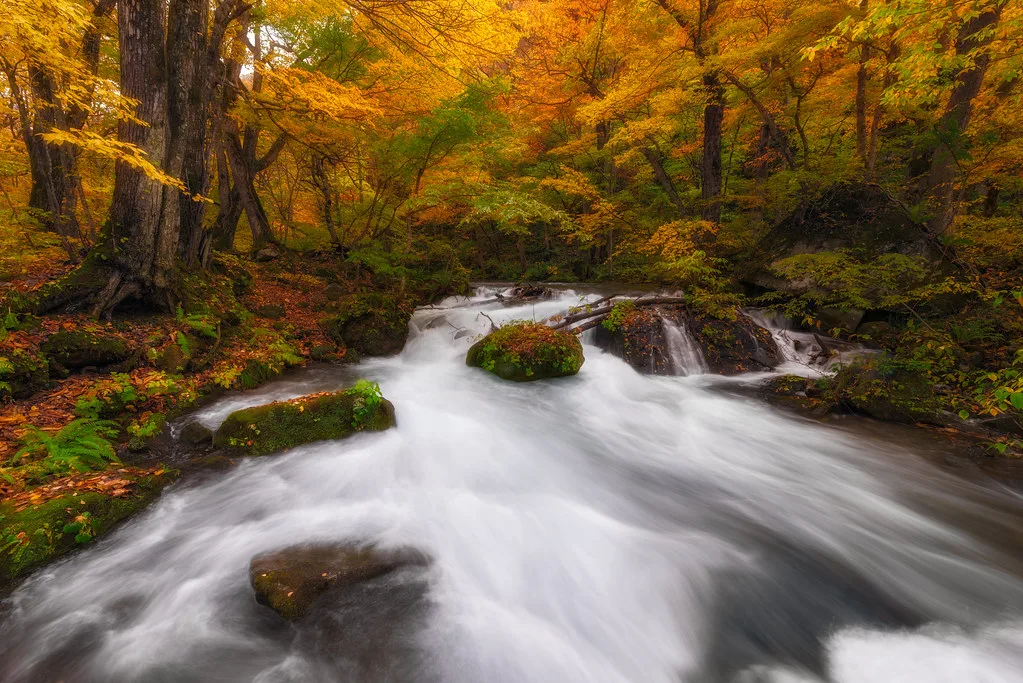
A picturesque ~14 km stream trail from Lake Towada lined with waterfalls and rapids, stunning in autumn.
Visitor guide →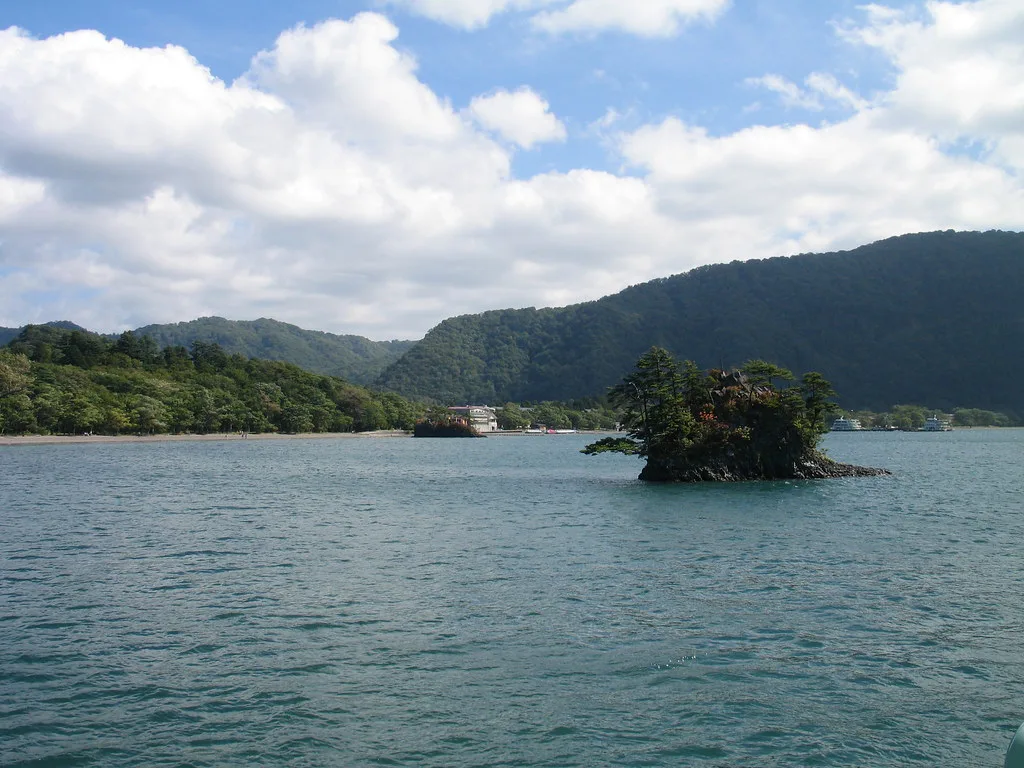
A deep caldera lake on the Aomori–Akita border with sightseeing cruises, forests and the bronze Maidens statue.
Visitor guide →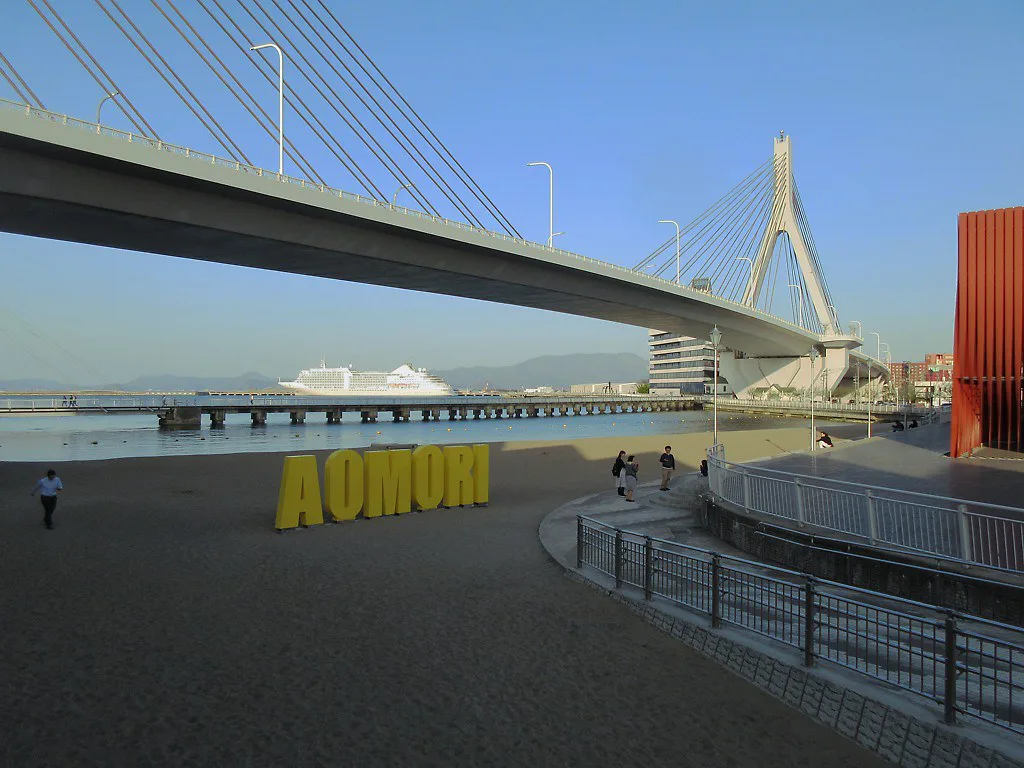
Aomori's signature cable-stayed bridge over the port, with a pedestrian walkway and bay views near A-Factory.
Visitor guide →
A bayside market hall by Aomori Station with an on-site apple-cidre brewery, food court and Aomori souvenirs.
Visitor guide →The 6 sights above fall into three natural groups, and grouping them this way makes planning far easier than working off a single list.
Aomori's identity runs through the Nebuta Matsuri, and Nebuta Museum WA RASSE on the waterfront is the one attraction you can rely on whatever the season. Inside, full-size illuminated floats retired from past parades fill a darkened hall, and staff demonstrate the haneto dancing and the drum-and-flute music that power the August procession. It's the best single place to understand why this festival is named one of the Three Great Festivals of Tohoku — and it's a five-minute walk from Aomori Station.
The headline reason many travellers come to Aomori at all is the scenery just outside the city. The Hakkoda Mountains are a cluster of volcanic peaks reached by ropeway, famous for autumn colour, summer alpine hiking and the frost-covered "snow monster" trees of deep winter. To the southeast, Oirase Gorge is a roughly 14 km stream trail lined with waterfalls and moss-covered rapids that flows out of Lake Towada, a deep blue caldera lake on the Aomori–Akita border with sightseeing cruises and the bronze Maidens by the Lake statue. The gorge and lake are usually combined into a single day trip.
Back in the city, the harbour gives you two easy, low-effort stops. The Aomori Bay Bridge is the city's signature cable-stayed crossing, with a pedestrian walkway and wide bay views, while A-Factory is a stylish glass market hall beside the station with an on-site apple-cidre brewery, a food court and the best selection of Aomori souvenirs. Together they fill the gap between a museum visit and your next train.
One of Aomori's quiet advantages is how much of it costs nothing. Several of the best sights are open-air and free to enjoy:
The paid attractions are well worth their modest fees. Nebuta Museum WA RASSE charges around ¥620 for adult admission, and the Hakkoda Ropeway is about ¥2,200 round trip to the summit station — the single biggest ticket on this list, and the one that unlocks the mountain's hiking and foliage. Always confirm current pricing on each linked guide before you travel, as seasonal and group rates vary.
It depends on how much of the nature circuit you want, but a clear rule of thumb works for most trips:
Aomori is the northern terminus of the Tohoku Shinkansen, so most visitors arrive at Shin-Aomori Station and transfer one stop on the local JR line to Aomori Station near the waterfront. From there, the bayfront cluster — Nebuta Museum WA RASSE, the Bay Bridge and A-Factory — is genuinely walkable, no transport needed.
For the nature spots you'll want buses or a car. JR buses run from Aomori Station up to the Hakkoda Ropeway and continue on toward Oirase Gorge and Lake Towada, though schedules thin out in winter and the Towada route is seasonal — check timetables before you set out. Renting a car gives you the most freedom for the Oirase–Towada loop, where stopping for the waterfalls is half the appeal.
Aomori rewards every season, but each one suits a different attraction:
The top attractions are Nebuta Museum WA RASSE for festival culture, the Hakkoda Mountains and the combined Oirase Gorge and Lake Towada nature circuit, plus the bayfront Aomori Bay Bridge and A-Factory market by the station.
One day covers the walkable city and bay sights. Two days lets you add a day trip to either the Hakkoda Mountains or the Oirase Gorge–Lake Towada loop. Three days is ideal if you also pair Aomori with Hirosaki.
Early August (2nd–7th) for the Nebuta Matsuri, October for foliage in the mountains and Oirase Gorge, deep winter for Hakkoda's frost trees and skiing, and late April for cherry blossoms near Hirosaki.
Many sights are free, including Oirase Gorge, the Lake Towada shore, the Aomori Bay Bridge and entry to A-Factory. The main paid attractions are Nebuta Museum WA RASSE (around ¥620) and the Hakkoda Ropeway (about ¥2,200 round trip).
JR buses run from Aomori Station toward Oirase Gorge and Lake Towada, usually combined into one day trip. The route is seasonal and timetables thin out in winter, so renting a car offers the most flexibility for the loop.
Yes. Nebuta Museum WA RASSE on the waterfront displays full-size illuminated floats and demonstrates the music and haneto dancing year-round, so you can experience the festival's spirit even when the parade isn't running.
This hub covers the standout entity attractions, but our wider blog goes deeper on each. Start with the full things to do in Aomori pillar, then dive into the dedicated guides to the Hakkoda Mountains and the Oirase Gorge and Lake Towada circuit. Travelling the wider prefecture? Pair this with our Hirosaki attractions guide for an easy two-city Aomori loop in 2026.


