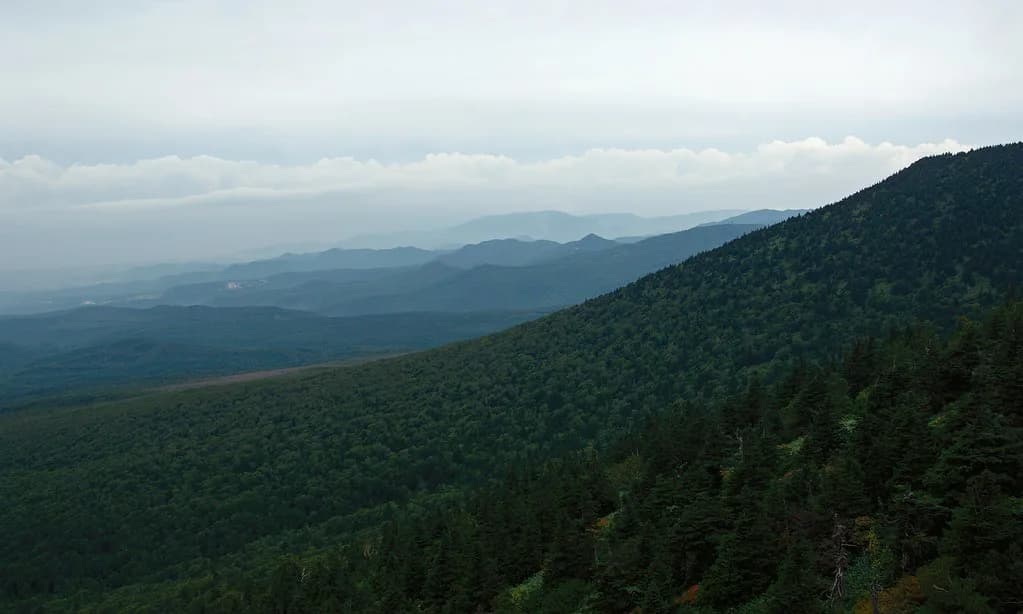
The Hakkoda Mountains stand as a wild and beautiful volcanic range in the heart of Aomori Prefecture.
Travelers visit this region to experience some of the deepest snow on the planet and stunning seasonal views.
Whether you want to ski through snow monsters or soak in ancient hot springs, this guide covers everything you need.
This 2026 hakkoda mountains visitor guide provides the latest tips on transport, safety, and local culture for your next adventure.
What Are the Hakkōda Mountains? Aomori’s Volcanic Peaks
The Hakkoda Mountains are a massive group of sixteen volcanic peaks located in northern Honshu.
Mount Odake serves as the highest point in the range, reaching an elevation of 1,585 meters.
The range is divided into a northern group and a southern group, each offering different terrain for hikers.
- Mountain Range Geographic Overview
- Location: Central Aomori Prefecture
- Highest Peak: Mount Odake
- Total Peaks: Sixteen volcanic summits
- Annual Snowfall: Up to 12 meters
Seasonal Highlights: When to See Snow Monsters and Autumn Leaves
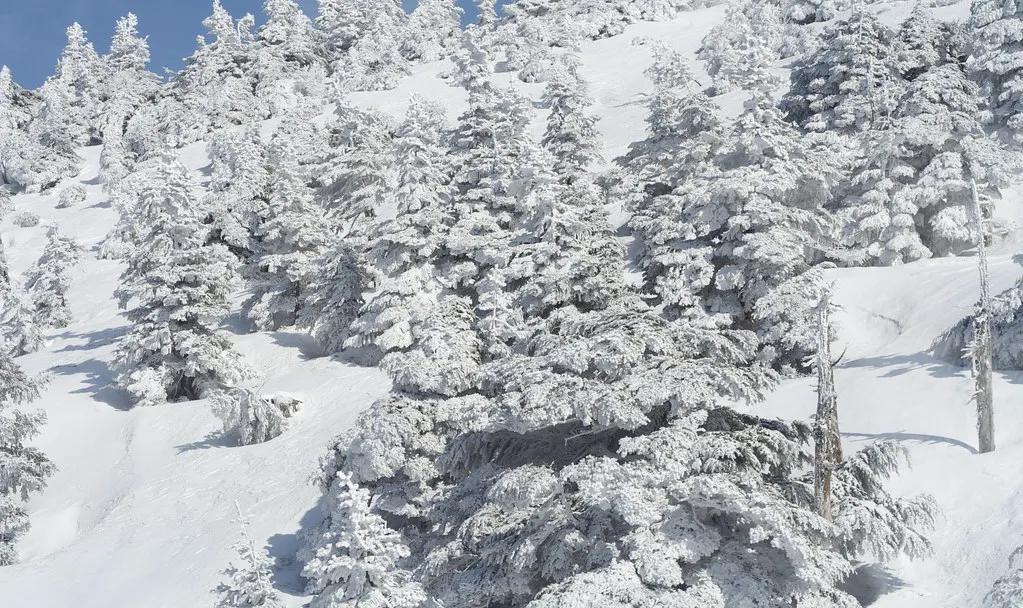
Winter is the most famous season here due to the incredible 'snow monsters' or Juhyo.
These frozen trees create a ghostly landscape that attracts photographers and skiers from around the world.
The best time to see these formations is usually from late January through February when the ice is thickest.
- Best Times for Seasonal Visits
- Snow Monsters: January to February
- Autumn Foliage: Mid to late October
- Summer Hiking: June to August
- Spring Skiing: March to May
Top Things to See: Hakkoda Ropeway and Tamoyachidake
The Hakkoda Ropeway Official site provides daily updates on the easiest way to reach the heights.
This cable car whisks visitors up to Mt. Tamoyachidake at 1,324 meters in just about ten minutes.
From the top station, you can enjoy panoramic views of Aomori City and the surrounding volcanic wilderness.
- Hakkoda Ropeway Visitor Details
- Adult Fare: Approximately ¥2,200 round trip
- Winter Hours: 9:00 AM to 3:40 PM
- Summer Hours: Closes at 4:20 PM
- Summit Peak: Mt. Tamoyachidake
Backcountry Skiing: Hina-dake and Tohoku Touring Routes
Hakkoda is a legendary destination for backcountry enthusiasts looking for deep powder and steep lines.
Hina-dake is a popular sub-peak for tree skiing that requires a 588-meter ascent for the best runs.
You should check Hokkaido Wilds for detailed topographic maps and GPX route files before heading out.
- Hina-dake Ski Touring Specs
- Elevation: 1,240 meters high
- Ascent Time: About 2 hours
- Descent Time: Roughly 1 hour
- Terrain Style: Advanced tree skiing
Cultural Dimensions: The 1902 Snow March and Local History
The mountains hold a somber place in Japanese history due to the 1902 Snow March incident.
During a winter training exercise, 199 soldiers lost their lives in a massive blizzard on these slopes.
You can visit the Hakkoda Mountains Memorial Museum to learn about this tragedy and its impact on the region.
Relaxing in Hakkoda: Sukayu Onsen and the "Thousand-Person Bath"
After a long day of exploring, most visitors head to the historic Sukayu Onsen for a soak.
This facility is famous for its 'Sennin-buro,' a massive wooden bath that can hold one thousand people.
It is one of the few remaining mixed-gender baths in Japan, though it has specific rules for all guests.
- Sukayu Onsen Etiquette Guide
- Bath Type: Traditional mixed-gender
- Women's Hours: Dedicated morning/evening times
- Modesty: Use provided wrap towels
- Photography: Strictly prohibited inside
Family-Friendly and Budget-Friendly Travel Options
Families can enjoy the natural beauty of the area without spending a fortune on expensive tours.
The nature trails around the ropeway base are well-marked and suitable for children during the summer months.
You can also find affordable snacks and local apple products at the nearby A-Factory in the city.
Where to Stay: Hirosaki Art Hotel and Mountain Lodges
Choosing the right base for your trip depends on your budget and your daily activity plans.
The Hirosaki Art Hotel offers modern comforts and easy access to regional transport for day trips.
If you want to be closer to the slopes, the Hakkoda Resort Hotel is located right near the ropeway station.
Logistics: How to Get to Hakkoda from Aomori Station
Most visitors start their journey at Aomori Station to catch the local JR bus.
The bus ride takes about one hour and offers scenic views as you climb into the volcanic highlands.
Private transfers are available for groups but can be quite expensive compared to public transport options.
- Transport Cost Comparison
- JR Bus: ~¥1,100 per person
- Taxi: ~¥8,000 one way
- Private Transfer: ~¥40,000 for 4 days
- Rental Car: ~¥7,000 per day
Planning Your Trip: Road Closures, Parking, and Safety
Winter travel in the Hakkoda range requires careful planning due to extreme weather conditions.
Major roads often close from 6:00 PM to 7:30 AM during the winter months to ensure public safety.
If the main parking lots are full, look for the overflow parking located one kilometer south on Route 40.
Frequently Asked Questions
What is the best time to see snow monsters in Hakkoda?
The best time to see snow monsters is from late January to mid-February. During this period, the heavy snowfall and freezing winds create the largest ice formations on the trees. Check the Aomori guide for seasonal updates before you travel.
How do I get from Aomori Station to the Hakkoda Ropeway?
You can take a JR Bus from Aomori Station directly to the Hakkoda Ropeway station. The journey takes about 60 to 80 minutes depending on road conditions. Buses run several times a day, but schedules may change during heavy winter storms.
Is Hakkoda skiing suitable for beginners?
Hakkoda is generally better suited for intermediate and advanced skiers due to its rugged backcountry terrain. While there are some groomed runs near the ropeway, the main draw is the deep powder. Beginners should consider taking a guided tour for safety.
Are there road closures in Hakkoda during winter?
Yes, many roads in the Hakkoda area close overnight from 6:00 PM to 7:30 AM during winter. These closures are mandatory to allow for snow removal and to prevent accidents. Always check local traffic reports before driving in the evening.
The Hakkoda Mountains offer a unique blend of natural power and deep cultural history.
From the relaxing waters of Sukayu Onsen to the challenging slopes of Hina-dake, there is something for everyone.
Use this guide to plan a safe and memorable trip to one of Aomori's most iconic destinations.
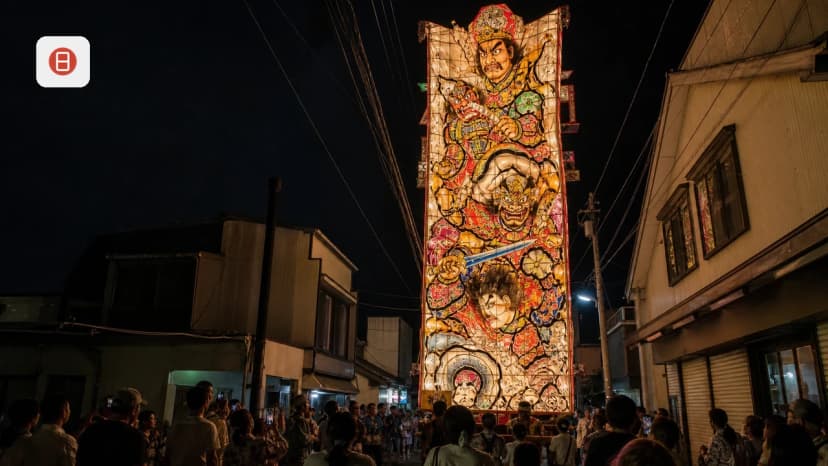
Be sure to visit the Nebuta Museum Wa Rasse when you return to the city for more local culture.
To verify current details, consult the Hakkoda Mountains on Wikipedia.