Aomori City offers a unique cultural experience at the stunning Nebuta Museum Wa Rasse. This facility serves as a year-round home for the massive, glowing floats used in the famous summer festival. Visitors can explore the intricate artistry and history of the Aomori Nebuta Matsuri without waiting for August. Our nebuta museum wa rasse visitor guide helps you plan every detail for an unforgettable trip to northern Japan.
What is the Nebuta Museum Wa Rasse?
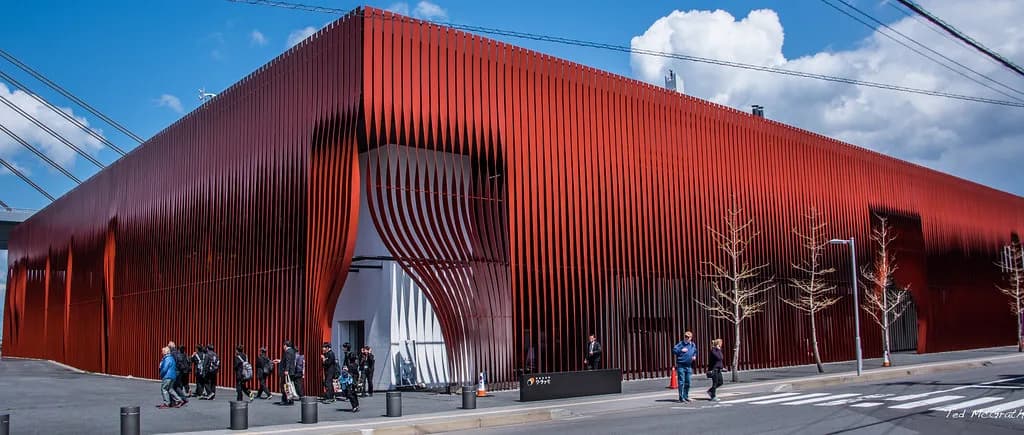
The Nebuta Museum Wa Rasse sits conveniently right next to the JR Aomori Station along the waterfront. It functions as a cultural hub that preserves the spirit of the city's most famous annual celebration. Local residents and international tourists come here to witness the incredible craftsmanship of these paper masterpieces. You can find the museum easily by looking for its striking red exterior near the bay.
The name Wa Rasse comes from a combination of the festival's traditional shouts and the concept of laughter. This museum provides a deep dive into the local identity of the Aomori region through art. It captures the energy of the summer festival and makes it accessible to everyone throughout the year. The building acts as a bridge between the quiet city and the vibrant world of folklore.
Inside the facility, you will find several zones dedicated to history, art, and hands-on learning. The main attraction is the massive hall where the actual floats from previous festivals are displayed. Visitors often feel dwarfed by the scale and vivid colors of these illuminated paper sculptures. It is the perfect starting point for any traveler exploring the northern tip of Honshu.
History and Significance of the Aomori Nebuta Matsuri
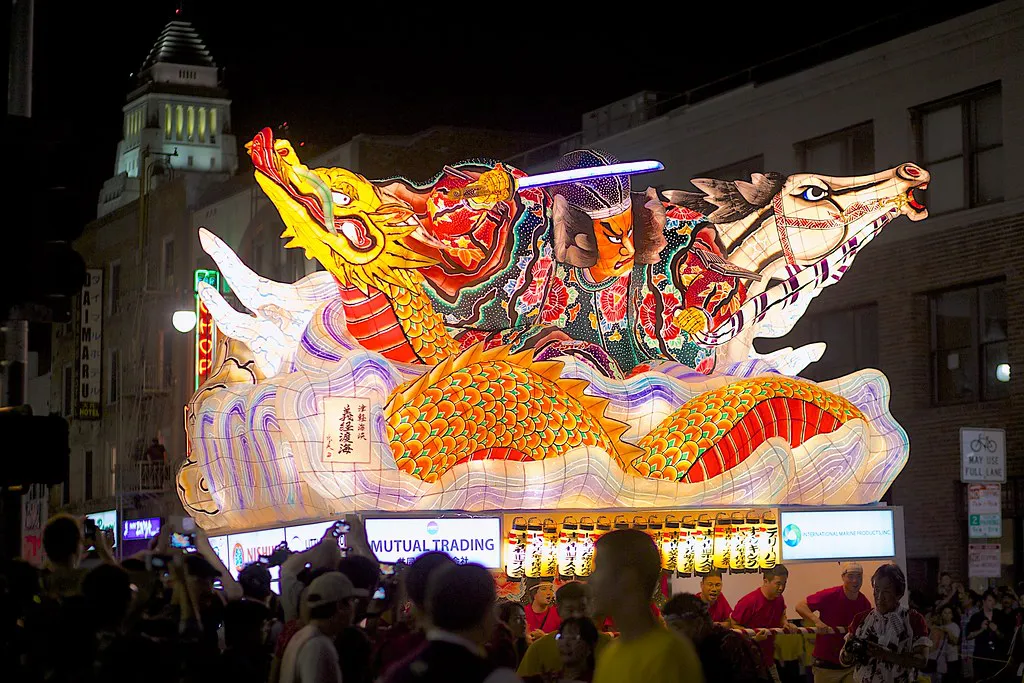
The Aomori Nebuta Matsuri is one of the most significant summer festivals in all of Japan. Its origins trace back to the Tanabata festival and ancient purification rituals held during the harvest season. Over centuries, simple lanterns evolved into the massive, complex floats that define the city today. This tradition is now recognized as an Important Intangible Folk Cultural Property by the government.
The festival typically takes place every year in early August, attracting millions of visitors to the streets. During the event, massive floats are paraded through the city accompanied by flutes and taiko drums. The museum preserves this history by explaining the evolution of the float designs and materials. Understanding this heritage adds a layer of depth to your overall Aomori travel guide experience.
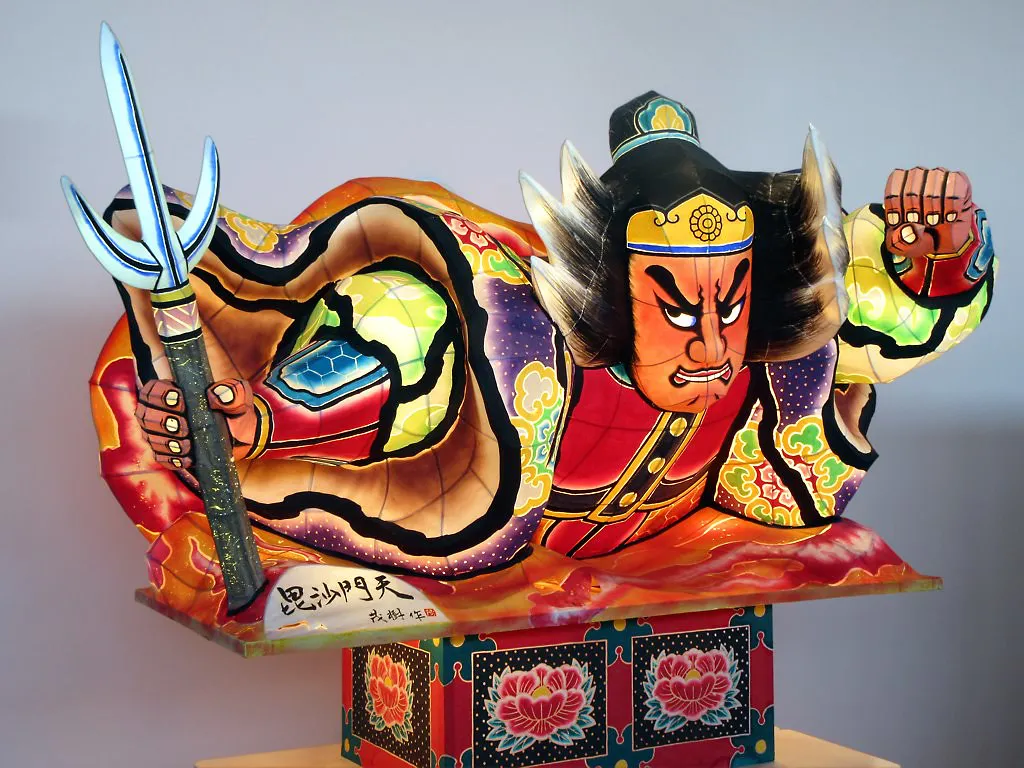
Each float depicts scenes from Japanese folklore, historical figures, or famous kabuki plays. These stories come to life through the glowing paper and intricate wire frames built by masters. The museum displays provide historical context for these legends, helping visitors appreciate the symbolic meanings. It is a celebration of local resilience and creative spirit that spans many generations.
The Architectural Design: 730 Red Steel Ribbons
The exterior of Wa Rasse is an architectural marvel that stands out in the Aomori skyline. It features 730 red twisted steel ribbons that wrap around the entire structure in a unique pattern. These ribbons were meticulously fabricated by the experts at the Kikukawa Project Gallery - Wa Rasse to ensure durability. The vibrant red color represents the energy and passion of the festival dancers.
This design creates a visual threshold between the modern city and the traditional festival world. The steel ribbons are approximately 12 meters long and feature a specialized fluororesin coating for protection. Light filters through the gaps in the ribbons, creating dynamic shadows inside the museum hallways. This innovative approach earned the building the prestigious Tohoku Architectural Award (AIJ) for its creativity.
Walking along the perimeter of the building allows you to see the 220 unique patterns in the steel. The architecture itself tells a story of modern engineering meeting ancient cultural traditions. It provides a sense of movement that mimics the swirling energy of the dancers during the parade. This iconic facade has quickly become one of the most photographed spots in the city.
Inside the Museum: The Nebuta Hall Experience
Entering the Nebuta Hall is like stepping directly into the heart of a summer night festival. The room is kept dark to allow the internal lights of the massive floats to shine brightly. You will see several award-winning floats from the most recent festival season on display here. The atmosphere is further enhanced by the sounds of traditional festival music playing in the background.
The hall allows visitors to get incredibly close to the floats to see the fine details. You can observe the delicate brushwork on the paper and the complex wire structures underneath. Interactive screens provide information about the specific stories and characters depicted on each massive float. It is a rare chance to appreciate the scale of these artworks without the festival crowds.
There is also a section where you can touch the materials used to build these giants. Feeling the texture of the washi paper helps you understand the fragility and strength of the art. The museum ensures that the legacy of the master builders is highlighted through these exhibits. Every corner of the hall offers a new perspective on this vibrant Japanese tradition.
How the Giant Nebuta Floats are Made
The construction of a Nebuta float is a year-long process led by a master artisan. These creators spend months planning the design and building the intricate internal wooden frames. Wire is then used to create the three-dimensional shapes of the legendary heroes and mythical beasts. Once the frame is complete, thousands of light bulbs are installed to provide the internal glow.
The most delicate step involves applying thin washi paper over the wire skeleton of the float. Artists then paint the paper with vivid pigments and black ink to define the characters' expressions. This combination of light and color creates the dramatic effect that makes the festival famous worldwide. The museum offers a technical breakdown of these steps for those interested in the engineering side.
Maintaining the tradition requires passing these skills down to new generations of apprentices. Each master has a unique style that can be recognized by local festival enthusiasts. The museum showcases the tools and techniques that have remained largely unchanged for decades. It is a testament to the dedication required to create such massive and temporary works of art.
- Average Float Dimensions
- Length: 9 Meters
- Width: 5 Meters
- Height: 7 Meters
- Primary Construction Materials
- Frame: Wood and Wire
- Skin: Washi Paper
- Lighting: LED or Bulbs
Interactive Experiences: Becoming a Haneto Dancer
One of the highlights of visiting Wa Rasse is the chance to participate in the festival culture. Visitors can learn the traditional Haneto dance through daily demonstrations held in the main hall. The energetic music of the taiko drums often encourages everyone to join in the fun. It is a great way to experience the physical energy of the Aomori festival firsthand.
For a truly immersive experience, you can rent the official Haneto dancer attire for about ¥4000. Wearing the traditional colorful robes and bells makes you feel like a true part of the celebration. The museum staff can help you dress properly and explain the meaning behind the costume. This activity is highly recommended for those who want more than just a standard museum tour.
There are also opportunities to try playing the massive taiko drums during scheduled performance times. Feeling the vibration of the drums through the floor is a powerful and memorable experience. These interactive elements ensure that the museum remains a living tribute to the festival. It is an engaging stop for families and solo travelers looking for active cultural participation.
Practical nebuta museum wa rasse visitor guide
Planning your logistics is essential for a smooth visit to this popular Aomori attraction. The museum is open daily from 9:00 AM to 6:00 PM, though hours may extend in the summer. You should aim to arrive at least an hour before closing to see everything properly. Check the Official Nebuta Museum Wa-Rasse Site for the most current schedule updates.
Admission fees are very reasonable for the quality of the exhibits provided inside. Adults typically pay ¥600, while discounts are available for students and large groups. Purchasing tickets at the entrance is a quick process during most times of the year. The facility is fully accessible for wheelchair users and those with limited mobility.
Travelers should note that the museum closes on August 9 and 10 for float renewal every single year. This closure happens so that the new award-winning floats can be moved into the exhibition hall. If you visit during the actual festival week, keep these specific dates in mind to avoid disappointment. The museum also closes for the New Year holidays on December 31 and January 1.
- Ticket Pricing Details
- Adults: 600 Yen
- High School: 450 Yen
- Elementary: 250 Yen
- Museum Operating Hours
- Open: 9:00 AM
- Close: 6:00 PM
- Last Entry: 5:30 PM
- Annual Closure Dates
- New Year: Jan 1
- Renewal: Aug 9-10
Best Time to Visit: Festival vs. Off-Season
Deciding when to visit depends on whether you prefer a calm experience or a high-energy event. Visiting during the off-season allows you to examine the floats in a quiet, climate-controlled environment. You can take your time with the interactive displays and enjoy the architecture without massive crowds. It is the best choice for photographers who want clear shots of the paper artwork.
Visiting during the August festival offers the chance to see the floats in motion on the streets. However, the museum becomes extremely busy and some sections might be restricted during this time. The city is also much more expensive and crowded during the first week of August. You will need to book your accommodation many months in advance to secure a room.
The museum is a great alternative if you cannot make it to the city during the summer. It provides a condensed version of the festival atmosphere that is available 363 days a year. Many travelers find that the museum offers a better educational experience than the hectic parade. Both options provide a wonderful look at the unique culture of northern Japan.
Things to Do Near Aomori Station
After finishing your tour of Wa Rasse, there are several other attractions within walking distance. The A-Factory shopping center is located right next door and offers local apple products. You can enjoy a glass of local cider while looking out over the scenic Aomori Bay. It is a great place to pick up unique souvenirs for friends and family.
A short walk away, you can see the impressive Aomori Bay Bridge stretching across the water. The bridge offers a pedestrian path with great views of the museum's red steel ribbons from above. It is especially beautiful at sunset when the lights of the city begin to glow. This area is perfect for a relaxing stroll after a morning of cultural exploration.
Food lovers should head to the nearby markets to try fresh seafood from the Mutsu Bay. The local markets offer a variety of seasonal fish and the famous Aomori scallops. Many restaurants near the station serve quick and delicious meals for hungry travelers. These nearby spots make the station area a complete destination for a full day of sightseeing.
Frequently Asked Questions
How much does it cost to enter the Nebuta Museum Wa Rasse?
General admission for adults is ¥600, while high school students pay ¥450 and elementary students pay ¥250. There are often discounts available for large groups or visitors with certain travel passes. You can find more information about special pricing on the Official Nebuta Museum Wa-Rasse Site before you arrive.
Is the museum open during the actual Aomori Nebuta Matsuri?
The museum is open during most of the festival week, but it closes specifically on August 9 and 10. This closure allows staff to move the newly crowned award-winning floats into the hall for the next year. It is important to check the calendar if you are visiting Aomori during the festival peak.
How long does it take to walk through the museum?
Most visitors spend about 60 to 90 minutes exploring the various exhibits and the main Nebuta Hall. If you decide to participate in the Haneto dance demonstration or drum performances, you should allow for more time. The museum is conveniently located near the station, making it easy to fit into a tight schedule.
Can I take photos of the floats inside the hall?
Yes, photography is generally allowed inside the Nebuta Hall, which is great for capturing the glowing paper floats. However, you should avoid using flash or tripods as they might disturb other visitors or the delicate artwork. Always look for signage in specific exhibit areas that might have different rules for temporary displays.
The Nebuta Museum Wa Rasse is a must-visit destination for anyone traveling through Aomori City. It provides a stunning look at the artistic dedication and cultural pride of the local community. Whether you visit for the architecture or the giant floats, the experience is sure to be memorable. Make sure to include this vibrant museum on your next trip to northern Japan.
For authoritative information, refer to the Nebuta Museum WA RASSE on Wikipedia.