Things To Do In Aomori Travel Guide
Plan things to do in aomori with top picks, neighborhood context, timing tips, and practical booking advice for a smoother trip.
On this page
Aomori sits at the northern tip of Japan's main island and offers a unique blend of culture, seafood, and extreme seasons that most visitors to Japan never experience.
This city delivers giant lantern festivals, Jomon-era archaeological sites, snow-monster mountains, and some of the finest seafood donburi in the country.
Finding the best things to do in Aomori helps you experience the true spirit of the Tohoku region rather than a watered-down tourist circuit.
Travelers can enjoy world-class seafood while surrounded by volcanic mountains, caldera lakes, and coastal scenery that changes dramatically with each season.
Useful resources: Japan Guide's Aomori page and Wikipedia's Aomori overview have up-to-date access and background details.
Key Takeaways
- Visit the Nebuta Museum WA-RASSE to see giant festival lanterns year round.
- Create your own seafood bowl at the Furukawa Fish Market for a local lunch.
- Explore the the Oirase Gorge trail for some of the best hiking and waterfalls in Japan.
Must-See Aomori Attractions
The city center is home to the famous Nebuta Matsuri festival museum which stays open year round.
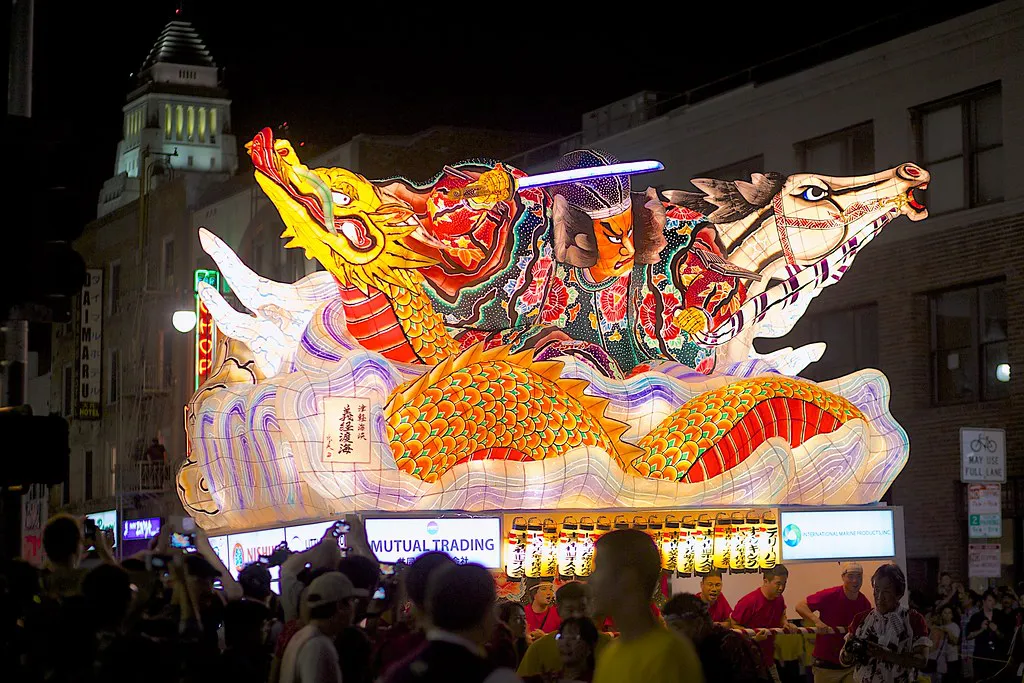
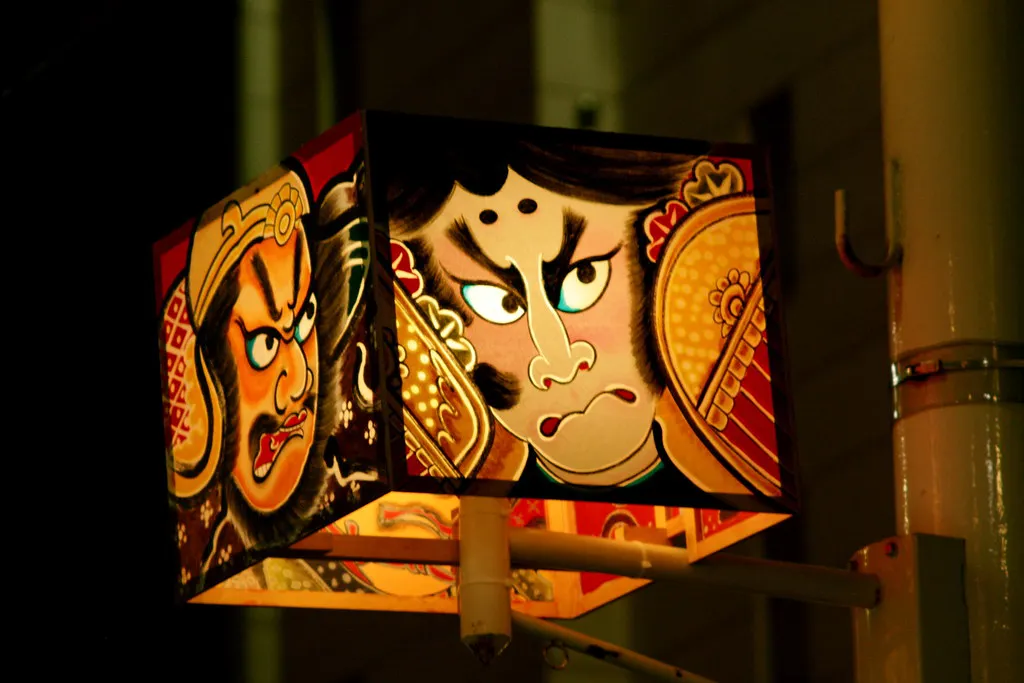
The Nebuta Museum WA-RASSE (¥620 entry, open 09:00–18:00 most days) is a five-minute walk from Aomori Station. Inside a black warehouse designed to evoke the night sky, you walk among the illuminated floats from recent festivals — each one a hand-painted papier-mâché giant, sometimes five metres tall. The museum explains how each float takes a single master craftsman months to complete. On select days, visitors can try the festival dancing or beat the taiko drums.
The Furukawa Fish Market in central Aomori is the place to build your own nokkedon, a seafood rice bowl. You buy a 12-ticket voucher for ¥2,000 and exchange tickets stall-by-stall for fresh toppings — sea urchin, scallop, salmon roe, squid — that vendors pile directly into your bowl. It is one of the most genuinely fun food experiences in northern Japan and far less crowded than the tourist markets in Tokyo.
The Aomori Bay area is worth a slow walk even if you skip the museums. The triangular Aspam tower has an observatory on the 13th floor with views across to Hokkaido on clear days. The historic Hakkoda Maru, a 1964 train-ferry that once crossed the Tsugaru Strait, sits permanently moored along the waterfront and is open to explore.
Museums, Art, and Culture in Aomori
The Aomori Museum of Art showcases modern works in a building inspired by ancient excavation sites.
The signature piece is the giant Aomori Dog, a nearly nine-metre ceramic sculpture by Aomori-born artist Yoshitomo Nara. Beyond Nara's work, the museum holds Marc Chagall's original backdrop sets from the Aleko ballet production — enormous canvases that you can stand inside. The white minimalist interior creates a calm contrast to the theatrical scale of the pieces.
The Sannai-Maruyama Special Historical Site (¥410 entry) is one of the largest Jomon-period settlements ever excavated in Japan, occupied continuously for roughly 1,700 years from around 3,900 BCE. The reconstruction of its six-pillared wooden tower and long-house structures is genuinely impressive. The on-site museum puts the scale of the settlement into context — this was not a small seasonal camp but a substantial community with trade links across Honshu.
The A-Factory next to Aomori Station is a JR tourism initiative that brings together a cider bar, local produce market, and restaurant under one roof. Aomori grows more than half of Japan's apple crop across around 50 varieties, and the factory lets you sample up to ten different ciders in small measured pours from a dedicated vending machine. Pick up a bottle of Tsugaru apple juice to take home — the sweet, fragrant Tsugaru variety is grown here and almost impossible to find elsewhere.
Parks, Gardens, and Outdoor Spots in Aomori
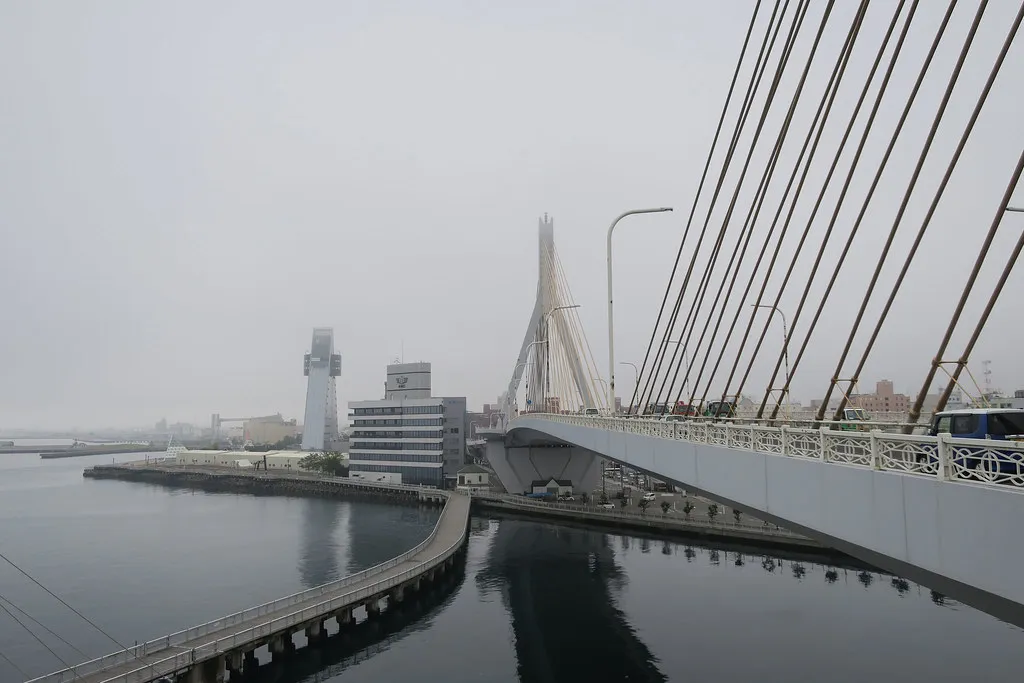
Walking through the Aomori Bay Bridge And A-factory waterfront offers refreshing ocean breezes and scenic views across the Tsugaru Strait.
The Hakkoda Mountains rise just 30 minutes from the city by bus and offer something remarkable in every season. In winter, the ropeway carries you up to Mount Tamoyachi (1,324 m) in ten minutes, where the trees are encased in layers of wind-blown ice that sculpt them into the shapes known locally as snow monsters — juhyo. The cable car runs from late November through late March, and on a clear day the snowfield views extend to Shimokita Peninsula. In summer and autumn the same slopes host excellent hiking trails through beech and birch forest. Japan has just one other equally famous rime-ice spot — Mount Zao in Yamagata — where the "snow monsters" grow even larger.
The rice fields that spread across the coastal plain south of Aomori City are a quieter draw. In late September and early October, the paddies turn gold as the harvest ripens. Cycling the back lanes between fields is an unhurried way to experience the agricultural rhythm of rural Tohoku — rent a bike from the station area and follow the flat roads toward the Hakkoda foothills.
Several parks in the city offer cherry blossoms in late April and early May. Gojoume Park and the waterfront Aoimui Park both draw local families for hanami picnics and are free to enter.
Unique Experiences in Aomori for 2026
Soaking at Sukayu Onsen is one of the most distinctive bathing experiences left in Japan. Built in 1929 from cypress wood in the hills near the Hakkoda ski area, this 300-year-old hot spring still operates as one of fewer than 500 konyoku — mixed-gender communal baths — still legally permitted in the country. The main sen-nin-buro, literally the "1,000-person bath," is a vast steam-filled wooden hall fed by alkaline mineral water. Women who prefer privacy can use a separate women-only section. Overnight stays include a kaiseki dinner and snowshoe walk in winter, and the inn arranges free roundtrip transfers from Aomori for guests.
Each year on 1 April the road between Sukayu Onsen and Yachi Onsen on Route 103 officially reopens for traffic after winter. Because Aomori receives some of the heaviest snowfall in Japan, the snow piles up to six or nine metres deep during winter. A team of snowplough operators works for nearly a month to carve out the passage, leaving walls of packed snow reaching six to seven metres on either side — and up to nine metres in heavy-snow years. Driving or walking the Hakkoda Snow Corridor in April and May is one of the most surreal experiences in Tohoku. It is free to visit and accessible by bus from Aomori.
The Tsugaru Railways Winter Stove Train runs from December to March out of Tsugaru-Goshogawara Station, about an hour and twenty minutes from Aomori by JR. The train itself goes essentially nowhere useful, but that is the point. A cast-iron wood stove sits in the middle of each carriage; passengers grill dried squid directly on the stove and drink warm sake while the snow-covered Tsugaru Plain passes outside. The ride lasts around 40 minutes one way. Tickets sell out quickly around New Year and on weekends — book as soon as the December schedule opens.
Things to do in Aomori Prefecture
A trip to Oirase Gorge and Lake Towada is essential for anyone who loves hiking and waterfalls.
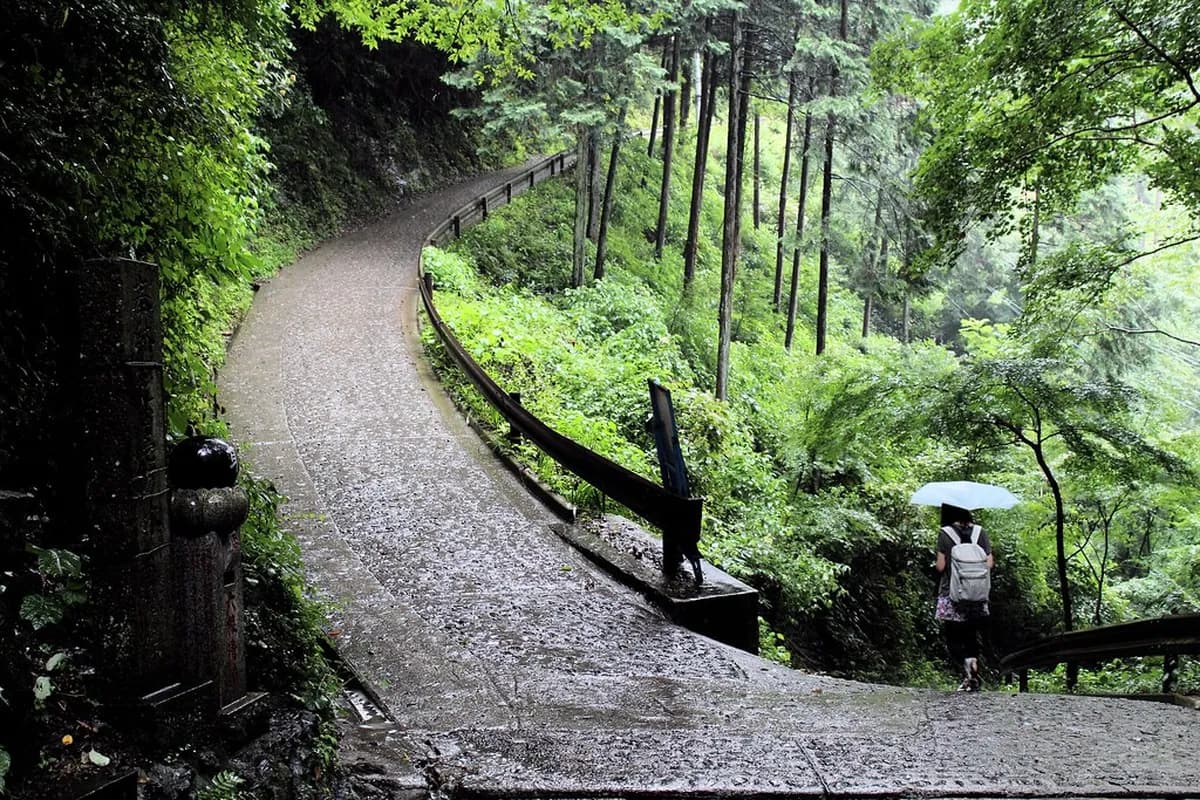
The Oirase River emerges from the eastern shore of Lake Towada and runs for 14 kilometres through a national park forest lined with 14 named waterfalls. The hiking path follows the river at the same elevation as the water, so the walk is almost entirely flat — accessible to most visitors including older walkers. JR buses stop at intervals along the road beside the trail, so you can walk any section and catch the bus back. Autumn foliage here, typically peaking in mid-October, is considered among the best in Japan.
Scenic Lake Towada is the largest caldera lake on Honshu and still geologically active, formed by a volcanic eruption around 5,400 years ago. The lake's depth — over 300 metres in places — gives the water a striking turquoise colour that is most visible from the water itself. Boat cruises run from Nenokuchi on the northern shore to Yasumiya on the southern shore; the twin peninsulas on the southern end are walkable and home to Towada Shrine and the well-known statue of two maidens. For a more energetic option, Guriland near the southern shore operates RIB speedboat tours that reach the lake's quieter inlets.
Around Hachinohe on the Pacific coast, the city is worth a visit for its early morning port market, the Hachinohe Shuzo sake brewery established in 1776 (shop and tastings open to the public), and Kabushima Island, where a Shinto shrine rebuilt after a 2015 fire sits above a colony of black-tailed gulls. Between February and March each year Hachinohe runs its Bouillabaisse Festa, in which around 17 local restaurants each produce a unique version of the French fish stew using locally landed seafood.
Getting to and around Aomori
Learning about How To Get To Aomori: 10 Essential Routes and Travel Tips helps you choose between the fast Shinkansen or a scenic flight.
The Tohoku Shinkansen from Tokyo reaches Shin-Aomori Station in about three hours ten minutes. Shin-Aomori is two stops from central Aomori Station on a local JR line, taking around five minutes. If you are travelling from Sapporo or southern Hokkaido, the Hokkaido Shinkansen connects Shin-Hakodate-Hokuto to Shin-Aomori in about an hour. Flying to Aomori Airport is also practical from Osaka or Nagoya; both JAL and ANA run discounted domestic fares that can cost as little as ¥5,400 on certain routes booked early.
Within the city, most key sites — WA-RASSE, the bay area, A-Factory, Aspam — are walkable from Aomori Station. The Aomori City Loop Bus covers the Sannai-Maruyama site and Aomori Museum of Art for a flat ¥200 per ride. For Hakkoda and Sukayu Onsen, JR buses depart from the station forecourt and take 30–60 minutes depending on destination. Renting a car is the most efficient way to explore the Oirase Gorge and Lake Towada area, though the JR bus system connects all the main stops if you prefer to travel without driving.
If you are continuing north to Hokkaido and prefer something other than the Shinkansen, the Tsugaru Kaikyo Ferry crosses the Tsugaru Strait from Aomori to Hakodate in about three hours forty minutes. The crossing is smooth even in winter, and the ferry includes food, showers, and lounge areas — a relaxed alternative to the bullet train.
Where to Stay in Aomori
Choosing 9 Best Areas and Tips for Where to Stay in Aomori (2026) depends on whether you want city access, nature immersion, or onsen proximity.
For most visitors, staying near Aomori Station gives the best logistics. The Hotel Sunroute Aomori is a reliable mid-range choice: rooms are larger than the Tokyo average, the view toward the bay is good, and the included Japanese breakfast is worth factoring into your budget. Walking distance to WA-RASSE and the A-Factory makes it easy to start early without worrying about buses.
ReLabo Spa & Stay is directly connected to Aomori Station and is the most convenient base if you plan to make day trips to Hirosaki or the Stove Train route. It has an onsen spa, gym, and panoramic views of the Aomori Bay Bridge. Aomori Center Hotel, slightly further from the station, includes an indoor spa and a generous breakfast buffet — good value for a rest-day stop.
If your priority is the Oirase Gorge and Lake Towada, consider one night at Hoshino Resorts Oirase Keiryu Hotel on the banks of the river itself. The hotel sits right on the 14-kilometre walking trail, so you can step out of your room and onto the path. An onsen on the property and a short shuttle to a second nearby hot spring with a waterfall view round out the stay. JR buses stop at the hotel, so a car is not required.
Outside the peak Nebuta Matsuri period (first week of August), accommodation in Aomori is generally available without far-in-advance booking. Prices are reasonable by Tokyo standards outside festival dates.
How to Plan Your Aomori Visit
Checking the Best Time To Visit Aomori: 10-Point Seasonal & Travel Guide ensures you catch the peak festival or foliage seasons.
Two days in the city covers WA-RASSE, the Furukawa Market nokkedon, the Aomori Museum of Art, Sannai-Maruyama, and the bay area at a comfortable pace. Add a third day for either the Hakkoda–Sukayu circuit or an overnight at Lake Towada with the Oirase walk. Four or five days allows both, plus a day trip to Hirosaki for its castle and apple orchards.
Most major museums open at 09:00 and close by 17:00 or 18:00. Starting your morning at the Furukawa Market is smart: the nokkedon stalls are liveliest before noon and some vendors sell out of premium toppings by early afternoon. Carry some cash — smaller stalls and local buses do not reliably accept cards.
Winter visitors (December to March) should prioritize the Stove Train reservation and the Sukayu Onsen overnight. The snow monster season at Hakkoda Ropeway peaks in February. Spring visitors in April and May can combine the Hakkoda Snow Corridor with cherry blossoms at Hirosaki Castle, one of Japan's finest hanami venues. Summer means Nebuta Matsuri in the first week of August — book accommodation months ahead and expect three million visitors in the city.
Browse the Aomori attraction directory for individual visitor guides, access details, and practical tips.
Going deeper on this theme? Our 10 Best Aomori Festivals and Events for Every Season guide covers it in detail, with the practical planning this page leaves out.
Frequently Asked Questions
Is Aomori City worth visiting?
Yes, Aomori City is absolutely worth visiting for its unique cultural festivals and incredible local food. You can enjoy the massive Nebuta lanterns and the freshest seafood in Japan. It serves as a perfect gateway to the beautiful nature of northern Tohoku. Check our travel blog for more.
What is Aomori best known for?
Aomori is best known for its annual Nebuta Matsuri festival and its high quality apple production. The city also gains fame for its heavy winter snowfall and the beautiful Hakkoda Mountains. Travelers visit to see the unique snow monsters and taste the world class seafood bowls.
How many days in Aomori is enough?
Two to three days is usually enough to see the main city attractions and take one day trip. If you plan to hike the Oirase Gorge or visit Lake Towada, you should add an extra day. This allows for a relaxed pace to enjoy the local culture and food.
Aomori offers a rare look into the traditional and natural beauty of northern Japan.
From giant lanterns to deep blue lakes, there are many things to do in aomori for everyone.
Start planning your journey today to experience the incredible hospitality of this northern port city.
Continuing through Tohoku? See our guides to Akita and the samurai town of Kakunodate, on the Akita Shinkansen Komachi line.
Heading into Fukushima/Tohoku? Don't miss the samurai castle town of Aizuwakamatsu — the Tsuruga Castle, the Byakkotai story, and the thatched post town of Ouchi-juku.
Across the strait, Hakodate is about an hour away by Shinkansen.
Free guide: Japan's Hidden Gems
12 under-the-radar places beyond Tokyo & Kyoto — with the best season to visit each and a local tip you won't find in the guidebooks.
You might also like


Continue reading
More guides you'll find useful