What to Eat in Aomori: The 10 Best Local Dishes to Try (2026 Guide)
What to eat in Aomori: Nokke-don seafood bowls at Furukawa Market, Hirosaki apple pie, Oma tuna, and 7 more local dishes, with 2026 prices and hours.
On this page
Last updated July 2026, this guide covers what to eat in Aomori across three distinct food regions. Aomori City serves seafood bowls and ramen, Tsugaru grows apples and fries iga-menchi, and the Shimokita Peninsula lands bluefin tuna. Geography drives the menu here, since three coastlines meet near Mutsu Bay and Mt. Iwaki's volcanic soil feeds the apple orchards near Hirosaki.
Aomori's Three Food Regions, Explained
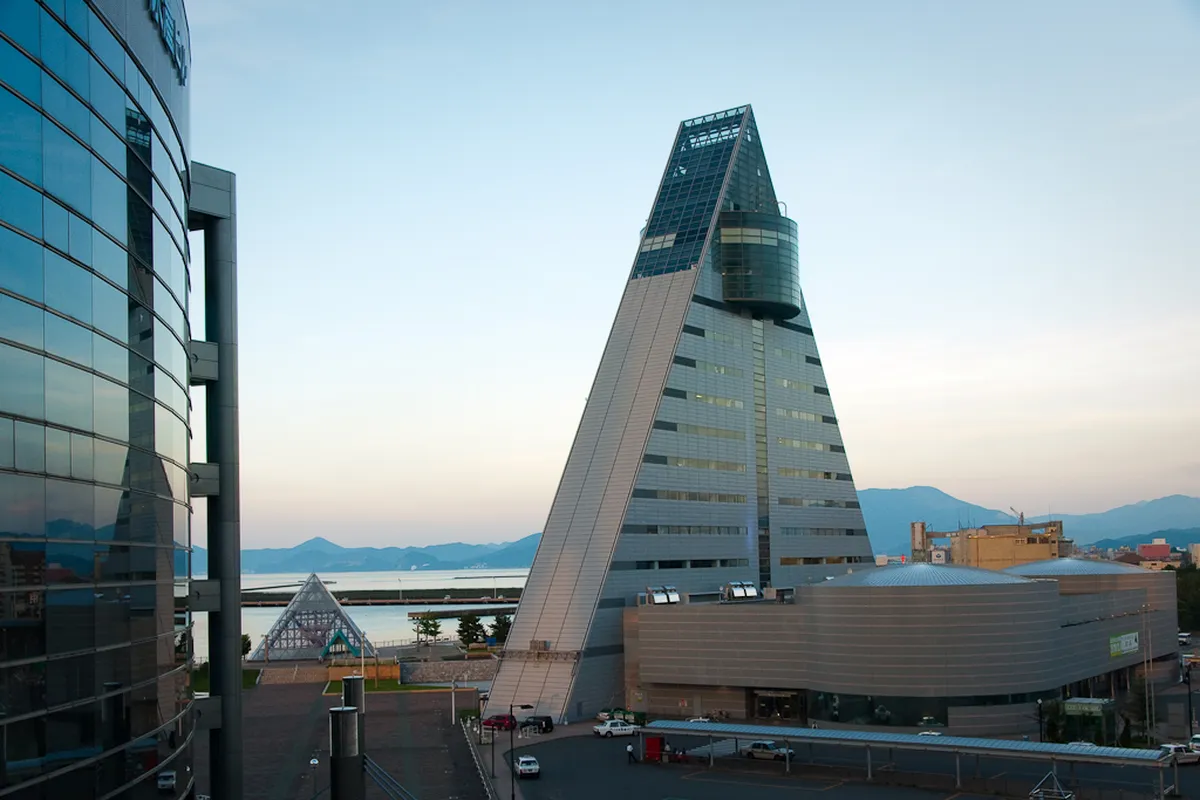
Aomori Prefecture sits at the northern tip of Honshu, framed by the Sea of Japan, the Pacific Ocean, and Mutsu Bay. Three coastlines plus one volcano, Mt. Iwaki, explain almost everything on the menu. Mutsu Bay anchors Aomori City as the seafood and ramen base, with Furukawa Market and A-FACTORY both an easy walk from JR Aomori Station. Many visitors arrive on the Tohoku Shinkansen after a long ride from Tokyo, which makes Furukawa Market's Nokke-don a natural first stop in Aomori City. The city also anchors the wider Aomori attractions guide for sightseeing between meals. West of the city, the Tsugaru region around Hirosaki grows the apples and fries the iga-menchi covered in the list below. Out on the Shimokita Peninsula, the fishing town of Oma pulls in Pacific bluefin tuna, a three-hour trip from Aomori City. On the Pacific side, Hachinohe is the source of ichigoni, the sea urchin and abalone soup. The Hakkoda Mountains sit within reach of Aomori City too, worth a stop if you want a hike to work up an appetite before Furukawa Market.
Aomori Food by Region: A Quick-Reference Table
Planning a route through Aomori gets easier once you separate dishes by region instead of chasing every name at once. Aomori City covers seafood and ramen within walking distance of the station. Hirosaki and the wider Tsugaru area handle apples, iga-menchi, and dake-kimi corn. The Shimokita Peninsula and Hachinohe are worth a special trip for tuna and ichigoni. Each region rewards a different pace. Aomori City suits a half-day between trains, while Hirosaki and Shimokita each reward a full day. Travelers with only two or three days usually focus on Aomori City and Hirosaki, saving Oma for a longer trip. Use the table below to match dishes to whichever leg of the trip you're already planning.
| Region | Base City | Signature Dishes | Best For |
|---|---|---|---|
| Aomori City | Aomori City (Mutsu Bay) | Nokke-don, Miso Curry Milk Ramen | First stop off the Shinkansen |
| Tsugaru | Hirosaki | Apples, apple pie, iga-menchi, dake-kimi corn | Day trip or overnight from Aomori City |
| Shimokita Peninsula | Oma | Oma bluefin tuna | A dedicated trip, about three hours from Aomori City |
| Hachinohe | Hachinohe | Ichigoni | Pacific-coast detour, best near the New Year |
10 Best Foods to Eat in Aomori
The list below moves roughly from Aomori City's everyday counters out to the Shimokita Peninsula's tuna, so use it to decide how far you want to travel for each dish. Items early in the list work as an easy first day, and items near the end require more planning.
- Nokke-don at Furukawa Market
- Build a custom seafood rice bowl at Furukawa Market, a five-minute walk from JR Aomori Station's East Exit.
- Buy a bundle of tickets, trade one for a bowl of rice, then exchange the rest at market stalls for sashimi and other toppings.
- A full walkthrough of the ticket system sits in the Furukawa Market seafood bowl guide.
- Aomori Apples and Apple Pie
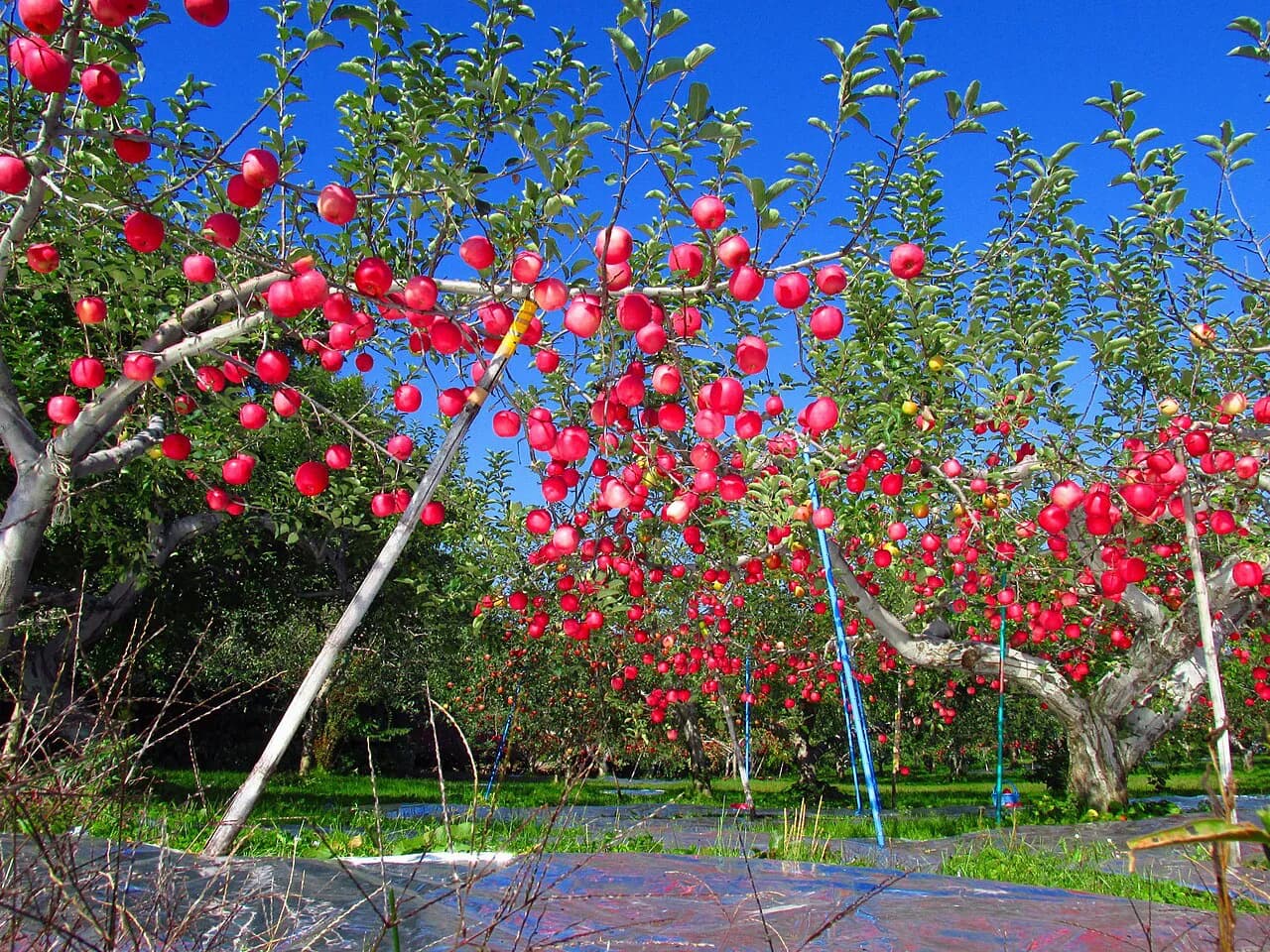
- Hirosaki, in the Tsugaru region, grows the Fuji variety that built Aomori's reputation as Japan's apple heartland, while A-FACTORY near Aomori Station runs an in-house cidery with tastings.
- Hirosaki's own apple pie map tracks roughly 50 local bakery varieties. Pair a slice with a day trip to Hirosaki.
- For cider tastings and desserts closer to Aomori City, see the Aomori apple desserts guide.
- Miso Curry Milk Ramen
- This Hokkaido-influenced bowl adds curry powder and milk to a miso ramen base, and it has become a cult favorite at a specific Aomori City shop.
- It skews rich and slightly sweet, a contrast to the seafood-forward dishes served a few blocks away at Furukawa Market.
- A full lineup of shops and ordering tips sits in the miso curry milk ramen guide.
- Kaiyaki Miso
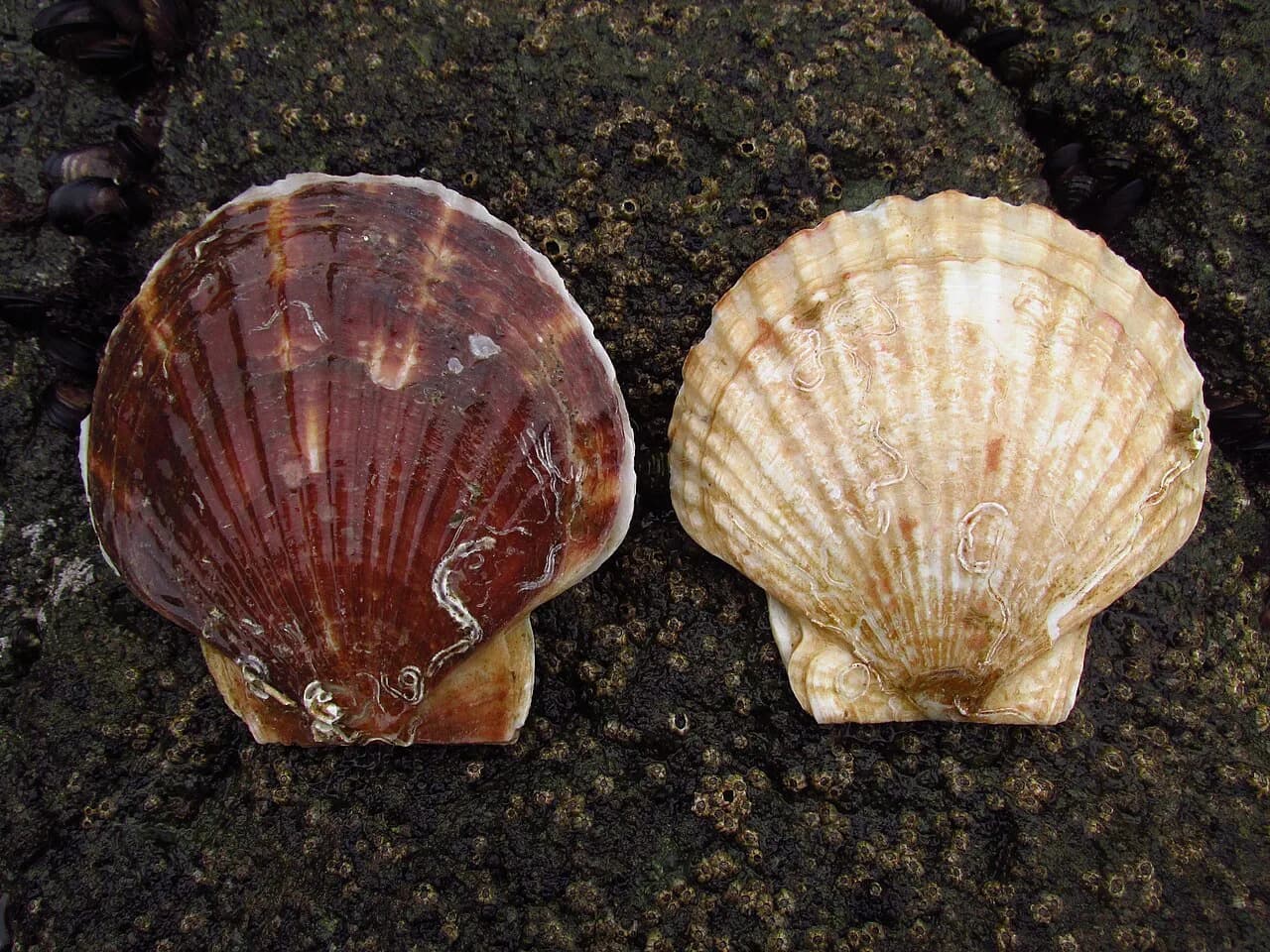
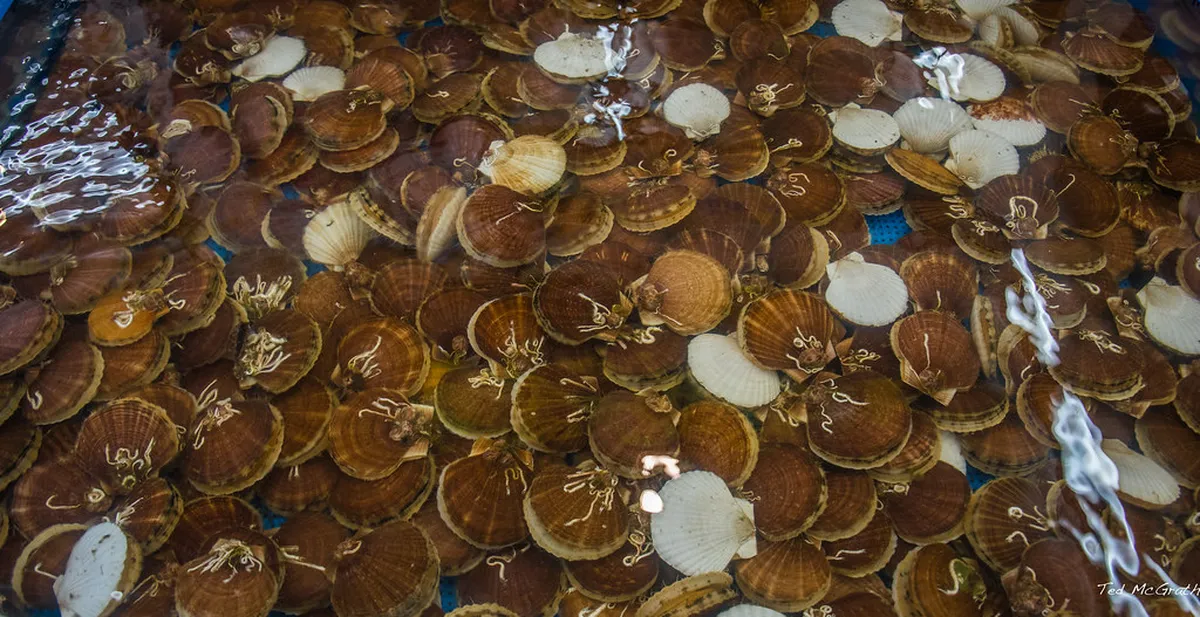
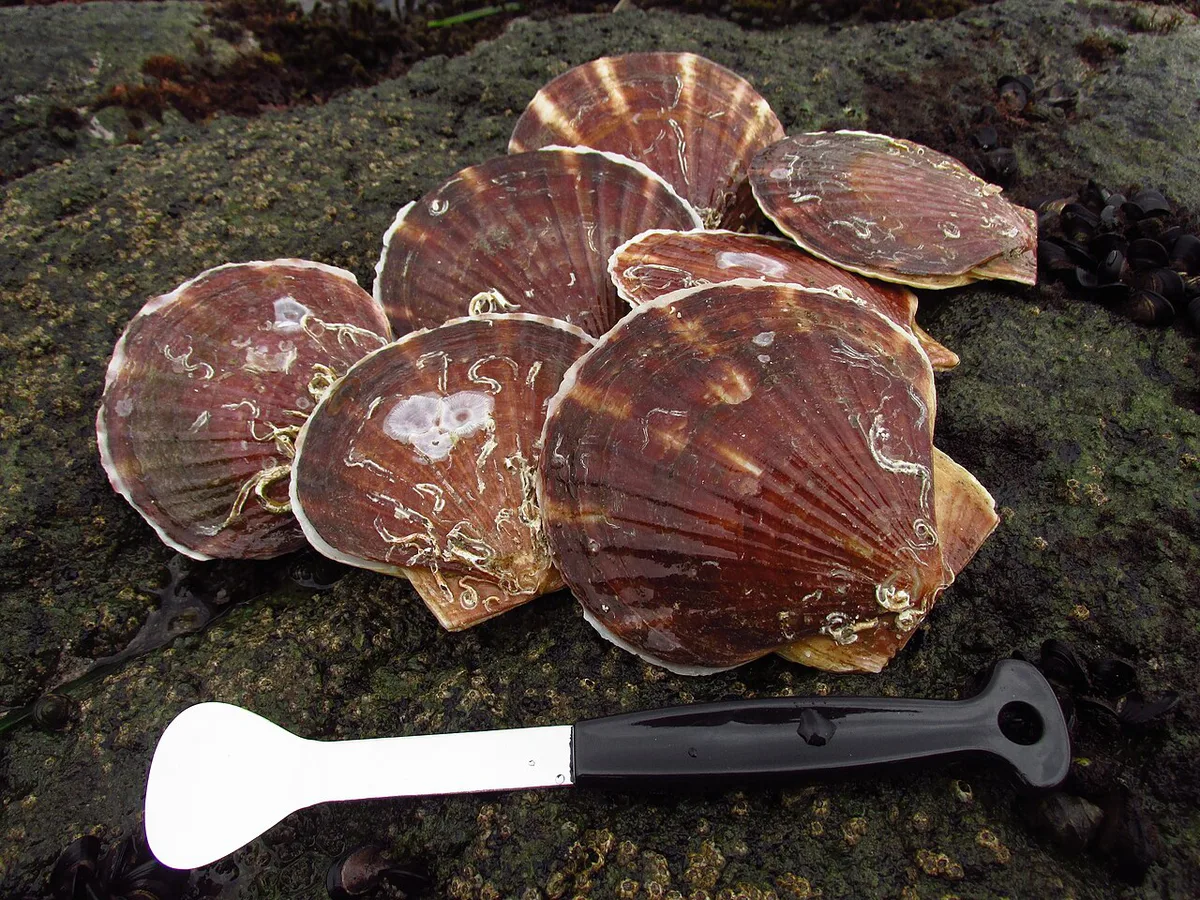
- Scallops are grilled inside their own shell with green onion and miso, a specialty native to the Tsugaru and Shimokita areas.
- The shell doubles as cooking vessel and serving dish, concentrating the scallop's flavor straight into the miso.
- Amazing AOMORI lists it as a Tsugaru and Shimokita specialty, distinct from anything served in Aomori City's ramen shops.
- Iga-menchi
- Minced squid legs and scraps get mixed with chopped vegetables and flour, then fried into a fishcake native to Hirosaki.
- Squid scraps, known locally as geso, get folded in whole, giving each fishcake a chewy pop against the fried crust.
- Order it as an izakaya side with a cold beer or a cup of local sake.
- Senbei-jiru and Jappa-jiru Hot Pots
- Senbei-jiru simmers hand-broken nanbu senbei crackers in a chicken or fish broth until they turn soft and dumpling-like.
- Jappa-jiru is a heartier miso-based stew built from cod heads, guts, and vegetables, best ordered in the colder months.
- The senbei-jiru and jappa-jiru guide breaks down where to find each one.
- Matagi Meshi (Hunter's Meal)
- Near Mt. Iwaki, this dish started with wild mountain vegetables and game meats like bear, deer, and rabbit.
- It's considered an early form of kamameshi cooking, served in the small pot it's cooked in.
- At Dake's Matagi-tei restaurant, the version served includes chicken, maitake mushroom, bamboo, and burdock root.
- Oma Maguro (Bluefin Tuna)
- Oma, on the Shimokita Peninsula, is Japan's tuna capital, with pole-and-line-caught Pacific bluefin often weighing 440-660 lb (200-300 kg).
- In 2019, a 278 kg (roughly 613 lb) tuna from Oma sold at Tokyo's Toyosu Market for a record ¥333.6 million.
- Oma marks its catch every October with the Oma Cho-maguro Matsuri. Local restaurants there serve tuna burgers, Oma tuna soy sauce, and tuna curry.
- Ichigoni
- This Hachinohe soup combines sea urchin and abalone in a clear dashi broth seasoned with salt and soy sauce.
- Its name means strawberry stew, a nod to how the sea urchin looks in the broth rather than an actual ingredient.
- It's traditionally served around the New Year period, garnished with chopped shiso leaf.
- Dake-kimi Corn
- This sweet corn grows in the highlands around Mt. Iwaki, where big day-to-night temperature swings concentrate its sugar.
- It peaks in late summer into early autumn, when roadside stands throughout the Tsugaru region sell it fresh off the stalk.
- Stands around Hirosaki and Kuroishi are especially reliable during the short season.
How Nokke-don Works at Furukawa Market
Furukawa Market, officially the Aomori Gyosai Center, sits a five-minute walk from JR Aomori Station's East Exit. It's typically closed on Tuesdays, so confirm the current schedule before building a morning around it. Most visitors get tripped up by the ticket system on the first visit, so the steps below cover exactly how it works. Stay within walking distance for an early start; the where to stay in Aomori guide lists hotels near the station. If you're arriving on the Tohoku Shinkansen, the getting to Aomori guide covers connection times to the East Exit.
- Buy a ticket bundle
- Tickets are sold in bundles, commonly five or ten at a time, at counters near the market entrance.
- A full bowl usually runs about ¥1,500-3,000 depending on how many tickets you use.
- Trade one ticket for rice
- Hand over a single ticket at the rice counter to get your starting bowl of steamed rice.
- Walk the stalls for toppings
- Exchange your remaining tickets at individual stalls for sashimi, cooked seafood, and other toppings as you build the bowl.
- Some stalls specialize in raw sashimi, others in grilled or simmered items, so scan the whole loop before spending your first ticket.
- Eat at the market
- Carry the finished bowl to the seating area and eat it on-site rather than taking it to go.
Where and When to Eat: Budgeting and Timing
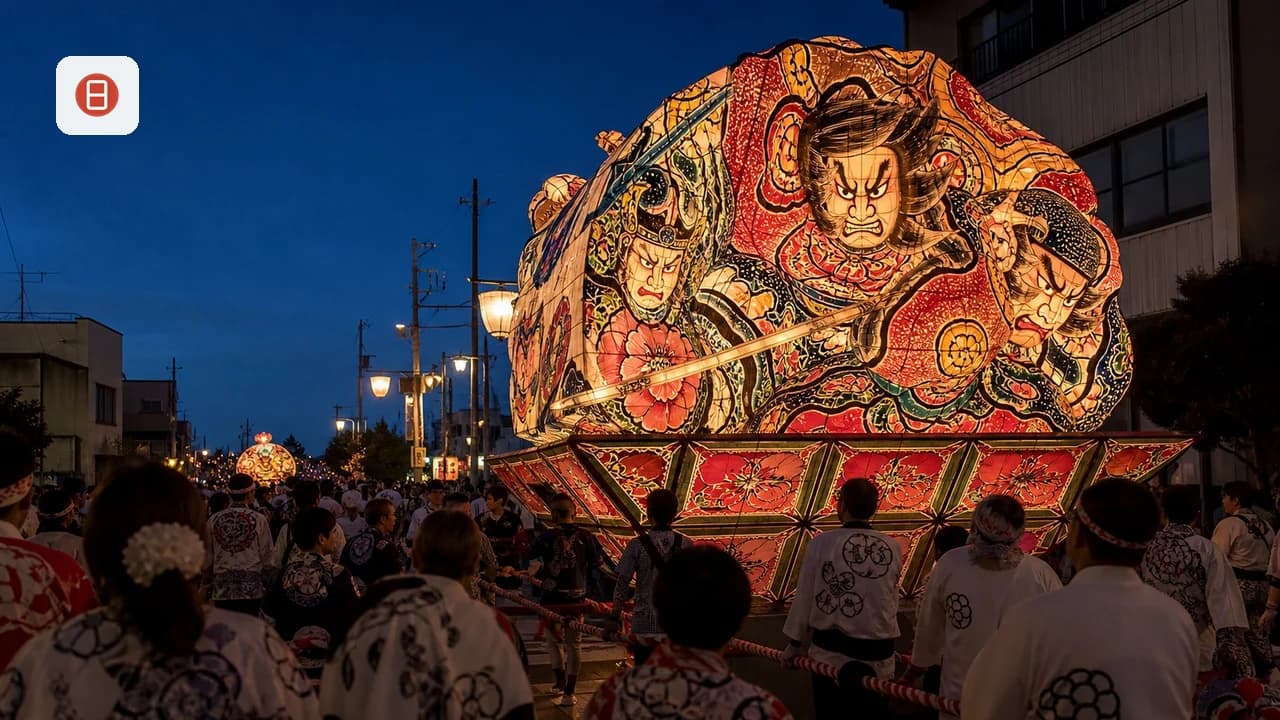
Aomori's food budget splits into two tiers, an everyday Nokke-don lunch and an occasional splurge on Oma tuna. A full Nokke-don bowl at Furukawa Market typically runs ¥1,500-3,000, depending on how many toppings your tickets cover. Ramen, hot pots, and izakaya plates around Aomori City and Hirosaki generally cost less than a full seafood bowl. Oma tuna sold by the piece at a specialty restaurant costs more than a Nokke-don bowl, though exact menu prices vary by shop and season. Timing matters as much as budget. Dake-kimi corn is only worth seeking out in late summer into early autumn, when Tsugaru roadside stands sell it fresh. Apple harvest season brings the widest cider and pie selection to Hirosaki and A-FACTORY alike. Stalls line the parade route during the Nebuta Matsuri festival. The Nebuta Matsuri food guide lists what's worth trying there. Oma's tuna festival runs every October, the best single window to combine the detour with a local event. Checking the best time to visit Aomori guide shows how these food windows line up with the rest of the travel calendar.
| What | Timing / Cost | Note |
|---|---|---|
| Nokke-don bowl | ¥1,500-3,000 | Furukawa Market, breakfast and lunch only |
| Furukawa Market hours | Typically closed Tuesdays | Confirm current hours before visiting |
| Dake-kimi corn season | Late summer to early autumn | Tsugaru roadside stands near Mt. Iwaki |
| Nebuta Matsuri food stalls | Summer | Check Amazing AOMORI for exact 2026 dates |
| Oma Cho-maguro Matsuri | Every October | Oma, Shimokita Peninsula |
Oma Tuna: Is the Three-Hour Trip to Shimokita Worth It?
Oma's tuna is Aomori's most famous catch, but reaching the port takes roughly three hours from Aomori City. Tight schedules are better served by Aomori City's own counters and Furukawa Market, which already serve high-quality tuna without the detour. The tuna feed on squid and fatty saury as they pass through the Tsugaru Strait, which locals credit for the fish's fat balance. Oma's fishing fleet still uses traditional pole-and-line techniques rather than nets, prized for how gently it treats the catch. Menu prices at Oma's specialty tuna restaurants run higher than a Nokke-don bowl in Aomori City, reflecting the catch's reputation. Save the trip for a longer loop through the Shimokita Peninsula, ideally timed around the October tuna festival. The Aomori itinerary guide can help you decide where that detour fits into a longer trip.
A 278 kg tuna from Oma sold for a record price in 2019—this illustrates why Oma's specialty restaurants command higher prices than Aomori City's Furukawa Market counters.
How Many Days to Budget for Aomori's Food Scene
Aomori City covers a full day on its own. Start with Nokke-don at Furukawa Market for an early lunch, spend the afternoon browsing A-FACTORY's cidery and souvenir market, then order miso curry milk ramen or kaiyaki miso for dinner. Hirosaki deserves a separate day, whether as a day trip or an overnight. Build it around apple pie tastings, iga-menchi at an izakaya, and a stop at Hirosaki Apple Park if apple-picking is in season. Booking accommodation in Aomori City first makes it easier to base day trips to both Hirosaki and Oma without repacking each night. Deciding on Oma comes down to how much time is left. The three-hour trip to the Shimokita Peninsula works best as an overnight extension timed around the October tuna festival, rather than a rushed day trip squeezed between other stops. Travelers short on time can skip Oma entirely and still get high-quality bluefin at counters in Aomori City. Hachinohe's ichigoni sits further east again, so it usually only makes sense for itineraries that already include a Pacific-coast leg of the trip. It's most commonly served around the New Year period.
Budget ¥1,500-3,000 for a full Nokke-don bowl during an Aomori City day, though Oma specialty restaurants charge more for those who extend the trip to the Shimokita Peninsula.
Local Sake and Cider to Pair With Your Meal
Aomori's soft water gives its sake a light, clean profile that pairs easily with the prefecture's seafood-forward menu. Apple cider adds a second local option, from Hirosaki's Kimori brand to A-FACTORY's own cidery near Aomori Station, both offering tours and tastings. Most izakayas across Aomori City and Hirosaki keep at least one regional sake on the menu alongside cider, so pairing a local drink with dinner rarely requires seeking out a specialty bar. Specific breweries and tasting rooms worth building into a food-focused itinerary are listed in the Aomori sake and cider guide.
Mistakes to Avoid When Eating in Aomori
A few planning slips show up again and again among first-time visitors to Aomori's food scene.
- Arriving at Furukawa Market for dinner
- The market runs as a breakfast-and-lunch spot, and most stalls wind down by mid-afternoon.
- Plan to eat there earlier in the day rather than treating it as a dinner option.
- Expecting actual strawberries in ichigoni
- Ichigoni translates to strawberry stew, but the dish itself is sea urchin and abalone in dashi, not fruit.
- Underestimating the trip to Oma
- The Shimokita Peninsula sits roughly three hours from Aomori City, so a same-day round trip leaves little room for anything else.
- Building it into a full day or an overnight works better.
- Skipping the ticket system at Furukawa Market
- Walking in and expecting table service leads to confusion.
- Buy a ticket bundle and a rice bowl first, then work the stalls for toppings.
- Assuming every dish is available year-round
- Dake-kimi corn and some apple varieties are seasonal, so a winter visit won't find every item from this list.
- Check timing against the budgeting table above before building a food-focused day around one specific dish.
When Aomori Apple Varieties Are in Season
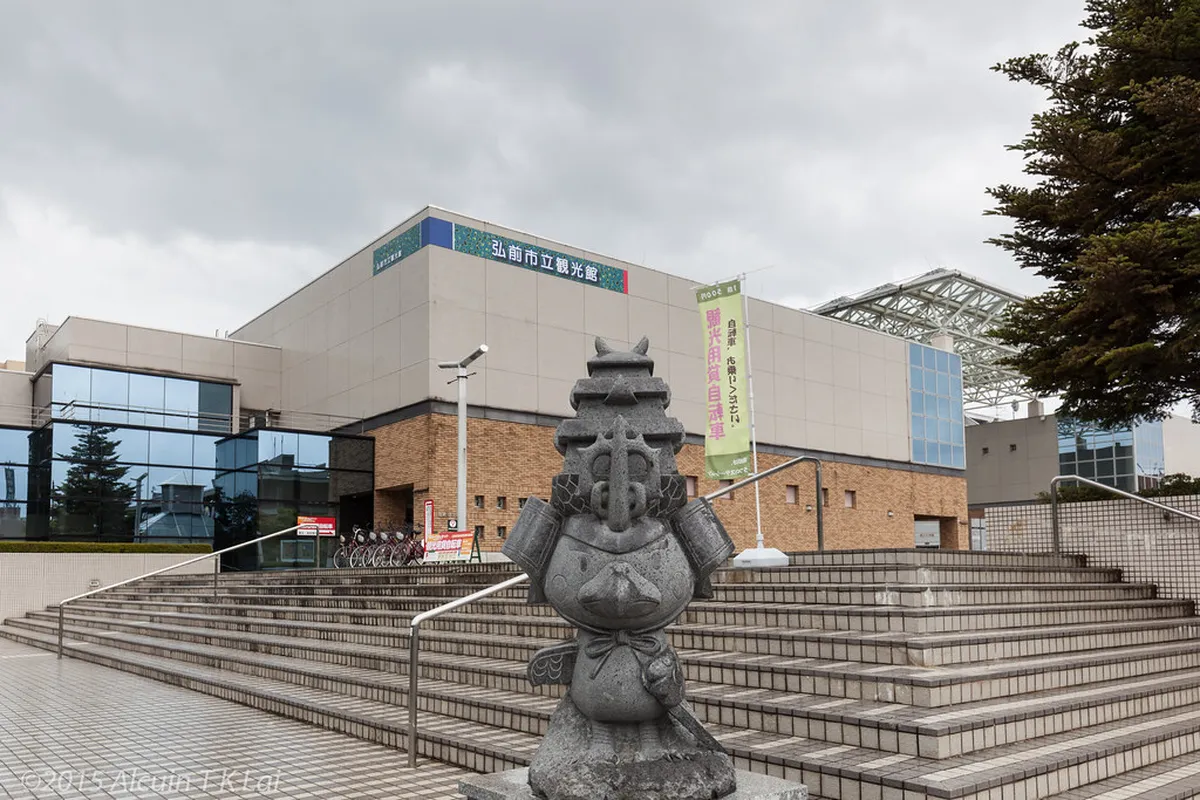
Aomori’s apple season changes by variety, so autumn visitors will not see every type at once. Hirosaki Apple Park is a practical place to compare cultivars and learn what is currently being harvested.
- Tsugaru apples usually ripen from late August into September. They are sweet, crisp, and best eaten soon after harvest.
- Toki apples generally appear from late September into October. Their yellow skin and aromatic sweetness make them easy to recognize.
- Jonagold typically reaches shops during October. It balances sweetness with noticeable acidity and works well in pies.
- Fuji is a later variety, commonly harvested from late October into November. Its firm texture also makes it suitable for carrying home.
Apple picking at Hirosaki Apple Park generally runs from summer through mid-November, depending on weather and the available varieties. Ask staff which cultivars are ready before entering the orchard. Outside harvest season, Hirosaki bakeries and A-FACTORY near JR Aomori Station still offer juice, cider, and apple-based sweets.
For trip-planning details, see Aomori Prefecture - Wikipedia.
Explore food in other cities
Frequently Asked Questions
What is the most famous food in Aomori?
Aomori is best known for its apples, but locally the Nokke-don seafood bowl at Furukawa Market carries just as much weight, alongside Oma bluefin tuna from the Shimokita Peninsula.
How much does Nokke-don cost at Furukawa Market?
A full bowl usually costs around ¥1,500-3,000, depending on how many toppings your ticket bundle covers.
Is the trip to Oma for tuna worth it?
Reaching Oma takes roughly three hours from Aomori City. Weigh that against the shorter option of trying high-quality tuna at counters in Aomori City first.
What does ichigoni actually contain?
Despite its strawberry name, ichigoni is a Hachinohe soup made from sea urchin and abalone in dashi broth, not fruit.
When is the best time to try Aomori's seasonal foods?
Dake-kimi corn peaks in late summer into early autumn, and the Oma Cho-maguro Matsuri tuna festival runs every October, so timing a trip around either event pays off.
Is Furukawa Market open every day?
It's typically closed on Tuesdays, so confirm the current schedule before planning a visit around it.
What's the difference between senbei-jiru and jappa-jiru?
Senbei-jiru simmers wheat crackers in a chicken or fish broth, while jappa-jiru is a heartier miso stew built from cod heads and vegetables.
Do you need a reservation for Nokke-don at Furukawa Market?
Furukawa Market doesn't list reservations as necessary. Walk in during opening hours, buy a ticket bundle, and start building your bowl.
What's the best souvenir food to bring home from Aomori?
Bottled apple juice and cider from A-FACTORY travel well, and Hirosaki's apple pie shops sell versions meant for takeout.
Can you get Oma tuna without traveling to Oma?
Yes. Aomori City's own seafood counters, including Furukawa Market, serve high-quality bluefin without the three-hour trip to the Shimokita Peninsula.
Is Hirosaki easy to reach from Aomori City for a day trip?
Yes, Hirosaki functions as a straightforward day trip or overnight from Aomori City, and it's the base for the prefecture's apple pie and iga-menchi scene.
Explore Aomori's Food Scene
Dive deeper into Aomori's signature dishes, sweet treats, and seasonal food events, from misokarē ramen to festival street food.
Signature Dishes
Sweets & Drinks
Markets & Festivals
Free guide: Japan's Hidden Gems
12 under-the-radar places beyond Tokyo & Kyoto — with the best season to visit each and a local tip you won't find in the guidebooks.
You might also like


Continue reading
More guides you'll find useful