

Aomori Winter Festivals Guide: 2026 Dates, Logistics, and Local Tips
Plan Aomori winter festivals for 2026: Hirosaki's snow lanterns, Hachinohe Enburi, and Lake Towada illuminations, with dates, transport, and packing tips.
On this page
Last updated August 2026, this guide breaks down Aomori winter festivals into what actually fits into a short trip. Aomori Prefecture pairs heavy snowfall with fire-and-light traditions, from hand-carved snow lanterns in Hirosaki Park to the centuries-old Enburi harvest dance in Hachinohe. Three events anchor the season: the Hirosaki Castle Snow Lantern Festival, the Hachinohe Enburi Festival, and the Lake Towada Winter Story.
Aomori's Big Three Winter Festivals
Three festivals define the season across Aomori Prefecture, and each rewards a different kind of traveler. The Japan National Tourism Organization's Aomori guide groups the prefecture's winter lineup around snow, fire, and light, and that split holds up in practice. Photographers and families gravitate toward Hirosaki's illuminated snow lanterns. Culture-focused travelers prefer Hachinohe's Enburi dance, a prayer for the coming harvest rather than a staged spectacle. Lake Towada suits travelers who want a quieter, colder night away from crowds. Aomori City adds two smaller, easier-to-reach events near JR Aomori Station: the Yukiakari Matsuri and Aomori Winter Wonderland.
Aomori's events tend to draw smaller crowds than Hokkaido's Sapporo Snow Festival, with a focus on centuries-old ritual instead of large-scale ice sculpture. Summer in the prefecture means giant illuminated floats, including the display covered in the Goshogawara Tachineputa Matsuri: A Guide to Aomori's Tallest Festival Floats guide. Winter trades floats for snow lanterns and firelight instead. This guide sits alongside the wider Aomori festivals calendar for the full-year picture.
- Hirosaki Castle Snow Lantern Festival — early February, illuminated snow sculptures, best for photography and families
- Hachinohe Enburi Festival — February 17–20, tayu dancers and a harvest prayer, best for cultural depth
- Lake Towada Winter Story — runs across February, remote lakeside illuminations, best for a quieter evening
- Aomori Yukiakari Matsuri and Winter Wonderland — early December through mid-February, easiest to reach from JR Aomori Station
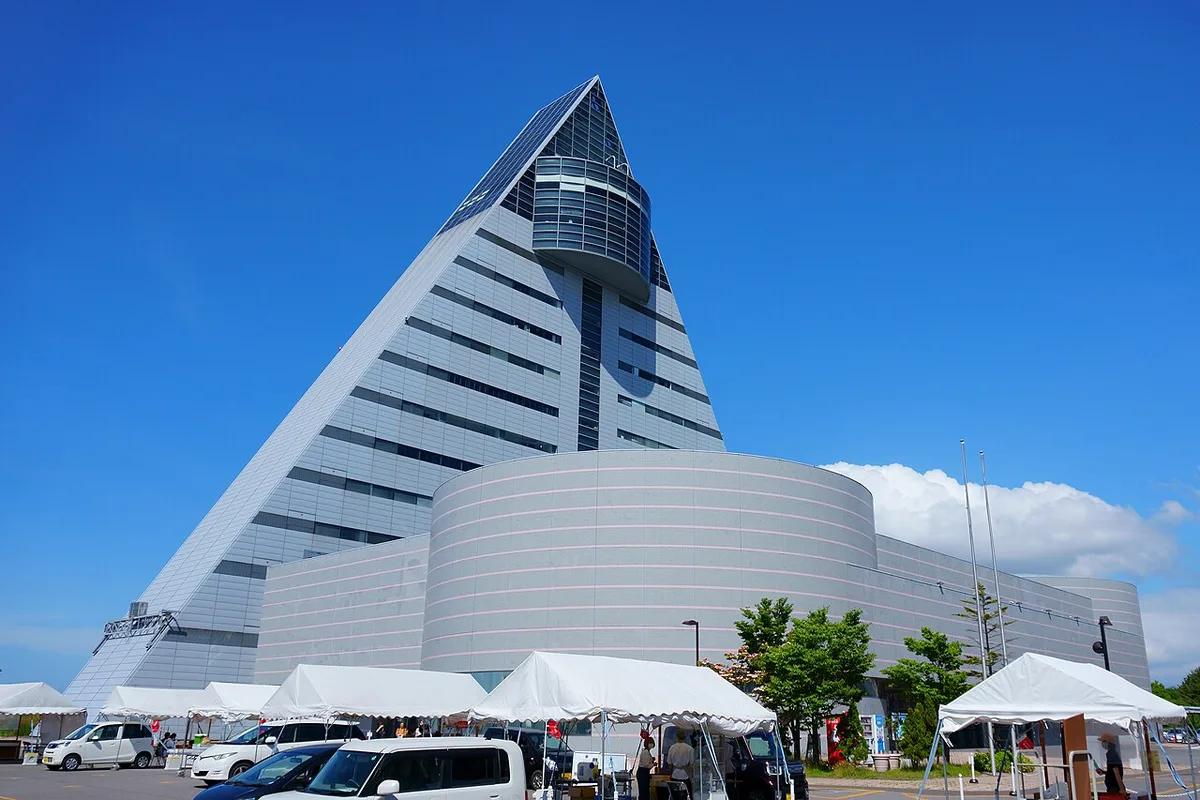
Hirosaki Castle Snow Lantern Festival: Dates, Access, and Daytime Options
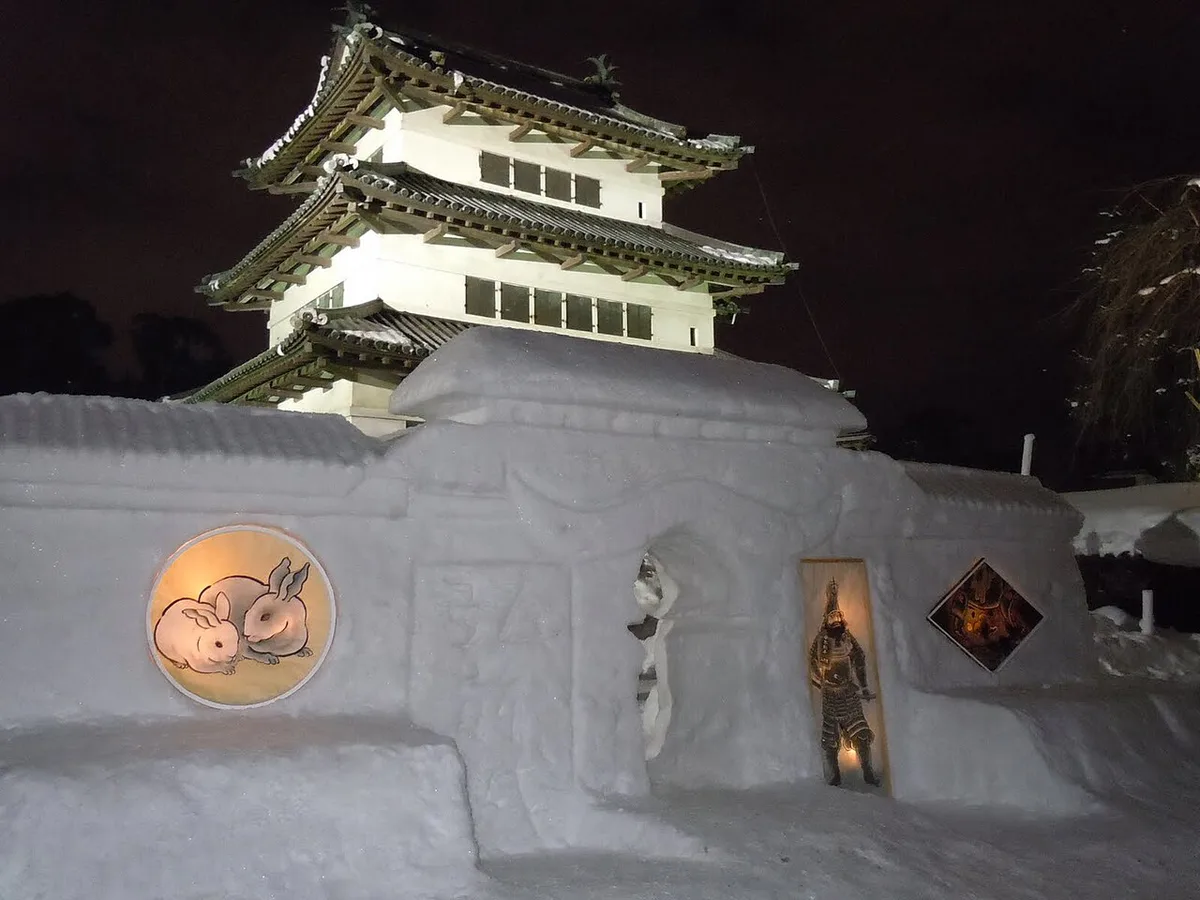
Hirosaki Castle Snow Lantern Festival takes place in Hirosaki Park, the same grounds known for 2,600 cherry trees each spring. Locals have hand-carved the festival's snow lanterns since it began in 1977, and the display now draws more than 200,000 visitors across its run, according to regional tourism reporting. Snow walls painted with neputa float designs, candlelit mini igloos, and projection mapping onto snow sculptures round out the evening program.
Snow also settles on the park's bare cherry trees most nights from December through February, and after dark they're lit pink in a display known locally as snow sakura. Lodging near Hirosaki Park also runs higher during the festival week than on non-festival February weekends, so book 2–3 months ahead if your dates land on February 6–11. Travelers based in Aomori City can reach Hirosaki directly by train. See the Hirosaki from Aomori transport guide for schedules. For the summer version of the same castle grounds, see the Hirosaki Neputa Matsuri 2026: Dates, Routes, and Tickets Guide guide.
- 2026 dates: February 6–11, per Hirosaki's official tourism site
- Hours: 10:00–21:00 nightly during the festival
- Access: Dotemachi Loop bus from JR Hirosaki Station to the Shiyakushomae stop, then a 5-minute walk
- Daytime option: a Starbucks housed inside one of Hirosaki's Tangible Cultural Property buildings near the park
Hachinohe Enburi Festival: Aomori's Harvest-Prayer Dance
Hachinohe Enburi Festival prays for a good harvest through a dance with roughly 800 years of history behind it. Dancers called tayu wear tall hats shaped like a horse's neck and perform movements that mimic sowing seeds and planting rice. Between sets, children perform a shorter dance called Shukufukumai, and the whole practice is recognized as an Important Intangible Folk Cultural Property.
The festival runs February 17–20 annually, centered on the open square in front of Hachinohe City Hall, a short walk from JR Hon-Hachinohe Station. Because Enburi is a ritual rather than a photo-op display, expect a smaller, more local crowd than at Hirosaki. For a full breakdown of the dance structure and viewing spots, see the Hachinohe Enburi Festival guide. Afterward, warm up at Miroku Yokocho, the food stall alley near Hachinohe Station covered in the Aomori food guide.
Lake Towada Winter Story: Remote Illuminations and the Cold-Weather Trade-Off
Lake Towada Winter Story runs across February, with a recent edition scheduled February 2–25, around the Yasumiya area on the lake's shore near Towada Shrine. Blue-toned illuminations, large snow sculptures, an igloo bar, and horse trekking fill the grounds, with fireworks and cultural performances added on Saturday, Sunday, and public-holiday evenings.
Festival viewing usually spans 30 minutes to a couple of hours per stint, but Lake Towada's exposed grounds demand substantially shorter intervals and regular heated-shelter breaks between sculpture viewings.
Elevation and open wind exposure make Yasumiya colder after dark than either city, so plan short outdoor stints instead of one long evening outside. Step into the igloo bar or a heated tent between sculpture viewings. Some zones of the event are ticketed rather than free, so budget a little more here than at Hirosaki or Hachinohe. It's also closed on Tuesdays and Wednesdays in most years, which trips up travelers who assume every winter event runs daily. Reaching the venue requires a shuttle bus from Towada city center. There's no walk-in option from a train station. Pair the trip with an Aomori itinerary that gives the Towada side trip its own full day, since travel time from Aomori City or Hirosaki eats several hours each way.
Aomori City's Winter Lights: Yukiakari Matsuri and Winter Wonderland
Aomori City runs two overlapping winter light events, both easier to reach than Hirosaki or Towada if you're staying near JR Aomori Station. The Aomori Yukiakari Matsuri, or Snow Light Festival, fills the Nebuta House Wa Rasse's west plaza with handmade snow lanterns and candles for about a week. The 2025 edition ran on February 3, and a wish candle lets visitors write a wish on the candle holder before lighting it.
Aomori Winter Wonderland is the broader umbrella, running for about two months from mid-December, and it bundles the Pageant of Light and Paper, the Motsuke Festival and Winter Fireworks, and a midwinter Nebuta float procession in front of the station. The Pageant borrows the same illumination techniques used on the floats at the summer Nebuta Matsuri, worth a look even if you already saw the summer parade. Both events sit near the Aomori Bay waterfront, about a 2-minute walk from JR Aomori Station or a 40-minute bus ride from Aomori Airport. Round out the evening with the food side of the celebration through the Aomori Nebuta food guide, which covers stalls that carry over into the winter events.
Regional Add-Ons in Akita: Worth a Side Trip, Not the Main Event
Two Akita Prefecture festivals pair well with an Aomori-based winter trip if your dates and a rail pass line up, though neither should replace Aomori's own lineup. Yokote's Kamakura Festival, held February 15–16, fills the city with about 100 snow huts called kamakura, each holding a small altar to the water deity; the tradition dates back more than 450 years. The Namahage Sedo Festival takes place the second Friday, Saturday, and Sunday of February at Shinzan Shrine on the Oga Peninsula, combining a bonfire dance with the ogre-like namahage folk custom that UNESCO recognized as Intangible Cultural Heritage in 2018.
Both require a paid or seasonal-only bus connection rather than a regular train, so confirm return times before committing to a same-day trip from Aomori. If a multi-prefecture itinerary fits your dates, the JR EAST PASS (Tohoku area) covers 5 consecutive days of unlimited rail travel for ¥30,000. That's less than a single round-trip fare between Tokyo and Hirosaki (~¥36,000).
Getting to Aomori and Surviving the Cold
Most travelers reach Aomori City by train or plane before splitting off to individual festivals. See the getting to Aomori guide for the main routes. From Aomori Airport, plan on roughly a 40-minute bus ride into the city center, the same connection used for Aomori Winter Wonderland. Hirosaki and Hachinohe both sit within a short train ride of Aomori City, but check the last limited express back before committing to a full day out.
Aomori Prefecture is one of Japan's snowiest regions, and packing for it matters more than most trip decisions. Waterproof boots with real tread beat standard sneakers, which slip badly on the packed ice around Hirosaki Park and the Enburi square. Pack disposable kairo heat packs for hands and feet, since outdoor viewing at these festivals often runs 30 minutes to a couple of hours at a stretch. Layer for daytime highs that can sit between roughly 2°C (36°F) and -4°C (25°F) after dark in February, colder still at an open venue like Lake Towada. Snow can also delay or cancel trains, so build a buffer day into any itinerary that covers more than one festival. Check the best time to visit Aomori guide for month-by-month weather in more depth.
Between festival evenings, fill daytime hours with the city's other sights through the Aomori attractions guide. For a different kind of warmth, the Tsugaru Railway runs a seasonal coal-stove-heated railcar alongside its regular unheated cars. Check current schedules and fares directly with the railway before planning around it. The official Aomori events calendar also posts real-time notices, including an active bear advisory near Lake Towada's Kankodai Lookout trail reported in August 2026. Check it before venturing beyond the main festival grounds, especially around Lake Towada's trailheads.
Season Comparison: Aomori Winter Month by Month
Aomori's winter events don't cluster into one narrow week, so timing changes what's actually open. Early December favors illuminations without deep snow underfoot. Mid-February is peak crowds and peak cold across every venue. Use the table below to match your travel window to what's realistically running, and pack for the swing in temperature.
| Period | Typical Daytime / Night Temp | What's Running | Crowd Level |
|---|---|---|---|
| Early December | 4°C (39°F) days, -1°C (30°F) nights | Aomori Winter Wonderland begins; light snow cover | Low |
| Early February | 2°C (36°F) days, -4°C (25°F) nights | Yukiakari Matsuri; Hirosaki Snow Lantern Festival (Feb 6–11, 2026) | High during festival dates |
| Mid-to-late February | 1°C (34°F) days, -5°C (23°F) nights | Hachinohe Enburi (Feb 17–20); Lake Towada Winter Story continues | Moderate to high |
| Early March | 5°C (41°F) days, -2°C (28°F) nights | Most festivals closed; snow sakura lighting may continue | Low |
Which Aomori Winter Festival Should You Choose?
Use the table below when two dates conflict and only one festival fits the trip. Hirosaki wins for visual impact and family-friendly evenings. Hachinohe wins for cultural depth and smaller crowds. Lake Towada wins for solitude, at the cost of extra travel time to reach it.
| Festival | Primary Draw | Crowd Level | Best Time of Day | Accessibility |
|---|---|---|---|---|
| Hirosaki Castle Snow Lantern Festival | Visual art: snow lanterns, projection mapping | High | Evening, lanterns lit 10:00–21:00 | Easy: Dotemachi Loop bus plus 5-minute walk |
| Hachinohe Enburi Festival | Cultural tradition: Enburi dance | Low to moderate | Daytime performances, Feb 17–20 | Easy: short walk from Hon-Hachinohe Station |
| Lake Towada Winter Story | Remote atmosphere: illuminations, igloo bar | Low | Evening, weekends for fireworks | Harder: shuttle bus only, closed Tue/Wed |
| Aomori Yukiakari Matsuri / Winter Wonderland | Convenience: near JR Aomori Station | Moderate | Evening | Easiest: 2-minute walk from station |
Common Mistakes to Avoid
A few planning mistakes repeat every winter across trip reports and forum threads. Avoid these before they cost a travel day.
Hirosaki's 5-minute walk from transit means it's easily combined with other activities, but Lake Towada's multi-hour travel requirement makes it a separate-day commitment, not a same-day add-on.
- Scheduling Hirosaki and Lake Towada on the same day: shuttle-bus-only access to Towada and the distance between the two eat most of a day in transit alone.
- Wearing standard sneakers on packed snow and ice: bring boots with real tread, especially for the Enburi square and Hirosaki Park's stone paths.
- Missing the last limited express back to Aomori City from Hirosaki: winter schedules run tighter than summer ones, and a missed connection means an expensive taxi or an unplanned hotel night.
- Assuming Lake Towada Winter Story runs daily: the event is typically closed on Tuesdays and Wednesdays, so check the calendar before building a day trip around it.
- Treating Akita's regional festivals as a quick add-on: Yokote and the Oga Peninsula both need a seasonal bus connection, not a simple train hop, so confirm return timing first.
Frequently Asked Questions
When is the best time to see Aomori winter festivals?
Early February overlaps the most events, including the Hirosaki Castle Snow Lantern Festival and the Aomori Yukiakari Matsuri. Mid-to-late February adds the Hachinohe Enburi Festival, running February 17–20, plus the continuing Lake Towada Winter Story. Early December is quieter and colder, mostly limited to the start of Aomori Winter Wonderland.
How much time should you plan for visiting Hirosaki and Lake Towada in one trip?
Treat them as separate days rather than one long day trip. Lake Towada requires a shuttle bus from Towada city center with no direct train option, and travel time alone can eat several hours round trip. Pairing both in a single day usually means rushing one or missing the evening illuminations at the other.
Are Aomori's winter festivals free to attend?
Most are free, including the Hirosaki Castle Snow Lantern Festival, the Hachinohe Enburi Festival, and the Aomori Yukiakari Matsuri. Lake Towada Winter Story is the main exception, with some event zones ticketed separately, so budget a little extra if it's on the itinerary.
What should you pack for outdoor winter festivals in Aomori?
Waterproof boots with real tread beat standard sneakers, since packed ice is common around Hirosaki Park and the Enburi square. Add disposable kairo heat packs for hands and feet. Layer clothing for daytime highs that can sit between roughly 2°C (36°F) and -4°C (25°F) after dark in February.
Can you combine Aomori winter festivals with Akita's Yokote Kamakura Festival or Namahage Sedo Festival?
Yes, if a JR EAST PASS (Tohoku area) fits your dates; it covers 5 consecutive days of rail travel for ¥30,000. Both Akita events need a seasonal or paid bus connection rather than a direct train, so confirm return schedules before committing to a same-day trip from Aomori.
Free guide: Japan's Hidden Gems
12 under-the-radar places beyond Tokyo & Kyoto — with the best season to visit each and a local tip you won't find in the guidebooks.
You might also like


Continue reading
More guides you'll find useful


