Japan in Winter: Snow, Festivals, and Travel Logistics for 2026
Plan Japan in winter with a region-by-region breakdown of snow and temperatures, top festivals, ski options, packing tips, and the New Year closure dates.
On this page
Last updated September 2026, this guide breaks down Japan in winter month by month, from Hokkaido's daily snowfall to Tokyo's dry, sunny cold. December through February brings the clearest Mount Fuji views of the year, thinner crowds at Kyoto's temples, and the powder snow skiers call Japow. The season also brings shortened daylight, a New Year closure window, and a north-south temperature split wide enough to change what you pack.
Why Visit Japan in Winter
Winter turns Japan into two different countries depending on where you stand. Hokkaido and the Sea of Japan coast bury under fresh powder nearly every day. Tokyo, Kyoto, and Osaka stay dry, sunny, and cold enough for a heavy coat. That dry air clears the sky for Mount Fuji, which shows up more reliably in winter than in the hazy summer months. Kyoto's temples and Tokyo's big-name sights also thin out once the holiday crowds clear in early January. It's a contrast to the cherry-blossom crush covered in the best time to visit Japan guide. Skiers come for the powder, nicknamed Japow. It forms when cold Siberian air crosses the Sea of Japan and drops fine, low-moisture snow on the western mountains. For a full month-by-month comparison and route planning, the Japan Travel Guide: Plan Your Trip with Expert Tips & Itineraries pairs well with this seasonal breakdown.
Japan in Winter by Region and Month
Hokkaido and the Sea of Japan coast, including Sapporo, Otaru, and Niseko, get snow most days from December onward. Annual totals in Hokkaido average around 1,524 cm (600 in), among the heaviest snowfall anywhere in the country. The Hokkaido in winter guide covers city-by-city logistics for that region. Inland, the Japanese Alps around Nagano and Gifu see similarly deep snow, with Nagano prefecture averaging roughly 1,016 cm (400 in) a year, enough to bury the thatched roofs of Shirakawa-go. Central cities behave differently. Tokyo gets only about 5 cm (2 in) of snow in an average winter and stays dry and sunny most days. Kyoto averages 28 cm (11 in), occasionally enough to strand buses on icy streets, as the Kyoto in winter guide details. December opens the season with highs still in double digits. The Japan in December guide covers that shoulder-season window before New Year crowds arrive. February brings the coldest air and the festival calendar's peak, covered in the Japan in February guide. Further south, Okinawa rarely drops below 14°C (57°F) and sees no snow at all, making it the season's outlier rather than its highlight.
| Month | Tokyo Temperature | Hokkaido Conditions | Crowds & Events |
|---|---|---|---|
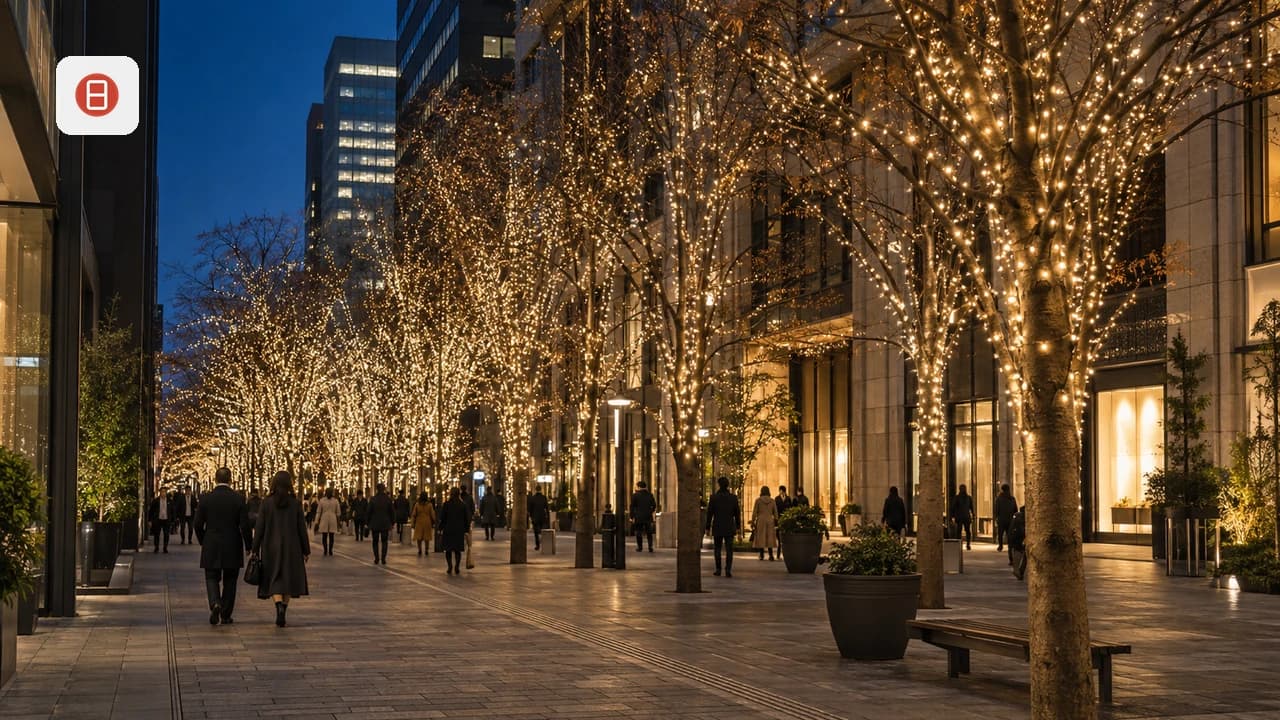
| December | High 12°C (54°F), low 5°C (41°F) | Ski season opens mid-month; snow builds through the region | Winter illuminations citywide; Christmas is a date night, not a family holiday |
| January | Midday 10°C (50°F), low 2°C (35°F) | Coldest month; daily snowfall in the north and Alps | New Year closures December 29-January 3; Coming of Age Day, second Monday |
| February | Day 11°C (50°F), night 3°C (37°F) | Peak festival season around Sapporo and Otaru | Sapporo Snow Festival; Yokote Kamakura Festival, February 15-16 |
Top Winter Festivals: Sapporo, Otaru, and Yokote
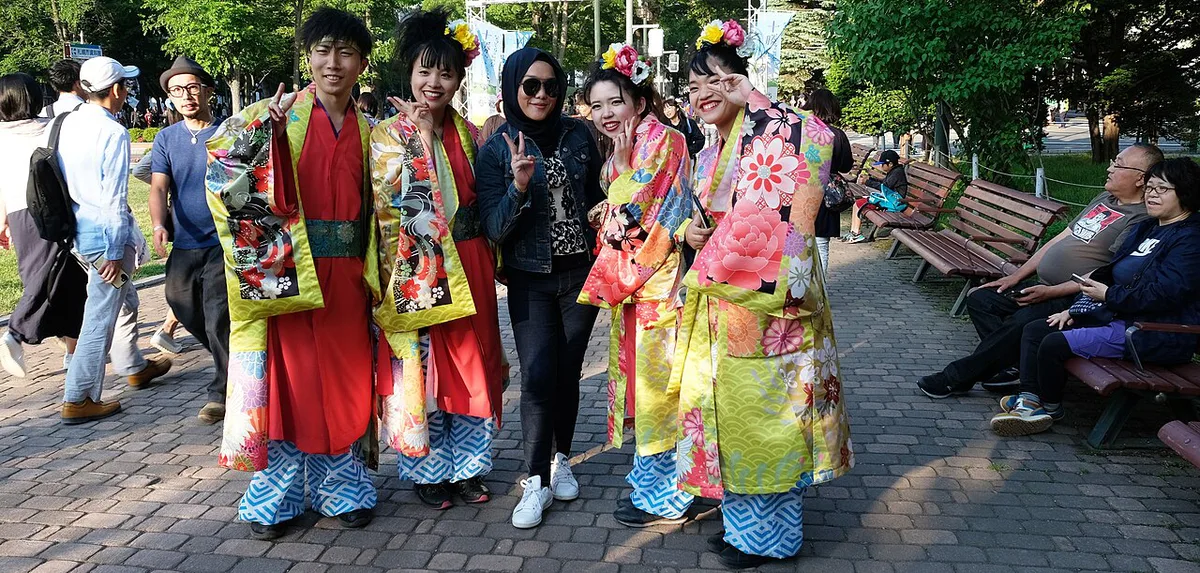
Hokkaido hosts winter's biggest draw: the Sapporo Snow Festival, typically held in early February at Odori Park, Susukino, and the Tsudome site. The festival regularly welcomes more than two million visitors to see hundreds of snow and ice sculptures, some built to the height of a building. Check the Sapporo Snow Festival official site for confirmed 2026 dates before booking flights. The Sapporo Snow Festival guide covers sculpture locations and viewing times in detail. Otaru, a short trip from Sapporo, runs its own Snow Light Path Festival, lining its historic canal and side streets with thousands of small lanterns. The Otaru Snow Light Path guide maps the full route. Akita Prefecture's Yokote Kamakura Festival takes a different form. Hand-built snow igloos, each housing a small shrine, follow a tradition that dates back roughly 400 years. It typically runs February 15 and 16 each year, so confirm exact 2026 dates before booking travel. The Yokote Kamakura Festival guide has logistics for reaching Akita from Tokyo. For a broader calendar of illuminations and regional festivals beyond these three, the Japan winter festivals guide rounds up dates by month.
Winter Wildlife and Heritage: Snow Monkeys, Cranes, and Drift Ice
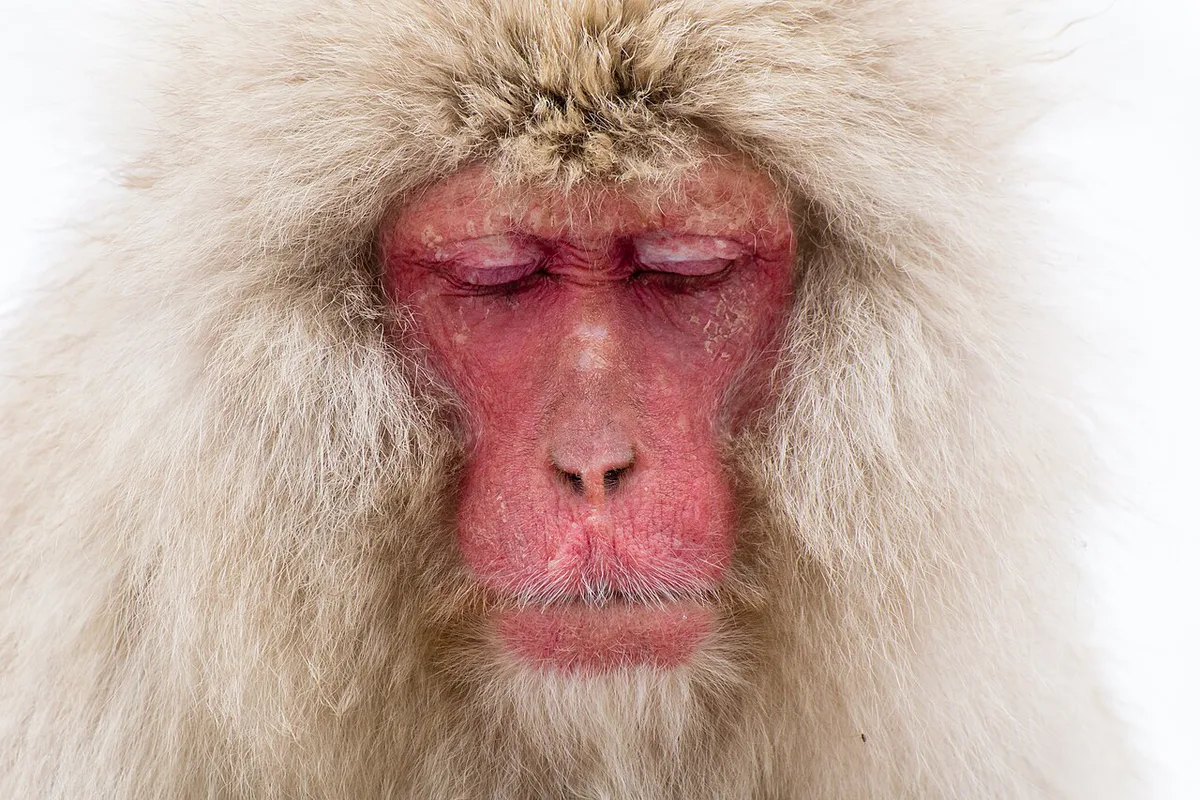
Jigokudani Snow Monkey Park in Nagano Prefecture draws visitors for one thing: Japanese macaques soaking in a natural hot spring against a snowy backdrop. Reaching the springs takes about an hour round trip along a forest trail, so weigh that against the payoff. In winter, the monkeys cluster tightly around the onsen rather than roam and play the way they do in warmer months. That means good photos but less variety in their behavior. The Jigokudani Snow Monkey Park guide has trail conditions and the best arrival times to beat the crowd around the pool. Photographers chasing a different subject head to the Akan International Crane Center in eastern Hokkaido, where red-crowned cranes gather against white snow. Further along the coast, the Abashiri Icebreaker Cruise sails through drift ice on the Sea of Okhotsk from a heated cabin. That ice starts forming in January and reaches peak thickness in the second half of February, so late-February sailings usually show the most ice. Inland, the gassho-zukuri farmhouses of Shirakawa-go, a UNESCO World Heritage site in Gifu, draw heavy day-tripper bus traffic even in winter. Gokayama's Ainokura and Suganuma villages, also UNESCO-listed, sit nearby in Toyama Prefecture and see far fewer visitors for a similar snow-roofed scene.
Winter Sports: Skiing, Snowboarding, and Non-Skier Options
Skiers without a full week to spare can reach snow from Tokyo in a single day. Gala Yuzawa sits about 1 hour 50 minutes from Tokyo on the Joetsu Shinkansen, with a station built into the resort's base. Its observation deck sits 900 meters (about 2,950 feet) above sea level, reached by a sightseeing chairlift separate from the ski lifts. The winter day trips from Tokyo guide covers Gala Yuzawa alongside other single-day options. For a longer ski trip, the choice usually comes down to Niseko or Hakuba. Niseko, in Hokkaido, gets some of the driest powder in the country, the product of Siberian air crossing the Sea of Japan. Hakuba sits in Nagano Prefecture, which hosted the 1998 Winter Olympics, and offers a wider mix of groomed runs than Niseko. The Hokkaido in winter guide breaks down Niseko logistics alongside Sapporo and Otaru. Non-skiers still have reasons to head for the mountains. Sightseeing chairlifts and observation decks, like the one at Gala Yuzawa, let visitors reach alpine views without boots or a lift pass. Snowshoeing tours run at most major resorts for anyone who wants snow underfoot without skis. Japan's terrain helps explain why. Roughly 73 percent of the country is mountainous, and the ski season typically runs from mid-December through March depending on snowfall.
Hokkaido averages 1,524 cm annual snowfall, creating Niseko's prized dry powder; plan early given the region requires a separate flight or lengthy Shinkansen from Tokyo.
Getting Around: Trains, Driving, and Winter Delays
Japan's rail network handles winter well on ordinary days, but blizzards do cause real delays. During heavy snow events, bullet trains on affected lines have been delayed by around 40 minutes while crews clear ice from the tracks. Shinkansen service on the Joetsu Line to Gala Yuzawa usually keeps running in these conditions, part of what makes it a dependable day-trip option. Renting a car for the Japanese Alps is common, but it comes with requirements worth confirming before departure. Check current International Driving Permit rules before departure. The US, UK, and Australia all currently require one, though the process to obtain it varies by country. An ETC (Electronic Toll Collection) reader is also worth requesting with the rental, since it lets tolls process automatically instead of stopping at each booth to pay cash. Cities built for mild winters struggle more than snow country does. Kyoto, in particular, is not equipped to handle a heavy snow dump. Black ice forms fast on its streets, and buses without snow chains can be seen sliding at intersections during storms. In the Fuji Five Lakes area, rental cars should carry studded tires for winter driving, since black ice on mountain roads is common there too. Planning a full itinerary around these trade-offs works better than improvising day to day. The Japan winter itinerary guide sequences cities to avoid the worst timing conflicts.
Where to Stay: Hotels vs Ryokans, and the Seasonal Price Swing
Winter accommodation in Japan splits into two different experiences. A modern hotel room comes with central heating that runs all night, which matters after a day outside in sub-zero temperatures. A traditional ryokan trades that for a private or shared onsen and tatami floors, often heated only by a kotatsu table or space heater rather than central air. Neither is more correct than the other, but frigid Hokkaido nights make the heating difference more noticeable than it would be in Tokyo. Rates also swing hard with the calendar. A basic double room in a Niseko or Hakuba lodge can run around ¥15,000 a night during a quiet January stretch. During the New Year holiday week or the first two weeks of February, the same room can climb past ¥30,000, as the Sapporo Snow Festival pulls visitors north. Booking three to four months out helps lock in the lower end of that range before festival-week demand pushes rates up.
Packing for Japan in Winter: Layers, Dry Air, and Footwear
Layering solves most of winter's cold-weather problems. Start with a UNIQLO HeatTech thermal base layer under a sweater, then add a puffer jacket with a hood. Remove layers once inside a heated train or shop, where indoor heating runs high. Disposable kairo pocket warmers, sold at nearly every convenience store, slip into gloves or pockets for a few hours of extra warmth. The winter clothes packing guide lays out a full layering system by region and activity level. Low humidity is the season's less obvious hazard. Dry indoor heating combined with cold, dry outdoor air can crack nasal passages enough to cause nosebleeds and leave skin dry or flaking by the end of a trip. Packing a travel-size moisturizer and staying hydrated helps more than it sounds like it would. Footwear matters as much as outerwear. City sidewalks in Kyoto, Tokyo, and Osaka turn icy after snowfall since they are not built for it. Waterproof boots with real tread grip better than fashion boots or sneakers. The Japan Packing List: Seasonal & Essential Travel Guide covers the rest of what belongs in a winter suitcase, from documents to electronics.
At January lows near 2°C, thermal spring bathing (onsen) transitions from luxury to necessity, especially after outdoor activities in severe cold.
New Year in Japan: Plan Around the Closure Window
Japan's biggest closure window falls between December 29 and January 3. It catches first-time visitors off guard more than almost anything else in this guide. Chain convenience stores and hotel restaurants generally stay open, so a trip built around them survives the closures better than one planned around neighborhood spots. January 1 centers on hatsumode, the first shrine or temple visit of the year, when Japanese travelers turn out in large numbers to pray for good fortune. According to the Japan National Tourism Organization, planning ahead for these seasonal closures avoids disappointment. The second Monday of January adds a smaller wrinkle. Coming of Age Day sees 20-year-olds celebrate in formal kimono at ceremonies that fill some train stations for an afternoon.
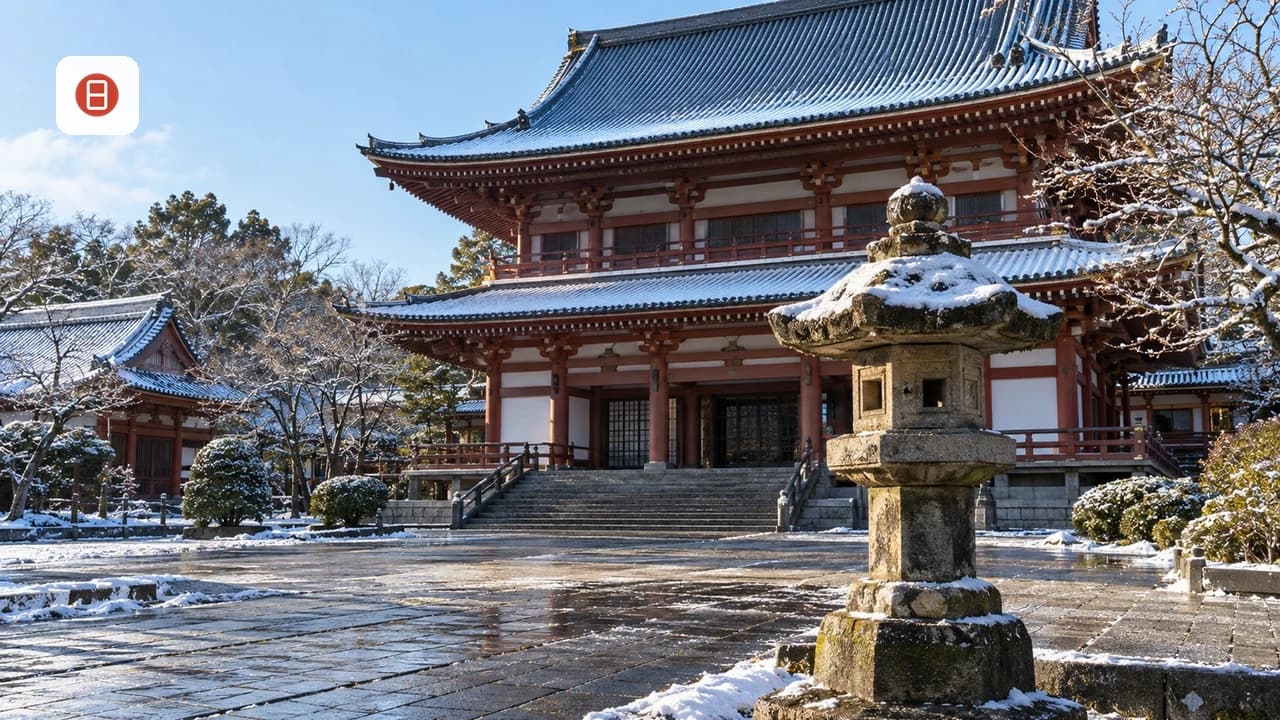
- Kyoto's temples and Tokyo's shrines mostly stay open, with lighter crowds than usual.
- Independent restaurants and small shops often close for some or all of the week.
- Banks and museums may close entirely during the same stretch.
- ATMs can run short on cash, so withdraw more than usual beforehand.
Winter Mistakes to Avoid in Japan
A few planning mistakes show up again and again in Japan winter trip reports. Avoiding them mostly comes down to timing and reservations made well before departure. Route planning smooths out most of these issues before they become a problem on the ground. A 7-day Japan itinerary works for a Tokyo-Kyoto loop without Hokkaido. A 10-day Japan itinerary leaves room to add the Japanese Alps or a short Hokkaido leg. For travelers who want Hokkaido's snow festivals and central Japan in the same trip, a 2-week Japan itinerary gives enough time to cover both without rushing connections.
- Hokkaido is a separate flight or a long Shinkansen ride from Tokyo, not a same-day add-on, so build it into the itinerary early.
- The December 29 to January 3 closure window catches many visitors off guard. Plan meals and errands around chain stores during that stretch.
- Kyoto's Moss Temple (Kokedera) has required advance reservations in the past. Check current booking requirements before finalizing a Kyoto itinerary.
- Private evening tours of popular Kyoto temples need booking weeks ahead. Winter's shorter daylight hours make availability tighter than in other seasons.
Make Time for a Winter Onsen Stay
A hot-spring bath is one of winter's best rewards, especially after skiing or a snowy walk. Mountain towns such as Nozawa Onsen in Nagano, Zao Onsen in Yamagata, and Kinosaki Onsen in Hyogo combine public baths with walkable streets and traditional inns.
For the classic winter setting, choose a rotenburo, an open-air bath. Snow may fall around the bath, but the water is naturally heated. Ryokan guests often use the bath before dinner or early in the morning, when facilities are quieter.
- Wash thoroughly at the shower station before entering the water.
- Keep towels and long hair out of the bath.
- Check tattoo policies before booking; rules vary by property.
- Bring warm, easy-to-remove layers for the walk back outside.
Do not treat an onsen like a hot tub after drinking. The heat can cause dehydration or dizziness, particularly after a day in dry winter air. Short soaks with water between them are more comfortable than staying in too long.
Explore in winter in other cities
Frequently Asked Questions
Is Japan worth visiting in winter?
Winter trades cherry blossoms and fall color for clearer Mount Fuji views, thinner crowds at major temples, and dry powder snow in the mountains. The trade-off is shorter daylight and a colder, drier climate than most other seasons. For travelers interested in skiing, festivals, or onsen culture rather than spring flowers, winter often works better than the busier shoulder seasons.
How cold does it get in Tokyo in winter?
Tokyo stays relatively mild for a winter destination. December highs typically reach 12°C (54°F) with lows around 5°C (41°F). January, the coldest month, sees midday temperatures near 10°C (50°F) and lows around 2°C (35°F). February warms slightly to around 11°C (50°F) by day and 3°C (37°F) at night.
What should travelers pack for Japan in winter?
Layering works best for Japan's winter cold. Start with a UNIQLO HeatTech thermal base layer, add a mid-layer sweater, then top with a waterproof puffer jacket with a hood. Disposable kairo pocket warmers, a scarf, and waterproof boots with real tread also help on icy sidewalks. The winter clothes packing guide breaks this down further for both Hokkaido and central Japan.
Are the Jigokudani snow monkeys worth visiting in winter?
The hike to the hot spring takes about an hour round trip through a forest trail, worth building into the day's schedule. In winter, the monkeys tend to stay close to the warm water rather than roam widely, so visitors mostly see them soaking rather than playing. That trade-off is worth weighing against how much the walk and the setting matter, separate from the animals' activity level that day.
What closes in Japan during the New Year holiday?
Independent restaurants and small local shops often close for some or all of the period between December 29 and January 3. Banks and museums frequently close during the same stretch, and ATMs can run short on cash. Chain convenience stores, major hotels, and train services generally stay open throughout, so a trip built around them holds up better than one planned around neighborhood spots.
When is the Sapporo Snow Festival in 2026?
The festival traditionally runs in early February at Odori Park, Susukino, and the Tsudome site in Sapporo. Exact 2026 dates should be confirmed on the Sapporo Snow Festival official site closer to the trip, since organizers set dates annually. Booking flights and hotels well ahead of that window matters, since the event draws more than two million visitors most years.
Explore Japan in Winter
Plan a winter trip to Japan season by season, from December illuminations to February's snow festivals, with practical guides for packing, festivals, and sample itineraries across the country's snowiest and mildest regions.
Month-by-Month Guides
- Japan in December: Weather, Illuminations, and What to Pack
- Japan in February: Weather, Snow Festivals, and Travel Tips (2026)
- Best Time To Visit Japan: A Seasonal & Monthly Travel Guide
Winter Festivals & Illuminations
- Japan Winter Festivals: A Complete 2026 Guide by Region
- Sapporo Snow Festival guide
- Otaru Snow Light Path Festival Guide: Venues, Timing, and Local Tips
- Yokote Kamakura Festival, Akita
Snow Country & Regions
- Hokkaido in Winter: 10 Essential Experiences and Itinerary Guide
- Kyoto in Winter: 8 Best Things to Do & Travel Guide
- Jigokudani Snow Monkey Park Travel Guide
- Winter Day Trips From Tokyo Travel Guide
Packing & Planning
- Japan Winter Clothes
- Japan Packing List: Seasonal & Essential Travel Guide
- Japan Travel Guide: Plan Your Trip with Expert Tips & Itineraries
Sample Itineraries
Free guide: Japan's Hidden Gems
12 under-the-radar places beyond Tokyo & Kyoto — with the best season to visit each and a local tip you won't find in the guidebooks.
You might also like


Continue reading
More guides you'll find useful