

Yame Tea Fukuoka: Day Trip Guide From Fukuoka City (2026)
Plan a Yame tea trip from Fukuoka City. Compare the town side and the Hoshino mountain side, drive times, a ¥70,000 guided benchmark, and Tuesday closures.
On this page
Last updated November 2026: a Yame tea Fukuoka day trip is easier to plan once you know one fact. Yame is the tea-growing area in southern Fukuoka Prefecture, known for gyokuro, and a Kyushu tour operator lists about 60 minutes by car from Fukuoka City. Our guide splits Yame into a town side and a mountain side, so you can pick one and skip the rest. For more ideas around the city, see our Fukuoka attractions guide.
Yame Tea Fukuoka: What Makes It Worth the Trip
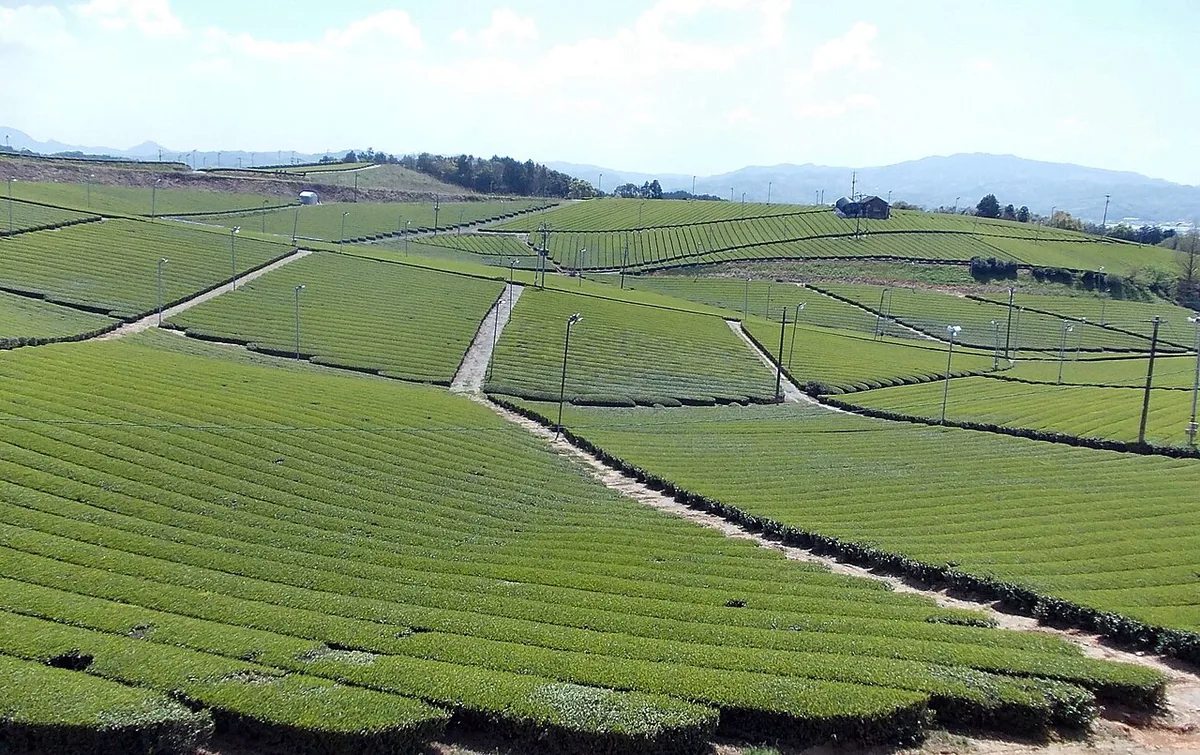
Yame sits on the Chikushi Plain, between the Chikugo River basin and the Yabe River basin. One producer's history page says about 90% of Fukuoka's tea comes from this area. It also says Yame makes roughly 3% of Japan's tea and counts about 1,500 growers. Treat those figures as producer claims and check them against a government or tea-industry source before you repeat them.
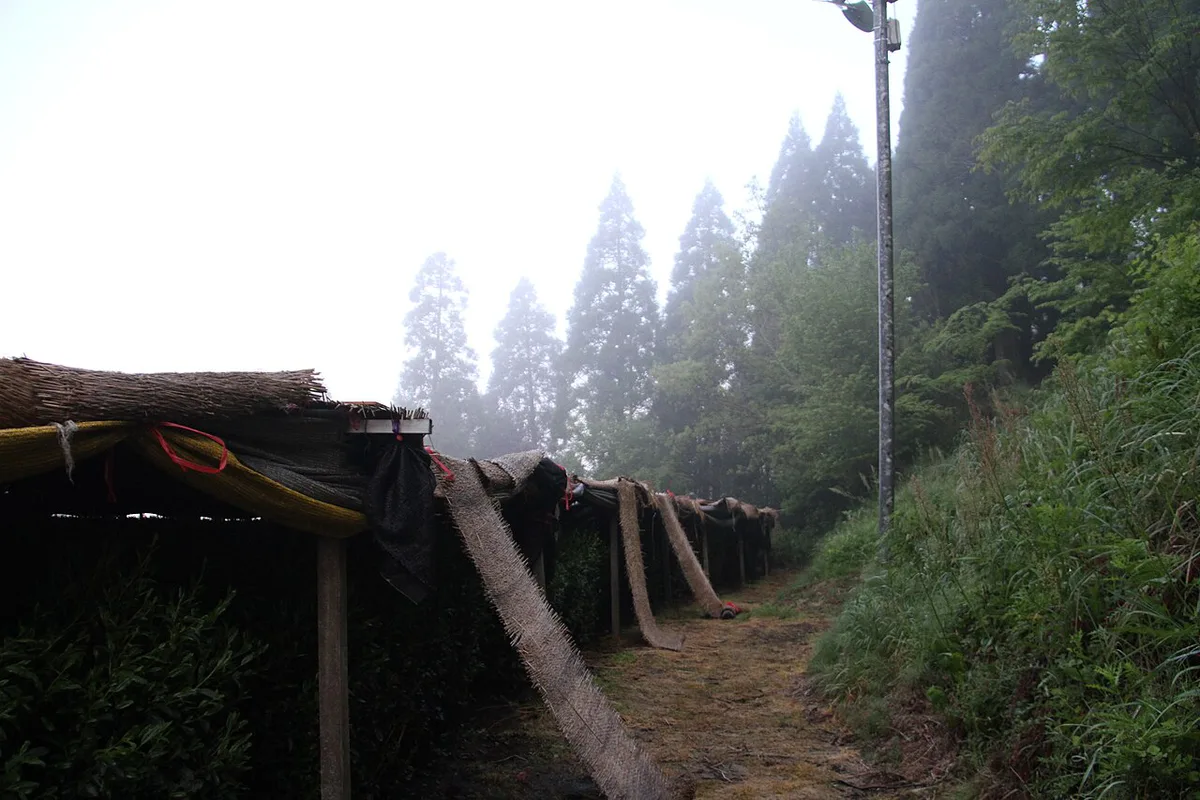
Gyokuro is the reason to come. Growers shade the plants before harvest, and the leaves taste sweeter and more savory as a result. Sencha is grown in full sun. It usually tastes fresher, grassier and a little more astringent. Gyokuro is brewed with cooler water, so a small cup tastes thick and round. A good rule: order gyokuro to taste, buy sencha to drink every day.
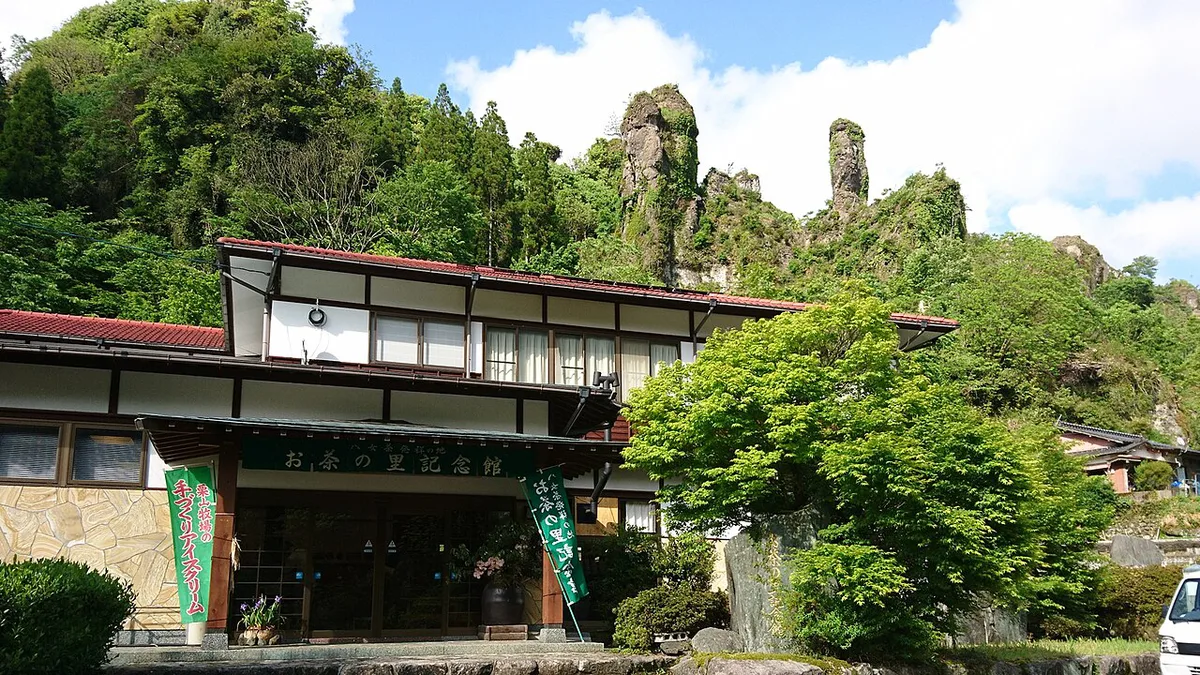
Yame is a quiet agricultural region rather than a sightseeing circuit. Go for tea rooms, terraced fields and old merchant streets, not for a long list of landmarks.
Town Side vs Mountain Side in Yame
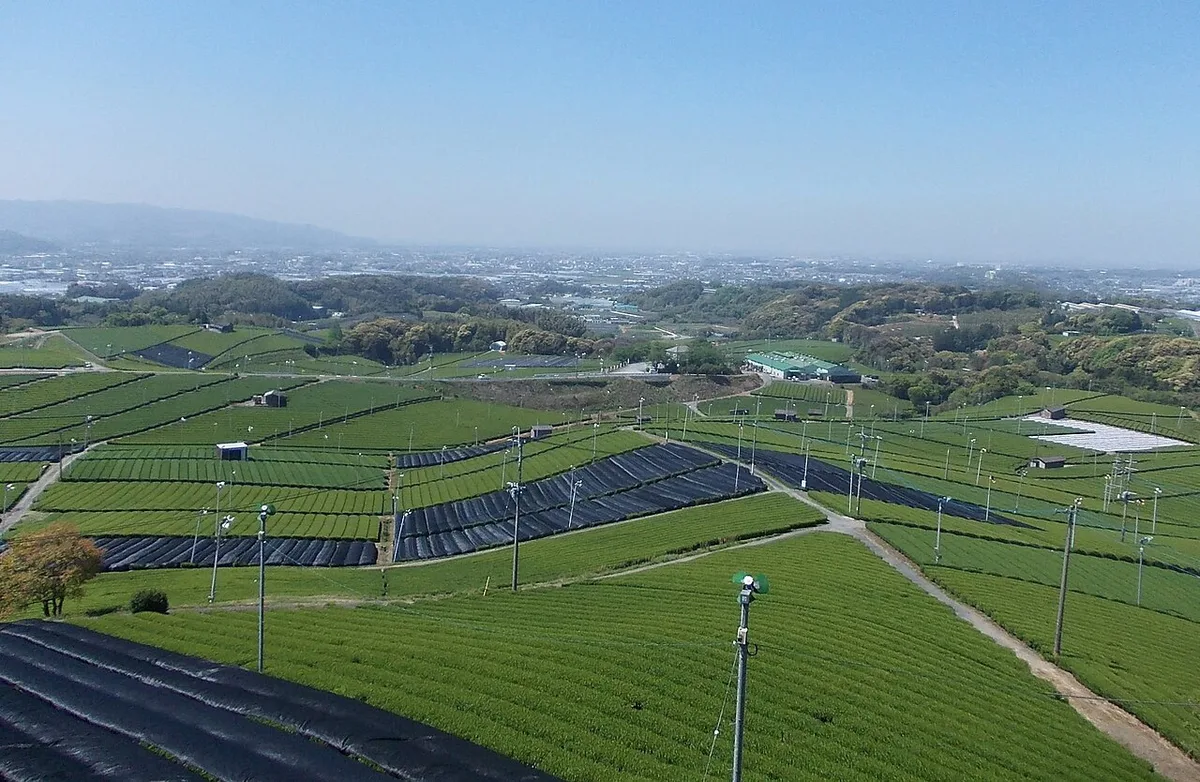
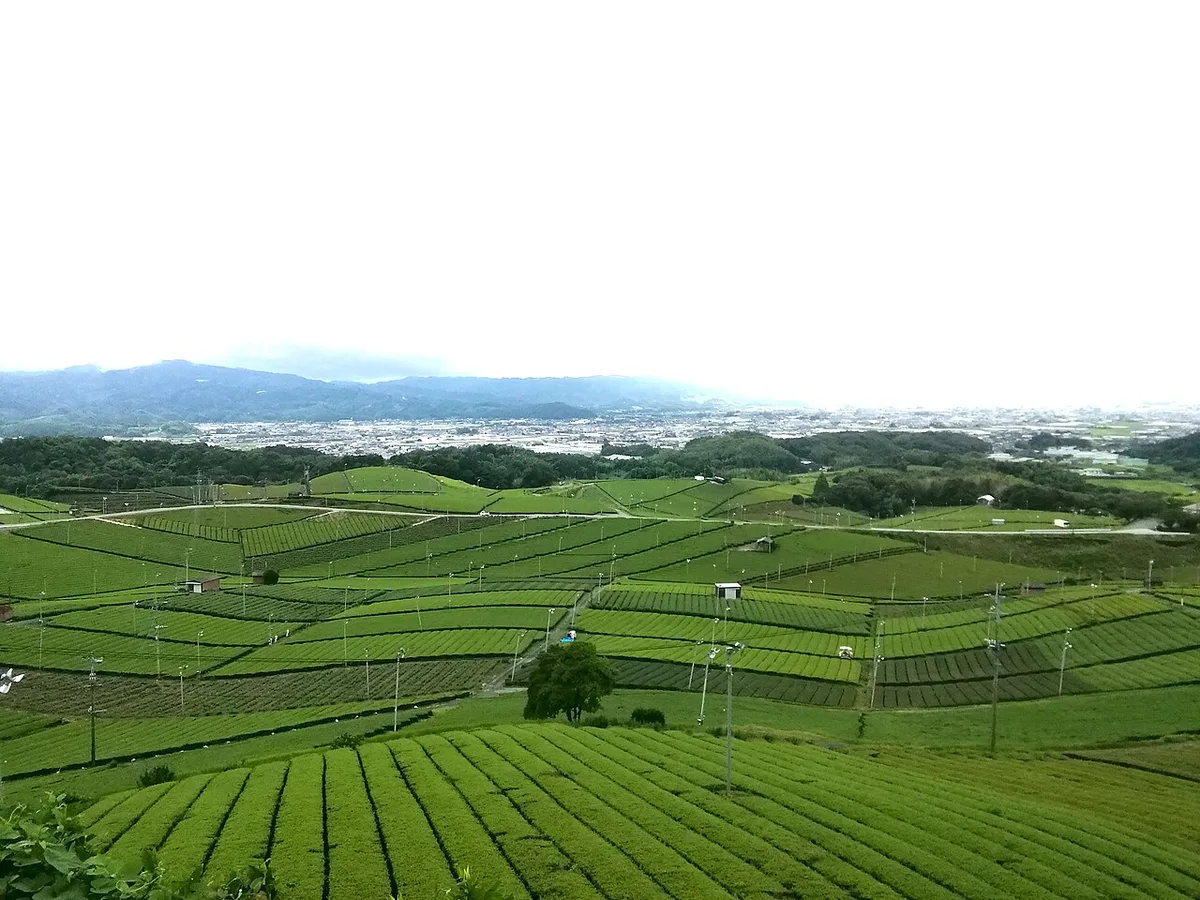
Yame splits into two distinct trips. The town side is built around the Fukushima district. Japan's government designates it as a preservation area for traditional buildings, and its white-walled merchant houses sit mainly in the Miyano, Kyo and Furumatsu neighborhoods. The mountain side centers on Hoshino Village, which sits between 200 and 1,000 metres above sea level. About 84% of the village is forest, and stone-walled terraces hold rice and tea. The table below sets the two against each other.
| Area | What you do | Tea content | Best for | Car need | Time needed |
|---|---|---|---|---|---|
| Town side (Fukushima) | Walk white-wall streets, see the Yame Traditional Crafts Museum, visit Kitaya sake brewery | Tea tasting at a machiya; check walk-in policy | Crafts, history, easy walking | Lower; confirm bus or rail options | Half day |
| Mountain side (Hoshino Village) | Tea Culture Museum, terraced fields, Sky Tea house, onsen | Shizuku-cha, tea-room meals, workshops | Tea learning and scenery | High; roads are mountain roads | Half to full day |
| Central Tea Garden | Hilltop viewpoint over about 70 ha of plantation | Tea fields only | Photos, short stop | Likely needed; verify | About 1 hour |
Getting to Yame From Fukuoka City
A Kyushu tour operator lists 60 minutes by car from Fukuoka City to Yame. It also lists 40 minutes from Yanagawa and 35 minutes from Kurume. The Fukuoka prefectural guide gives Hoshino Village drive times. Allow about 1 hour from JR Hainuzuka Station. Allow about 50 minutes from the Yame Interchange on the Kyushu Expressway. Allow about 50 minutes from the Haki Interchange on the Oita Expressway.
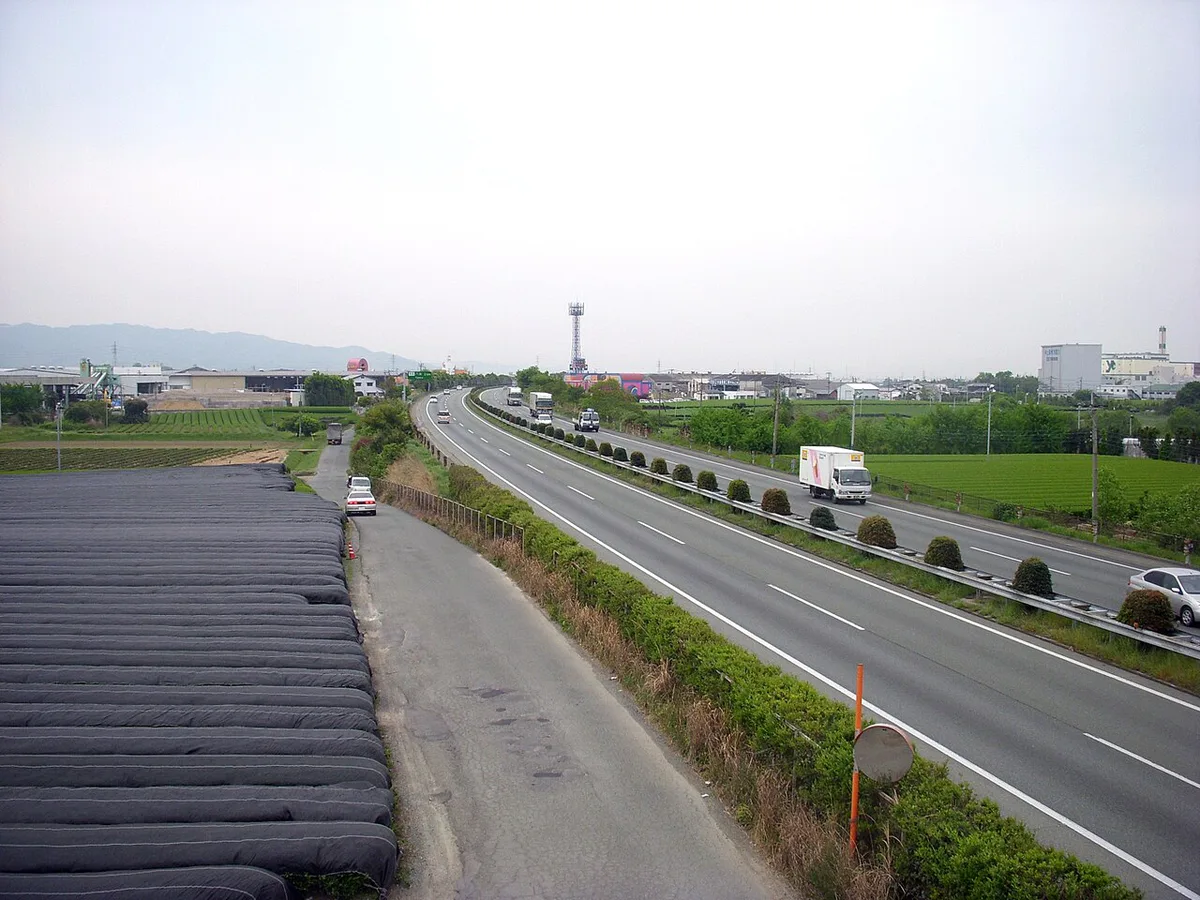
A rental car or private driver is the realistic way to combine both sides. Public transport is a genuine evidence gap. This brief has no verified rail or bus timetable, no fares and no last-return times. Check current schedules with the operators before you plan around a bus, and do not assume Hoshino is reachable without a car. A guided option, covered below, removes the problem. Base yourself in Hakata for the early start. Our Hakata neighborhood guide covers where to stay.
Sample Day Plans for a Yame Tea Trip
Pick one side and do it well. These plans are route sketches, not minute-by-minute schedules.
Town-side day: leave Fukuoka City in the morning for the Fukushima district. Walk the white-wall streets and visit the Yame Traditional Crafts Museum, which opened in 1986. Ask about tea tasting at the Yokomachi Machiya Cultural Centre, which a tour operator uses for this. Confirm walk-in access first. Have lunch next to Kitaya brewery at Ginnoka, a restaurant in a roughly 100-year-old house that opened in 2014.
Mountain-side day: drive to Hoshino Village and spend the core hours at the Hoshino Tea Culture Museum. Add the terraced fields and the Sky Tea house. Finish with an onsen if you have energy left. Mountain roads slow the drive home.
Combined car day: a private tour runs this as an 8-hour format, which shows it is possible. It is also long, so treat it as a ceiling, not a target. Pair the trip with a city day using our 24 hours in Hakata itinerary.
| Your situation | Pick | Transport | Plan on |
|---|---|---|---|
| Short on time, interested in crafts | Town side | Car or verified public transit | Half day |
| Serious about tea tasting | Mountain side | Car or guided | Half to full day |
| Both sides, no stress about cost | Guided combined day | Private car with driver | About 8 hours |
| Travelling with limited mobility | Hoshino Tea Culture Museum | Car | Check accessibility first |
What a Yame Trip Costs
The only price anchor in this brief is a private guided tour. WOW U lists it at about ¥70,000 per guest, or ¥140,000 for two people, for 8 hours. That price includes lunch, entrance fees and transport. Each extra guest adds ¥20,000, up to seven people. Requests need at least 7 days' notice. These figures were checked in November 2026 and will change.
Treat that number as a ceiling to compare against a self-guided day. Self-guided costs have no verified prices here. Your main items are car rental or fuel, any museum or workshop fees, lunch and the tea you buy. Check the current figures on each venue's official page. Our Japan Travel Guide: Plan Your Trip with Expert Tips & Itineraries has broader budget planning.
Tea Experiences and What to Buy
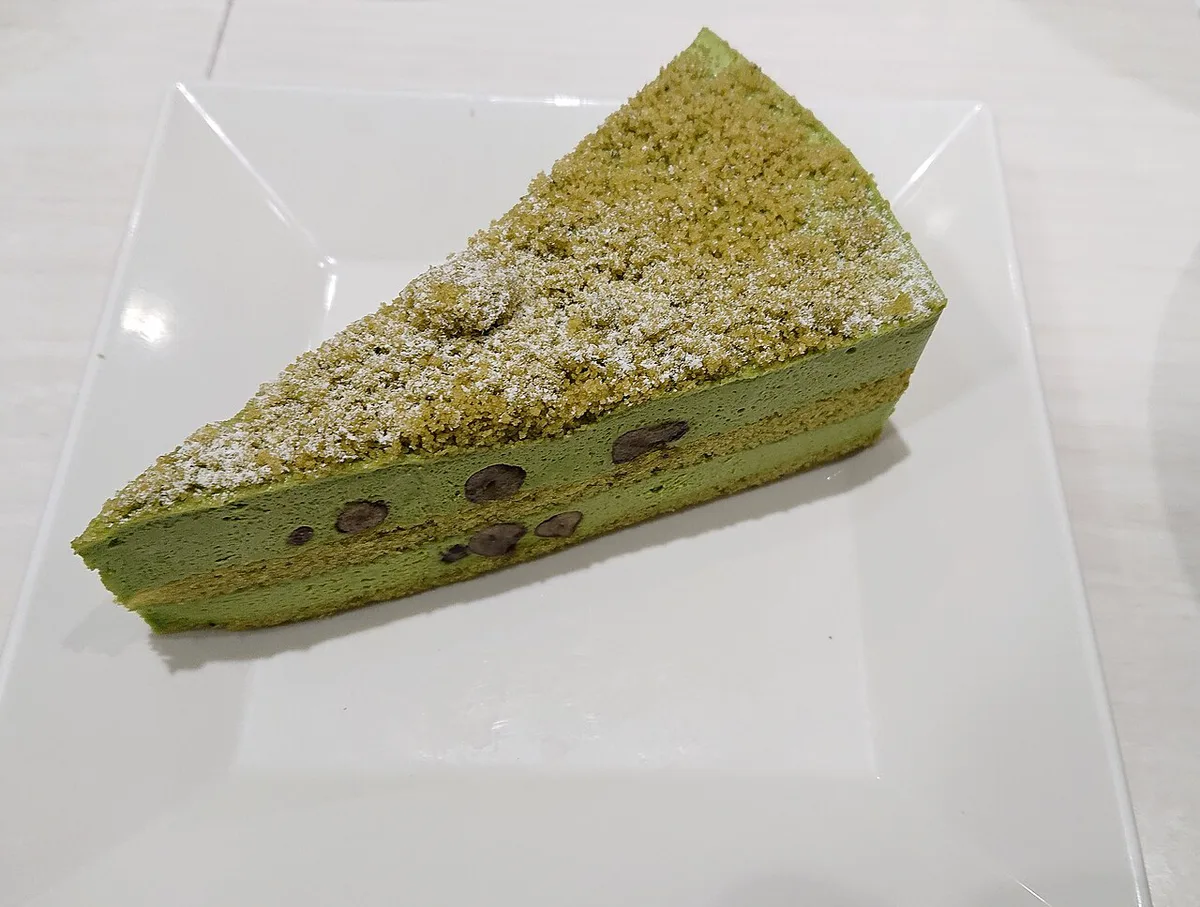
At the Tea Culture Museum in Hoshino Village, the signature order is Shizuku-cha. It is served in tiny drops and tastes intensely savory. The in-house Hoshino Tea Room serves tea noodles, tea-leaf rice and tea gruel. The museum shop sells Hoshino gyokuro, other teas, matcha-flavored yokan and Hoshino ceramics. The Fukuoka prefectural guide lists leaf-kneading and roasting workshops during the tea festival. It also lists them during the Spring Holidays in early May and in early June. Stone-grinding matcha and roasting hojicha are also reported at the museum. Confirm what is bookable before you go.
For shopping, buy gyokuro for special occasions and sencha for daily use. Ask the shop about shipping if your bag is full. Crafts are part of Yame's identity too. If you like handmade objects, our Hakata dolls guide covers a related Fukuoka craft. Check the Yame City website for local events.
When to Go for Yame Tea
Spring is the main season. A producer page says first tea is picked from mid-April through May, peaking in early May. The second harvest runs from mid-June to early July. Time a visit for the first-tea festival and the early-May workshops. Verify exact festival dates each year.
Autumn is quiet, but Fukushima's lantern dolls, staged around September 23 each year, give the town side a reason to visit.
Kurogi's giant wisteria draws crowds from mid-April to early May at Susano Shrine. A tour operator says the tree is over 600 years old. The festival also opens Kitaya brewery for tours. In the town, Fukushima Hachimangu Shrine stages folk lantern dolls around September 23 each year. Check that date before you plan around it.
Autumn and winter are quieter. Expect fewer events and no first-tea buzz. The tea fields, shops and museums remain the draw. Confirm opening hours before you drive out.
Practical Constraints and Mistakes to Avoid
Tuesdays are the biggest trap. The Tea Culture Museum is listed as closed on Tuesdays. Ginnoka restaurant is also closed on Tuesdays. Verify both before you leave Fukuoka.
Its car park holds 35 vehicles, so a mountain-side visit needs an early start, plus extra margin for slow mountain roads on the drive home.
The museum car park holds 35 vehicles. Spring weekends may fill it, so arrive early. Mountain roads are slower than the expressway figures suggest, so add a margin on the way back. The museum lists a wheelchair ramp and an accessible toilet. Guide dogs are permitted, and Japanese sign-language assistance needs advance notice.
Mistakes to avoid:
- Trying to see both sides in one day without a driver.
- Arriving on a Tuesday without checking closures.
- Showing up outside spring events and expecting workshops.
- Turning up for a guided tour without the 7 days' notice.
- Assuming public transport reaches Hoshino without checking timetables.
Free: The Fukuoka Essentials guide
Top things to do, where to stay, a perfect day plan, getting around, and the best time to go — a Fukuoka mini-guide you can take offline.
You might also like


Continue reading
More guides you'll find useful


