
10 Essential Stops for a Fukuoka Cultural Heritage Itinerary
Discover the ultimate 24-hour Fukuoka cultural heritage itinerary. Explore Hakata's ancient temples, traditional crafts, castle ruins, and the iconic Nakasu food stalls.
On this page
Fukuoka is a vibrant city where ancient traditions meet modern life on Kyushu Island. This 24-hour fukuoka cultural heritage itinerary: 24 hours in hakata guides you through the historic heart of the region. You will discover centuries-old temples and taste legendary street food along the river. Hakata serves as the perfect gateway to exploring authentic Fukuoka Culture and history.
Planning a short trip requires a smart approach to logistics and timing. Most major sites sit within the central Hakata and Tenjin districts. A well-structured plan helps you maximize every hour in this coastal gem. Get ready to walk through history while enjoying the city's unique hospitality.
Must-See Fukuoka Attractions
Kushida Shrine, Tochoji Temple, the Kawabata Shotengai arcade, and Canal City Hakata all sit within a 15-minute walking radius of each other. You can cover all four on foot without using the subway — saving fares for trips to Ohori Park or Maizuru later in the day.
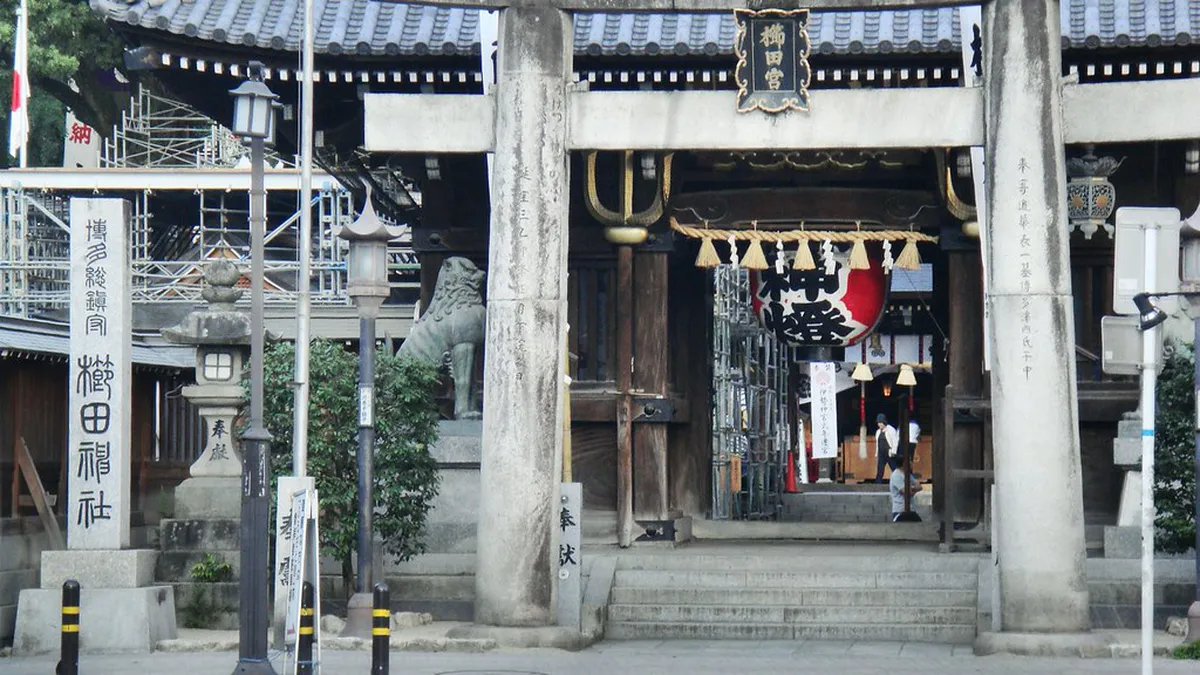
Start your morning at Kushida Shrine, the grand guardian of the city. This shrine hosts the famous Hakata Gion Yamakasa festival every July. Visitors can view massive, decorative festival floats on display throughout the year. The intricate carvings and peaceful atmosphere offer a great introduction to local spirituality.
Next, walk a short distance to Tochoji Temple to see the Great Buddha. This wooden statue is one of the largest seated Buddhas in all of Japan. The temple grounds also feature a striking five-story red pagoda. You should explore the 'Heaven and Hell' passage located beneath the Buddha statue.
Hakata's temple district is remarkably walkable and filled with hidden gems. Many of these must-see Fukuoka cultural attractions are located near Gion Station. Early morning visits help you avoid the largest crowds at these popular spots. Remember to respect local customs by bowing at the shrine gates.
- Kushida Shrine Heritage Site
- Type: Shinto Shrine
- Best for: Festival history
- Where: Hakata District
- Cost: Free entry
- Tochoji Temple Great Buddha
- Type: Buddhist Temple
- Best for: Giant statue
- Where: Near Gion Station
- Cost: Small donation
| Stop | Type | Entry | Nearest station | Time needed |
|---|---|---|---|---|
| Kushida Shrine | Shinto shrine | Free | Gion Station | 30–45 min |
| Tochoji Temple (Great Buddha) | Buddhist temple | Small donation | Gion Station | 30–45 min |
| Fukuoka City Museum | History museum | Free (permanent) | Ohori-koen (bus) | 60–90 min |
| Fukuoka Castle Ruins | Historic ruins | Free | Akasaka or Ohori-koen | 45–60 min |
| Hakata Machiya Folk Museum | Craft/history museum | ¥200 | Gion Station | 45 min |
| Nakasu Yatai stalls | Street food | ≈¥1,500–¥3,000/person | Nakasu-Kawabata | 60–90 min |
Museums, Art, and Culture in Fukuoka
The Fukuoka City Museum is a vital stop for history buffs. Its most famous treasure is the King of Na gold seal from the first century. This tiny artifact proves early diplomatic ties between Japan and China. The museum also details the city's evolution from a merchant hub to a modern metropolis.
For a touch of modern heritage, head to the nearby Sazaesan Street. This area celebrates the creator of Japan's longest-running animated series. Statues and plaques tell the story of this beloved cultural icon. It offers a charming contrast to the ancient artifacts found in the main museum.
Art lovers should not miss the Fukuoka Asian Art Museum near Nakasu. This facility focuses on contemporary works from across the Asian continent. The rotating exhibits often feature bold installations and unique perspectives. Plan for at least two hours to fully appreciate the diverse collections.
Parks, Gardens, and Outdoor Spots in Fukuoka
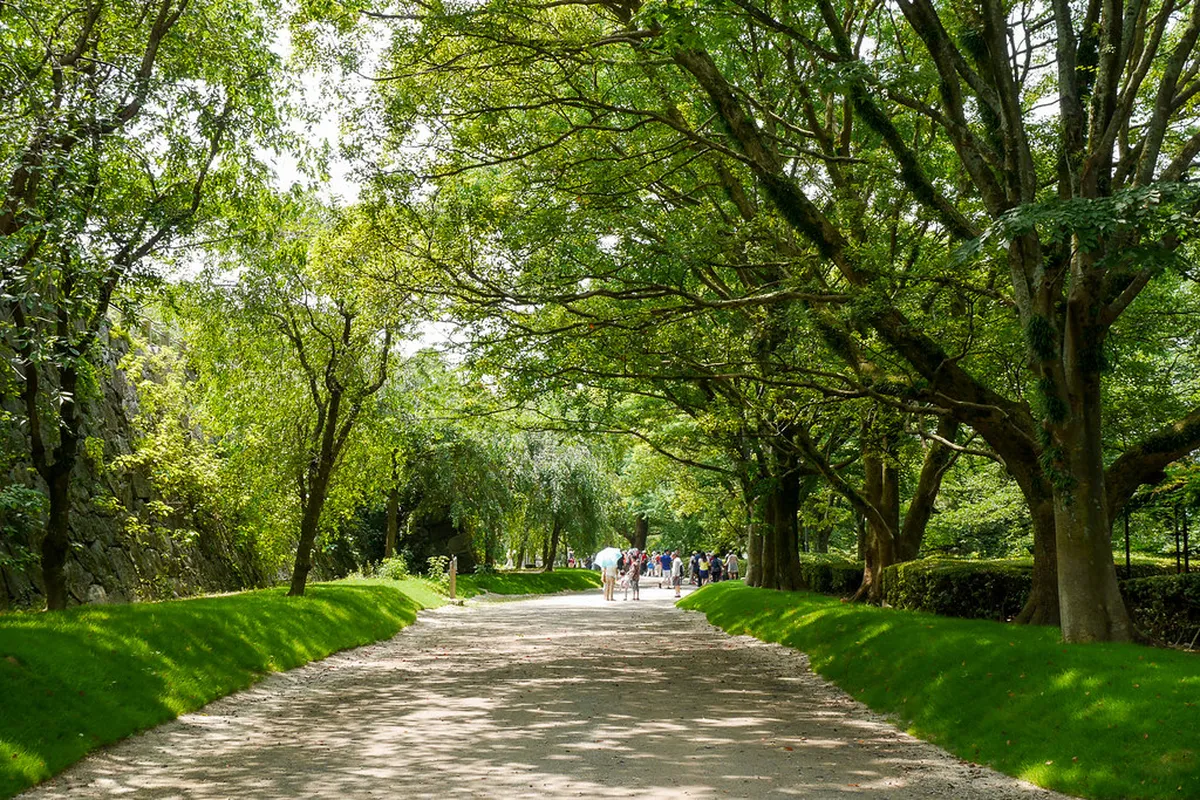
Maizuru Park holds the remains of the historic Fukuoka Castle. The Fukuoka Castle Ruins offer panoramic views of the modern skyline. You can walk along the old stone walls built by the Kuroda Clan. The Tamon Turret remains one of the few original structures still standing.
This park becomes a sea of pink during the cherry blossom season. Locals gather here for picnics under the blooming trees in early April. Informational signs explain how the castle once protected the strategic port. It is a perfect place for a quiet afternoon stroll away from the traffic.
Nearby, the Korokan Ruins Museum showcases an ancient guest house for foreign diplomats. This site highlights Fukuoka's long history as a gateway to Asia. Excavated items show the luxury that visiting officials once enjoyed. The museum is built directly over the archaeological dig site.
Family-Friendly and Budget-Friendly Options in Fukuoka
Canal City Hakata is a massive complex often called a 'city within a city.' Families love the spectacular fountain shows that run every half hour. The Ramen Stadium on the top floor offers various regional noodle styles. It is a great spot to find souvenirs and enjoy modern entertainment.
Exploring the city does not have to be expensive for travelers. Many budget-friendly Fukuoka cultural experiences are available for free. Walking through the historic Shotengai shopping arcades costs nothing at all. These covered streets offer a glimpse into local daily life and commerce.
Visit the Hakata Riverain for a mix of high-end shopping and art. The building houses the Anpanman Children's Museum for younger travelers. You can find a variety of cafes that cater to families with small kids. The central location makes it easy to reach from the subway.
How to Plan a Smooth Fukuoka Attractions Day
Efficiency is key when you only have 24 hours in the city. The Fukuoka City Subway is the fastest way to move between districts. Buy a one-day pass if you plan to make more than three trips. Buses are also useful for reaching the coastal Momochi area directly.
Choosing the right neighborhood for your stay can save significant time. Hakata Station is best for those arriving or leaving by Shinkansen train. Tenjin offers the best access to shopping and nightlife venues. Nakasu is the top choice for foodies who want to be near the stalls.
Consult the Official Fukuoka Tourism Site (Go Fukuoka) for event updates. Seasonal festivals can sometimes close certain streets or change bus routes. Check the weather forecast before planning your outdoor park visits. Most museums are closed on Mondays, so plan your week accordingly.
⑨Nakasu Food Stalls Street
Yatai stalls at Nakasu are cash-only and close on rainy nights. Most stalls open around 18:00 and expect guests to order at least one drink. Keep your visit to about 30 minutes if there is a queue of people waiting for a seat.
As the sun sets, the Nakasu island comes alive with glowing lanterns. The Yatai food stalls are a symbol of Fukuoka's unique culinary culture. These mobile kitchens serve everything from grilled meats to hot oden. Savoring a bowl of Tonkotsu ramen here is an essential local experience.
You can join a guided food tour to find the best spots. Guides help bridge the language barrier and explain the menu items. A common rule is to order at least one drink and one dish. Space is limited, so move on once you finish your meal to let others sit.
The atmosphere is social, and locals often chat with visitors. It is a fantastic way to feel the pulse of the city's nightlife. Prices are generally reasonable, but check the menu before ordering. Most stalls accept cash only, so keep some yen ready for dinner.
Booking and Cancellation Policy
Many travelers choose to take a Yanagawa river cruise day trip. Booking these popular tours in advance is highly recommended during peak seasons. Most operators offer a full refund if you cancel 24 hours before. Always read the specific terms on your booking confirmation carefully.
Guided walking tours through Hakata's temples are also very popular. These small group tours often fill up weeks in advance. Using a reputable booking platform ensures your payment is secure. Keep a digital copy of your voucher on your phone for easy check-in.
If weather prevents an outdoor activity, look for indoor alternatives. Many museums and shopping centers offer great rainy-day programs. Check if your tour can be rescheduled to a different time slot. Travel insurance can provide extra peace of mind for larger bookings.
Experiencing Traditional Crafts
Hakata has a rich history of textile production called Hakata Ori. This durable silk fabric was once gifted to the Shogunate. You can see weaving demonstrations at the Hakata Machiya Furusatokan. The museum also showcases the delicate Hakata Ningyo clay dolls.
These dolls are famous for their realistic expressions and smooth finish. Learning about the Hakata Gion Yamakasa helps explain the craft's roots. Many doll makers also create the giant faces seen on festival floats. Small versions of these crafts make excellent high-quality souvenirs.
Ishikura Brewery Hyakunengura is the only remaining sake brewery in the city. This Meiji-era building offers a unique glimpse into traditional brewing. You can taste local sake varieties in their historic tasting room. It is a slightly longer walk but worth the effort for enthusiasts.
Exploring Oohori Park
Ohori Park features a massive central pond modeled after West Lake. A walking path circles the water and is popular with local joggers. You can rent a swan boat to enjoy the view from the water. The park is a peaceful retreat right in the middle of the city.
The Ohori Park Japanese Garden is a hidden gem on the south side. It features traditional landscaping with waterfalls and dry rock gardens. Entry is very affordable and includes access to a tea house. Autumn colors here are particularly stunning during late November.
The Fukuoka Art Museum is also located within the park grounds. It houses an impressive collection of both Buddhist and modern art. Look for the famous yellow pumpkin sculpture by Yayoi Kusama outside. The museum cafe offers a relaxing spot to rest your feet.
Frequently Asked Questions
Many travelers have questions about navigating Fukuoka's cultural sites efficiently. This section addresses common concerns regarding mobility, food, and transit. Understanding these details helps ensure a stress-free 24-hour journey. Read on for expert tips on making the most of your Hakata visit.
Fukuoka offers a perfect blend of historical depth and modern energy. A 24-hour itinerary allows you to see the very best of Hakata's heritage. From the Great Buddha to the glowing Yatai stalls, the memories will last. Enjoy your journey through one of Japan's most welcoming coastal cities.
Free: The Fukuoka Essentials guide
Top things to do, where to stay, a perfect day plan, getting around, and the best time to go — a Fukuoka mini-guide you can take offline.
You might also like
Continue reading
More guides you'll find useful