
Attending Hakata Gion Yamakasa: 10 Essential Insights
Plan your visit to the Hakata Gion Yamakasa with our 2025 guide. Includes the Oiyama race schedule, best viewing spots at Kushida Shrine, and practical tips.
On this page
Attending Hakata Gion Yamakasa: 10 Essential Insights for the Fukuoka Summer Festival
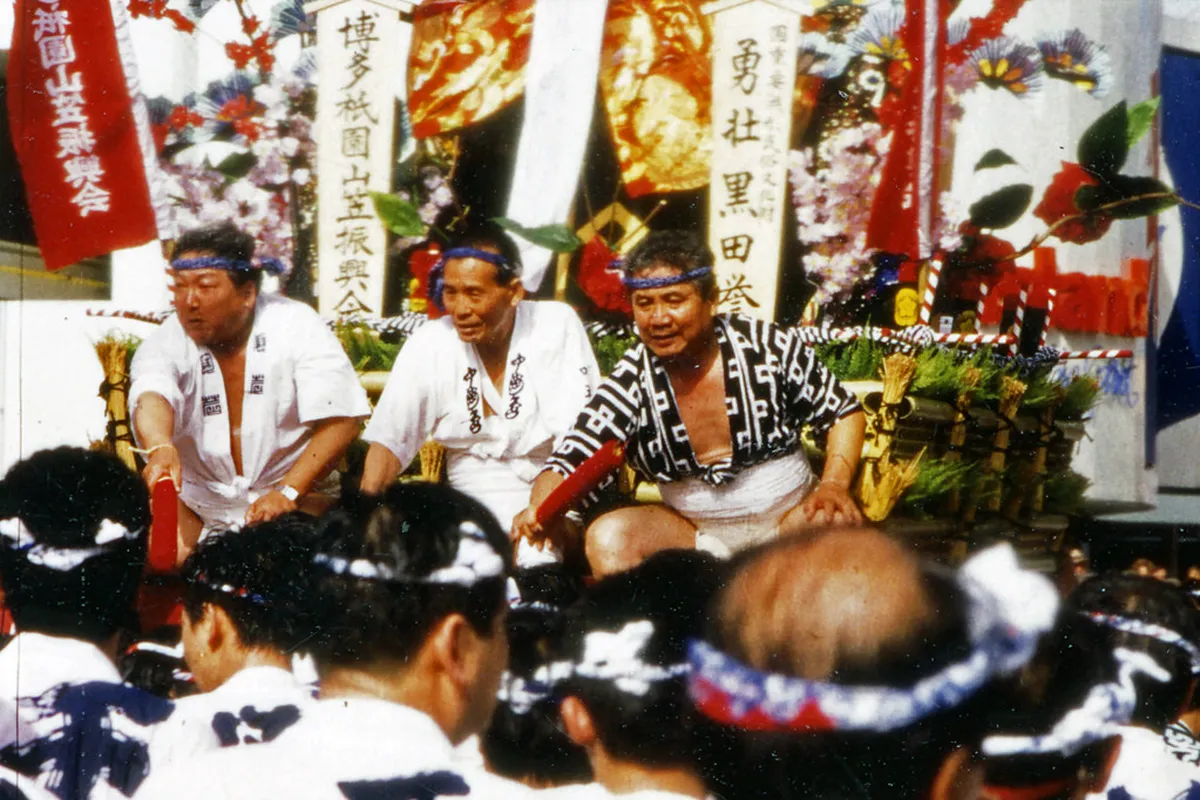
The Hakata Gion Yamakasa is a legendary Shinto ritual that brings the streets of Fukuoka to life every summer. This 700-year-old tradition is a highlight for anyone interested in attending Hakata Gion Yamakasa: Fukuoka summer festival guide this year. Spectators from all over the world gather to watch teams of men race massive wooden floats through the city. It is a powerful display of strength, teamwork, and spiritual devotion that defines the local Hakata identity.
The festival atmosphere transforms the entire city into a vibrant celebration of history and local neighborhood pride. You will see towering decorative floats in shopping arcades and hear the rhythmic chants of the racing teams. This guide provides everything you need to know about the schedule, the best viewing spots, and essential cultural etiquette. Prepare yourself for an early morning adventure that showcases the true heart of Japanese summer festivals.
What Is the Hakata Gion Yamakasa Festival?
The Hakata Gion Yamakasa is a massive Shinto celebration that takes place every July in central Fukuoka. This vibrant event honors the local deity of Kushida Shrine and protects the city from bad luck. Attending Hakata Gion Yamakasa: Fukuoka summer festival guide offers a unique look at one of Japan's oldest traditions.
UNESCO recognized this festival as an Intangible Cultural Heritage because of its deep roots in the local community. Over one million visitors travel to the Hakata district to witness the raw energy of the racing teams. Learn more about the local traditions by exploring the rich history of Fukuoka culture during your summer trip.
The festival reaches its climax with a high-speed race where teams carry heavy floats through narrow city streets. Unlike many other Japanese festivals, this event focuses on physical endurance and precise timing between the different teams. Spectators play an active role by splashing water on the runners to keep them cool during the intense heat.
Historical Significance and the Seven Nagare Districts
The festival began in 1241 when a Buddhist priest sprinkled holy water to stop a plague in Hakata. Today, the event remains a spiritual ritual that unites the seven traditional Nagare districts of the city. Each district takes immense pride in their team and works together to maintain their unique neighborhood traditions.
The seven districts include Daikoku-machi, Higashi, Nakasu, Nishi, Chiyo, Ebisu, and the historic Doi district. These neighborhoods compete with each other to see who can complete the race course in the fastest time. Understanding this district system helps you appreciate the deep community bonds that keep the festival alive every year.
Each Nagare has its own colorful uniforms and specific traditions that have been passed down for many centuries. The men who participate often live or work in these specific areas and train for months before the July events. Watching the fierce competition between these neighborhoods is one of the most exciting aspects of the entire festival.
Essential Dates and the 2025 Festival Schedule
The festival runs from July 1st to July 15th every year regardless of the specific day of the week. Most activities center around the Hakata Ward where the historic Kushida Shrine serves as the main festival hub. You can check the Official Site of Hakata Gion Yamakasa for the most recent schedule updates.
The first week focuses on the display of stationary floats while the second week features the active racing events. Crowds are generally smaller during the early rituals but grow significantly as the final race day approaches. Planning your visit around the key dates ensures you see both the artistic and the athletic sides of the event.
Many visitors choose to arrive a few days early to see the teams practicing their maneuvers in the streets. These practice runs offer a great chance to see the floats up close without the massive crowds of the finale. Be sure to verify the specific times for each ritual as they can vary slightly based on the yearly calendar.
- Key Events of the Yamakasa Schedule
- July 1: Kazariyama floats displayed
- July 9: Oshioitori cleansing ritual
- July 12: Oiyama-nashi practice run
- July 13: Shudanyamamise parade event
- July 15: Main Oiyama race
Key Events: From Oshioitori to the Shudanyamamise
The Oshioitori ritual on July 9th marks the official start of the more active festival phase for the runners. Men from each district run to Hakozaki Beach to collect sacred sand for a traditional purification ceremony. This sand is then used to bless the participants and the floats before the main racing events begin.
Another major highlight is the Shudanyamamise parade which takes place on the afternoon of July 13th. This is the only time the racing floats cross the river from Hakata into the modern Tenjin district. Local dignitaries often ride on the floats during this parade to show their support for the community teams.
The Shudanyamamise offers excellent photo opportunities because the floats move at a slower and more manageable pace. It is a festive afternoon where families gather to cheer for their favorite districts along the wide city boulevards. This event serves as a final public rehearsal before the high-stakes race on the morning of July 15th.
The Oiyama Finale: Where to See the Action
The Oiyama race is the final and most exciting event of the entire Hakata Gion Yamakasa festival period. It begins at exactly 4:59 AM on July 15th when the first team departs from the shrine entrance. Crowds gather hours in advance to find a spot along the five-kilometer course through the city streets.
It is important to plan your transportation since the race starts before the first regular subway trains arrive. Many spectators choose to stay in hotels within walking distance of Kushida Shrine to avoid travel delays. You can find a detailed Hakata Gion Yamakasa Festival Map (Google Maps) to help choose your spot.
While the shrine entrance is the most famous spot, it is often too crowded for most casual visitors to enter. Try watching from the intersection near Tochoji Temple for a better view of the teams turning the heavy floats. The energy of the crowd and the sound of the chanting create an electric atmosphere in the pre-dawn darkness.
Understanding the Floats: Kazariyama vs. Kakiyama
You will notice two distinct types of floats during the festival known as Kazariyama and Kakiyama. Kazariyama are massive decorative floats that stand over ten meters tall and remain stationary throughout the city. These artistic structures feature detailed scenes from Japanese history, mythology, or even popular modern anime characters.
Kakiyama are the smaller and lighter floats used specifically for the high-speed races through the Hakata streets. They weigh about one ton and require a team of dozens of men to carry them at full speed. You can enjoy many free and budget friendly fukuoka cultural experiences by visiting these float displays.
Master craftsmen spend months carving the wooden frames and painting the intricate decorations for both types of floats. The Kazariyama are usually dismantled after the festival ends, but their beautiful components are often preserved in museums. Seeing the scale of these floats in person helps you understand the engineering skills required for the festival.
- Comparing the Two Types of Floats
- Type: Kazariyama (Decorative)
- Height: Over 10 meters
- Usage: Stationary display only
- Location: Shopping arcades
- The Racing Float Specifications
- Type: Kakiyama (Racing)
- Weight: Approx 1 ton
- Usage: Carried in races
- Crew: Dozens of runners
Practical Tips for Enjoying the Yamakasa Spectacle
The festival proceeds in the rain, so you should bring a light poncho if the weather looks uncertain. Only extreme weather like a major typhoon will cause the organizers to delay the scheduled racing events. Check the Yamakasa Navi for real-time updates on team positions and event changes.
Wear comfortable shoes because you will likely be standing or walking for several hours in the early morning. The streets are narrow and become very wet from the water splashed on the runners during the race. If you have a full day, follow a fukuoka cultural heritage itinerary: 24 hours in hakata to see more sites.
Staying hydrated is essential even in the early morning because the Fukuoka summer humidity can be very intense. Convenience stores remain open all night during the finale to provide snacks and drinks for the waiting crowds. Arriving at your chosen viewing spot by 3:30 AM is recommended to secure a position near the front.
- Essential Packing List for Festival Day
- Item: Comfortable walking shoes
- Item: Light rain poncho
- Item: Portable hand fan
- Item: Camera with low-light
Traditional Costumes and Festival Etiquette
The participants wear a traditional outfit called a Shime-komi, which is a type of thick cotton loincloth. This attire allows for maximum movement and keeps the runners cool while they carry the heavy racing floats. You will also see them wearing Happi coats with the specific crest and colors of their Nagare district.
A unique cultural rule during the festival is the strict taboo against eating cucumbers for the entire two weeks. This tradition exists because a sliced cucumber resembles the sacred crest of the Kushida Shrine deity. Local residents and participants respect this rule to avoid showing any disrespect toward the protective Shinto spirits.
Spectators should remain respectful by staying behind the designated lines to avoid interfering with the fast-moving teams. Photography is generally allowed, but you should avoid using a flash that might distract the runners during the race. Following these simple rules helps preserve the sacred atmosphere of this ancient Shinto ritual for everyone involved.
Exploring Fukuoka During the Festival Period
Fukuoka offers many other attractions that you can visit between the various Yamakasa rituals and racing events. The shopping arcades in Hakata are filled with festive decorations and special seasonal food stalls for visitors. You should definitely try Gion-manju, which is a traditional sweet bean cake sold only during the festival period.
Take some time to visit the 10 must-see fukuoka cultural attractions to round out your summer trip. The city museums often have special exhibits that explain the history and construction of the massive Yamakasa floats. Walking through the historic Hakata district allows you to see the smaller neighborhood shrines that support the festival.
If you need a break from the crowds, consider a short trip to the nearby coastal areas or parks. The festival energy is infectious, but the summer heat makes it important to find air-conditioned spaces during the afternoon. Exploring the local food scene is a great way to experience the famous hospitality of the Fukuoka people.
Frequently Asked Questions for First-Time Visitors
Many travelers have questions about the logistics of attending such a large and early morning event in Fukuoka. These common answers will help you prepare for a smooth and enjoyable experience during the summer festival weeks. Understanding the local transport and entry rules is the key to a stress-free visit to the Hakata district.
Attending the Hakata Gion Yamakasa is a powerful way to experience the traditional spirit of Fukuoka firsthand. The combination of ancient Shinto rituals and high-speed racing creates an atmosphere that you will never forget. By planning your schedule and following local etiquette, you can fully enjoy this incredible summer spectacle.
Whether you watch the decorative floats or the early morning race, the festival offers a deep connection to Hakata. You might also enjoy a yanagawa river cruise day trip from fukuoka to see more of the region. We hope this guide helps you make the most of your visit to one of Japan's most iconic summer events.
 Hiroshima Tokasan Yukata Festival 2026 Summer GuideMarch 19, 2026
 10 Essential Hakata Gion Yamakasa Viewing InsightsMarch 14, 2026