Fukuoka 2 Day Itinerary: The Ultimate Travel Guide
Plan your Fukuoka 2 day itinerary with this expert guide. Discover top food spots, historic shrines, and local tips for a perfect 48-hour trip.
On this page
Fukuoka is the most underrated city in Japan. Two days is the ideal length for a first visit — the city is compact enough to cover the main sights without rushing, and dense enough that you will still leave wanting more. This guide is built around 2026 ground-level experience in Hakata, Nakasu, and the western coast districts.
The city offers a rare mix of ancient Shinto culture, modern shopping, and a food scene that locals argue is better than Tokyo. Most major attractions cluster into two distinct zones: the historic Hakata east side and the coastal western side near Momochi. That split maps perfectly onto two days.
Getting here is straightforward. The Fukuoka Airport subway takes five minutes to reach Hakata Station for 260 yen. Shinkansen travelers from Osaka arrive in about 2.5 hours. Once you are in the city, the subway and bus network covers every stop on this itinerary.
2-Day Fukuoka Itinerary At a Glance
This quick overview groups each day by neighborhood so you spend minimal time backtracking. You can also use this 2 day itinerary Map to navigate between stops. Day 1 stays entirely east of the Naka River in the historic Hakata district. Day 2 crosses west toward the parks, coast, and Tenjin shopping strip.
Budget roughly 8,000 to 12,000 yen per day. That covers transit (a 1-day subway pass costs 660 yen), meals at local spots, and paid attractions like Fukuoka Tower. Shrines and most parks are free. The biggest optional cost is a TeamLab Forest ticket, which runs 3,200 yen and requires advance booking.
- Day 1 — Historic Hakata: Kushida Shrine, Tochoji Temple, Seiryu Park, Canal City Hakata, Rakusuien Garden, Hakata Port Tower, Nakasu evening stalls
- Day 2 — Western Fukuoka: Ohori Park and Castle Ruins, Fukuoka City Museum, Fukuoka Tower, Nishi Park, Tenjin Area
Day 1: Hakata — Shrines, Temples, and Street Food
Start at 09:00 at Kushida Shrine, the spiritual heart of Hakata and home of the Hakata Gion Yamakasa festival. The shrine grounds are free and open from 04:00 to 22:00. Look for the enormous festival floats stored permanently on display — they are rebuilt and paraded every July. Along the perimeter you will find the Chikara Ishi: massive engraved stones donated by sumo wrestlers, each placed by hand as a proof of strength. A smaller trial stone sits on the ground; you can attempt to lift it yourself.
Walk ten minutes south to Tochoji Temple by 10:00. The complex holds the Great Buddha of Fukuoka, a 10.8-metre wooden seated Buddha that is the largest of its kind in Japan. The "walk through heaven and hell" passage beneath the statue costs 50 yen and takes about five minutes. The five-storey red pagoda outside is free to photograph at any time.
By 11:30, stroll to Seiryu Park at the northern tip of Nakasu island. The park sits where the Naka River splits in two, giving the feeling of standing on a boat. It is a quiet five-minute pause before the noise of Canal City. In spring the cherry trees here are exceptional.
Lunch from 12:00 at Canal City Hakata. Head straight to the Ramen Stadium on the fifth floor — eight regional ramen styles under one roof, with most bowls priced between 900 and 1,300 yen. The stadium lets you compare Hakata tonkotsu against Sapporo miso or Kyoto chicken broth side by side. After eating, explore the lower floors for the Venetian-style canal shows, which run every 30 minutes from 10:00 to 22:00. Water projection and light effects make the evening version especially worth catching later.
At 13:30 visit Rakusuien Garden, a small traditional Japanese garden a short walk from Canal City. Admission is 100 yen. The garden features a koi pond, a traditional teahouse, and maple trees that turn vivid red in autumn. It is easy to spend 45 minutes here before moving on.
By 14:30, walk to Sumiyoshi Shrine. This is the oldest Shinto shrine in Kyushu, predating Kushida by several centuries. The grounds are quiet and rarely crowded with tourists despite the historical significance.
At 16:00, head toward the port for Hakata Port Tower. This radio tower has a completely free observation deck at 70 metres, with views across Hakata Bay and the cargo port below. Almost no tourist guides mention it. It is one of the few free elevated viewpoints in the city, and on clear days you can see the Genkai islands offshore. The tower is open from 10:00 to 22:00, closed on the second Monday of each month.
From 17:30, explore the backstreets of Nakasu — the entertainment island between the Naka and Hakata rivers. The area is best on foot. Walk across any of the small bridges and wander the izakaya alleys on the island's south side. The yatai street food stalls along the Naka River set up from around 18:00. Each stall seats six to eight people and serves ramen, oden, and yakitori. Arrive early; the most popular stalls fill within the first hour.
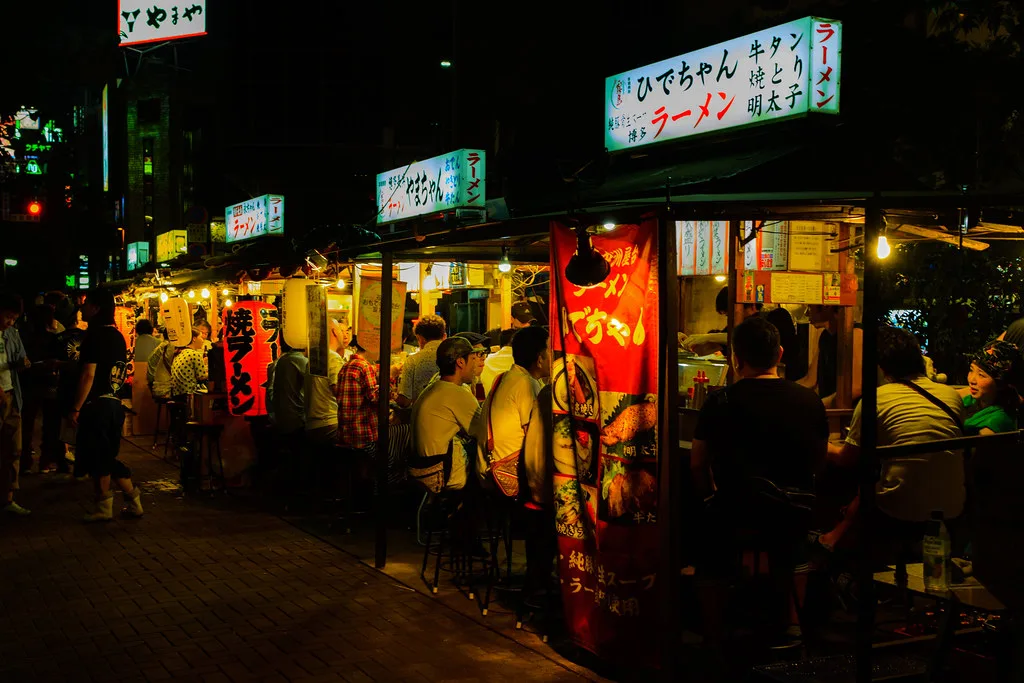
Yatai stalls are cash-only and fill fast — arrive by 18:15 for the best seats. Most serve a full bowl of tonkotsu ramen for ¥800–¥1,000. A 1-day subway pass (¥660) covers all transit on Day 1 and pays for itself after just two rides.
Day 2: Western Fukuoka — Parks, Museum, and Tenjin
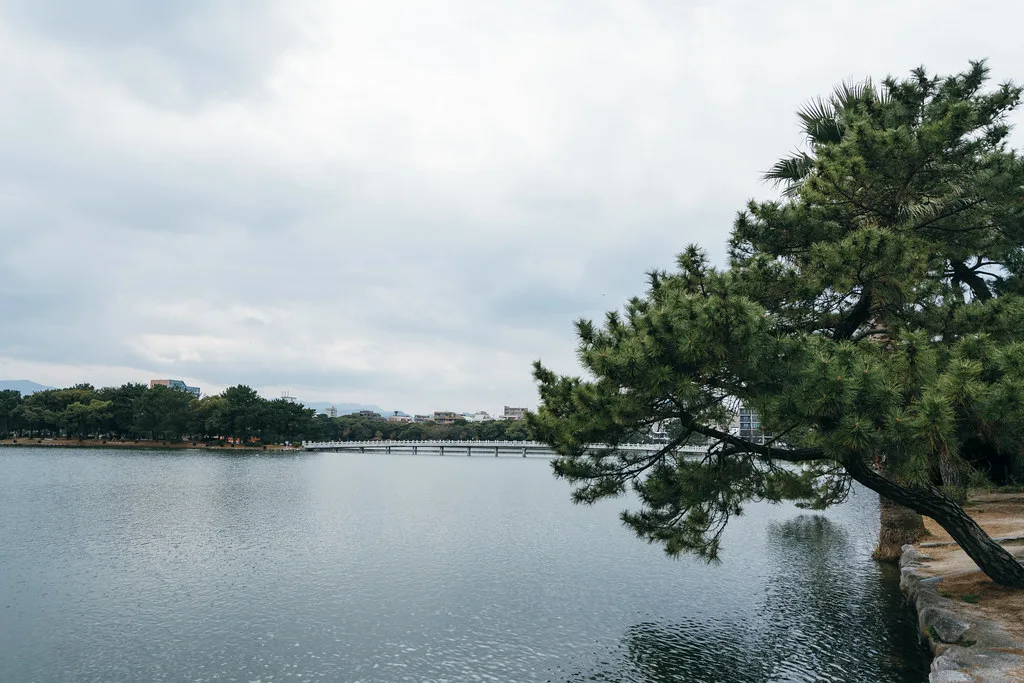
Start your second morning at 09:00 at Ohori Park. The large central lake is ringed by a 2-kilometre walking path, and paddle boats are available to rent from 09:00 to 17:00 at 800 yen for 30 minutes. Immediately adjacent is Maizuru Park, which contains the Fukuoka Castle Ruins. The castle was dismantled during the Meiji Restoration; what remains are stone foundations and several intact turrets. This is arguably the best cherry blossom spot in the city during late March and early April.
At 11:00, walk ten minutes to Fukuoka City Museum. Admission is 200 yen for adults. The permanent collection covers the city's trading history with China and Korea, and displays the famous gold seal — a Han Dynasty artefact gifted in 57 AD, which is one of the most important archaeological finds in Japanese history. Give yourself at least 90 minutes here.
Head to Fukuoka Tower for lunch and the observation deck at 12:30. At 234 metres this is the tallest seaside tower in Japan. The deck opens at 09:30 and tickets cost 800 yen for adults (600 yen for foreign tourists with a passport). On the top floor, the glass panels angle outward, giving an unobstructed view of Hakata Bay and the Momochi coastline. A café on the second floor serves affordable lunch sets from 11:00 to 14:00.
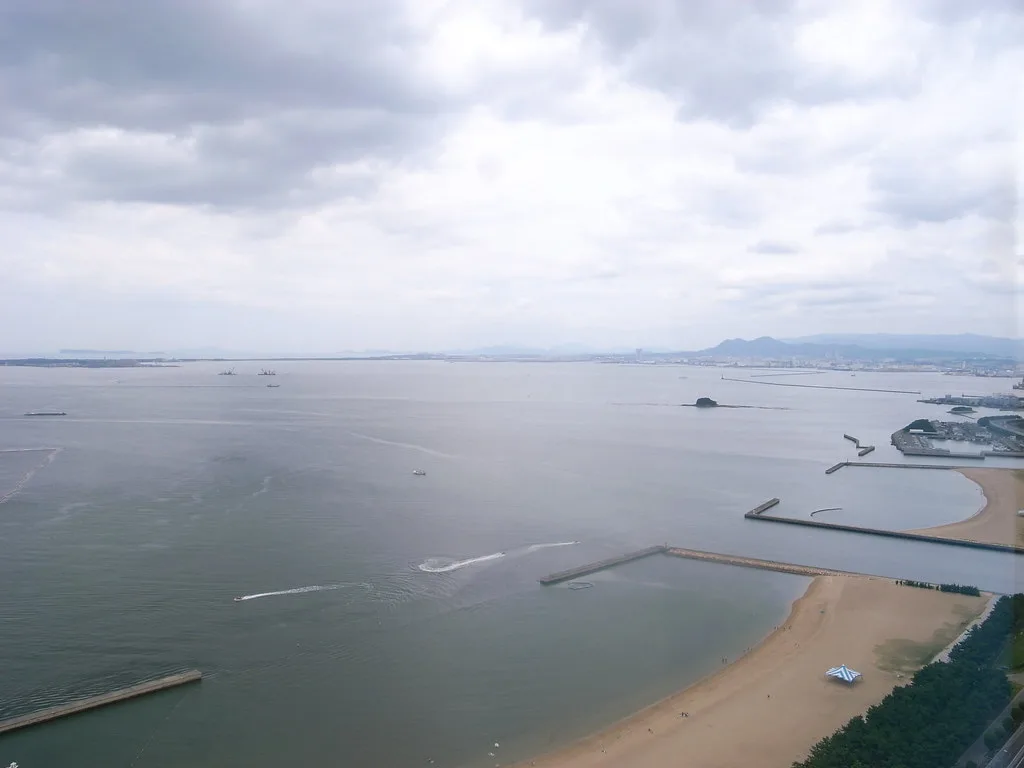
By 15:00, take the bus or walk fifteen minutes north to Nishi Park on the hill above the coast. The park contains Koun Shrine and offers panoramic views over the bay and Hakata district to the east. In spring the hillside is covered in cherry trees. The paths are steep in sections, so wear comfortable shoes. The viewpoint at the top is free and takes about 20 minutes to reach from the park entrance.
Finish the day in Tenjin from 16:30. The ACROS Building at Tenjin Central Park is easy to miss if you stay on the main shopping streets — walk around to the north facade and you will see the stepped pyramid covered entirely in plants. A public rooftop trail climbs to the 14th floor for a free view across the city and sea. Tenjin Underground Shopping Street runs 590 metres directly beneath the main boulevard, connecting seven subway and bus exits. It stays open until 20:00 and is useful for last-minute souvenirs, cosmetics, and Japanese street food without the weather risk.
Things to Do in Fukuoka: Key Attractions Explained
Hakata tonkotsu ramen is the non-negotiable first thing to do. The local style uses a milky white pork-bone broth that is significantly richer than what you find in Tokyo or Kyoto. Most shops charge 800 to 1,100 yen. Hakata Station has a high concentration of reliable spots; the Shin-Shin and Ichiran branches near the station are both good entry points. Order kaedama (extra noodles for 100 yen) when you finish your bowl.
TeamLab Forest Fukuoka is a digital art installation inside the Canal City Hakata shopping complex. It runs separately from the main mall and requires timed-entry tickets purchased in advance. Tickets cost 3,200 yen for adults and sessions run 60 to 90 minutes. Weekend afternoon slots sell out one to two weeks ahead. The experience is primarily for adults and older children; it is not well-suited to toddlers.
Dazaifu Tenmangu Shrine is the most popular half-day add-on from Fukuoka. It is a 30-minute train ride from Tenjin Station via the Nishitetsu Omuta Line with one transfer at Futsukaichi. The shrine is dedicated to the scholar-deity Sugawara no Michizane and draws students seeking exam luck year-round. The famous umegae mochi (grilled mochi filled with sweet plum paste) is sold hot at stalls on the approach path for around 130 yen per piece.
Nanzoin Temple in Sasaguri holds the world's largest bronze reclining Buddha at 41 metres long. It is 50 minutes from Hakata by the JR Sasaguri Line. Entry to the grounds is free. This is a good option for a second morning if you have a third day, but it does not fit neatly into a two-day city itinerary without sacrificing other stops.
Where to Stay in Fukuoka: Best Neighborhoods
Hakata Station is the best base for a two-day trip. The subway, Shinkansen, and airport connection all run through here, so check-in and check-out are frictionless. Mid-range business hotels around the station start from around 9,000 yen per night. The JR Kyushu Hotel Blossom and The Lively Hakata Fukuoka are both well-positioned for the Day 1 route. See our full hotels by neighborhood guide for options across all budgets.
Tenjin is the better choice for travelers prioritizing nightlife and shopping over transit convenience. Bus routes radiate from Tenjin in all directions, and the underground mall keeps you connected even in rain. Hotels here tend to cost 10 to 20 percent more than comparable Hakata options. The Candeo Hotels Fukuoka Tenjin has a rooftop onsen with city views and frequently sells out on weekends.
Nakasu sits directly between Hakata and Tenjin on the entertainment island. It is walkable to both areas within 15 minutes and puts you near the yatai stalls for a late-night snack. Budget capsule hotels and ryokan guesthouses are available near Nakasu-Kawabata Station. The trade-off is more noise on weekend nights from the bars lining the river.
Getting from Fukuoka Airport to the City
Fukuoka Airport (FUK) is the closest major international airport to a Japanese city center in the country. The domestic terminal subway stop connects to Hakata Station in 5 minutes for 260 yen. The international terminal requires a free shuttle bus to the domestic terminal first, adding about 10 minutes. From Hakata, Tenjin Station is two stops further on the Kuko Line (subway airport line) for a total of 260 yen. See the full airport transit guide for IC card tips and taxi pricing.
Taxis from the international terminal to Hakata Station cost around 1,500 to 2,000 yen and take 15 to 20 minutes depending on traffic. The subway is faster and cheaper for solo travelers. For groups of four with luggage, a taxi makes practical sense. Airport limousine buses serve Tenjin and Hakata Bus Terminal directly from the international terminal for 310 yen — slightly slower than the subway but useful if your hotel is on the bus route.
If you arrive by Shinkansen, Hakata Station is the terminal stop on the San'yo and Kyushu Shinkansen lines. Trains from Osaka (Shin-Osaka) take 2 hours 15 minutes on a Nozomi. From Hiroshima the journey is about 70 minutes. From Tokyo, allow 5 hours on the fastest service. The Bullet Train Discount Pass for foreign tourists covers Fukuoka on several regional options.
Is Fukuoka Worth Visiting for Just Two Days?
Two days in Fukuoka is not a compromise — it is the natural fit for the city's size. The main cultural sites, food districts, and coastal viewpoints are within a 5-kilometre radius of Hakata Station. You will not spend time commuting between distant neighbourhoods the way you do in Tokyo or Osaka.
The city punches well above its weight for food. Fukuoka consistently ranks first or second in Japan for restaurant density per capita. Street food costs half what it does in the capital: a yatai dinner runs 1,500 to 2,000 yen, and a bowl of ramen is rarely above 1,100 yen. Budget travelers will find this city far more manageable than Kyoto or Tokyo.
For most Japan itineraries, Fukuoka works as a two-day stop between the Shinkansen leg from Hiroshima or Kyoto and a further trip into Kyushu toward Beppu or Kagoshima. Many travelers add a single day trip to Dazaifu before moving on. If you can spare three days, the Fukuoka 3-day itinerary adds Itoshima and Yanagawa. Two days is enough to leave with a strong sense of what makes the city distinct.
Add an Extra Day: Best Day-Trip Add-Ons
Dazaifu is the most practical add-on. Dazaifu Tenmangu Shrine sits 30 minutes from Tenjin Station on the Nishitetsu Line. Admission is free, the plum orchards bloom in February, and the approach street is lined with snack vendors selling umegae mochi. Allow two to three hours including transit. See the Dazaifu and Yanagawa day trip guide for the combined route.
Yanagawa is a canal town 50 minutes south by Nishitetsu train. The main draw is a flat-bottomed boat ride (2,000 yen) through the old moat system, poled by a guide singing folk songs. Book the boat in advance during cherry blossom season and Golden Week. Yanagawa is also famous for grilled eel (unaju), typically served as a lunch set for 2,500 to 3,500 yen.
Itoshima offers beaches, coastal cafes, and a slower pace twenty minutes west of Hakata by the JR Chikuhi Line. It works best between June and September when beach cafes are open. Renting a bicycle from Imajuku Station (600 yen per half day) is the easiest way to cover the coastline. The offshore torii gate at Sakurai Futamigaura is the most photographed landmark and is best at low tide around sunrise.
See our Fukuoka attractions hub for the broader city overview.
Frequently Asked Questions
How do I get from Fukuoka Airport to the city?
The fastest way is by the city subway. It takes only five minutes to reach Hakata Station. A single ticket costs 260 yen. Follow the signs to the airport station easily.
Is 2 days enough to see Fukuoka?
Yes, two days allow you to see the main shrines and try local food. The city is compact and easy to navigate. You can cover the major landmarks without feeling rushed.
Is Fukuoka expensive for tourists?
Fukuoka is generally cheaper than Tokyo or Kyoto. A bowl of ramen costs around 800 yen. Many shrines and parks offer free admission to all visitors.
Fukuoka rewards travelers who slow down. The alleys of Nakasu, the free Hakata Port Tower no one talks about, the trial stone at Kushida — these moments are more memorable than the shinkansen ride that brought you here. Two days is enough to get that feeling and leave with a clear reason to return.
Pack comfortable shoes, load an IC card at the airport, and arrive hungry. The food alone justifies the detour from the usual Tokyo-Kyoto-Osaka circuit. Fukuoka is the best argument for spending more time in Kyushu.
Free: The Fukuoka Essentials guide
Top things to do, where to stay, a perfect day plan, getting around, and the best time to go — a Fukuoka mini-guide you can take offline.
You might also like


Continue reading
More guides you'll find useful