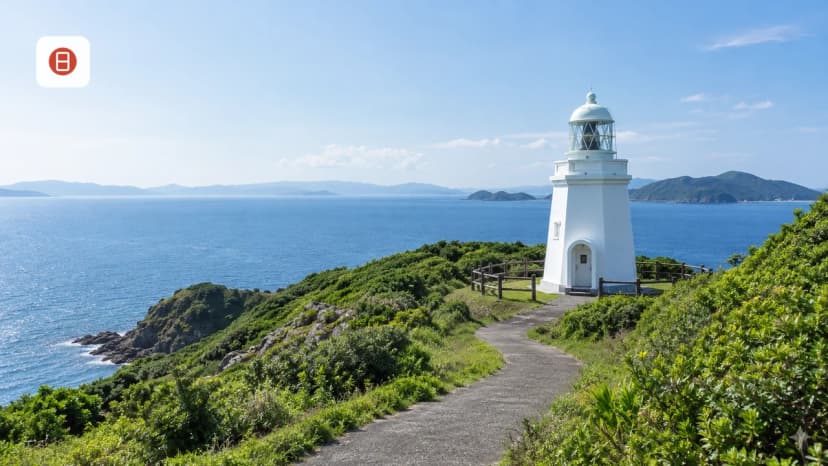
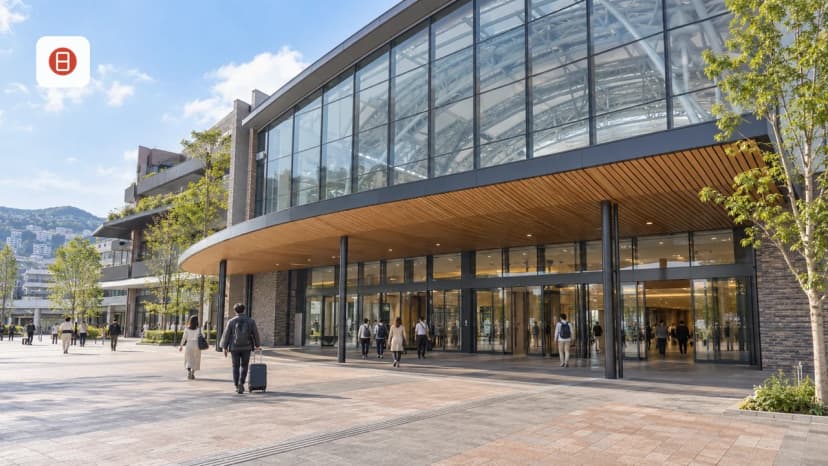
Nagasaki packs more cross-cultural history into one harbour city than almost anywhere else in Japan — and that is exactly what makes its attractions unusual. For more than two centuries, while the rest of the country was sealed shut, Nagasaki was Japan's only window to the outside world: Dutch traders were confined to the fan-shaped island of Dejima, Chinese merchants built temples like Sofukuji and laid out the country's oldest Chinatown, and hidden Christians worshipped in secret until Oura Church — Japan's oldest standing church — was built. That layered East-meets-West heritage sits alongside the city's most sobering draw, the Peace Park and Atomic Bomb Museum that mark the August 9, 1945 bombing, and a hillside-and-harbour geography that gives Nagasaki one of the "World's New Three Great Night Views" from Mount Inasa.
It is also a remarkably affordable city to sightsee in. Several of the best things to do in Nagasaki — the Peace Park, Megane Bridge, Suwa Shrine, and the free summit deck on Mount Inasa — cost nothing, while the paid sights rarely climb past ¥1,300. Most are clustered in three walkable districts linked by a cheap streetcar network, so you can comfortably see the headline attractions in a single day, or spread them across two or three to add the offshore "Battleship Island" of Hashima and the Christian heritage trail. This 2026 guide maps all 10 of our top picks by area and by theme, breaks down free versus paid options with current ticket prices, and lays out ready-to-follow itineraries. Each card below links to a full visitor guide with verified opening hours, 2026 pricing, and on-the-ground tips.
Planning a wider trip? See our Japan travel guide, the things to do in Nagasaki guide, and getting around Japan.
Top 10 attractions in Nagasaki
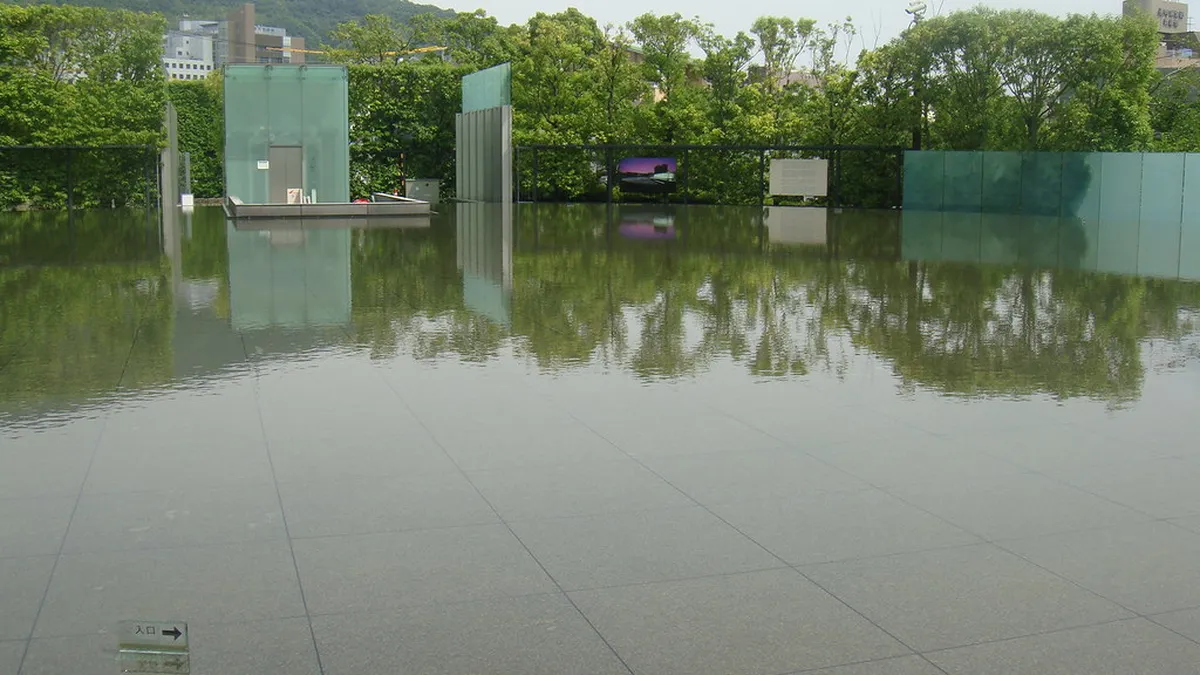
Nagasaki Peace Park
Nagasaki Peace Park is a free, open-air memorial in Nagasaki, Japan, built to commemorate the August 9, 1945 atomic bombing and centered on the towering Peace Statue and Fountain of Peace. Open 24 hours with no admission fee, it sits beside the Atomic Bomb Museum and the Hypocenter Park.
Visitor guide →
Nagasaki Atomic Bomb Museum
The Nagasaki Atomic Bomb Museum in Nagasaki, Japan commemorates the atomic bombing of the city on 9 August 1945, displaying photographs, relics, and documents that chronicle the devastation and the history of nuclear weapons.
Visitor guide →
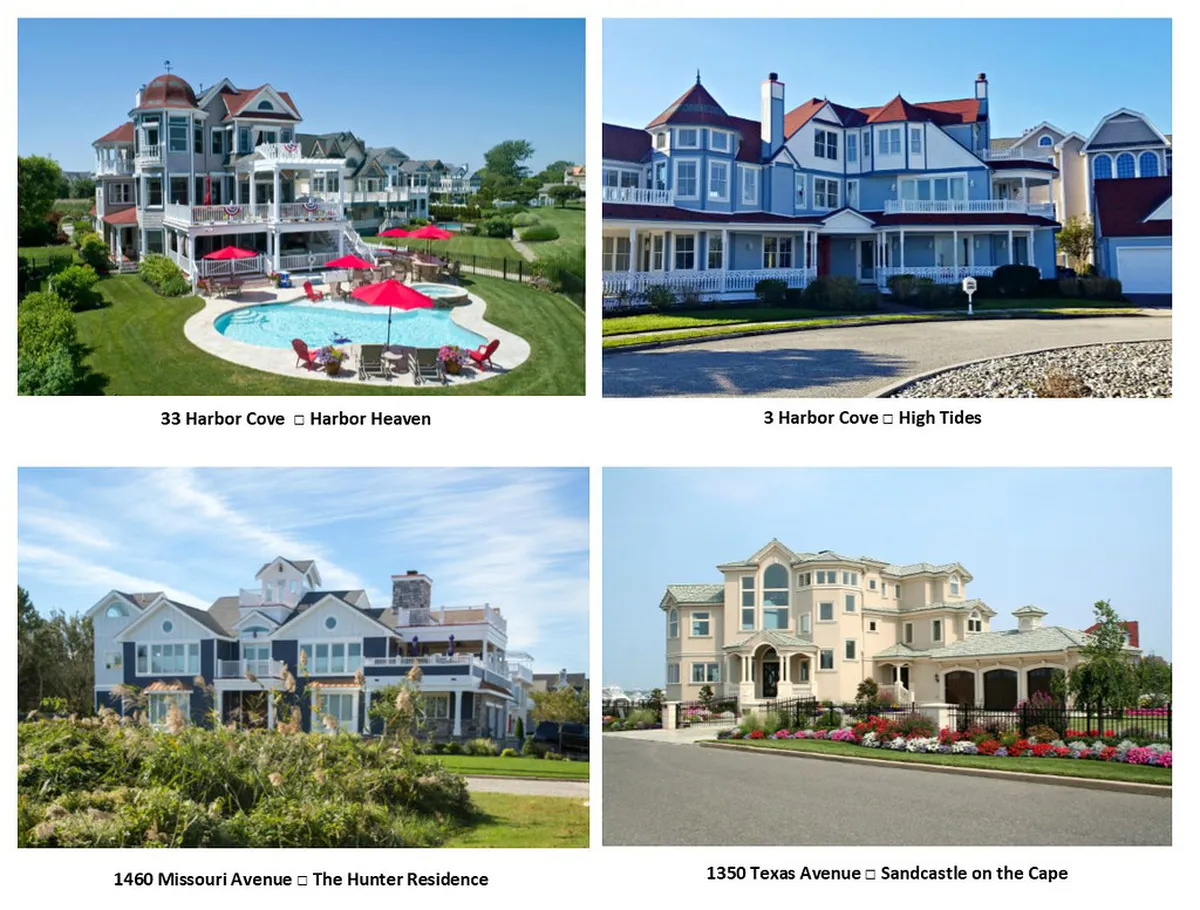
Glover Garden
Glover Garden is an open-air museum in Nagasaki, Japan, built for Scottish merchant Thomas Blake Glover and home to the Glover Residence, the oldest surviving Western-style house in the country. Set on a harbour-view hillside in the Minamiyamate district, it gathers several preserved 19th-century Western buildings.
Visitor guide →
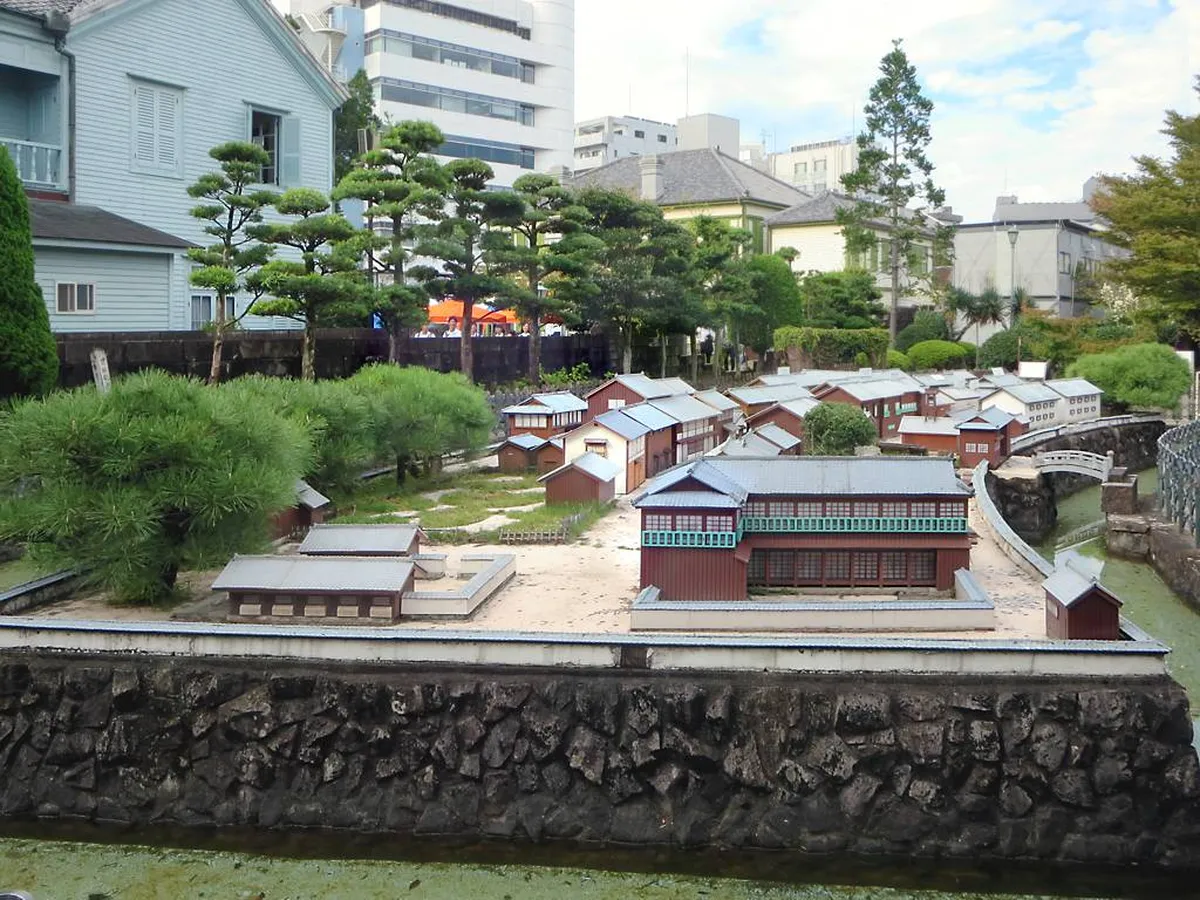
Dejima
Dejima is a reconstructed fan-shaped artificial island in Nagasaki, Japan, that served as the country's only conduit for Dutch and earlier Portuguese trade during the isolationist Edo period, preserving over two centuries of foreign exchange history.
Visitor guide →
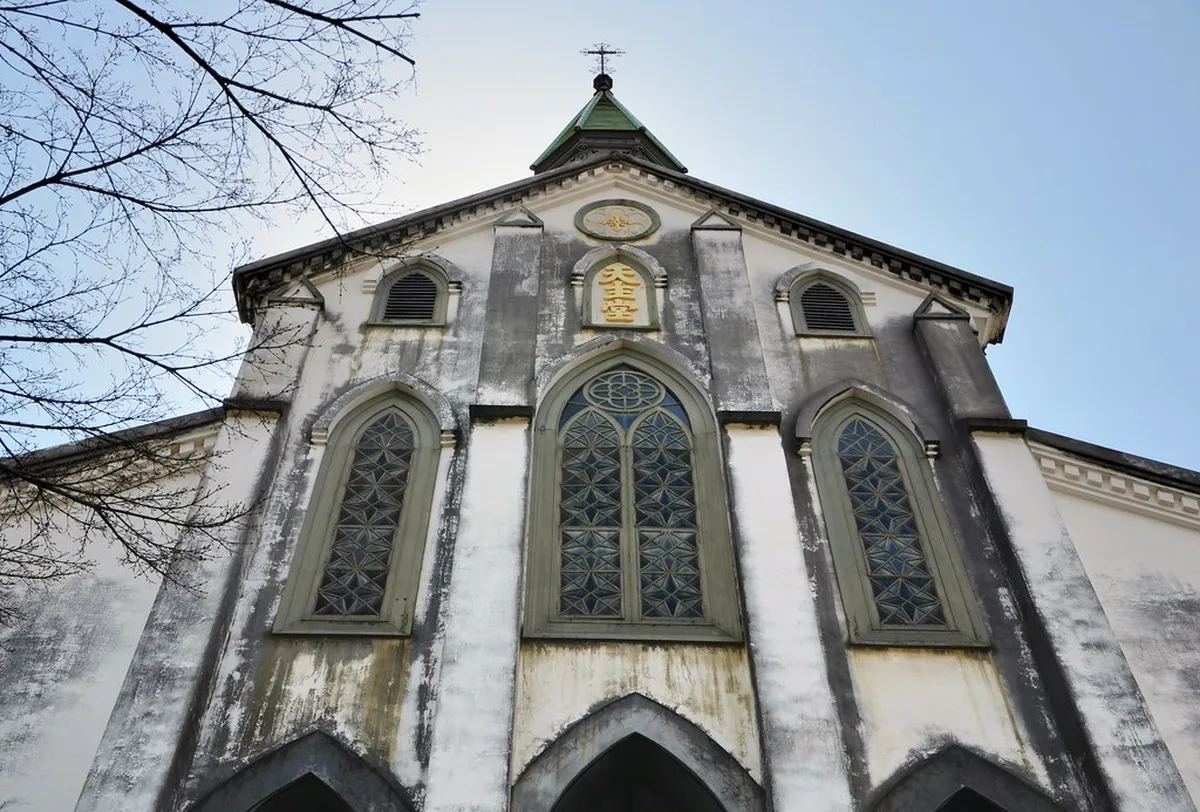
Oura Church
Oura Church (Oura Cathedral) in Nagasaki, Japan, is the country's oldest standing Christian church, a designated National Treasure and a UNESCO World Heritage component site dedicated to the Twenty-Six Holy Martyrs of Japan.
Visitor guide →
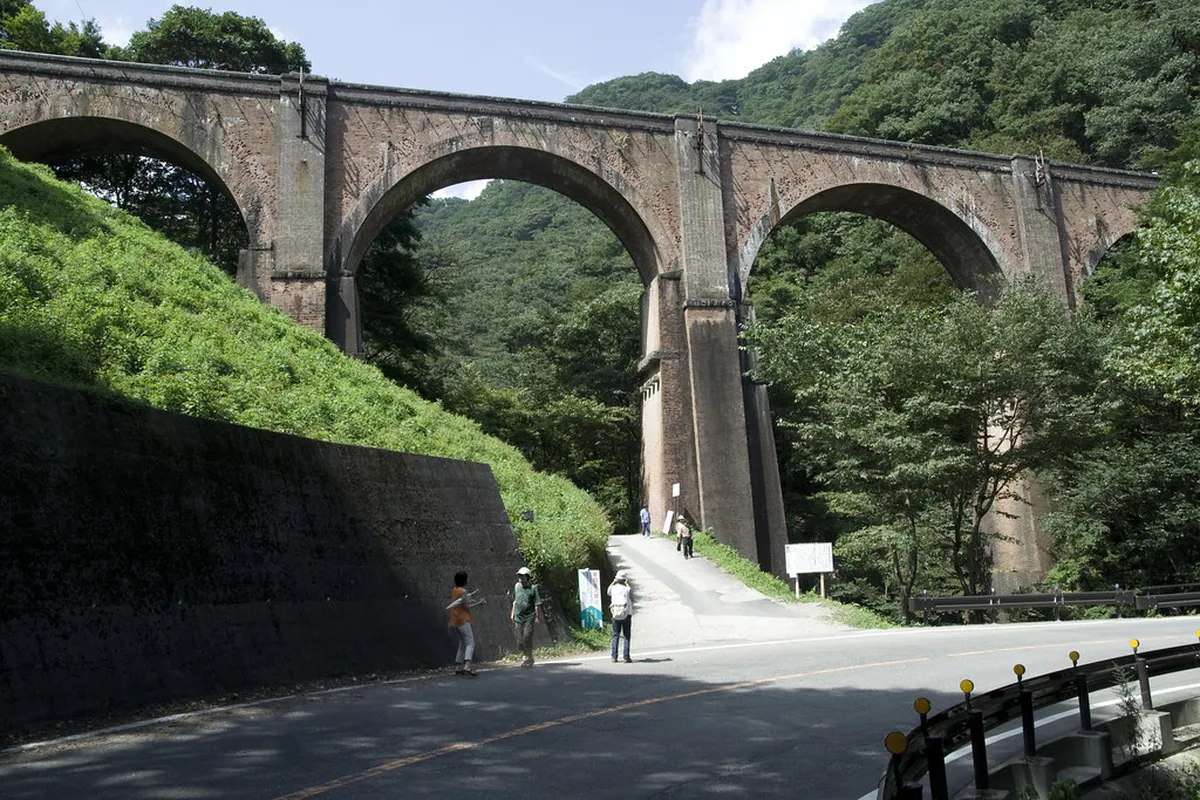
Megane Bridge
Megane Bridge (Meganebashi, or Spectacles Bridge) is a 1634 double-arch stone bridge over the Nakashima River in central Nagasaki, Japan, named for the eyeglass-like shape formed by its arches reflected in the water and designated an Important Cultural Property.
Visitor guide →
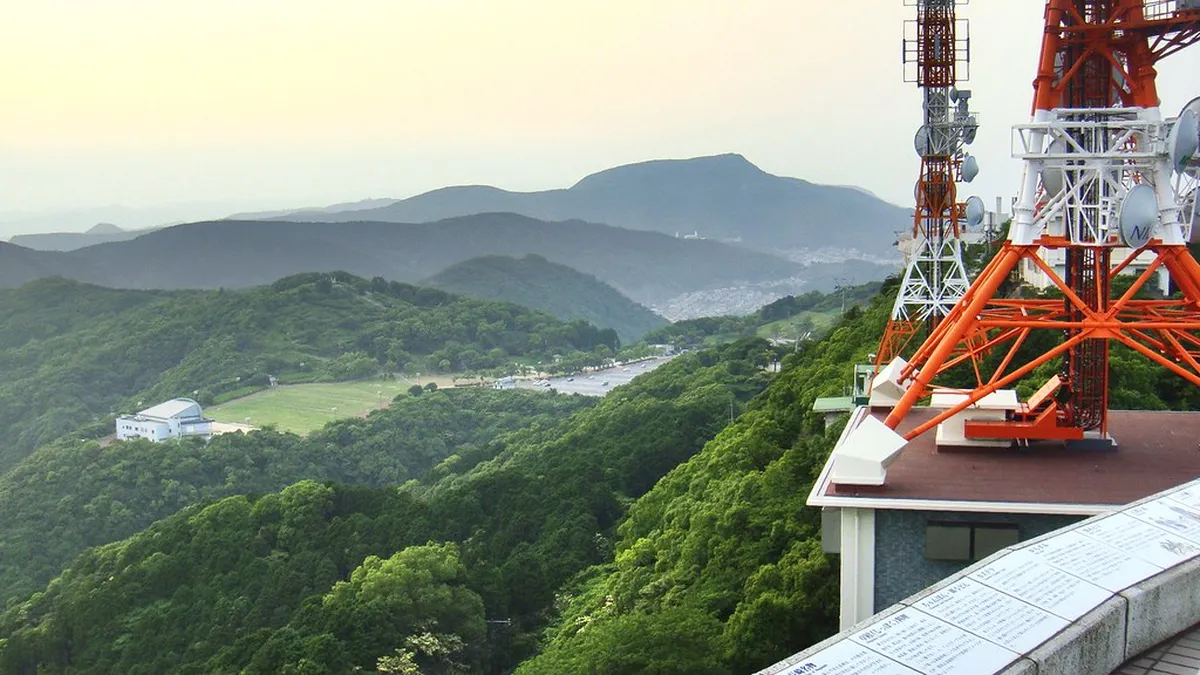
Mount Inasa
Mount Inasa is a 333-metre hill overlooking Nagasaki, Japan, whose free summit observation deck delivers one of the 'World's New Three Great Night Views,' reached most scenically by the Nagasaki Ropeway.
Visitor guide →
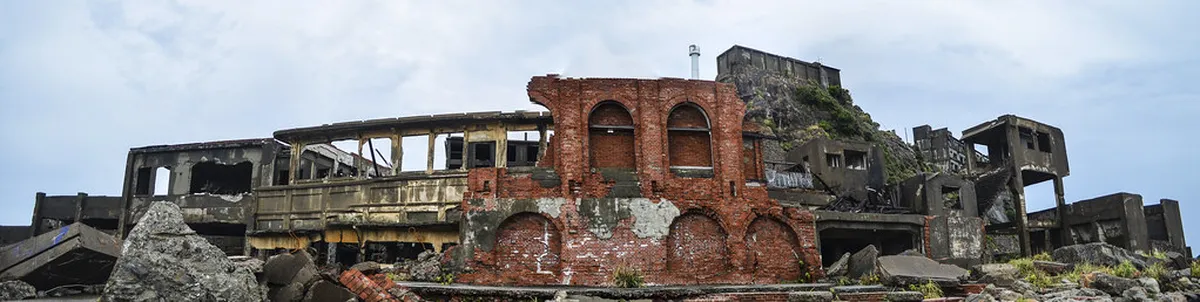
Hashima Island
Hashima Island, nicknamed Gunkanjima ('Battleship Island'), is an abandoned former coal-mining island about 15 km off Nagasaki, Japan, and a UNESCO World Heritage Site visitable only via licensed boat tour.
Visitor guide →
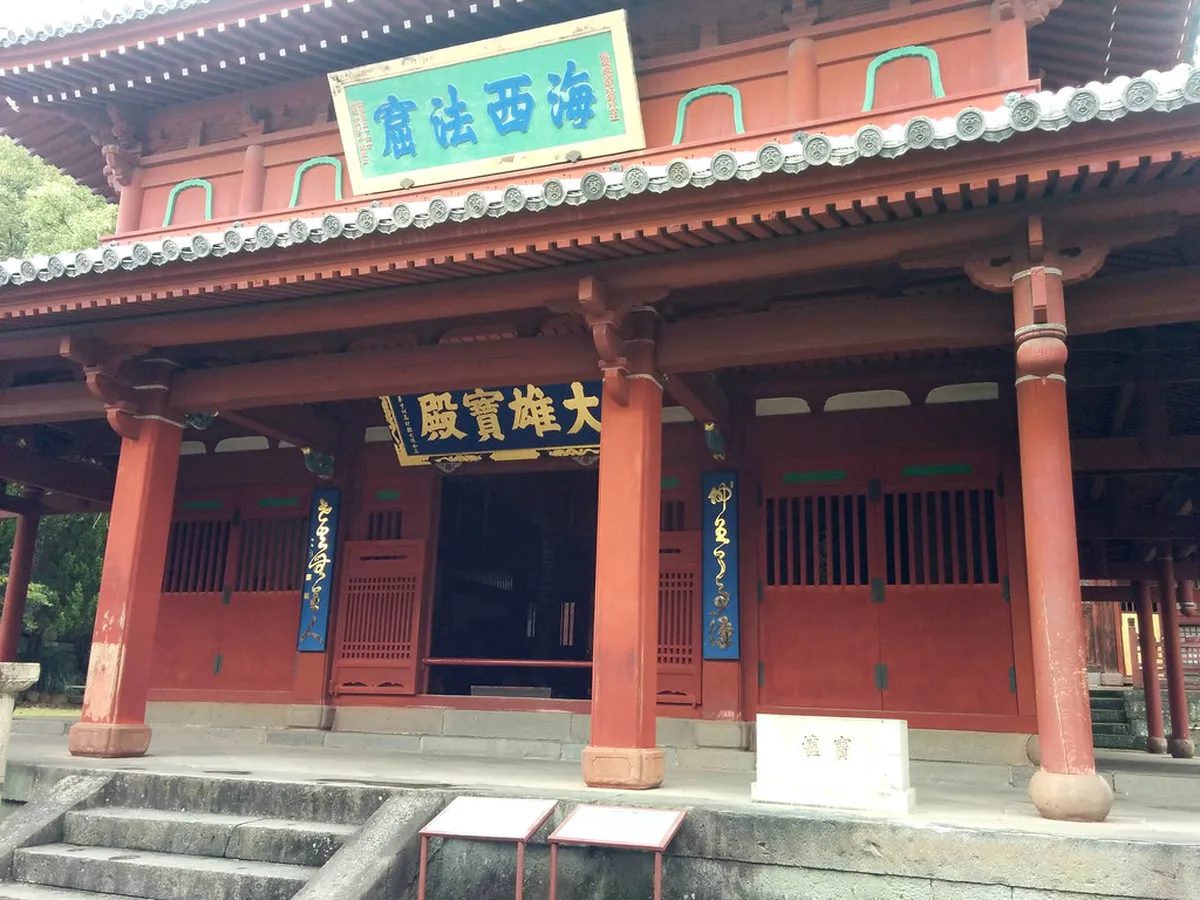
Sofukuji Temple
Sofukuji Temple is a Ming-dynasty Chinese Ōbaku Zen temple in Nagasaki, founded in 1629 by settlers from Fujian Province. It is home to two National Treasures—the Daiyū Hōden Buddha Hall and the Dai-ipponmon gate—making it one of the finest examples of Chinese temple architecture in Japan.
Visitor guide →
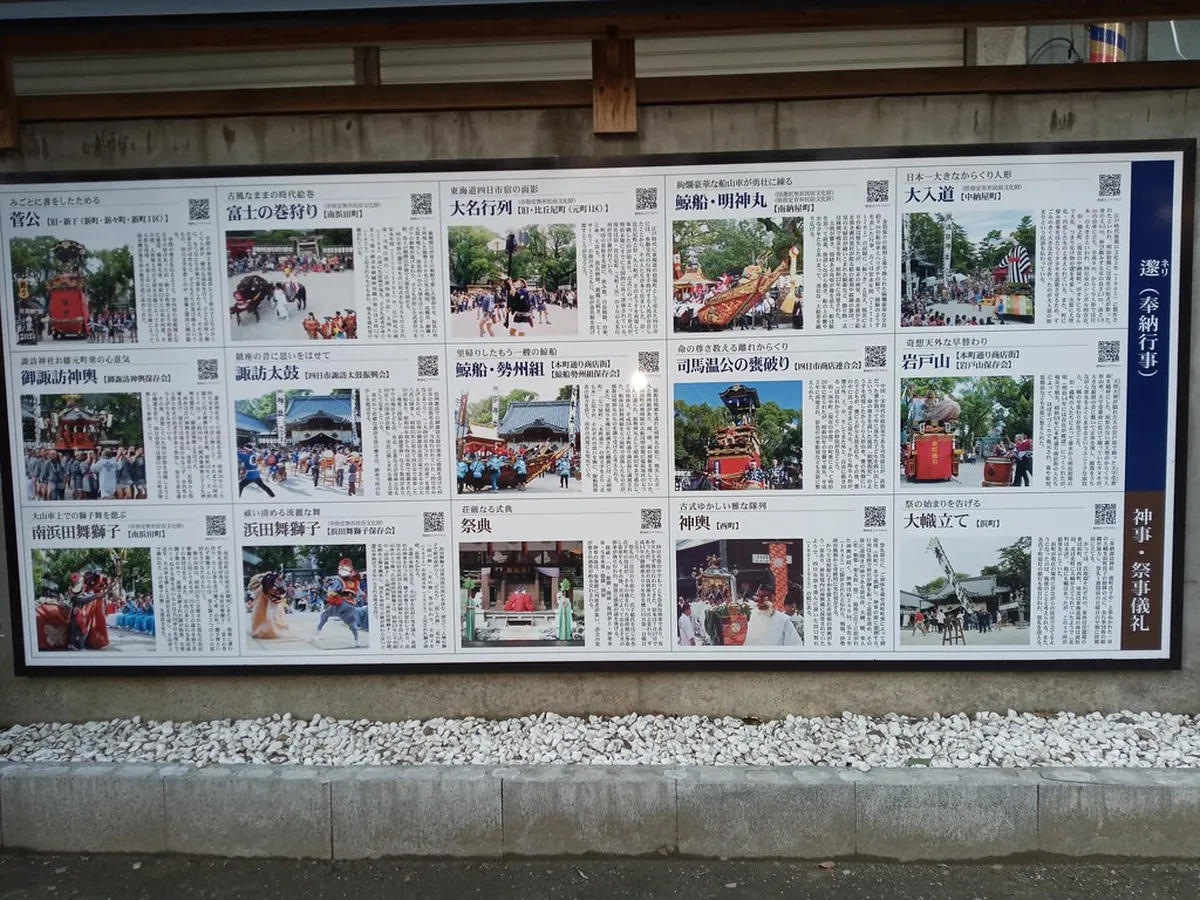
Suwa Shrine
Suwa Shrine is Nagasaki's principal Shinto shrine, set on the slopes of Mount Tamazono atop a long stone staircase, and is the host of the celebrated Nagasaki Kunchi festival held each October.
Visitor guide →
Nagasaki attractions by area
Nagasaki's sights fall into a few tight clusters, which makes route-planning easy once you picture the map. Group your day by district rather than zig-zagging across the city on the tram.
- Urakami / north (Peace district): The Nagasaki Peace Park, the Atomic Bomb Museum, and the Hypocenter Park sit within a few minutes' walk of each other around the Hamaguchimachi and Matsuyamamachi tram stops. Allow half a morning here.
- Southern harbour / Minamiyamate: The city's East-West heritage trio — Glover Garden, Oura Church, and the reconstructed Dejima island — line the southern waterfront and slope. Glover Garden and Oura Church are essentially next door; Dejima is a short tram ride toward the centre.
- Central / Teramachi: Megane Bridge over the Nakashima River, the Chinese Zen temple Sofukuji, and the hillside Suwa Shrine are all within walking distance, threaded together by the temple-lined Teramachi street and close to Chinatown.
- West: Mount Inasa stands across the harbour to the west, reached by ropeway or bus — best saved for sunset and the night view.
- Offshore: Hashima Island (Gunkanjima) lies about 15 km out to sea and is reached only by a licensed boat tour departing from the central piers — a half-day commitment of its own.
In practice, first-time visitors who have a single day usually combine the northern Peace district in the morning with the southern harbour heritage cluster in the afternoon, since those two areas hold the city's most iconic sights and sit at opposite ends of the same tram line. Save the central Teramachi temples and the offshore Hashima tour for a second day, when you are not racing the clock.
Nagasaki attractions by category
If you are choosing by interest rather than geography, here is how the 10 sights break down:
- Peace & WWII history: The Peace Park and the Atomic Bomb Museum are the city's most-visited and most moving attractions, telling the story of the August 9, 1945 bombing and its aftermath.
- East-West trading heritage: Dejima (the Dutch trading post), Glover Garden (19th-century Western merchant homes), and Oura Church (Japan's oldest church) trace Nagasaki's two centuries as the country's sole foreign gateway.
- Temples & shrines: Sofukuji Temple, a Ming-dynasty Chinese Obaku Zen temple with two National Treasures, and Suwa Shrine, the city's principal Shinto shrine and host of the Kunchi festival.
- Viewpoints: Mount Inasa's 333-metre summit deck delivers the celebrated harbour night view; the Megane (Spectacles) Bridge is a photogenic 1634 double-arch stone bridge.
- Industrial heritage: Hashima Island, the abandoned "Battleship Island" coal-mining settlement and UNESCO World Heritage Site.
Good to know
The 1-day tram pass (¥600) covers unlimited rides on all four streetcar lines and pays for itself after just four trips. Buy it from the driver on your first boarding, or at the tourist information centre near Nagasaki Station.
Free vs paid Nagasaki attractions
One of Nagasaki's quiet advantages is how much of it is free. You could build a genuinely full day around the no-cost sights alone, then add a paid attraction or two without breaking the budget. All prices below are adult admission, verified for 2026.
Free attractions
- Nagasaki Peace Park — open 24 hours, no admission fee.
- Megane Bridge — a public bridge over the Nakashima River, always free to walk across and photograph.
- Suwa Shrine — free to enter, like most Shinto shrines.
- Mount Inasa summit observation deck — the deck itself is free; you only pay if you take the ropeway up.
Paid attractions (2026 adult prices)
Suggested Nagasaki itineraries
Most of the headline attractions are close enough together that a focused day covers the essentials. Here is how to stage one, two, or three days.
1 day in Nagasaki
Start north at the Peace Park and Atomic Bomb Museum in the morning, take the tram south to Glover Garden and Oura Church after lunch, walk down to Dejima, then finish at sunset on Mount Inasa for the night view. Our Nagasaki 1-day itinerary maps the tram stops and timings.
2 days in Nagasaki
Day one as above, at a calmer pace. On day two add the central cluster — Megane Bridge, Sofukuji Temple, and Suwa Shrine along Teramachi — plus a lunch of champon in Chinatown, and reserve a morning or afternoon for the Hashima Island boat tour.
3 days in Nagasaki
With a third day you can slow right down: revisit the museums you rushed, take the offshore Hashima tour without watching the clock, and add a day trip such as Unzen onsen or a visit to nearby coastal villages. The Nagasaki 3-day itinerary lays out a relaxed version.
Getting around Nagasaki's attractions
Nagasaki is one of the easiest Japanese cities to navigate, largely thanks to its historic streetcars.
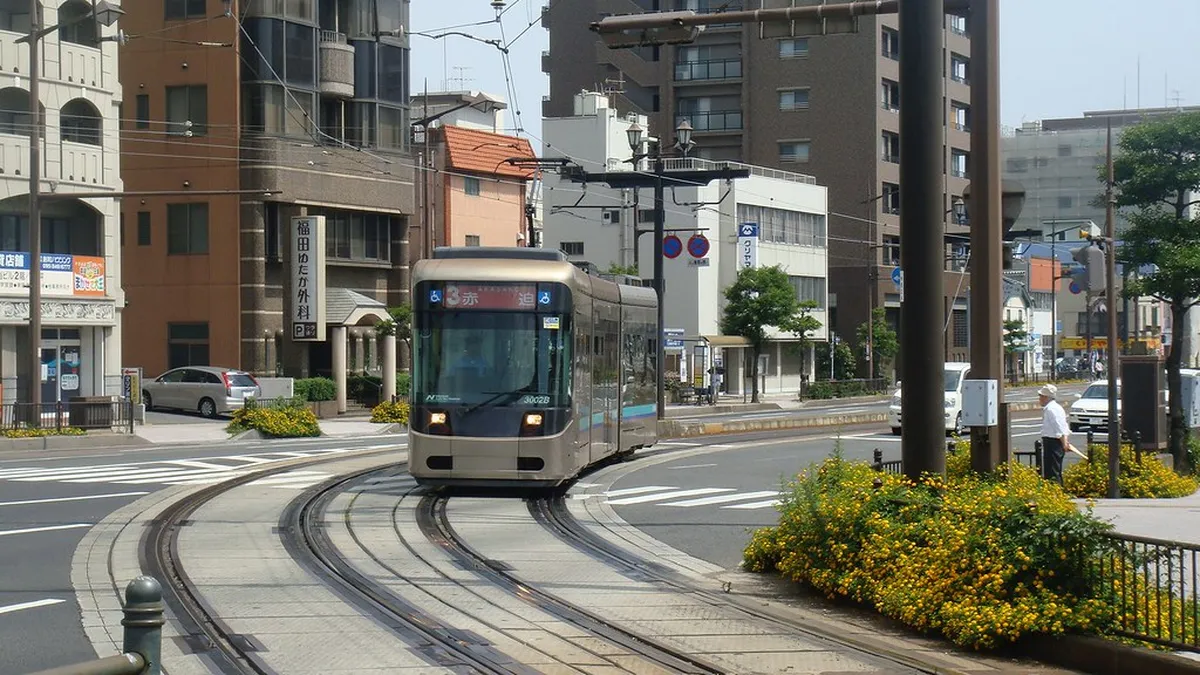
- Streetcar (tram): Four lines link almost every attraction in this guide, from the Peace Park in the north to Glover Garden in the south. A flat fare of ¥140 applies per ride, but the 1-day tram pass (around ¥600) pays for itself after about four rides — buy it at the tourist information centre or on the official app.
- Walking: The southern harbour cluster (Glover Garden, Oura Church, Dejima) and the central Teramachi cluster (Megane Bridge, Sofukuji, Suwa Shrine) are each comfortably walkable once you arrive by tram.
- Mount Inasa: Reach the summit by the Nagasaki Ropeway (about ¥1,900 round trip) or by city/shuttle bus, which is cheaper and lets you use the free observation deck.
- Hashima Island: Accessible only by licensed boat tour from the central piers — tours run roughly twice daily and last around 2.5-3 hours including landing time.
Best time to visit Nagasaki
Nagasaki is a year-round destination, but a few windows stand out — and a couple are worth planning around for the festivals.
- Spring (Mar-May): Mild weather and cherry blossoms; comfortable for the hillside walking that Glover Garden and Suwa Shrine involve.
- Autumn (Oct-Nov): Crisp, clear days ideal for the Mount Inasa night view — and the timing of the city's biggest festival.
- Nagasaki Kunchi (Oct 7-9): A 380-year-old festival centred on Suwa Shrine, blending Japanese, Chinese, and Dutch influences with dragon dances and decorated floats. Book accommodation months ahead.
- Lantern Festival (late Jan-Feb): Around 15,000 lanterns light up Chinatown and the city centre for the Lunar New Year — Japan's largest such celebration.
- Avoid the peaks: Golden Week (late Apr-early May) and Obon (mid-Aug, which also overlaps the August 9 peace memorial) bring the heaviest domestic crowds; the rainy season (June) and humid high summer are the least comfortable for outdoor sights.
How to save money on Nagasaki attractions
A little planning keeps Nagasaki very affordable:
- Lead with the free sights. The Peace Park, Megane Bridge, and Suwa Shrine cost nothing and easily fill a half-day.
- Buy the 1-day tram pass if you plan four or more rides — it beats paying the flat ¥140 fare each time.
- Take the bus up Mount Inasa instead of the ropeway: the summit observation deck is free, so you can enjoy the famous night view without the ¥1,900 ropeway ticket.
- Bundle the museums. The Atomic Bomb Museum is only ¥200, so pairing it with the free Peace Park gives you the city's defining experience for almost nothing.
- Combine the southern cluster on one ticket-buying trip. Glover Garden, Oura Church, and Dejima are close enough to do back-to-back, so you spend on tram fares once rather than crossing the city repeatedly.
Put together, a budget day in Nagasaki — Peace Park, Megane Bridge, Suwa Shrine, the ¥200 museum, and the free Mount Inasa deck reached by bus — can cost little more than the price of a tram pass, which is rare for a Japanese city with this much to see.
Heads up
Hashima Island (Gunkanjima) boat tours sell out in peak season — book at least a week ahead. Landings are weather-dependent and succeed only about 100 days per year, so build flexibility into your itinerary.
Frequently asked questions about Nagasaki attractions
How many days do you need in Nagasaki?
One full day is enough to see Nagasaki's headline attractions — the Peace Park, Atomic Bomb Museum, Glover Garden, Oura Church, Dejima, and the Mount Inasa night view. Allow two days to add the central temples and the Hashima Island boat tour at a relaxed pace, or three if you also want a day trip such as Unzen onsen.
What is the #1 must-see attraction in Nagasaki?
The Nagasaki Peace Park and the adjacent Atomic Bomb Museum are the city's defining must-see, marking the August 9, 1945 atomic bombing. The Peace Park is free and the museum costs just ¥200, making them both moving and affordable.
Are Nagasaki's attractions free?
Many of them are. The Peace Park, Megane Bridge, Suwa Shrine, and the Mount Inasa summit observation deck are all free. The paid sights are modest — the Atomic Bomb Museum is ¥200, Sofukuji ¥300, and Glover Garden ¥1,300 — with the Hashima Island boat tour (around ¥4,810) the only expensive ticket.
Do you need to book Hashima Island in advance?
Yes. Hashima Island (Gunkanjima) can only be visited on a licensed boat tour with limited daily departures and capacity, so it routinely sells out in peak season. Book a few days ahead — and note that landing is weather-dependent and may be cancelled in rough seas.
What is the best time of year to visit Nagasaki?
Spring (March-May) and autumn (October-November) offer the most comfortable weather and clearest night-view conditions. Time your trip for the Nagasaki Kunchi festival (October 7-9) or the Lantern Festival (late January-February) for the city's most spectacular events, but book accommodation early.
Can you see Nagasaki in one day?
Yes. Because the main attractions cluster into walkable districts linked by an efficient tram network, a focused one-day route covers the Peace Park, the southern harbour heritage sites, and the Mount Inasa night view. You will need a second day only to add Hashima Island and the central temples.
Is Nagasaki worth visiting?
Absolutely. Nagasaki offers a combination found nowhere else in Japan — sobering WWII peace sites, Dutch, Chinese, and Christian heritage from its centuries as the country's only foreign gateway, and one of the world's great harbour night views — all in an affordable, easy-to-walk city.
What is the best way to get between Nagasaki attractions?
The historic streetcar (tram) network is the best option, linking nearly every attraction in the city. A 1-day tram pass (about ¥600) is the most economical choice if you make four or more rides; within each district the sights are close enough to walk.
Plan your Nagasaki trip
Use this hub as your starting point, then dive into a full visitor guide for any attraction above. For day-by-day routing, see our Nagasaki 1-day itinerary or the longer Nagasaki 3-day itinerary. Travelling with children? Our guide to things to do in Nagasaki with kids highlights the most family-friendly stops.