Hashima Island stands as a haunting symbol of Japan's rapid industrialization during the Meiji era. This Hashima Island visitor guide provides the essential details you need to explore this abandoned concrete fortress, from choosing the right tour operator to understanding why landings only succeed roughly 100 days a year. Whether you are a history buff or an urban explorer, the island offers a unique look into the past. Planning your visit carefully is vital because landing on the island depends entirely on sea conditions.
The History and Industrial Significance of Gunkanjima
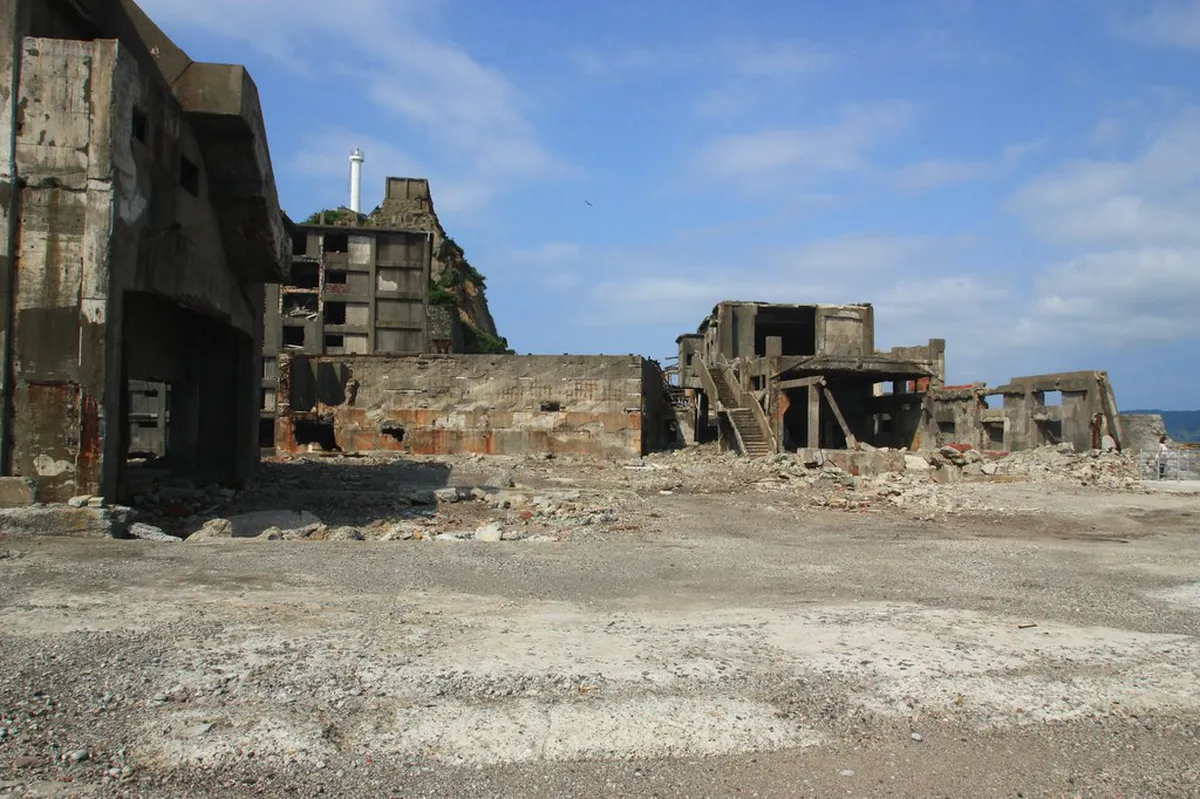
Mitsubishi bought the island in 1890 and launched massive undersea coal mining operations that would fuel Japan's industrial growth for over eight decades. Workers and their families lived in massive concrete apartment blocks that still stand today. At its peak in the 1950s, the island held the highest population density ever recorded in the world, with as many as 5,000 residents packed onto this tiny offshore platform.
The community functioned like a self-contained city with schools, hospitals, a cinema, and even a rooftop garden. Resources were brought in from the mainland since the island had no natural freshwater or soil. Life was crowded but offered steady wages during Japan's economic boom. Many former residents describe a tight-knit, almost utopian community despite the cramped conditions.
Coal production began declining as petroleum replaced coal as Japan's primary energy source. Mitsubishi officially closed the mine in 1974 and the island was abandoned almost overnight. The buildings were left to the elements, creating the ghost town atmosphere seen today. Nature has slowly reclaimed parts of the island, though the concrete structures remain dominant.
In 2015, the island received UNESCO World Heritage status as part of Japan's Meiji Industrial Revolution sites. This recognition brought global attention and a steady stream of tourists to Nagasaki. Preservation efforts are difficult because the harsh sea air constantly erodes the old concrete. Visiting in 2026 offers a rare chance to see this preserved moment of industrial history before further deterioration changes the landscape.
Where is Hashima Island Located?
Hashima Island sits about 15 kilometers off the coast of Nagasaki in southern Japan. You can view its exact position on Google Maps for trip planning. The island earned its nickname, Gunkanjima, because its high sea walls and silhouette of towering concrete blocks resemble a Tosa-class battleship when viewed from the water. It remains one of the most recognizable landmarks in the East China Sea.
The journey from the mainland takes approximately 30 to 50 minutes depending on the boat operator and sea conditions. Travelers will pass through the scenic Nagasaki Bay, offering views of massive shipyards and the distant hills. Keep an eye out for the giant cantilever crane at the Mitsubishi Nagasaki Shipyard, also a World Heritage site. The boat ride provides a great perspective on how isolated the island truly is.
Nagasaki serves as the primary gateway for all sanctioned tours to the island ruins. Most ferries depart from terminals within easy walking or tram distance of the city center. You should arrive at the terminal early to check in and sign the required safety paperwork. The city of Nagasaki itself is a fascinating place to base yourself for several days while exploring the region.
The island is surrounded by rough waters that often prevent boats from docking safely. Clear skies on land do not always mean calm seas around the island. Operators monitor wave heights closely and must meet strict criteria set by Nagasaki City before a landing is permitted. Understanding the geography helps you appreciate both the engineering required to build this offshore city and why flexibility in your travel dates is so valuable.
Must-See Landmarks and Ruins on the Island
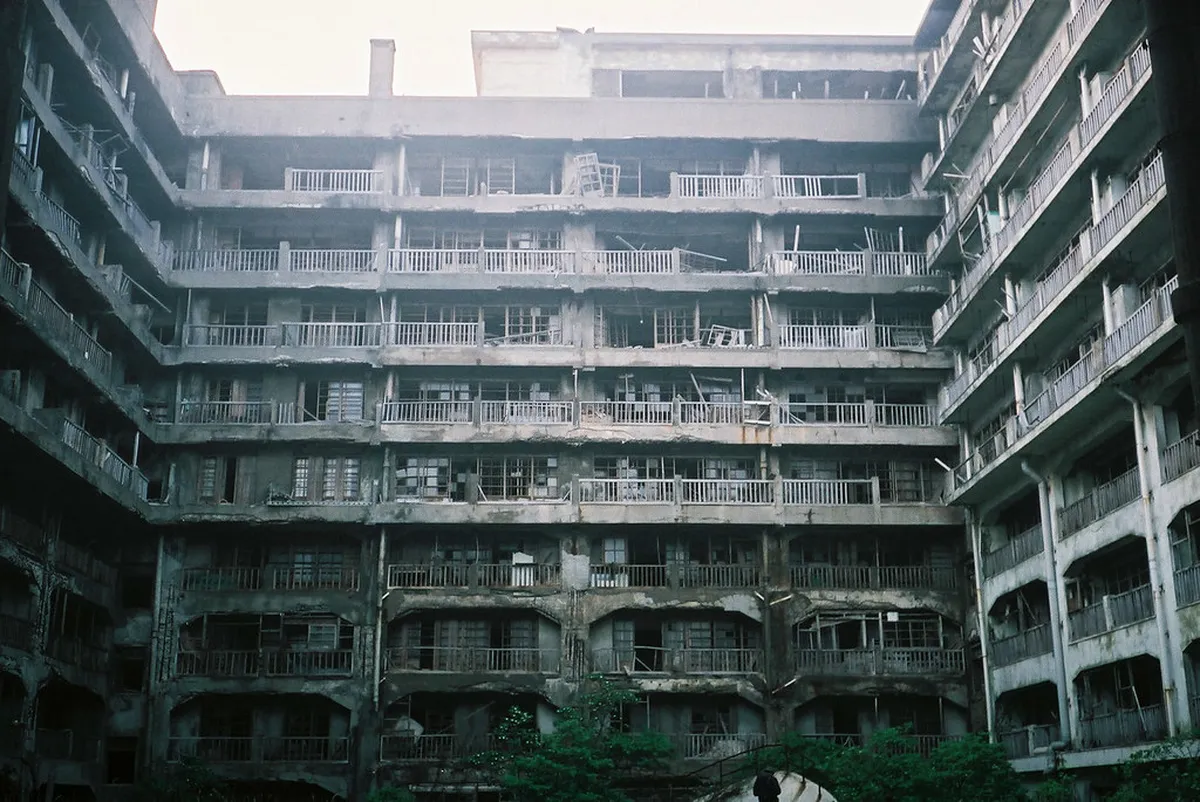
Building 65 is the largest and most iconic residential structure remaining on the island. This massive U-shaped apartment block once housed hundreds of mining families in cramped rooms. You can still see the remains of the rooftop playground where children once played. It stands as a stark reminder of the extreme population density of mid-20th century industrial Japan.
The steep stairway known locally as the "Stairway to Hell" leads toward the Shinto shrine ruins at the higher elevation. Workers climbed these steps after long shifts in the dark undersea mines below. While visitors cannot climb the stairs today, they remain a powerful visual from the designated observation path. The shrine ruins offer a quiet moment of reflection amid the crumbling concrete.
The massive sea walls were built to protect the island from powerful typhoons that regularly batter this stretch of the East China Sea. They were expanded multiple times as the island's footprint grew through land reclamation. Standing near them allows you to feel the true power of the surrounding ocean and appreciate why engineers in the Meiji era considered this feat extraordinary.
The island also inspired the villain's lair in the 2012 James Bond film Skyfall, which brought worldwide attention to Gunkanjima. The actual filming took place in studios and in Macau rather than on the island itself, but the exterior shots were unmistakably based on Hashima's silhouette. This pop-culture connection is why many visitors arrive expecting an even larger, more accessible ruin than the guided walkway reveals. For a panoramic view of the island's silhouette from the city, visit Mount Inasa on a clear day.
Choosing the Best Gunkanjima Tour Company
Four licensed operators run regular Hashima Island tour services from Nagasaki, and the on-island experience is identical across all of them — the same prescribed route, the same 45-to-60-minute time limit set by Nagasaki City. The differences that matter for planning are price, English-language support, vessel size, and which terminal they depart from. All tours require advance reservations and all add a ¥310 Nagasaki City landing fee on top of the base ticket price (¥150 for children).
| Operator | Adult fare (¥) | English guide | Departure terminal |
|---|---|---|---|
| Gunkanjima Concierge | 5,000–11,000 + ¥310 | Yes (all days) | Tokiwa Terminal |
| Yamasa Kaiun | 4,200 + ¥310 | Tue/Thu/Sat only | Confirmed at booking |
| Gunkanjima Cruise | 3,600 + ¥310 | Japanese only | Motofuna Pier (Ohato tram) |
| Seaman Shokai | Contact operator | Check availability | Confirmed at booking |
Gunkanjima Concierge is the top choice for international visitors. Adult standard tickets run ¥5,000 on weekdays and ¥5,500 on weekends and peak periods; premium and super-premium tiers with reserved window seats and priority boarding reach ¥8,000–¥11,000. Crucially, the standard ticket includes entry to the Gunkanjima Digital Museum (worth ¥1,800 alone), making it the best value for visitors planning to do both. The operator claims a 94% landing rate and provides audio guides in English. Tours depart from the Tokiwa Terminal near the museum.
Yamasa Kaiun operates the largest and most stable ferry, which can handle slightly choppier conditions than smaller vessels. Adult tickets cost ¥4,200. English-speaking guides are available on Tuesdays, Thursdays, and Saturdays only; Chinese-speaking guides cover the remaining days. If English narration is important to you and your travel days are fixed, verify the schedule when booking. Online advance booking sometimes yields a 5–10% discount.
Gunkanjima Cruise is the budget option at ¥3,600 for adults, with no tiered pricing or add-ons. The tour includes a stop at nearby Takashima Island, where a Coal Museum holds a scale model of Gunkanjima — useful context before you arrive at the main island. The trade-off is that all commentary is in Japanese only, and departure is from Motofuna Pier near the Ohato tram stop. Seaman Shokai offers a smaller, more intimate boat experience at competitive prices; contact them directly for current 2026 fares and English guide availability.
Important Rules and Physical Requirements for Visitors
Every visitor must sign a safety pledge before boarding the boat. This contract commits you to following all guide instructions without exception, staying within the designated observation areas, and remaining sober throughout the trip. Failure to follow the rules can result in removal from the tour without a refund.
Children under 3 are not permitted on any tour. Children aged 3–6 must stay below deck for the entire boat journey and may still be denied disembarkation at the captain's discretion. No wheelchairs or strollers permitted on the island.
The island has strict physical requirements due to the uneven, rocky walking paths and the boat transfer itself. You must be able to walk unaided for at least an hour on the island. Wheelchairs and strollers are not permitted on the landing pier or the island walkways. Children under the age of three are not allowed on any tours; children aged three to six must remain below deck for the entire boat journey and may still be denied disembarkation at the captain's discretion. If you have mobility issues or serious chronic conditions, the cruise-only option — sailing around the island without landing — is a good alternative.
Wave height must be below 0.5 meters at the dolphin pier and visibility must exceed 500 meters for a landing to be approved by Nagasaki City. These conditions are assessed on the morning of each departure and sometimes updated mid-journey. Alcohol is strictly prohibited on all tours, and umbrellas are not allowed on the island due to wind hazard. No drones are permitted at any point.
Landings only succeed on approximately 100 days per year. That figure comes from Yamasa Kaiun's own published data. If the boat cannot land, most operators pivot to a cruise around the island and refund the landing portion of the fee; if the entire tour is cancelled before departure, you typically receive a full refund. Check each operator's specific 2026 cancellation policy when booking, as terms differ slightly.
Weather Watch: Planning Around Nagasaki Sea Conditions
The East China Sea around Gunkanjima is notoriously unpredictable. Landings succeed only about 100 days a year because wave heights, visibility, and wind all have to align simultaneously. Spring (March to May) and autumn (September to November) tend to offer the calmest seas, but neither season guarantees a landing. Summer brings typhoon risk from July through September, which can cancel tours for multiple consecutive days.
Build at least two consecutive tour-eligible days into your itinerary. Landings only succeed roughly 100 days per year — Gunkanjima Concierge typically posts morning landing decisions by 08:00 on their social accounts.
To maximize your chances, build at least two consecutive tour-eligible days into your Nagasaki itinerary. Check the sea forecast the evening before using Windy.com or the Japan Meteorological Agency website (jma.go.jp), which provides wave height data for the Nagasaki coastal zone. Tour operators post morning landing decisions on their official social media accounts — Gunkanjima Concierge typically updates by 08:00 on departure days.
If the weather does cancel your landing, treat the day as an opportunity rather than a loss. The Gunkanjima Digital Museum at the Tokiwa Terminal provides a full virtual reconstruction of the island and fills two to three hours comfortably. Many visitors report that seeing the museum first actually deepens the landing experience when conditions cooperate the following day. Pairing a weather-cancelled morning with an afternoon at Glover Garden makes for a still-rewarding day exploring Nagasaki attractions.
The Dark History: Addressing the Forced Labor Controversy
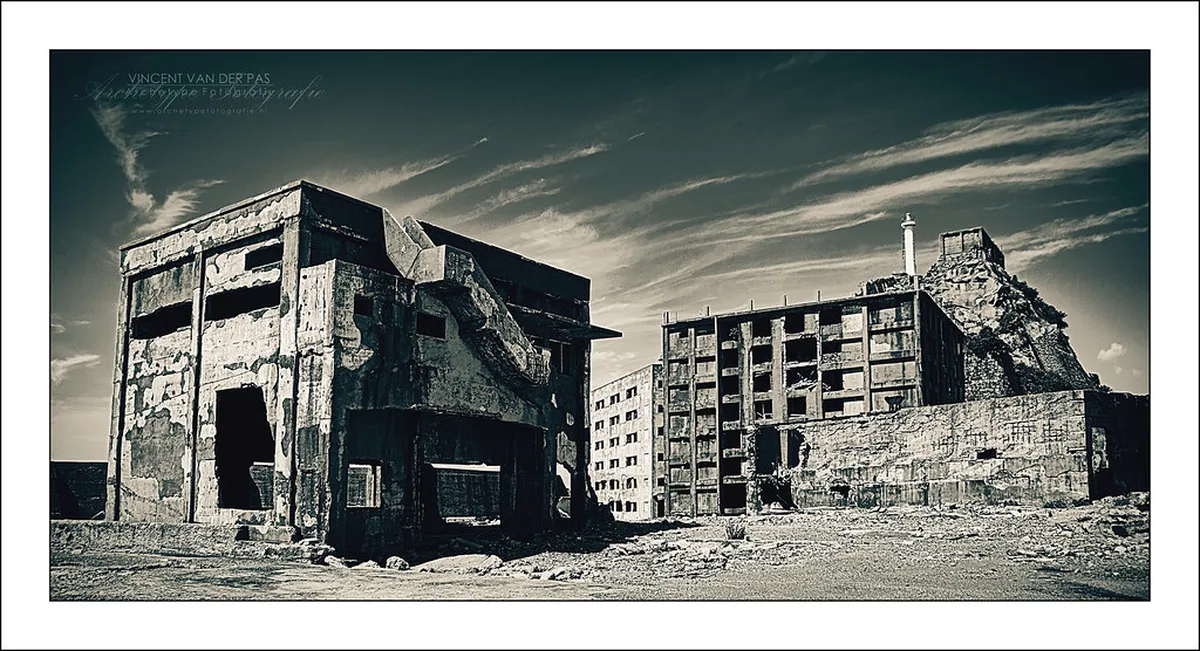
During World War II, many Korean and Chinese laborers were forced to work in the mines under brutal conditions. Exhaustion, malnutrition, and unsafe environments led to suffering that is only partially documented. Historians estimate hundreds of unrecorded deaths occurred on the island during the wartime period. You can read more about this period in The Guardian's reporting on the forced labor history.
The inclusion of the island as a UNESCO site was met with significant international debate. South Korea initially opposed the bid until Japan agreed to acknowledge the forced labor history. Japan pledged to establish a memorial and information center for the victims, and some interpretive materials now exist, though coverage at the island itself remains limited. The Gunkanjima Digital Museum addresses the wartime period in more depth than most tour guides.
Tour companies vary considerably in how thoroughly they discuss this chapter. Some guides provide thoughtful context; others focus almost entirely on the engineering and community aspects of the island. If understanding the full history matters to you, ask the operator before booking whether their guides cover the wartime forced labor period in English. The contrast between industrial pride and human suffering is a central ethical theme that makes a visit to Gunkanjima more than a ruin-tourism experience.
Modern exhibits in Nagasaki aim to tell a more balanced story. They combine the technical achievements of the mine with the personal stories of both voluntary workers and forced laborers. Learning about the hardships helps visitors appreciate the true cost of Japan's industrial miracle. The island remains a place of deep reflection for visitors from South Korea, China, and across East Asia.
Logistics: Navigating Nagasaki Port and Departure
Getting to the departure points is simple if you stay in the central Nagasaki area. The local streetcar system is the most efficient way to reach the ferry terminals. For the Tokiwa Terminal (Gunkanjima Concierge), take the tram toward Oura Coast Street and walk five minutes. For Motofuna Pier (Gunkanjima Cruise), alight at the Ohato stop and walk five minutes in the other direction.
The Tokiwa Terminal is the main hub for Gunkanjima Concierge tours and also houses the Gunkanjima Digital Museum. Inside, you will find check-in counters where you must present your booking confirmation and pay the ¥310 Nagasaki City landing fee if not already included. Arrive at least 30 minutes before your scheduled departure to complete paperwork and receive your boarding pass. Morning departures are typically around 09:00 and afternoon departures around 13:00, but confirm with your chosen operator when booking.
Nagasaki is easy to reach from Fukuoka by the West Kyushu Shinkansen (opened 2022), which connects Nagasaki Station to Takeo Onsen in about 30 minutes. From Takeo Onsen you transfer to a limited express for Hakata (Fukuoka) — the total journey is roughly two hours. JR Pass holders can use the pass for this route. Domestic flights from Tokyo (Haneda or Narita) reach Nagasaki Airport in about two hours; budget around one hour for the airport bus into the city center.
Double-check your booking to confirm which departure terminal you need. Most operators have staff in branded uniforms near the entry to help guide you. Nearby the Tokiwa Terminal you will also find the beautiful Glover Garden, which is worth visiting after your tour to round out the day.
What to Pack and Prepare for Your Boat Trip
Wearing the right footwear is the single most important part of your physical preparation. High heels, flip-flops, and sandals are strictly prohibited for safety reasons. You must wear sturdy, closed-toe shoes with good grip. Guides may refuse to let you board if your footwear is deemed unsafe.
The sun is intense on the boat and the island with very little shade available. Bring a hat, sunglasses, and plenty of sunscreen. Umbrellas are not allowed on the island because they are dangerous in wind, so carry a compact rain jacket instead if the weather looks uncertain. Operators sometimes have disposable ponchos available on board.
Sea sickness is a genuine concern. The waters between Nagasaki and the island can be rough even on bright, sunny days. Take motion sickness medication (called yoidome in Japanese, available at any drug store) about an hour before boarding. Sitting in the center of the boat at a lower deck level also helps. Operators provide vomit bags and some distribute wristbands, but experienced travelers recommend the medication over any onboard remedy.
There are no toilets or facilities of any kind on the island itself, so use the restrooms on the boat or at the terminal before departure. Bring a bottle of water but pack all trash back with you. Eating is not allowed while walking on the ruins. Staying connected is helpful for checking landing updates — a travel SIM or pocket Wi-Fi lets you monitor tour operator social accounts on the morning of your trip.
Beyond the Island: The Gunkanjima Digital Museum
The Gunkanjima Digital Museum is located steps from the Tokiwa Terminal, making it a natural companion to any tour. This museum uses advanced technology — projection mapping, VR headsets, and laser-scan reconstructions — to bring the abandoned island back to life. It is an excellent fallback if weather cancels your landing, and a worthwhile pre-tour primer regardless.
One of the highlights is the virtual reality experience that lets you explore restricted areas of the ruins. Visitors can digitally walk through crumbling apartments that are too dangerous to enter in person. The recreations are based on thousands of photographs and detailed laser scans of the structures. This offers a perspective that the standard observation walkway simply cannot replicate.
The museum also features personal interviews with former island residents. Hearing their accounts of daily life — the rooftop gardens, the cramped apartments, the communal spirit — adds a human warmth to the cold concrete ruins outside. These narratives are available through the museum's audio guide system in multiple languages. A separate section addresses the wartime forced labor period with more nuance than most tour scripts.
Gunkanjima Concierge includes museum admission in their tour ticket, which covers the ¥1,800 adult entry fee. If you book with a different operator, buy your museum ticket separately. Visiting the museum before your morning boat departure helps you identify landmarks once you are standing on the observation path — several visitors say it makes the 45-minute on-island time feel twice as productive.
Hashima Island Visitor Guide: Frequently Asked Questions
Is the island worth visiting if the boat cannot land for a walk? Even if you only see the island from the water, the sight is powerful. The battleship silhouette surrounded by open ocean is an image that stays with you. Most companies offer a partial refund of the landing fee if disembarkation is cancelled due to waves.
How much time should I set aside for the entire Nagasaki experience? Plan for at least half a day for the boat tour, and ideally a full day if you add the Digital Museum. Combining this with a visit to the Nagasaki Atomic Bomb Museum makes for one of the most historically dense single days available to travelers anywhere in Japan.
Are there any age restrictions for children? Children under three are not permitted on any tour. Children aged three to six must remain below deck for the full boat journey and may not be allowed to disembark depending on the captain's assessment. Most operators accept elementary-school-age children (six and above) without restriction. Check the specific policy of your chosen operator before booking family tickets.
Was Skyfall actually filmed on Hashima Island? No. The 2012 Bond film used the island's distinctive shape as inspiration for the villain's lair set design, but production took place in Macau and in studios. The island did serve as an actual filming location for the 2015 Japanese film Attack on Titan. Mentioning this to your guide usually sparks an interesting conversation about the island's media legacy.
Frequently Asked Questions
What happens if my Gunkanjima tour is cancelled due to weather?
If the sea is too rough for a landing, most operators will still offer a cruise around the island. You will usually receive a partial refund of the landing fee. If the entire boat trip is cancelled, you will typically receive a full refund or a chance to rebook. Check the official Gunkanjima Concierge site for their specific 2026 policy.
Can I explore the buildings on Hashima Island by myself?
No, you cannot enter the buildings or explore the island freely. Visitors must stay on the designated observation paths for safety and preservation reasons. The structures are extremely unstable and could collapse at any time. Your guide will ensure you see the most important landmarks while staying within the safe zones.
How far in advance should I book my Hashima Island visitor guide tour?
It is best to book at least two to four weeks in advance, especially during holiday periods like Golden Week. Tours often sell out quickly because boat capacities are limited. If you are visiting during the weekend, booking even earlier is recommended. Most operators allow online reservations through their official websites for convenience.
Is there a restroom or food available on Hashima Island?
There are no facilities, restrooms, or shops on the island itself. You should use the restroom on the boat or at the terminal before the tour begins. It is also a good idea to bring a bottle of water, but you must take all trash back with you. Eating is generally not allowed while walking on the island ruins.
Visiting Hashima Island is a highlight for many travelers exploring the Kyushu region of Japan. By following this Hashima Island visitor guide, you can ensure a safe and educational trip to the ruins. Remember to respect the history and the fragile environment of this unique UNESCO World Heritage site. After your tour, consider visiting the Nagasaki Peace Park to round out your historical journey.