11 Best Things to Do in Himeji (2026 Guide)
Discover the best things to do in Himeji, from the iconic White Egret Castle to hidden samurai sword forges and mountain temples. Plan your perfect day trip.
On this page
Himeji rewards visitors who look past the castle gate. Most travelers treat this city as a three-hour layover between Osaka and Hiroshima, but the surrounding mountains, Edo-era gardens, and living craft traditions deserve far more attention. Our editorial team refreshed this guide in 2026 to ensure all transport routes and entry fees reflect the latest local changes.
The city is anchored by the magnificent White Egret Castle, a UNESCO World Heritage site that genuinely lives up to its reputation. Beyond the fortress walls you will find a 1,000-year-old mountain temple that served as a Hollywood film set, 52 generations of samurai ironwork, and sake brewed from rice grown on the Harima plain. Whether you are coming for the architecture or the wagyu, Himeji offers something a slower pace than the frantic streets of nearby Kyoto.
Key Takeaways
- Best Overall: Himeji Castle — arrive before 09:00 to beat the tour-group rush from Osaka.
- Best for Families: Yamasa Fishcake Factory for a hands-on cooking workshop (book ahead).
- Best Rainy Day: Himeji City Museum of Art or the covered Miyuki-dori Arcade.
- Best Free View: Otokoyama Hachimangu Shrine for an elevated castle panorama at no cost.
- Hidden Gem: Myouchin windchime workshop — public, no appointment, reachable by bus.
Half-Day vs Full-Day: How to Split Your Time in Himeji
A half-day (four to five hours) is enough for the castle, Kokoen Garden, and a quick walk through Miyuki-dori Arcade. Arrive at Himeji Station by 08:30, head directly to the castle to beat the crowds that arrive on the 10:00 Shinkansen from Osaka, and finish at Kokoen by 13:00. That leaves time to catch the afternoon bullet train back.
A full day adds Mt. Shosha and one or two food or craft experiences. The key planning constraint here is the ropeway: the last cable car down from Mt. Shosha departs at 17:00. If you visit Mt. Shosha first (09:00–12:00), you can do the castle in the afternoon without that pressure. If you reverse the order, be at the ropeway bus stop no later than 14:30 to allow ninety minutes on the mountain before the final descent.
Weekdays are strongly preferable to weekends. Mt. Shosha in particular sees significantly lighter crowds Monday through Friday, and the castle ticket queues at opening are far shorter. If you are visiting during the Himeji Castle in cherry-blossom season season in late March or early April, budget an extra thirty minutes for castle entry even on a weekday.
For a complete hour-by-hour plan, see our full Himeji itinerary, which covers both the morning-castle and morning-mountain routes with precise bus times.
Marvel at the Original Architecture of Himeji Castle
Himeji Castle dates to 1333 and reached its current form under lord Ikeda Terumasa in the early 1600s. It is one of only twelve original castles remaining in Japan — meaning it survived both the Meiji-era demolitions and World War II bombing intact. That authenticity is immediately apparent inside the main keep: the structural timber is centuries-old, the floors slope subtly underfoot, and there are no lifts. The Himeji Castle architectural history and visitor guide and the japan-guide.com overview of Himeji Castle covers the full architectural history and visitor practicalities in depth.
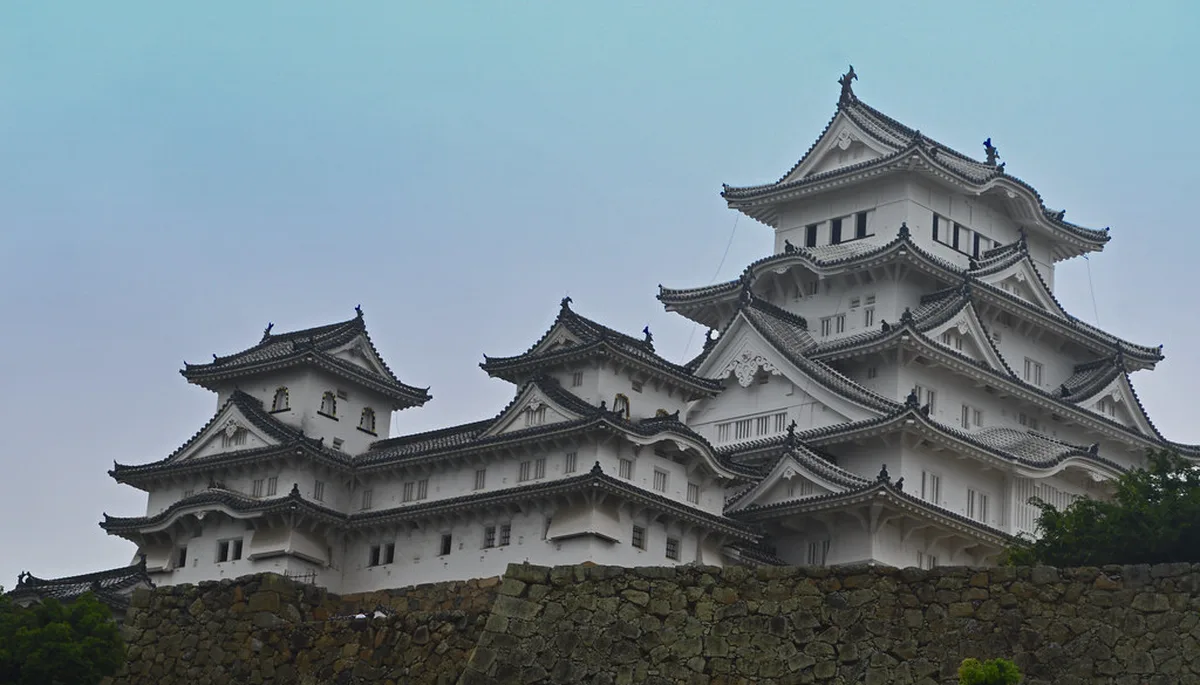
Entry costs ¥1,000 for adults (2026 rate). Gates open at 09:00 and close at 17:00 daily, with the final admission at 16:00. Inside, six steep stories lead to the top floor, where the views over Himeji's rooftops justify the climb. Wear comfortable shoes and thick socks — you must remove footwear at the entrance and carry them in a provided bag. The ascent takes roughly sixty to ninety minutes at a relaxed pace. For current hours, seasonal closures, and any announced events, check the official Himeji Castle website before you travel.
Pick up the combined castle-and-garden ticket at the gate for ¥1,050. Bought separately, the castle (¥1,000) and Kokoen Garden (¥310) together cost ¥1,310 — so the combo saves ¥260 and eliminates a second queue. Volunteer English-speaking guides, typically retired locals, are usually stationed near the main keep entrance at no extra charge and are worth seeking out for historical context.
The combined castle-and-Kokoen Garden ticket costs ¥1,050 — versus ¥1,310 if bought separately. Grab it at the castle gate to save ¥260 and skip the garden queue entirely.
Book Himeji castle tickets in advance during the cherry blossom and autumn foliage periods to avoid same-day sellouts. The castle also uses a numbered-entry system on peak days to limit overcrowding on the fragile wooden upper floors.
Wander the Nine Landscapes of Kokoen Garden
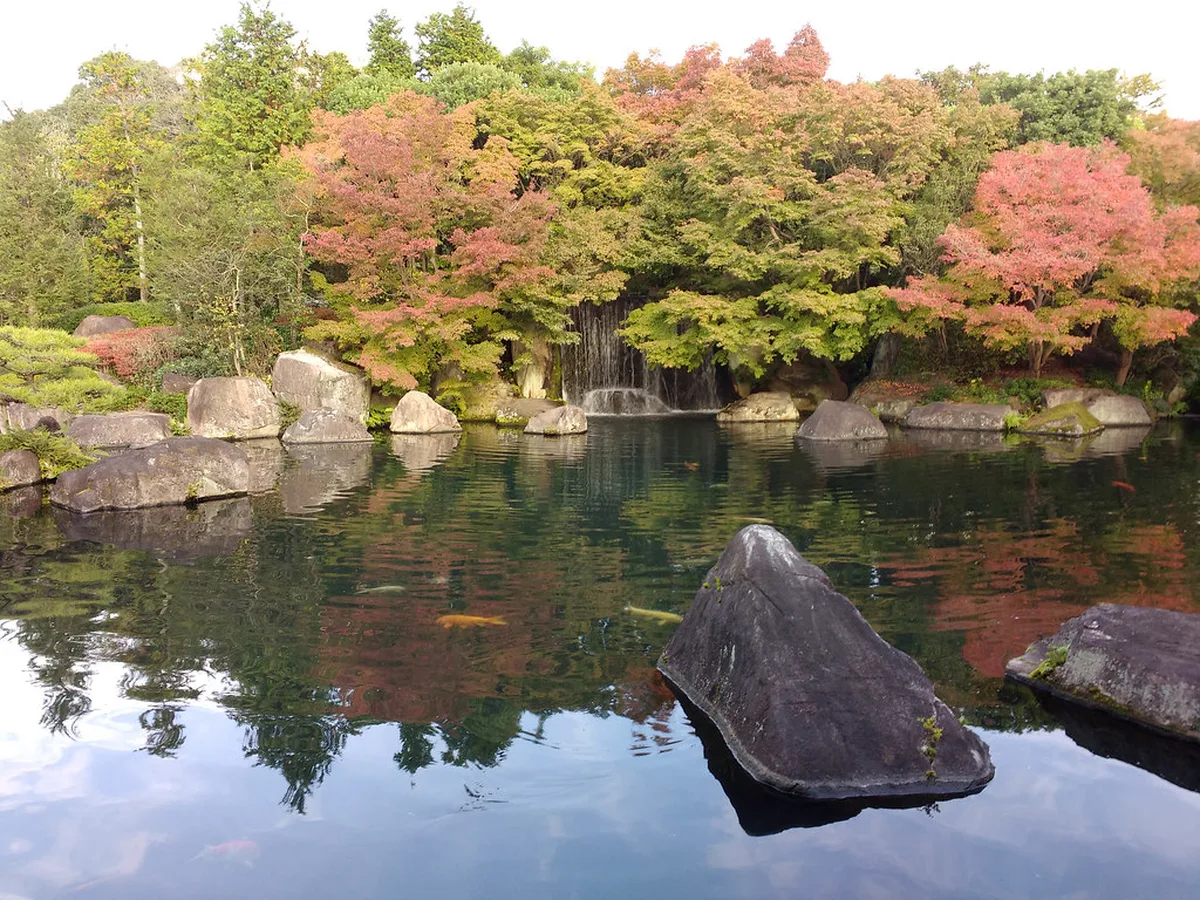
The Koko-en Garden complete visitor guide sits immediately west of the castle, a five-minute walk from the main keep exit. Built in 1992 to mark the city's centenary, it covers 8.5 acres and is divided into nine separate walled gardens, each styled after a different Edo-period garden tradition. Excavations during construction revealed the site was once occupied by the lord's residence and surrounding samurai estates.
The nine gardens include a bamboo grove, a flowering-tree garden, a garden with a koi pond and hill, and a formal tea ceremony garden. Because the grounds are designed to present something different across all four seasons, there is no bad time to visit — spring brings wisteria and irises, summer fills the pond garden with lotus, autumn turns the maples vivid orange, and winter dusts the bamboo with snow.
Entry is ¥310 on its own, or covered by the combo ticket. The Sojyu-an tea house inside the garden offers a matcha-and-seasonal-sweet set for approximately ¥500 — a worthwhile rest stop mid-afternoon. The garden is fully wheelchair accessible, with rental chairs available at the entrance. Allow at least forty-five minutes here; an unhurried visitor can easily spend ninety.
| Attraction | Time needed | Entry cost | Highlight |
|---|---|---|---|
| Himeji Castle | 60–90 min | ¥1,000 | One of Japan's 12 original castles; rooftop views |
| Kokoen Garden | 45–90 min | ¥310 (or combo ¥1,050) | Nine Edo-style walled gardens; koi pond; tea house |
| Engyoji Temple (Mt. Shosha) | 2–3 hrs on mountain | ¥1,700 (ropeway combo) | 1,000-year-old temple; Last Samurai filming location |
| Otokoyama Hachimangu Shrine | 20 min | Free | Best elevated castle panorama in the city |
| Himeji City Museum of Art | 30–60 min | ~¥500 | Meiji-era brick warehouse; sculpture garden; castle view |
Ascend Mt. Shosha to the Ancient Engyoji Temple
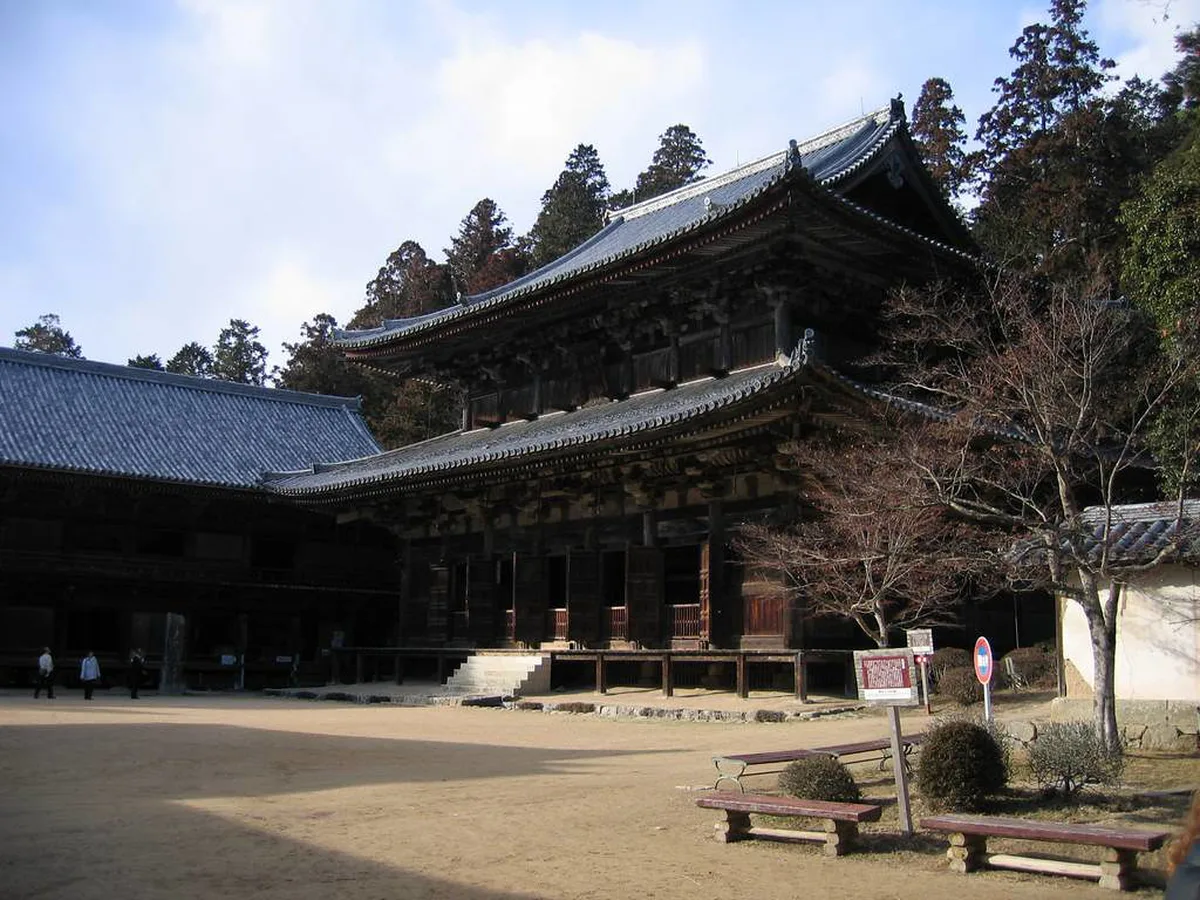
Engyo-ji Temple on Mount Shosha was founded in 966 AD on the forested slopes of Mt. Shosha. The complex covers the entire mountaintop and includes dozens of wooden halls, stone lanterns, and open-air shrines shaded by ancient cedar. International visitors know it mainly as the filming location for The Last Samurai (2003), but the real reason to come is the atmosphere — the mountain is considerably less visited than any comparable site in Kyoto, even on weekends.
Getting there from Himeji Station involves two legs. Take the No. 8 Shinki Bus from Stand 10 at the North Exit bus terminal (about ¥270 one-way, thirty minutes). Alternatively, buy the Shoshazan Ropeway combination ticket at the terminal for ¥1,700, which covers the return bus and round-trip cable car in one package and is the most efficient option. The ropeway runs every fifteen minutes and takes ten minutes to reach the summit station. From there, it is a twenty-minute walk to the main temple buildings, or a ¥1,000 return minibus for those with limited mobility.
At the top, allow two to three hours to explore. The Maniden is the main Kannon hall and the most photogenic building — its verandah looks out over a sea of forested hills. The Jiki-do dining hall is the primary Last Samurai filming location and dates to the 15th century. A lookout point higher in the complex offers views across the Seto Inland Sea on clear days.
For photography and crowd avoidance, late November is the best time. The maple canopy turns deep crimson against the weathered timber halls, and the mountain receives far fewer visitors than during the spring cherry blossom peak. The last cable car departs at 17:00 — if you plan to visit Mt. Shosha in the afternoon, catch the last minibus down at 16:45 to avoid having to walk the trail in fading light.
The last ropeway cable car down from Mt. Shosha departs at 17:00, and the last minibus from the summit leaves at 16:45. If you visit the castle first, be at the ropeway bus stop by 14:30 at the latest to allow ninety minutes on the mountain before the final descent.
Photograph the Castle from Otokoyama Hachimangu Shrine
Otokoyama Hachimangu is a Shinto shrine inside Minamiyashio Park, about ten to fifteen minutes northwest of the castle on foot. The shrine itself is compact, but the grounds rise to a hilltop garden that frames the castle's white towers in the middle distance. Professional photographers use this spot regularly, yet most day-trippers never find it.
Access is free. The standard route involves climbing a long flight of stone steps from the street below. If the steps are a problem, look for a gently graded path around the left side of the shrine that reaches the same elevated garden. Morning light hits the castle's west face most favourably before noon, making this the best first stop after arriving at the station if you want usable photography.
There is no signage specifically directing visitors to the viewpoint — look for the stone torii gate and follow the perimeter path uphill. The elevated garden is also a quiet rest spot before the more crowded castle grounds, and takes only twenty minutes in total.
Taste Premium Hyogo Brews at Tatsuriki Sake Shop
Hyogo Prefecture is considered the birthplace of Japanese sake, with historical references in the 8th-century Harima Fudoki text identifying Harima as the origin of brewing techniques. The Harima plain surrounding Himeji produces roughly 80 percent of Japan's Yamada Nishiki rice — the premium short-grain variety prized by brewers across the country. Eight distinct breweries operate within Himeji city limits alone.
Tatsuriki is a sake brewery and retail shop located in the basement of the Grand Festa mall directly in front of JR Himeji Station. In addition to their own labels, they stock bottlings from Meijo, Yaegaki, and other local producers. Tastings start at around ¥500 for three seasonal pours. In the evenings, the master brewer is often on the shop floor to explain the production process — ask specifically about the difference between Yamada Nishiki grown in different Harima villages, as soil variation at the local level genuinely affects the flavour profile in ways that generic sake-tasting guides overlook.
If you are short on time, Tatsuriki is the easiest sake stop to fit into a day trip because of its station-adjacent location. Pick up a bottle of Ryuriki to take home — it is the house sake and represents the region well without being prohibitively expensive.
Feast on Local Wagyu at Kassui-ken Restaurant
Kassui-ken occupies a low wooden building inside Kokoen Garden, making it one of the rare restaurant options in Japan where the view from your table is a UNESCO World Heritage site. The building itself sits beside the garden's main pond, and the castle's upper turrets are visible from the window seats on clear days.
The restaurant specialises in udon and eel dishes, but the wagyu beef set is the standout for visitors with a larger budget. The beef is served as eight chunky marbled pieces cooked on a small candle burner at the table, accompanied by eight smaller seasonal side dishes. Lunch sets range from approximately ¥2,500 to ¥4,500. Request a window seat when you arrive rather than waiting to be assigned one — they are limited and fill quickly during peak season.
Opening hours are 10:00 to 16:30 daily, with the lunch menu served from 11:00 to 15:00. Menus are available in English with photographs, which makes ordering straightforward. One important restriction: reservations are not accepted during March, April, May, October, November, or during special events — peak season visitors must join the queue in person.
Make Your Own Kamaboko at Yamasa Fishcake Factory
Kamaboko (fish cake) is a Himeji regional staple, and Yamasa is the city's largest producer. The factory is located in Okimoto, Yumesaki-cho, about twenty minutes from the city centre by car. Free factory tours run twice daily on weekdays and six times on Sundays and public holidays, giving visitors a close look at the chikuwa (tube-shaped fish cake) production line and the imitation crab meat process.
For a hands-on experience, book the kamaboko-making workshop in advance: it costs approximately ¥1,500 per person and allows participants to shape and grill their own fish cakes using fresh fish paste under guidance from the factory staff. This is the most family-friendly activity in the Himeji area and works well for children who have grown bored of castle interiors. Check the workshop schedule on the factory website before your trip, as available slots vary by day and season.
The Ippuku Cafe on-site serves coffee and cakes if fish cake making is not your priority — it is a comfortable stopping point on the way back from Mt. Shosha, as the two are in the same western part of the city.
Discover Samurai Ironwork at the Myouchin Forge
The Myouchin family has produced ironwork continuously since the Heian era (784–1184) — 52 unbroken generations of armour, helmets, and now wind chimes. The main sword forge on the northern outskirts of Himeji is strictly by appointment and genuinely difficult to access: swords take a month to produce, sell for around ¥3,000,000 each, and the smelting process runs for three days in winter only (summer heat makes the forge inoperable). Most competitors mention the forge and stop there, leaving the impression Myouchin is inaccessible to ordinary visitors.
The less-discussed fact is that the Myouchin windchime workshop is entirely open to the public without an appointment and is reachable by bus. From Himeji Station's North Exit bus terminal, take the bus bound for the National Medical Center and get off at the Nozato stop — it is a one-minute walk from there. The workshop produces fire-tong windchimes prized across Japan for their exceptionally clear, long-resonating tone. These make a distinctive souvenir that nothing sold at the castle gate can match.
If you do want to arrange a sword forge visit, the most reliable path is through local contacts such as the Go To Japan community, which has an established relationship with the Myouchin family. Allow a full half-day and arrange a taxi, as the forge location in a residential northern neighbourhood is not reliably served by public transport.
Shop and Snack at Miyuki-dori Arcade
Miyuki-dori is a covered shopping street that runs roughly east of the main castle boulevard, connecting the shopping zone near Himeji Station to the castle-facing areas. This is the best place to try Himeji oden, a local variation of the simmered stew dish served with ginger soy dipping sauce rather than the mustard-based style common elsewhere in Japan. Most stalls and small restaurants on this street charge between ¥200 and ¥600 per item.
Look also for almond toast, a quirky Himeji breakfast staple — thick white bread spread with butter and almond cream, sold at several bakeries along the arcade. It is an oddly addictive local habit and costs around ¥300. The arcade is covered, making it a useful fallback during rain and a sensible final stop before returning to the station, as it sits directly along the walking route back.
Explore the Himeji City Museum of Art
The Himeji City Museum of Art building and collection guide occupies a striking red-brick building that originally served as a Meiji-era military storage warehouse. The contrast between the building's industrial character and the white castle visible from its garden is one of Himeji's more photogenic juxtapositions. General admission is approximately ¥500, with the permanent collection covering both Japanese modern art and notable Western works.
The outdoor sculpture garden is free to enter and provides a quiet alternative viewpoint on the castle. This is a worthwhile option on rainy or overcast days when outdoor photography is limited, or as a thirty-minute detour before heading back to the station in the late afternoon.
Visiting Himeji: Transport and Logistics
Himeji Station sits on the Sanyo Shinkansen line. From Osaka the Hikari or Sakura bullet train takes about 30 minutes; from Kyoto, roughly 45 minutes. If you have a Japan Rail Pass, both trains are covered. Without a pass, the Special Rapid (JR Kobe Line) from Osaka takes about 60 minutes and costs around ¥1,520 — a worthwhile saving if you have the time. For detailed route options, see our guide on getting to Himeji from Osaka.
From Himeji Station use the North Exit. The tourist information centre and bus terminal are immediately outside. The Loop Bus (¥100 per ride) serves the castle area and is useful for the first trip up the boulevard. The No. 8 Shinki Bus to Mt. Shosha departs from Stand 10 and takes about thirty minutes to the ropeway station. The combined Shoshazan Ropeway ticket (¥1,700, sold at the terminal information desk) covers return bus and cable car and is the most economical option for Mt. Shosha.
Station coin lockers are plentiful on the B1 level and ground floor of Himeji Station — store luggage here if you are stopping between cities. Verify the last Shinkansen departure if you plan to stay for dinner, as frequency drops after 21:00. Most of the day's major costs — castle entry, Kokoen, Mt. Shosha ropeway, and a mid-range lunch — add up to between ¥5,000 and ¥8,000 per person.
Going deeper on this theme? Our What to Eat in Himeji guide covers it in detail, with the practical planning this page leaves out.
Frequently Asked Questions
Is Himeji Castle worth a day trip from Kyoto?
Yes, Himeji Castle is definitely worth a day trip because it is one of Japan's few remaining original castles. The Shinkansen journey takes less than an hour, making it very accessible. You will see architecture that simply does not exist in Kyoto's reconstructed palaces.
How much time do you need at Himeji Castle?
You should budget at least two to three hours to explore the castle grounds and the main keep. The climb to the top floor is slow due to steep stairs and crowds. Adding the adjacent Kokoen Garden will require another hour of your time.
Can you enter Himeji Castle?
Visitors can enter the main keep and several of the surrounding defensive turrets. You must remove your shoes at the entrance and carry them in a provided plastic bag. The interior is largely unfurnished, focusing on the impressive wooden structural engineering.
Himeji is far more than just a backdrop for a castle photo; it is a city where history feels tangible and alive. From the quiet halls of Engyoji to the rhythmic hammers of the Myouchin forge, the depth of culture here is immense. Planning your visit around the half-day or full-day split above will help you see the right things without feeling rushed.
Whether you are a solo hiker or a family on a summer holiday, Himeji rewards careful planning. Make sure to book your Himeji castle tickets early during peak seasons to guarantee your entry. Safe travels, and enjoy the breathtaking views from the top of the White Egret.
Explore More Himeji Guides
Deep-dive guides to help you plan every part of a Himeji trip — from the castle itself to getting there from Osaka and Kyoto.
Plan Your Visit
- Himeji Castle: tickets, hours & visiting tips
- Himeji itinerary: half-day vs full-day
- Himeji Castle in cherry-blossom season
Getting There
Nearby destinations worth pairing with a Himeji trip: Kobe and Osaka.
For ticket prices, opening hours and visitor details on each sight, browse our Himeji attractions hub.
Free guide: Japan's Hidden Gems
12 under-the-radar places beyond Tokyo & Kyoto — with the best season to visit each and a local tip you won't find in the guidebooks.
You might also like


Continue reading
More guides you'll find useful