Himeji From Kyoto: 8-Step Day Trip Guide
Plan your Himeji from Kyoto day trip with our 8-step guide. Includes Shinkansen vs. local train comparisons, Himeji Castle tips, and Mt. Shosha logistics.
On this page
Himeji is the most rewarding half-day escape from Kyoto in 2026. You can board a bullet train at Kyoto Station and be standing in front of Japan's finest original castle in under 50 minutes. This guide covers every step: which train to take, how much each ticket costs, and exactly how to sequence Himeji Castle, Mt. Shosha, and Kokoen Garden in a single day.
The itinerary below is built around the realistic logistics — ropeway cutoff times, combined ticket savings, coin locker locations — so you spend your hours exploring, not puzzling over timetables. Check the Himeji Castle Official Site before you travel for any seasonal hour changes.
Why Himeji is the Ultimate Day Trip from Kyoto
While most Kyoto day trips send visitors to Nara or Osaka — if you need ideas for the city itself, see our guide to things to do in Kyoto — Himeji offers something neither city can match: an untouched original castle. Himeji Castle history, hours, and what to see inside — survived fires, bombs, and centuries of earthquakes with its core structure intact. Its dazzling white-plastered exterior earns it the name 'White Heron Castle,' a nickname that makes more sense the first moment you spot it from Himeji Station's north exit — gleaming at the end of a perfectly straight boulevard.
The city pairs that castle with two compelling secondary attractions. Mt. Shosha, a forested mountain temple complex that doubled as a filming location for the 2003 film "The Last Samurai," gives the day a spiritual, quieter counterpoint. Kokoen Garden, nine walled Edo-period gardens rebuilt in 1992 next to the castle, offers a scenic wind-down in the late afternoon. No bus complexity is needed to reach any of them — just two trains and a ropeway.
Beyond the sights, Himeji works logistically. It sits on the same JR Sanyo line as Osaka, Kobe, and Hiroshima, meaning you can fold it into a Kyoto-to-Hiroshima travel day rather than treat it as a pure round-trip. See the luggage strategy section below for how to handle that route without checking bags.
Transport Guide: Kyoto to Himeji by Shinkansen vs. Local Train
You have two practical options on the Kyoto to Himeji train corridor, and the right choice depends on whether you carry a JR Pass.
| Option | Time | Cost (one-way) | JR Pass? | Frequency |
|---|---|---|---|---|
| Shinkansen Hikari / Kodama | 45–55 min | ~5,000 yen | Yes (Hikari/Kodama only) | 2–3 per hour |
| JR Special Rapid Service | 90–100 min | ~2,310 yen | Yes | Every 20–30 min |
JR Pass holders should take the Shinkansen Hikari — it departs twice an hour toward Hiroshima and requires no supplement beyond the pass. The Nozomi and Mizuho services are faster but require an additional fee even with a pass, so board Hikari instead. Without a JR Pass, the Special Rapid is the smart budget move: the 45-minute saving of the Shinkansen costs roughly an extra 2,700 yen each way, which is better spent on lunch and the ropeway.
JR Pass holders: always board the Hikari or Kodama — Nozomi and Mizuho are faster but carry a surcharge not covered by the pass. Without a pass, the Special Rapid saves roughly 2,700 yen each way versus the Shinkansen, a saving better spent on the ropeway and castle entry.
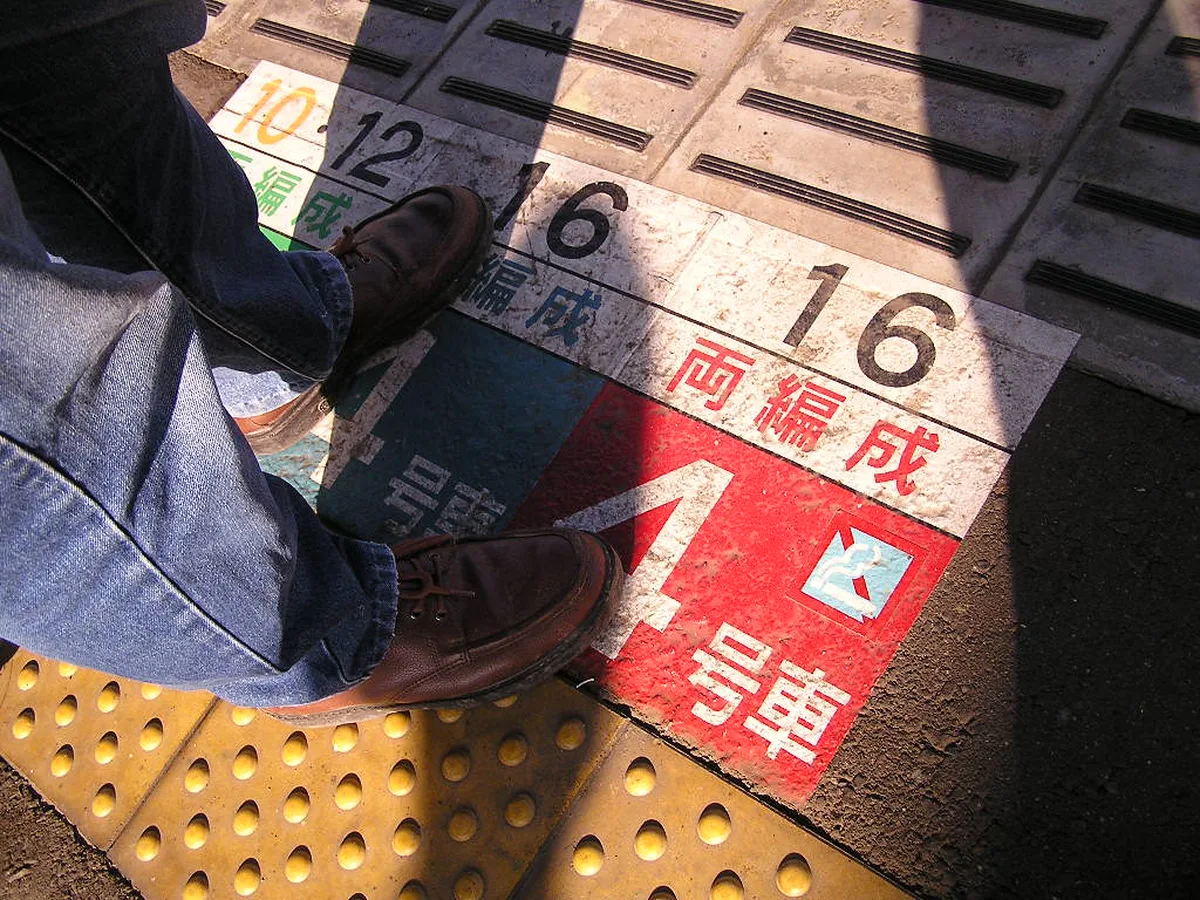
Both trains depart from Kyoto Station's Shinkansen platforms (tracks 11–14 for the bullet train) or the JR platforms for the Special Rapid. On the Special Rapid, you travel via Osaka and Kobe without changing trains — the service runs all the way through to Himeji. Aim to board by 07:45–08:00 to reach Himeji by 09:00, giving you maximum time before the main castle crowds arrive.
Luggage Strategy for Kyoto–Himeji–Hiroshima Travelers
Many travelers hit Himeji as a stop between Kyoto and Hiroshima rather than a round-trip. This creates a practical problem: you are either hauling a suitcase through the castle or burning time searching for storage. The solution is Himeji Station's coin lockers, located on the concourse level near the north and south exits. Small lockers cost 300–400 yen, medium 500–600 yen, and large 700–800 yen for the day. They accept IC cards (Suica/ICOCA) as well as coins.
Drop your bags immediately after arriving, before heading to Mt. Shosha. When you leave Himeji in the evening — westbound toward Hiroshima rather than back east to Kyoto — collect your bags from the lockers and board your onward train. The entire day stays bag-free and you avoid the double-back that a pure round-trip requires. This also works if you are heading south to Osaka or Kobe instead.
One note: during Golden Week (late April to early May) and cherry blossom season (late March to early April), the lockers fill by mid-morning. Arrive early or consider leaving bags at a luggage service counter in Kyoto Station before boarding.
Coin lockers at Himeji Station (north and south exits, concourse level) cost 300–800 yen for the day and accept IC cards. During peak seasons — Golden Week and cherry blossom — lockers fill by mid-morning, so store your bags the moment you arrive rather than after buying your ropeway ticket.
Step-by-Step Himeji Day Trip Itinerary
This sequence visits Mt. Shosha first (morning, fewer crowds) then the castle after lunch (the reverse of most guides). It works better because the ropeway last descent is at 17:00 October–February and 18:00 March–September — arriving there early keeps you well inside that cutoff. You can swap the order if you strongly prefer seeing the castle in morning light, but factor the ropeway closing time into your planning.
- 07:45 — Depart Kyoto Station. Buy a Shoshazan Ropeway combination ticket (bus + ropeway round-trip, 1,700 yen) at the Shinki Bus Terminal outside Himeji Station's north exit on arrival.
- 08:45 — Arrive Himeji Station. Store luggage in coin lockers if needed. Pick up a free rental bicycle at the Himeji Tourist Information Center (north exit, ground floor) for later use.
- 09:15 — Board Bus #8 at Stop #10 toward Mt. Shosha Ropeway (30-minute ride, show your combo ticket to the driver).
- 09:45 — Take the ropeway cable car up Mt. Shosha. Walk 15–20 minutes to Engyoji Temple entrance; pay the 500 yen temple admission. Spend 90 minutes exploring Maniden, the Jiki-do (Last Samurai filming location), and the Seto Inland Sea observation point.
- 11:45 — Return via ropeway and bus to Himeji Station. Lunch in the Miyuki or Omizosuji covered shopping arcades (ramen, tonkatsu, and gyoza sets from around 900–1,200 yen).
- 13:30 — Cycle or walk to Himeji Castle (5 minutes by bicycle, 20 on foot). Buy the combined Castle + Kokoen Garden ticket (1,050 yen) at the ticket office — it saves roughly 20% versus separate admission. Allow 90 minutes inside the main keep and west bailey.
- 15:00 — Walk five minutes to Kokoen Garden (entry included with combined ticket). Spend 45–60 minutes in the nine walled Edo-period gardens and the teahouse.
- 16:30 — Return bicycle to the Tourist Information Center, collect luggage from lockers, and board your return or onward train.
Total estimated cost per person: 2,310–5,000 yen (train) + 1,700 yen (ropeway combo) + 500 yen (temple) + 1,050 yen (castle + garden) + ~1,000 yen (lunch) = roughly 6,560–9,250 yen excluding JR Pass holders who pay 0 yen for most transport.
Visiting Himeji Castle: The White Heron
Himeji Castle dates to 1333 and reached its current form in the early 1600s under the lord Ikeda Terumasa. It is Japan's best example of a fully intact feudal castle — surviving WWII bombing raids that destroyed the surrounding city — and is listed as both a UNESCO World Heritage Site and a National Treasure. A major restoration completed in 2015 returned its white lime-plaster exterior to near-original brilliance.
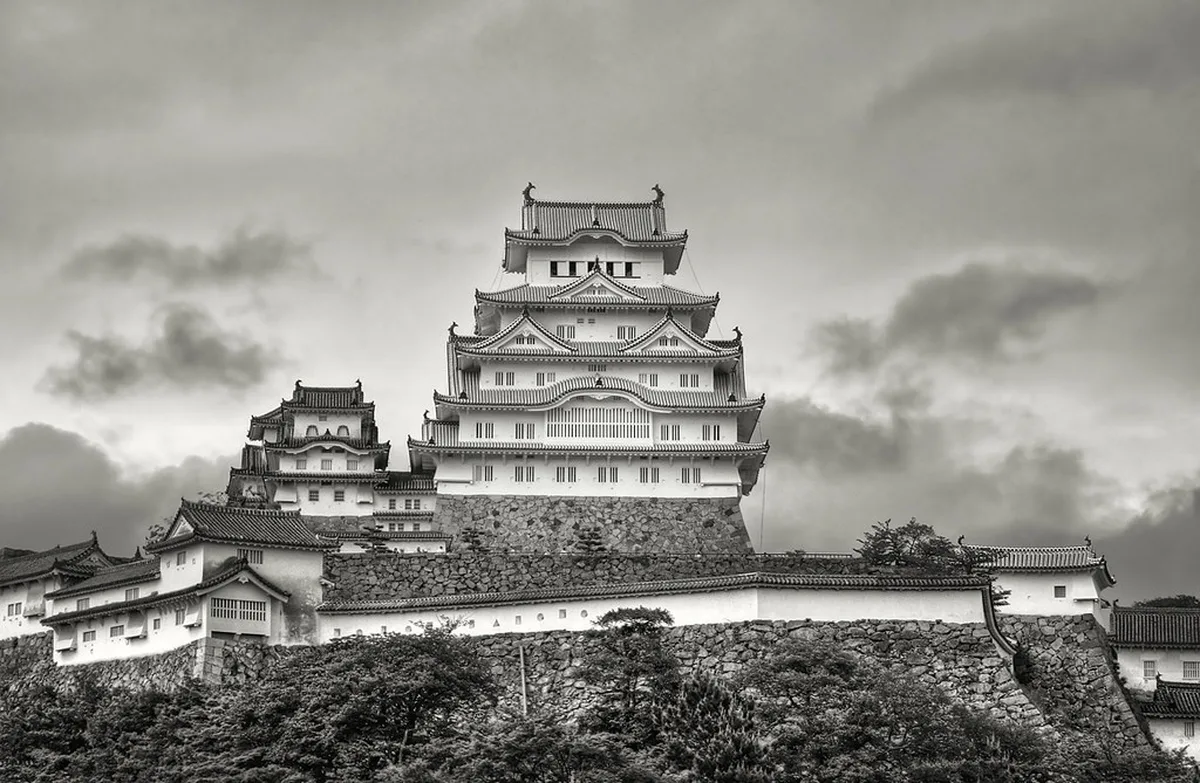
Admission to the castle grounds is 1,000 yen for adults (300 yen for children). The combined ticket with Kokoen Garden costs 1,050 yen — buy it at the ticket office near the inner gate. Opening hours are 09:00–17:00 (last entry 16:00) from September through April, and 09:00–18:00 (last entry 17:00) from May through August. The castle is open every day except 29–30 December.
Inside the main keep, six steep floors of narrow wooden staircases lead to an open viewing platform. Remove your shoes before entering and wear socks — the floors are polished and cold even in summer. The west bailey is a separate section worth your time: the 300-meter corridor housed ladies-in-waiting and gives a clearer sense of the castle as a lived-in home rather than a pure military structure. Volunteer English-speaking guides (typically Japanese retirees) wait near the main gate and offer excellent free tours — look for them around 09:30.
Crowd note: arrive before 09:00 in spring or any weekend. A queue of two hours is realistic during peak cherry blossom weeks. Weekday visits in October and November see far shorter waits and beautiful autumn foliage on the grounds. See our the Himeji Castle ticket guide guide for crowd patterns and timed entry details.
Exploring Kokoen Garden and Mt. Shosha Engyoji Temple
Kokoen Garden nine walled Edo-period gardens sit a five-minute walk from the castle's main gate — exit and turn right after crossing the bridge. Built in 1992 on the former site of samurai residences, it comprises nine separately walled gardens across roughly nine acres, each designed in a different Edo-period style. A teahouse inside serves matcha and seasonal sweets; allow 45–60 minutes. Entry is included in the 1,050 yen combined ticket with the castle.
The Engyo-ji Temple complex on Mount Shosha demands a longer investment but rewards it fully. The temple complex was founded in 966 AD and served as the backdrop for the Zen monastery scenes in "The Last Samurai." The key structure is the Maniden (Kannon Worship Hall), a dramatic multi-tiered wooden building perched on stilts among old cedar trees. The Jiki-do — a 15th-century priests' dormitory — is the specific building where Tom Cruise's character trains; the wooden grain and proportions are unmistakable even to casual fans of the film.
Getting there from Himeji Station: buy the Mount Shosha ropeway and temple access guide combination ticket (1,700 yen) at the Shinki Bus Terminal outside the north exit. Take Bus #8 from Stop #10 (30 minutes, ~270 yen one-way without combo). The ropeway ride takes five minutes. At the top, walk 15–20 minutes to Maniden or pay 1,000 yen for the mini-bus return. Critical: the last ropeway descent leaves at 17:00 (October–February) and 18:00 (March–September). Miss it and you walk down in the dark. Build in a buffer and catch the 16:45 bus from the temple back to the ropeway station.
Where to Eat: Local Himeji Specialties
Himeji has a modest but distinct local food identity rooted in the Seto Inland Sea coast. The city's signature dish is anago-meshi (salt-grilled conger eel on rice), typically served in set-lunch format for around 1,200–1,800 yen. Several restaurants in the Miyuki Shopping Arcade, a covered arcade running east from Himeji Station, specialize in it. The arcade also has ramen shops, gyoza counters, and tonkatsu sets if you want a faster and cheaper lunch (900–1,100 yen).
For something quick, the basement and ground floor of Piole Himeji — the shopping complex attached to the station — has a food court with solid set-lunch options from about 800 yen. This is the right choice if you are keeping strictly to the itinerary timeline. Pick up Himeji's other local specialty, shio yakisoba (salt-seasoned stir-fried noodles), from the stalls in Omizosuji Shopping Street when you pass through in the late afternoon.
If you want a sit-down dinner and are overnight-staying in Himeji, the restaurant street along the eastern side of the castle-to-station boulevard offers izakaya and kaiseki options, some with castle views, from around 18:00. Day-trippers heading back to Kyoto by 17:00–18:00 train rarely need this, but it is worth knowing if you arrive on a flexible timeline.
Essential Travel Tips: Getting Around and Timing
The free rental bicycle from the Himeji Tourist Information Center (inside the north exit of Himeji Station) is the best-kept secret in the city. Most visitors walk the 1.2 km boulevard from the station to the castle — a pleasant 20 minutes — but the bicycle gets you there in five and makes the Kokoen-to-station return much faster. Bicycles are available on a first-come basis from around 09:00; return by closing time (typically 17:00 or 18:00 depending on season). No fee, just show your passport or ID and leave a deposit.
Footwear matters significantly. You will remove your shoes inside the castle and carry them in a plastic bag through six steep floors. Slip-on shoes with clean socks are strongly recommended. Mt. Shosha involves uneven forest paths, so sneakers or light hiking shoes beat sandals. Avoid heels entirely.
For the full multi-day Himeji itinerary including neighborhoods and lesser-known sights, our dedicated itinerary guide covers overnight stay options too. Day-trippers from Kyoto will find the eight-step sequence above sufficient for a complete first visit without feeling rushed.
Planning Your Return to Kyoto or Onward to Osaka and Hiroshima
Most day-trippers leave Himeji between 16:30 and 17:30 to be back in Kyoto by early evening. The Shinkansen Hikari and Kodama run every 20–30 minutes from Himeji Station and return you to Kyoto in 45–55 minutes. The JR Special Rapid to Kyoto runs roughly every 30 minutes and takes 90 minutes.
If you are continuing west rather than returning east, Kobe is 15–25 minutes by JR Special Rapid (480 yen) and makes an easy addition: the Kitano-cho foreign settlement district and the harbor Meriken Park are both a short bus ride from Sannomiya Station. Hiroshima is 60–75 minutes west by Shinkansen (Hikari, fully covered by JR Pass). Both cities have evening dining and accommodation, making Himeji a natural midday pivot on a Kyoto–Hiroshima itinerary.
Check the Himeji Day Trip Map for precise locker locations, bus stops, and the castle-to-garden walking route. Trains back to Kyoto are frequent enough that there is no need to pre-book a specific departure — just head to the station when your sightseeing is done and board the next available service.
Once you arrive, plan the day with our complete guide to the best things to do in Himeji.
Frequently Asked Questions
Is Himeji Castle worth a day trip from Kyoto?
Yes, Himeji Castle is absolutely worth the trip. It is Japan's best-preserved original castle and a UNESCO site. The journey is fast and easy by train.
Can I use the JR Pass for the Shinkansen to Himeji?
You can use the JR Pass on Hikari and Kodama trains. However, the Nozomi and Mizuho trains require an extra supplement fee. Most travelers find the Hikari very convenient.
What is the 'Last Samurai' temple in Himeji?
The temple is called Engyoji, located on Mt. Shosha. It served as a major filming location for the movie. You can reach it via a short bus and ropeway ride.
Taking a trip to Himeji from Kyoto is a highlight for many Japan travelers. The combination of samurai history and mountain serenity is hard to beat. I hope this guide helps you navigate the trains and castle grounds easily. Enjoy your visit to the beautiful White Heron Castle and its gardens.
Free: The Kyoto Essentials guide
Top things to do, where to stay, a perfect day plan, getting around, and the best time to go — a Kyoto mini-guide you can take offline.
You might also like


Continue reading
More guides you'll find useful