Himeji Itinerary: 8 Essential Steps for a Perfect Day Trip
Plan the perfect Himeji itinerary with our guide to the castle, Koko-en Garden, and Mt. Shosha. Includes transport tips, luggage locker maps, and stopover advice.
On this page
Himeji is home to Japan's most spectacular original castle — six stories of feudal architecture that survived centuries of wars, fires, and earthquakes largely intact. This 1-day Himeji itinerary is designed for first-time visitors arriving from Osaka, Kyoto, or as a stopover on the way to Hiroshima. The city is compact, all main attractions are walkable from the station, and a well-planned day here is one of the most rewarding in all of Japan.
This guide covers exact train options with 2026 prices, a chronological schedule from arrival to departure, Mt. Shosha ropeway logistics, luggage locker strategy, and advice on extending your trip to include Kobe on the same rail corridor.
Is Himeji Worth Visiting for a Day?
Many travelers on the Osaka–Kyoto–Hiroshima route wonder whether a castle detour justifies the time. Himeji is different from Japan's other castles. It is one of only twelve original wooden castles remaining in the country — never destroyed by war or fire, never rebuilt in concrete. The whitewashed plaster walls, the six-story keep, and the surrounding castle park deliver a sense of feudal Japan that reconstructed fortresses simply cannot replicate.
The city is also unusually easy to visit. The castle is a twenty-minute walk in a straight line from the station exit, the gardens are right next door, and the loop bus costs just ¥100 per ride if you prefer not to walk. Four to six hours is enough to see the castle and Koko-en Garden. Add Mt. Shosha and you need a full eight-hour day. Both formats work well as a stopover between Osaka and Hiroshima, with trains running frequently on the Sanyo line in both directions.
Best Time to Visit Himeji
Himeji Castle is open year-round from 09:00 to 17:00 (last entry 16:00), extending to 18:00 in summer from June through August. Autumn — late October to mid-November — offers brilliant foliage framing the white walls and is widely considered the most photogenic season. Spring cherry blossom season in late March and early April is extremely popular: the castle grounds contain nearly 1,000 cherry trees and the crowds are at their peak.
If you visit during cherry blossom season or Golden Week (late April to early May), arrive at the ticket office by 08:30. The castle issues numbered entry tickets during peak periods and the wait to climb the main keep can exceed ninety minutes by mid-morning. Weekdays are consistently less crowded than weekends at any time of year, so if your itinerary has flexibility, choose a Tuesday or Wednesday.
Winter (December to February) is the quietest period. The castle looks striking against clear winter skies and you can move through the keep and west bailey at your own pace. Koko-en Garden is less dramatic without foliage but remains peaceful and uncrowded.
How to Get to Himeji from Kyoto, Osaka, and Hiroshima
All trains to Himeji arrive at Himeji Station on the Tokaido-Sanyo line. There are two main options — the Sanyo Shinkansen bullet train and the JR Special Rapid (Shin-Kaisoku) on the same corridor — and the right choice depends on your budget and a Japan Rail Pass.
- From Osaka (Shin-Osaka): Sanyo Shinkansen Hikari or Kodama, 30 minutes, ¥3,750. JR Special Rapid from Osaka Station, 60 minutes, ¥1,460.
- From Kyoto: Sanyo Shinkansen Hikari from Kyoto Station, 45 minutes, ¥5,700. JR Special Rapid, 90 minutes, ¥2,210.
- From Hiroshima: Sanyo Shinkansen, 60 minutes, ¥8,970. No practical non-Shinkansen alternative for this leg.
If you hold a Japan Rail Pass, all Hikari and Kodama Shinkansen services are covered — no seat reservation required on Kodama, though reservations are recommended on Hikari during peak seasons. The JR Special Rapid is also fully covered by the pass and is a good choice for budget travelers or those without the pass doing the shorter Osaka–Himeji leg. Book Shinkansen seats at least two days ahead during Golden Week and cherry blossom season.
Arriving travelers can exit through the North Exit (Shinkansen side) of Himeji Station for the fastest access to lockers, the bus terminal, and Otemae-dori leading to the castle. Full transport details with timetable advice are in our Himeji from Osaka guide.
Getting Around Himeji: Walking and the Loop Bus
Himeji is an unusually walkable Japanese city for tourists. From the North Exit of Himeji Station, walk straight up Otemae-dori — the broad main boulevard — and you will see the white castle tower growing larger for the entire twenty-minute walk. This approach is the classic view and worth doing at least once.
The alternative is to cut right from the station exit and walk through the covered shopping arcades, Miyuki-dori and Honmachi, before looping back toward the castle. This route takes slightly longer but provides shelter from summer heat and rain, and passes several good lunch spots and a standing sake bar worth noting for the return leg.
The Himeji Castle Loop Bus runs from the station to the castle entrance and back for ¥100 per ride. It is useful on very hot days or if you are carrying a bag after retrieving luggage from lockers. For Mt. Shosha, you need a separate bus — the #8 bus from Stop #10 at the Shinki Bus Terminal, located at the North Exit. The journey takes 30 minutes and costs ¥320 one-way.
The Complete One-Day Himeji Itinerary
This schedule covers the full day including Mt. Shosha. If you are on a half-day stopover, end after Koko-en Garden at around 15:00 and return to the station. The sequence below places Mt. Shosha first thing in the morning to beat the afternoon crowds on the mountain — a tip that competitors consistently overlook.
| Format | Duration | What's Included | Depart Station | Return Station |
|---|---|---|---|---|
| Half-Day | 4–6 hrs | Himeji Castle + Koko-en Garden | 09:00–10:00 | ~15:00–16:00 |
| Full Day | 8 hrs | Mt. Shosha + Castle + Koko-en Garden + Lunch | 08:45 | ~17:00 |
| Full Day + Kobe | 10–11 hrs | Castle + Garden, then Kobe Kitano & Meriken Park | 09:00 | ~20:00 (from Kobe) |
- 08:45 — Arrive Himeji Station. Store luggage (see below). Buy the ¥1,700 Shoshazan Ropeway combo ticket at the Shinki Bus Terminal information desk (Q-Himeji 1st floor) before boarding.
- 09:15 — Board the #8 bus from Stop #10 (North Exit bus terminal) to Mt. Shosha Ropeway.
- 09:45 — Arrive ropeway base station. Take the cable car up (departs every 15 minutes). Pay ¥500 temple entry at the top.
- 10:00–11:30 — Explore Engyo-ji Temple complex: Maniden main hall, Jiki-do student dormitory (Last Samurai filming location), and the observation deck with views toward the Seto Inland Sea.
- 11:45 — Take the last bus from the mountaintop back to the ropeway, then bus back to Himeji Station. Last ropeway cable car down is 17:00; last bus from the mountaintop is 16:45.
- 12:30 — Lunch near Himeji Station or along Miyuki-dori.
- 13:30 — Enter Himeji Castle (buy the ¥1,050 combined ticket for castle and Koko-en at the ticket office). Allow two hours for the castle and west bailey.
- 15:30 — Walk five minutes to Koko-en Garden. Allow 60–90 minutes for the nine walled gardens.
- 17:00 — Return to station for your onward train.
If you prefer to skip Mt. Shosha, arrive at the castle by 09:00 when it opens. You gain two extra hours at the castle and gardens and can take a leisurely lunch, explore the shopping arcades, or visit the Himeji City Museum of Art (closed Mondays) before departing at 15:00 or 16:00.
Himeji Castle and Koko-en Garden
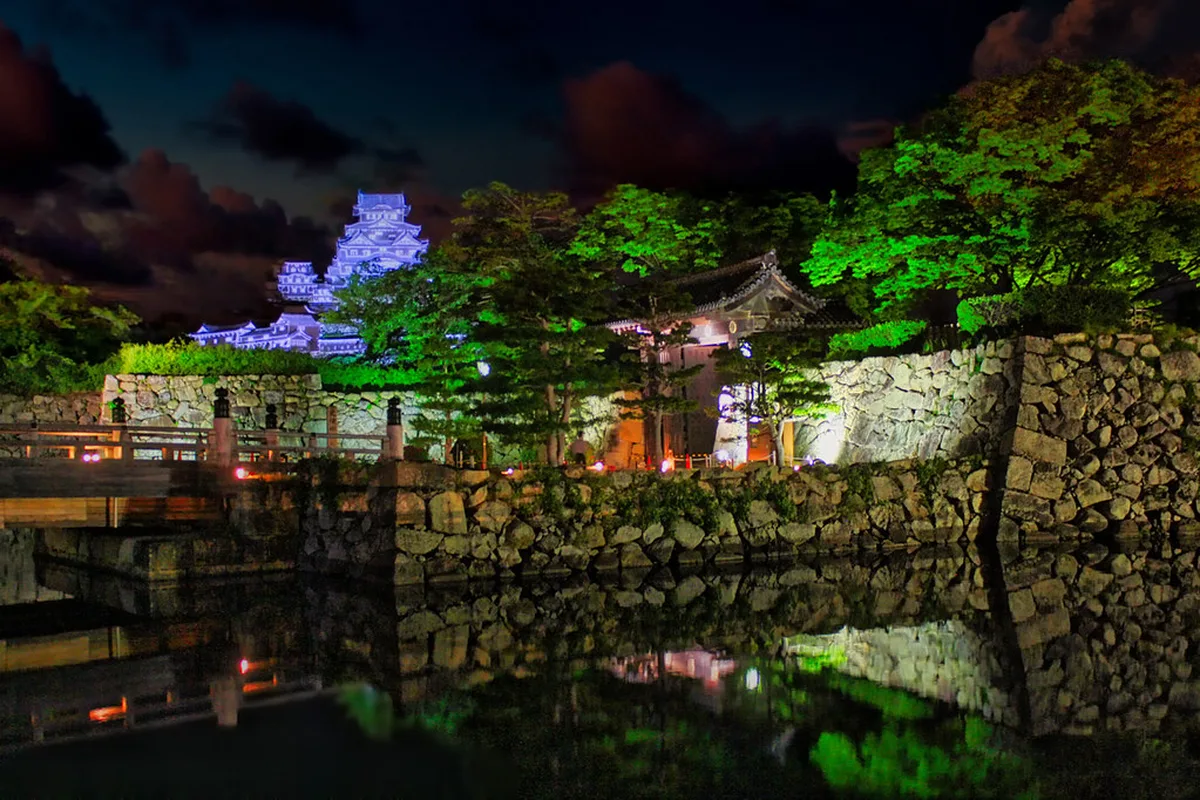
Himeji Castle — formally Himeji-jo — dates to 1333 and reached its current form in the early 17th century under lord Ikeda Terumasa. It earned UNESCO World Heritage status in 1993 alongside Horyuji Temple, making it one of Japan's first two UNESCO sites. The main keep is six stories with steep, narrow wooden staircases between each floor. You must remove your shoes before entering and carry them in a bag provided at the entrance. The keep interior is largely unfurnished in the original manner — what fills the space is the extraordinary wooden framework, visible ceiling beams, and a 1:20 scale structural model on the lower floors that is worth slowing down for.
The west bailey (Nishi-no-maru) is a 300-meter-long palace built in 1618 for a lord's daughter. The corridor and small rooms where her ladies-in-waiting lived are still intact. It is less visited than the main keep but equally fascinating. Volunteer English-speaking guides are usually stationed at the castle entrance and can be joined for free — they are typically retired local residents who know the castle in detail.
Admission is ¥1,000 for the castle only, or ¥1,050 for the combined ticket covering Koko-en Garden. The extra ¥50 represents about 20% savings on the garden entry separately. Full castle ticket and timing advice is in our Himeji Castle guide.
Koko-en Garden — nine walled Edo gardens and the Souju-an tea house — is a five-minute walk from the castle exit — turn right after the bridge and look for the signposted entrance on your right. Built in 1992 on the site of former samurai estates, it consists of nine separate walled gardens across nine acres, each designed in a different Edo-period style. The teahouse, Souju-an, offers matcha and Japanese sweets for a small additional fee while overlooking a koi pond. Allow 60 to 90 minutes to wander fully.
Mt. Shosha and Engyo-ji Temple: The Last Samurai Connection
Mount Shosha (書写山) rises 371 meters above Himeji and houses Engyo-ji Buddhist temple complex — founded 966 CE and Last Samurai filming location. It is one of the most atmospheric temple sites in western Japan, with centuries-old wooden halls set among dense cedar and pine forest. Internationally, the mountain is known as a filming location for the 2003 Hollywood film "The Last Samurai" — the Jiki-do hall, a student dormitory building dating to the 15th century, appears in several key scenes and looks almost unchanged from when the film was shot.
The ropeway cable car runs every 15 minutes from 08:30 to 17:00 (last cable car down at 17:00). One-way fare is ¥700; round-trip is ¥1,200. The most practical option is the Shoshazan Ropeway tickets and mountain trail guide combination ticket (¥1,700 adult) sold at the Shinki Bus Terminal information desk before you board the #8 bus — it covers the return bus journey from Himeji Station to the ropeway base and the round-trip cable car. Temple entry is ¥500 and paid separately at the mountaintop.
At the summit, buy a return bus sticker (¥1,000 including temple entry) if you prefer not to walk the 20-minute path from the ropeway station to the temple entrance. The final bus from the mountaintop leaves at 16:45. Allow at least 90 minutes on the mountain: the Maniden main hall, the Jiki-do, the observation deck overlooking the Seto Inland Sea, and the scattered statues and graves throughout the forested complex all deserve unhurried time. Comfortable sneakers with easy slip-on/off access are ideal — you remove shoes to enter several buildings here just as you do in the castle.
The last ropeway cable car down from Mt. Shosha departs at 17:00, and the last bus from the mountaintop to the ropeway base leaves at 16:45. Missing it means a 20-minute walk down the mountain path in fading light — build your itinerary around a 16:30 departure from the summit to leave a safe margin.
Himeji Station Luggage Lockers: A Practical Guide
Traveling between Osaka and Hiroshima with suitcases is extremely common and Himeji Station handles it well — but the main locker banks fill by mid-morning during peak season. Standard lockers cost ¥400 and the large suitcase lockers cost ¥600 to ¥800 depending on size. The primary locker area is on the Shinkansen concourse near the North Exit, but secondary locker banks are located near the ticket gates and the South Exit. A locker map for the full station is available at the Himeji City Tourist Information Center, just outside the North Exit barrier.
If every locker is taken, the tourist information center itself offers temporary luggage storage for a fee. Arriving at Himeji by 09:00 rather than 10:00 makes a significant difference in locker availability. If you have very large bags — 73cm or larger — identify the oversized lockers on the Shinkansen level first, as those fill fastest. The full coin locker map is also published at visit-himeji.com under travel info.
Extending the Day: Combining Himeji and Kobe from Osaka
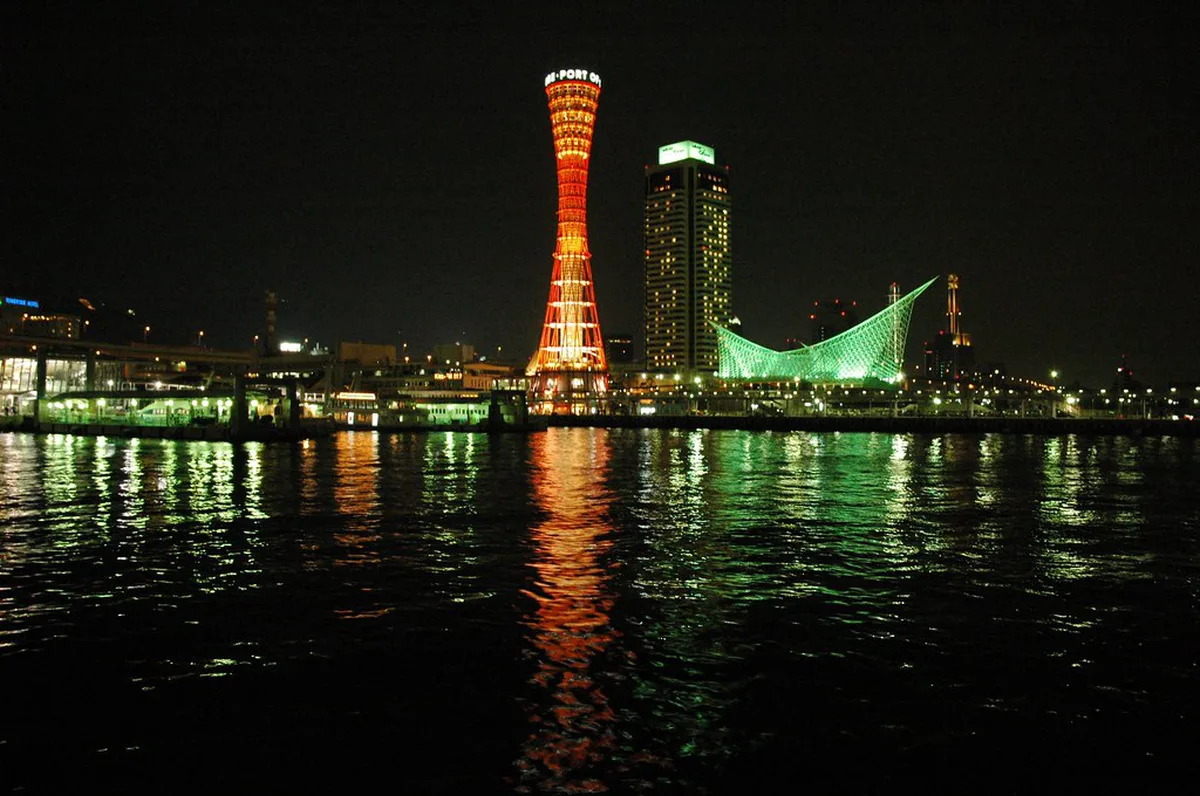
Himeji and Kobe sit on the same rail corridor — the JR Kobe/Sanyo line — which makes combining both cities in a single day from Osaka a genuine option for travelers who want to maximize a West Japan loop. The sequence that works best is Himeji first (arrive 09:00, depart 15:30 after the castle and gardens), then continue east by JR Special Rapid to Kobe's Sannomiya Station, arriving around 16:00. That leaves two to three hours for the Kitano-Cho foreign settlement district, Meriken Park waterfront, and an early dinner in the Motomachi area before catching the final train back to Osaka.
The JR Special Rapid from Himeji to Sannomiya (Kobe) takes 40 minutes and costs ¥990. Both legs — Osaka to Himeji and Himeji to Kobe — are covered by a JR Pass with no additional cost. This pairing is particularly effective if your itinerary allocates a full day in the Osaka–Kobe–Himeji triangle without a dedicated Kobe day. See our Kobe attractions guide for what to prioritize in a short afternoon window.
The reverse sequence (Kobe first, then Himeji) is less practical because the castle closes at 17:00, leaving insufficient time if you arrive in Himeji after 14:00. If you are traveling from Kyoto or Osaka toward Hiroshima, do Himeji on the outbound leg — stopping westbound — and Kobe on the return, eastbound. Both function equally well as a Shinkansen stopover using a JR Pass since all services stop at Himeji Station and at Shin-Kobe. Our Kobe day trip guide covers the Kitano and Motomachi highlights in detail.
If you combine Himeji and Kobe in a single day from Osaka, depart Himeji by 15:30 at the latest. The JR Special Rapid reaches Kobe's Sannomiya Station in 40 minutes (¥990), giving you until 19:30 or 20:00 before the last comfortable train back to Osaka. Doing this sequence in reverse — Kobe first, then Himeji — is not practical since you would arrive at the castle too late to enter.
Where to Stay in Himeji
Most visitors treat Himeji as a day trip from Osaka or Kyoto, but staying overnight opens two experiences you cannot get on a day trip: the castle illuminated after dark and an early-morning approach to the keep before the day-trip crowds arrive. The station area is the only practical base — hotels here put you within five minutes of the Shinkansen gates and twenty minutes of the castle on foot.
Business hotels cluster around the North Exit, with rates ranging from ¥8,000 to ¥15,000 per night for a standard room. Request upper floors facing northeast for direct castle views. For a more traditional experience, the side streets off Miyuki-dori have a handful of small guesthouses with local character and rates at the lower end of that range.
Frequently Asked Questions
How much time do you need for a Himeji itinerary?
A typical visit requires four to six hours to see the castle and gardens. If you add Mt. Shosha, plan for a full eight-hour day. Most travelers arrive by 10:00 AM and depart by 4:00 PM.
Is the Himeji Castle combined ticket worth it?
Yes, the combined ticket is an excellent value for travelers. It costs only 50 yen more than the castle-only entry. This gives you full access to the stunning Koko-en Garden next door.
Himeji rewards a well-planned visit more than almost any other Japanese city its size. The castle is genuinely among the finest surviving medieval structures in East Asia, Koko-en offers a quiet counterpoint immediately next door, and Mt. Shosha adds a layer of cinematic history that surprises most visitors. Use the schedule and transport details in this guide to arrive early, store your bags efficiently, and leave with time to continue toward Kobe or Hiroshima without rushing. Check the Himeji Castle Official Website for closures before you travel — the main keep has occasional maintenance windows that are worth confirming a week in advance.
For more on the top things to do in Himeji beyond the castle route, including seasonal events and neighborhood walks, see our full Himeji attractions guide.
Free guide: Japan's Hidden Gems
12 under-the-radar places beyond Tokyo & Kyoto — with the best season to visit each and a local tip you won't find in the guidebooks.
You might also like


Continue reading
More guides you'll find useful