10 Essential Sections for a 1 Day Takayama Itinerary
Discover the perfect 1 day in Takayama itinerary. Explore the Old Town, Miyagawa Morning Market, and Takayama Jinya with expert tips on Hida beef and sake tasting.
On this page
Takayama is a stunning gem tucked away in the Japanese Alps. I built this 1 day in Takayama itinerary after my third visit to the Hida region. This guide helps first-timer visitors see the best highlights without feeling rushed. You will experience Edo-period streets and incredible local flavors in a single day.
The city is famous for its beautifully preserved timber merchant houses. Wealthy merchants built these structures during the Edo period under Shogun rule. Today, they house sake breweries, craft shops, and cozy cafes for travelers. This complete guide balances famous landmarks with quiet temple paths and is designed for those who want a deep cultural experience in limited time.
Arriving early is the only way to beat the heavy tour buses that descend after 10:00 AM. The city center is compact and entirely walkable from the station. Follow this sequence to experience Hida-Takayama like a local insider in 2026.
1-Day Takayama Itinerary At a Glance
This quick overview summarizes your day in the historic Hida region. Most attractions sit within a 15-minute walk of Takayama Station, so you never need a taxi or bus inside the city itself. The plan front-loads the morning markets before they close and saves the shaded temple trail for the afternoon heat.

Wear comfortable walking shoes as the streets are mostly flat but paved with stone. Keep cash handy — most market stalls and small breweries do not accept credit cards. Most shops in the Old Town begin closing around 17:00, so plan dinner early to secure a spot at top-rated beef restaurants.
- Morning (08:00–11:00): Morning markets and Takayama Jinya
- Midday (11:00–14:00): Sanmachi Suji Old Town, Kusakabe Heritage House
- Afternoon (14:00–17:00): Higashiyama Walking Course and Temple Town
- Evening (17:30–20:00): Funasaka Sake Brewery, Hida beef dinner
Morning: Miyagawa vs. Jinya-mae — Which Market to Visit First
Takayama has two morning markets and most visitors do not realize they serve completely different purposes. The Miyagawa Morning Market runs along the east bank of the river at 1-5 Hachikenmachi and opens at 07:00 (08:00 from November to March, closing at noon daily). It is the better market for food: local farmers sell fresh mountain vegetables, Hida milk products, dried persimmons, and pickled vegetables alongside stalls of handmade crafts. The river setting and the view of the low wooden bridges make it photogenic at any season.
The Jinya-mae Morning Market sits directly in front of Takayama Jinya at 1-4-2 Oshinmachi and keeps identical hours. It is smaller and leans more heavily toward souvenirs and local snacks rather than raw produce. If your time is tight, start at Miyagawa for the food and atmosphere, then walk five minutes south to Jinya-mae on the way to Takayama Jinya. You lose nothing by passing through both, and the combined walk takes under 20 minutes.
Arrive by 08:00 on any day of the week to see vendors setting up and to have space to browse. By 09:30, tour groups have arrived and the narrow riverside path becomes crowded. Budget 45 minutes across both markets and leave room for a cup of Hida milk coffee — several stalls sell it warm for around 350 yen.
Takayama Jinya: Japan's Only Surviving Edo-Period Government Office
After the markets, walk five minutes south to the Takayama Jinya Official Site for context on why this remote mountain town matters to Japanese history. The Tokugawa Shogunate took direct control of Hida province in 1692 specifically because of its extraordinary timber supply. Master carpenters from this region helped build Edo Castle and Nikko Toshogu, which made the lumber trade a strategic national resource. The Jinya served as the administrative office that managed that trade for over 170 years.
It is the only Edo-period government office still standing anywhere in Japan. Admission costs 440 yen for adults and the building is open daily from 08:45 to 17:00 (16:30 from November to February). Plan to spend about one hour exploring the offices, conference rooms, and the largest traditional rice storehouse in the country. The gardens behind the main hall are quiet and well worth slowing down for.
The Jinya is not just a building — it is an explanation for why Sanmachi Suji looks the way it does. Merchants grew wealthy supplying timber under Shogun supervision, and they channeled that wealth into the dark-lacquered townhouses you are about to walk through. Understanding that connection makes the afternoon in the Old Town far richer.
Midday: Exploring Sanmachi Suji Old Town District
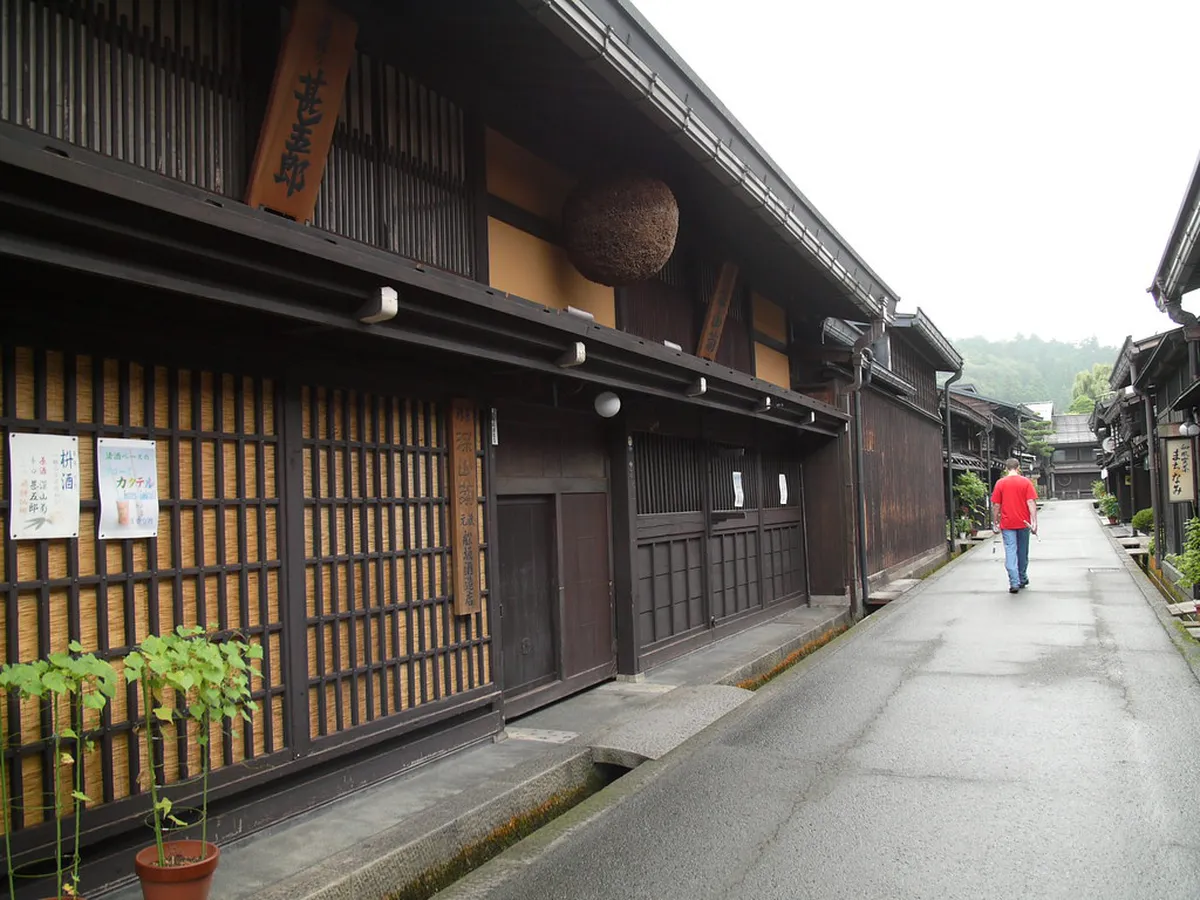
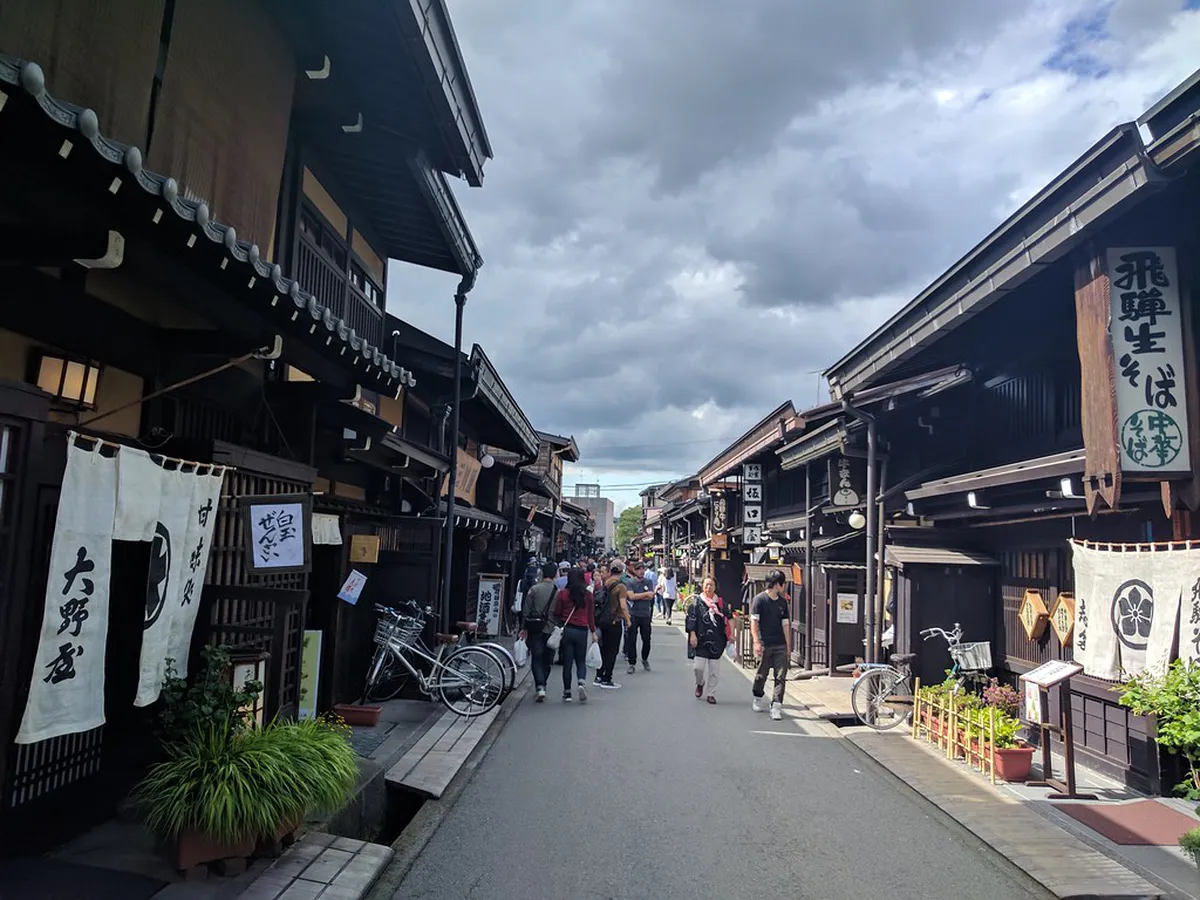
Sanmachi Suji is the heart of the the historic Old Town area. The dark wooden buildings date back to Edo-period timber merchants and the three main streets — Ichinomachi, Ninomachi, and Sannomachi — run parallel for about 600 meters. Look for the large cedar balls (sugi-dama) hanging above certain doorways: these signal that a sake brewery is operating inside. Several have been in the same family for over 300 years.
Overtourism in Sanmachi Suji peaks between 10:00 and 14:00 when tour buses from Nagoya arrive. If you are visiting in 2026 during the spring or autumn festival months, consider walking the main streets before 09:00 or after 16:00 when the light is better and the crowds have thinned. The backstreets one block east and west of the main axis are almost always quiet and equally atmospheric.
I suggest visiting the Kusakabe Heritage House for a look at merchant life — entrance costs around 500 yen and the house is open from 09:00 to 16:30. It provides a quiet escape from the busy main tourist streets and shows how a prosperous lumber merchant actually lived, with storerooms, a main hall, and a garden scaled for a working household. The Yoshijima Traditional House next door is another option at a similar price.
For a street food lunch, Hida beef sushi served on a small rice cracker costs between 600 and 1,000 yen at market windows along Sannomachi Street. It is an excellent way to try the local beef without committing to a full restaurant meal. The quality of the marbling is exceptional even at this street-side format.
Afternoon: Higashiyama Walking Course and Temple Town
For a peaceful afternoon, head east toward the Teramachi temple district, where the Higashiyama Walking Course begins. The course is a 3.5-kilometer loop through more than a dozen shrines and temples, then up into Shiroyama Park where Takayama Castle once stood. The entire loop takes about two hours at a slow pace and gains about 80 meters of elevation on the uphill section — manageable for most walkers.
The trail starts near Unryu-ji Temple and passes through a hillside cemetery before reaching the torii gate of Higashiyama Hakusan Shrine, the oldest shrine in Takayama, dating to 720 AD. On the way back down, the path connects Daio-ji, Koryuzan Sogen-ji, and Tensho-ji in quick succession. Most temple grounds are free to enter and open until 16:00. The walk is well-marked with signs in both Japanese and English.
Tensho-ji is notable for offering a youth hostel on temple grounds — a genuinely unusual accommodation option for budget travelers who want a quieter experience away from the station area. The upper cemetery section of the trail offers unobstructed views of the Japanese Alps to the west, particularly striking in late afternoon light. In autumn, the maples along this path turn crimson from mid-October, roughly two weeks after the October Takayama Festival.
Evening: Sake Tasting and Hida Beef Dinner
Before dinner, visit Funasaka Sake Brewery for their self-service tasting machines. The system works in two steps: buy a small ceramic cup from one vending machine for around 200 yen (you keep the cup as a souvenir), then purchase tasting coins from a second machine — typically 100 yen per coin. Insert the coins into the sake dispensers lining the wall to sample varieties ranging from light junmai to rich daiginjo. The daiginjo is the smoothest entry point for beginners unfamiliar with sake grades. The brewery closes at approximately 18:00 to 19:00 depending on the season, so go directly after the temple walk rather than delaying.
No visit is complete without sampling the local Hida wagyu beef. This A5-graded wagyu is known for its intense marbling and buttery texture. A full steak dinner at a sit-down restaurant runs between 4,000 and 8,000 yen. Budget travelers can find excellent Hida beef skewers or nigiri at market windows for under 1,000 yen — the street food version genuinely rivals the restaurant experience on flavor, though the portion size is smaller. High-end restaurants such as Maruaki require reservations 1–2 weeks in advance; walk-ins at dinner face waits of 90 minutes or more during peak seasons.
Pair your beef with a local Hida soba, a thin buckwheat noodle that is a regional specialty distinct from the thicker Nagoya style. Several restaurants in the Old Town serve both on the same menu. Finish the evening with a walk back along the Nakabashi Bridge, Takayama's iconic crimson bridge over the Miyagawa River, which is lit up at night during peak tourism periods.
Where to Stay in Takayama
Choosing accommodation options depends on your budget and travel style. Staying within five minutes of the station is best for those doing a day trip or catching the early Nohi Bus to Shirakawa-go. Modern business hotels near the station are efficient, affordable (from around 8,000 yen per night), and release rooms on short notice.
For a traditional experience, book a ryokan in or near the Old Town area. These inns often include multi-course kaiseki meals featuring local Hida beef and mountain vegetables, prepared fresh each evening. Prices for mid-range ryokans start around 15,000 yen per person with two meals. High-end options can exceed 30,000 yen, but the experience of sleeping on tatami mats and soaking in a private onsen bath is genuinely different from any hotel stay.
Budget travelers should look for guesthouses near the Miyagawa River or the Tensho-ji temple hostel in the Teramachi district. The temple option in particular puts you directly on the Higashiyama Walking Course and costs a fraction of the Old Town ryokan rates. Book at least two months ahead during the spring and autumn festival periods, when accommodation across all categories fills completely.
How to Get To and Around Takayama via Public Transit
The most popular route is the JR Wide View Hida Limited Express from Nagoya, which takes approximately 2 hours 30 minutes through some of the most scenic mountain rail in Japan. From Tokyo, take the JR Tokaido Shinkansen to Nagoya first (around 1 hour 40 minutes) and then transfer — total journey runs 4 to 4.5 hours. Both segments are covered by the Japan Rail Pass. From Kyoto or Osaka, take the Shinkansen to Nagoya and transfer to the Hida Limited Express, totaling around 3 hours. Note that the Tokaido Nozomi Shinkansen to Nagoya is not covered by the JR Pass — use the Hikari instead.
An alternative northern route runs via the JR Hokuriku Shinkansen from Tokyo to Toyama, then south by limited express to Takayama. This option works well if you are already traveling through Kanazawa or the Hokuriku region. Highway buses from Tokyo (Busta Shinjuku), Kyoto, Osaka, and Kanazawa are the budget option — fares run roughly 3,000–5,000 yen less than the train but travel times are 5 to 6 hours.
If you plan to continue to Shirakawa-go from Takayama, book the Nohi Bus well in advance. Seats sell out weeks ahead during winter illumination events (late January) and the spring and autumn festival periods. One-way tickets cost approximately 2,600 yen and the journey takes about 50 minutes. Purchase tickets at the Takayama Hida Bus Centre adjacent to the train station, or book online through the Nohi Bus website. The city itself is entirely walkable — you will not need a bus or taxi for any of the sights in this guide.
The Best Time to Visit Takayama
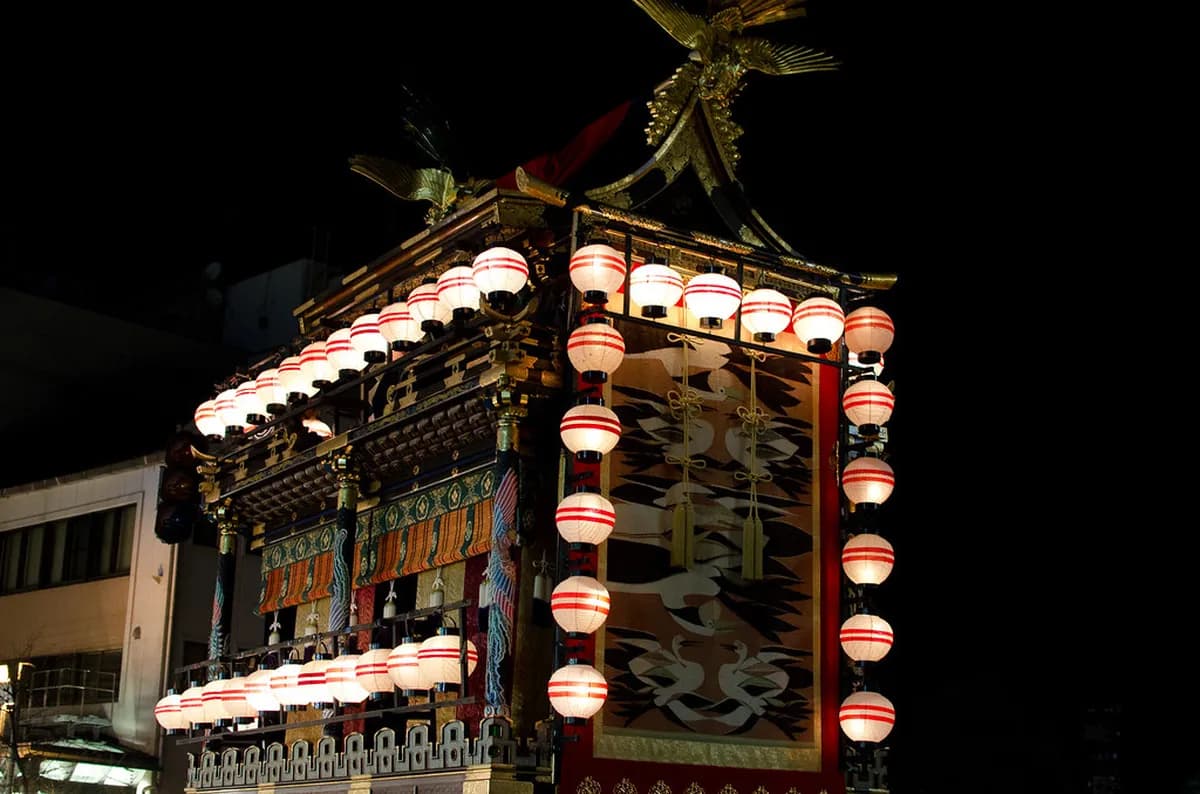
Spring (April and May) and autumn (October and November) are the most popular seasons. The spring Takayama Matsuri on 14–15 April and the autumn festival on 9–10 October are considered among Japan's top three most beautiful festivals, centered on the Sakurayama Hachimangu Shrine and featuring eleven elaborately decorated yatai floats. The Karakuri puppet performances — mechanical puppets that perform on the floats, operated by up to eight handlers using hidden strings — are the highlight that no amount of festival photography fully captures. If you visit outside these dates, the Takayama Festival Float Exhibition Hall at the shrine displays the floats year-round and is open 09:00 to 17:00 (09:00 to 16:30 December to February).
Winter (December to February) transforms Takayama into a quiet alpine retreat. Snow accumulations regularly exceed one meter and average lows in January fall to around -5°C. The temple trail and the Old Town are far less crowded than any other season, and the Shirakawa-go gassho-zukuri farmhouses under snow are one of the most iconic images in Japanese travel photography. Dress in full winter layers and bring waterproof boots.
Summer (July and August) is warm even at altitude, though evenings are noticeably cooler than in Nagoya or Tokyo. Mid-June to mid-July is the rainy season — carry a compact umbrella. The crowds are lighter than spring and autumn, and the surrounding Hida mountains offer hiking in Kamikochi, which is accessible only from late April through mid-November. Autumn leaf color typically peaks in the city in mid-October, coinciding exactly with the October festival — meaning accommodation books out months ahead.
Other Things to Do in Takayama
The Hida Folk Village (Hida no Sato) is an open-air museum with over 30 traditional gassho-zukuri thatched-roof buildings relocated from across the Hida region. It opens at 08:30, making it a good morning option before the main city markets close. A 10-minute bus ride from the station or a 20-minute walk gets you there. Admission costs 700 yen. If you are not visiting Shirakawa-go, this is the best substitute for seeing traditional farmhouse architecture up close.
The Takayama Showa-kan Museum offers a different kind of nostalgia — a recreation of Showa-era (1926–1989) Japanese streetscapes complete with retro shops, vending machines, and period artifacts. It is lighter content than the Jinya but a genuinely entertaining 45 minutes, particularly for families. The colorful retro shop at the front sells candy and toys from the era and is free to browse.
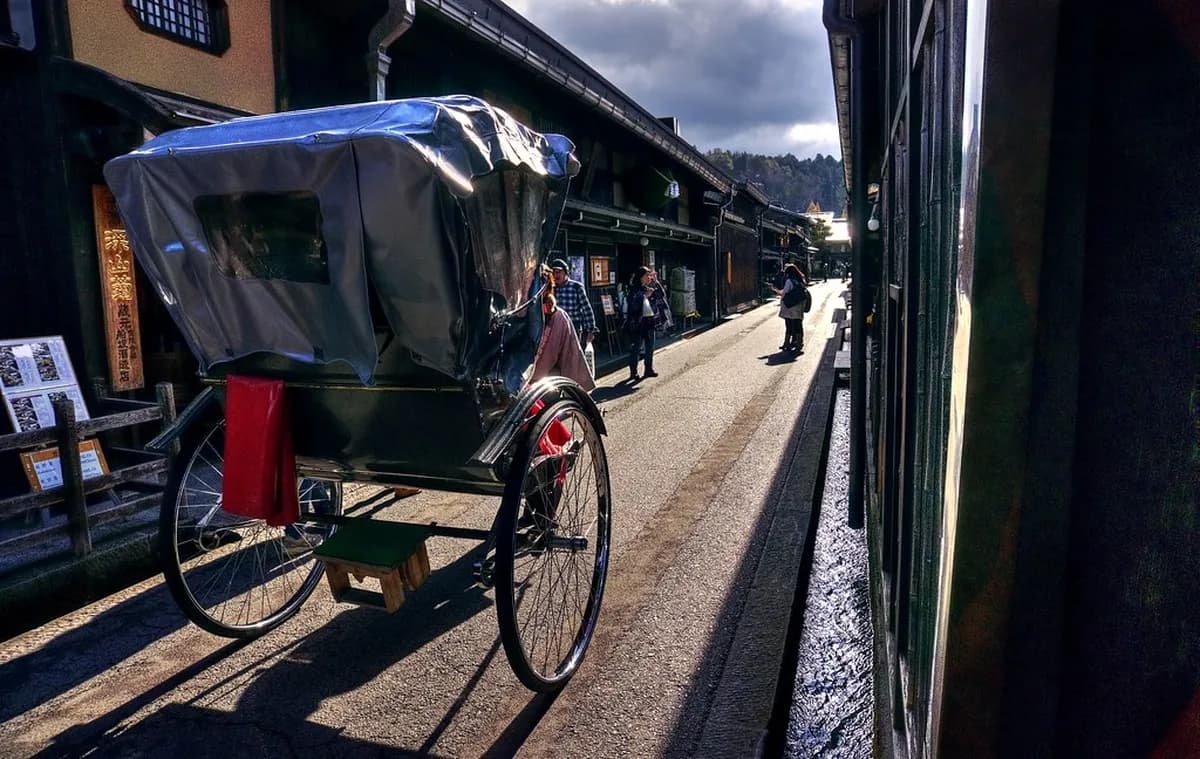
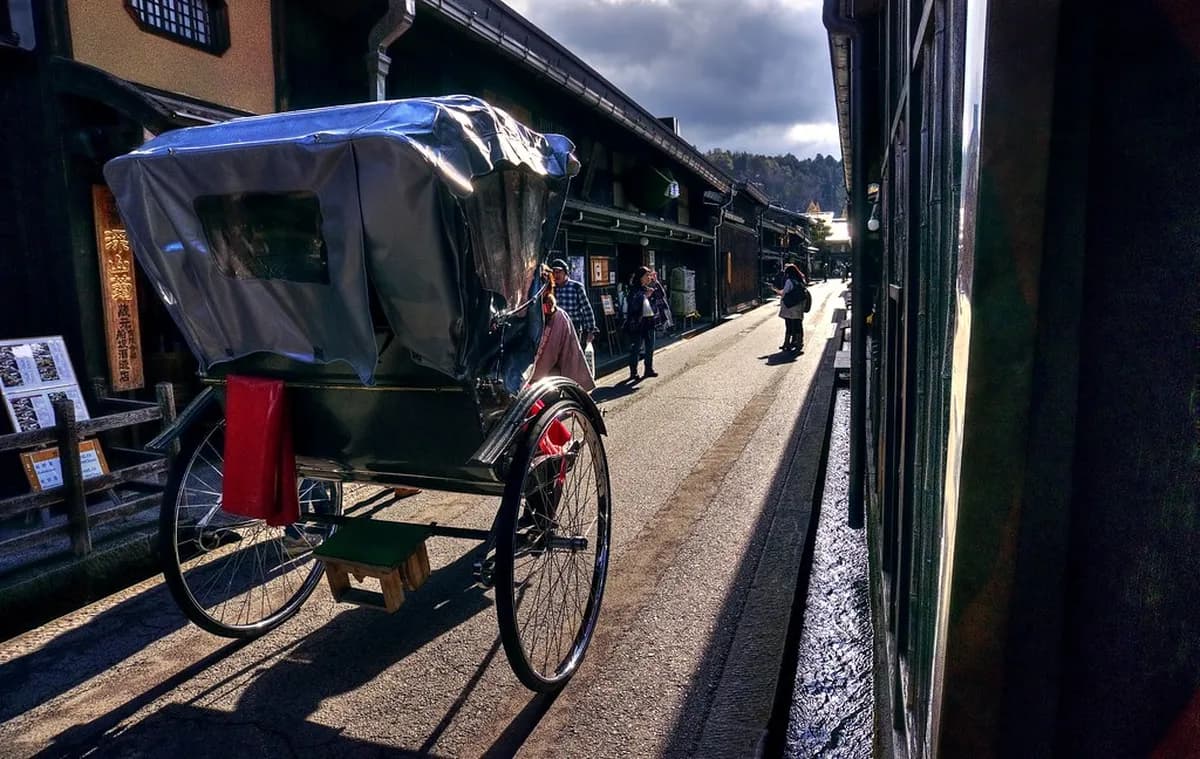
For something more active, a traditional archery range (han-kyudojo) in the Asahimachi neighborhood lets visitors try Japanese short-bow archery in a casual setting. It is an unusual and relaxing activity for the end of the day. The Nakabashi Bridge area also has rickshaw operators who offer short rides through the Old Town streets — a leisurely alternative for those who find the cobblestones tiring after a full day of walking.
Essential Travel Tips for Takayama
Consult our essential travel tips for more detailed logistics. Carry plenty of cash as many small shops, market stalls, and temple admission booths do not accept cards. The city is very safe, but streets get dark early in winter. Most public restrooms are clean and easy to find near parks and the station.
Use the luggage lockers at Takayama Station if your hotel is not holding bags for you. Lockers cost 300 to 700 yen depending on size and often fill by 10:00 AM during peak season — arrive early. The station also has a tourist information office where English-speaking staff can provide free walking maps and current opening hours for museums.
Download a digital map of the walking courses before you arrive, as some of the narrow alleys off the main Old Town streets do not appear in standard map apps. The city provides free Wi-Fi at major tourist zones. Respect the quiet hours in the Teramachi temple district — residents live alongside the temples and early morning or late evening noise carries clearly through the wooden neighborhood.
Frequently Asked Questions
Is one day enough to see Takayama?
Yes, one day is enough to see the central historic district and markets. The town center is compact and very walkable. You can cover all major Edo-period sites in about eight hours.
What is the best way to get to Takayama?
The Wide View Hida train from Nagoya is the most scenic and popular route. It takes about 2.5 hours through the mountains. Highway buses from Tokyo or Kyoto are also reliable options.
Is the Takayama Jinya worth the entrance fee?
The 440 yen fee is definitely worth it for history lovers. It is the only surviving Edo-period government office in Japan. The interior architecture and gardens are beautifully preserved.
Takayama offers a perfect blend of history, culture, and world-class food. One day allows you to see the best of the Hida region's heritage. I hope this itinerary helps you plan an unforgettable alpine adventure. Enjoy the beautiful timber streets and the delicious Hida beef.
Remember to respect the local quiet hours in the temple districts. Safe travels as you explore this historic mountain treasure of Japan. You will surely want to return to this charming city again soon.
For the bigger picture, see our complete Takayama attractions guide.
Free: The Takayama Essentials guide
Top things to do, where to stay, a perfect day plan, getting around, and the best time to go — a Takayama mini-guide you can take offline.
You might also like


Continue reading
More guides you'll find useful