Kamikochi Day Trip from Takayama: 8 Essential Planning Tips
Plan the perfect Kamikochi day trip from Takayama. Includes step-by-step bus instructions, hiking trail maps, and how to secure your return boarding ticket.
On this page
This guide covers everything needed for a Kamikochi day trip from Takayama in 2026: the bus steps, transfer logistics, the best hiking route, what to pack, and how to secure your return ticket before the queues form. The valley sits at 1,500 metres inside Chubu Sangaku National Park and is only accessible by public bus or guided tour — private cars are banned.
You will find all the practical detail here, including the numbered boarding ticket (seiriken) system that trips up first-timers every peak season. Check the other regional excursions if you want to combine this with a second destination. For city logistics before you leave, the essential travel tips page covers station, markets, and accommodation.
Why Kamikochi is the Top Day Trip from Takayama
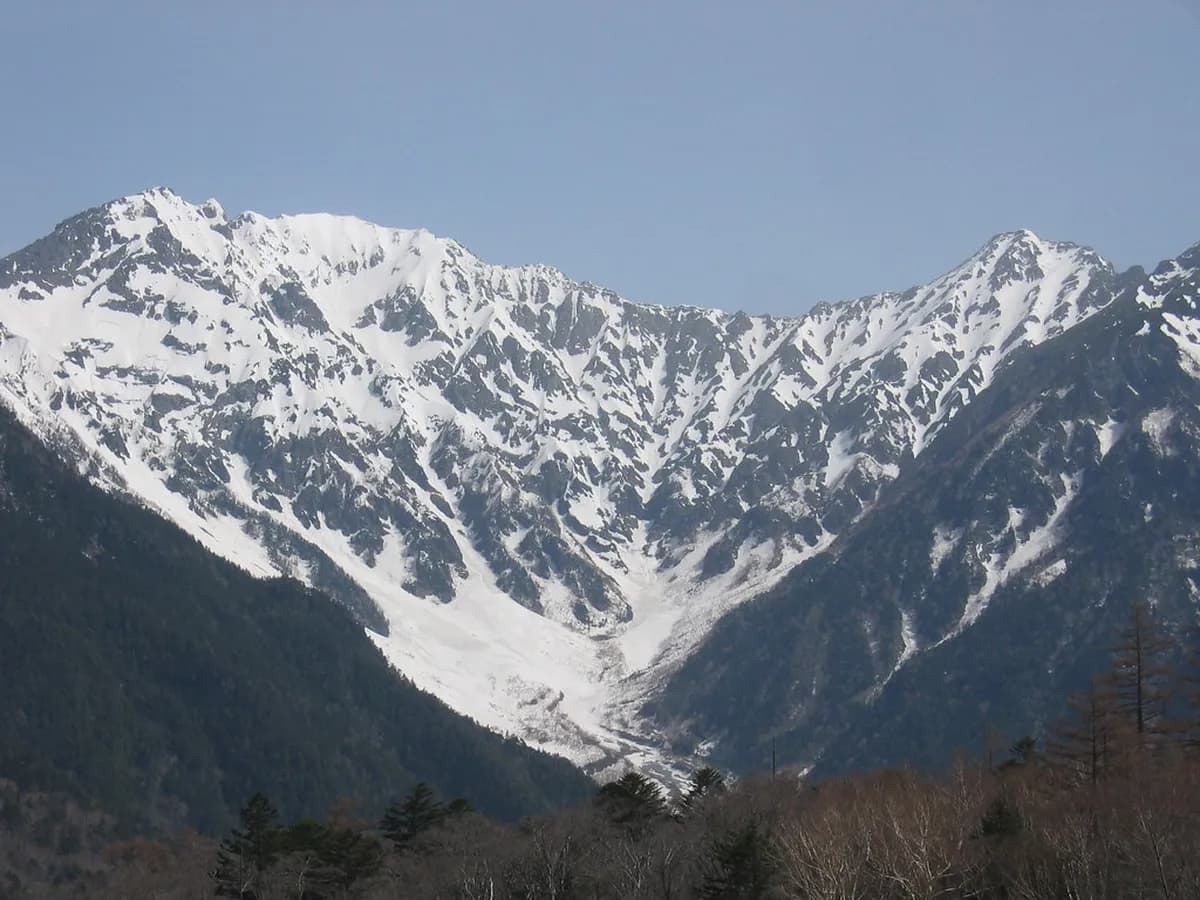
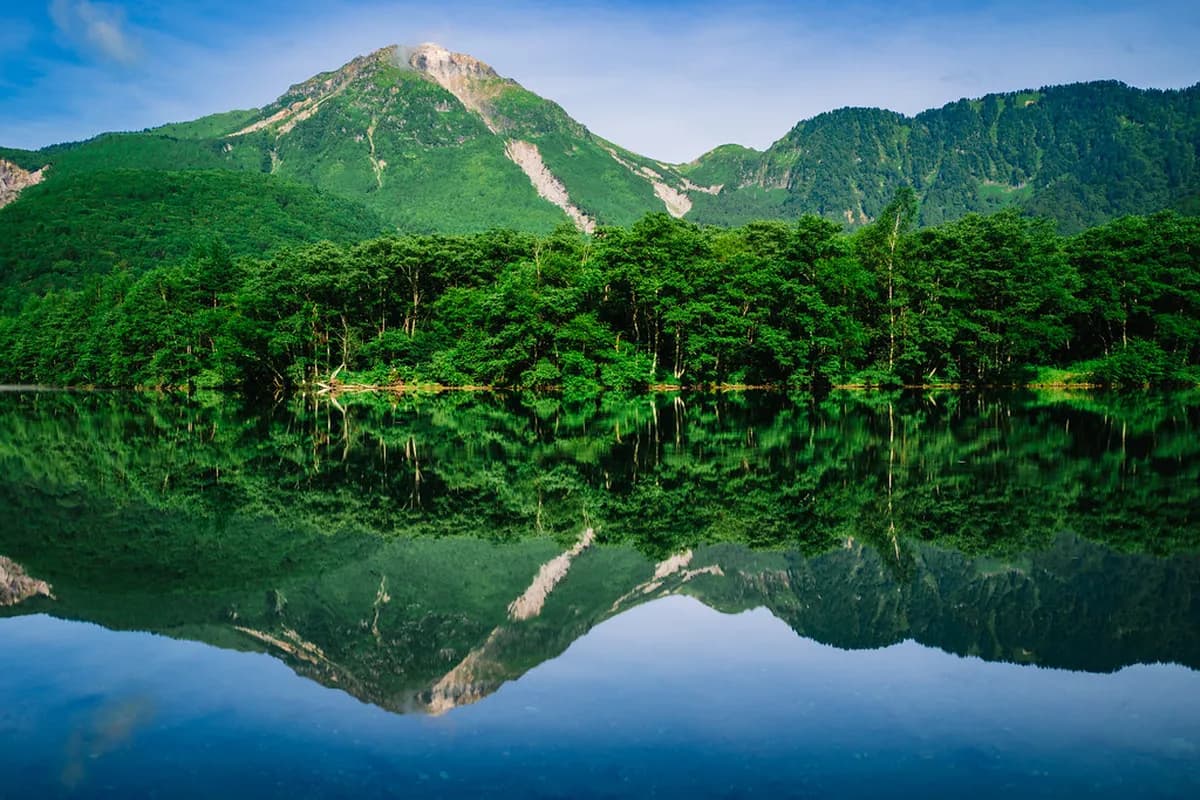
Kamikochi is a protected highland valley running along the Azusa River, ringed by the Hotaka mountain range. At its southern edge stands Mt. Yake, an active volcano; to the north, Mt. Oku-Hotaka reaches 3,190 metres — the highest point in the Northern Japan Alps. The valley floor is almost entirely flat, which makes the main walking route accessible to anyone who can manage a few hours of easy walking.
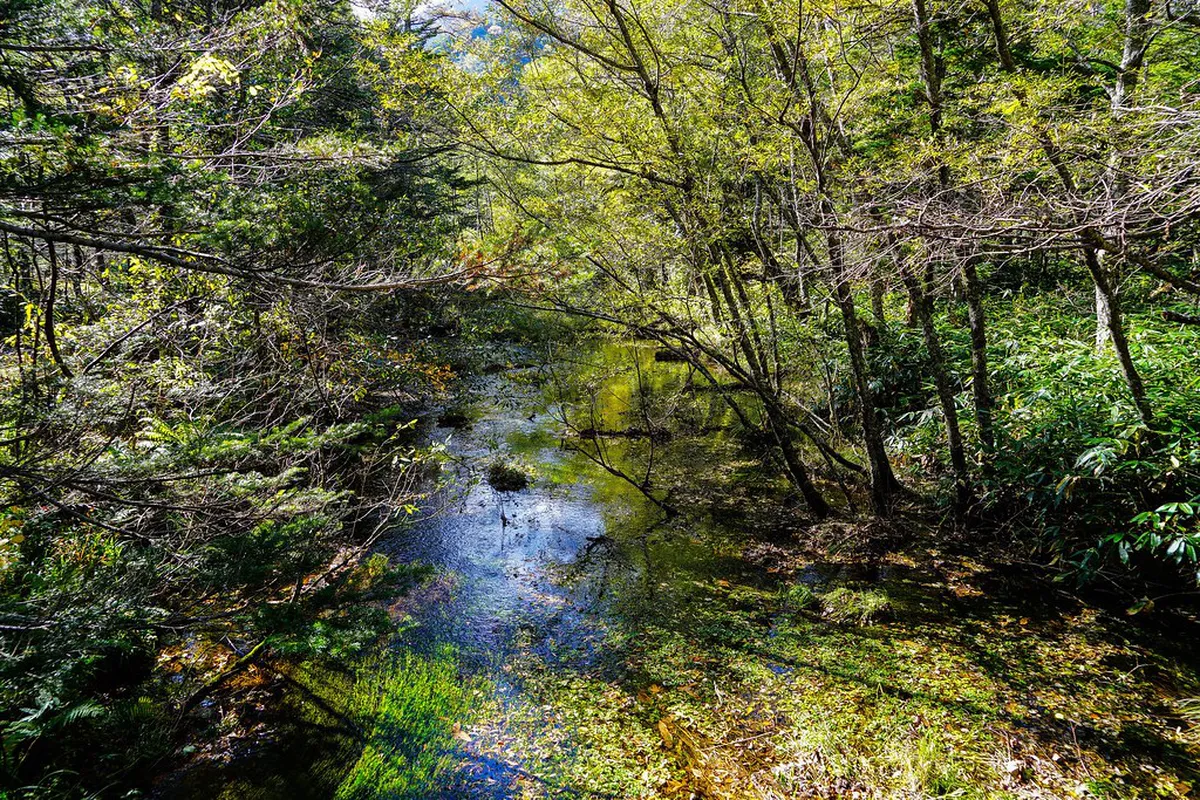
The scenery changes completely by season. Late April and early May bring the first green against snow-dusted peaks. October turns the valley gold and orange. Summer mornings produce low mist over the river that burns off by 10:00, revealing the granite walls behind. Wildlife is genuinely abundant here: Japanese macaques, serows, and over 100 bird species live in the protected ecosystem.
Takayama is 90 minutes from the valley by public bus — shorter than the Matsumoto approach, which takes around 2 hours and requires a separate bus company. Most travelers coming from Kanazawa or Toyama find Takayama the natural base. The Nohi Bus timetable from Takayama also starts earlier in the morning, giving you more daylight hours in the park.
Takayama or Matsumoto: Which Base is Better for Kamikochi?
| Factor | Takayama | Matsumoto |
|---|---|---|
| Total travel time | 85–95 minutes (via Hirayu) | 100–130 minutes (via Alpico) |
| Transfers required | 1 (Hirayu Onsen) | 1–2 (depends on express) |
| Earliest departure | 06:00 | 07:30 |
| Round-trip cost | ~¥5,130 | ~¥5,200 |
| Best for | Kanazawa/Toyama routes | Tokyo/east-bound itineraries |
Both cities connect to Kamikochi, but they use different bus companies and approach from opposite ends of the valley. From Matsumoto, the Alpico Bus departs from Matsumoto Station and the journey takes around 1 hour 40 minutes direct when the seasonal express runs, or longer with a transfer. From Takayama, the Nohi Bus connects to Hirayu Onsen (60 min) and then a shuttle covers the final 25 minutes into the park.
Travelers on a Kanazawa–Takayama–Nagoya or Kanazawa–Takayama–Tokyo route should base in Takayama without hesitation. The Nohi Bus terminal is directly beside Takayama Station, and the earliest departures leave before 07:00, meaning you can reach the valley by 09:00. Matsumoto makes more sense if you are arriving from Tokyo by bullet train and continuing east — the Shinjuku direct bus and the JR Oito Line both connect there.
Cost is nearly identical on a standard round-trip ticket. The Kamikochi/Shinhotaka 2-Day Free Passport is available from both sides and covers transfers and the Shinhotaka Ropeway — a clear win if you plan to combine the two. From Takayama, this pass retails at approximately ¥7,000 for adults in 2026; check the Nohi Bus counter on departure day for the current price.
How to Get from Takayama to Kamikochi (Step-by-Step)
The full journey takes between 85 and 95 minutes and involves one transfer. The bus counter at Takayama Nohi Bus Center opens at 06:00. Arriving 20 minutes before your bus gives enough time to buy a ticket and find your platform. For the 07:50 departure — the most popular for a full day — be at the terminal by 07:30.
- Step 1 — Buy your ticket at Takayama Nohi Bus Center (next to Takayama Station). A round-trip ticket to Kamikochi costs approximately ¥5,130 for adults in 2026 and is valid for 7 days. The Kamikochi/Shinhotaka 2-Day Free Passport costs more upfront but adds the Shinhotaka Ropeway and unlimited rides. Staff at the window speak basic English.
- Step 2 — Board the Nohi Bus to Hirayu Onsen. The ride takes 55–65 minutes through mountain tunnels and valley scenery. First departure is around 06:00; the recommended 07:50 arrival gets you to Hirayu at approximately 08:50. Check the Nohi Bus official timetable for the current season schedule before travel.
- Step 3 — Transfer at Hirayu Onsen Bus Terminal. Leave the arriving bus and walk to the adjacent platform — signs say "Kamikochi" in English and Japanese. The shuttle buses to Kamikochi run every 30 minutes from late April to end of October (every 60 minutes in shoulder season). Wait time is usually under 20 minutes.
- Step 4 — Ride the shuttle to Kamikochi. Total ride time is 25 minutes. The bus stops at Taisho-ike Bus Stop (16 minutes in) before continuing to the main Kamikochi Bus Terminal. Get off at Taisho-ike if you want to start your hike at the pond; stay on if you prefer to start at Kappa Bridge and work backwards.
Private vehicles are not permitted beyond the Hirayu Onsen checkpoint. Taxis are allowed but cost upward of ¥10,000 one way and must be booked in advance through the Kamikochi taxi association.
Understanding the Numbered Boarding Ticket (Seiriken)
The seiriken (整理券) is a numbered boarding pass issued free at the Kamikochi Bus Terminal for the return bus to Hirayu Onsen. It is not a seat reservation — it is a queue number that determines which bus you board when multiple buses are running. During peak weekends in May and throughout October, the terminal fills fast and early numbers go quickly.
The most important thing to know: collect your seiriken as soon as you arrive at the Kamikochi Bus Terminal, before you start hiking. The desk is inside the terminal building on the ground floor. Staff will ask for your round-trip ticket and stamp a return time slot on your seiriken. You are not locked in to that exact bus, but if you miss it you join the back of the queue for the next one.
During Golden Week and autumn foliage weekends, the earliest return slots can be fully booked by midday. Arriving hikers who spend the morning on trail and visit the terminal at 13:00 have sometimes found only 16:30 or later slots available. The Kamikochi Tourism Association publishes real-time bus congestion updates on their website during high-traffic periods — check before departure from Takayama.
The process is straightforward once you know it exists. Show your outbound ticket, take the numbered slip, and note your designated platform. When your number is called or displayed on the board, join that platform's queue. You do not need to wait at the terminal — you can continue hiking and return in time for your slot.
The Ultimate Kamikochi Day Trip Itinerary
Catch the 07:50 bus from Takayama and arrive in the valley by approximately 09:30. Get off at Taisho-ike Bus Stop. Walk to the Kamikochi Bus Terminal first — it is a 40-minute flat walk — and collect your seiriken for the return journey. This takes 5 minutes and prevents any end-of-day stress.
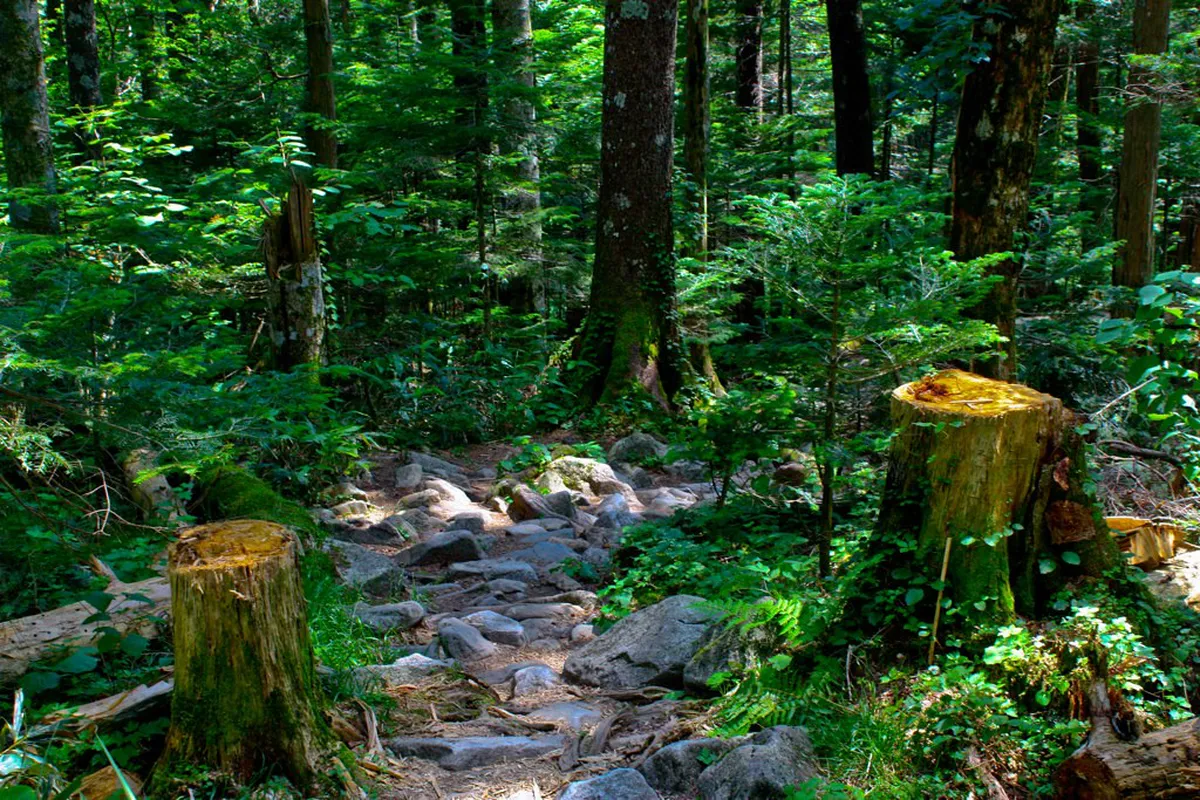
The recommended route runs: Taisho Pond → Tashiro Marsh → Hotaka Bridge → Kamikochi Visitor Center → Kappa Bridge → trail toward Myojin → Myojin Bridge → Myojin Pond → return to Kappa Bridge on the opposite riverbank → Kamikochi Bus Terminal. Total walking time is 4 to 5 hours at a relaxed pace, covering about 10 kilometres round trip. Distances are signposted in metres throughout.
- 09:30 — Get off at Taisho-ike, walk toward the terminal, collect seiriken
- 10:00 — Taisho Pond (best photo spot, most crowded early)
- 10:20 — Tashiro Marsh and Tashiro Pond
- 10:45 — Hotaka-Bashi Bridge (do not cross; continue along the right bank)
- 11:15 — Kamikochi Visitor Center and Bus Terminal (restrooms ¥100, map ¥100)
- 11:25 — Kappa Bridge (photo stop, mountain views)
- 12:30 — Myojin area (lunch at Kamonji-Goya mountain hut; soba and udon)
- 13:00 — Myojin Pond and Hotaka-jinja Shrine inner sanctum (entry ¥300)
- 14:15 — Return hike along the opposite bank to Kappa Bridge
- 15:00 — Dakeshawa Marshland (final viewpoint)
- 15:30 — Kamikochi Bus Terminal for return bus to Hirayu Onsen
The last shuttle from Kamikochi to Hirayu departs at 17:00. Missing it means an expensive taxi or waiting for a very rare late service. The last Nohi Bus from Hirayu back to Takayama departs around 18:30. Check current timetables on the Nohi Bus website on the morning of your visit as schedules shift slightly each season.
Best Hiking Trails for a Single Day
The standard route from Taisho Pond to Kappa Bridge and on to Myojin Pond is entirely flat and suitable for any fitness level. The path alternates between wooden boardwalks over marshy ground and compacted gravel trail beside the Azusa River. Waymarkers appear every few hundred metres. You do not need a trail map, but the Kamikochi Visitor Center sells a detailed one for ¥100 that shows elevation profiles for the harder alpine routes.
The Myojin extension adds roughly 4 kilometres (2 hours) to the basic Kappa Bridge loop. Most day visitors stop at Myojin Pond. Past the pond, the trail becomes steeper and heads toward the Yokoo camping area — that section is better suited to overnight hikers with proper gear. The Hotaka-jinja Shrine beside Myojin Pond charges ¥300 to enter the inner garden and is worth the fee for the views across the still water to the mountains.
A note on wildlife: Japanese macaques are commonly spotted along the riverside trail between Kappa Bridge and Myojin. They are habituated to hikers but should not be approached or fed. Bears (Asiatic black bear) are present in the park though rarely seen near the main trails. Mountain hut notices post recent sightings. The official resort maps include wildlife advisories for each section of trail. For broader alpine hiking guidance across the Japan Alps, Japan's official tourism site covers hiking routes and seasonal conditions.
Bear bells are sold at souvenir stalls near Kappa Bridge for around ¥500. Attaching one to your pack is a sensible precaution if you plan to hike beyond Myojin into quieter sections of the valley. Most day-trippers on the main route will be surrounded by enough other hikers that noise is not a concern, but early morning walkers near Taisho Pond occasionally spot fresh tracks on the riverbank.
What to Wear and Pack for Alpine Weather
Kamikochi sits at 1,500 metres and temperatures run 5 to 10 degrees Celsius cooler than Takayama at any time of year. On a July afternoon that feels warm in the city, the valley can drop to 15°C with wind off the snowfields. Morning and evening temperatures in May and October regularly fall below 5°C. Pack layers regardless of the season.
- May and early June: fleece or down jacket for morning, windproof shell, thermal base layer
- July and August: long-sleeved shirt for morning and evening, short sleeves fine at midday
- September to November: fleece essential, gloves for mornings from late October onward
- Footwear: standard walking shoes or trail runners handle the main route well; proper hiking boots only needed for the steeper alpine ascents beyond Yokoo
- Rain gear: mountain weather changes without warning; a packable waterproof jacket adds almost no weight
- Water: fill your bottle at any of the mountain huts along the route; tap water in the park is clean
- Snacks: there are no convenience stores in the park; bring lunch or budget for ¥900–1,500 at the mountain hut restaurants
- Cash: all facilities inside the park are cash only, including restrooms and the shrine entry fee
There are no trash cans inside Kamikochi. Carry a small bag for all rubbish and dispose of it at the bus terminal or back in Takayama. This is a strict rule, consistently enforced. For more detailed information on hiking in Japan, including alpine safety and equipment, consult regional hiking guides before your trip.
Guided Tours vs. DIY: Cost and Convenience
The DIY route is straightforward enough that even first-time visitors to Japan manage it without stress. The bus signage at Hirayu Onsen is clear, staff make English announcements, and the trails inside the park are impossible to miss. The total transport cost by public bus is approximately ¥5,130 round trip from Takayama. You gain full flexibility over timing and can stay in any section of the park as long as you like before the last shuttle.
Guided tours from Takayama typically cost ¥10,000–¥15,000 per person and include transport, an English-speaking guide, and often a combined Shinhotaka Ropeway visit in the same day. The added value is real if you want the ropeway: getting to Shinhotaka and then reaching Kamikochi independently on the same day requires careful timing across multiple buses. A tour handles that routing automatically. Tours also eliminate the seiriken confusion entirely — guides manage the return ticket process for the group.
The clearest reason to choose a tour over DIY is the Shinhotaka combination. The ropeway rises to 2,156 metres and provides panoramic views of the Japan Alps that are not visible from the valley floor. Doing both sites independently in one day from Takayama is possible but tight; a packaged tour is reliably scheduled for it. Check the how to structure a single day page for broader context on your Hida region schedule if you are short on time.
Solo travelers who are comfortable with public transport and want flexibility should do the DIY route. Families with young children, older travelers, or anyone who wants both Kamikochi and Shinhotaka in one day should seriously consider the guided option. Language support at Hirayu Onsen can be minimal during busy periods — a guide removes any ambiguity about platforms and departure times.
Best Time to Visit Kamikochi: Seasonal Opening Dates
The park opens every year in mid-April (typically around April 17) and closes in mid-November (around November 15). These dates shift slightly year to year based on weather; the official Kamikochi Tourism Association website publishes confirmed opening and closing dates each spring. Outside these windows, buses do not run and the valley is completely inaccessible to the public.
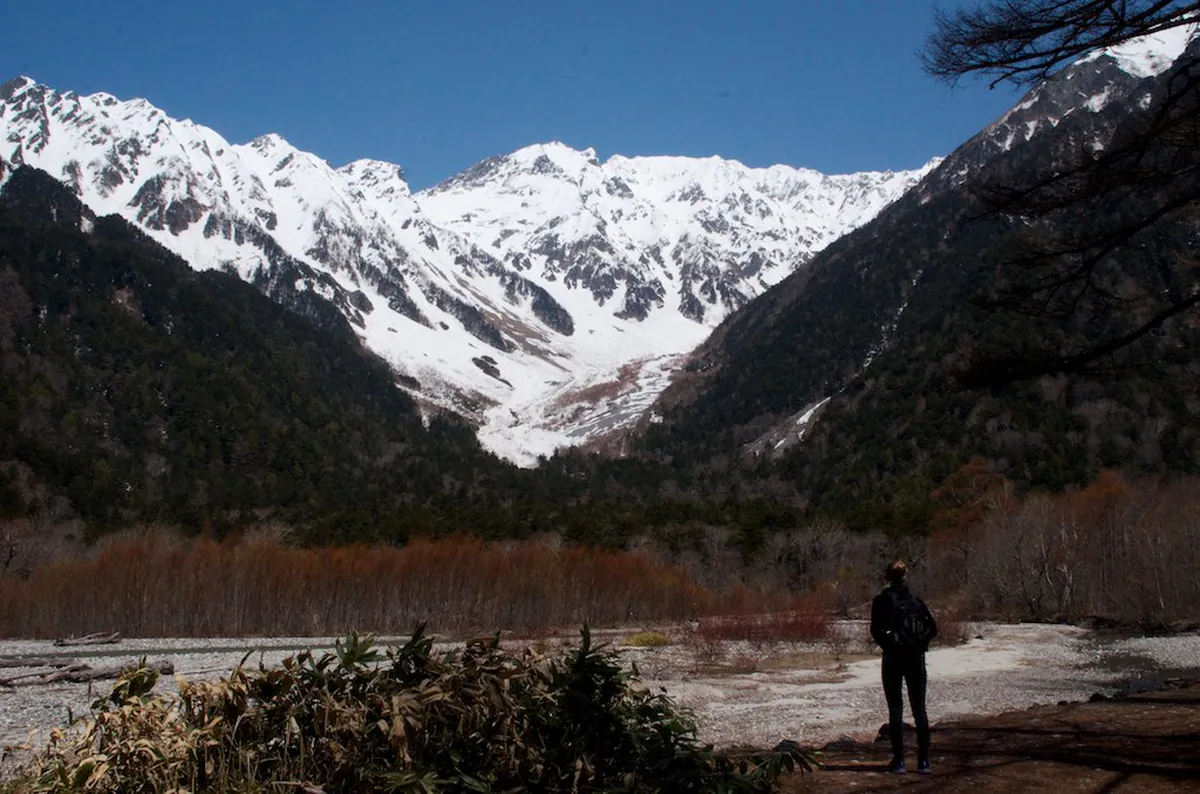
Late April to early May is opening season — snow still patches the higher ground and the crowds have not yet built. Golden Week (late April to early May) is the first major peak, with very full buses and Seiriken slots filling by 10:00. Early June is quieter, with fresh greenery and reliable weather. July and August are warm and lively but mist can reduce mountain visibility.
October is the single most popular month. Autumn foliage in the valley typically peaks between October 5 and October 20 depending on the year, making this the most photogenic window. Bus services run at maximum frequency during this period and seiriken queues form by 09:00. If visiting in October, aim for a weekday over a weekend and catch the earliest possible bus from Takayama — the 07:00 or 07:40 departure rather than the 07:50.
November 1 to 15 is the closing shoulder season. Shuttle frequency drops to every 60 minutes and many mountain huts are closed. The valley is nearly empty, the remaining leaves are in late-stage color, and morning temperatures can fall below zero. This window suits hikers who prefer silence over peak-color saturation.
Frequently Asked Questions
Is a day trip to Kamikochi from Takayama worth it?
Yes, it is highly worth it for the stunning alpine scenery. The bus ride is manageable and the trails are world-class. You can easily see the main highlights in one full day.
What is the best time of year to visit Kamikochi?
Late May and October are the best months for pleasant weather. May offers fresh greenery while October features vibrant autumn colors. The park is closed from mid-November to mid-April.
Do I need hiking boots for Kamikochi?
Standard sneakers are sufficient for the main trails near the river. If you plan to hike up the mountains, sturdy boots are required. Most paths are well-maintained gravel or wooden boardwalks.
A day trip to this alpine valley is one of the most rewarding excursions in the Japanese Alps. Flat trails, clear rivers, dramatic peaks, and reliable public transport make it achievable for almost any traveler staying in Takayama. Collect your seiriken first, start hiking from Taisho Pond, and budget five hours for the full Myojin loop.
Pack layers regardless of season, carry cash, and check the Nohi Bus timetable on the morning of your trip. For the bigger picture, see our complete Takayama attractions guide. The valley will not disappoint.
Free: The Takayama Essentials guide
Top things to do, where to stay, a perfect day plan, getting around, and the best time to go — a Takayama mini-guide you can take offline.
You might also like

Continue reading
More guides you'll find useful