How to Get to Kumamoto: The Complete Transport Guide
Discover the best ways to get to Kumamoto by Shinkansen, flight, or bus. Includes step-by-step guides from Fukuoka, Tokyo, and Osaka, plus local transport tips.
On this page
Reaching the heart of Kyushu is easier than most travelers expect. Kumamoto sits on the western side of the island, connected to Fukuoka, Osaka, and Tokyo by bullet train, and to the rest of Japan by a small but well-served regional airport. Whether you arrive by Shinkansen or by bus, getting here is only the first decision.
My first trip involved a frantic dash at Hakata Station after misreading the platform signs. Understanding how to get to kumamoto efficiently saves you valuable time for sightseeing. This guide breaks down every major route, plus local transport and car rental logistics for the surrounding countryside.
You will find current costs, booking tips, and practical station details. Whether you prefer the speed of a bullet train or a budget highway bus, this guide covers every option for 2026.
Getting to Kumamoto from Fukuoka (Hakata)
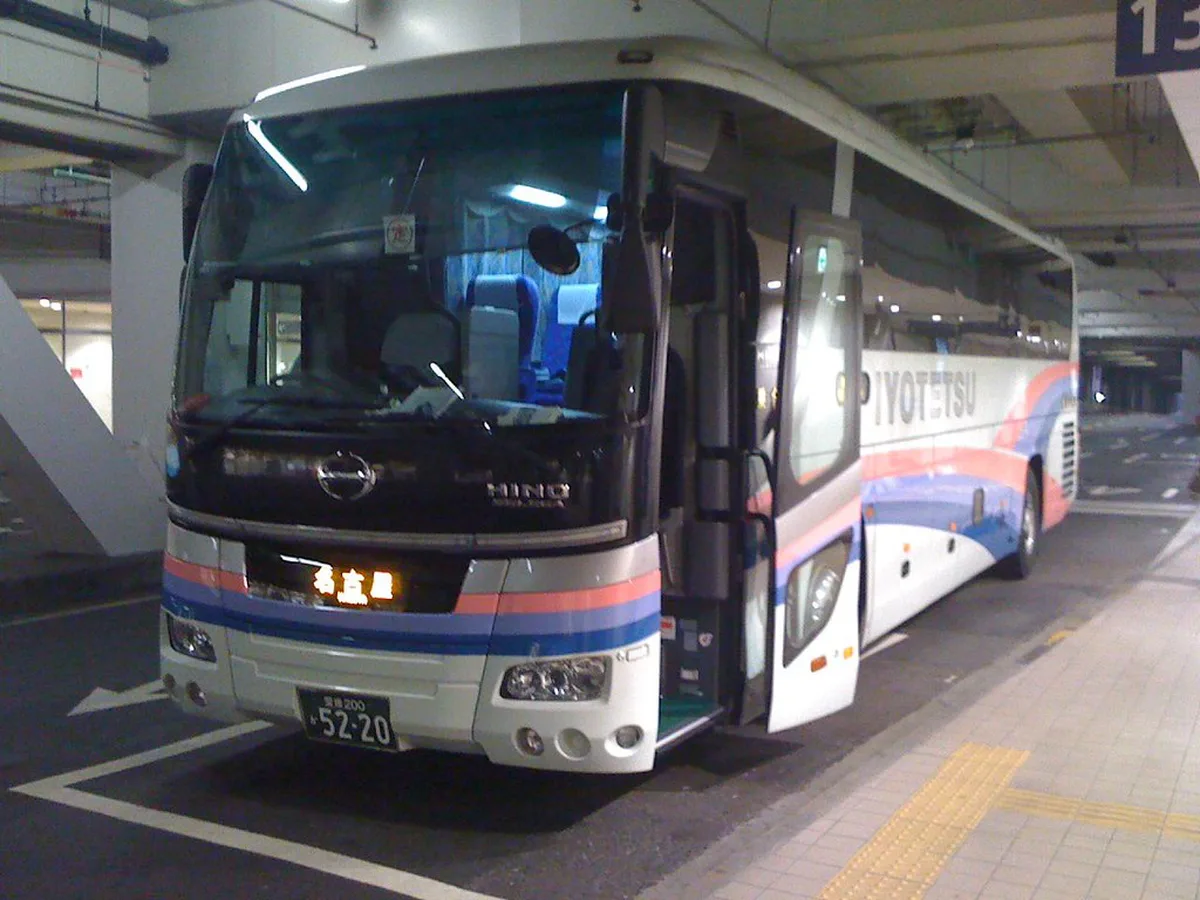
Fukuoka serves as the primary gateway for most international visitors heading to Kumamoto. The journey from Fukuoka to Kumamoto: Complete Travel Guide (Train, Bus, & Car) is fast thanks to the Kyushu Shinkansen running from Hakata Station. The Mizuho and Sakura services depart every 15 to 20 minutes during the day. Budget travelers often prefer the highway bus, which departs from Hakata Bus Terminal and takes about two hours.
The Shinkansen takes roughly 32 to 50 minutes depending on the service and costs about ¥5,230 / ~$35 for a one-way reserved seat. Buses cost significantly less at approximately ¥2,500 / ~$17 one-way. The Nishitetsu and Willer Express services both operate this route with comfortable reclining seats. If you have a JR Pass, the Sakura is fully covered — the Mizuho is not.
At Hakata Station, follow the blue Shinkansen signs toward platforms 11 through 16. Buy tickets at the green JR machines or at the manned ticket window if you have a JR Pass. The train is smooth and scenically pleasant — keep your ticket for the exit gates at Kumamoto Station.
- Shinkansen (Mizuho/Sakura): ¥5,230 / ~$35 — 32 to 50 minutes — departs every 15–20 minutes. JR Pass covers Sakura only.
- Highway bus (Nishitetsu/Willer): ¥2,500 / ~$17 — about 2 hours — multiple daily departures from Hakata Bus Terminal.
- Tip: If you carry large bags, reserve oversized luggage space when booking the Shinkansen. The seats behind the last row in each car have a dedicated rack — these do not cost extra but must be reserved.
Any bag with combined dimensions over 160cm (length + width + height) requires a reserved oversized luggage space. Book this when purchasing your Shinkansen ticket to avoid a ¥1,000 penalty.
Traveling from Tokyo to Kumamoto
From Tokyo, you have two realistic options: fly to Kumamoto Airport or take the Shinkansen with a transfer at Hakata. Flying takes about 1.5 hours and is usually the faster and cheaper door-to-door choice. The Shinkansen takes roughly six hours total but suits travelers with a JR Pass or those who want a scenic rail journey through western Japan.
JAL and ANA fly Tokyo (Haneda or Narita) to Kumamoto Airport (KMJ) several times daily. Full-service fares range from ¥15,000 to ¥40,000 / ~$100 to $270 depending on how far in advance you book. Budget airlines like Jetstar offer seats from ¥6,000 to ¥15,000 / ~$40 to $100 but check the strict baggage allowances before buying. Book 4 to 6 weeks ahead for the best fares.
The Shinkansen route runs Tokyo → (Tokaido/Sanyo line) → Hakata → (Kyushu line) → Kumamoto. A standard unreserved ticket costs around ¥27,000 / ~$180. If you hold a national JR Pass, the Sakura services on both legs are fully covered, making this route essentially free after the pass cost. The Mizuho between Hakata and Kumamoto is the fastest at 32 minutes but does not accept the JR Pass.
| Mode | Travel time | Approx. cost (one-way) | JR Pass? |
|---|---|---|---|
| JAL/ANA full-service flight | 1.5 hr + transit | ¥15,000–¥40,000 | No |
| Jetstar/budget flight | 1.5 hr + transit | ¥6,000–¥15,000 | No |
| Shinkansen (Sakura, JR Pass) | ~6 hr with transfer | ¥0 with pass / ¥27,000 | Yes (Sakura) |
Reaching Kumamoto from Osaka and Kyoto
Osaka and Kyoto offer some of the most convenient direct bullet train connections to Kumamoto. The Sanyo Shinkansen departs Shin-Osaka and runs directly to Kumamoto in about three hours via the Sakura or Mizuho services. From Kyoto Station, take the Shinkansen to Shin-Osaka first (roughly 15 minutes), then board the Sakura south — total journey time from Kyoto is around 3.5 hours.
A reserved seat on the Sakura from Shin-Osaka costs approximately ¥19,000 / ~$125. The Mizuho is faster but again does not accept the JR Pass. If you hold a JR Pass and plan to visit Kyushu on a western Japan leg, this route works particularly well — you can stop in Hiroshima or Hakata on the same ticket.
Check the Getting Around Kumamoto — Explore Kumamoto guide for regional transit updates. Always verify your platform number before boarding long-distance trains. The Hakata stop serves as a transit point for some services so confirm your train continues through without a change.
Arriving by Air: Kumamoto Airport (KMJ)
Kumamoto Airport sits about 20 kilometers east of the city center in the Mashiki area. It completed a major terminal renovation in 2023 and now offers an improved arrivals hall, local food stalls, and a much smoother luggage claim process. Consult the Kumamoto Airport Official Site for current flight schedules and any service changes.
The airport limousine bus is the most practical way downtown. It departs from the curb just outside arrivals, takes about 50 minutes, and costs ¥1,000 / ~$7 per adult. Buses stop at Sakura Machi Kumamoto bus terminal and major city hotels before reaching Kumamoto Station. Buy tickets from the vending machines just before the exit.
Taxis are available at the dedicated rank outside arrivals but expect to pay around ¥6,000 / ~$40 for a ride to Kumamoto Station. That cost is reasonable if you are travelling with a group or have a lot of luggage. The bus remains the better value for solo travelers and couples.
Regional Access: Buses and Ferries
Kumamoto connects to Nagasaki, Beppu, and other Kyushu cities via long-distance highway buses. The Kyushu Odan Bus runs between Kumamoto and Beppu in roughly two hours and costs around ¥3,500 / ~$23. Night buses from Osaka and other Honshu cities also operate seasonally — check Willer Express for routes and availability.
A less-known option is the ferry connection across the Ariake Sea. The Kumamoto Ferry runs between Kumamoto Shinko Port and Shimabara Port in Nagasaki Prefecture. The crossing takes 30 minutes and costs ¥1,000 / ~$7 per person (car additional). If you are combining Kumamoto with the Shimabara Peninsula or heading toward Nagasaki, this ferry is a scenic and time-efficient alternative to backtracking by train. Take the city tram to the Kumamotoko-Mae stop or a taxi from the station.
The Sanko Ferry also connects Kumamoto Port to Shimabara on a slower, cheaper crossing of about 60 minutes. Schedules change seasonally, so confirm departure times at the port or via the ferry operators before heading out.
Getting Around Kumamoto City
Once you arrive, the city tram is the most practical way to move between Kumamoto Station and the downtown area. The tram covers the main tourist corridor including the castle district, Shimotori shopping arcade, and Suizenji Garden. A single ride costs ¥170 / ~$1.15 regardless of distance traveled. A one-day pass costs ¥500 / ~$3.40 and is worth buying if you plan more than three rides.
IC cards including Suica, Pasmo, and the local Kumamoto IC card work on all trams. Tap in when you board and tap again at your stop. During morning rush hours the trams fill quickly — if you have large bags, consider waiting for the next service or taking a taxi to your hotel first.
To reach Kumamoto Castle, alight at the Kumamotojo-mae tram stop. From there it is a short 10-minute walk to the main castle entrance. The Sakuranobaba Josaien outdoor shopping area sits directly adjacent to the castle grounds and is a good spot to buy Ikinari Dango or grab a coffee before entering.
How to Get to Kumamoto Castle
From Kumamoto Station take the City Tram Line 2 toward Kengun-Machi and alight at Kumamotojo-mae (two stops, about 10 minutes). Alternatively, walk from the station in about 25 minutes along Shinkansen-dori — a pleasant stroll through the shopping district. Paid parking is available near the Ninomaru park for those arriving by car or rental.
Admission to the main castle tower costs ¥800 / ~$5.40 for adults and ¥300 / ~$2 for children. The grounds around the castle are free to enter. Entry to the tower includes access to the sixth-floor observation deck with panoramic views over Kumamoto city. The app "Kumamoto Castle App" (free, iOS/Android) provides English audio commentary for exhibits inside — most signage inside the tower is Japanese-only.
The castle is open daily from 09:00 to 17:00 (last entry 16:30). Allow 60 to 90 minutes to explore the tower and surrounding grounds. If you plan to combine the castle with the Sakuranobaba Josaien and the downtown shopping arcade, half a day is more comfortable than a rushed two-hour visit.
History and Restoration of Kumamoto Castle
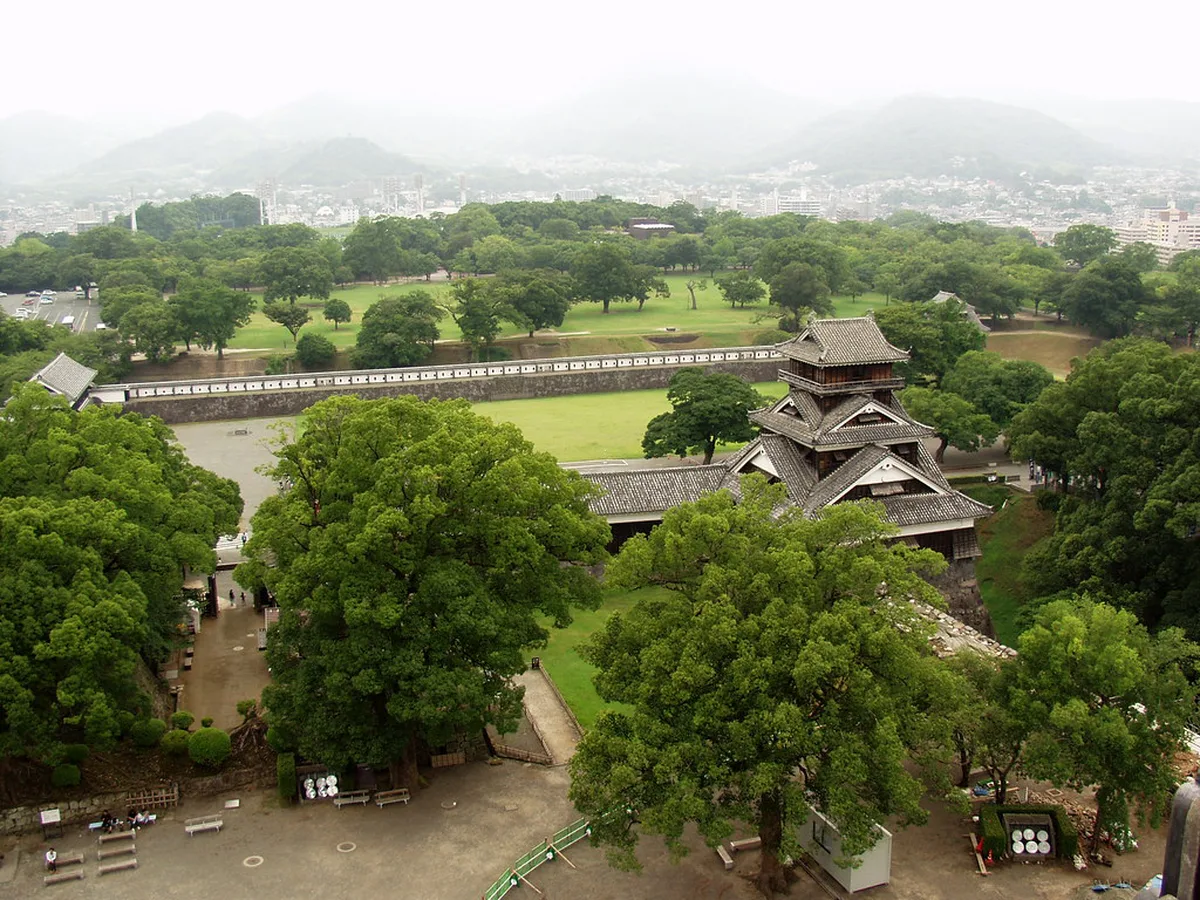
Kumamoto Castle was originally completed in 1607 under lord Kato Kiyomasa, known for its unusually steep stone walls — a style called musha-gaeshi (warrior repellent walls) — designed to prevent climbing attackers. The castle burned during the Seinan War of 1877 and the current main tower was reconstructed in 1960 using reinforced concrete. Despite the reconstruction, it is still considered one of the three great castles of Japan alongside Himeji and Matsumoto.
In April 2016, a series of earthquakes struck Kumamoto with a magnitude 7.0 main shock. The disaster damaged more than 20 of the castle's 49 towers and turrets, toppled stone walls, and left the main tower inaccessible for years. Notably, the castle's design actually performed as intended during the quake — roof tiles slid off to lighten the structure and prevent collapse, a feature built into the original 17th-century design.
As of 2026, Kumamoto Castle is well into its phased restoration. The main tower reopened to visitors in 2021 and the surrounding grounds have progressively opened as stonework is repaired section by section. Some walls and turrets remain scaffolded or fenced, but the castle is absolutely worth visiting — the restoration process itself is documented and displayed inside, giving visitors an unusually transparent look at how Japan preserves its historic structures. Full restoration is estimated to continue until around 2037.
Car Rental and the Case for Driving Outside Kumamoto
Within the city, the tram handles most of what you need. But renting a car unlocks a completely different version of the Kumamoto region. Nippon Rent-A-Car operates a branch directly outside Kumamoto Station's west exit — expect to pay around ¥9,000 to ¥12,000 / ~$60 to $80 for a compact car for 12 hours including basic insurance. An International Driving Permit is required; pick one up from your national automobile association before you travel.
The key destination that justifies a car is the Daikanbo viewpoint above the Aso caldera. From Kumamoto Station, follow National Route 57 east and then Route 339 into the caldera. The drive takes about 90 minutes each way. Route 339 narrows into a single-lane mountain road near the top — take it slowly, especially after rain. The Kabutoiwa viewpoint (marked as かぶと岩展望所 on Google Maps) about 10 minutes below Daikanbo is worth a 20-minute stop on its own. The view from Daikanbo — which translates roughly as "peak of great view" — looks down into the ancient caldera rim and is one of the most striking landscapes in all of Kyushu.
Route 339 becomes a narrow single-lane mountain road near Daikanbo and can close after heavy rain due to landslides. Check the Kumamoto Prefecture road information page before departing, especially during the rainy season.
If you are only visiting the castle and downtown Kumamoto, skip the car and stick to the tram. If you plan a Mount Aso day trip or want to reach Kurokawa Onsen without backtracking by bus, a car saves significant time and opens scenic roads that public transit simply doesn't reach. Always check the Kumamoto Prefecture road information page for any closures on the Aso approach roads before departing — landslides occasionally reclose sections after heavy rain.
Luggage Strategy on the Shinkansen and in the City
Handling large bags on the Shinkansen requires planning since the 2020 rule change. Any bag with combined dimensions (length + width + height) over 160cm must be stored in a designated oversized luggage space, which must be reserved in advance at no charge. Fail to reserve and you face a ¥1,000 / ~$7 penalty. Book the reservation at the same time as your seat on Smart EX or at any JR ticket window.
Takkyubin luggage forwarding is the cleanest solution if you want to travel hands-free. You can ship a bag from your Fukuoka hotel to your Kumamoto hotel the night before you travel. A medium-size bag typically costs around ¥2,000 to ¥2,200 / ~$14 per item for next-day delivery. Hotels, convenience stores (7-Eleven, FamilyMart), and most airports handle shipments. Leave extra time when filling out the delivery slip — the form asks for the recipient hotel's address and check-in date.
Coin lockers at Kumamoto Station fill up quickly on weekends and during Golden Week. If the lockers near the Shinkansen gates are full, check the lockers near the tram entrance on the east side or the larger ones near the tourist information center inside the station. These tend to have space for bulky suitcases even when the main bank is full.
Frequently Asked Questions
What is the fastest way to get to Kumamoto from Fukuoka?
The Mizuho Shinkansen is the fastest option, taking only 32 minutes from Hakata Station. It costs ¥5,230 / ~$35 and runs frequently throughout the day. Note that the JR Pass does not cover this specific train type.
Is it better to fly or take the train from Tokyo?
Flying is generally better as it takes only 1.5 hours compared to 6 hours by train. Budget airlines like Jetstar often offer tickets for under ¥10,000 / ~$68. Choose the train only if you have a JR Pass.
Can I use a Suica card on the Kumamoto tram?
Yes, you can use Suica, Pasmo, and other major IC cards on the city tram. Simply tap the reader when you board and again when you exit. This is much easier than carrying exact change.
Reaching Kumamoto is a straightforward process whether you arrive by air, rail, or highway bus. The Shinkansen from Fukuoka is so fast — under 40 minutes — that even a day trip is realistic. Once inside the city, the tram handles the castle and shopping districts efficiently, while a rental car opens the volcanic countryside beyond.
Don't forget to check out a Kumamoto Day Trip Itinerary: 10 Best Things to Do in One Day to plan your time once you arrive. Enjoy your time exploring one of Japan's most historically layered castle cities.
Planning the rest of your trip? See our complete Kumamoto attractions guide for the complete Kumamoto overview.
Free: The Kumamoto Essentials guide
Top things to do, where to stay, a perfect day plan, getting around, and the best time to go — a Kumamoto mini-guide you can take offline.
You might also like


Continue reading
More guides you'll find useful