Kobe offers a stunning blend of urban charm and natural beauty just behind its main train station. The nunobiki herb garden & ropeway visitor guide helps you navigate this massive hilltop park overlooking the sea. Visitors can reach the summit via a scenic gondola ride or a challenging forest hike past waterfalls. This comprehensive guide covers everything from seasonal flower blooms to the best spots for a relaxing afternoon in Kobe.
Exploring this botanical paradise provides a peaceful escape from the busy streets of the city center. The park features twelve unique themed areas that change colors and scents throughout the different seasons. Many travelers consider this destination a highlight of their trip to the Kansai region of Japan. Proper planning ensures you maximize your time while enjoying the panoramic views of the Seto Inland Sea.
Essential Visit Information: Hours, Fees, and Access
Reaching the entrance of the ropeway is incredibly convenient because it sits right next to the Shin-Kobe Station. Most travelers arrive via the Shinkansen or local subway lines before walking a few minutes to the base. Check the Official Kobe Nunobiki Herb Gardens Website for the most current updates on daily operating hours. Standard tickets usually include both the ropeway fare and the entrance fee to the extensive garden grounds.
The pricing structure varies depending on whether you choose a round-trip or a one-way ticket for your journey. Adults can expect to pay around 2,000 yen for a full return trip during the daytime hours. Evening discounts often apply on weekends and holidays when the park stays open for night views. Purchasing your entry in advance through the Klook Ticket Booking Page can save you time at the gate.
The park generally opens at 10:00 AM and closes around 5:00 PM during the quieter winter months. Extended hours during the summer allow visitors to witness the city lights from the mountain summit. Staff may close the ropeway temporarily if high winds or heavy storms make operation unsafe for passengers. Always verify the weather forecast before heading to the mountain to ensure the best possible visibility.
- Quick Facts for Your 2026 Visit
- Day Ticket: 2,000 yen adult
- Night Ticket: 1,500 yen adult
- Opening: 10:00 AM daily
- Location: Near Shin-Kobe Station
Riding the Shin Kobe Ropeway: What to Expect
The gondola ride takes approximately ten minutes to reach the top station from the mountain base. Passengers enjoy a 360-degree view of the rugged Rokko Mountains and the sprawling urban landscape below. You will pass directly over the Nunobiki Waterfalls, offering a unique aerial perspective of the rushing water. Keep your camera ready as you ascend toward the clouds for the best landscape photography opportunities.
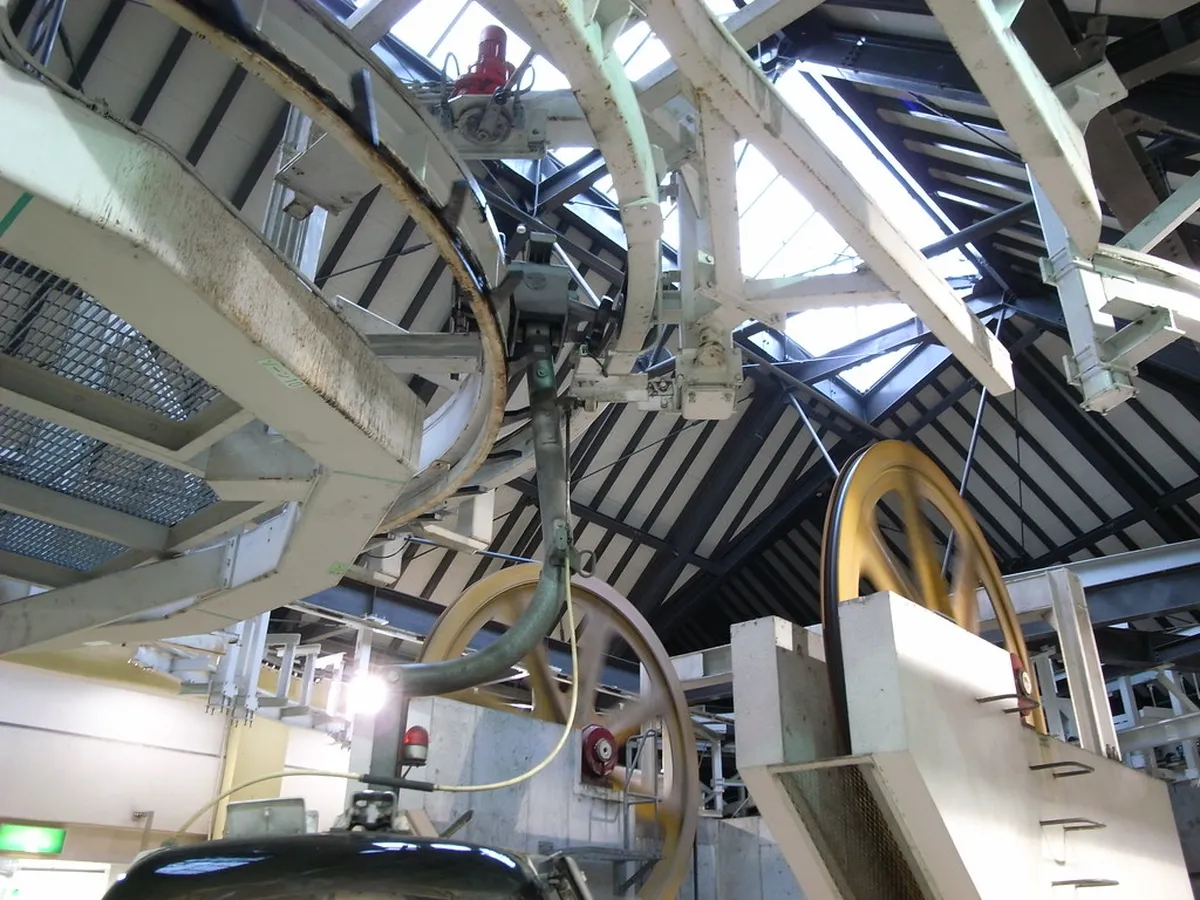
There are three distinct stations along the ropeway line that serve different parts of the park. The Bottom Station connects to the city, while the Middle Station provides access to the lower gardens. Most visitors ride all the way to the Top Station to start their exploration from the highest point. From the summit, you can see as far as the Kobe Port Tower on a clear day.
The cabins are modern and comfortable, designed to hold up to six people during each trip. Large glass windows ensure that every passenger has an unobstructed view of the surrounding forest and sea. Staff members assist with boarding to ensure a smooth and safe experience for children and elderly guests. The ride feels very stable even as the gondola climbs the steep slopes of the mountain range.
Exploring the 12 Themed Gardens of Nunobiki
The gardens are divided into twelve specific zones, each showcasing a different variety of plants and flowers. The Rose Symphony Garden is a favorite during the spring and autumn when hundreds of blossoms peak. Walking through the Lavender Field in early summer provides a fragrant experience that delights all the senses. Each section is meticulously maintained to reflect the natural beauty of the changing Japanese seasons.
Visitors can follow a winding downhill path that connects the top station to the middle station area. This route allows you to see the Kyo-no-niwa traditional garden and the vibrant Four Seasons Garden. Informative signs throughout the park explain the history and uses of various herbs and medicinal plants. Plan to spend at least two hours walking through these areas to fully appreciate the botanical diversity.
The Oriental Garden features exotic species that thrive in the mild climate of the Kobe coastline. Children often enjoy the interactive displays in the herb museum located near the main plaza. Seasonal displays like the Nemophila in spring or Cosmos in autumn create perfect backdrops for family photos. The park layout encourages a slow pace so you can truly soak in the natural atmosphere.
The Glasshouse and Seasonal Highlights
The Glasshouse serves as a massive indoor conservatory that houses tropical plants and beautiful fruit trees. Inside, you will find the Spice Museum, which details the global history of the spice trade. This area remains warm and comfortable even during the cold winter months or on rainy afternoons. Statues and water features add a touch of European elegance to the lush greenery found within.
Special events like the Forest of Illuminations transform the park into a magical wonderland after sunset. Thousands of LED lights decorate the trees and paths to create a romantic setting for evening visitors. These seasonal light shows typically occur during the summer holidays and the festive Christmas season. Check the event calendar online to see if your visit coincides with these spectacular night displays.
The Glasshouse also features a relaxation lounge where you can sit and enjoy the mountain scenery. Many visitors appreciate the chance to rest their legs while surrounded by rare and exotic flora. Art installations are often placed throughout the building to provide additional visual interest for guests. It is a great place to wait if a sudden rain shower passes through the Kobe area.
Hiking the Nunobiki Waterfalls Trail
A popular strategy for active travelers is to take the ropeway up and hike back down the mountain. The trail leads you past the four distinct sections of the Nunobiki Falls, which are considered sacred. This path is part of the larger network of trails that crisscross the famous Mount Rokko range. Walking down takes about forty minutes and ends very close to the Shin-Kobe train station entrance.
The trail is well-marked but contains several steep stone steps that require a bit of physical effort. You will encounter the Ontaki Falls, which is the largest and most impressive of the four cascades. Small shrines and rest areas are scattered along the route for those who want to take a break. The sound of rushing water and the cool forest air make this a refreshing outdoor activity.
Proper footwear is essential for this hike because the forest floor can be damp and slippery. Most hikers find the descent manageable, but those with knee issues might prefer the ropeway return trip. The trail offers several hidden viewpoints where you can see the Kobe skyline through the trees. It is one of the most accessible nature hikes in Japan due to its proximity to the city.
Nearby Cultural Gem: Takenaka Carpentry Tools Museum
Just a short walk from the ropeway base station lies the unique Takenaka Carpentry Tools Museum. This facility is the only museum in Japan dedicated to the history and art of traditional woodworking. Visiting the Takenaka Carpentry Tools Museum Official Site will show you their current special exhibitions. It offers a fascinating look at how master craftsmen built Japan's famous temples and historic shrines.
The museum building itself is a masterpiece of modern architecture blended with traditional Japanese design elements. Exhibits include thousands of hand tools that have been used by carpenters for hundreds of years. Interactive displays allow you to smell different types of wood and see how joints are fitted together. This cultural stop provides a perfect balance to the natural beauty of the herb gardens.
Many travelers combine these two attractions for a full day of exploration in the Shin-Kobe area. The museum is mostly underground, making it an excellent choice for a rainy day activity in Kobe. Quiet courtyards and beautifully designed galleries offer a peaceful environment for learning about local heritage. Admission fees are modest, and the museum provides high-quality English descriptions for international visitors.
Dining and Relaxation: The Veranda Kobe
The Veranda Kobe is the premier dining location within the park, offering sophisticated snacks and drinks. This facility recently underwent a major expansion to include a new Garden Terrace and Emerald Lounge. You can relax in the Hammock Sanctuary, which features large nets for lounging while looking at the sea. The cafe serves seasonal sweets that often incorporate fresh herbs grown right on the mountain.
The outdoor deck provides some of the best views in the city for a leisurely lunch or coffee. Wait times can be long during peak weekend hours, so try to arrive early for a seat. Soft-serve ice cream flavored with lavender or honey is a popular treat for visitors of all ages. The elegant atmosphere makes it a favorite spot for couples celebrating a special occasion in Kobe.
A separate food court near the top station offers more casual options like burgers and curry. Picnic areas are also available if you prefer to bring your own lunch and eat outdoors. Hydration is important while walking the hilly paths, so utilize the many vending machines throughout the park. The variety of dining options ensures that every traveler finds something to suit their taste and budget.
Is Kobe Nunobiki Herb Gardens Worth Visiting?
Most visitors agree that the combination of the ropeway ride and the gardens is well worth the price. The experience offers a unique perspective of Kobe that you cannot get from the harbor level. It is a much more relaxing alternative to the crowded streets of the Nankin-machi Chinatown district. Families will appreciate the wide-open spaces where children can run and explore the natural environment.
The value is especially high if you visit during the peak flower seasons in spring or autumn. Those who enjoy hiking will find the waterfall trail to be a significant bonus to the trip. If you only have a few hours in the city, this park provides a quick and easy nature fix. Compare this to other spots like the Kitano-ijinkan houses to decide your daily itinerary.
Budget travelers might find the ropeway fee a bit high compared to other free city parks. However, the maintenance of the gardens and the quality of the facilities justify the entrance cost. The panoramic views of the bay are often cited as the main reason people return to the park. It remains one of the top-rated attractions in the city for both domestic and international tourists.
Practical Tips for a Smooth Day Trip
Wear comfortable walking shoes because the park involves a significant amount of walking on sloped paths. Sunscreen and a hat are necessary during the summer as many parts of the garden are exposed. Consider buying a one-way ticket if you plan to hike down to see the Nunobiki Falls up close. The last ropeway descent time is strictly enforced, so watch the clock during your evening visit.
Visiting on a weekday morning is the best way to avoid the large crowds of tour groups. The mountain air can be several degrees cooler than the city, so bring a light jacket. Coin lockers are available at the Shin-Kobe station if you need to store heavy luggage during your hike. Check the flowering calendar on the official website to see which gardens are currently in full bloom.
Photography enthusiasts should bring a wide-angle lens to capture the expansive views of the coastline. The park is wheelchair accessible in most areas, though some steep sections may require extra assistance. Many visitors enjoy finishing their day with a soak in the nearby Arima Onsen hot springs. Planning your route ahead of time helps you see all twelve themed gardens without backtracking too much.
Frequently Asked Questions
How long does it take to see Nunobiki Herb Garden?
Most visitors spend between two and four hours exploring the gardens and riding the ropeway. If you plan to hike down the waterfall trail, allow for an extra hour. This time includes a stop at the cafe or the glasshouse area for relaxation.
Can you walk up to Nunobiki Herb Garden?
Yes, you can hike up the mountain starting from behind Shin-Kobe Station. The climb is quite steep and takes about sixty to ninety minutes for average hikers. Many people prefer taking the ropeway up and walking down to save energy for the gardens.
What is the best time of year to visit Kobe Herb Garden?
Spring and autumn are the best times to visit for pleasant weather and vibrant flower displays. May features beautiful roses, while November offers stunning fall foliage across the mountain. Check the seasonal calendar for specific bloom dates before your trip.
How much is the ropeway in Kobe?
A round-trip adult ticket costs approximately 2,000 yen, which includes the garden entrance fee. One-way tickets are available for 1,200 yen if you plan to hike. Prices may vary slightly during special night events or holiday periods throughout the year.
The Nunobiki Herb Garden and Ropeway provide a perfect escape for anyone visiting the city of Kobe. Combining scenic transportation with beautiful botanical displays creates a memorable experience for all types of travelers. You can easily fit this attraction into a busy itinerary due to its central location near the station. Whether you are a hiker or a casual sightseer, this mountain park offers something unique to enjoy.
Remember to check the weather and seasonal bloom schedules to make the most of your day trip. The views of the harbor and the scent of fresh herbs will stay with you long after you leave. Kobe continues to surprise visitors with its perfect balance of urban convenience and natural mountain beauty. Start planning your 2026 journey to this hilltop paradise to see one of Japan's most beautiful gardens.
For authoritative information, refer to the Nunobiki Herb Garden & Ropeway on Wikipedia.
Planning a Kobe trip? See our things to do in Kobe guide, map out a Kobe itinerary, or read more in our things to do in Kobe with kids.