Things To Do In Hakodate Travel Guide
Plan things to do in hakodate with top picks, neighborhood context, timing tips, and practical booking advice for a smoother trip.
On this page
Hakodate sits at the southern tip of Hokkaido and offers something no other Japanese city quite replicates: a compact port where Meiji-era Western architecture, first-class seafood markets, and one of the country's most celebrated night views all sit within a short tram ride of each other. Most visitors arrive from Sapporo on the Limited Express Hokuto and have two full days to work with — enough time to hit every major attraction without feeling rushed.
This guide covers the best things to do in Hakodate in 2026, arranged so you can follow a logical day route rather than bounce back and forth across the city. The city tram is your main tool; understanding how it connects the key neighborhoods makes the difference between a smooth trip and unnecessary taxi rides.
Key Takeaways
- Visit the Morning Market before 09:00 for the best seafood selection and shortest queues.
- Check the live webcam at the ropeway base station before buying Mt. Hakodate tickets — fog cancels the famous view entirely.
- The city tram day pass (¥600 in 2026) covers all major sites from Yunokawa Onsen to the Bay Area.
- Goryokaku park admission is free; only the tower observation deck charges entry (¥1,000).
- Lucky Pierrot branches in the Bay Area tend to have shorter queues than the Motomachi location at lunchtime.
| Attraction | Area | Time Needed | Highlight |
|---|---|---|---|
| Hakodate Morning Market (Asaichi) | Station/Downtown | 1–2 hours | Seafood kaisendon bowls and live squid fishing |
| Mt. Hakodate (Night View) | Motomachi/Ropeway | 2 hours | One of Japan's top three night views; hourglass bay silhouette |
| Motomachi District | Hillside | 1.5 hours | Russian Orthodox Church, Western-era architecture, Hachiman-zaka slope |
| Kanemori Red Brick Warehouses | Bay Area | 1.5–2 hours | Waterfront shopping, dining, and seasonal illuminations |
| Goryokaku Park & Tower | Central Hakodate | 2 hours | Star-shaped fort, cherry blossoms, and tower panoramas |
| Yunokawa Onsen & Tropical Garden | Eastern Tram Line | 3 hours | Hot springs and snow monkeys bathing year-round |
| Onuma Quasi-National Park | 30km North | Full day | Volcanic lakes, Mount Komagatake views, and ice fishing in winter |
Hakodate Morning Market (Asaichi)
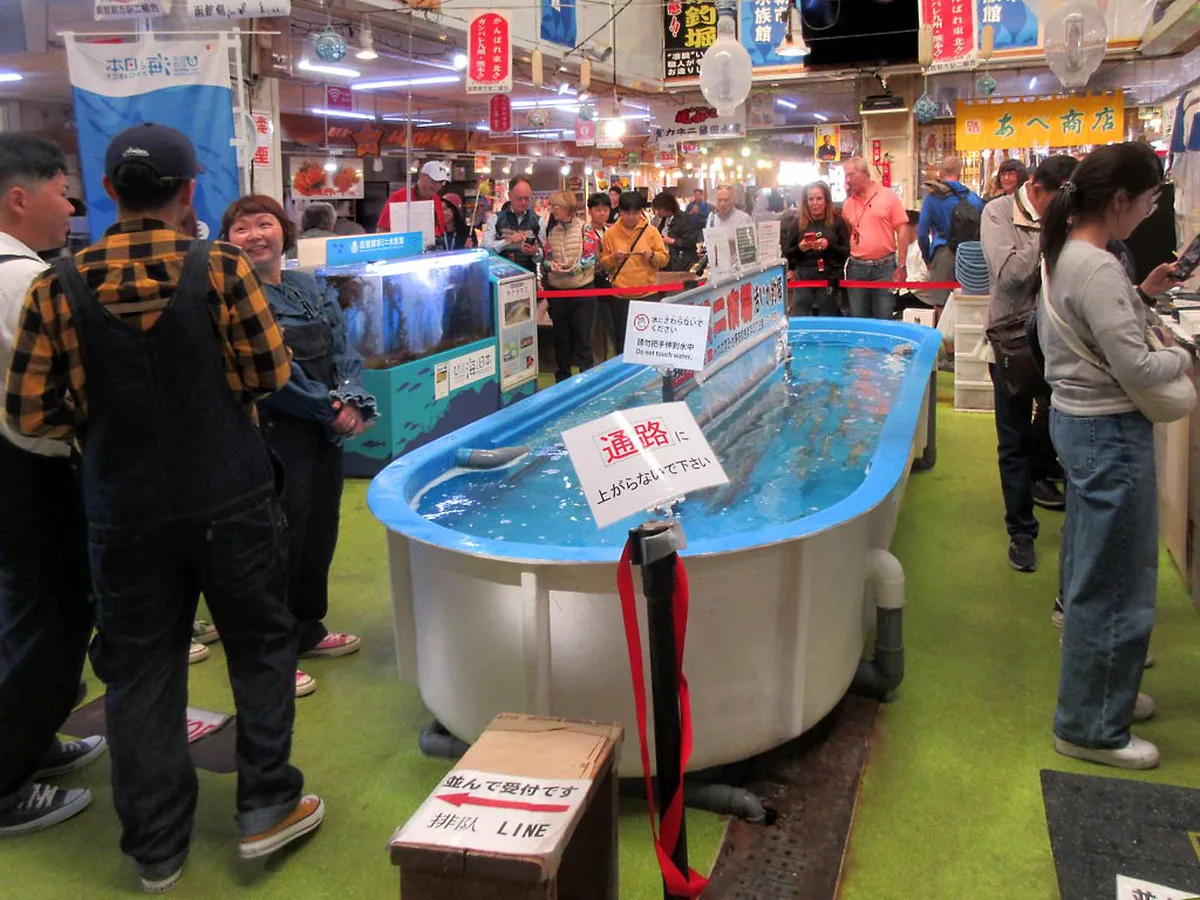
Starting your day at the Hakodate Asaichi is the single best introduction to the city. The market opens at 05:00 in summer (May to December) and 06:00 in winter, and runs until around 14:00. Over 250 stalls sell everything from live king crab and sea urchin to dried squid products, and the crowds peak around 09:00 — arriving before that ensures both fresher product and more space to move.
Hakodate carries the unofficial title of "Squid City," and the market reflects this in full. Look for ikameshi (squid stuffed with rice), shiokara (salted squid pickle), and surume (sun-dried squid) sold at stalls throughout the outdoor alleys. The live squid fishing pond in the Ekini Market Building lets you catch your own squid and have it sliced into sashimi on the spot for roughly ¥1,000 to ¥2,000, depending on the day's catch price.
For breakfast, the Donburi Yokocho alley inside the covered section is lined on both sides with restaurants dedicated to kaisendon — rice bowls piled with raw seafood. A bowl with sea urchin, salmon roe, and crab typically runs ¥1,500 to ¥3,500 and takes about 45 minutes including the wait. This is arguably the best-value meal in all of Hokkaido for the quality of ingredients involved.
If navigating the market feels overwhelming, a Hakodate Morning Market Tour with Tasting Options pairs a licensed guide with actual tastings at the best stalls. The market sits directly next to JR Hakodate Station and is the natural first stop on any itinerary. Check out our full the Hakodate Morning Market for specific stall recommendations and seasonal pricing.
The Donburi Yokocho alley inside the covered section serves kaisendon (seafood rice bowls) for ¥1,500–¥3,500 and is the best-value meal in Hokkaido for ingredient quality. Plan 45 minutes including the wait.
Mt. Hakodate Panoramic Views
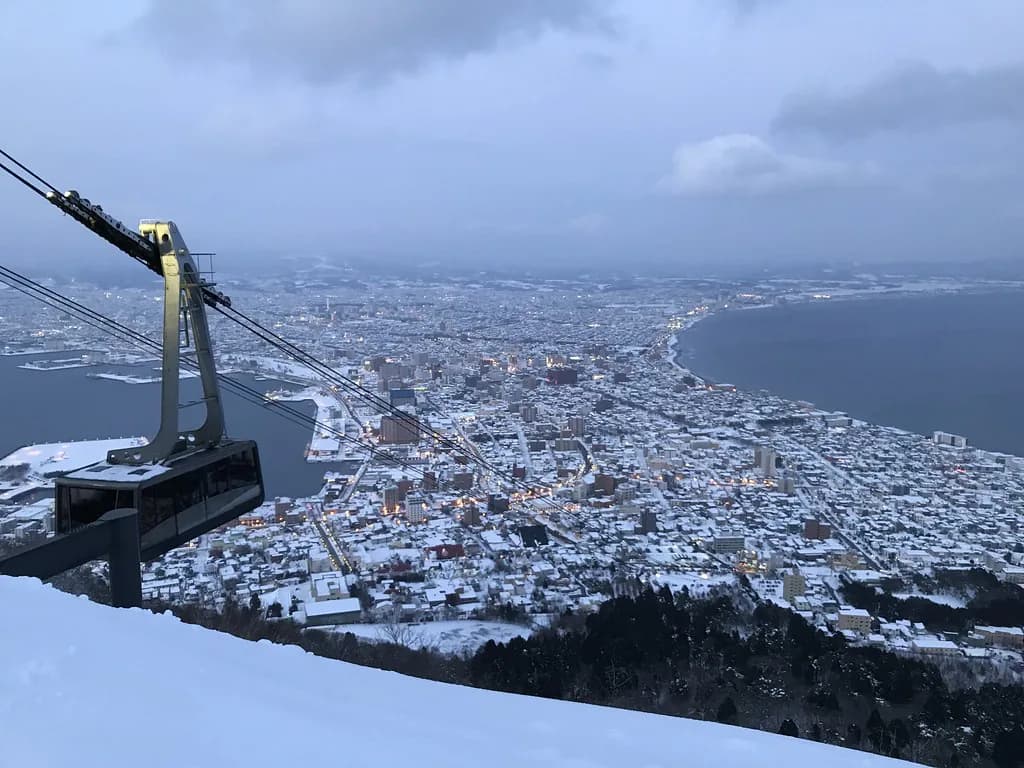
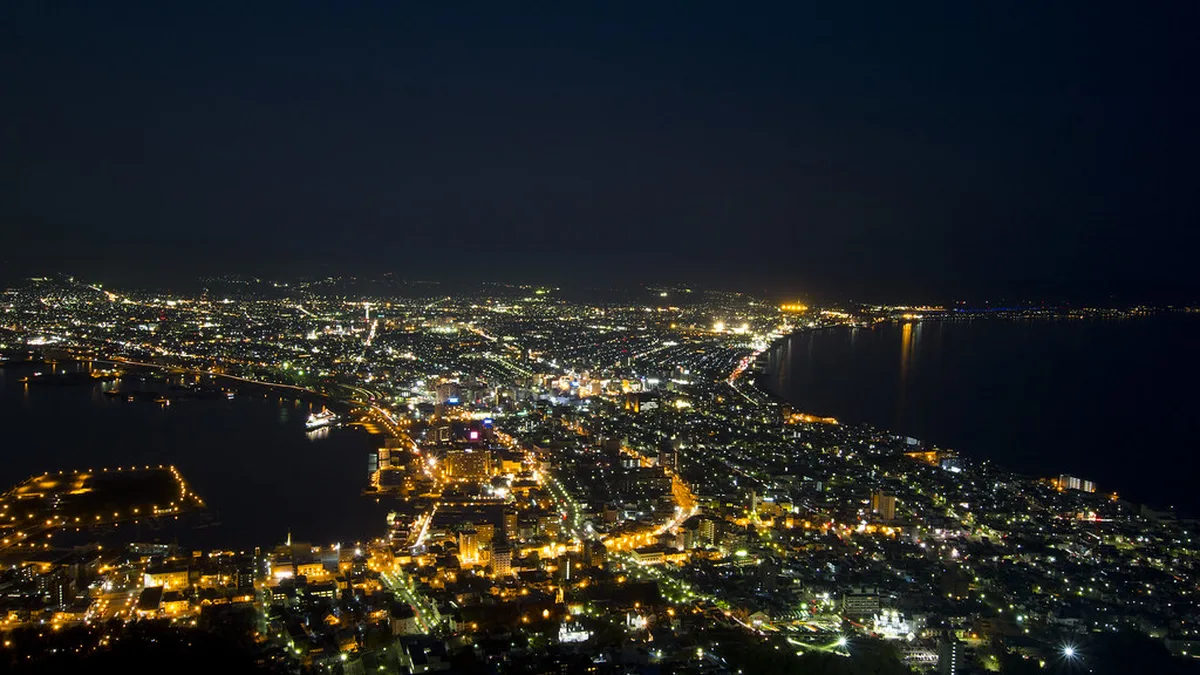
The night view from Mount Hakodate is ranked among Japan's top three alongside Nagasaki and Kobe. The mountain stands 334 metres at the southern end of the city, and the unique hourglass shape of the peninsula means you see two separate bays lit up simultaneously after dark — one on each side. That double-bay silhouette is what makes the view famous; no other viewpoint in Japan looks quite like it.
The Hakodateyama Ropeway departs from the Motomachi neighborhood and reaches the summit in three minutes. A round-trip ticket costs ¥1,800 for adults and ¥900 for children. Peak visitor timing is immediately after sunset, when queues for the return ropeway can stretch 30 to 45 minutes. A better strategy is to go up just before sunset, watch the sky change color, then wait at the summit cafe until the initial crowd thins out around 21:00.
Weather is the single biggest variable. Fog rolls in from the strait without much warning and can obscure the entire city in minutes. Check the live webcam at the lower ropeway station before purchasing tickets. If visibility is marginal in the morning, keep the evening slot flexible rather than booking the last cable car of the night. For full timing details and fog statistics by month, see our guide on the the Mount Hakodate night view.
Hikers can walk the mountain via several marked trails, with the main route from Motomachi taking roughly 60 minutes one way. The hike is best during daylight as the forested paths are unlit at night. Note the ropeway suspends service during high-wind periods, which is worth checking in autumn.
Wander Through Motomachi District
Motomachi is where Hakodate's history as an international trading port is most visible. After Japan ended two centuries of isolationism in 1854, Hakodate was one of the first two ports to open for foreign trade. The foreign merchants and diplomats who settled here built churches, consulates, and Western-style homes that are still standing along the hillside streets today.
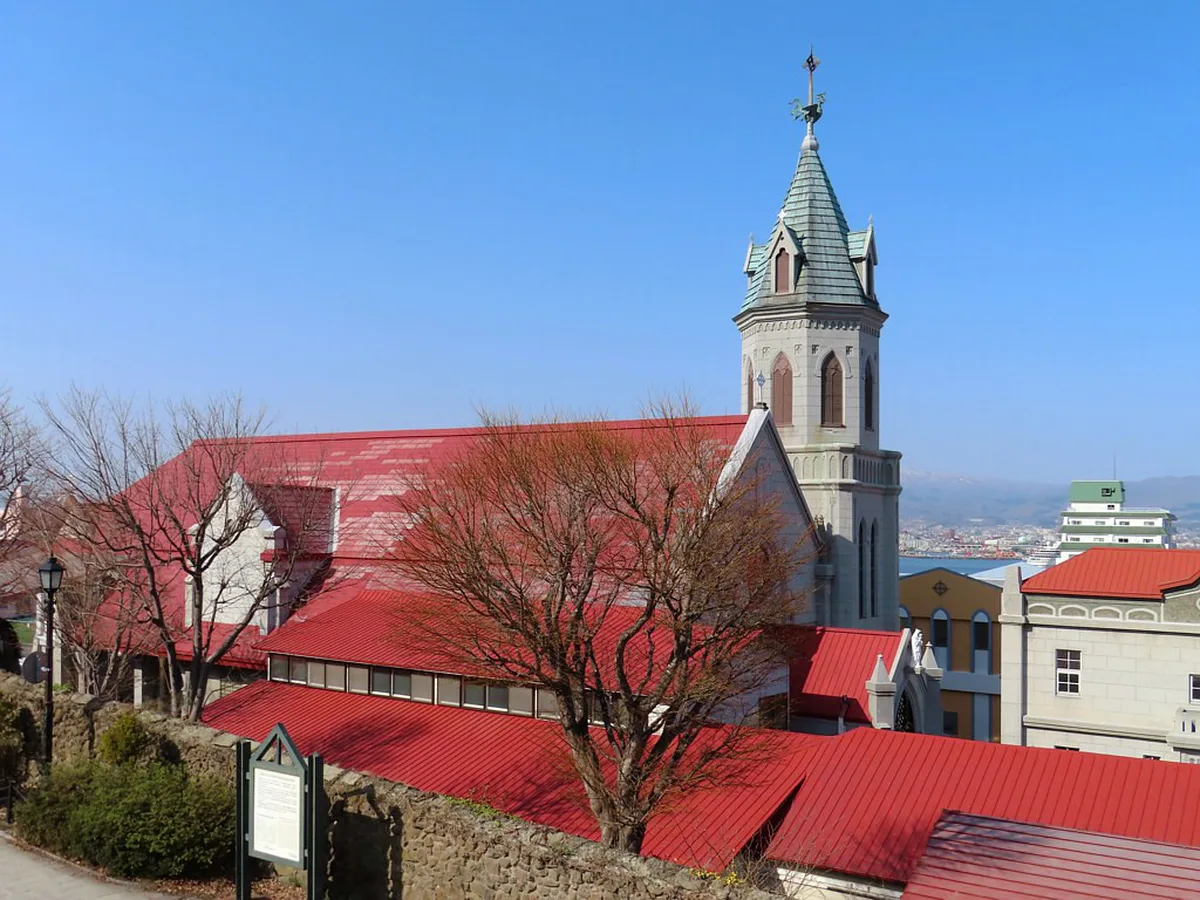
The most visited buildings are clustered within easy walking distance: the Russian Orthodox Church (Hakodate Orthodox Church, with its distinctive green domes), the Motomachi Roman Catholic Church, and the Old Public Hall of Hakodate Ward — a striking yellow-and-blue wooden hall where you can rent Victorian-era dresses for photos in the ballroom for a modest additional fee. Entry to the hall runs around ¥300 for adults.
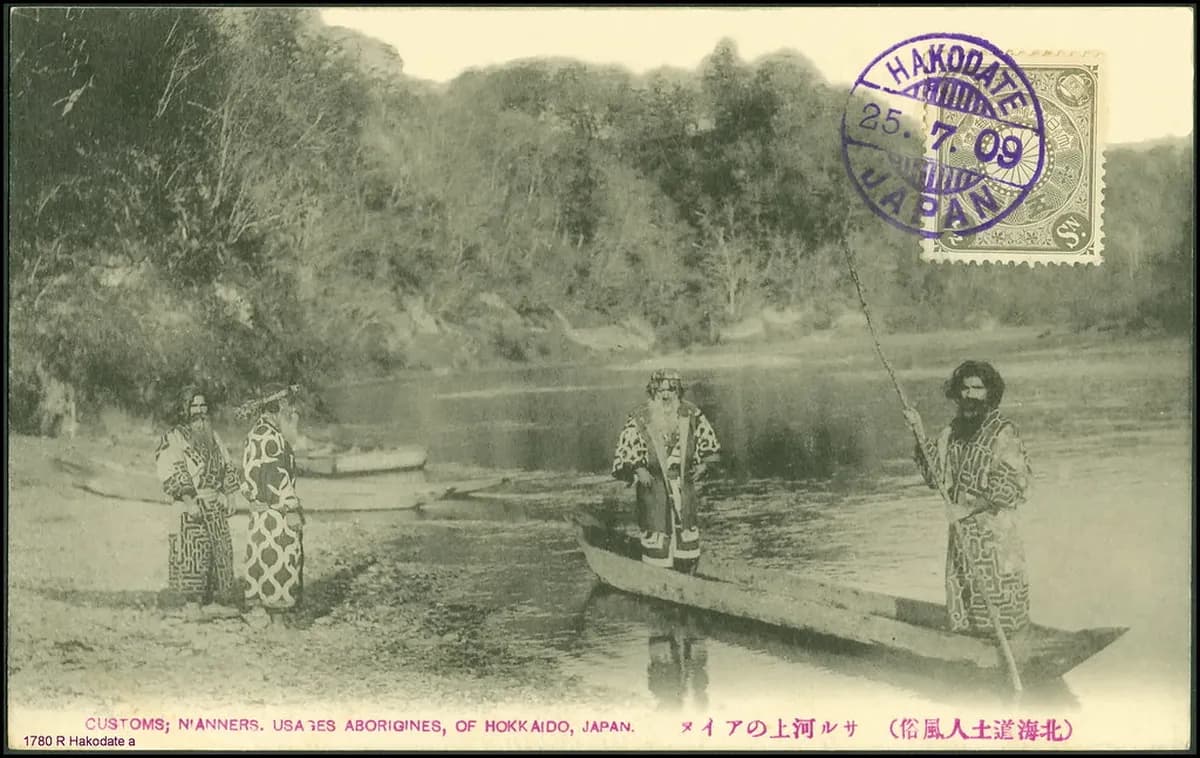
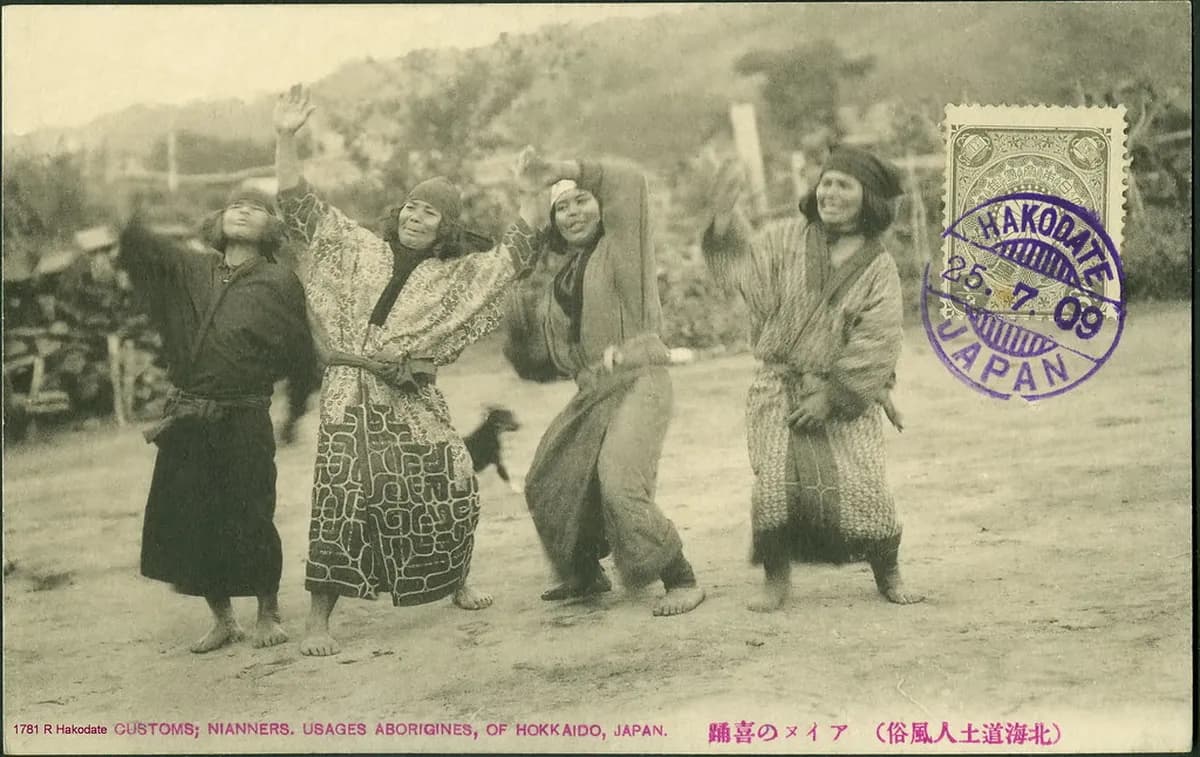
Walking up Hachiman-zaka, the steep tree-lined slope leading down to the harbor, is considered one of the most photogenic streets in Japan. The composition — stone steps, bare or leafy trees depending on the season, and a sliver of blue bay at the bottom — has appeared in countless travel campaigns. Visit during golden hour for the best light on the water. The Hakodate City Museum of Northern Peoples sits within this same district and is worth a one-hour stop to understand the Ainu cultural heritage of Hokkaido through well-preserved traditional clothing, tools, and household exhibits.
For a deeper architectural walkthrough, the Private 6 Hour Hakodate Historic Tour covers this neighborhood alongside the other main sights. Motomachi is reachable by tram to the Suehirocho or Jujigai stops, making it a natural afternoon activity before heading to the nearby ropeway for the night view.
Hachiman-zaka slope is most photogenic during golden hour (late afternoon/early evening). Wear comfortable shoes with good grip — the stone steps are steep and can be slippery when wet.
Kanemori Red Brick Warehouses and the Bay Area
A short walk downhill from Motomachi brings you to the Kanemori Red Brick Warehouses along Hakodate Bay. These late-19th-century shipping warehouses were converted into a shopping, dining, and entertainment complex while keeping their original brick facades intact. The Bay Area has a distinctly different atmosphere from the rest of the city — slower-paced, waterfront, and particularly atmospheric after dark when the buildings are illuminated and reflect off the harbor.
The complex holds boutique shops selling locally produced goods: Hakodate glass decorations, leather goods, music boxes, and wool products from Hokkaido farms. There are also several cafes and a beer hall if you want to sit down and take in the waterfront. The area is also where you will find Lucky Pierrot, the Hakodate-only burger chain that draws long queues at lunchtime. The Bay Area branches typically see shorter waits than the central locations during peak hours.
The warehouses are open from 10:00 to 19:00 daily. The surrounding bay promenade is freely accessible at all hours. In winter, the area runs the Hakodate Christmas Fantasy event from late November through December, filling the waterfront with illuminations and a large Christmas tree visible from the water. This is one of the best-known seasonal events in southern Hokkaido and draws significant visitor numbers, so accommodation books out well in advance if you are planning a December trip.
Goryokaku Park & Tower
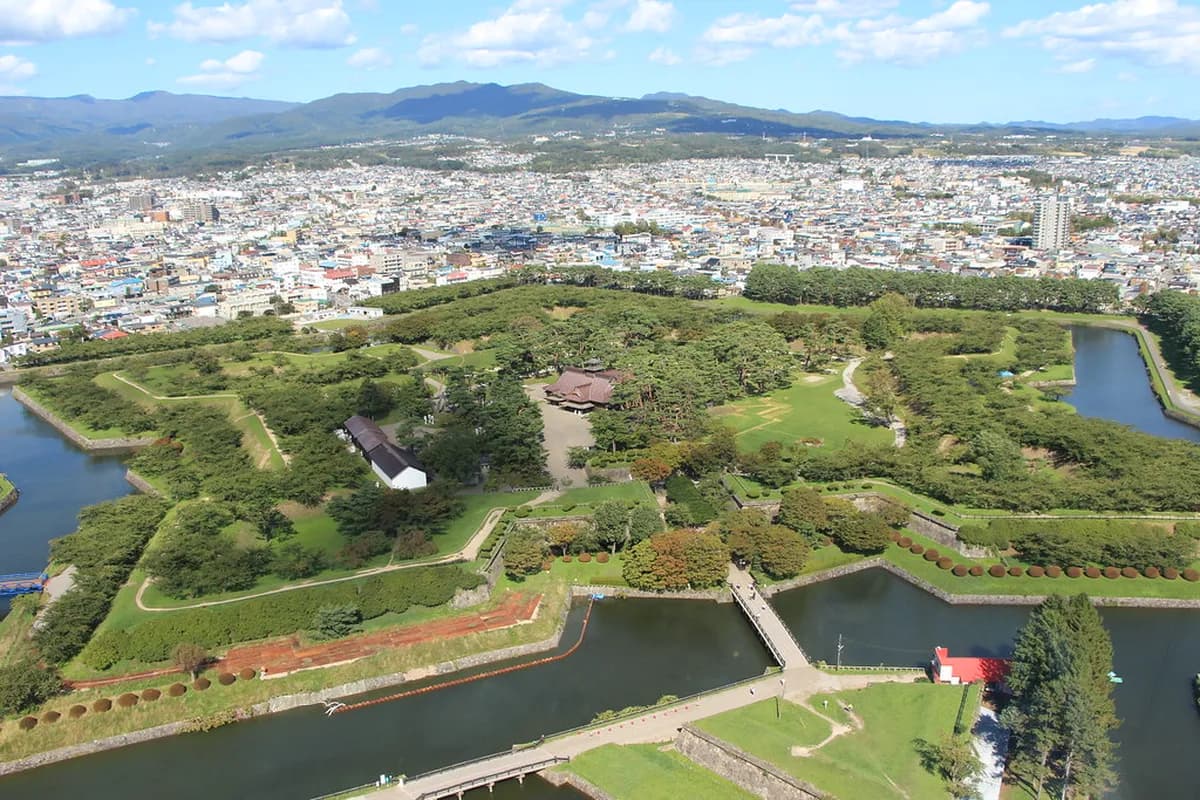
Goryokaku is a five-pointed star-shaped fort completed in 1864, designed by French military architect Vauban's methods and built to defend Hakodate against the threat of Russian naval incursion. It ended up being used only once in conflict, during the Boshin War of 1868–1869, the final battle between samurai loyalists and the new imperial government. Today the fortifications are a public park and the moat surrounds over 1,600 cherry trees, making this one of Hokkaido's most celebrated hanami (blossom-viewing) spots each April and early May.
The star shape is invisible from ground level — you need elevation to see it. That is where Goryokaku Tower comes in. The 107-metre tower offers a 360-degree view that takes in the fort's geometry, Hakodate Bay, and the distant Yokotsu mountains. A standard adult ticket costs ¥1,000, and the tower includes an exhibition space covering the fort's feudal history with detailed miniature displays. The park itself has free admission and is open April to October from 05:00 to 19:00, November to March from 05:00 to 18:00.
Inside the grounds, the reconstructed Former Magistrate's Office is worth a separate visit (¥500 entry). The building was rebuilt using Edo-period techniques and materials, and the interiors give a clear picture of how Hokkaido's administration functioned during the samurai era. Budget about two hours total for the tower, the office, and a walk along the cherry-tree moat perimeter. In winter, the moat is illuminated with thousands of lanterns for the Hoshi-no-Yume event each December. Read our Goryokaku fort and tower for the best photo positions and a breakdown of the Boshin War history.
Yunokawa Onsen and the Tropical Botanical Garden
Yunokawa is a coastal onsen district at the eastern end of the city tram line — the final stop on tram line 2. It has been a hot spring destination since at least 1653, which makes it one of the oldest onsen areas in Hokkaido. The waters are chloride-rich, traditionally believed to ease fatigue and improve circulation. Most ryokans and hotels here offer day-use bathing for visitors who are not staying overnight, which is a practical option if you want the full onsen experience without changing accommodation.
The Hakodate Tropical Botanical Garden sits directly within the Yunokawa district and is genuinely surprising — a year-round greenhouse holding around 3,000 tropical and subtropical plants across 300 species, kept warm regardless of the Hokkaido winter outside. The main draw from December to May is the Japanese macaque (snow monkey) enclosure, where you can watch the monkeys soaking in their own hot spring baths. You can purchase food to feed them. The outdoor playground area makes this one of the more family-friendly stops on the Hakodate itinerary.
Combining Yunokawa Onsen and the Botanical Garden into a half-day works well: take the tram to the end of line 2, visit the garden in the morning, then move to one of the ryokans for a mid-afternoon soak before returning to the city center. The tram ride from Hakodate Station takes roughly 35 minutes and costs around ¥260 single, or is covered by the day pass.
Onuma Quasi-National Park
Onuma Park sits about 30 kilometres north of the city and is the easiest full-day natural escape from Hakodate. The park centers on three interconnected lakes — Onuma, Konuma, and Junsai — formed by historic eruptions of the still-active Mount Komagatake volcano, which looms photogenically over the water on clear days. The Limited Express Hokuto reaches Onumakoen Station in about 20 minutes from Hakodate Station, and a JR Pass covers this leg entirely.
The most popular way to explore the park is on foot across the network of bridges connecting the lake islands. The main island loop takes 20 to 30 minutes at a gentle pace. Renting a bicycle at the station is the better option if you want to cover the full lake perimeter, which takes 60 to 90 minutes and is almost entirely flat. In winter, the frozen lakes host ice fishing for wakasagi (pond smelt), and local vendors drill the holes and lend you gear — they also fry your catch on the spot.
A small town adjacent to the park offers cafes and restaurants, making it easy to extend the visit into a relaxed lunch before returning to the city. Late autumn (mid-October to early November) delivers vivid foliage that frames the volcano particularly well. Check our a day trip to Onuma Park guide for train schedules, bike rental locations, and the seasonal activity calendar.
Getting Around Hakodate: The Tram as Your Day Route
Hakodate's city tram system has been running for over a century and is the practical backbone of any car-free visit. Two lines operate — line 2 and line 5 — which share the same track from Yunokawa in the east to Jujigai in the city center, where they diverge. Line 5 continues toward Hakodate Dock (near the Bay Area warehouses), while line 2 turns to Yachiagashira near the base of the mountain. A day pass costs ¥600 in 2026 and pays for itself after three rides.
The key insight for routing is that every major attraction in this guide connects to the tram. Yunokawa Onsen and the Botanical Garden are at the eastern end of line 2. The Morning Market is a five-minute walk from Hakodate Station (a tram stop on both lines). Motomachi and the ropeway base are near Suehirocho or Jujigai. The Kanemori warehouses are closest to the Jujigai and Hakodate Dock stops on line 5. Goryokaku requires a short walk from the Goryokaku-Koen-Mae stop on both lines.
First-time tram users should note that payment happens when you exit, not when you board. Take a numbered ticket from the machine at the door as you get on; the fare display inside the car shows your total based on your boarding stop number. Drop the ticket and exact change into the box by the driver's cab when exiting. Most drivers will help if you look confused, and the entire system is signposted in English at major stops. The tram is also genuinely enjoyable as a slow-travel experience through the city's older commercial streets.
Hakodate Food: Shio Ramen, Squid, and Lucky Pierrot
Hakodate has a short list of foods that are genuinely difficult to find elsewhere in Japan. Shio ramen — salt-based ramen with a pale, clear broth and thin noodles — is the city's signature bowl. The style is lighter than the tonkotsu or miso broths dominant in other parts of Hokkaido, and the best shops cluster near Goryokaku and the station area. Budget ¥800 to ¥1,200 per bowl.
Lucky Pierrot is a local burger chain that operates 17 branches exclusively within the Hakodate area and has been running since 1987. Each location has a different theatrical interior theme — space, cowboy western, Art Nouveau — and long queues are standard at the busiest branches near Motomachi. The signature item is the Chinese Chicken Burger: fried chicken in a sweet sauce on a soft bun. It is genuinely good and worth the wait, but set realistic expectations — this is fast food with strong local identity, not a high-end meal. The Bay Area branches see shorter lines at lunch than the hillside locations.
For a higher-end dining option, staying at or booking dinner at Hakodate Uminokaze in the Yunokawa district gives access to a seafood buffet drawing on local Hokkaido ingredients. Beyond squid, look for grilled scallops, Hokkaido milk ice cream, and corn — the prefecture's agricultural products fill gaps between the seafood-heavy meals. Consult our what to eat in Hakodate for a ranked list of ramen shops and kaisendon restaurants by price bracket.
Hakodate is compact enough to cover properly in two days and distinct enough from Sapporo to justify the journey. The morning market, the mountain view, Motomachi, Goryokaku, and the Bay Area form a coherent circuit that the tram connects without backtracking. Add Yunokawa or Onuma Park on a third day if you have flexibility. Start at the market early, end at the mountain at night, and let the tram handle everything in between.
Exploring More of Hokkaido
Hakodate is one stop on a bigger trip — plan more with our things to do in Hokkaido guide.
Going deeper on this theme? Our 9 Best Hakodate Festivals and Events for 2026-2027 guide covers it in detail, with the practical planning this page leaves out.
Frequently Asked Questions
What are the top things to do in Hakodate for first-time visitors?
First-time visitors should prioritize the Hakodate Morning Market for breakfast, Goryokaku Park for history, and the Mount Hakodate ropeway for night views. Exploring the Motomachi district on foot is also essential. For more planning help, see our 2-day Hakodate itinerary for a perfect three-day trip.
How much time should you plan for things to do in Hakodate?
Most travelers find that two full days are sufficient to see the city's main highlights. If you plan to take day trips to Onuma Park or nearby hot springs, consider staying for three days. This allows for a more relaxed pace while exploring the various neighborhoods.
Is Hakodate worth visiting in the winter?
Yes, Hakodate is beautiful in winter, especially during the Christmas Fantasy event in the Bay Area. The city is covered in snow, and the Goryokaku moat illumination is spectacular. Be sure to pack warm layers and shoes with good grip for the icy slopes.
Explore More Hakodate Guides
Plan every part of your Hakodate trip — from the Mount Hakodate night view and Asaichi morning market to Goryokaku, day trips to Onuma, and pairing the city with Sapporo as a Hokkaido duo.
Attractions & Experiences
Food & Markets
Itineraries & Day Trips
- 2-Day Hakodate Itinerary
- how long to spend in Hakodate
- best Hakodate day trips
- a day trip to Onuma Park
Where to Stay
When to Go & Getting There
Plan Your Japan Trip
South across the strait, Aomori is the Tohoku gateway, an hour away by Shinkansen.
Nearby destinations worth pairing with a Hakodate trip: Sapporo.
For ticket prices, opening hours and visitor details on each sight, browse our Hakodate attractions hub.
Free: The Hakodate Essentials guide
Top things to do, where to stay, a perfect day plan, getting around, and the best time to go — a Hakodate mini-guide you can take offline.
You might also like


Continue reading
More guides you'll find useful