10 Best Hakodate Hotels for Every Traveler (2026)
Discover the best hakodate hotels for 2026. From luxury onsen ryokans in Yunokawa to budget stays near the station, find your perfect base in Hokkaido.
On this page
Hakodate is one of the few Japanese cities where your choice of neighborhood genuinely changes the trip you'll have. Stay near the station and you're a short walk from the morning market and tram connections everywhere. Stay in Yunokawa and you're sleeping above a sodium-calcium-chloride hot spring with a sea view. Stay in Motomachi and you're surrounded by 19th-century Western-style buildings on a quiet hill. None of these is the wrong answer — they're just different trips.
This guide breaks down the best hakodate hotels by area so you can match your lodging to your priorities. You can find a detailed breakdown of how many days to spend here to help plan your lodging duration. Hakodate's tram network (Line 2 runs the full Yunokawa–Station–Bay spine) means no area is truly inconvenient — the question is how you want to start and end each day.
Yunokawa Onsen: What You Need to Know
Yunokawa Onsen is one of the top three hot spring districts in Hokkaido, and the only one in Japan with a botanical garden where wild macaques soak in the springs — a sight that runs from November through April when the water is warm enough to draw them in. The area traces its origins to 1653, when the ninth lord of the Matsumae clan reportedly recovered from illness here, prompting his mother to consecrate the site. The name itself derives from the Ainu words for hot water and river.
What separates Yunokawa from other Hokkaido onsen is the water chemistry. The springs are classified as a strong saline type — high in sodium, calcium, and chloride. This mineral profile retains warmth on the skin long after you leave the bath and is said to help with joint pain and muscle fatigue. Practically speaking, it means you'll feel the heat more intensely than in a sulfur or bicarbonate spring, so sessions of 15–20 minutes are plenty before you cool down and re-enter.
The area sits about 30 minutes from Hakodate Station by tram and roughly 15 minutes from the airport. Most large hotels here run a free shuttle to the station at set morning and evening times. Book well in advance if you're visiting between November and February — crab season drives peak occupancy, and the top ryokans fill up three to six months ahead.
- Bourou Noguchi Hakodate — the most design-forward luxury option in Yunokawa. Four floors of suites with private indoor hot springs, panoramic city and port views, a rooftop public onsen, and a stone sauna (ganban-yoku). Rates run ¥60,000–¥130,000 per room including kaiseki dinner. Book the Modern floor for tatami rooms with stained-glass accents; the Suite floor for a two-story duplex. Reservations via Bourou Noguchi Hakodate.
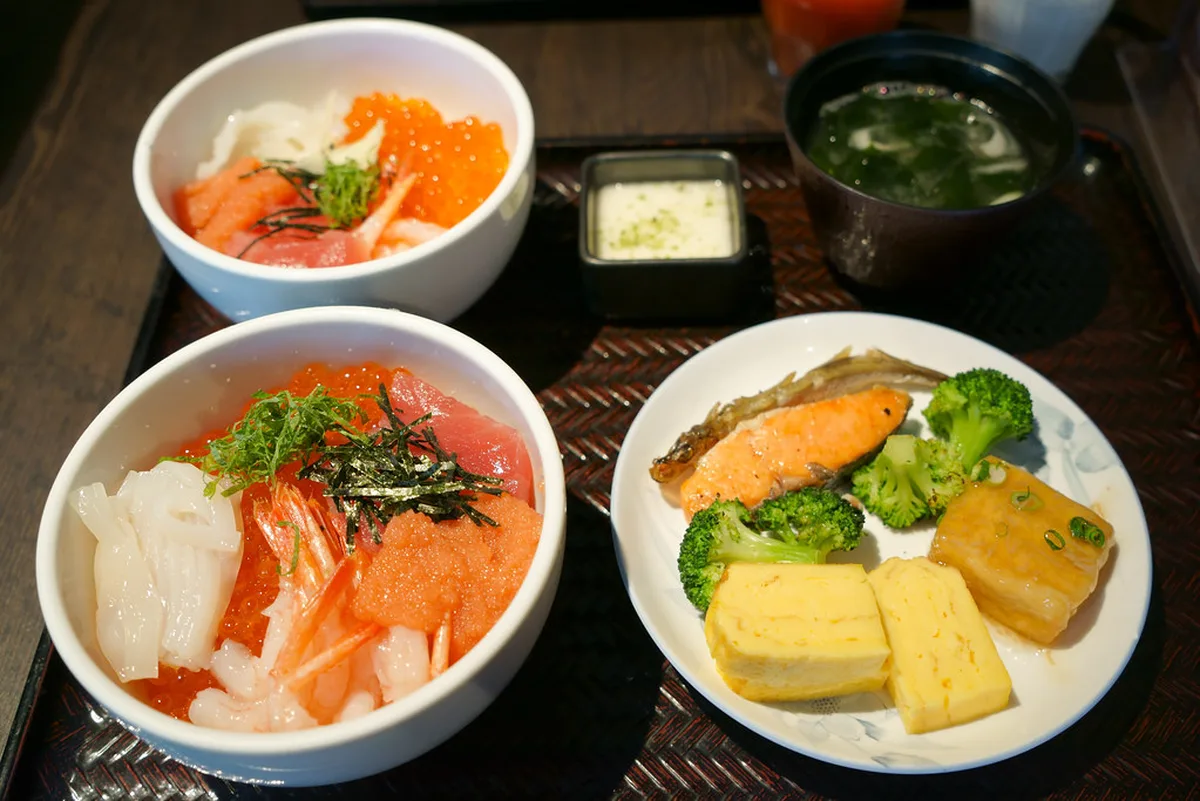
- Heiseikan Shiosaitei — traditional oceanfront ryokan with tatami rooms and private open-air baths overlooking the Tsugaru Strait. Their annex Hanatsuki has cypress-wood tubs. The dinner buffet — unlimited snow crab legs and fresh sashimi — is the main event.
- Umi to Akari Hewitt Resort — newer resort on the 12th floor above the water, with a buffet that is one of the largest in Hokkaido. Notable for its fully accessible barrier-free rooms with ocean or mountain views — genuinely rare in Japanese onsen hotels. Rates ¥25,000–¥50,000.
- Yunohama Hotel ($$$) — smaller and more intimate, rooms renovated in 2024, ceramic or cypress in-room baths with balcony sea views. From August to October the horizon glows with squid fishing boat lights — one of Hakodate's underrated visual experiences.
- Yunokawa Kanko Hotel Shoen — the most affordable ryokan experience in Yunokawa with private in-room open-air baths and rental onsen by the hour. Six karaoke rooms, table tennis, and mahjong make it a strong choice for families or groups. Ask about the seasonal all-you-can-eat crab deals.
- Hanabishi Hotel ($$$) — 131 rooms, four tattoo-friendly public baths in a garden setting (including rock, cypress, and ceramic), and deluxe rooms with temperature-controllable private baths accommodating up to five guests. Rates from ¥25,000 per room.
Yunokawa ryokan buffets — particularly Heiseikan Shiosaitei's unlimited snow crab and fresh sashimi spread — are a major draw during peak season. If breakfast quality is important to your overall stay experience, confirm the menu inclusions before booking; the difference between a basic buffet and a multi-course spread can dramatically affect your satisfaction.
Peak macaque season in Yunokawa runs November through April when the water stays warm enough to draw wild monkeys to the springs. This is also crab season, so book 3–6 months ahead if you want to coincide your stay with the botanical garden's furry soakers. Off-season visits (May–October) offer shorter wait times and lower rates, though you'll miss this unique wildlife spectacle.
Hakodate Station Area
For most first-time visitors, the station area is the most practical choice. You're within walking distance of the Hakodate Morning Market, where the fresh seafood sets up as early as 05:00 and winds down by 14:00. The tram stops directly outside the station, connecting you to Goryokaku, Motomachi, and Yunokawa without a transfer. Most hotels here are modern business-style properties: efficient, clean, and priced fairly.
One real advantage of this area that competitors understate is the tram access it gives you. The Line 2 tram departs from the station forecourt and is the most reliable way to reach Yunokawa in 30 minutes for about ¥260. Buses to the Mount Hakodate Ropeway base and Goryokaku Fort also depart here. If you're spending only one or two nights and want to move efficiently, station-area hotels eliminate all route-planning friction.
The main drawback is atmosphere — the immediate surroundings are commercial and busy, especially during the morning market rush. Rooms on higher floors minimize the noise from platforms and buses. For dinner, Daimon Yokocho is a 100-meter walk: a narrow alleyway of small izakaya that captures a grittier local vibe. Several hotels in this zone have added their own onsen floors in recent years, so you no longer need to travel to Yunokawa for a soak.
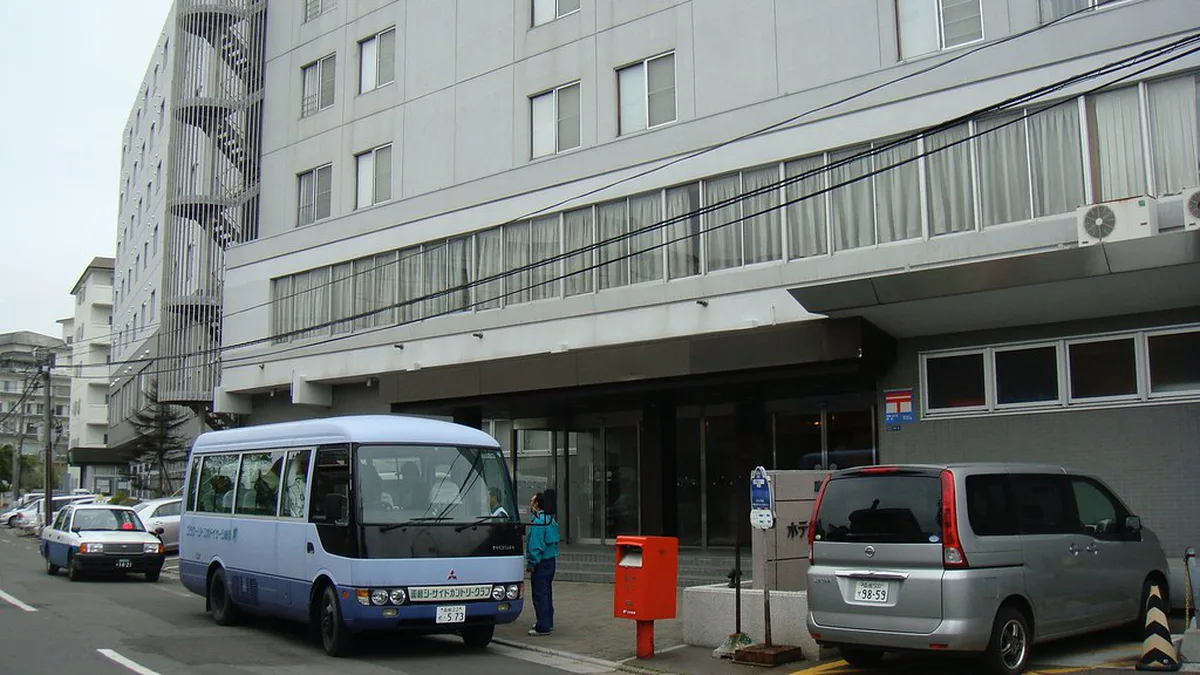
- La'gent Stay Hakodate Ekimae — directly adjacent to the station with a natural hot spring bath on site, themed room options, and a well-reviewed breakfast heavy on Hokkaido dairy and seafood. Rates ¥12,000–¥22,000.
- Tokyu Stay Hakodate Asaichi Akarinoyu — positioned on the edge of the morning market, in-room laundry, rooftop bath. Good for families staying more than three nights.
- Hakodate Kokusai Hotel — larger property near the Red Brick Warehouses with bay views and a top-floor outdoor hot spring bath. Award-winning breakfast buffet. Rates ¥14,000–¥36,000.
- FLEXSTAY INN Hakodate Station — three minutes on foot from the station, clean and compact, rates as low as ¥7,000–¥11,000. No on-site onsen, but several local public bathhouses are within 10 minutes on foot.
Motomachi Area
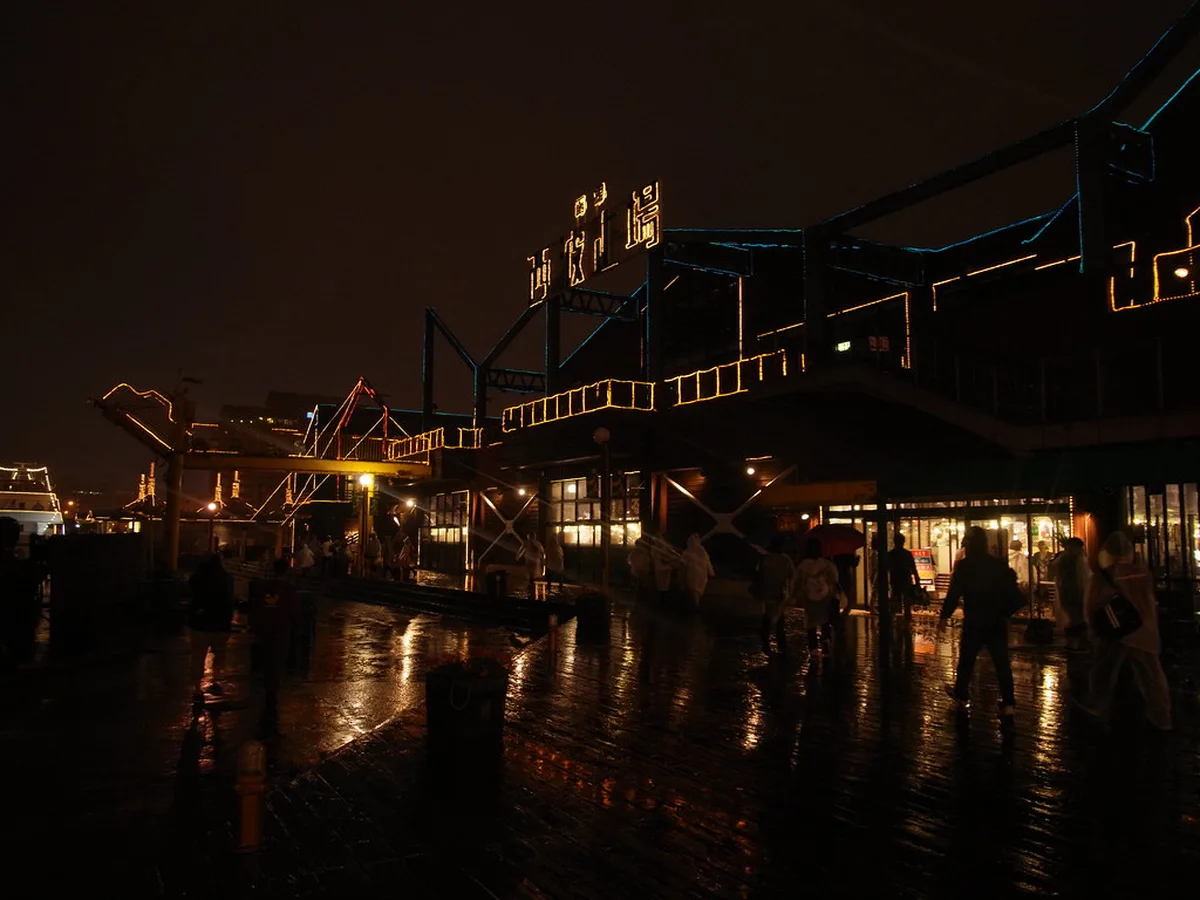
Motomachi is the most visually distinct part of Hakodate — a hillside neighborhood of Meiji-era Western-style buildings, Russian Orthodox churches, and old consulates that date to Hakodate's time as one of Japan's first open ports. The streets are quiet at night and the elevated position gives clear bay views, especially dramatic after dark when the city below is lit up. It is the most romantic and culturally dense area to stay in.
The Mount Hakodate Ropeway departs from the base of the hill, less than a 10-minute walk from most Motomachi hotels. That means you can walk to the summit gondola without booking a bus or taxi — a practical convenience that gets overlooked. The tram Line 5 runs through the lower edge of the neighborhood toward the station, though many of Motomachi's attractions are walkable from your hotel.
Accommodation here skews toward boutique hotels and guesthouses in preserved historic buildings. The trade-off is that options are limited compared to the station zone, and prices for premium properties are high. Book early for cherry blossom season (late April to early May) when the hillside streets are at their most photogenic.
- Hakodate Classic Hotels — the most atmospheric stay in Motomachi, occupying a beautifully preserved building close to the old consulates. Rates ¥19,000–¥32,000. The 10-minute uphill walk to the ropeway base is manageable without luggage.
- Villa Concordia Resort & Spa — luxury suites with bay views and a full-service spa. Rates are among the highest in Hakodate; best suited for couples celebrating a milestone.
- HakoBA Hakodate by THE SHARE HOTELS — mid-range, community-focused with modern shared spaces. Good for solo travelers who want social atmosphere without the anonymity of a business hotel.
- La Jolie Motomachi — small boutique hotel with personalized service and a prime position in the historic district. Popular with French and European visitors.
Goryokaku Area
Goryokaku sits in the middle of the city — north of the station, south of the airport — and is anchored by Japan's only star-shaped Western-style fort, built in 1866 and now a park. The area is quieter than the station zone and less boutique than Motomachi. It is the best base for travelers who want a central location without the morning-market crowds, or families who plan to spend time in the fort park over multiple days.
The Goryokaku Tower at the park entrance offers a bird's-eye view of the star-shaped moat — the most photographed angle takes about five minutes from any hotel in the neighborhood. Cherry blossom viewing in late April draws large crowds to the park; this is also the peak booking period for Goryokaku hotels, second only to November crab season.
- Hotel Hokke Club Hakodate — well-maintained mid-range option with easy access to both the fort and the city tram network.
- HOTEL MYSTAYS Hakodate Goryokaku — contemporary rooms close to the fort, good for travelers wanting a clean functional base near Hakodate's historical centerpiece.
- Route Inn Grantia Hakodate Goryokaku — budget-friendly with a public bath and on-site dining, the most accessible low-cost option in the Goryokaku district.
Tips for Booking Ryokan and Onsen Hotels in Hakodate
Most Yunokawa ryokans open bookings three to six months in advance and fill up quickly for the November–February crab season and the Golden Week period in early May. Book with a platform that offers free cancellation so you can secure the room now and adjust later. Sites like Booking.com and Agoda tend to have English-language cancellation policies that are easier to read than the Japanese-language ryokan direct sites.
If you want dinner included, confirm with the hotel directly after booking. Ryokans typically require meal notification at least 24–48 hours before arrival and often 72 hours in advance for special dietary requests. Things can get lost in translation when booked through third-party platforms, so a brief email or fax confirmation to the property is worth the effort.
Private onsen rooms (kashikiri-buro) are a separate consideration from regular onsen access. Some properties include a private bath in the room rate; others offer 45–60 minute rental sessions for ¥2,000–¥4,000 extra. Travelers with tattoos should book a private session or specifically choose a tattoo-friendly hotel like Hanabishi — many Yunokawa properties still restrict tattooed guests from public baths. Always confirm the policy by email before arrival rather than discovering it at check-in.
One thing no guide emphasizes enough: don't overbook activities on ryokan days. The check-in experience at a traditional inn typically includes a tea ceremony with wagashi sweets, a bath orientation, and meal preparation timing. Arriving at 15:00 and rushing out by 17:00 for a sightseeing tour means paying for an experience you won't actually have. Give yourself the evening.
How to Choose Between Areas: A Quick Decision Guide
The single most useful frame: what do you want your mornings to look like? Staying near the station means waking up to fresh sea urchin and crab at the morning market before the crowds arrive around 08:00. Staying in Yunokawa means waking up to a private onsen bath as the sun hits the Tsugaru Strait. Staying in Motomachi means walking to the ropeway in five minutes for a sunrise summit view. These experiences don't overlap easily in a single hotel choice.
- First-time visitors with 2 nights: station area. Maximize transport efficiency and see the city highlights on foot and tram.
- First-time visitors with 3+ nights: split the stay. Two nights at a Yunokawa ryokan, one night at a station-area hotel for the early morning market.
- Couples or anniversary trips: Motomachi boutique or Yunokawa luxury onsen ryokan. Both reward slower, atmospheric stays.
- Families with children: Goryokaku for the park and fort, or Yunokawa hotels with large rooms and entertainment facilities (Kanko Hotel Shoen's karaoke and game rooms stand out).
- Budget travelers: FLEXSTAY INN near the station or Route Inn Grantia Goryokaku. Both put you on the tram line with clean, simple rooms under ¥11,000 per night.
Keep in mind that Hakodate's tram day pass costs ¥1,000 (2026 rate) and covers unlimited rides on all lines for one day. If you plan to visit major Hakodate attractions spread across neighborhoods, the pass pays for itself immediately. You can buy it from the driver on first boarding.
| Area or Hotel | Best for | Vibe | Sample Price |
|---|---|---|---|
| Yunokawa Onsen | Luxury retreat, couples, macaque season | Peaceful, thermal, scenic coastline | ¥25,000–¥130,000 |
| Hakodate Station Area | First-time visitors, transport efficiency, early morning market | Busy, commercial, practical | ¥7,000–¥36,000 |
| Motomachi | Romance, cultural immersion, historic views | Quiet, elegant, photogenic | ¥19,000–¥32,000+ |
| Goryokaku Area | Families, quiet central base, fort park visits | Relaxed, mid-city, accessible | ¥10,000–¥20,000 |
Frequently Asked Questions
Which hakodate hotels options fit first-time visitors?
First-time visitors should prioritize hotels near Hakodate Station or the Bay Area for easy access to transport and markets. La'gent Stay and Hakodate Kokusai Hotel are excellent choices that balance convenience with high-quality amenities and local views.
How much time should you plan for hakodate hotels?
Plan for a two to three-night stay to fully experience the city's highlights and the Yunokawa Onsen district. This duration allows you to enjoy the night view, the morning market, and a relaxing day at a traditional hot spring inn.
Is Yunokawa Onsen worth it for a short itinerary?
Yes, Yunokawa is only 15 minutes from the airport and 30 minutes from the station by tram, making it very accessible. It offers a unique coastal hot spring experience that is rare in other parts of Japan, even for travelers on a tight schedule.
Selecting the right base among the many hakodate hotels will ensure your trip to this historic port city is both comfortable and efficient. From the luxury of Yunokawa's hot springs to the bustling convenience of the station area, there is a perfect match for every budget. Book at least three months in advance if you plan to visit during peak crab season (November–February) or Golden Week. Don't forget to check our 2-day Hakodate itinerary to help map out your days once your lodging is secured.
Free: The Hakodate Essentials guide
Top things to do, where to stay, a perfect day plan, getting around, and the best time to go — a Hakodate mini-guide you can take offline.
You might also like


Continue reading
More guides you'll find useful