

How Many Days In Hakodate: 8 Essential Planning Tips
Discover how many days in Hakodate you really need. Explore recommended itineraries for half-day, 1-day, and 2-day trips, including top sights like Goryokaku and Mount Hakodate.
On this page
The honest answer to how many days in Hakodate you need depends on what you want to see — and how far you are traveling to get there. Hakodate sits at the southern tip of Hokkaido, roughly four hours from Sapporo and just under five hours from Tokyo by Shinkansen. That travel investment shapes every decision about how long to stay. This guide maps out the realistic options: a tight half-day stopover, a full single-day visit, and the more rewarding two-night stay that locals recommend.
Updated for 2026, the itineraries below reflect current tram fares, ropeway ticket prices, and morning market hours. Whether you arrive by bullet train, domestic flight, or rental car, Hakodate rewards visitors who give it at least one overnight. The city's defining experience — the night view from Mount Hakodate — is impossible on a pure day trip from Sapporo, and the Morning Market's best stalls close well before noon.
How Many Days Do You Need in Hakodate?
A quick decision guide: if you are transiting between Sapporo and Tokyo, a half-day stopover covers the harbor and one major landmark. If you are flying into Hakodate Airport specifically, one full day is the practical minimum for the city's top three sights. If history, onsen, or leisurely seafood meals are your priority, two days is the sweet spot — and a third day unlocks Onuma Park.
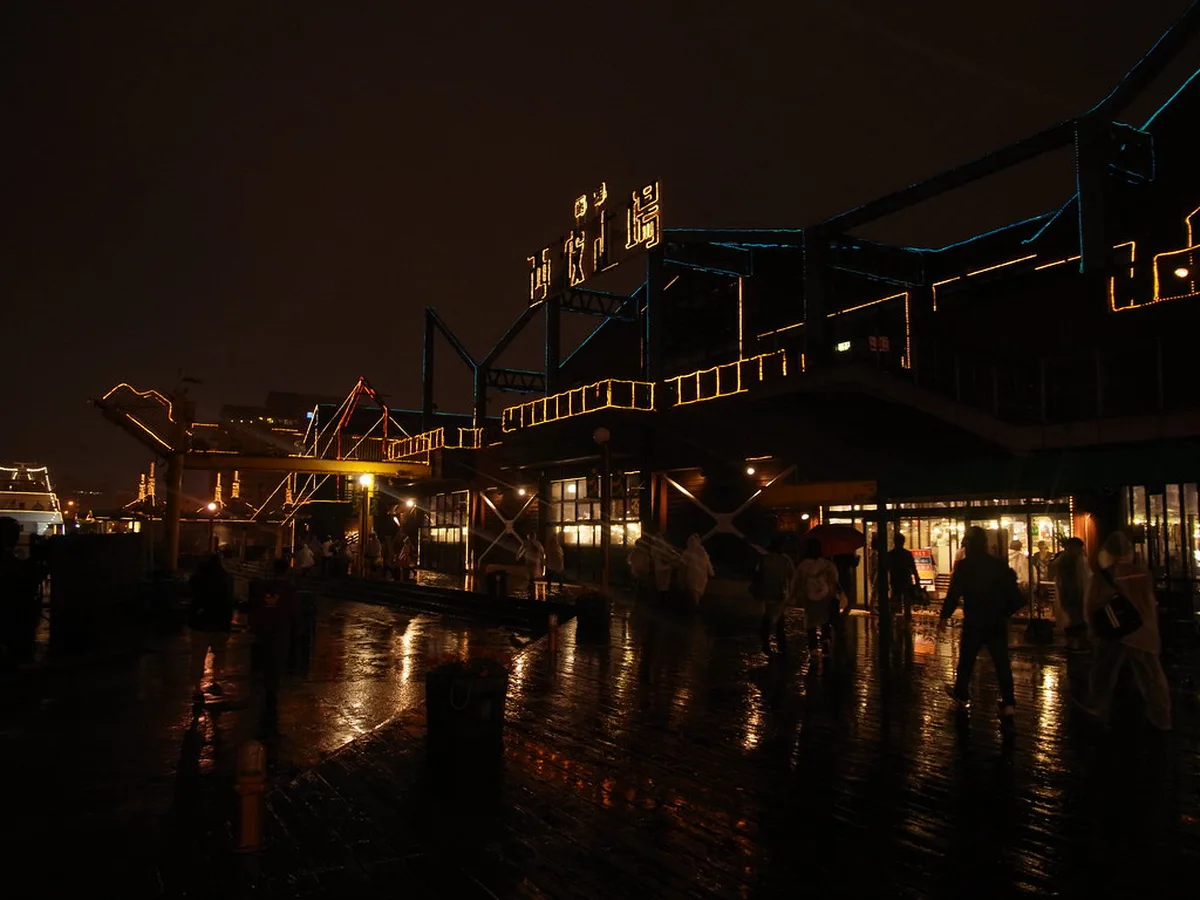
Most first-timers underestimate the city. Hakodate is Hokkaido's third-largest city, not a small village, and its attractions are spread across several distinct neighborhoods. The Motomachi historic district, Goryokaku Fort, Yunokawa Onsen, and the ropeway base station are all in different parts of town. The city tram connects them, but riding between areas takes 20–35 minutes per leg.
The table below summarizes each scenario at a glance.
- Half-day (4–5 hours): Morning Market + harbor walk or Mount Hakodate ropeway only — best for Shinkansen transit passengers with a scheduled onward train.
- 1 full day (8–10 hours): Morning Market, Motomachi district, Kanemori Warehouse, Mount Hakodate night view — covers the classic circuit.
- 2 days (best for most visitors): Everything in day 1, plus Goryokaku Fort, Trappistine Abbey, Lucky Pierrot, and Yunokawa Onsen at a relaxed pace.
- 3 days: Adds an Onuma Quasi-National Park day trip or Yunokawa Onsen ryokan morning, ideal for cherry blossom season (late April).
| Trip Length | What You Can Cover | Best For |
|---|---|---|
| Half-day (4–5 hours) | Morning Market + one landmark (harbor or Mount Hakodate) | Shinkansen transit passengers with a scheduled onward train |
| 1 full day | Morning Market, Motomachi, Kanemori Warehouse, Mount Hakodate night view | Visitors flying in or with a tight schedule |
| 2 days | Day 1 plus Goryokaku Fort, Trappistine Abbey, Lucky Pierrot, Yunokawa Onsen | Most first-time visitors; best value experience |
| 3 days | Everything above plus Onuma Quasi-National Park day trip | Cherry blossom season or leisurely travelers |
The Half-Day "Express" Itinerary
A half-day in Hakodate works if you are riding the Hokkaido Shinkansen through Shin-Hakodate-Hokuto and have a few hours to spare before your connecting train. The key is picking one side of the city and committing to it — do not attempt both Goryokaku and the ropeway in under five hours. Most transit visitors choose the harbor side: Morning Market, Motomachi slopes, and a quick look at the Kanemori Red Brick Warehouses.
Start at the Hakodate Morning Market by 08:00, when the seafood donburi stalls are at their freshest. Give yourself 60–90 minutes here — a uni-ikura bowl at Donburi Yokocho costs around ¥2,000–¥2,800 and is genuinely worth it. From the market, walk 15 minutes uphill into Motomachi and loop the churches (Russian Orthodox, Catholic Motomachi Church, Saint John Church) before descending to the warehouses. Budget two to three hours for this loop. You can be back at Hakodate Station with time to catch your train.
If you arrive in the afternoon instead of the morning, reverse the plan: take the tram to the ropeway base (Jujigai stop, then a short walk) and ride up Mount Hakodate at dusk. The ¥1,800 round-trip ticket is the one sight that genuinely cannot be replicated elsewhere in Hokkaido. The ropeway runs until 22:00 (last descent 21:50), so an afternoon arrival still makes it possible. Skip the Morning Market on this version — the stalls close by 14:00 at the latest.
Shinkansen to Hakodate means a 20-minute relay train transfer. Shin-Hakodate-Hokuto Station is 18 km outside the city; the JR Hakodate Line "Hakodate Liner" train takes you the rest of the way to central Hakodate Station. This connection is seamless on a Japan Rail Pass, but budget 40–45 minutes total for the transfer and walk time. Day-trippers from Sapporo lose this connection time from their sightseeing window — factor it in when planning a half-day stopover.
The Perfect 1-Day Hakodate Itinerary
One full day allows you to hit every icon on the classic Hakodate circuit if you move efficiently. The city tram is your main tool — buy the one-day pass (¥600) at Hakodate Station's tourist information desk, because you will take five or six rides and the pass pays for itself by the third. Single fares are ¥230 per trip regardless of distance.
Start at the Morning Market by 07:30. The "dancing squid" bowl at Ekini Ichiba is the most photographed item: squid caught from the live pond, served over rice, and its severed tentacles twitch when soy sauce is poured on (the reaction is a salt reflex, not pain — the squid is already dead). Some visitors find it unsettling; others consider it a Hakodate rite of passage. Expect to pay ¥2,500–¥3,500. By 09:30, board the tram toward Jujigai and walk up into the Motomachi district. Spend 90 minutes on the slopes: the view back over the harbor from the top of Hachimanaka-dori is one of the city's best free photo spots. Drop back down to the Kanemori Red Brick Warehouses for a coffee and a walk along the waterfront by noon.
Afternoon: take the tram or a ¥700 taxi to Goryokaku Tower (¥1,000 admission for adults). Spend 60–90 minutes in the park and tower before the evening rush. Get back to your accommodation to freshen up, then head to the Mount Hakodate Ropeway base by 19:30. Arrive 30–45 minutes before you want to ascend — queues at peak hours run 30–40 minutes. The view from 334 m elevation, with the city pinched between two bays lit like a jewel case, is the single image most people leave Hakodate with.
One day covers the classic circuit, but not the whole city. The 1-day plan hits Morning Market, Motomachi, Kanemori Warehouses, Goryokaku, and the Mount Hakodate night view. That is five major stops in 10–12 waking hours. Trappistine Abbey, Lucky Pierrot lunch, Yunokawa Onsen, and leisurely meals are the first things to drop if you are pressed for time. Two days lets you do all of them without rushing.
The 2-Day "Slow Travel" Experience
Two days in Hakodate is the configuration most returning visitors wish they had done on their first trip. Day one follows the 1-day plan above. Day two frees you from the clock and opens the neighborhoods that casual visitors miss. Start the morning at Goryokaku Park when the gates open at 05:00 (the park is free and always open; only the tower charges admission). Early morning is particularly special: local joggers lap the moat, the cherry blossom trees or autumn maples are at their best light, and tour buses haven't arrived yet.
Mid-morning: take Bus 96 from Goryokaku Koen-mae tram stop toward the Trappistine Abbey (函館トラピスチヌ修道院). The ride takes about 20 minutes (¥250) and drops you a short walk from the convent grounds. Founded in 1898, this is Japan's first women's Trappist convent — the red brick chapel and formal French garden are open to the public (free entry to the grounds; a small gift shop sells handmade butter and sweets). Most visitors spend 30–40 minutes here. It is a calm, unhurried contrast to the busy harbor area, and genuinely off the radar for international visitors.
Afternoon: return to central Hakodate and give yourself a proper lunch at one of the city's lucky Pierrot restaurants. Hakodate's Lucky Pierrot chain has 17 branches and operates nowhere else in Japan. Every location has its own theatrical theme — one branch near the Kanemori Warehouses is decorated like a vintage carousel, another near Goryokaku uses cowboy Americana. The Chinese Chicken Burger (チャイニーズチキンバーガー) is their best-seller at around ¥450. Budget travelers especially appreciate it: it costs less than a coffee at most tourist cafes and represents a genuine piece of Hakodate identity that no other Japanese city can offer. End day two with a soak at Yunokawa Onsen if your accommodation is in that district, or with yakitori and salt ramen at Daimon Yokocho's atmospheric alleyway stalls near the station.
Essential Hakodate Attractions to Prioritize
Mount Hakodate and the Ropeway sit at the top of every itinerary for good reason. Hakodate is one of the three "Great Night Views of Japan" alongside Nagasaki and Kobe, and the mountain view is its most famous asset. The ropeway (¥1,800 round-trip adults, ¥900 children) runs every 15 minutes and takes three minutes to reach the summit observatory at 334 m. Check the mountain's live webcam before you go — the view closes entirely in fog, which is common in spring and autumn. Clear nights in winter often produce the sharpest views.
Goryokaku Fort is the second unmissable attraction. Built in 1864 as Japan's first Western-style star-shaped fortification, the grounds are free to enter. Goryokaku Tower costs ¥1,000 and houses a detailed museum about the Boshin War's final battle. During late April cherry blossom season, the park becomes one of Hokkaido's most photographed places — over 1,500 trees bloom inside the star-shaped moat. Arrive before 10:00 on weekends in April to beat tour group traffic.
Motomachi Historic District is Hakodate's most distinctive neighborhood, shaped by the port's role as one of Japan's first internationally open harbors after 1854. Western consular buildings, Russian Orthodox domes, and Catholic church spires cluster on a hillside above the harbor — you will not see this blend of Russian, Chinese, and American-influenced architecture anywhere else in Japan. The walk from the harbor up through the churches and down Minatogoaka Street (famous for Hokkaido soft-serve ice cream) takes 60–90 minutes and is entirely free.
The Kanemori Red Brick Warehouses (built 1909) are now a waterfront shopping and dining complex. They work best as an afternoon or post-dinner stroll rather than a primary destination — two hours is plenty. Look for handmade glassware shops, the Petit Merveille bakery, and a good soup curry restaurant in the southern warehouse block.
Getting to Hakodate: Shinkansen Transfer Logistics
The biggest traveler confusion around Hakodate is the Shinkansen arrival. The Hokkaido Shinkansen stops at Shin-Hakodate-Hokuto Station — not Hakodate Station. These are two different stations 18 km apart. From Shin-Hakodate-Hokuto you must board the JR Hakodate Line "Hakodate Liner" relay train for a further 20–22 minutes to reach central Hakodate Station. This connection is seamless on a Japan Rail Pass (the relay train is JR-covered), but the total journey from Tokyo is closer to 4 hours 45 minutes door-to-central-station, not the 4 hours that bullet train schedules suggest.
If you are doing a tight half-day stopover from Tokyo, factor in this relay leg in both directions. You lose 40–45 minutes of city time compared to what your Shinkansen ticket alone implies. For those arriving from Sapporo, the Limited Express Hokuto takes about 3 hours 30 minutes direct to Hakodate Station — no relay needed, and often the cheaper option if you hold a Hokkaido rail pass rather than a full JR Pass.
Hakodate Airport is the alternative for travelers who prefer flying. Airport buses run to Hakodate Station in 20 minutes and cost ¥410 per adult (¥210 children). Domestic flights from Sapporo (New Chitose Airport) take 35 minutes and can be competitive with the train when booked in advance. Car rental counters are available at the airport for those planning a wider Hokkaido road trip — the city is a natural starting point for a self-drive loop north through Onuma and Noboribetsu.
Is Hakodate Worth an Overnight Stay?
Yes — strongly. The night view from Mount Hakodate is the experience that defines the city, and day-trippers from Sapporo almost always arrive too late to catch the best light. The four-hour train ride each way from Sapporo means you are spending eight hours traveling for a three-to-four-hour window in the city. By the time most day-trippers arrive, the Morning Market's best stalls are already closing. Staying overnight flips the economics: you get an early morning market visit at its peak, a full day of sightseeing, and the evening ropeway experience without a train deadline.
The area around Hakodate Station is the most practical base for first-timers — walking distance to the Morning Market and quick tram access to everywhere else. The Toyoko Inn Hakodate sits a five-minute walk from the station and fills quickly on weekends — book three to six months ahead for spring or summer travel. For a more immersive stay, the Yunokawa Onsen district (15 minutes by tram from the station) offers ryokan with private hot springs and ocean views; day-use onsen passes start at ¥500–¥1,250 at several hotels for those not staying overnight.
Add an Extra Day: Onuma Park Day-Trip
If you have a third day, Onuma Quasi-National Park is the natural extension. The park sits only 30 minutes from Hakodate Station by the JR Hakodate Line express (¥580 one-way). The main draw is the view of volcanic Mount Komagatake reflected in a network of island-dotted lakes. Renting a bicycle at the park entrance (around ¥1,000 per hour) and looping the lakeside path is the classic activity — the full circuit takes about 90 minutes. Boat tours run April through October for ¥1,320 per adult and last 30 minutes.
Onuma also works as a logical waypoint if you are traveling north to Sapporo. Break the Sapporo journey with a two-hour stop at the park before continuing by train. Check the Onuma Park day-trip guide for seasonal details and transport timings. The getting from Sapporo to Hakodate article covers the full train schedule if you are routing this as a multi-city Hokkaido itinerary.
Frequently Asked Questions
How many days in Hakodate are enough for first-timers?
Two days are ideal for most first-time visitors. This timeframe allows you to see Goryokaku, the Morning Market, and the night view without rushing. You will also have time to enjoy local meals at Lucky Pierrot.
Can I do a day trip from Sapporo to Hakodate?
It is possible but very exhausting due to the four-hour train ride. You would spend eight hours traveling for just a few hours of sightseeing. An overnight stay is much more rewarding for travelers.
Is the Hakodate tram pass worth buying?
Yes, the one-day tram pass pays for itself after three rides. Most major sights like Motomachi and Goryokaku are located near tram stops. You can purchase these passes easily at the station information center.
Hakodate is a city that rewards those who slow down and explore its slopes. While you can see the basics in a day, two days provide a much better experience. The key logistics detail to remember: the Shinkansen drops you at Shin-Hakodate-Hokuto, not the city center — factor in the 20-minute relay train when planning your schedule. Don't forget to check the Hakodate Airport Official Site for flight and bus schedules if you are arriving by air.
Free: The Hakodate Essentials guide
Top things to do, where to stay, a perfect day plan, getting around, and the best time to go — a Hakodate mini-guide you can take offline.
You might also like


Continue reading
More guides you'll find useful


