

Onuma Park Travel Guide: 1-Day Nature Itinerary
Plan your Onuma Park trip with our 1-day itinerary. Discover walking trails, hot springs, and booking tips for a smooth Hakodate day trip.
On this page
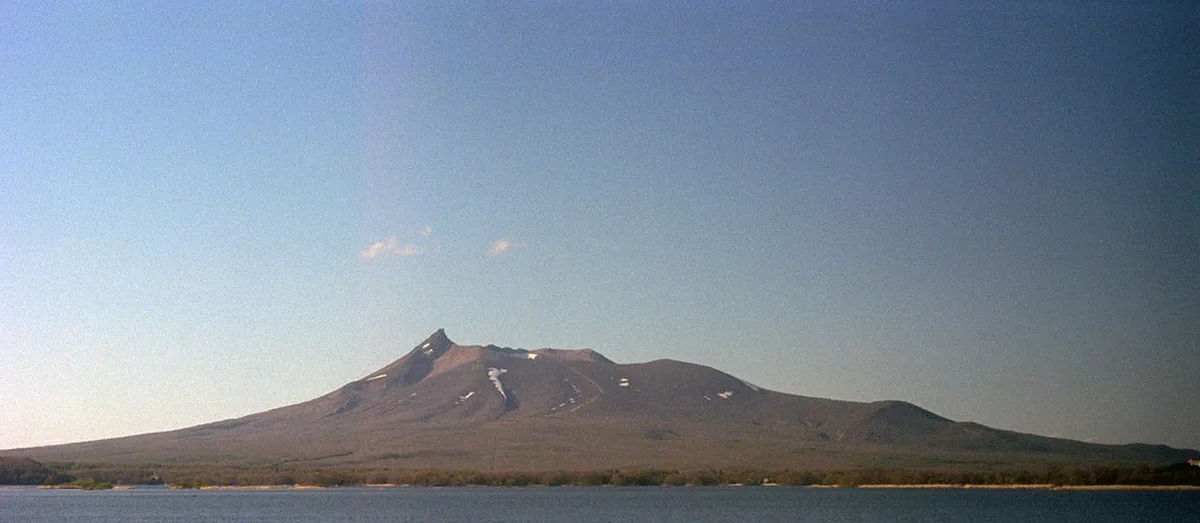
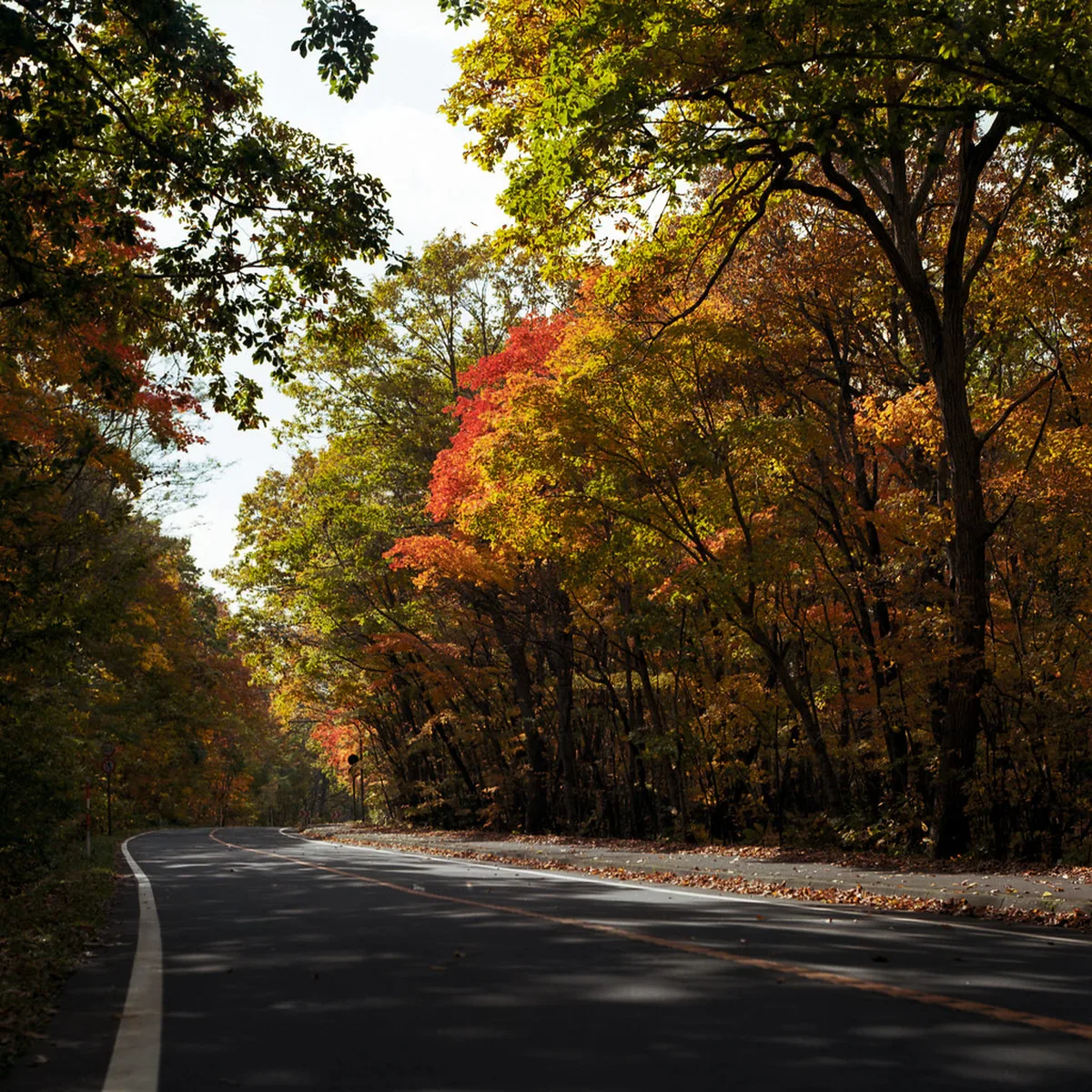
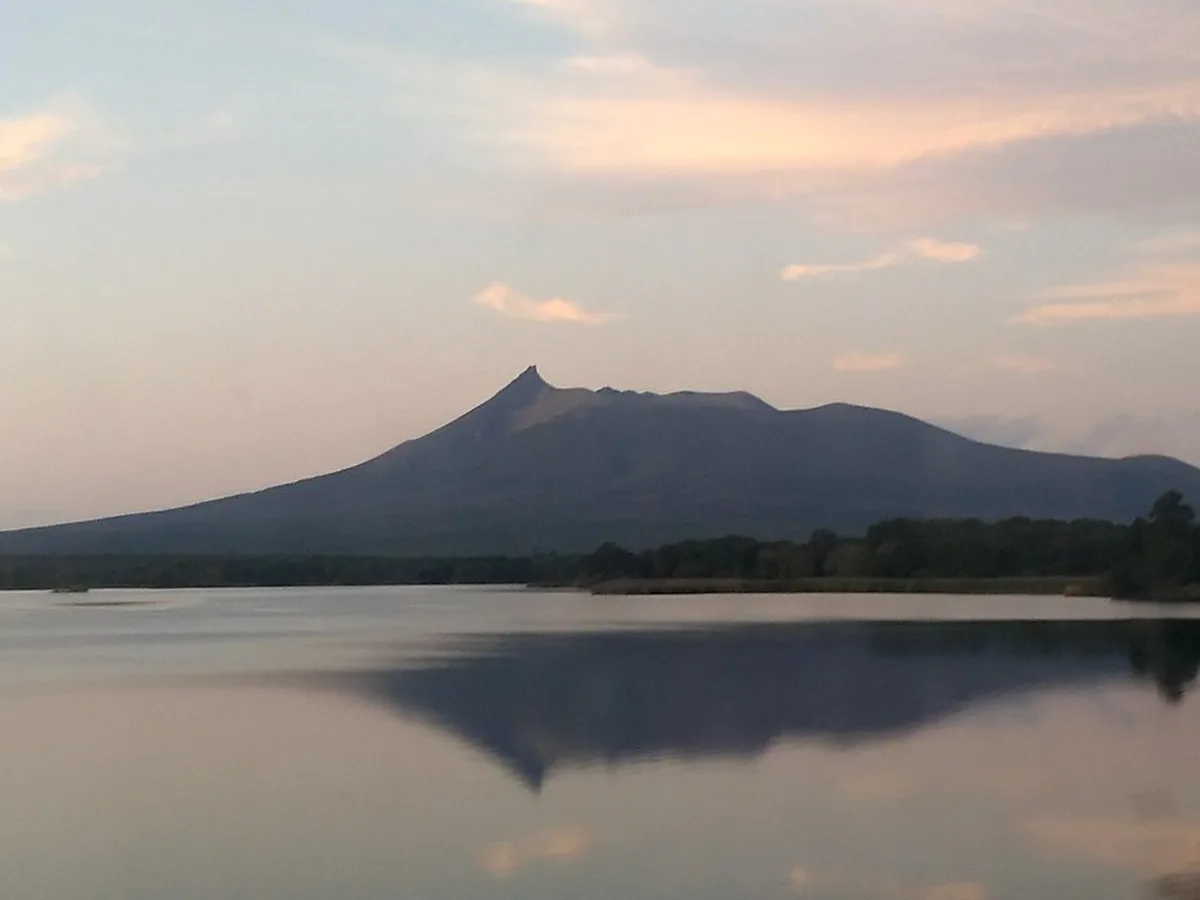
Onuma Quasi-National Park is a natural escape 30 minutes north of Hakodate by train. The park sits at the foot of Mount Komagatake, a still-active volcano whose reflection shimmers across the island-dotted lake on clear days. Most visitors from Hakodate treat it as a half or full-day detour — and those who give it the full day consistently say it was the highlight of their southern Hokkaido trip.
This guide covers the practical logistics of getting there, the two walking trail loops inside the park, cycling and canoeing options, where to eat, and a hot spring to finish the evening. You will find that best Hakodate day trips are best started early, and Onuma is no exception.
Getting from Hakodate to Onuma Park
From Hakodate Station, take the JR Hakodate Main Line to Onuma-Koen Station. The ride takes approximately 30 minutes on a local train or around 20 minutes on the limited express Hokuto. Trains run roughly every 30 to 60 minutes depending on the service, so check the schedule at the station or via the Jorudan app before you leave. A one-way fare is around 540 yen; JR Pass holders can ride for free and should reserve a seat at the Midori no Madoguchi counter at Hakodate Station.
Aim for the 08:30 departure or earlier. The park attracts tour buses that fill the main plaza by mid-morning, and the island trails feel entirely different when you have them to yourself. On the return leg, keep the train schedule from Onuma-Koen Station — departures become sparse after 19:00, so plan your soak at the hot spring accordingly.
If you are traveling en route between Hakodate and Sapporo or Noboribetsu, Onuma Park works as a side trip without backtracking. Each station has coin lockers where you can stow luggage, and Onuma-Koen Station reportedly has a staffed luggage desk as well, though it is worth confirming on the day. This setup means you can detrain, explore for two to three hours, and continue north on the next departing train.
Aim for the 08:30 train or earlier from Hakodate Station to beat the tour buses that fill the main plaza by mid-morning. Walk the small loop first (20–25 minutes), then tackle the bigger island-hopping loop from right to left so your best views come at the start, not when you are already tired.
Onuma Park Walking Trails
From the station exit, follow the road past the bus parking area to the main park plaza. Pick up a free trail map at the tourist information center immediately to your right — the trails are signed at intersections, but the map helps you gauge distances before committing to a loop. Entry to the park itself is free.
There are two main trail loops. The small loop to the right leads to the Monument of a Thousand Winds and offers a close-up shore view that makes for a strong early-morning photo. Walk this one first to warm up; it takes around 20 to 25 minutes at a relaxed pace.
The big loop is the main event. It island-hops across several bridges and runs roughly parallel to the open lake on one side and through dense woodland on the other. At the first intersection after crossing the main bridge, go right. The right side gives you open lake views with Mount Komagatake ahead; the left side is shaded forest that makes more sense as the return leg. Walking the loop from right-to-left takes around 50 minutes with photo stops, arriving at the lakeside rest stop roughly halfway where you can sit and watch the water. Going the other direction means your most memorable views come at the end when you are already tired — not ideal.
The trails are flat and paved, suitable for all ages and casual footwear. Bicycles are not permitted on the trails themselves, which keeps them calm and quiet even during peak season.
Pick up a free trail map at the tourist information center near the station — it helps you navigate intersections and estimate loop duration. On the big loop, always choose the right fork after crossing the main bridge to get open lake views first, saving the shaded forest return for when you are tiring.
Cycling, Canoeing, and Boat Rides
After the walking trails, cycling is the best way to experience the full scale of the lake. Rental bicycles are available near the station for around 500 to 1,000 yen per hour. The perimeter of Lake Onuma runs approximately 14 kilometers along relatively flat roads, taking one to two hours depending on your pace. This gives you views that the enclosed trails cannot — wide open farmland, a longer sightline to Komagatake, and access to the quieter northern shoreline. For current activity schedules and rental options, check the official Hokkaido Onuma Park page.
Sightseeing boats depart from the main plaza every 30 to 40 minutes and cost around 1,000 yen for a 30-minute circuit. They are convenient for those who prefer not to walk but the fixed route and departure times limit spontaneity. Independent paddlers should note that the central tourist boat channel passes through the main island cluster at speed — self-guided canoeers typically put in from a quieter access point on the north side of the village to avoid the traffic and find calmer water among the smaller islands.
For a longer adventure, overnight canoeing across Lake Onuma and into Lake Konuma is possible for experienced paddlers. The campground on the east side provides a base, though the nearest onsen can be a 30-minute walk. This is a niche option but one of the most memorable ways to experience the park away from tour groups.
| Activity | Duration | Cost | Best Season |
|---|---|---|---|
| Small walking loop | 20–25 min | Free | All year |
| Big island-hopping loop | 50 min with stops | Free | All year |
| Lake perimeter cycling | 1–2 hours | 500–1,000 yen/hour rental | May–Oct |
| Sightseeing boat tour | 30 min | ~1,000 yen | Apr–Nov |
| Canoeing (self-guided) | 2–4 hours | Rental varies | May–Sep |
| Overnight canoeing + camping | Full day/night | Campground + rental | Jun–Aug |
Where to Eat in Onuma Park
The most reliable lunch stop inside the park is Table de Rivage, a restaurant set along the big trail loop roughly halfway around. It opens for set lunches priced between 1,600 and 2,000 yen. The signature ingredient is Onuma Beef — the cheaper set includes roast beef, the premium set comes with beef stew or hamburger steak. Both are serviceable rather than exceptional, but the location inside the park removes the need to double back to the village during your walk.
Near the station, several small cafes sell Onuma Dango — a local sweet made from sticky rice dumplings served on skewers. These have been produced at the park for over a century and are the thing to try even if you eat a proper meal elsewhere. Prices run around 300 to 500 yen per skewer. A few shops also sell fresh pond smelt and simple lunch sets if you prefer something savory and cheap.
For breakfast before you depart Hakodate, the Hakodate Morning Market next to the station opens at 05:00 and sells seafood rice bowls starting at around 1,000 yen. The stalls slightly off the main street tend to have better quality and local traffic than the ones directly on the tourist-facing strip — look for the row of smaller counters inside the covered plaza directly opposite Hakodate Station.
Morinoyu West Onuma Hot Spring
After a day of walking or cycling, the Morinoyu West Onuma Hot Spring offers an alkaline bath that is especially effective on tired legs. Day visitors pay around 800 to 1,500 yen for access to the indoor and outdoor baths. The outdoor rotenburo looks into a birch forest and stays open into the evening, making it the right place to end a long day rather than rushing back to the city.
The facility is attached to the Hakodate-Onuma Prince Hotel. Guests staying overnight can also access the Morinoyu baths as part of their room rate, which effectively makes the spa a free amenity. The hotel runs several dining plans — a Japanese-Western dinner buffet is a popular option for overnight guests who want to eat on-site rather than searching for restaurants after dark. For those committing to a full evening, the Hakodate Onuma Wine Club Dinner course pairs Hokkaido wines with local seasonal produce including Onuma Beef, scallops, and Wagyu.
If you are a day-tripper and plan to use the hot spring before catching the train back, verify the last train time before you enter the baths. The onsen closes briefly for cleaning between 10:00 and 11:00, otherwise it is open from 05:00 to midnight. Give yourself at least 90 minutes — the bath, drying, and a slow walk back to the station takes longer than expected when the hot water has relaxed your legs.
Best Time to Visit and Seasonal Conditions
Onuma Park is genuinely rewarding in all four seasons, but each requires a different approach. Late April through May brings cherry blossoms alongside the first clear views of Komagatake after winter. Early autumn — late September through mid-November — is peak season for foliage, with the volcano framed in orange and red maples. These are the two busiest windows; arriving by 09:00 is especially important if you visit in October.
Summer from June through August is warm, the lake is fully accessible for paddling, and the cycling loop is at its most pleasant. The downside is humidity and the highest tourist volumes. Winter from December through February transforms the park into a snow-covered landscape where locals gather for wakasagi ice fishing — drilling through the frozen lake to catch the tiny pond smelt. This is one of the quieter times to visit, though some rental operators and restaurants close or reduce hours. See the winter in Hakodate guide for packing advice and a full list of open attractions during the cold season. For detailed information on climbing Mount Komagatake, including seasonal conditions and trail access, consult the official Hokkaido tourism site.
Weather near Komagatake can change fast regardless of season. Clear skies in Hakodate do not always mean clear skies at the park. The volcano is occasionally hidden in cloud for most of the day, which diminishes the trail experience significantly. Check the local forecast for Nanae-cho (the district containing the park) specifically, rather than relying on the Hakodate city forecast.
Planning Your Onuma Day Trip
A half-day trip — arrive around 09:30, walk both loops, eat lunch, depart by 14:00 — is genuinely sufficient if your priority is the walking trails and a glimpse of the lake. Budget roughly 2.5 hours for both loops at a comfortable pace including stops. This leaves the afternoon free for Hakodate attractions like the Morning Market area, the Bay Waterfront brick warehouses, or Mount Hakodate at night. The tram from central Hakodate to the Bay Area costs around 210 yen and runs until around 22:00. For more ideas on combining Onuma with other Hakodate activities and attractions, visit the official city tourism guide.
A full day allows you to add cycling or canoeing after the trails, eat lunch in the park, and finish with the Morinoyu hot spring before taking the evening train back. This is the more rewarding option and the one most likely to make Onuma feel like a destination rather than a checkbox. Total costs for a full day without overnight accommodation run approximately 3,000 to 5,000 yen including transport, bike rental, lunch, and the hot spring.
Many travelers underestimate how small the park is and leave too early, then wonder what the fuss was about. The trails themselves take only about 90 minutes total. The fuss is the pace — sitting by the lake, watching the volcano, eating dango at a bench. That cannot be rushed. Allocate dead time in your schedule and treat it as the point, not a gap to fill. For more Hakodate planning ideas, the full Hakodate attractions guide guide covers the city side of any combined itinerary.
Frequently Asked Questions
How much time should you plan for Onuma Park?
Plan for at least 4 to 6 hours to cover the main walking trails and enjoy a local lunch. If you intend to cycle around the entire lake or take a boat cruise, a full day is better. This allows for a relaxed pace without rushing back to the station.
Which Onuma Park options fit first-time visitors?
First-timers should prioritize the island-hopping walking trails near the station for the best views. Renting a bicycle is another top choice for seeing the broader landscape quickly. These activities are easy to navigate and require very little prior planning or equipment.
Is Onuma Park worth including on a short itinerary?
Yes, it is highly recommended if you have at least two days in the Hakodate area. The train ride is very short and the natural contrast to the city is refreshing. It provides some of the best volcanic scenery in all of Southern Hokkaido.
Onuma Park remains one of the most accessible natural escapes in Hokkaido for any traveler. From the gentle walking paths to the soothing hot springs, it offers a complete sensory experience in a single day. The key is leaving Hakodate early, walking the big loop from the right side, and not rushing the moments when the volcano appears clearly across the water.
Whether you are cycling the lake perimeter, paddling through the southern island cluster, or simply eating dango on a bench, Onuma rewards visitors who slow down. For the full picture of how to organize your time in this part of Hokkaido, explore our guide on Hakodate attractions guide to plan the rest of your journey.
Free: The Hakodate Essentials guide
Top things to do, where to stay, a perfect day plan, getting around, and the best time to go — a Hakodate mini-guide you can take offline.
You might also like


Continue reading
More guides you'll find useful


