

Hokkaido Itinerary: 9 Essential Sections for Your Trip
Plan your perfect Hokkaido itinerary with our 9-section guide covering Sapporo, Furano, Hakodate, and Daisetsuzan. Includes JR Pass vs. driving tips.
On this page
Hokkaido is Japan's massive northern island known for wild nature and fresh seafood. I spent weeks mapping this route to help first-time visitors see the best highlights. This 7-day hokkaido itinerary covers the central and southern regions without feeling rushed. Last refreshed after my spring visit in May 2024.
First-timers often underestimate the sheer size of this island compared to Tokyo. Distances between cities can take several hours by train or car. My guide focuses on efficient travel to maximize your sightseeing time. We will explore urban hubs, flower fields, and volcanic landscapes together.
You should prepare for a different pace of life here. Local culture emphasizes seasonal ingredients and outdoor exploration. I found that the best memories happen away from the busiest city centers. Let's dive into the details of your upcoming northern adventure.
Useful resources: the official Visit Hokkaido site and Japan National Tourism Organization have current access and seasonal details.
Best Time to Visit Hokkaido: Seasons and Weather
Choosing when to go depends on your love for snow or flowers. Summer brings mild temperatures and vibrant lavender fields in July. I found that early October offers stunning autumn colors without the crowds. Winter is perfect for skiing but requires heavy thermal gear.
Late April is a hidden gem for cherry blossom viewing. The flowers bloom here weeks later than in Tokyo or Kyoto, which means you can do a cherry-blossom trip without competing with peak Golden Week crowds. Nakajima Park in Sapporo and Goryokaku in Hakodate are the finest spots to catch the bloom. Temperatures sit between 5–15°C in late April — cool and comfortable for walking.
Early October is equally underrated. Daisetsuzan alpine foliage typically peaks between late September and mid-October, weeks ahead of the lower-elevation spots. You get uncrowded hiking, fully accessible trails, and the kind of red-maple contrast that draws busloads in Kyoto arriving here in near-solitude. Winter travelers should prepare for temperatures well below freezing; the Sapporo Snow Festival in February is a world-class event, but book hotels six months ahead for this peak period.
How to Get to Hokkaido: Airports and Transportation
Most international and domestic travelers fly into New Chitose Airport (CTS), about 45 minutes south of Sapporo by the Airport Express train (¥1,150, runs every 15 min). Budget airlines including Peach and Jetstar offer Tokyo-Sapporo fares from around ¥3,000–¥6,000 one-way when booked early, which often undercuts even the JR Pass cost. The Airport Express connects directly to Sapporo Station, making arrival logistics smooth.
If you plan to start your itinerary in the interior rather than Sapporo, consider Asahikawa Airport (AKJ). Direct flights from Tokyo Haneda run several times daily. This airport is useful if you want to reverse the route — Asahikawa first, then Furano and Biei, then down to Sapporo and Hakodate.
The alternative is the Hokkaido Shinkansen from Tokyo. The bullet train from Tokyo reaches Hakodate-Hokuto Station in about four hours, after which a conventional limited express takes another three hours to Sapporo. This route is scenic and immersive but slower and more expensive than flying. It makes sense if you have a full Japan Rail Pass already purchased for your wider trip. Check our How To Get To Hokkaido guide for current flight and rail options.
How Many Days Do You Need in Hokkaido?
Many travelers ask if a week is sufficient for the whole island. Hokkaido is roughly the size of Austria, making total coverage difficult. I believe seven days is the perfect sweet spot for a regional focus. You can see the central highlights without spending every day driving.
Focusing on the Sapporo-Furano-Hakodate triangle is the most efficient route. This plan avoids the long haul to the remote eastern coast. I found that trying to see more leads to travel burnout. Quality time at each stop beats a checklist of distant landmarks.
If you have more time, consider adding the Shiretoko Peninsula or the eastern Kushiro wetlands. However, for a first trip, this itinerary provides the best variety. You get a mix of city life, mountains, and coastal history. Five days is possible if you skip Asahidake and focus on Sapporo-Furano-Hakodate, but you will feel rushed at every stop. Ten or more days lets you add Shiretoko, Akan-Mashu National Park, and the far east without the pressure. Seven days is the optimal floor.
Getting Around Hokkaido: JR Pass vs. Car Rental
Deciding how to travel is your biggest logistical choice. The JR Hokkaido Pass covers all JR trains on the island. The 5-day flexible version costs around ¥22,000 (about $145) and suits this itinerary well. Trains are punctual and stations are well-signed in English. The Furano-Biei Norokko tourist train runs only in summer (mid-June to early October) and does not require reservation — just a valid pass.
Renting a car offers unmatched freedom in Furano and Biei. Public buses in rural areas run two to four times daily and can make spontaneous stops impossible. I recommend Top 10 Essential Tips for a Hokkaido Rent A Car Road Trip for the interior leg. You must carry an International Driving Permit (IDP) — Japanese law requires it for foreign nationals, and rental desks will turn you away without one. Apply through your national automobile association before departure; the process takes one to two weeks. Driving in winter (December–March) demands specific winter tyres and snow-driving experience. Roads in the interior can be iced or closed with little warning.
Most travelers combine both methods for the best experience. The table below shows how the two modes compare for a 7-day trip.
- JR Hokkaido Pass (5-day): ¥22,000 — covers Sapporo, Asahikawa, Furano, Hakodate by train; no rural flexibility
- Rental car (compact, 4–5 days): ¥30,000–¥45,000 including fuel — full access to Blue Pond, Patchwork Road, and rural onsen; requires IDP
- Hybrid (train for long legs, car for 2 days in Furano/Biei): ¥35,000–¥50,000 total — best balance of comfort and flexibility
Use the train for the long leg between Sapporo and Hakodate and for the Sapporo–Asahikawa sprint. Rent a car locally at Asahikawa to explore the flower fields over two days. This hybrid approach saves money and reduces driving fatigue on unfamiliar roads.
Days 1–2: Sapporo Highlights and Otaru Day Trip
Starting in Sapporo allows you to settle in easily after your flight. Most 25 Best Things to Do in Hokkaido in the city are walkable or near subway stops. Day 1 focuses on the core city — Odori Park, the clock tower, and the Beer Museum. Plan for about ¥1,000–¥2,000 in daily transit costs within the city using the subway day pass.
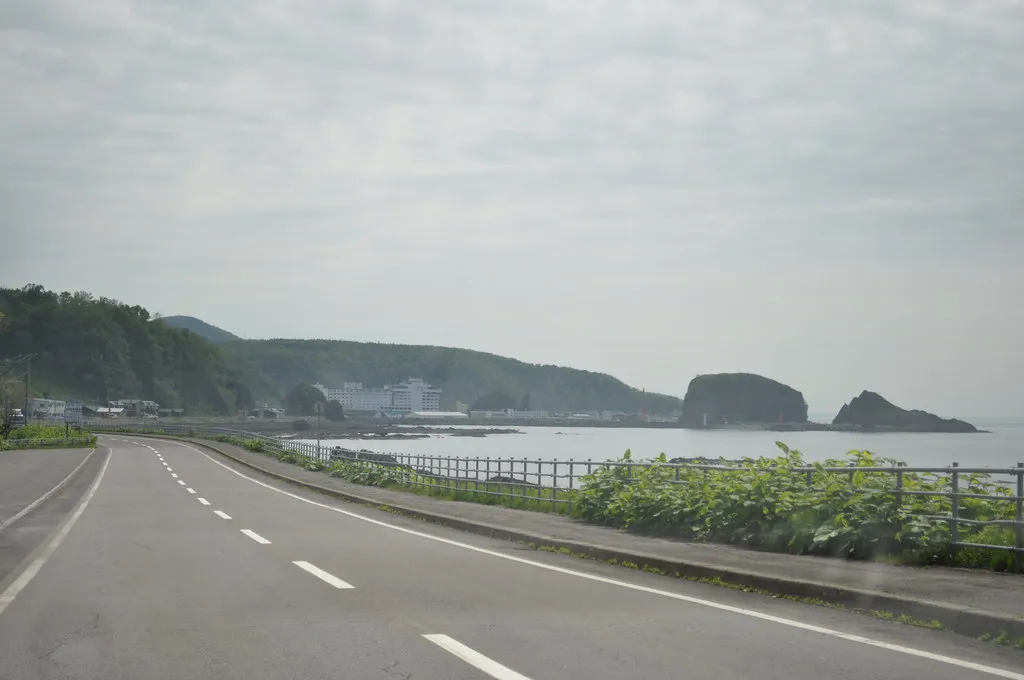
The Sapporo Beer Museum on Day 1 afternoon is free to enter, with paid tastings from ¥600. The famous Genghis Khan lamb barbecue at the museum restaurant is the classic pairing. Head to Susukino in the evening for Sapporo ramen — the local style uses rich miso broth with butter and corn, and the narrow lanes around Susukino are lined with specialist shops open until late.
On Day 2, take the JR train from Sapporo to Otaru (35 minutes, ¥680). The Canal District is the main draw — the historic stone warehouses date to the Meiji-era herring boom. Sushiya-dori Street, a short walk from the canal, concentrates the best sushi restaurants in the city. Otaru's fresh sea urchin and crab are priced lower here than in Sapporo. Return to Sapporo by 18:00 for a relaxed evening before the long travel day ahead. Check our Best Time To Visit Hokkaido: 10 Essential Seasonal Insights guide for seasonal prep.
Day 3: Asahikawa and Daisetsuzan National Park
Leave Sapporo on the Kamui limited express to Asahikawa (1.5 hours, ¥4,290 without pass). From Asahikawa Station, catch the Ideyu-go bus to Asahidake Onsen — departures at 09:30 and 12:10, roughly a 90-minute ride. Buy tickets at the bus counter inside the station or from the driver. The bus also stops at Asahikawa Airport, making this a viable first-day arrival if you fly in.
The Asahidake Ropeway (round-trip ¥3,200) lifts you to 1,600 m in seven minutes. Three distinct hiking options radiate from the upper station. The Sugatami Pond loop (45 min, easy) circles a crater lake with steaming fumaroles and is suitable for all fitness levels. The Nakadake Onsen trail (3–4 hours, moderate) crosses open alpine terrain to a wild hot-spring pool — bring a towel and swimwear. The summit push to the 2,291 m peak (5–6 hours, strenuous) rewards with panoramic views over Daisetsuzan but requires proper hiking boots and weather awareness. Snow lingers on upper trails until mid-June even in a good year.
Daisetsuzan is the largest of the 6 Best Hokkaido National Parks and offers some of the most accessible alpine hiking in Japan. Spend the night at an onsen ryokan in Asahidake Onsen or return to Asahikawa for a wider choice of accommodation and the famous local soy-sauce ramen.
Days 4–5: The Flower Fields of Furano and Biei
From Asahikawa, the Furano line train reaches Furano in about one hour (¥1,070). Day 4 is for the lavender. Farm Tomita opens daily and is free to enter — arrive before 09:00 to avoid tour-bus waves. The lavender peaks in mid-July, but other flower crops (poppies, salvia, cosmos) put on colour across June, August, and September. Farm Tomita sells lavender soft-serve, jams, and essential oils. Ningle Terrace forest cabins in the evening offer handcraft shops in a quiet woodland setting — a low-key contrast to the floral crowds of the day.
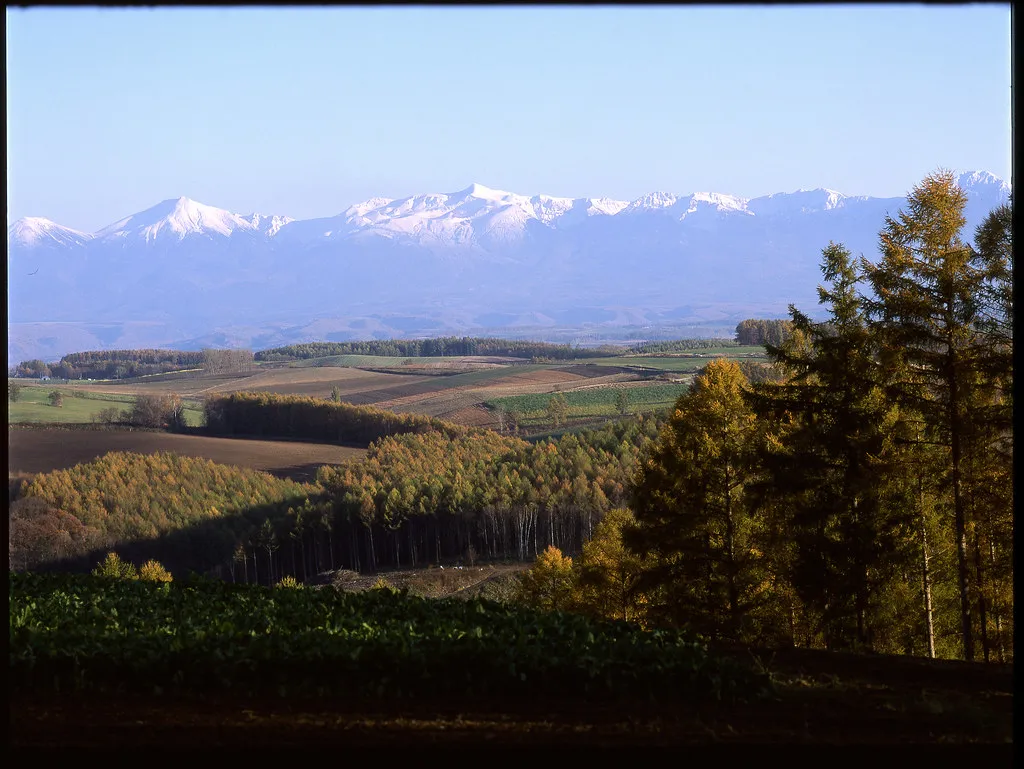
Day 5 moves north to Biei, best explored with a rental car or bicycle. The Patchwork Road in the morning connects a chain of colour-blocked farm fields that gave Biei its fame. Shirahige Falls (Shirogane) is about 20 minutes by car from central Biei — the turquoise colour comes from colloidal aluminium silicate in the water, an accidental byproduct of volcanic run-off management. The pond glows most vividly on overcast days when direct glare is absent. Return to Sapporo by the late afternoon limited express (2.5 hours from Asahikawa, about 2 hours from Biei). Check our 12 Best Hokkaido Foods You Must Try for the best melon snacks to pick up at roadside farm stalls.
Days 6–7: Hakodate History and Lake Toya Views
Day 6 detours to Lake Toya caldera before continuing south. The Donan Bus from Sapporo reaches Toya in about 2.5 hours. The Mount Usu Ropeway cable car (¥1,800 round-trip, runs 09:00–17:00) climbs to an observation deck over the caldera. Below, the lakeside town of Toyako Onsen runs a nightly fireworks display from April to October — a fifteen-minute show at 20:45 that is free to watch from the lake shore. Soak in one of the lakeside public baths in the evening before checking into accommodation near the shore.
Day 7 is Hakodate, roughly 90 minutes from Toya by limited express. The Morning Market (Asa-ichi) opens at 05:00 and winds down around 12:00 — arrive before 08:00 for the freshest sea-urchin bowls and live squid tanks. Goryokaku Star Fort is a 15-minute tram ride from the station (fare ¥230); the tower next to the fort gives the best bird's-eye view of the distinctive star-shaped moat. The fort itself is free to walk; the tower costs ¥900. In the evening, the Mount Hakodate Ropeway (¥1,500 round-trip) lifts you to the famous night view — listed among Japan's three great night panoramas. The ropeway runs until 22:00 in peak season.
Finishing in Hakodate provides a romantic end to your 7-day hokkaido itinerary. The morning market is famous for its squid fishing and fresh bowls. The tram network makes the historic Motomachi district easy to reach without a car.
At a Glance: 7-Day Hokkaido Route Summary
This summary provides a quick look at your week-long journey through the north. Each day is designed to minimize backtracking while seeing iconic landmarks. I recommend staying flexible with your evening plans to enjoy local dining. Most travelers find this pace perfect for a first visit.
- Day 1: Sapporo city classics (Urban Vibes)
- Morning: Odori Park walk
- Afternoon: Beer Museum tour
- Evening: Susukino neon lights
- Day 2: Otaru coastal charm (Harbor History)
- Morning: Canal-side stroll
- Afternoon: Music Box Museum
- Evening: Fresh sushi dinner
- Day 3: Mountain peaks (Alpine Escape)
- Morning: Asahidake Ropeway
- Afternoon: Sugatami Pond hike
- Evening: Asahikawa ramen
- Day 4: Furano flower fields (Floral Colors)
- Morning: Farm Tomita lavender
- Afternoon: Ningle Terrace forest cabins crafts
- Evening: Local wine tasting
- Day 5: Biei rolling hills (Scenic Drive)
- Morning: Blue Pond visit
- Afternoon: Patchwork Road cycling
- Evening: Return to Sapporo
- Day 6: Lake Toya views (Volcanic Wonder)
- Morning: Mount Usu Ropeway
- Afternoon: Lakeside hot springs
- Evening: Fireworks show
- Day 7: Hakodate history (Port City Finale)
- Morning: Morning Market seafood
- Afternoon: Goryokaku Star Fort
- Evening: Mount Hakodate night-view
Where to Stay: Best Bases for Your Itinerary
Choosing the right home base makes your daily travel much easier. Sapporo is the obvious choice for your first three nights. I prefer the area near the JR Station for quick day trips. Susukino is better if you want to be near the best nightlife and ramen lanes.
Asahikawa serves as a practical gateway to the national parks. The hotels here are often more affordable than those in Furano. I found the dining scene around the station surprisingly vibrant. It is a great place to try the famous local soy-sauce ramen before the mountain day. Alternatively, stay overnight in Asahidake Onsen itself — ryokan rates typically include dinner and breakfast, which justifies the higher room price once you factor in meals. Accommodation is limited to around six inns in the onsen village, so book ahead.
Hakodate offers beautiful historic guesthouses near the bay area. Staying in a traditional inn in Motomachi provides a more authentic Japanese experience. I recommend finding a place with a rooftop onsen for city and harbour views. This city feels much more relaxed than the bustling capital, and prices per night average lower than in Sapporo.
Book in Advance: Essential Reserved Tickets
Some attractions in Hokkaido require planning weeks before you arrive. High-demand trains like the Furano Lavender Express sell out quickly. I suggest booking reserved seats at least 30 days in advance for July travel. Popular onsen ryokans in Asahidake and Lake Toya also fill up months before the peak seasons.
The Asahiyama Zoo in Asahikawa is a must-see that benefits from early arrival. I recommend getting there before opening to see the penguin parade and polar bear feedings. Timed entry is not always required, but arriving early avoids the midday crush. If you plan to visit in February, book your Sapporo hotel now — prices can triple during the Sapporo Snow Festival week. I found that staying near Nakajima Park offers better value than Odori during that period.
Practical Tips for Traveling in Hokkaido
Cash is still king in many small rural restaurants and shops. I always carry at least ¥10,000 for emergencies and snacks. Major convenience stores — 7-Eleven, Lawson, and FamilyMart — have ATMs that accept international bank cards. Tipping is not expected and can sometimes cause confusion for staff.
Seafood quality varies by the month, so plan accordingly. Winter (December–March) is the best time for Hokkaido snow crab (zuwaigani) and hairy crab (kegani). Sea urchin (uni) peaks in June–August when the kelp the urchins feed on is richest — this is the yellow, buttery Hokkaido uni that earns its premium price. Pacific saury (sanma) grills best in September and October. Summer also brings the freshest corn and potatoes from Hokkaido's farm belt, found at roadside stalls for ¥100–¥200 each.
Hokkaido is very safe, but watch out for wildlife while driving. Deer, foxes, and occasionally brown bears cross roads in the national parks — keep a watch at dawn and dusk when animals are most active. A local SIM card or pocket Wi-Fi is essential for GPS navigation on rural roads. Connectivity holds up well in Sapporo and Furano but can drop in remote mountain zones.
Where to Experience This
This loop links Furano/Biei, Asahikawa and Noboribetsu — see the region guide for more.
Frequently Asked Questions
How many days do you need for Hokkaido?
You need at least 7 days to see the main highlights like Sapporo and Furano. Longer trips of 10-14 days allow for exploring the remote eastern national parks. Focus on one region if you have less than a week.
Is it better to drive or take the train in Hokkaido?
Driving offers more flexibility for visiting flower fields and remote parks. However, the JR train system is efficient for travel between major cities like Sapporo and Hakodate. Many travelers combine both for the best balance.
What is the best month to visit Hokkaido?
July is best for lavender fields, while February is ideal for the Snow Festival. October offers beautiful autumn foliage and pleasant hiking weather. Avoid the rainy 'Tsuyu' season that affects southern Japan in June.
Planning a hokkaido itinerary is the first step toward an unforgettable adventure. From the neon lights of Sapporo to the quiet peaks of Daisetsuzan, beauty is everywhere. I hope this guide helps you navigate the island with confidence and ease. Enjoy the fresh air and incredible food of Japan's wild north.
Remember to pace yourself and soak in the local atmosphere. Hokkaido is a place that rewards those who slow down to look around. Safe travels on your upcoming journey through this magical island.
Free: The Sapporo Essentials guide
Top things to do, where to stay, a perfect day plan, getting around, and the best time to go — a Sapporo mini-guide you can take offline.
You might also like


Continue reading
More guides you'll find useful


