Hokkaido in Winter: 10 Essential Experiences and Itinerary Guide
Plan your perfect Hokkaido winter trip with our guide to the best snow festivals, ski resorts, Ainu culture, and local seafood. Includes a 10-point itinerary.
On this page
I built this 10-day Hokkaido in winter itinerary after my third trip to the snowy north. This guide is perfect for first-timers wanting to see the best of the island without the overwhelm. You will experience world-class festivals, deep powder snow, and steaming hot springs. Visiting Hokkaido in winter offers a magical landscape that feels like a different planet. Last refreshed after my 2024 winter visit, this guide reflects current travel patterns and local secrets. We found that planning early is the only way to beat the massive seasonal crowds.
Hokkaido is famous for its 'Japow' snow and incredible seafood that peaks in the colder months. You should expect temperatures to stay well below freezing throughout your entire journey. Proper gear and a flexible mindset are essential for navigating the occasional blizzard or train delay. This Hokkaido Itinerary: 7-Day Guide to Japan's North balances city excitement with remote natural beauty and cultural depth. Whether you are here for the skiing or the ramen, the north will capture your heart. Let's dive into the ultimate plan for your winter adventure.
Useful resources: the official Visit Hokkaido site and Japan National Tourism Organization have current access and seasonal details.
Why Visit Hokkaido in Winter?
Hokkaido in winter is not just another cold-weather destination. It is one of the few places in the world where you can ski world-class powder in the morning, soak in a volcanic hot spring in the afternoon, and eat the freshest king crab of your life for dinner. The island's combination of "Japow" (Japan powder snow), genuine festivals, and indigenous Ainu culture makes it unlike anywhere else in Asia.
The season runs from late November through March, but January and February are the sweet spot. The Sapporo Snow Festival takes place in the first week of February and draws two million visitors. Drift ice arrives off the coast of Abashiri from late January, and the Sounkyo Ice Waterfall Festival lights up the gorge from late January through early March. If you can only choose one month, February packs the most events into a single window.
Winter also happens to be when Hokkaido's food is at its peak. Hairy crab, snow crab, and sea urchin are all in season. Dairy from Hokkaido's pastures is the richest in Japan, which explains why the butter miso ramen here tastes so much better than any version you have tried elsewhere. The cold drives the local economy toward hospitality — onsen ryokans, ski resorts, and winter markets all pull out their best during these months.
At a Glance: 10-Day Hokkaido Winter Itinerary
This quick summary helps you visualize the flow of your trip across the island. We have grouped activities to minimize travel time between major hubs like Sapporo and Niseko. Most travelers find that 10 days is the ideal duration for a first-time winter visit. Each day is designed to showcase a unique side of the region's seasonal charm. You will start in the urban heart of Sapporo before heading into the mountains and coastal towns. Keep this list handy for a high-level view of your upcoming journey.
- Day 1: Arrival and city lights
- Morning: Arrive at New Chitose Airport
- Afternoon: Check into Sapporo hotel
- Evening: Susukino Ramen Alley dinner
- Day 2: Snow festival magic
- Morning: Odori Park snow sculptures
- Afternoon: Sapporo TV Tower views
- Evening: Tsudome site sliding fun
- Day 3: Romantic canal vibes
- Morning: Train to Otaru port
- Afternoon: Glassware and music boxes
- Evening: Canal illumination walk
- Day 4: Powder snow thrills
- Morning: Private transfer to Niseko
- Afternoon: First tracks on Hirafu
- Evening: Après-ski in Upper Hirafu
- Day 5: Ice village fun
- Morning: Skiing or snowboarding lessons
- Afternoon: Travel to Hoshino Tomamu
- Evening: Explore the Ice Village
- Day 6: Steamy hell valley
- Morning: Bus to Noboribetsu Onsen
- Afternoon: Jigokudani (Hell Valley) walk
- Evening: Traditional kaiseki ryokan dinner
- Day 7: Arctic animal encounters
- Morning: Train to Asahikawa city
- Afternoon: Asahiyama Zoo penguin walk penguin walk
- Evening: Asahikawa ramen village dinner
- Day 8: Frozen waterfall lights
- Morning: Bus to Sounkyo Gorge
- Afternoon: Ryusei and Ginga falls
- Evening: Ice Waterfall Festival
- Day 9: Ancient Ainu roots
- Morning: Upopoy National Ainu Museum
- Afternoon: Cultural performances and crafts
- Evening: Return to Sapporo city
- Day 10: Seafood and souvenirs
- Morning: Nijo Market breakfast
- Afternoon: Last-minute souvenir shopping
- Evening: Departure from New Chitose
Essential Winter Travel Logistics (Transport and Gear)
Getting to the island is most efficient by air via New Chitose Airport (CTS). You can compare How To Get To Hokkaido options between ANA and JAL for the best regional rates. Flying into Asahikawa airport is a great alternative if you want to start your trip further north. Navigating the snowy roads requires caution, so many visitors prefer the excellent rail network. If you do choose Top 10 Essential Tips for a Hokkaido Rent A Car Road Trip, ensure it has 4WD and winter tires. We found that the JR Hokkaido Rail Pass is often the most cost-effective choice for this itinerary.
ANA connects Tokyo Haneda to New Chitose in about 90 minutes; JAL operates the same route with comparable frequency. If you are flying internationally, connecting through Narita adds roughly two hours compared to routing via Haneda. A direct train from New Chitose Airport to Sapporo Station takes 35–40 minutes and costs around 1,150 yen on the JR Airport Rapid. Arriving in winter means the train platform is very cold once you pass the turnstile, so don't go through too early — grab a hot coffee from a vending machine inside the warm station concourse and use the can as a hand warmer while you wait.
Packing the right gear is non-negotiable. You need high-quality thermal base layers, a waterproof outer shell, and sturdy insulated boots. Buy 'kairo' heat packs at any convenience store to keep your hands and toes warm. The single most practical item is a pair of slip-on ice grips for your shoes, sold at the airport and Sapporo Station for about 1,000–1,500 yen. Most public buildings and trains are heavily heated, so dress in layers you can remove quickly. The gap between an outdoor temperature of -10°C and the 25°C interior of a department store is brutal without layers you can shed.
Sapporo: The Heart of the Snow Festival
Sapporo is the natural hub for any Hokkaido winter trip. It has a population of nearly two million and a subway system that makes getting around straightforward even in heavy snow. The city's main winter draw is the Sapporo Snow Festival (Yuki Matsuri), which runs for about a week in early February every year. The 2026 festival is scheduled for 4–11 February. Entry to the main sites is free.
The festival occupies three sites. Odori Park is the anchor — a dozen city blocks of snow sculptures stretching from the Sapporo TV Tower westward, including the enormous structure built by the Japan Self-Defense Force (always a pop-culture reference). Arrive before 09:00 on a weekday to walk the sculptures without shoulder-to-shoulder crowds. Return after dark for the projection mapping, which transforms the ice into something cinematic. The Susukino district runs its own ice sculpture competition, and the Tsudome Dome site offers family-friendly sledding and interactive snow activities.
Outside festival season, the city's food scene justifies the trip on its own. Ramen Alley (Ganso Sapporo Ramen Yokocho) in Susukino is a narrow lane lined with tiny shops where miso ramen has been served since 1951. The Hokkaido miso broth here comes with a pat of butter and a spoonful of sweet corn — these are not garnishes but integral to the flavor. Pair it with a Sapporo Classic beer, a lager brewed exclusively for the Hokkaido market. The Sapporo Beer Museum and Biergarten is a worthwhile 20-minute walk from the city center, especially for the all-you-can-eat Genghis Khan (lamb barbecue) that the biergarten is famous for.
Otaru: Romantic Canals and Glassware
Otaru is 30 minutes from Sapporo by rapid train (750 yen one-way). It was a major trading port in the early twentieth century, and the Western-style brick warehouses along the canal have been preserved as a heritage district. In winter, gas lamps line the canal path and the snow gives the whole area a sepia-toned, almost nineteenth-century feel. If you visit during the Otaru Snow Light Path Festival (usually held in mid-February), hundreds of small snow lanterns line the canal banks and connecting streets after dark.
The main shopping street, Sakaimachi, is where Otaru's famous glassware shops are concentrated. The Kitaichi Garasu group runs a museum and retail stores where antique oil lamps cast a warm amber glow through the rooms — if you only have one hour, this is worth it. The Otaru Music Box Museum a few blocks away sells thousands of designs; the steam clock outside plays a melody every 15 minutes and is audible from the street. For food, the Otaru Denuki Koji alley is a covered passageway of small restaurants with a 1950s showa-era atmosphere — good for ramen and grilled seafood out of the cold.
One practical warning: Otaru's sidewalks are some of the iciest in Hokkaido. The canal path is particularly slippery early in the morning before staff spread salt. Wear your ice grips and walk slowly near the water's edge. Fashion boots or smooth-soled shoes are genuinely dangerous here.
Niseko and Tomamu: Ski-In/Ski-Out vs. Staying in Town
Niseko and Tomamu are Hokkaido's two flagship ski destinations, and they cater to different travelers. Niseko United comprises four interlinked ski fields — Annupuri, Niseko Village Resort, Tokyu Grand Hirafu, and Hanazono — accessible on a single pass. The Niseko United Pass allows chairlift access across all four fields and costs roughly 7,000–9,000 yen per day in 2026. You can check the Niseko United ski trail map to plan your runs in advance. Niseko's powder arrives from Siberian cold fronts meeting Pacific moisture, producing snowfall that can exceed 11 metres per season — more than Whistler, Chamonix, or Aspen.
Ski-in/ski-out accommodation in Niseko costs significantly more than staying in the valley town of Hirafu but eliminates the daily hassle of carrying ski gear. A ski valet inside the hotel stores your equipment overnight, saving 30–45 minutes of loading and unloading every morning. If budget is the priority, staying in Hirafu town and shuttling up is workable — but expect queues at peak season. Food in Niseko is noticeably more expensive than the rest of Hokkaido: four toasted sandwiches and drinks can cost 9,000 yen at resort cafes. The practical solution is a large buffet breakfast at your hotel, a packed lunch from a convenience store (SeicoMart and Lawson both have branches in the village), and an early dinner at 17:00 to beat the crowds.
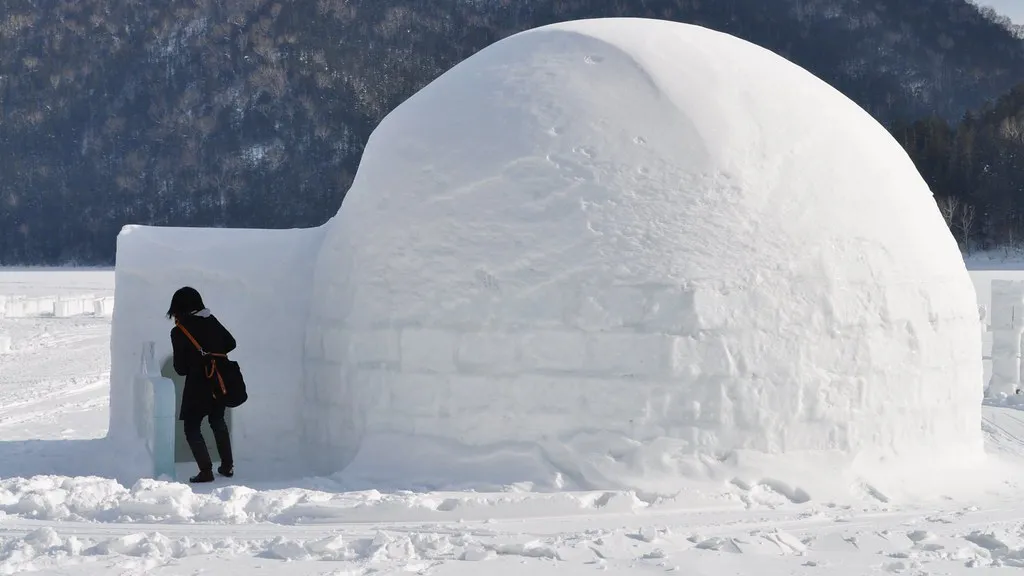
Tomamu, about 90 minutes east of Sapporo by the Ozora Limited Express, is a better choice for families and mixed-ability groups. The ski terrain at Hoshino Resorts Tomamu covers three mountains with wider runs and shorter lift queues than Niseko. The Ice Village — an entire small settlement of igloos, ice bars, a chapel, and a tunnel — is open from early December to mid-March and is included in the Hoshino Risonare Tomamu room rate. You can check the Tomamu ski trail map before you arrive. Ski gear rental on-site runs about 3,500 yen per day for boots, skis, and poles, with no pre-booking required.
Noboribetsu: Onsen Relaxation in Hell Valley
Noboribetsu is Hokkaido's most famous onsen town, about 90 minutes from Sapporo by Limited Express train (around 4,500 yen one way). The name translates loosely as "muddy river" — fitting for a valley where sulfurous steam vents from the earth in dozens of spots. The main attraction is the Jigokudani (Hell Valley) walk, a free 1–2 km loop through a landscape of boiling ponds, orange-stained rock, and plumes of white steam. The contrast between the dark volcanic terrain and fresh white snow is arresting. Do it in the morning before crowds arrive, and hold the railings — the path is icy.
After the walk, soak at Onsen Tengoku ("Hot Spring Heaven"), a public bath complex with multiple pools including an outdoor rotemburo surrounded by snow. Day passes cost 2,000 yen for adults (1,000 yen for children). There are pools at very different temperatures, including one that stays above 45°C and overlooks the path below — satisfying to watch other hikers struggle while you cook. Read up on standard onsen etiquette before you go: fully nude, extensive washing beforehand, and no towels in the pools. Some more traditional establishments do not accept guests with visible tattoos, so cover small ones at check-in if you are uncertain of the house policy.
If you are staying overnight, the ryokan inns along the main Noboribetsu Onsen street offer kaiseki dinners with Hokkaido crab, local sake, and multiple small dishes of seasonal vegetables. Book at least four months ahead for peak winter dates. The Oyunuma natural foot bath — a free outdoor basin fed by the same volcanic water — is worth visiting in the late afternoon when day-trippers have left.
Asahikawa and Sounkyo: Ice Festivals and Wildlife
Asahikawa is Hokkaido's second city and the gateway to the island's mountainous interior. The Asahikawa Winter Festival runs concurrently with the Sapporo Snow Festival in February and is a smaller, more family-friendly affair. The Tokiwa Park site features a central snow statue that doubles as a performance stage; the Heiwa Dori site hosts an ice sculpture competition where projection mapping lights the structures after dark. Admission is free.
The Asahiyama Zoo penguin walk is one of Japan's most celebrated animal parks, partly because it built its enclosures to show animals from the animal's perspective rather than the visitor's. In winter, the penguin walk (daily around 11:00 and 14:30, check the season schedule) allows Humboldt and King penguins to waddle along a cleared path through the zoo grounds. Entry costs 1,000 yen. In the evening, walk to the Otokoyama Sake Brewery for a tour and tasting. Established in 1661, this brewery has won top prizes in international sake competitions; the tour includes historical exhibits on the art-and-sake connection specific to this brand.
Sounkyo Gorge, about 90 minutes by local bus from Asahikawa, sits inside Daisetsuzan National Park. The gorge walls rise 100 metres on either side of the road. In winter, Ryusei and Ginga waterfalls freeze solid into curtains of blue-white ice, and ice climbers can sometimes be seen scaling the 120-metre and 90-metre drops. The Sounkyo Ice Fall Festival (late January to mid-March, 500 yen entry) fills the gorge floor with illuminated ice structures — shrines, tunnels, and statues — that change layout each year. Ainu dance performances are held inside the festival grounds on selected evenings. The Kurodake Ropeway gives access to the snow-covered plateau above the gorge; a one-way ride costs 1,600 yen.
Ainu Culture: Exploring Indigenous Heritage
The Ainu are the indigenous people of Hokkaido and the Russian island of Sakhalin. They have lived in the region since the Neolithic period — far longer than the Japanese settlement of the island, which began in earnest only after 1869. Their language, animist belief system (every living thing has a spirit, or kamuy), and material culture are distinct from Japanese tradition. The Ainu population was decimated through colonial displacement and forced assimilation; it was not until 2019 that the Japanese government officially recognized them as indigenous people.
Upopoy National Ainu Museum in Shiraoi (about one hour by train from Sapporo) opened in 2020 and is the largest Ainu cultural facility in Japan. Entry costs 1,200 yen. The museum holds thousands of artifacts — clothing, tools, boats — alongside audio recordings of the Ainu language and filmed performances of traditional music (upopo choral song, rimse dance) and the mukkuri mouth harp. Cultural workshops run most days and can be booked on the day. The lakeside setting, with traditional chise (thatched dwellings) reconstructed nearby, makes it worth the trip regardless of the museum itself.
For a more immersive experience, the Nibutani Ainu Culture Museum in Biratori (about two hours south of Sapporo by bus, or 40 minutes from Tomakomai by local bus) is the site of one of the last Ainu-speaking communities. The collection includes over 10,000 items and the museum is managed by Ainu curators rather than government administrators — a meaningful distinction. Nibutani is not a tourist hub, which means visitor numbers are lower and the experience is quieter than Upopoy. If you can only do one, Nibutani gives a more authentic window into living Ainu culture as it is practiced today.
Hokkaido Winter Food Guide: What to Eat
Hokkaido's winter food is the best argument for visiting in the cold months rather than summer. The dairy industry produces milk, butter, and cheese that supply much of Japan; in Hokkaido, you taste the difference immediately in everything from lattes to ramen. The island's three signature ramen cities each have a distinct style worth knowing before you sit down at a counter.
- Sapporo ramen uses a miso broth finished with a knob of butter and sweet corn. The butter is a product of the local dairy culture; the corn has roots in post-World War II agricultural aid programs. It is rich and satisfying in a way that light shoyu broths are not.
- Asahikawa ramen uses a soy sauce (shoyu) base, but unlike mainland shoyu ramen, a layer of oil floats on the surface to trap heat. The oil keeps the noodles warm longer, a practical adaptation to Hokkaido's temperatures.
- Hakodate ramen uses a salt (shio) broth, clear and delicate — the opposite of Sapporo's richness. If you pass through Hakodate, this is what to order.
Seafood peaks in winter. King crab (tarabagani), hairy crab (kegani), and Hokkaido scallops are all in season from December through February. Nijo Market in Sapporo and the Outer Seafood Market (Jyogai Ichiba) near Sapporo Station are the two best places to eat fresh crab in the morning — vendors sell grilled scallops and crab legs on the spot. Sea urchin (uni) from Hokkaido's waters is among the sweetest in Japan. A bowl of uni ikura donburi (sea urchin and salmon roe over rice) at a market counter runs about 2,000–3,500 yen and is worth every yen. At the Otokoyama Sake Brewery in Asahikawa, the tasting session includes seasonal sake that pairs well with the local seafood lunch sold nearby.
For something inexpensive and genuinely local, visit any SeicoMart convenience store. This chain is Hokkaido-only and its hot food counter sells onigiri, steamed buns, and soft-serve ice cream made with local milk. The Hokkaido limited soft-serve comes in melon and dairy flavors and is available even in January — eating ice cream at -10°C outside a konbini is a rite of passage. Kanro's Gold Milk hard candies, sold at most souvenir shops, make an excellent small gift to bring home.
Hokkaido in Winter: 10-Day Essential Itinerary
Your journey begins in Sapporo, the vibrant capital of the north. We hit the Sapporo Snow Festival at 8:30 AM and enjoyed the sculptures before the massive crowds arrived. I recommend staying near Odori Park to be within walking distance of the main festival sites. Moving toward Otaru provides a romantic shift in pace with its gas-lit canal and historic warehouses. I found that wearing spikes on my boots saved me from several falls on the icy Otaru sidewalks. This coastal town is famous for its intricate glassware and fresh sushi.
The middle of your trip focuses on the legendary powder snow of Niseko and Tomamu. You can check the Niseko United ski trail map to plan your runs across the four interlinked resorts. These areas offer some of the best off-piste skiing in the entire world. After the adrenaline of the slopes, the sulfurous waters of Noboribetsu provide deep relaxation. We loved the sight of steam rising from the ground in Hell Valley during a light snowfall. It is a sensory experience that defines the 10 Best Hokkaido Onsen Destinations for Your Next Trip experience for many.
The final leg takes you north to Asahikawa and the dramatic Sounkyo Gorge. The Ice Waterfall Festival is a highlight, featuring multi-story ice structures illuminated by colorful lights. We recommend visiting the Otokoyama Sake Brewery in Asahikawa for a warm tasting session after the zoo.
- Day 1: Sapporo Arrival and Lights
- Morning: 10:00 AM – 12:00 PM, Airport arrival
- Afternoon: 2:00 PM – 5:00 PM, Susukino walk
- Evening: 6:00 PM – 8:00 PM, Ramen dinner
- Time: ~40 min by JR train
- Logistics: Use IC card for trains
- Optional: Visit Mt. Moiwa for night views
- Day 2: Sapporo Snow Festival Magic
- Morning: 9:00 AM – 12:00 PM, Odori Park
- Afternoon: 1:00 PM – 4:00 PM, Sapporo Factory
- Evening: 6:00 PM – 9:00 PM, Susukino Ice
- Time: Full day walking in city
- Logistics: Free entry to main sites
- Optional: Sapporo Beer Museum tour
- Day 3: Romantic Otaru Canal Vibes
- Morning: 9:30 AM – 11:30 AM, Train to Otaru
- Afternoon: 12:00 PM – 4:00 PM, Sakaimachi Street
- Evening: 5:00 PM – 7:30 PM, Canal walk
- Time: ~45 min by rapid train
- Logistics: 750 yen one-way ticket
- Optional: Music Box Museum workshop
- Day 4: Niseko Powder Snow Thrills
- Morning: 8:00 AM – 11:00 AM, Travel to Hirafu
- Afternoon: 12:00 PM – 4:30 PM, Skiing/Snowboarding
- Evening: 6:00 PM – 9:00 PM, Village dinner
- Time: ~2.5 hours by bus/shuttle
- Logistics: Book Niseko Ground Service bus
- Optional: Soak in Hirafu Tei onsen
- Day 5: Tomamu Ice Village Fun
- Morning: 9:00 AM – 12:00 PM, Morning ski runs
- Afternoon: 1:00 PM – 4:00 PM, Move to Tomamu
- Evening: 5:00 PM – 9:00 PM, Ice Village
- Time: ~2 hours by resort shuttle
- Logistics: Check the Tomamu ski trail map
- Optional: Mina-Mina Beach indoor pool
- Day 6: Noboribetsu Hell Valley Steam
- Morning: 9:00 AM – 12:00 PM, Travel to Noboribetsu
- Afternoon: 1:00 PM – 4:00 PM, Hell Valley walk
- Evening: 6:00 PM – 9:00 PM, Ryokan stay
- Time: ~1.5 hours by Limited Express
- Logistics: 4500 yen for train ticket
- Optional: Oyunuma natural foot bath
- Day 7: Asahikawa Arctic Encounters
- Morning: 8:30 AM – 11:30 AM, Train to Asahikawa
- Afternoon: 12:30 PM – 3:30 PM, Asahiyama Zoo
- Evening: 6:00 PM – 8:00 PM, Ramen Village
- Time: ~3 hours by train total
- Logistics: Zoo entry is 1000 yen
- Optional: Otokoyama Sake Brewery visit
- Day 8: Sounkyo Ice Waterfall Lights
- Morning: 9:00 AM – 11:00 AM, Bus to Sounkyo
- Afternoon: 12:00 PM – 3:00 PM, Kurodake Ropeway
- Evening: 5:00 PM – 8:00 PM, Ice Festival
- Time: ~1.5 hours by local bus
- Logistics: Festival entry is 500 yen
- Optional: Hike to the frozen falls
- Day 9: Ancient Ainu Cultural Roots
- Morning: 9:00 AM – 12:00 PM, Upopoy Museum
- Afternoon: 1:00 PM – 4:00 PM, Cultural workshops
- Evening: 5:00 PM – 8:00 PM, Back to Sapporo
- Time: ~1 hour from Shiraoi station
- Logistics: Museum entry is 1200 yen
- Optional: Traditional Ainu food tasting
- Day 10: Seafood and Souvenirs
- Morning: 8:00 AM – 10:00 AM, Nijo Market
- Afternoon: 11:00 AM – 2:00 PM, Tanukikoji shopping
- Evening: 3:00 PM – 5:00 PM, Airport transit
- Time: ~40 min to airport
- Logistics: Store bags at Sapporo Station
- Optional: Shiroi Koibito Park visit
Practical Tips for Hokkaido's Harsh Winter Climate
February is the coldest month, with temperatures regularly between -5°C and -15°C in Sapporo and dropping to -20°C or below in interior regions like Sounkyo and Daisetsuzan. Wind chill on the coast can make it feel far colder. The first rule is to never underestimate the walk between a heated building and your next one — even a five-minute exposed stretch at -15°C with wind will drain heat from inadequately dressed hands in minutes.
The indoor walkway network under central Sapporo is the most useful weapon against the cold. Known as the Sapporo Chikaho, the underground pedestrian network connects Sapporo Station to Odori subway station (a 10-minute above-ground walk) entirely indoors. Use it whenever you need to move between Sapporo Station and the Snow Festival grounds on Odori Park, especially in the morning when the wind comes off the mountains. JR train stations have heated waiting areas before the ticketing gates, but platforms themselves are exposed — go through the gates only when your train is close.
For first-timers dealing with jet lag, consider spending your first night in Chitose City rather than rushing straight to Sapporo. The area around Shin-Chitose Airport has a Shin-Chitose Hot Spring in the airport building itself, and the Ramen Dojo in the airport houses ten Hokkaido ramen restaurants — a perfect low-effort first dinner. The Chitose Outlet Mall Rera is accessible by a free 10-minute shuttle bus if you need to buy extra layers or forgotten gear. Starting slowly in Chitose means you arrive in Sapporo rested and ready, rather than exhausted and cold.
Footwear is the most commonly underestimated gear item. Leather fashion boots or smooth-soled shoes will put you on the ground in Hokkaido's cities. Buy clip-on ice grips (yakitorikku or ice spikes are sold in convenience stores and sports shops from about 1,000 yen) and put them on the moment you step outside onto a pavement. Sidewalks are sanded in the morning but refreeze by afternoon. The canal area in Otaru, the onsen streets of Noboribetsu, and the slopes approaching Sounkyo Gorge are all notorious for black ice in low-light hours.
Book in Advance: Essential Winter Reservations
Hokkaido is incredibly popular during the winter months, especially during the Sapporo Snow Festival. You should book your Sapporo hotels at least 6 months in advance to secure reasonable rates. Many properties near Odori Park sell out almost a year ahead of the event. Ski lessons and equipment rentals in Niseko also require early coordination. I recommend booking your instructors at least 3 months before your arrival to ensure availability. High-end restaurants in Hirafu Village often require reservations weeks or even months in advance.
If you plan to stay in a traditional ryokan in Noboribetsu, aim for a 4-month lead time. These intimate inns have limited rooms and are highly sought after by domestic travelers. For more planning tips, check the Lonely Planet Japan guide for regional insights. Train seats on the Limited Express Lilac or Kamui to Asahikawa can be reserved a month out. While non-reserved cars exist, having a guaranteed seat is worth the small extra fee. We found that booking the 'S-Kippu' discount tickets saved us significant money on these routes.
Add an Extra Day: Abashiri Drift Ice
If you have an eleventh day, I highly suggest heading to the Sea of Okhotsk. The city of Abashiri offers the unique chance to see drift ice floating down from Russia. You can board the Aurora Icebreaker for a one-hour cruise through the thick white sheets of ice. This experience is usually available from late January through early March each year. We spotted several Steller's sea eagles and seals resting on the ice floes during our trip. It is a stark, beautiful landscape that few travelers take the time to see.
The journey from Asahikawa to Abashiri takes about 3.5 hours by the Taisetsu Limited Express train. You should check the ice forecast online before making the long trek to the coast. Even if the ice isn't visible from the shore, the Abashiri Prison Museum is worth a visit. The museum provides a fascinating look at the history of the region's early pioneers and convicts. It is one of the most well-preserved historical sites in all of 6 Best Hokkaido National Parks adjacent areas. Combine this with a local seafood lunch for a perfect day-trip extension.
Where to Experience This
Highlights include the Asahiyama Zoo penguin walk and the Noboribetsu onsen; see all things to do in Hokkaido.
Frequently Asked Questions
Where to go in Japan in winter?
Hokkaido is the premier winter destination in Japan for snow lovers. It offers world-class skiing in Niseko and iconic festivals in Sapporo. Other great spots include the Japanese Alps for traditional villages like Shirakawa-go.
How harsh is Hokkaido's climate in February?
February is the coldest month with temperatures often between -5°C and -15°C. Expect frequent heavy snowfall and icy winds in coastal areas. Proper winter gear and thermal layers are absolutely essential for safety.
Is Hokkaido in winter worth it for first-time visitors?
Yes, it is incredibly rewarding for first-timers who enjoy winter landscapes. The combination of unique food, hot springs, and festivals is world-class. Just be prepared for the logistics of traveling in deep snow.
Hokkaido in winter is a bucket-list experience that combines natural wonder with deep cultural roots. From the towering ice sculptures of Sapporo to the quiet steam of Noboribetsu, every day offers something new. I hope this 10-day itinerary helps you navigate the logistics of the snowy north with ease. Remember to embrace the cold and lean into the local traditions of hot springs and hearty ramen. The island's beauty is at its peak when the snow is deepest and the lights are brightest. Start your planning today to experience the magic of a Japanese winter for yourself.
Free guide: Japan's Hidden Gems
12 under-the-radar places beyond Tokyo & Kyoto — with the best season to visit each and a local tip you won't find in the guidebooks.
You might also like


Continue reading
More guides you'll find useful