12 Best Hokkaido Foods You Must Try (2026)
Discover the ultimate Hokkaido food guide. From Sapporo Miso Ramen to King Crab and Yubari Melon, here are 12 dishes you can't miss in 2026.
On this page
During my fourth trip to the northern island last winter, I realized why Hokkaido remains Japan’s undisputed culinary capital. The combination of nutrient-rich volcanic soil and the frigid currents of the Sea of Japan creates a unique environment for ingredients. This guide was last refreshed in June 2026 to ensure all pricing and market hours reflect the current travel landscape. Whether you are chasing the world's freshest sea urchin or a steaming bowl of miso ramen, the flavors here are unforgettable.
Planning a food-focused trip requires more than just a list of restaurants; it requires understanding the island's vast geography. You might start in Sapporo for soul food before heading to the coastal towns for legendary seasonal shellfish. A well-planned Hokkaido Itinerary: 7-Day Guide to Japan's North should allow at least five days to sample these regional variations properly. The following list highlights the essential dishes that define the island's rich and diverse gastronomic identity.
Useful resources: the official Visit Hokkaido site and Japan National Tourism Organization have current access and seasonal details.
Is Hokkaido Food Worth the Trip?
Travelers often wonder if the journey to Japan's northernmost prefecture is worth the extra flight or train ride. The answer lies in the quality of the raw ingredients, which are significantly fresher than those found in Tokyo or Osaka. Hokkaido produces over 50 percent of Japan’s milk and nearly all of its domestic potatoes and corn. This agricultural abundance means even simple convenience store snacks often taste better here than elsewhere in the country.
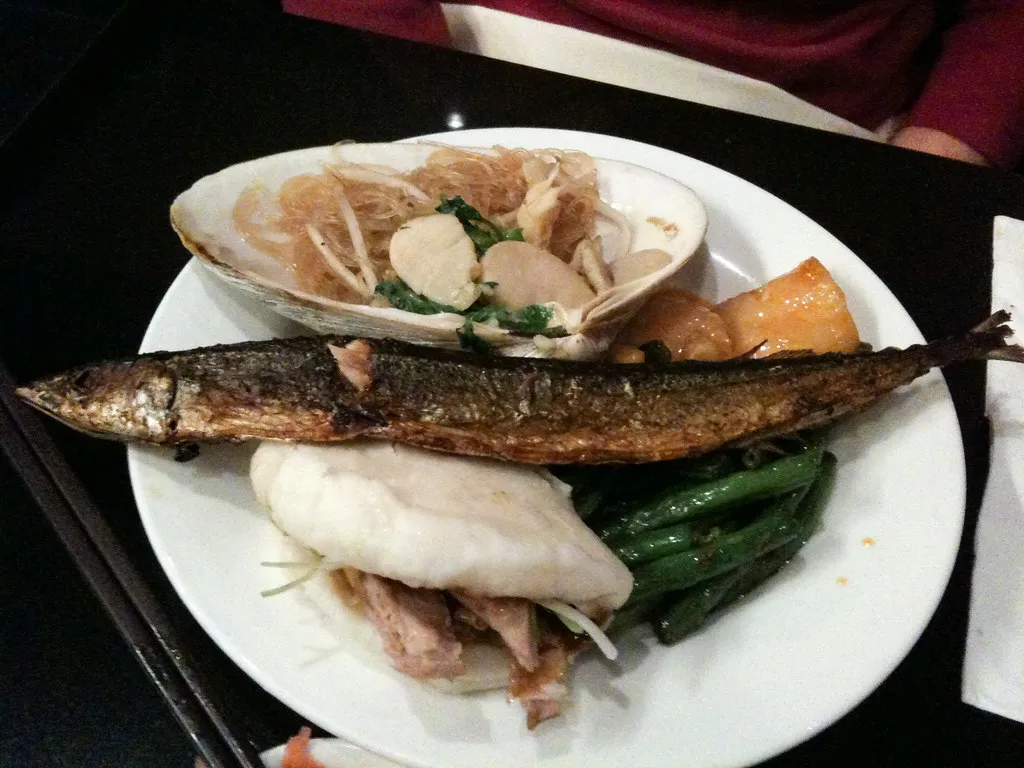
The seafood is equally impressive because the cold water surrounding the island makes fish and crabs develop more fat. This fat content translates directly into a richer, more buttery flavor that seafood lovers will immediately recognize. You should check the Best Time To Visit Hokkaido: 10 Essential Seasonal Insights to align your trip with specific seafood seasons. Winter brings the best crab, while summer is the peak time for creamy sea urchin and sweet melons.
Logistically, eating your way through the island is easier if you consider Top 10 Essential Tips for a Hokkaido Rent A Car Road Trip to reach rural farms. While major cities like Sapporo have excellent public transit, many of the best dairy farms are located in the countryside. Expect to spend between $40 and $80 per day on food if you are mixing market snacks with sit-down dinners. High-end seafood meals like King Crab can easily push your daily budget over $200 per person.
12 Best Hokkaido Foods You Must Try
The culinary landscape of the island can be divided into three main categories: seafood staples, hearty soul food, and world-class dairy. Each region has its own specialty, such as the salt-based ramen of Hakodate or the pork skewers of Muroran. To truly appreciate the variety, you should try to sample at least one item from each of these categories. Many of these dishes were born out of a need for warmth during the long, snowy winters.
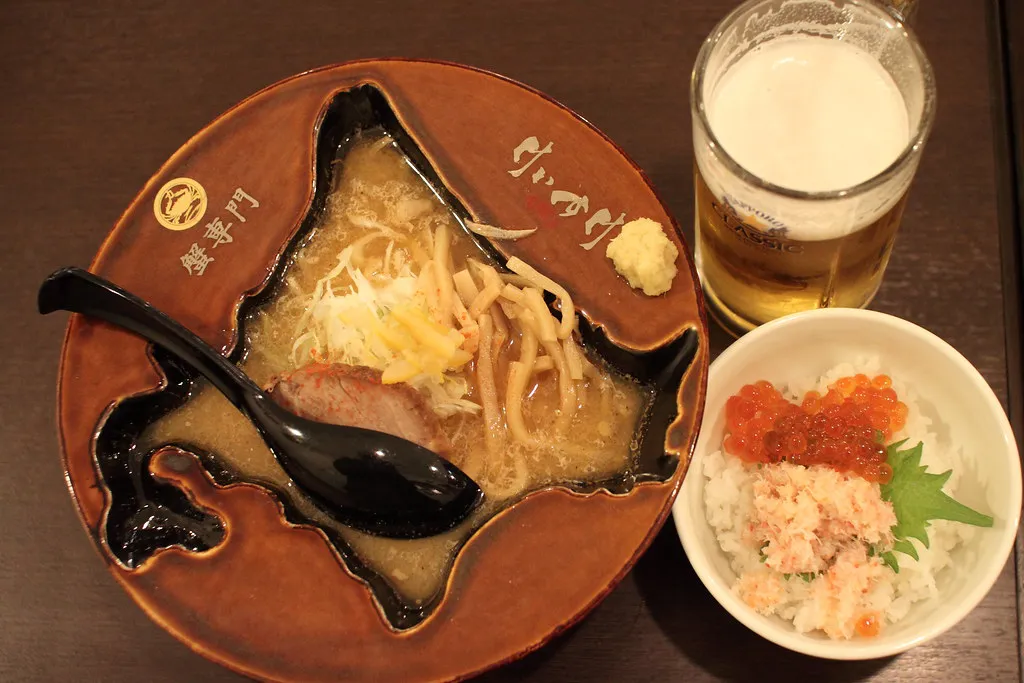
Seafood remains the primary draw for most visitors, with markets serving as the central hubs for morning meals. If you are visiting Hokkaido in Winter: 10 Essential Experiences and Itinerary Guide, the hearty hot pots and rich ramen are particularly satisfying. The following list represents the absolute best of what the island has to offer for first-time and returning visitors. Prices and hours are based on 2026 averages and may vary slightly depending on the specific vendor.
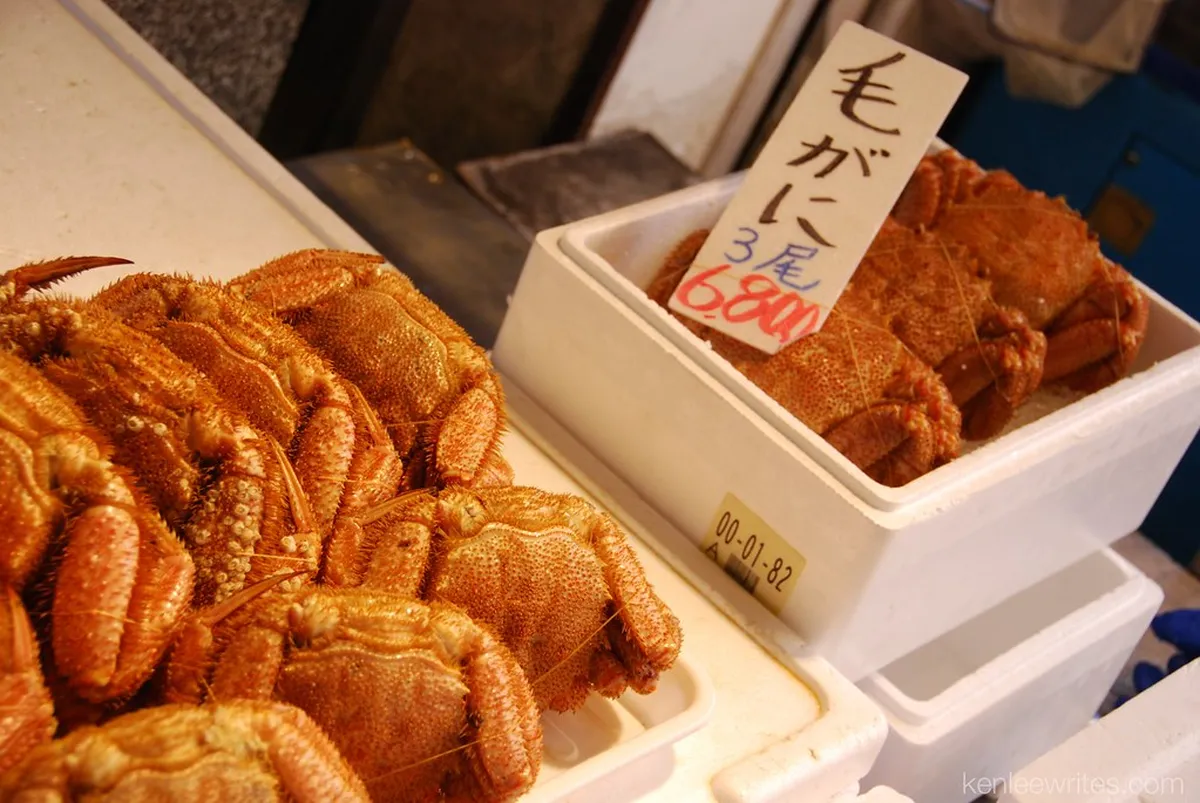
- Giant King Crab and Snow Crab (Kani)
- Hokkaido is the premier destination for massive King, Snow, and Hair crabs caught in the surrounding cold waters.
- Expect to pay between $80 and $200 for a whole crab, with many market stalls operating from 8am to 5pm.
- These are typically served steamed or grilled over charcoal to highlight the natural sweetness of the meat.
- For the best experience, visit the markets in the morning when the daily catch is first displayed in live tanks.
- Kaisendon Fresh Seafood Rice Bowls
- A kaisendon is a bowl of vinegared rice topped with a colorful assortment of the day's freshest raw seafood.
- Standard bowls cost between $15 and $45 depending on the premium toppings like fatty tuna or scallop.
- Most seafood markets serve these for breakfast and lunch, usually closing by mid-afternoon around 3pm.
- Try the 'Gomoku-don' at Hakodate Morning Market for a diverse mix of five or more different seafood types.
- Uni and Ikura Sea Urchin and Salmon Roe
- The island's sea urchin is world-renowned for its creamy texture and lacks the bitterness found in lesser varieties.
- Summer is the peak season for Murasaki Uni, which typically costs $30 to $60 for a generous serving.
- Salmon roe, or ikura, is often cured in soy sauce to create a salty, popping sensation that pairs perfectly with rice.
- Look for 'Kita-murasaki' uni specifically if you want the most prized and sweet variety available during July.
- Sapporo Miso Ramen with Butter and Corn
- Sapporo is the birthplace of miso ramen, featuring a rich, fermented soybean broth and thick, wavy noodles.
- A standard bowl ranges from $8 to $14, and most ramen shops stay open until late at night.
- Adding a slice of local butter and a scoop of sweet corn is a popular regional variation that adds incredible creaminess.
- Head to Ramen Alley in Susukino for a dense concentration of historic shops that have perfected this recipe.
- Soup Curry Spicy Vegetable and Meat Broth
- Unlike thick Japanese curry, this version is a light, spicy broth filled with large chunks of fried vegetables and chicken.
- Most specialty shops charge between $12 and $20 per bowl and offer customizable spice levels from one to ten.
- These restaurants are usually open for lunch and dinner, often with a break between 3pm and 5pm.
- Always order the 'crispy chicken' topping, as the contrast between the skin and the broth is a local favorite.
- Genghis Khan Jingisukan Mutton BBQ
- Named after the Mongol ruler, this dish involves grilling mutton or lamb on a convex metal skillet with vegetables.
- An average meal costs $20 to $40 per person and is a staple dinner experience in Sapporo's beer halls.
- The meat is often served unmarinated, allowing you to dip it into a special savory sauce after it is cooked.
- Rub the fat cap across the top of the grill first to prevent the meat from sticking to the metal.
- Hokkaido Soft Serve and High-Quality Dairy
- The island's dairy is so rich that the soft-serve ice cream has a texture more like frozen whipped cream.
- Cones usually cost between $3 and $6 and are available at almost every tourist stop and roadside station.
- Dairy farms often operate their own shops from 10am to 4pm, featuring fresh milk and artisanal cheeses.
- Seek out the lavender-flavored soft serve if you are following a 10 Essential Guides to the Hokkaido Lavender Season in Furano.
- Yubari King Melon Luxury Fruit
- This cantaloupe variety is famous for its perfectly round shape and exceptionally sweet, orange flesh.
- While auction prices hit thousands of dollars, a single slice at a market usually costs about $5 to $10.
- The peak season is short, running from late May through August, when the fruit is at its peak ripeness.
- Check for the official Yubari seal on the skin to ensure you are buying the authentic, protected regional variety.
- Pure White Sweet Corn and Buttered Potatoes
- Hokkaido corn is so sweet that the 'Pure White' variety can actually be eaten raw straight off the cob.
- Steamed corn and buttered potatoes are common street foods costing around $3 to $5 per serving.
- Roadside stations and summer festivals are the best places to find these freshly prepared snacks throughout the day.
- The potatoes are often served with a dollop of local butter and sometimes a side of salted squid guts.
- Ishikari Nabe Salmon and Miso Hot Pot
- This traditional fisherman’s stew features salmon pieces, tofu, and vegetables simmered in a rich miso-based broth.
- It is a communal meal typically served at dinner, costing roughly $25 to $50 for a pot shared by two.
- The dish is named after the Ishikari River, which is famous for its autumn salmon runs and local fishing history.
- Many traditional inns or 'ryokans' serve this as part of their multi-course kaiseki dinner during the colder months.
- Muroran Yakitori Pork and Onion Skewers
- Despite the name 'yakitori' usually meaning chicken, in the city of Muroran, it refers to grilled pork and onions.
- Individual skewers cost about $1.50 to $3, and they are typically served with a side of spicy hot mustard.
- Most izakayas serving this specialty open in the evening around 5pm and stay busy until late at night.
- The sweet and savory tare sauce used here is thicker and richer than the sauce found in Tokyo yakitori shops.
- Hanasaki Crab Seasonal Coastal Seafood
- This spiky, bright red crab is a seasonal delicacy found almost exclusively in the waters near Nemuro.
- It is prized for its deep umami flavor and is usually available from mid-summer through the early autumn months.
- Prices are comparable to Snow Crab, typically ranging from $40 to $90 depending on the size and market.
- The shell is extremely hard and sharp, so most restaurants will pre-crack it for you to make eating easier.
Where to Find the Best Local Ingredients
To find the highest concentration of these foods, you should start your journey at the major seafood markets. Nijo Market in central Sapporo is the most accessible for tourists, offering a wide variety of stalls and small restaurants. If you travel south, the Hakodate Morning Market is famous for its squid fishing pond and incredible kaisendon bowls. According to the official Hokkaido tourism board, these markets are most active between 7am and 10am each morning.
Beyond the markets, the city of Otaru is widely considered the sushi capital of the island due to its coastal location. Sushiya-dori, or Sushi Shop Street, features dozens of high-end and affordable options within walking distance of the canal. For those interested in the origins of their food, visiting 6 Best Hokkaido National Parks often leads to rural dairy farms. These farms provide a direct look at the production of the milk and cheese that the island is so famous for.
When exploring, keep in mind that many specialized restaurants only focus on one type of dish, such as ramen or soup curry. This specialization ensures a high level of quality but requires a bit more planning if you have a large group. You can find more detailed dining recommendations on the Japan Activity blog for specific neighborhoods. Always check if a restaurant requires a reservation, especially for high-end crab dinners or popular Genghis Khan spots.
Average Cost Guide (2026)
Here is what to budget per serving for each major dish, based on current 2026 market prices across Sapporo and the coastal towns:
- Sapporo miso ramen: 900–1,400 JPY (¥900–¥1,400)
- Soup curry: 1,200–2,000 JPY, depending on protein and spice add-ons
- Kaisendon (seafood rice bowl): 1,500–4,500 JPY at market stalls
- Uni (sea urchin) serving: 2,500–5,500 JPY in season
- Genghis Khan (Jingisukan) per person: 2,000–4,000 JPY at a beer hall
- Snow crab (whole, boiled): 5,000–12,000 JPY at market prices
- King Crab (whole): 15,000–25,000 JPY and up at a full restaurant
- Soft-serve ice cream: 350–600 JPY at roadside stations and farms
- Yubari melon slice: 500–1,000 JPY at markets (whole melons cost far more)
- Ishikari Nabe (for two): 4,000–7,000 JPY at a traditional inn
In practice, you can eat extremely well for 3,000–5,000 JPY per day if you stick to market breakfasts, a ramen lunch, and street snacks in the afternoon. High-end crab dinners are the main variable that can push daily spend past 15,000 JPY per person.
Hokkaido Ramen by City: Sapporo, Asahikawa, and Hakodate
Most visitors already know that Sapporo invented miso ramen, but the island actually has three distinct regional styles. Each is tied to its home city's geography and the ingredients available nearby. If you are spending more than four days in Hokkaido, trying all three is genuinely worth the extra travel time. They taste different enough that comparing them becomes a highlight of the trip.
Sapporo miso ramen is the richest of the three. The broth begins with a pork bone base, into which a blend of several miso varieties is stirred at high heat. Wavy, thick noodles are added, followed by toppings of sweet corn, a pat of local butter, sliced pork chashu, and sometimes a soft-boiled tamago egg. The butter melts into the broth as you eat, creating an increasingly creamy texture that makes it one of the most comforting cold-weather dishes in Japan. Ramen Alley (Ramen Yokocho) in Susukino, at 3 Chome-8 Minami 5 Jonishi, Chuo-ku, is the densest concentration of shops to compare styles side by side. Ramen Republic on the 10th floor of the ESTA building near Sapporo Station offers eight shops under one roof if you want more variety in one sitting.
Asahikawa ramen takes a lighter approach. The broth is soy-based, using a combination of pork and seafood dashi — often including scallops or dried bonito — to produce a cleaner, more savoury flavor with a slight saltiness. The noodles here are thinner and straighter than Sapporo's, and the bowl typically floats a thin layer of lard on the surface to keep it warm in Asahikawa's brutal winters. It pairs well with a side of gyoza. Hakodate ramen is the mildest of all: a translucent salt (shio) broth made from chicken and seafood stock, delicate in flavor, that lets the quality of the noodles and toppings stand on their own. It is the ideal ramen for first-timers who want something lighter after a morning of kaisendon and crab at the Hakodate Morning Market.
Kombu, Sake, and Hokkaido Drinks Worth Trying
One detail most food guides skip entirely is the role of kombu kelp in making Hokkaido food taste the way it does. The cold, nutrient-dense water around the island produces kombu with an extraordinarily high concentration of glutamic acid — the compound responsible for umami. This kombu is dried, aged, and used to make the dashi stock that underpins miso soup, ramen broth, and Ishikari Nabe. Without it, none of those dishes would taste the same. If you visit a market and see bundles of dried kombu for sale, pick one up as a souvenir: it is a lightweight, shelf-stable ingredient that will immediately improve any broth you make at home.
Sapporo is also the birthplace of commercial beer in Japan. The Sapporo Beer Museum (open 11:00–18:00, free entry, Beer Heim Garden near Higashi-ku) traces the brand back to its 1877 founding by German-trained brewmaster Seibei Nakagawa. At the end of the self-guided tour, you can pay for a tasting of the 1877 original recipe lager — it is lighter and crisper than the mass-market version. The adjacent Garden Grill restaurant combines all-you-can-drink Sapporo beer with all-you-can-eat Genghis Khan mutton for a fixed price around 4,000 JPY per person, making it one of the better-value big-group dinners in the city.
Further afield, the Nikka Whisky Distillery in Yoichi (about 40 minutes west of Sapporo by train on the JR Hakodate Line) offers free factory tours and complimentary whisky samples. The distillery was founded in 1934 by Masataka Taketsuru, who studied distilling in Scotland and brought the craft to Hokkaido specifically because the climate and water quality resembled the Scottish Highlands. It is an easy half-day side trip if you are already heading toward Otaru. The combination of a morning spent at Otaru's sushi street and an afternoon at the Yoichi distillery makes for an unusually satisfying food-and-drink day.
Farm Experiences and Cooking Classes in Hokkaido
Hokkaido's food culture extends beyond restaurants and markets into the farms themselves. The island has more active agricultural land than any other prefecture in Japan, and many farms now welcome visitors for hands-on experiences that take roughly two to three hours. A farm cooking class typically covers rolling sushi rice with nori, making miso soup from scratch with kombu dashi, and preparing a local potato dish. These classes give context that sitting in a restaurant cannot: you handle the ingredients before they are cooked, which makes everything you eat afterward more meaningful.
Dairy farm visits are available near Furano, Biei, and the Tokachi plain in eastern Hokkaido. Most operate small on-site shops selling fresh milk, artisanal butter, yogurt, and soft-serve between 10:00 and 16:00. The yogurt produced at farms around Niseko is notably thick and drinkable — available in bottles at local convenience stores if you miss the farm itself. For lavender-season visitors between late June and mid-August, roadside soft-serve stands in Furano often feature seasonal flavors like lavender, melon, and haskap berry alongside the standard milk variety. These take about five minutes and cost under 600 JPY, making them the easiest and most photogenic food stop on any rural drive.
If you prefer a structured experience, several operators in Sapporo and the Niseko area run half-day farm tours that combine a produce-picking activity with a cooking session and a shared lunch. Booking at least two weeks ahead is advisable in summer, when demand from domestic tourists is highest. The Hokkaido Itinerary: 7-Day Guide to Japan's North covers how to slot a farm morning into a broader loop around the island's key regions.
What to Skip and Common Mistakes
One of the biggest mistakes visitors make is buying pre-packaged ramen kits at the airport thinking they match the restaurant experience. While these are fine as souvenirs, they lack the fresh noodles and complex, layered broths found in a real ramen shop. The vacuum-sealed versions often use preservatives that can alter the delicate balance of the miso and umami flavors. Spend your money on a fresh bowl in a local alleyway instead to experience the true depth of the dish.
Another common pitfall is visiting major markets like Nijo in the late afternoon when the best seafood has already sold out. By 2pm, many of the premier stalls are packing up, leaving only the more tourist-oriented, overpriced shops open. You should also be wary of 'all-you-can-eat' crab deals that seem too good to be true, as they often use frozen stock. Fresh, locally caught crab is rarely discounted, so a very low price usually indicates a significant drop in quality.
Finally, do not assume that all Hokkaido food is available year-round, especially when it comes to fruit and specific shellfish. Trying to find high-quality sea urchin in the middle of winter will often lead to disappointment or high prices for imported stock. Consulting a guide on getting to Hokkaido and planning for the right season is essential for foodies. Stick to the seasonal specialties to ensure you are getting the best value and the most authentic flavors possible.
Explore Hokkaido Food and Dining
Use these guides to compare local dishes, dining areas and practical food experiences in Hokkaido.
Explore food guide in other cities
Frequently Asked Questions
Is food in Hokkaido more expensive than in Tokyo?
While high-end seafood like King Crab is expensive everywhere, everyday meals like ramen and soup curry are often cheaper in Hokkaido. You can find excellent meals for under $15. Local produce and dairy are also more affordable due to the lack of transportation costs.
What is the best month for seafood lovers to visit?
Winter (December to February) is best for crab and fatty fish, while summer (June to August) is the peak for sea urchin and melon. Both seasons offer incredible variety. Check the local market calendars for specific harvest festivals during your stay.
Can vegetarians find good food options in Hokkaido?
Hokkaido's incredible produce makes it easier for vegetarians, especially with dishes like soup curry which can be ordered with just vegetables. However, many broths use fish stock, so it is important to ask. The island's dairy and sweets are also a major highlight.
Hokkaido food is a reflection of the island's wild landscape and the hard-working people who harvest its bounty. From the first bite of creamy soft serve to the last drop of a spicy soup curry, the culinary journey is deeply rewarding. By following this guide, you can avoid the tourist traps and focus on the authentic flavors that make this region special. Plan your trip around the seasons, visit the markets early, and do not be afraid to explore the smaller coastal towns.
For more help planning your trip, explore our Hokkaido attractions guide to find things to do between meals. Whether you are a seasoned foodie or a curious traveler, the flavors of Japan's north will stay with you long after you leave. The year 2026 is an excellent time to visit as many local markets have recently updated their facilities for international guests. Safe travels and 'itadakimasu'—enjoy your feast in the kitchen of Japan.
Free guide: Japan's Hidden Gems
12 under-the-radar places beyond Tokyo & Kyoto — with the best season to visit each and a local tip you won't find in the guidebooks.
You might also like

Continue reading
More guides you'll find useful