How To Get To Hokkaido: The Complete Transportation Guide
Plan your trip to Hokkaido with our guide to flights, Shinkansen routes, and ferries. Includes JR Pass advice, travel times from Tokyo, and local transport tips.
On this page
Hokkaido offers a breathtaking escape into Japan's wild northern frontier. Learning how to get to Hokkaido is the first step toward exploring its volcanic peaks and vibrant cities. Most travelers choose between high-speed flights and the iconic Shinkansen bullet train. Each method provides a unique perspective on the changing Japanese landscape.
The island is famous for its world-class ski resorts and stunning summer flower fields. Many visitors start their journey in Tokyo or Osaka before heading north. Understanding the logistics of regional transit will help you maximize your time in this vast prefecture. This guide covers every major route to ensure your trip is seamless and enjoyable.
Useful resources: the official Visit Hokkaido site and Japan National Tourism Organization have current access and seasonal details.
Flying to Hokkaido: Fastest Routes and Major Airports
Most travelers begin their journey at New Chitose Airport Official Website near Sapporo. This hub handles hundreds of daily flights from Tokyo and Osaka. Flying remains the most efficient way to reach the island for most tourists. You can reach downtown Sapporo in about 40 minutes by train from the terminal.
Both ANA and JAL operate dozens of daily departures from Tokyo Haneda (HND) and Narita (NRT) to New Chitose Airport (CTS). The Tokyo–Sapporo route is one of the world's busiest air corridors, so flights run every 30 to 60 minutes during peak hours. Budget carriers Peach Aviation and Jetstar also serve this route from Narita and Kansai airports, frequently at fares of ¥5,000–¥15,000 if you book two to four weeks ahead. From Osaka's Kansai International Airport (KIX) and Itami Airport (ITM), flight time is around two hours to New Chitose.
Travelers heading to specific regions should consider the island's smaller airports rather than routing through Sapporo. Asahikawa Airport (AKJ) puts you 90 minutes closer to Daisetsuzan National Park, Furano, and Biei — a meaningful saving if those are your main destinations. Hakodate Airport (HKD) is around 80 minutes from Tokyo and cuts out the overland leg entirely if you plan to explore the south first. Choosing the right entry airport can eliminate hours of train travel after landing.
International visitors should also note the ANA Experience Japan Fare and the JAL Explorer Pass. These domestic discount programs are only available to passengers who arrive in Japan on an international ticket, and they cap individual domestic fares at roughly ¥10,800 per leg. This can make flying far cheaper than the Shinkansen for those already flying into Tokyo or Osaka from abroad. Check eligibility before purchasing any rail passes, because the air pass route is frequently the lower-cost option for multi-city itineraries.
In-flight views of the Tsugaru Strait and snow-capped peaks are often spectacular. Many domestic flights take less than two hours from the Tokyo area. This speed allows you to start exploring 25 Best Things to Do in Hokkaido on your very first day. Check flight schedules frequently as seasonal demand can impact availability.
Taking the Shinkansen: The Tokyo to Hakodate Bullet Train
The Hokkaido Shinkansen opened in 2016 and currently ends at Shin-Hakodate-Hokuto Station. High-speed Hayabusa services connect Tokyo Station to Shin-Hakodate-Hokuto in roughly four hours. From there, the Limited Express Hokuto train runs north to Sapporo in approximately 3.5 hours, making the total journey from Tokyo around eight hours. Planning an overnight stay in Hakodate breaks this into two very manageable travel days.
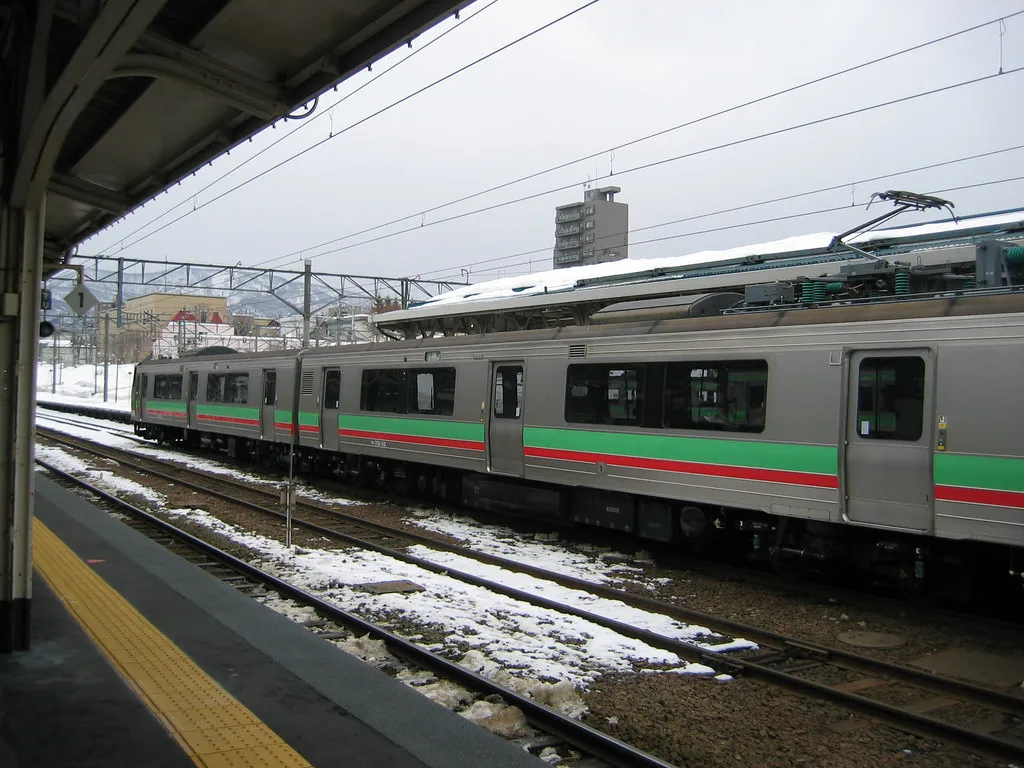
The Seikan Tunnel is a highlight of the rail journey. This 54 km undersea passage connects Honshu to Hokkaido beneath the Tsugaru Strait and remains one of the great feats of Japanese engineering. The transition from the tunnel into Hokkaido's open landscape often surprises first-time passengers. Keep your camera ready as you emerge into the rolling southern hills of the island.
Note that the Sapporo extension of the Shinkansen is scheduled to open around 2030. Until then, the rail-only journey from Tokyo to Sapporo takes eight hours and involves that mandatory train change at Shin-Hakodate-Hokuto. All seats on Hayabusa services are reserved — even JR Pass holders must go to a ticket office to secure a seat reservation at no extra charge before boarding.
The Japan Rail Pass Official Site provides the current national pass pricing. The October 2023 price increase significantly changed the calculation: a 7-day national pass now costs around ¥50,000 and a 14-day pass around ¥80,000. The single standard-fare Shinkansen ticket from Tokyo to Shin-Hakodate-Hokuto is approximately ¥23,000. If Hokkaido is the only region you plan to visit, the regional JR Hokkaido Rail Pass — available in 5-day (¥22,000) and 7-day (¥28,000) formats — may be a smarter buy than the national pass. Run the numbers against your actual itinerary before purchasing either.
Flight vs. Train: Side-by-Side Comparison from Tokyo
| Option | Travel Time | Typical Cost | Comfort | Best For |
|---|---|---|---|---|
| LCC flight (Peach/Jetstar) | ~1.5 hrs | ¥5,000–¥15,000 | Standard | Budget travelers, short trips |
| ANA / JAL flight | ~1.5 hrs | ¥15,000–¥30,000 | Full-service | Comfort, frequent flyers |
| Shinkansen to Hakodate | ~4 hrs | ~¥23,000 (standard) | Spacious, scenic | Rail-pass holders, Hakodate stopover |
| Shinkansen + express to Sapporo | ~8 hrs | ~¥32,000 (standard) | Spacious, scenic | Sightseers, Japan Rail Pass users |
| Ferry (Oarai to Tomakomai) | ~18 hrs | ¥12,000+ (shared cabin) | Relaxed, onsen | Car/bike travelers, slow travel |
Getting to Hokkaido from Osaka
Osaka is Japan's second major hub for international arrivals, and reaching Hokkaido from there is straightforward. Direct flights from Kansai International Airport (KIX) or Itami Airport (ITM) to New Chitose Airport take roughly two hours. Budget carriers including Peach and Jetstar regularly offer competitive fares from KIX. If you are already on a multi-city trip through western Japan, Osaka makes a natural departure point for Hokkaido rather than backtracking to Tokyo.
The train option from Osaka follows the same Shinkansen corridor but adds a Shinkansen leg from Osaka to Tokyo first. Osaka to Hakodate via Shinkansen takes approximately 8 hours, and reaching Sapporo adds another 3.5 hours, totalling around 11 hours by rail. A national JR Pass covers the entire Osaka–Sapporo journey, but at that route length, flying from Kansai is almost always more time-efficient unless the train experience itself is the goal.
Osaka-area ferry services are another option for travelers with cars or extra time. Shin Nihonkai Ferries runs a route from Maizuru, in Kyoto Prefecture (about 100 km north of Osaka), directly to Otaru — one of Hokkaido's most scenic port towns. The voyage takes approximately 20 hours and includes restaurants, public baths, and cabin options ranging from shared rooms to private berths. A second Shin Nihonkai route departs from Tsuruga in Fukui Prefecture and arrives at Tomakomai after around 20 hours. Both ferry ports are reachable by JR train from Osaka or Kyoto in roughly two hours.
Reaching Hokkaido by Ferry: The Scenic Sea Route
Ferries offer a unique slow-travel experience for those with extra time or vehicles. The Sunflower Ferry runs twice daily from Oarai (Ibaraki Prefecture, roughly two hours from central Tokyo by train) to Tomakomai port on Hokkaido. The crossing takes about 18 hours and gives you the option of a day sailing or an overnight passage in a private cabin. It is an excellent choice for travelers bringing a car, motorbike, or bicycle.
These large vessels are well equipped for the journey. Onboard amenities typically include public baths, casual restaurants, a small convenience store, and lounge seating. The overnight option lets you sleep through most of the crossing and wake up in Hokkaido — effectively saving a hotel night. Shared rooms start at around ¥12,000; private cabins cost more but offer considerably more comfort for the 18-hour voyage.
For travelers coming from western Japan, Shin Nihonkai Ferries departs from Maizuru (near Kyoto) and Tsuruga (Fukui) to Otaru or Tomakomai. Both crossings run approximately 20 hours. Arriving into Otaru is particularly convenient if Sapporo is your base, as the two cities are just 35 minutes apart by JR train. Booking ferry tickets in advance is essential during the busy summer months; prices vary based on your choice of cabin and whether you are transporting a vehicle.
Driving to Hokkaido: Rental Cars and the Seikan Tunnel
Driving to the island requires a mix of road travel and ferry crossings. While the Seikan Tunnel connects the islands by rail, there is no road tunnel for private vehicles. You must drive to the northern tip of Honshu and board a vehicle ferry to reach Hakodate. Drop off your rental car at the Aomori ferry terminal and pick up a new one at Hakodate on the other side — one-way cross-island rentals between different companies are not possible.
Once you arrive, Top 10 Essential Tips for a Hokkaido Rent A Car Road Trip becomes essential reading. The island is vast and many scenic spots lack frequent public transport connections. Having your own wheels allows you to visit remote hot springs, lesser-known coastal viewpoints, and the rural flower farms of Biei without being tied to bus schedules. It also gives you the flexibility to change your route based on the weather or road conditions.
Driving in Hokkaido is generally straightforward due to wide roads and clear signage — a welcome contrast to Tokyo. However, winter conditions from November through March require snow tyres and experience on icy surfaces. Many mountain passes close during the coldest months to ensure driver safety, so always check road reports before heading into the central highlands or northern capes. Note that you must carry a valid international driver's licence alongside your home country licence to rent and drive in Japan. Nationals of Belgium, Estonia, France, Germany, Monaco, Switzerland, and Taiwan may drive on their home licence with an official Japanese translation instead.
Fuel stations can be sparse in eastern wilderness areas like Shiretoko and around the Nemuro Peninsula. Fill your tank whenever you pass through a major town. Navigation systems in rental cars usually include English support for easier route planning, and parking is far easier to find here than in crowded cities like Tokyo or Osaka.
Getting Around: JR Hokkaido Rail Pass and Local Trains
The regional JR Hokkaido Rail Pass is often the smartest ticket for visitors who plan to stay on the island and cover multiple cities. Available in 5-day (¥22,000) and 7-day (¥28,000) formats, it covers all JR trains within the prefecture including limited express services, and includes free seat reservations on those express trains. Compare this to the national Japan Rail Pass — after the October 2023 price hike, the 7-day national pass costs around ¥50,000. If you are flying into and out of Hokkaido and not riding the Shinkansen, the regional pass saves you roughly ¥28,000.
The pass lets you reach major hubs efficiently. Sapporo to Asahikawa costs ¥5,440 and takes 1 hour 25 minutes by limited express; Sapporo to Kushiro is ¥10,320 and takes 4 hours; Sapporo to Hakodate is around ¥8,910 and takes 3.5 hours. A 7-day route covering Otaru, Sapporo, Furano, Kushiro, and Hakodate — totalling roughly ¥37,000 in standard fares — breaks even well within the pass price. You might find a Hokkaido Itinerary: 7-Day Guide to Japan's North that maps these connections clearly to help you decide.
IC cards like Suica or Kitaca work on Sapporo subways and most urban buses in the city. However, these contactless cards are not accepted at rural stations or on many regional buses across the island. Always carry cash when venturing outside major cities, and check IC card compatibility before you travel to avoid confusion at the gate. Some remote JR stations in eastern Hokkaido are unstaffed, with ticket machines that accept cash only.
Seasonal Logistics: Best Times for Snow vs. Summer Hiking
Your choice of transport often depends heavily on the season and your planned activities. Winter visitors flock to the island for world-class skiing and the famous Sapporo Snow Festival, held each February. During this period, flights can be expensive and trains fill quickly — book both as far in advance as possible. Check the Best Time To Visit Hokkaido: 10 Essential Seasonal Insights to align your transport choices with local events and peak crowd periods.
Summer, roughly July through September, is the best window for hiking in 6 Best Hokkaido National Parks like Daisetsuzan. Accessing mountain areas requires a combination of trains and local buses. Those visiting Hokkaido in Winter: 10 Essential Experiences and Itinerary Guide should budget extra time for potential transit delays: heavy snowfall can lead to train cancellations or flight diversions, particularly in January and February. A flexible schedule is essential in the coldest months.
Be cautious in the shoulder season. Early October often brings the first snowfall at altitude, which can shut down high-altitude hiking routes overnight. By mid-October, the hiking season at Asahidake is effectively over for the year. Some coastal roads are also restricted during peak winter to prevent accidents from snowdrifts. Planning around these seasonal transitions ensures a much smoother and safer journey.
The Last Bus Problem: Getting to Asahidake Onsen
One of the most common logistics mistakes made by hikers visiting Daisetsuzan National Park is missing the bus from Asahikawa to Asahidake Onsen. The Ideyu-go bus departs from the bus station outside Asahikawa Station main entrance. In 2026, summer-season departures run at approximately 06:45, 10:30, 13:00, and 15:30, with the last bus leaving well before sunset. If you miss the 15:30 service, there is no next bus and taxis from Asahikawa to Asahidake run approximately 7,000–9,000 yen for the 30-kilometre journey.
The practical fix is to take a morning train from Sapporo to Asahikawa — a 1 hour 25 minute journey — and board the 10:30 or 13:00 bus. Do not attempt to do Sapporo sightseeing in the morning and then catch a late bus the same day; you risk being stranded. Verify the current Ideyu-go timetable on the Dohoku Bus website before your trip, as schedules contract in spring and autumn. Purchasing bus tickets from the bus driver or the small ticket office near the station entrance is straightforward — no advance booking is needed for the bus itself.
Sample 7-Day Hokkaido Public Transport Itinerary
A well-planned week can cover the highlights of southern and central Hokkaido. Start your journey in Hakodate after arriving via the Shinkansen from Tokyo. Spend two days exploring the historic port, the Kanemori Red Brick Warehouses, and the famous morning market. This city provides a comfortable, unhurried introduction to the island's unique culture and seafood before you head north.
Take a limited express train north to Sapporo for the next two days. Use this time to enjoy the 12 Best Hokkaido Foods You Must Try recommendations in the Susukino district and take a day trip to Otaru. Sapporo serves as the central hub for regional excursions — the 25-minute JR express to Otaru is particularly easy, and Otaru's historic canal district makes an excellent half-day outing.
Dedicate the final three days to Asahikawa and the mountain interior. Travel from Sapporo to Asahikawa (1 hour 25 minutes) and make the Asahidake Onsen bus your first departure the following morning. This gives you two full days at Daisetsuzan with time for hiking in summer or the ropeway in winter, before returning to Asahikawa and catching the train back to Sapporo or heading directly to New Chitose Airport. This loop makes efficient use of the JR Hokkaido Rail Pass and covers the island's most rewarding regions.
Practical Tips for a Smooth Journey to the North
Book your transport well in advance to save money and avoid sold-out trains or flights. This is especially important for the Shinkansen and domestic flights during Japanese public holidays (Golden Week in late April–early May, Obon in mid-August, and the New Year period). Use the Japan National Tourism Organization - Hokkaido site for updated travel alerts and seasonal access information. Note that Shinkansen seat reservations must be made at a JR ticket office or machine in person, even if you already hold a JR Pass — all Hayabusa seats are reserved.
Use luggage forwarding (takuhaibin) to travel comfortably between cities. Major airports, hotels, and convenience stores offer this service for around ¥1,500–¥2,000 per bag per delivery. You send your suitcase ahead to your next hotel the night before and travel the following day with just a daypack. This is a genuine quality-of-life upgrade on a multi-city rail itinerary, especially if you are navigating rural bus connections with heavy luggage.
Remember that the Shinkansen extension to Sapporo is scheduled to open around 2030. Until then, the transfer at Shin-Hakodate-Hokuto remains a necessary part of the Tokyo-to-Sapporo rail journey. Budget an extra 15–20 minutes at that station for the platform change, particularly in winter when heavy snow can slow transfers. Always allow generous connection time, and consider whether flying from New Chitose directly to your next destination is faster than backtracking to Tokyo by train at the end of your trip.
On the ground in Sapporo, the city subway and tram network is efficient and IC-card friendly. Buses from Sapporo reach Otaru, Niseko, and other destinations in the south and west, but rural services thin out quickly once you leave the main corridors. Carry a downloaded offline map (Google Maps works well in Japan when pre-downloaded) and check bus timetables at the relevant operator websites the evening before any rural day-trip, not the morning of.
Frequently Asked Questions
Is it better to fly or take the train to Hokkaido?
Flying is generally faster and more convenient for most travelers. A flight from Tokyo takes about 90 minutes compared to eight hours by train. However, the Shinkansen is ideal for those who enjoy scenic rail travel or have a Japan Rail Pass to utilize.
How long does the bullet train take from Tokyo to Sapporo?
The total journey takes approximately eight hours from Tokyo Station. This includes a four-hour Shinkansen ride to Shin-Hakodate-Hokuto and a transfer to a limited express train. The final leg to Sapporo takes an additional 3.5 hours through the southern landscape.
Can I use the Japan Rail Pass to get to Hokkaido?
Yes, the national Japan Rail Pass covers the Shinkansen from Tokyo to Hakodate. It also allows you to use JR limited express and local trains throughout the island. Be sure to calculate your costs as the regional JR Hokkaido Pass might be cheaper for some.
What is the cheapest way to get to Hokkaido from Tokyo?
Low-cost carriers like Peach or Jetstar often offer the cheapest fares from Tokyo. If you book several weeks in advance, tickets can be significantly less than the Shinkansen. Overnight ferries from Oarai are another budget-friendly option for those with flexible schedules.
Do I need a car to travel around Hokkaido?
A car is highly recommended for exploring remote areas like national parks or eastern capes. Public transport is excellent between major cities but infrequent in rural regions. Having a rental car provides the freedom to visit hidden gems at your own pace.
Reaching Japan's northern island is an adventure that offers multiple rewarding paths. Whether you fly for speed or take the train for scenery, the journey sets the tone for your visit. Plan your logistics carefully to make the most of Hokkaido's incredible natural beauty and culture. Your northern escape awaits with unforgettable experiences in every season.
Free: The Sapporo Essentials guide
Top things to do, where to stay, a perfect day plan, getting around, and the best time to go — a Sapporo mini-guide you can take offline.
You might also like


Continue reading
More guides you'll find useful