

Tokyo to Sapporo Train: 8 Essential Tips for Your Journey
Planning a Tokyo to Sapporo train trip? Learn about the Hokkaido Shinkansen route, ticket prices, JR Pass coverage, and the essential transfer at Hakodate.
On this page
Traveling from the neon-lit streets of Tokyo to the snowy landscapes of Sapporo is a bucket-list adventure for many. While most people think of flying, the rail journey offers a unique way to see the Japanese countryside. You will experience high-speed technology and stunning coastal views as you move north.
Understanding the logistics of the tokyo to sapporo train is vital because there is no direct bullet train yet. Travelers must navigate a specific transfer point in southern Hokkaido to complete the trip. This guide provides everything you need to know for a smooth and enjoyable rail experience.
Planning ahead ensures you get the best seats and the most value from your rail passes. From crossing the undersea Seikan Tunnel to enjoying local bento boxes, every part of the trip is memorable. Let us dive into the essential tips for mastering this iconic Japanese route.
The Hokkaido Shinkansen Route: Tokyo to Shin-Hakodate-Hokuto
Your journey begins at Tokyo Station where you will board the high-speed Hayabusa train on the Hokkaido Shinkansen line. This sleek green train is famous for its long nose and incredible speeds reaching 320 kilometers per hour. Most travelers enjoy the smooth ride through the Tohoku region before reaching the northern tip of Honshu, taking approximately four hours for this first leg.
Crossing the Seikan Tunnel is a major highlight of the trip for many rail enthusiasts and curious travelers. This is the world's longest undersea rail tunnel, running 240 meters below sea level. You will spend approximately twenty-five minutes traveling through this fifty-four-kilometer engineering marvel that connects the main island of Honshu to Hokkaido. The depth and scale of this tunnel make it a unique experience found on very few rail routes globally.
The first leg concludes at Shin-Hakodate-Hokuto Station, the current northern terminus of the Hokkaido Shinkansen. While the Shinkansen extension to Sapporo city center is scheduled for 2030, for now this station marks where you must transfer to a regional train. The station is modern, well-signposted, and designed to handle international travelers with clear English signage and helpful staff. You can find more details on the specific route stops in this JRailPass Hokkaido Shinkansen Guide.
The Seikan Tunnel is the world's longest undersea rail tunnel at 54 km, running 240 meters below sea level. You will spend approximately 25 minutes crossing it — a unique engineering milestone that most rail enthusiasts specifically book this route to experience.
Navigating the Transfer to the Super Hokuto Limited Express: Step-by-Step Walkthrough
The transfer at Shin-Hakodate-Hokuto Station is designed to be seamless, but understanding the exact process removes any anxiety. When your Hayabusa arrives, you will typically pull into platforms 10–11 on the Shinkansen side. Exit the train and follow the bright yellow directional signs marked "Limited Express" or "Hokuto." Staff members in blue uniforms are positioned throughout the station to answer questions and assist with luggage.
From the Shinkansen platform, walk toward the main concourse—this takes two to three minutes. You will pass through a ticketing area where you can confirm or collect your Super Hokuto Limited Express reservation. The Limited Express platforms are platforms 1–3, located on the opposite side of the concourse. If you booked a through-ticket from Tokyo (highly recommended for transfer discounts), simply show your pass or ticket at the gate and proceed directly to your assigned platform. The entire transfer typically takes ten to fifteen minutes if you move at a normal pace.
JR staff often wait near the transfer gates to guide confused travelers, and English-language signage is comprehensive. If you have extra time between trains (usually 20–40 minutes is built in), take advantage of the station's convenience stores or vending machines to pick up an ekiben (railway bento) or a drink for the final 3.5-hour leg. Sapporo Station is your final destination on the Super Hokuto Limited Express, arriving in the heart of the city with excellent connections to hotels and attractions. You can find more details on things to do in Sapporo and plan your onward journey.
Ticket Costs, Booking Options, and JR Pass Savings
A standard one-way ticket for the entire route from Tokyo to the north usually costs around 27,000 yen. Prices can vary slightly depending on the season and whether you choose a reserved or non-reserved seat. You can check current rates and book your trip through the Japan Bullet Train Tickets portal.
Before buying a pass for this route, run it through our free JR Pass Calculator — it checks the national JR Pass and every relevant regional pass against pay-per-ride fares for your full itinerary.
Budget-conscious travelers should consider the JR East-South Hokkaido Pass as a cheaper alternative to the full national pass. This specific pass covers the bullet train and the limited express for several consecutive days of travel. It is a fantastic way to save money if you only plan to visit the northern regions.
Reserving your seats in advance is highly recommended, especially during peak travel periods like the New Year or Golden Week. You can make these reservations at any JR Ticket Office or through the official website before you arrive. Having a guaranteed seat allows you to relax and enjoy the scenery without any worries.
Life Onboard: Hayabusa Amenities and Gran Class Luxury
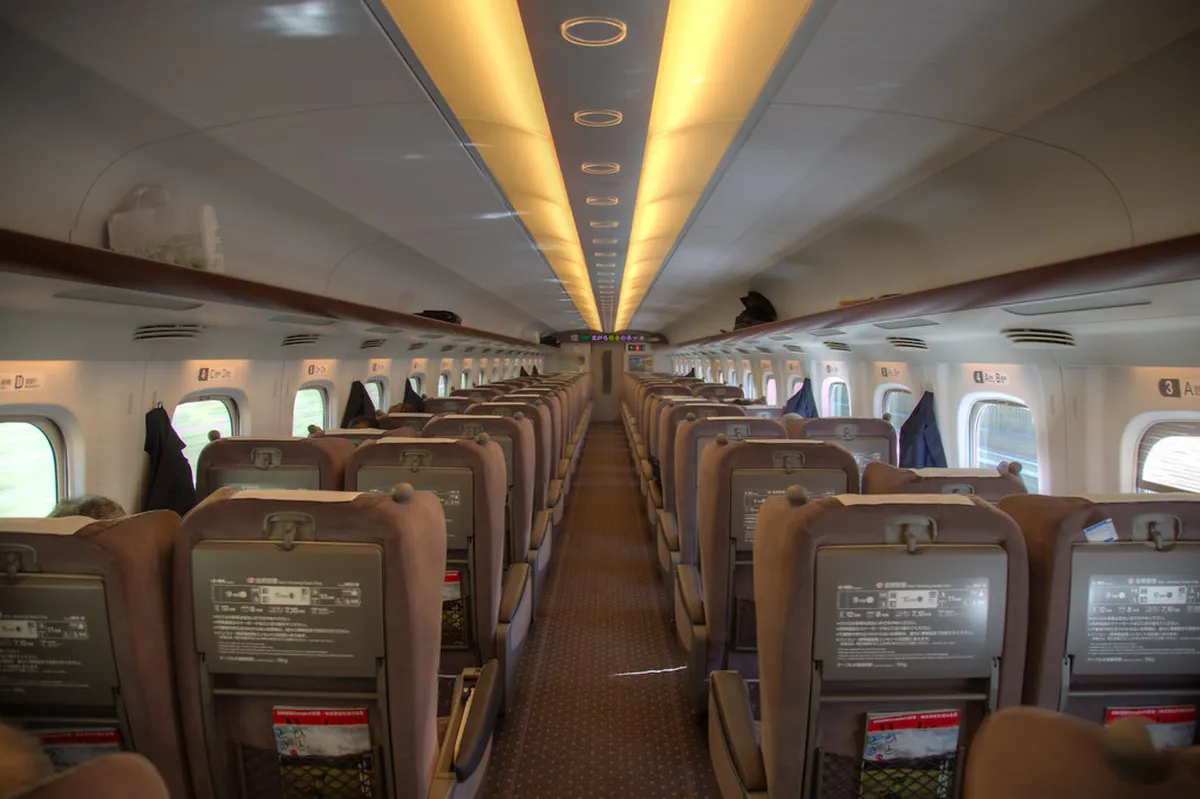
The Hayabusa Shinkansen offers three distinct levels of service to suit different budgets and comfort preferences. Standard cars provide ample legroom and power outlets at every seat for your electronic devices. If you are planning a detailed Sapporo itinerary, the quiet cabin is an excellent place to work or enjoy the views through large windows.
Gran Class offers the highest level of luxury available on the Japanese rail network for those seeking a premium experience. Passengers enjoy plush leather seats that recline up to 52 degrees and come with a personal reading light, footrest, and sliding privacy partition. Attendants serve seasonal light meals with local specialties and unlimited complimentary drinks (including alcoholic beverages) to everyone sitting in this exclusive first-class cabin. The difference in cost between Standard and Gran Class is typically ¥13,000–¥16,000 for this Tokyo-to-Hakodate leg, making it a splurge-worthy option if comfort and dining are priorities.
Green Car is the middle-tier option that provides wider seats with extra legroom (approximately 2 inches more than Standard) and a quieter atmosphere. Every car on the train features immaculate restrooms, drinking fountains, and multi-purpose rooms for passengers who may feel unwell. The smooth suspension of the train ensures that you can move around easily even at high speeds. Green Car typically costs ¥4,000–¥6,000 more than Standard, offering a good value upgrade for the 4-hour leg.
For the Super Hokuto Limited Express leg (Hakodate to Sapporo), only Standard and Green Car options are available. The 3.5-hour ride is also comfortable but less luxurious than the Shinkansen, so plan any premium experience for the Tokyo-to-Hakodate portion.
Understanding the Journey: Travel Times and Timetables
The total travel time from Tokyo Station to the heart of Hokkaido typically spans between eight and nine hours. The Shinkansen leg takes roughly four hours, while the transfer and final train add another four hours of travel. It is vital to check the Sapporo Station Guide for the most recent departure schedules.
Trains depart from Tokyo every hour, but the fastest Hayabusa services are the most popular choices for long-distance travelers. You should aim for an early morning departure to arrive in the north before the dinner hour begins. This timing allows you to check into your hotel and enjoy the local nightlife without feeling rushed.
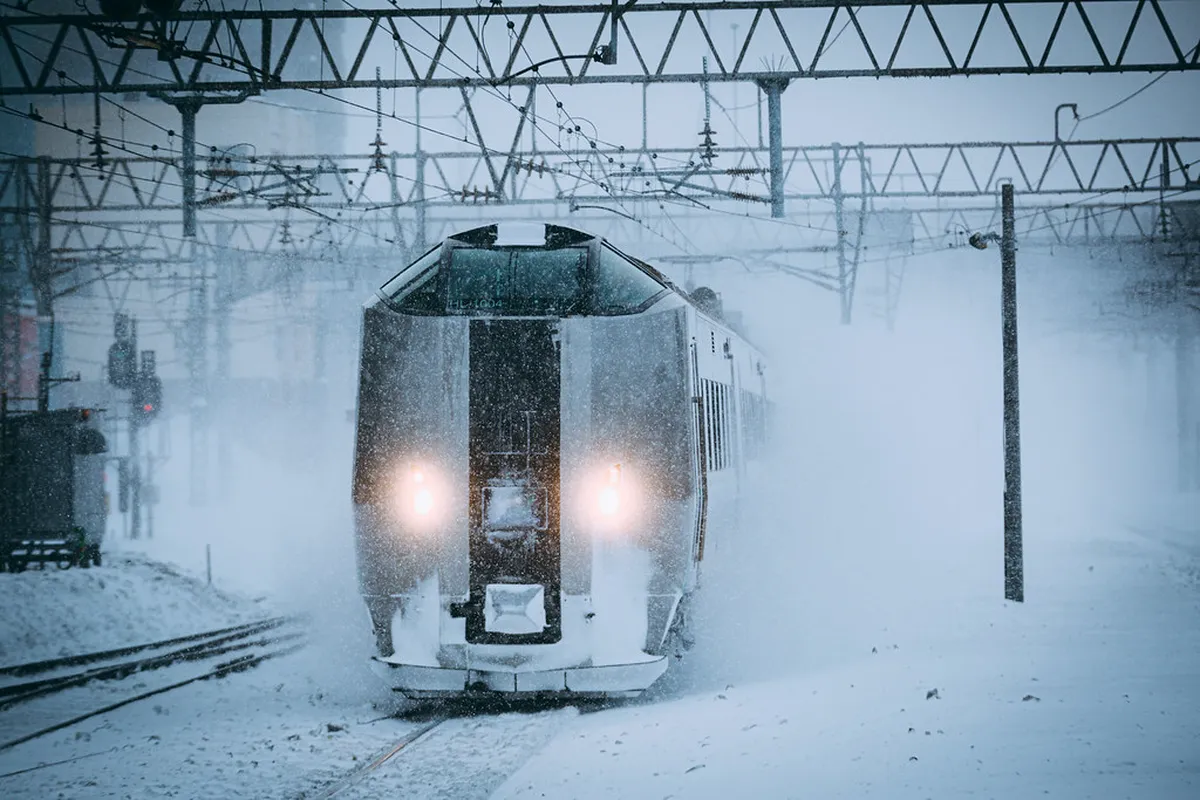
Winter weather in 2026 may occasionally cause delays on the limited express leg due to heavy snowfall on the tracks. The Shinkansen leg is generally more resilient to weather conditions because of specialized snow-clearing equipment on the line. Always allow for a little extra time in your schedule when traveling during the colder months.
Train vs. Plane: Comparison Table and When to Choose Each
The decision between train and plane depends on your priorities. Here is a breakdown of the key factors:
| Factor | Train (Shinkansen) | Flight |
|---|---|---|
| Door-to-Door Time | 7.5–8 hours | 4–5 hours total (1.5hr flight + airport transfers) |
| Cost (Low Season) | ¥27,000–¥27,760 (one-way); cheaper with JR Pass | ¥5,000–¥15,000 with budget carriers; ¥20,000–¥45,000 full-service |
| Comfort | Spacious, reclinable seats; freedom to move; onboard food/drink; scenic views | Limited legroom; confined during flight; limited meal service; minimal views |
| Luggage | Generous allowance; overhead racks; luggage delivery service available | Checked baggage fees (¥2,500–¥4,000 per bag); strict carry-on limits |
| Stress Level | Low; no airport lines; city-center departure/arrival | Higher; airport security; layovers or cancellations risk |
| Best For | JR Pass holders; families; scenery lovers; those with luggage; budget-conscious | Time-pressed travelers; solo business trips; those flying onward from Sapporo |
Flying to New Chitose Airport is undeniably faster, but it lacks the charm and comfort of a long-distance rail journey. The stress of airport security, navigating terminals, and the 50-km commute from New Chitose Airport into central Sapporo can consume significant time. Taking the train allows you to see the dramatic transition from urban Tokyo to the wild forests and coastal views of the north.
Rail travel is also a more environmentally friendly option for those who want to reduce their carbon footprint while exploring. You have the freedom to walk around and visit the snack carts whenever you feel restless during the trip. This is a great choice if you are visiting for the Sapporo Snow Festival guide and want a scenic start.
Families often prefer the train because children have more space to move and the seating is more flexible. You can also bring your own food and drinks without the strict liquid restrictions found at airport checkpoints. Consider your priorities for speed versus comfort before you book your final tickets.
The Scenic Route: Ferry and Road Trip Alternatives
If you have extra time, the Pacific Story Package combines a bus and ferry for a truly unique travel experience. This route takes you from Tokyo to the port of Oarai before you sail across the sea to Tomakomai. It is much cheaper than the train but takes nearly twenty hours to complete the entire journey.
The ferry offers private cabins and public baths where you can relax while watching the waves of the Pacific Ocean. Many budget travelers choose this option to save on one night of accommodation while moving between the islands. It is a peaceful alternative for those who want to escape the fast pace of the bullet trains.
Road tripping is another option for travelers who want to explore the smaller towns between the two major cities. You will need to take a car ferry to cross the strait, which adds a bit of adventure to the drive. This allows you to stop at hidden gems that are not accessible by the main rail lines.
In winter (December–February), the Super Hokuto Limited Express leg from Hakodate to Sapporo is more vulnerable to weather delays — expect potential 30-minute to 1-hour holdups during blizzards. The Hayabusa Shinkansen is better equipped for snow and rarely delays more than 5–10 minutes.
Practical Tips: Ekiben, Luggage, and Winter Considerations
Buying an ekiben (railway bento) at Tokyo Station is a mandatory part of the Japanese rail experience and highly recommended for the 4-hour Shinkansen leg. Tokyo Station has a dedicated ekiben alley with vendors offering regional specialties. For the Tokyo-to-Hakodate leg, popular options include the katsu (breaded pork cutlet) bento from Nabezo, the seafood chirashi from Yasube, or the traditional Ekiben makunouchi featuring grilled mackerel and pickled vegetables. These boxes cost ¥1,200–¥2,000 and pair wonderfully with green tea purchased from station vending machines. Trying regional foods early can build excitement for your arrival at Sapporo's culinary scene. For the 3.5-hour Super Hokuto leg from Hakodate to Sapporo, additional food vendors board the train, so you can purchase fresh items during the journey.
Remember that large luggage (over 160 cm in length, width, or depth combined) requires a special reservation on Shinkansen services to ensure there is enough space in the designated overhead racks. Check the size of your suitcases before heading to the station to avoid any unexpected fees or last-minute scrambling. Most trains have generous overhead racks that can accommodate standard carry-on bags and medium-sized luggage, but reserving bulky items ensures peace of mind.
Winter travel on this route requires special consideration, especially for the Super Hokuto Limited Express leg (Hakodate to Sapporo). While the Hayabusa Shinkansen is equipped with advanced snow-clearing equipment and operates reliably even during heavy snowfall, the Super Hokuto Limited Express is more vulnerable to delays when Hokkaido experiences blizzards. In 2026, expect potential 30-minute to 1-hour delays during December through February when traveling the second leg. Consult weather forecasts before booking and allow extra time if traveling during peak snow season. The Shinkansen leg, by contrast, rarely experiences delays longer than 5–10 minutes, even in severe weather.
Wi-Fi is available on Hayabusa trains through a JR East service, but the connection can be intermittent when passing through the Seikan Tunnel or remote mountain areas. Download your favorite movies, maps, or e-books before you depart from Tokyo. Keeping a portable charger handy will ensure your phone stays powered throughout the eight-hour combined journey, especially if you plan to take photographs or use navigation services upon arrival.
Frequently Asked Questions
Is there a direct bullet train from Tokyo to Sapporo?
No, there is currently no direct bullet train service to the city center. You must take the Hokkaido Shinkansen to Shin-Hakodate-Hokuto and then transfer to the Super Hokuto Limited Express. This transfer is easy to navigate with clear signs for various sapporo attractions and transport links.
How long does the train take from Tokyo to Sapporo?
The total journey usually takes between 8 and 9 hours depending on your connection times. The Shinkansen leg is approximately 4 hours, while the second leg takes about 3.5 hours. Always check the latest schedules to ensure you have enough time for the transfer.
Does the JR Pass cover the Tokyo to Sapporo route?
Yes, the standard Japan Rail Pass covers the entire route including both the Shinkansen and the Limited Express trains. You will need to make seat reservations at a JR ticket office before you board. This is one of the best ways to get value from your pass.
Is it cheaper to fly or take the train to Sapporo?
Flying is often cheaper if you book with low-cost carriers well in advance of your trip. However, the train is more cost-effective if you already have a JR Pass or the regional Hokkaido pass. Consider the total cost of airport transfers when making your final decision.
The tokyo to sapporo train journey is more than just a simple transit between two major Japanese cities. It is an opportunity to witness the incredible engineering of the Seikan Tunnel and the beauty of the northern coastline. By following these tips, you can ensure your trip is both comfortable and efficient.
Whether you choose the luxury of Gran Class or the savings of a JR Pass, the experience is unforgettable. Make sure to pack a delicious ekiben and keep your camera ready for the scenic views along the way. Enjoy your adventure as you travel toward the vibrant heart of Hokkaido.
Free: The Sapporo Essentials guide
Top things to do, where to stay, a perfect day plan, getting around, and the best time to go — a Sapporo mini-guide you can take offline.
You might also like


Continue reading
More guides you'll find useful


