Sapporo Snow Festival Odori Park: 8 Essential Tips for Your Visit
Plan your trip to the Sapporo Snow Festival at Odori Park with our guide to annual dates, sculpture highlights, food stalls, and winter survival tips.
On this page
The Sapporo Snow Festival runs for eight days every February. The 76th edition in 2026 takes place from February 4 to 11. During this week, the city transforms into a white wonderland filled with massive snow sculptures, dazzling illuminations, and the International Snow Sculpture Contest. Updated in May 2026, this guide focuses on Odori Park—the main site—and covers planning, logistics, and insider tips.
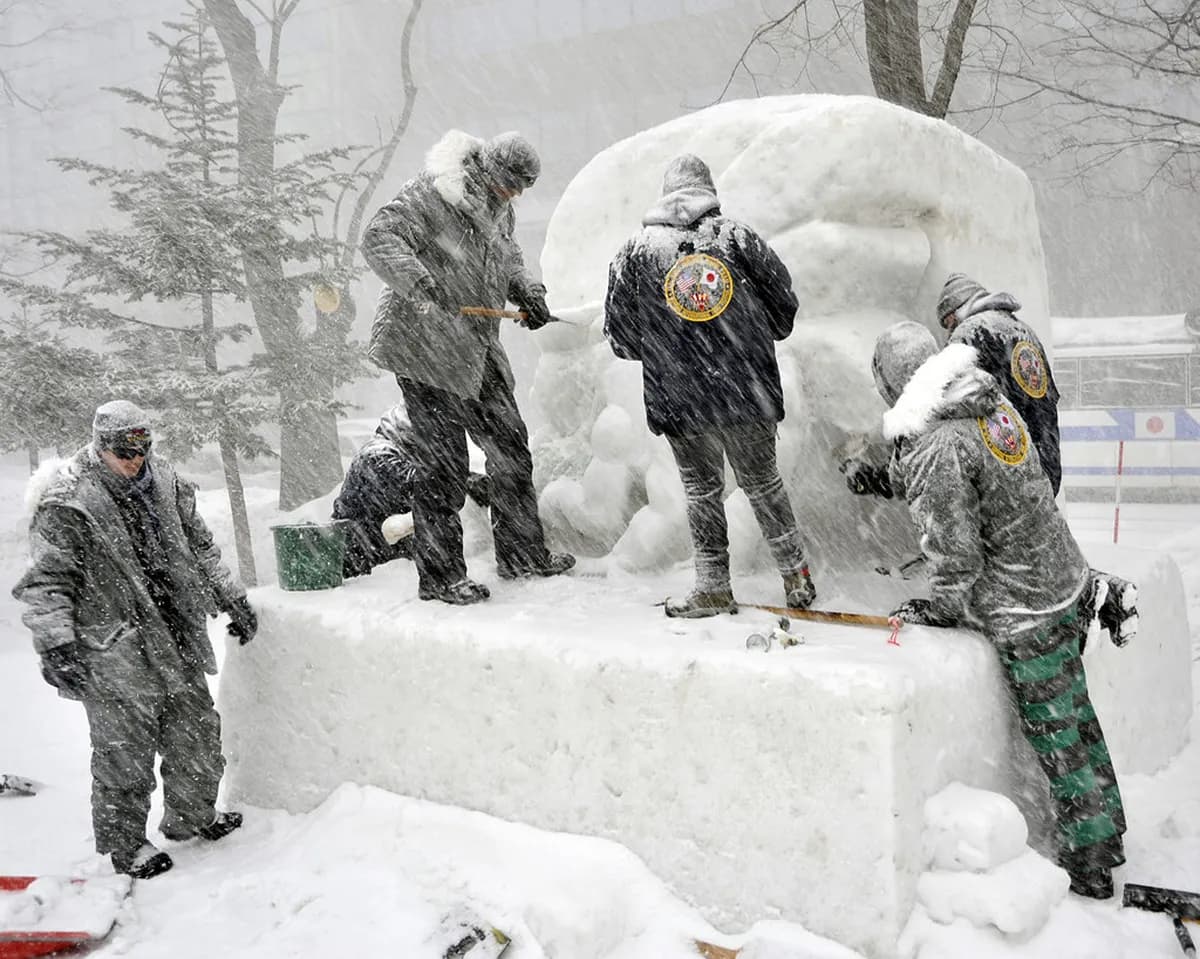
The festival began modestly in 1950 when local junior and high school students created just six snow sculptures. The display drew 50,000 visitors, and a Sapporo tradition was born. Today, the festival attracts over two million visitors annually and is recognized as one of Japan's most iconic winter events. This Sapporo winter guide focuses on the legendary Odori Park site. For comparison, Tokyo offers different winter activities during this same season.
Temperatures in early February typically range from -10 to -2°C (14 to 28°F). I remember the biting wind hitting my face near the TV Tower. Pack your warmest gear to enjoy the outdoor art for several hours. The festival atmosphere is truly electric despite the freezing cold.
The Magic of Odori Park: 1.5km of Snow Art
Odori Park serves as the primary festival venue, stretching 1.5 kilometers through the heart of Sapporo. It hosts hundreds of massive snow sculptures—many reaching 15 meters (49 feet)—built by the Japan Self-Defense Forces, local businesses, international artists, and volunteers. The sculptures range from towering replicas of world landmarks to pop culture characters. Entry to Odori Park is completely free. Walking the full length without stopping takes about 1–2 hours, though most visitors spend longer exploring and eating at food stalls.
The park is divided into 12 blocks called Chome (numbered 1 to 12), each with distinct sculptures and attractions. Chome 1 (the Sapporo TV Tower and ice skating rink) is the main entry point from Sapporo Station. Chome 5 (2026: thoroughbred racehorse theme, projection mapping 5:30–9:45 PM) and Chome 8 (the Tsuruga Castle, projection mapping 5:30–8:30 PM, Aizu sake booth, footbath) are the most photographed blocks. Chome 6 has the Ramen Alley food court. Chome 10 displays an interactive snow sculpture with a light-show button. Chome 11 hosts the International Snow Sculpture Contest. If short on time, prioritize Chome 1 (views), Chome 5–8 (projection mapping and food), and Chome 11 (International Contest).
You can start at either the Sapporo TV Tower (Chome 1) or Nishi-Juichome Station (Chome 11). Evening visits offer illuminations until 10 p.m. nightly. The most dramatic photography window is 9–10 PM, when projection mapping shows brighten the sculptures just before the "blackout" at 10 PM. The full Sapporo Snow Festival guide includes details on all three festival sites. The underground walkways from Sapporo Station make winter access convenient.
International Snow Sculpture Contest at 11-Chome
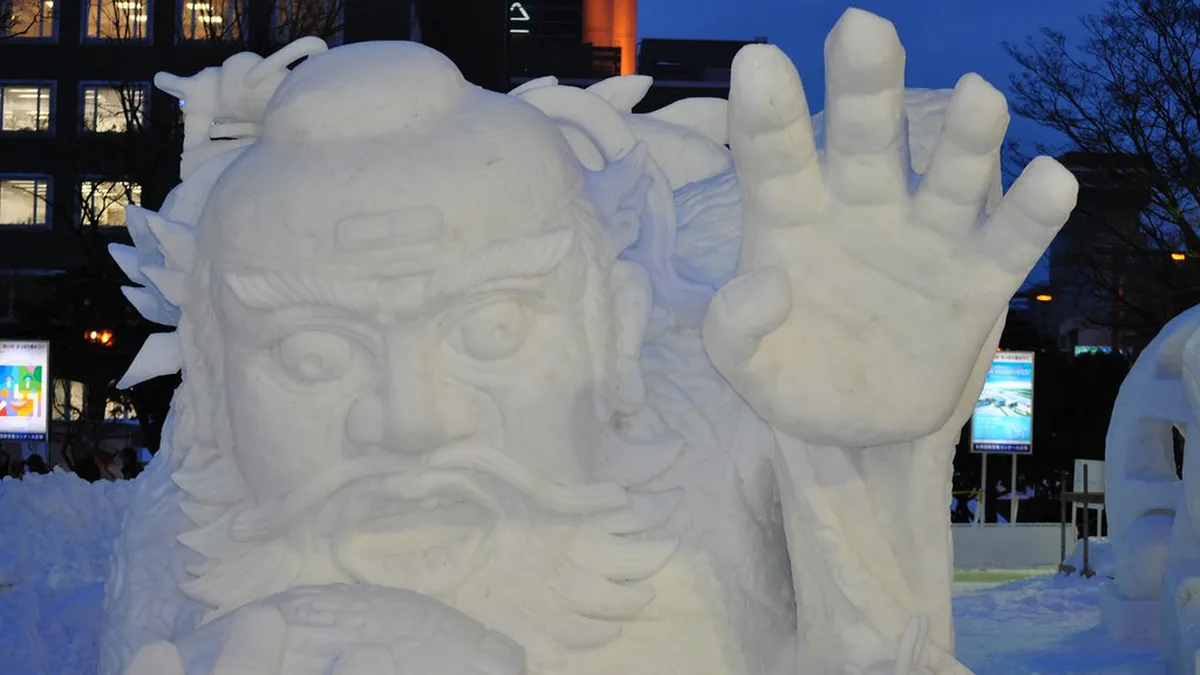
The 11-Chome block hosts teams from all over the world. Artists travel from countries like Thailand, Finland, and the USA. They compete to create the most intricate snow masterpiece possible. You can watch the teams carving their designs during the first days.
The variety of styles in this section is truly impressive. Some teams focus on abstract shapes while others choose realistic figures. The sculptures here are smaller than the main monuments but more detailed. I found the Thai team's delicate patterns particularly breathtaking last year.
Judging usually takes place mid-week during the festival period. Winners are announced with great fanfare at the site. This area often feels more intimate than the larger sculpture blocks. It is a great place to appreciate the technical skill involved.
Best Times to Visit: Illuminations and Crowd Control
The Sapporo Snow Festival offers two distinct experiences: daytime and nighttime. Daytime visitors enjoy natural sunlight on the white sculptures with few crowds before 9 AM. Morning light creates ideal photography conditions with crisp contrast and minimal shadows. The park is peaceful and easy to navigate without getting jostled.
Evening brings the magical "10 PM Blackout" strategy. Illuminations begin at sunset (around 4:30 PM in early February) and run until precisely 10 PM each night, when all lights turn off simultaneously. The hour before blackout (9–10 PM) offers spectacular colored lighting and projection mapping shows without the peak evening crowds (6–8 PM). Arriving around 8:30 PM allows 90 minutes of brilliant nighttime photography before the lights cut out. If you want the most dramatic night shots, this is the optimal window.
Crowds peak between 6 PM and 8 PM on weekdays and all afternoon on weekends. Weekday mornings remain the quietest period. If crowds stress you out, plan weekday morning visits. Nighttime walking is slower due to congestion, but the projection mapping shows on Chome 5 and Chome 8 (running 5:30–9:45 PM in 2026) are worth the wait. Check out Things to Do in Sapporo at Night in Winter for related evening activities in the city.
Must-Try Winter Street Food at Odori
Food stalls line the pathways between the massive snow displays. Hokkaido is famous for its fresh seafood and dairy products. You must try the grilled scallops with butter and soy sauce. They are cooked right in front of you on open grills.
Hot corn soup is a local favorite for staying warm. The soup is thick, creamy, and served in easy-to-carry cups. You can also find steaming buns filled with Hokkaido venison. Explore more Sapporo famous foods options at the 6-Chome food court.
Prices for snacks usually range from 500 to 1,000 Yen. Most vendors now accept IC cards or mobile payment apps. I recommend carrying some cash just in case of technical issues. The smell of grilled seafood fills the cold winter air.
Odori Park illuminations run until 10 PM nightly. The most dramatic photography window is 9–10 PM when projection mapping on Chome 5 and Chome 8 brightens just before lights cut out. Arrive at 8:30 PM to catch the full show without peak evening crowds.
Essential Gear: Staying Warm and Safe on Ice
Layering is the foundation of winter comfort. Start with a thermal base layer (merino wool or synthetic) against your skin, add a mid-layer like fleece or wool, and finish with a windproof, waterproof heavy down jacket. Avoid cotton, which traps moisture. Thermal leggings, wool socks (change into dry ones mid-day if damp), and insulated waterproof boots are non-negotiable. Temperatures hover around -10 to -2°C (14 to 28°F), so every layer matters.
The Odori Park paths are treacherous from packed ice and snow. Many tourists fall because they wear regular sneakers. At any convenience store (Lawson, FamilyMart, 7-Eleven), buy detachable shoe spikes—called "suberidome" in Japanese—for around 800–1,200 Yen. These non-slip cleats slip over your boots and dramatically improve traction. Second, buy kairo (adhesive heat packs) in bulk: a box of 10 costs about 500 Yen. Place them in your pockets, gloves, or inside your boots for 12+ hours of warmth. Convenience stores in Sapporo stations stock large displays of these items.
Additional gear includes a warm hat covering your ears, touchscreen gloves (for phone and camera), a scarf or neck warmer, and lip balm (the cold air is extremely drying). A small thermos with hot tea or coffee provides morale boosts. Consider a portable power bank—cold drains phone batteries fast, and you'll want plenty of shots. Sunscreen is often forgotten but essential; snow reflects UV rays intensely.
- Winter Essentials
- Heavy down jacket (tested to -15°C minimum)
- Thermal leggings
- Wool socks (bring 2–3 pairs)
- Touchscreen gloves
- Footwear & Safety
- Insulated waterproof boots
- Detachable ice spikes (800–1,200 Yen, convenience store)
- Spare dry socks
- Local Survival Kit (Buy at Convenience Stores)
- Kairo heat packs—bulk box (500–800 Yen)
- Lip balm
- Portable power bank
- Sunscreen SPF 30+
- Optional Comforts
- Small thermos with hot drink
- Neck warmer or gaiter
- Ear muffs or headband
Comparing the Sites: Odori vs. the Susukino vs. Tsudome
The Sapporo Snow Festival spans three distinct venues, each offering a different experience. Odori Park is the flagship site featuring 1.5 kilometers of monumental snow sculptures up to 15 meters tall, projection mapping, and an ice skating rink. Susukino, a 10-minute walk away, focuses on intricate ice sculptures and nightlife with bars and restaurants interspersed among the displays. Tsudome, farther from downtown (30 minutes by train), is family-oriented with snow slides, snow rafts, and interactive activities indoors and outdoors.
Odori Park suits art lovers, photographers, and first-time visitors. Sculptures are built by the Japan Self-Defense Forces and international teams, making for grand, iconic imagery. The 2026 themes include thoroughbred racehorses (Chome 5) and Tsuruga Castle (Chome 8). Susukino appeals to couples, nightlife seekers, and those wanting a more intimate festival experience. Ice sculptures here are smaller and more detailed. Tsudome is ideal for families with young children, offering snow play in a controlled environment. Most visitors aim to see all three sites over 2–3 days.
Plan at least a half-day for Odori Park (1–2 hours walking + food breaks), 1–2 hours for Susukino evening, and 2–3 hours for Tsudome if including the snow activities. The Susukino site opens 24 hours as a public street; Tsudome closes at 5 PM. Odori is best visited once during the day for photography and again at night for illuminations.
| Site | Main Draw | Best For | Hours | Accessibility |
|---|---|---|---|---|
| Odori Park | Giant snow sculptures, projection mapping, ice skating rink | Art, photography, first-timers | 24 hours | Sapporo Station (10 min walk or subway) |
| Susukino | Intricate ice sculptures, nightlife, ice bars | Couples, evening visitors, nightlife | 24 hours | 10 min walk from Odori or Susukino Station (subway) |
| Tsudome | Snow slides, sledding, family activities, indoor play | Families with children, snow play enthusiasts | 9 AM–5 PM (or extended weekends) | 30 min from Sapporo Station (train + shuttle bus) |
Logistics: Getting to Odori Park and Around Sapporo
Odori Park is centrally located and highly accessible. From Sapporo Station, walk 10 minutes underground via the shopping arcade tunnels or take the Namboku or Toho subway line to Odori Station (one stop, under 5 minutes). The underground walkway is particularly useful in winter, avoiding the bitter cold and slippery streets. Odori Station (exits 19–27) has multiple entries along the park's 1.5-kilometer length.
From Tokyo, fly to Sapporo's New Chitose Airport (1 hour 40 minutes flight) or take the Shinkansen to Hakodate (4 hours) then limited express train to Sapporo (4.5 hours). Flights are cheaper with budget carriers like Airdo, Jetstar, or Peach (often ¥3,000–8,000 one-way in February if booked in advance). From the airport, the Rapid Airport train reaches Sapporo Station in 37 minutes. The JR Hokkaido Pass (7-day pass around ¥22,000) is worthwhile if visiting Sapporo as part of a broader Hokkaido itinerary.
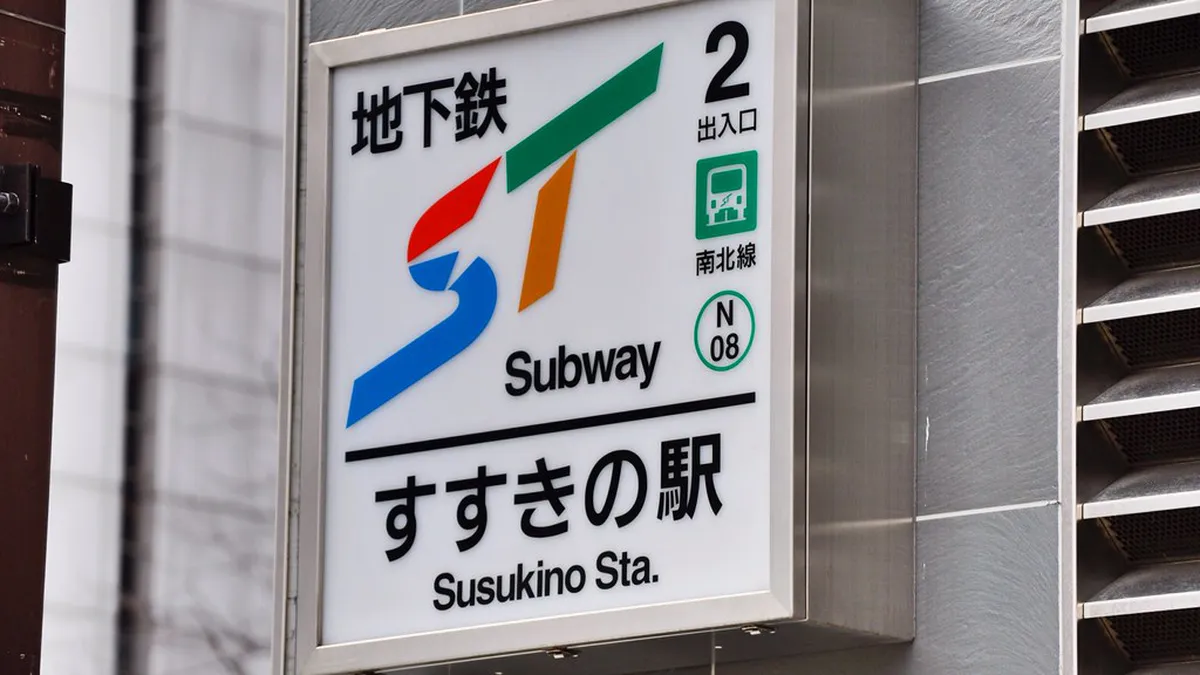
Within Sapporo, the subway (Namboku, Toho, Tozai lines) is the fastest option. A single-ride ticket costs 210 Yen; day passes are 1,100 Yen. Odori Station is the central hub for reaching the snow festival venues. Susukino is one subway stop south (Namboku or Toho line). Tsudome requires the Toho line to Sakaemachi Station, followed by a 12-minute shuttle bus (200 Yen, cash only, runs roughly every 5–10 minutes from 9:40 AM–4:20 PM). Book accommodation near Sapporo or Odori stations to minimize travel time.
Buy detachable shoe spikes (suberidome) at any Sapporo convenience store for ¥800–1,200. The Odori Park paths become packed ice and are extremely slippery without them — regular sneakers are the most common cause of falls during the festival.
Booking Tips for the 2026-2027 Festival
The Sapporo Snow Festival is temporary and ephemeral. All sculptures are demolished the day after the festival ends (February 12 in 2026). Temporary food stalls and souvenir shops disappear immediately. This urgency is part of the event's appeal—you must visit during the official 8-day window (February 4–11 in 2026) or miss it entirely. Plan and book well in advance.
Book flights and accommodation as early as possible—ideally 4–6 months ahead. Flights (especially budget carriers) sell out by October for the February festival. Hotels near Sapporo or Odori stations fill by September, and lower-tier options book by December. Prices triple during the festival week compared to other February dates. If possible, arrive 1–2 days early to avoid last-minute transport chaos, or stay 1–2 days after for post-festival Sapporo sightseeing. Many travelers combine the snow festival with Hokkaido hot springs (Tsukisamu Susukino or Maruyama area) for a multi-day winter package. Check the official Sapporo Snow Festival website for current dates, opening ceremonies, and daily projection mapping schedules.
Weather in early February is unpredictable—blizzards and heavy snow can occur, occasionally closing some attractions. Pack flexible plans and check daily forecasts. Sculptures are most pristine in the first 3–4 days; by day 7–8, they may show melting and dirt from foot traffic. Plan your visit early if aesthetics matter for photography. The festival remains the most iconic winter event in Japan and fully justifies the planning effort.
Frequently Asked Questions
Is the Odori Park site free to enter?
Yes, the Odori Park site is completely free for all visitors. You can walk the entire 1.5-kilometer stretch without paying an entry fee. Some nearby attractions like the TV Tower require a separate ticket.
What are the dates for the 2026 Sapporo Snow Festival?
The festival usually runs for about eight days in early February. Confirm the exact dates on the official event calendar before booking. I recommend booking your Susukino hotel at least six months ahead.
Which JR Rail Pass should I choose for this trip?
The JR Hokkaido Pass is best if you stay within the northern island. For travel from Tokyo, look at the Japan Rail Pass Selection Guide for help. It covers the long-distance Shinkansen routes.
The Sapporo Snow Festival at Odori Park is a bucket-list experience. Seeing the massive sculptures in person is truly unforgettable. Make sure to plan your logistics well in advance for 2026. The cold is manageable if you follow our packing advice.
Don't forget to visit the smaller sites like Susukino as well. Hokkaido in winter offers a unique charm found nowhere else. Enjoy the street food and the magical evening lights.
See our main Sapporo attractions guide for the broader city overview.
Free: The Sapporo Essentials guide
Top things to do, where to stay, a perfect day plan, getting around, and the best time to go — a Sapporo mini-guide you can take offline.
You might also like

Continue reading
More guides you'll find useful