14 Best Things to Do in Sapporo at Night in Winter (2026)
Discover the best things to do in Sapporo at night in winter, from the White Illumination and Susukino nightlife to late-night ramen and hidden snow festivals.
On this page
Sapporo after dark in winter is a transformed city. Neon signs reflect off fresh snow, steaming bowls of miso ramen arrive at midnight, and observation decks offer panoramic views of the glowing city below. This guide covers the 14 best nighttime activities, each rated for warmth comfort and practical logistics. Whether you have one evening or a week, you'll find both iconic spots and insider alternatives that most tourists miss.
Winter nights in Hokkaido run long—the sun sets by 4:30 PM in December—but the city counters darkness with world-class illuminations. Most activities cluster around Susukino and Odori, connected by a vast underground network called Chi-Ka-Ho. Planning requires balancing outdoor spectacles (often closing by 10 PM) with indoor warmth to manage the biting northern wind. This guide was refreshed in May 2026 with current pricing, transit details, and a survival guide for late-night travelers. For more evening ideas beyond Sapporo, check out our guide to Tokyo nightlife to plan your nights.
Why Sapporo in Winter is Bucket-List Worthy
Sapporo transforms into a shimmering landscape once winter arrives in November. The city averages over 19 feet of annual snowfall, allowing for massive sculptures and intricate light displays that define the winter nightlife experience. Visiting during night hours offers a unique chance to see urban life continue vibrantly despite freezing temperatures, with neon signs and illuminations creating a landscape that feels both futuristic and deeply Japanese.
The contrast between the biting cold outside and the steaming bowls of local cuisine creates a compelling rhythm to evening exploration. Walking through Susukino at night feels like stepping into a film set draped in white. Most major attractions are designed with winter nightlife in mind, offering heated viewing platforms and frequent indoor retreats. The early evening hours (6–8 PM) during the blue hour light perfectly complement the city's golden illuminations and neon signs.
Experience the Sapporo White Illumination at Odori Park
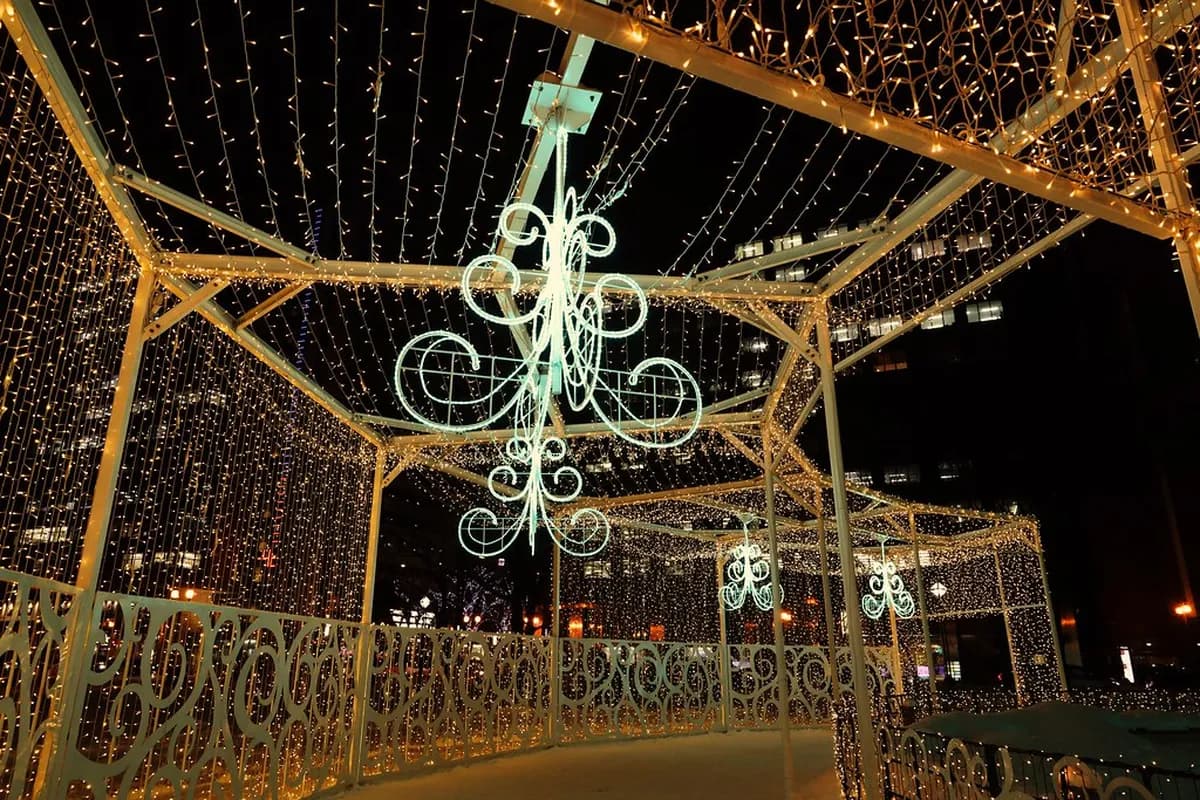
The White Illumination at Odori Park is free to enter and runs from roughly 4:30 PM to 10:00 PM daily from late November through mid-March. Visit on weekday evenings between 5:00 PM and 7:00 PM to avoid weekend crowds. The adjacent Sapporo Munich Christmas Market (late November to December) offers mulled wine and warming drinks.
This massive light display transforms the city center into a glowing winter wonderland from late November through mid-March. Entrance is free, and the lights typically shine from 4:30 PM until 10:00 PM daily across several blocks. Located in the heart of Chuo-ku, it offers the perfect backdrop for night photography near the TV Tower and provides the best sunset-to-night viewing window of any Sapporo attraction.
The display features thousands of twinkling LED lights arranged in thematic designs that change by season. Dress in heavy layers as the wind tunnels between buildings make this a 1/5 warmth rating experience—the outdoor plaza offers little shelter. Visit on weekday evenings between 5:00 PM and 7:00 PM to avoid weekend crowds. The adjacent Sapporo Munich Christmas Market (late November to December) offers mulled wine and pretzels for warming up between photo sessions.
Explore the Susukino District and Nikka Whiskey Sign
Susukino is the largest entertainment district north of Tokyo and pulses with energy throughout the winter nights. The famous Nikka Whiskey neon sign serves as the primary meeting point and a must-see photography spot. The best angles are from the McDonald's ground floor (most crowded but iconic), the second-floor shopping center overlooking the street (quieter, equally good), or inside McDonald's second floor (warm escape with great views).
Most bars and restaurants here stay open until 2:00 AM or later, providing a 4/5 warmth rating once indoors. Small side streets hide izakayas, karaoke joints, pachinko parlors, and clubs catering to every budget. The Noria Ferris Wheel (78 meters tall, on the Norbesa building) stays open until 11 PM on weekdays and 1 AM on weekends, offering ¥1,000 tickets for 360-degree city views. Reach Susukino via the Susukino Subway Station (Tozai line) or the historic streetcar from Odori.
Panoramic Night Views: Observation Decks Compared
Sapporo offers three observation options. Mt. Moiwa is recognized as one of Japan's top three night views, offering a 360-degree look at the glowing city from 531 meters elevation. The TV Tower (90 meters, at Odori Park) provides a direct aerial view of the White Illumination but is lower and more crowded. The JR Tower Observatory (160 meters, above Sapporo Station) offers expansive views with less crowd and art installations inside. Here's how they compare:
| Observation Deck | Height / View Quality | Cost (adult) | Warmth Rating | Hours (Winter) |
|---|---|---|---|---|
| Mt. Moiwa | 531m. 360° panorama (best mountain views) | ~¥2,300 (~$17) | 1/5 (outdoor summit) | 10:30 AM–10:00 PM |
| TV Tower | 90m. Direct Odori Park views | ~¥800 (~$6) | 5/5 (indoor heated deck) | 9:00 AM–10:00 PM |
| JR Tower Observatory | 160m. Expansive city + airport views | ~¥800 (~$6) | 5/5 (indoor with cafe) | 8:00 AM–midnight |
Mt. Moiwa is best for dramatic summit photography and clear nights. Take the streetcar from Susukino to Ropeway Iriguchi stop, then the free shuttle bus (2 minutes) or walk 8 minutes. Arrive just before sunset to see the city lights flicker on. The TV Tower is most accessible (at Odori Station) and warmest; use it as a backup if Mt. Moiwa closes due to winter winds. JR Tower is best for late-night visits due to midnight closing.
Warm Up with Late-Night Ramen at Ganso Ramen Yokocho
This narrow alleyway in Susukino houses nearly twenty tiny shops serving Sapporo's signature miso ramen—a local invention. Most stalls open around 11:00 AM and stay busy until 3:00 AM for the nightlife crowd. A steaming bowl costs between ¥800–¥1,500 ($6–$11) depending on toppings. It provides a cozy 5/5 warmth rating and is easily reached via the Susukino Subway Station.
Ramen Yokocho etiquette for international visitors: sit at the counter on a first-come basis (no reservations), keep backpacks in front of you to avoid blocking others, and don't linger after finishing—the narrow alley creates natural seat turnover pressure. Look for the signage and choose a shop with a shorter line; all shops serve quality miso ramen. Many accept cash only, so visit a 7-Eleven or convenience store first. The butter and corn topping combo (local favorite) costs an extra ¥100–¥200.
Visit the AOAO Aquarium (Open Until 10 PM)
This modern urban aquarium sits inside the Moyuk Sapporo building and stays open until 10:00 PM for night visitors. Tickets cost approximately ¥2,000–¥2,200 ($15–$17) per adult. It is located just steps from the Tanukikoji 3-chome exit in the central shopping district, making it easily accessible before closing time. The Blue Room features a 20-meter screen simulating swimming with life-sized whales in the Shiretoko Sea, and the interactive Northern Rockhopper penguin habitat keeps guests engaged for 90 minutes.
The aquarium provides a 5/5 warmth rating and offers the perfect indoor retreat between outdoor illuminations. Visit after 8:00 PM to experience quieter galleries and enjoy the onsite cocktail bar while watching jellyfish displays. Combine this with Tanukikoji shopping arcade just outside for a complete warm-evening itinerary.
Shiroi Koibito Park Winter Illumination Display
The famous chocolate factory transforms its Tudor-style gardens into a fairy-tale light display every winter. Outdoor illuminations are free to view and typically run from sunset until 8:00 PM daily. Located in the Nishi ward, it is a short walk from the Miyanosawa Subway Station. The outdoor area is a 2/5 warmth rating, but the indoor shop and cafe are perfectly heated and stay open later than the outdoor displays.
Try the limited-edition hot chocolate or milk soft-serve ice cream at the cafe while watching the light show through warmed windows. The factory gift shop sells fresh chocolate souvenirs (¥500–¥2,000) and is never as crowded as daytime hours. Most visitors combine this visit with Mount Okura Ski Jump (15 minutes away by bus) for a two-site evening.
Walk the Jozankei Onsen Snow Candle Way
Located an hour from the city, this hot spring village hosts a magical snow candle festival in February. Thousands of handmade snow lanterns illuminate the Jozankei Shrine grounds from 6:00 PM to 9:00 PM. Entrance usually requires a small donation or is free for those staying at local ryokans. The mountain air is freezing with a 1/5 warmth rating, but nearby footbaths offer quick relief.
Take the Kappa Liner bus from Sapporo Station (¥1,400 one-way, 50 minutes). Book your return seat well in advance on weekends. Combine this visit with an onsen soak at one of 20+ riverside ryokans (rates ¥8,000–¥20,000 per person with two meals included). The event runs mid-to-late February annually; confirm exact dates on visit.sapporo.travel before traveling.
Dine at the Sapporo Beer Museum and Garden
The historic red-brick brewery offers a festive atmosphere for enjoying Hokkaido's signature grilled lamb dish (Genghis Khan / Jingisukan). The beer museum garden is beautifully lit in winter and stays open until 9:00 PM for dining. Expect to pay ¥3,500–¥5,500 ($25–$40) for an all-you-can-eat meal in the heated beer halls, including beer and lamb.
This 5/5 warmth rating experience is best reached by the Loop 88 bus from the city center (15-minute ride). Reserve your table at least a week ahead, as the garden fills completely during winter festival weekends. The brewery museum itself (separate admission, ¥500) offers beer tastings and brewing process exhibits.
Night Skiing at Sapporo Teine or Kokusai
Adventure seekers can hit the slopes under floodlights with a stunning view of the city lights below. Night skiing typically runs from 4:00 PM to 9:00 PM and costs roughly ¥2,800–¥3,200 ($20–$25) for a lift pass. Sapporo Teine (25 minutes by JR train to Teine Station, then bus) offers more terrain and better snow reliability. Sapporo Kokusai (1 hour drive south) is smaller but features quality powder and fewer crowds.
This is a high-activity 1/5 warmth rating experience requiring full professional winter sports gear (rental available at both resorts). Check the wind forecast before heading out as the upper mountain can close in high gusts above 30 km/h. Both resorts operate well-lit runs and provide hot food at base lodges. Beginners should stick to marked green runs; conditions change rapidly at night.
Sapporo Snow Festival Night Viewing
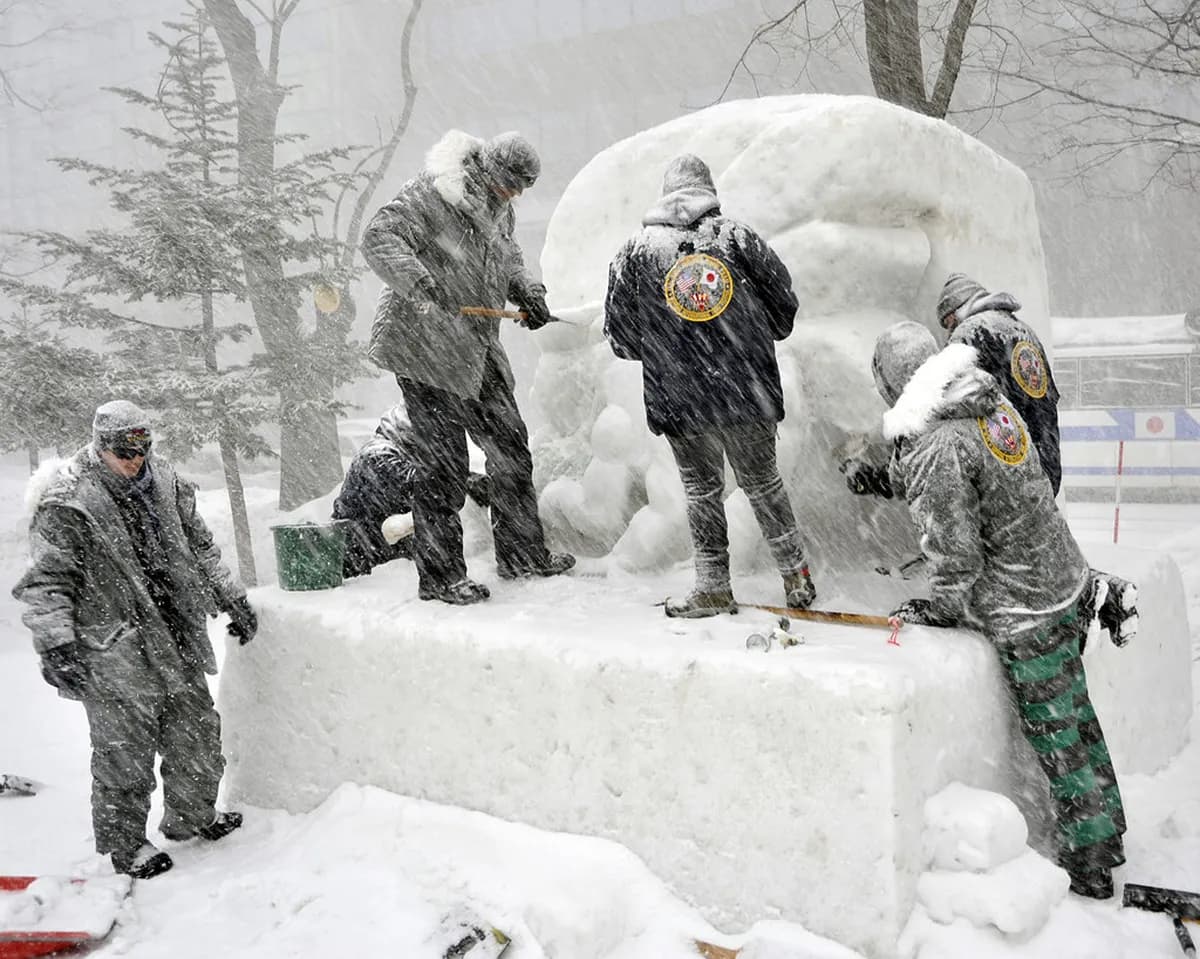
Held annually in early February, the Sapporo Snow Festival features massive ice sculptures and snow artworks at Odori Park and Susukino. The festival runs for one week with sites illuminated until 10:00 PM nightly. Entrance is free, though food vendors charge ¥1,000–¥2,000 for typical festival fare (takoyaki, grilled seafood, soup curry). Night viewing is often preferred over daytime due to colored internal lighting that makes ice sculptures glow.
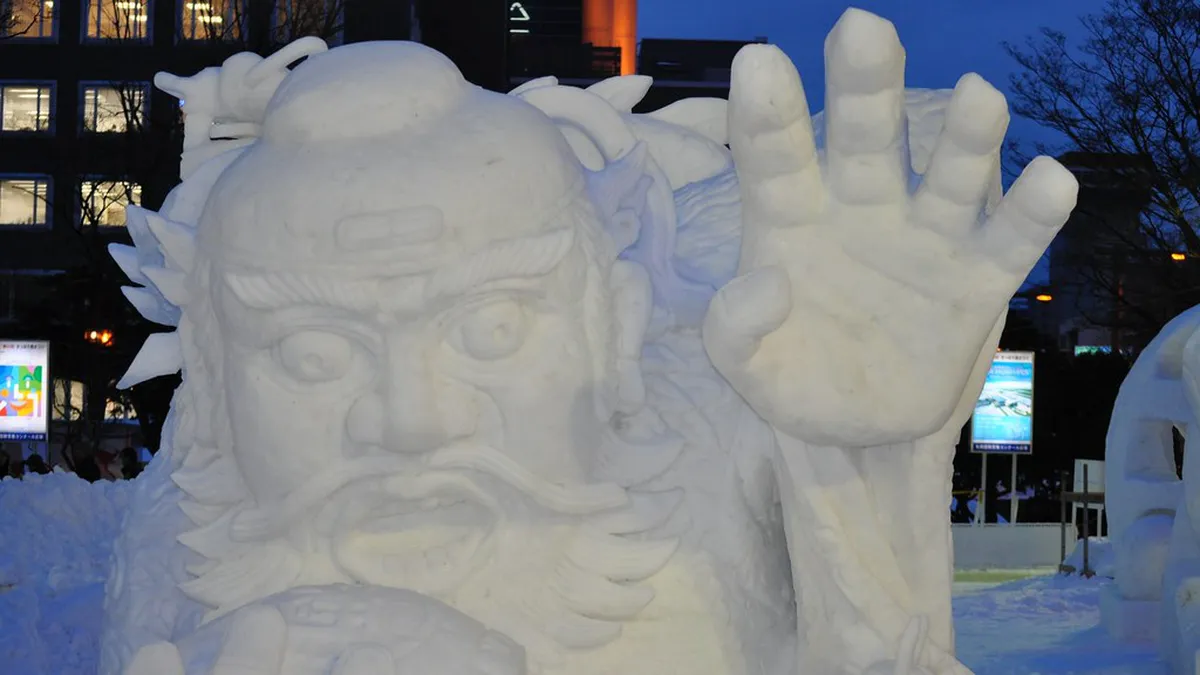
Crowds peak after 7:00 PM on weekends; visit weekdays or earlier in the festival week for better photo conditions. The main Odori Park site spans multiple blocks; allocate 90 minutes for walking and photography. Many visitors combine this with nearby Susukino entertainment district or the museum-quality sculptures at the Sapporo TV Tower location. Check the official schedule at visit.sapporo.travel for 2026 exact dates.
Short on Time? Use These Nighttime Shortcuts
3-Hour Evening Route: Start at the Sapporo TV Tower at sunset (4:30–5:00 PM), spend 45 minutes viewing and photographing the White Illumination at Odori Park. Walk 10 minutes to Susukino via underground Chi-Ka-Ho tunnels. Finish with a bowl of ramen at Ganso Ramen Yokocho (7:00–8:00 PM). This covers the most iconic winter sights without transit delays. Stay in Chuo-ku (Odori/Susukino) to minimize walking on icy streets.
6-Hour Evening Route: Start with early dinner at Sapporo Beer Museum (5:00–6:30 PM). Return to the city center via bus and explore the White Illumination (7:00–8:00 PM). Take the streetcar to Mt. Moiwa Ropeway and ride to the summit (8:30–9:30 PM) for the city lights at full brightness. End at the AOAO Aquarium if you arrive by 8:30 PM, or explore Susukino bars/clubs afterward. The last subway trains depart around midnight.
Always keep a charged IC card (Suica/Sapica) to avoid fumbling with ticket machines in the cold. Most major nightlife spots are within 15 minutes walk if you use underground passages. If weather turns severe, the Tanukikoji arcade offers 1 kilometer of sheltered exploration. Prioritize outdoor illuminations only if the sky is clear; clouds completely obscure mountain and aerial views.
Late-Night Survival Guide: Transit & Convenience Stores
The last subway trains depart around midnight; streetcars stop around 11:30 PM. After that, taxis queue on major streets in Nakasu and Susukino (¥2,000–¥4,000 for city center trips). Sidewalks after dark can be very slippery on black ice — buy detachable ice cleats (¥1,500–¥2,500) at a convenience store if your boots lack significant grip.
Last Train Times (Winter 2026): The last subway trains depart around midnight from Odori (Tozai/Nanboku lines) and Susukino (Tozai line). Streetcars stop running around 11:30 PM. Taxis are plentiful in Susukino (¥2,000–¥4,000 for city center trips), but expensive if traveling to outer wards. Most convenience stores operate 24 hours; use them strategically for warmth and supplies.
Convenience Store Night Essentials: 7-Eleven and Lawson outlets stock hand warmers (¥100–¥200), thermal gloves (¥300–¥600), and hot drinks (¥200–¥400). Hot water dispensers are free—bring a personal cup for tea or ramen soup. Prepare cash at night machines; many ramen shops and small izakayas accept cash only. Tissues are essential for temperature-change runny noses; grab a pack at any 100-yen shop.
Warmth Strategy: The Chi-Ka-Ho underground walkway (yellow signs in stations) connects Sapporo Station to Susukino across nearly 2 kilometers in heated comfort. Use it to transition between attractions. Most shopping arcades (Tanukikoji, Pole Town) offer climate-controlled shelter and 24-hour food options. Footbaths at Jozankei Onsen (if visiting) provide 5-minute relief for numb feet.
Overrated vs. Underrated: Winter Spots to Skip
The Sapporo Clock Tower is often cited as a top attraction, but it is underwhelming at night in winter. While historic (built 1878), the building is surrounded by modern offices and the night lighting is relatively standard. Skip a dedicated trip and instead spend time at the AOAO Aquarium, which offers better warmth, interactive displays, and more memorable evening content for a similar price point.
Another common mistake is spending too much time at the Sapporo TV Tower if you plan to visit Mt. Moiwa. The TV Tower view is lower and less expansive than the panoramic vista from the mountain peak. If you must choose one, Mt. Moiwa Ropeway provides a far more dramatic Hokkaido experience. However, the TV Tower is a great backup if the mountain ropeway closes due to high winter winds (common in January–February).
Avoid visiting the curb markets late at night; they are primarily early-morning destinations for fresh seafood. Most stalls at Nijo Market close by 5:00 PM, leaving the area quiet and dark during evening hours. Head to Susukino instead, where vibrant restaurants and izakayas remain open until the early morning. Stick to the illuminated central parks and heated arcades to maximize your nighttime experience.
Getting to Sapporo and Navigating the Snow
Navigating Sapporo in winter requires understanding the city's unique underground infrastructure. The Chi-Ka-Ho underground walkway connects Sapporo Station to Susukino, allowing you to walk nearly two kilometers in warmth. This is the safest way to travel at night when the sidewalks above can become incredibly slippery and treacherous. Look for the yellow signs in subway stations to find the nearest entrance to this heated pedestrian tunnel.
Most international travelers prefer flying into New Chitose Airport and taking the 35-minute rapid train (¥1,070) to the city center. The train runs every 15 minutes. If arriving from Tokyo, the Shinkansen takes 4 hours and 50 minutes, a more scenic alternative to the 2.5-hour flight. Taxis are available 24/7 but cost ¥4,500–¥6,000 from the airport—only cost-effective for groups.
Proper footwear is your most important asset for exploring the city at night during winter. Buy detachable ice cleats (¥1,500–¥2,500) at a local convenience store if your boots lack significant grip; this prevents dangerous slips on black ice under neon-lit streets. Dress in layers using moisture-wicking base materials to stay dry while moving between the cold outdoors and heated shops. Carrying a small pack of tissues is wise, as the temperature change often causes a runny nose.
Where to Stay for Easy Nightlife Access
Best Neighborhoods for Night Activities: Susukino is the epicenter of nightlife, offering direct subway access and walking proximity to bars, restaurants, and entertainment. Hotels here range from budget (¥4,500–¥8,000) to mid-range (¥12,000–¥25,000). Odori is quieter and more central, with direct access to illuminations and the underground walkway system. Sapporo Station area offers late-night convenience but can be noisier with traffic.
Specific Hotel Recommendations for Night Exploration: Hotels in Chuo Ward place you within 15 minutes walk of Susukino, Odori, and Tanukikoji. The APA Hotel Sapporo Susukino (budget-friendly, ¥5,000–¥8,000 per night) is popular with international travelers and offers a convenience store attached. Mid-range options like the Daiwa Roynet Hotel Sapporo (¥18,000–¥30,000) provide better amenities and quieter rooms while maintaining nightlife proximity.
Avoid hotels in the Maruyama or Nakajima wards if nightlife is your focus—you'll waste travel time and miss the spontaneity of late-night discovery. Book accommodations within the Chuo Ward (Odori/Susukino/Tanukikoji area) to maximize evening exploration without late-night transit stress.
Frequently Asked Questions
Is the Sapporo Snow Festival open at night?
Yes, the main sites at Odori Park and Susukino are illuminated until 10:00 PM daily during the festival. The night view is often considered better because the ice sculptures glow with colorful internal lights.
What is the best place for late-night food in Sapporo?
The Susukino district is the premier spot for late-night dining, particularly the Ganso Ramen Yokocho alley. Many miso ramen shops and izakayas here stay open until 3:00 AM or later for night owls.
Are there any indoor night activities in Sapporo?
Sapporo offers excellent indoor options like the AOAO Aquarium, the Sapporo Factory atrium, and the vast Tanukikoji shopping arcade. These spots provide a warm 5/5 escape while still offering a festive winter atmosphere.
Sapporo at night in winter is a sensory experience that rewards those who brave the cold with stunning visuals and warm hospitality. By balancing iconic sights like the White Illumination with indoor retreats like the AOAO Aquarium, you can enjoy the city comfortably. Remember to use the underground walkways and keep an eye on the 10:00 PM illumination shut-off times for the best experience.
Whether you are here for world-class ramen, panoramic mountain views, or late-night nightlife, the city's winter energy is truly infectious. Plan your route carefully using the 3-hour and 6-hour shortcuts provided, dress in layers, and explore the hidden alleys of Susukino for an authentic Hokkaido night. A charged IC card and convenient access to late-night survival essentials will ensure you stay warm and connected throughout your evening adventures.
Free: The Sapporo Essentials guide
Top things to do, where to stay, a perfect day plan, getting around, and the best time to go — a Sapporo mini-guide you can take offline.
You might also like

Continue reading
More guides you'll find useful