15 Best Restaurants in Sapporo Hokkaido: A Foodie's Guide
Discover the 15 best restaurants in Sapporo, Hokkaido. From legendary soup curry and Nijo Market seafood to hidden craft beer bars and the best miso ramen. Plan your Sapporo food trip now!
On this page
15 Best Restaurants in Sapporo Hokkaido
Sapporo is Japan's ultimate culinary frontier. The city combines the freshest seafood from surrounding cold waters with rich dairy and produce from central Hokkaido, creating a food culture that rivals Tokyo and Osaka.
This capital of Hokkaido prefecture has earned its reputation as a destination where every meal tells a story of the island's rugged landscape and agricultural heritage. Beyond dining, Sapporo attractions extend to museums, parks, and cultural experiences that round out a complete travel itinerary.Our editors have refreshed this guide in May 2026 with current pricing, hours, and reservation details for the Sapporo dining scene. Whether you are visiting for the first time or returning for a winter escape, these 15 spots deliver consistent excellence. From high-end crab feasts to hidden basement izakayas, you will find everything needed to plan your perfect Sapporo food journey.
Free: The Sapporo Essentials guide
Top things to do, where to stay, a perfect day plan, getting around, and the best time to go — a Sapporo mini-guide you can take offline.
Why Sapporo Is a Food Destination
Hokkaido produces over 50% of Japan's milk, making dairy central to the local cuisine. This agricultural powerhouse provides the foundation for world-class ingredients that local chefs transform into unforgettable dishes. Diners often find that the quality of seafood and produce here surpasses even the most famous Tokyo establishments.
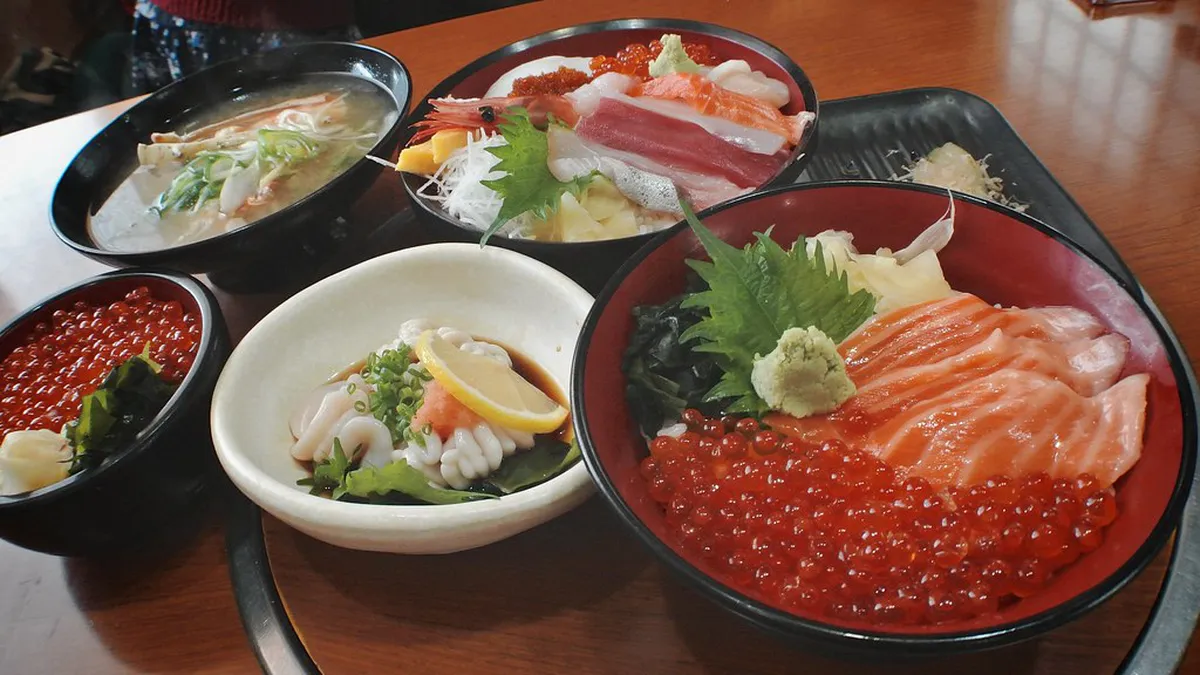
The city is defined by its signature dishes: miso ramen with butter-rich broths, soup curry with fragrant spiced bases, and fresh kaisendon (seafood rice bowls) from morning markets. Sapporo in winter means hearty meals like Genghis Khan BBQ (grilled lamb) are a cultural necessity—the warmth of a local soup curry shop provides welcome refuge from sub-zero temperatures outside. Visitors often overlook the craft beer scene and artisanal dessert culture, both of which perfectly complement the heavy, savory flavors of the north.
Price and Best For: Quick Reference
Use this table to match restaurants to your budget and travel style. All prices are in USD equivalent for a single meal (2026 rates). Budget category assumes one adult diner; high-end venues include course menus where noted.
| Restaurant | Price Range | Best For | Reservation Needed? |
|---|---|---|---|
| Sushi Toriton | $15–$35 | Solo, Budget | Off-peak only |
| Ganso Ramen Yokocho | $8–$12 | Solo, Budget, Late Night | No |
| Nijo Market | $20–$45 | Early Birds, Families | No |
| Soup Curry King | $10–$18 | Solo, Budget | No |
| Soup Curry Yellow | $12–$20 | Families, Vegetarian | No |
| Kani Honke | $50–$150 | Date Night, Groups | Required (3+ days) |
| Milk & Parfait Yotsuba White Cosy | $8–$15 | Dessert Lovers, Families | No |
| Petite Chevre Hokkaido | $5–$10 | Dessert, Budget | No |
| KINOTOYA BAKE | $2–$5 | Budget, Snack | No |
| Chocolate & Espresso SATURDAYS | $6–$12 | Coffee Lovers | No |
| Izakaya Aiyo TanukiKouji 4-chome | $25–$45 | Groups, Evening | Recommended |
| Tap Room Beer Kotan | $7–$15 | Craft Beer, Solo | No |
| Moon and Sun Craft Beer | $10–$20 | Solo, Afternoon | Recommended |
| AZUMASI | $30–$60 | Date Night, Foodies | Recommended |
| Sapporo Beer Garden & Museum | $30–$50 | Groups, All-You-Can-Eat | Recommended |
Sushi Toriton
This lively conveyor belt sushi spot in the Toyohira area offers incredibly fresh Hokkaido seafood at accessible prices. The digital ordering system lets you customize rice levels and wasabi strength, and the tablet interface means you can order at your own pace. Expect to pay $15–$35 per adult for a full meal between 11 am and 10 pm daily.
Hokkaido produces over 50% of Japan's milk — the dairy flavors here are noticeably richer than the rest of Japan. Try at least one Hokkaido milk parfait or cheese tart (KINOTOYA BAKE) even if you are focused on savory dining, as the dairy quality is genuinely different.
Trade-off: Long wait times during peak hours (arrive before opening or visit 2–3 pm for minimal queues). The small counter seats fill quickly, so go early if you prefer sitting rather than standing. Locals and tourists agree it ranks among Sapporo's best conveyors for quality-to-price ratio.
- What to order: Hokkaido scallop (hotate), fatty tuna (toro), sea urchin (uni), salmon roe (ikura)
- Getting there: Take the Toho Line to Gakuen-mae Station; budget 90 minutes for the full experience
- Practical tip: The digital queue system allows you to wander nearby shops while waiting for your number
Ganso Ramen Yokocho
Nestled in a narrow Susukino alley, this historic ramen lane features over a dozen specialized miso ramen stalls, each with its own interpretation of Sapporo's signature dish. The rich, fermented soybean broth defines the regional style—expect a deep brown color and buttery umami. A standard bowl costs $8–$12 and most shops are open from 11 am until 3 am.
Trade-off: Cramped seating and steep stairs; the authenticity comes with standing-room-only vibes. Shops vary wildly in quality, so follow the line of locals for the most reliable picks. The alley is best visited after dark when neon signs light up the steamy lane, especially if you're exploring Sapporo nightlife.
- What to order: Butter miso ramen (butter melts into the broth), chashu ramen (braised pork), egg ramen (with soft-boiled egg)
- Getting there: Walk five minutes from Susukino Station into the neon-lit streets
- Practical tip: Find the exact location at Sapporo Ramen Haruka Google Maps for a reliable starting point
Nijo Market
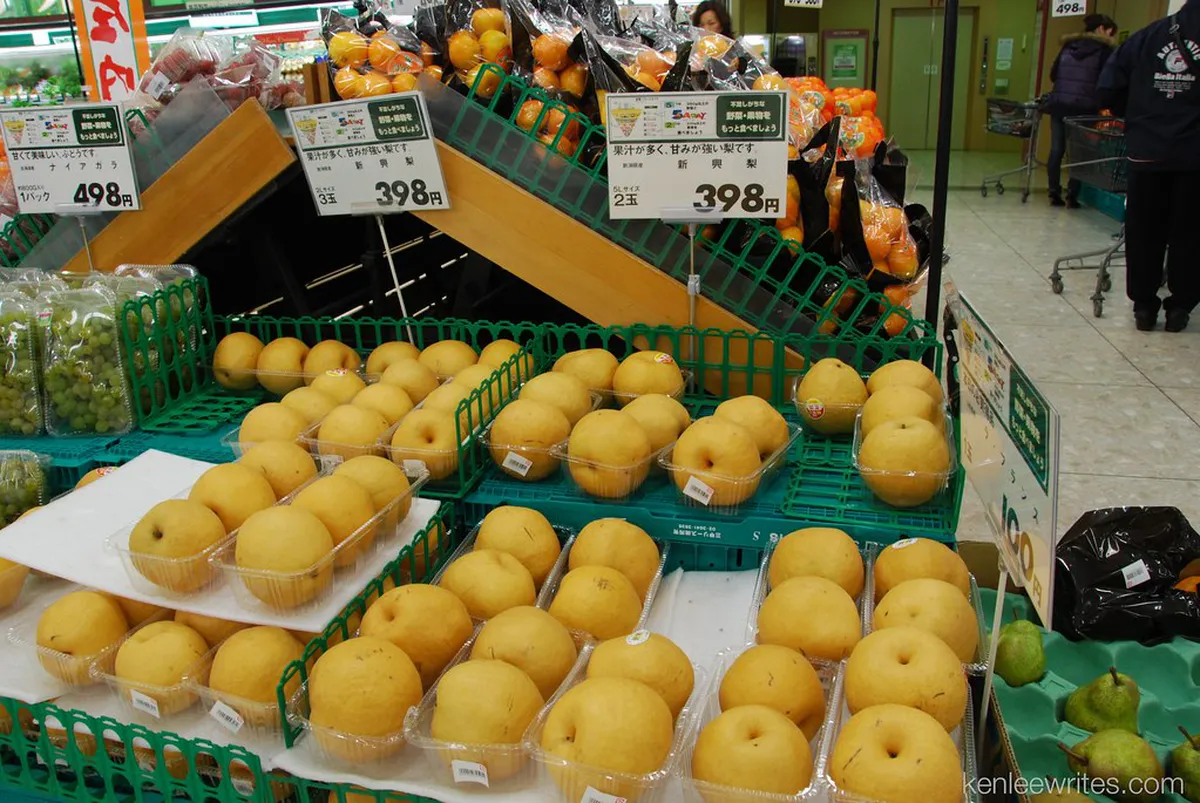
Early risers should head to this central market for kaisendon bowls topped with uni, salmon roe, crab, and other local seafood. The market is small compared to Tokyo's Tsukiji, but the quality of the morning catch is world-class. Typical bowls range from $20–$45 depending on the seafood selection and are served from 7 am to 5 pm.
Trade-off: Crowded during peak breakfast hours (7–10 am); expect lines at popular stalls. Some vendors don't display clear pricing on premium items like uni, so ask before ordering to avoid surprises. The market closes early (5 pm), so plan your visit accordingly.
- What to order: Kaisendon (mixed seafood), uni don (sea urchin), hotate don (scallop), crab chirashi
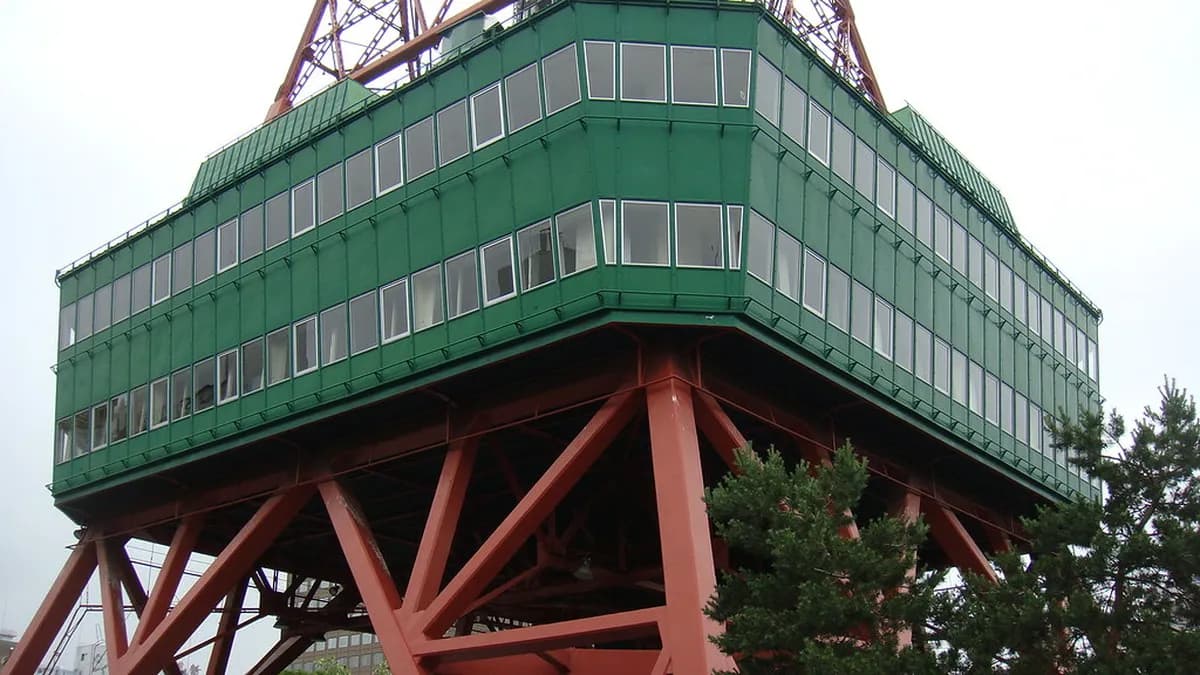
- Getting there: Located in the Chuo-ku district, a short walk from Odori Park and the TV Tower
- Practical tip: Look for stalls with blue awnings and long lines of locals—they mark the most authentic vendors
Soup Curry King
Spicy aromas greet you at this central Sapporo favorite known for its deep, complex soup curry bases. Unlike Thai curry, Hokkaido's soup curry features a thin, fragrant broth loaded with vegetables and your choice of meat. Meals generally cost $10–$18 per person and the shop serves lunch and dinner until 9:30 pm.
Trade-off: Always crowded; expect a line even at off-peak hours. The noise level is high, making it unsuitable for quiet conversations. Limited seating means eating quickly is expected and appreciated by staff.
- What to order: Chicken leg curry (spice level 3 for traditional heat), vegetable curry, seafood curry
- Getting there: Conveniently located near the Tanukikoji Shopping Arcade and easily accessible on foot
- Practical tip: You can customize spice levels and add extra vegetables; the menu board shows photos of each option
Soup Curry Yellow
Known for its unique creamy yellow broth, this Susukino spot offers a milder, coconut-based take on the regional classic. The broth has notes of curry and coconut cream rather than the spicy bite of Soup Curry King. Expect to spend $12–$20 per adult during their operating hours of 11:30 am to 10 pm.
Trade-off: Less well-known than King, so fewer English materials available; phone translation apps help. The vegetable toppings are fresh but portions are smaller than competitors.
- What to order: Seafood soup curry, vegetable soup curry, chicken soup curry
- Getting there: Take the Namboku Line to Susukino Station and walk two blocks south to find the entrance
- Practical tip: The vegetable toppings are sourced directly from local Hokkaido farms each morning—quality is exceptional
Kani Honke
Giant crab models mark the entrance to this multi-story restaurant specializing in Hokkaido's most famous crustacean. This is Sapporo's most iconic crab destination, famous for both ala carte options and elaborate multi-course kaiseki menus. Multi-course dinners range from $50–$150 and the restaurant is open daily from 11:30 am to 10 pm.
Trade-off: Expensive and requires advance booking (3+ days minimum during peak season). Walk-ins face long waits, especially December–February. The price reflects premium ingredients and impeccable service—worth it for a special occasion but not for budget travelers.
- What to order: Course menu (Jyuraku Kaiseki, ~7,600 yen), grilled crab, crab sashimi
- Getting there: The Ekimae store is right outside Sapporo Station, perfect for a final luxury meal before flying out
- Practical tip: Book your table at least three days in advance to secure a traditional tatami room; English reservations accepted
Milk & Parfait Yotsuba White Cosy
Creamy parfaits made with premium Hokkaido milk are the star attraction at this dessert cafe with two strategic locations: Sapporo Station (downtown) and New Chitose Airport (departure terminal). Treats cost $8–$15 per person and the cafe stays busy from 10 am until 9 pm daily. The airport location stays open until late afternoon, making it perfect for those catching flights.
Trade-off: Lines are common during peak dessert hours (3–5 pm). Seasonal flavors change frequently, so specific options may not always be available. The airport location is your "final stop strategy"—if you arrive without trying Hokkaido dairy, grab it here before boarding.
- What to order: Hokkaido milk parfait (signature), seasonal parfait, soft serve with fruit toppings
- Getting there: Sapporo Station location in PASEO shopping mall directly connected to the main railway station. New Chitose Airport location in the domestic terminal, 2F
- Practical tip: The airport location is a perfect final stop for those craving one last dairy treat before flying out—beats shopping for souvenirs
Petite Chevre Hokkaido
Rare goat milk products offer a sophisticated alternative to the region's ubiquitous cow's milk desserts. While Hokkaido is famous for its cow's milk, goat's milk is a specialty that few travelers expect. The flavor profile is naturally tangier and lighter than cow's milk, with a subtle sweetness that makes it ideal for cheesecake and soft serve. Prices for soft serve and pastries range from $5–$10 between 10 am and 8 pm.
Trade-off: Harder to find (located in an underground mall); the tangy flavor is an acquired taste for those used to sweet cow's milk ice cream. Portions are smaller than competitors, though quality justifies the cost.
- What to order: Goat milk soft serve, goat milk cheesecake (surprisingly light and tangy), goat milk pudding
- Getting there: Located in Aurora Town underground mall; find it by looking for the bird enclosure (yes, there's an underground bird sanctuary)
- Practical tip: Goat milk is naturally lower in fat than cow's milk—expect a creamier, less heavy mouthfeel that pairs well with salted caramel
KINOTOYA BAKE
Freshly baked cheese tarts with a double-baked crust draw crowds to this small shop in Pole Town. The Portuguese-style pastel de nata-inspired tart is baked to order with a melting cheese filling and buttery exterior. Each tart costs about $2–$5 and the bakery operates from 10 am to 8 pm most days.
Trade-off: Lines form regularly; tarts run out by early evening. The shop is small and cramped, with no seating available (takeaway only). Quality is worth the wait but not for travelers in a hurry.
- What to order: Cheese tart (buy six for a discount), Hokkaido milk soft serve
- Getting there: Situated in the underground walkway connecting Odori Station to the Susukino area
- Practical tip: Buy a box of six tarts to get a small discount; eat while warm for the best experience
Chocolate & Espresso SATURDAYS
Artisanal chocolate bars and rich espresso make this Sosei-gawa area shop a favorite for local foodies. The chocolates are made on-site from single-origin beans, with flavors that highlight local Hokkaido ingredients (salt, white chocolate with Tokachi soy sauce). A coffee and chocolate pairing typically costs $6–$12 from 10 am to 7 pm daily.
Trade-off: Limited seating in the minimalist storefront; the vibe is modern but not cozy. Prices are higher than chain cafes, reflecting artisanal production. Best visited for takeaway rather than lingering.
- What to order: Single-origin hot chocolate, espresso, sea salt chocolate bar (their best-seller), Hokkaido white chocolate with soy sauce
- Getting there: Walk ten minutes east from Odori Park to find this stylish, minimalist concrete storefront
- Practical tip: The sea salt chocolate bar makes an excellent local souvenir; the Hokkaido soy chocolate is a unique gift
Izakaya Aiyo TanukiKouji 4-chome
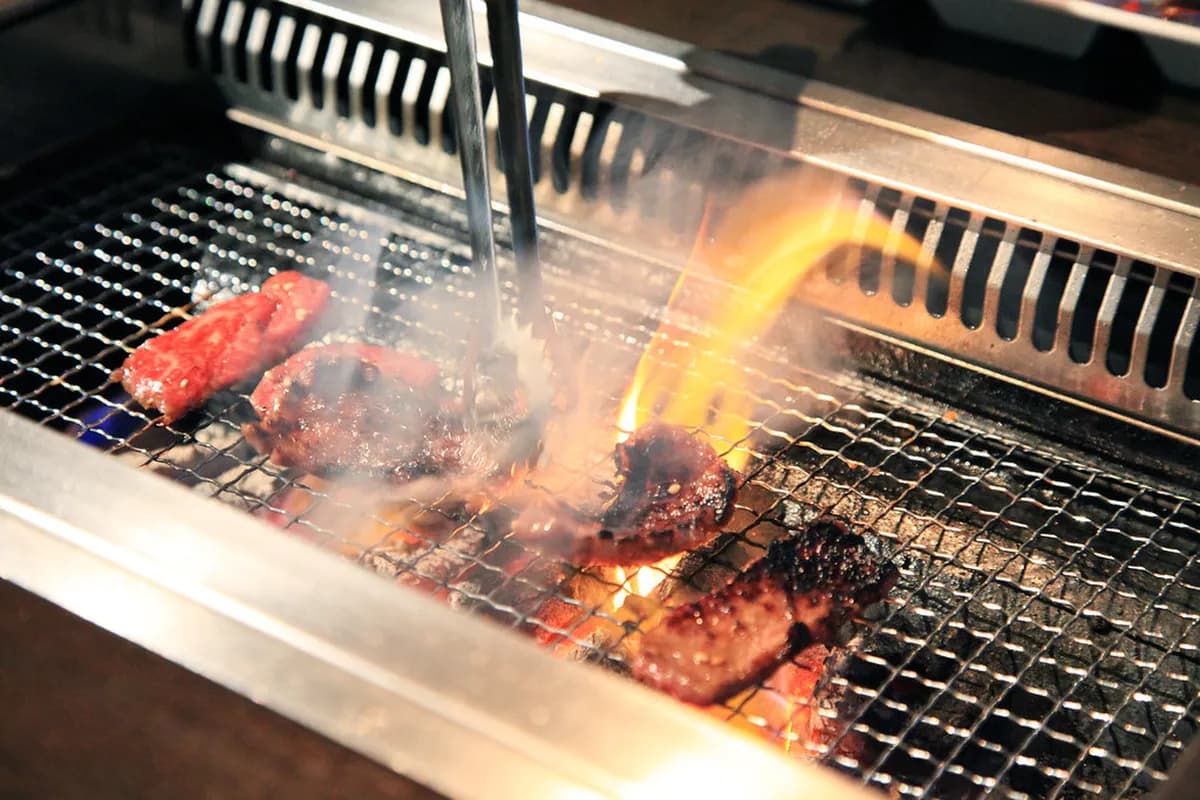
This rowdy and welcoming izakaya specializes in charcoal-grilled seafood and local Hokkaido sake. The energetic vibe attracts both tourists and locals, especially in the evenings. Expect to spend $25–$45 for a full evening of drinks and small plates starting from 5 pm. The staff's enthusiastic "Oishii" (delicious) cheers create an infectious atmosphere.
Trade-off: Loud and crowded, not suitable for quiet conversations. Limited English menus; pointing at photos on neighboring tables helps. The small counter fills quickly, so arrive early or have a backup plan.
- What to order: Charcoal-grilled seafood, local Hokkaido sake flights, seasonal vegetable grills
- Getting there: Located on the 4-chome section of the Tanukikoji Arcade, easy to find after dark with signage
- Practical tip: The 'Oishii' cheers from the staff create an energetic vibe perfect for groups and solo travelers seeking social dining
Tap Room Beer Kotan
Local hops from Kamifurano are used to create the rotating selection of craft beers at this taproom overlooking Odori Park. The in-house brewery is visible through large windows, and the vibe balances craft sophistication with relaxed Hokkaido warmth. Pints cost $7–$15 and the bar is open from 12 pm to 10 pm for thirsty travelers.
Trade-off: Popular with locals means seating fills up during evenings; arrive early for prime tables. The noise level is moderate but conversation is possible. Outdoor seating available in summer only.
- What to order: Haskap fruit ale, coffee ale, seasonal experimental ales
- Getting there: Take the subway to Odori Station and look for the building overlooking the park's greenery
- Practical tip: Order a tasting flight to sample their diverse range of experimental ales without committing to full pints
Moon and Sun Craft Beer
Modern taproom aesthetics meet traditional brewing techniques at the Miredo location near the station. This craft brewery operates two locations; the Miredo location is specifically recommended for solo travelers who prefer a quieter afternoon environment. Tasting flights and snacks cost $10–$20 during their 11 am to 11 pm daily hours.
Trade-off: The main location near Nijo Market fills up quickly even with reservations; standing room only is common. The Miredo location is more accessible for walk-ins and solo diners. Beer quality is good but not exceptional compared to local competitors.
- What to order: Three-beer tasting flight, pickles, fish and chips with Hokkaido potatoes
- Getting there: Miredo location is on the first floor of the Miredo building near the Sapporo Station south exit
- Practical tip: The Miredo location is particularly well-suited for solo travelers who want to enjoy a quiet afternoon pint at the bar counter
AZUMASI
Seasonal small plates and creative Japanese fusion are the hallmarks of this trendy Susukino eatery. The restaurant sources ingredients by season, rotating the menu quarterly to match Hokkaido's agricultural rhythms. Budget $30–$60 per person for dinner and drinks between 5 pm and 11 pm.
Trade-off: Difficult to locate (upper floor of a non-descript building); Google Maps can mislead, so call ahead for directions. Limited seating means reservations are essential. The trendy vibe may feel pretentious to travelers seeking casual experiences.
- What to order: Seasonal small plates (rotating), sake-steamed oysters, smoked potato salad (local legend)
- Getting there: Tucked away on the upper floor of a non-descript building in the Susukino nightlife district
- Practical tip: The smoked potato salad is a legendary local dish that pairs perfectly with their natural wine list; book 2–3 days ahead
Sapporo Beer Garden & Museum
Historic red brick buildings house this massive beer hall where Genghis Khan (grilled lamb) BBQ is the main event. The beer museum offers tours of Sapporo's brewing heritage, but the real experience is the beer garden's all-you-can-eat format. All-you-can-eat options cost $30–$50 and the garden is open from 11:30 am to 9 pm.
Trade-off: Expensive for a meal, though spreads are generous. The atmosphere is touristy but authentically Japanese; locals come here for celebrations. Requires 2–3 hours minimum for the full experience.
- What to order: All-you-can-eat lamb BBQ with vegetables and seafood, Sapporo beer flights
- Getting there: Take the loop bus from Sapporo Station or a short taxi ride to the Higashi-ku district
- Practical tip: Book your experience at the Sapporo Beer Garden & Museum to ensure a spot in the Kessel Hall during peak season
Booking Hacks for Peak Season
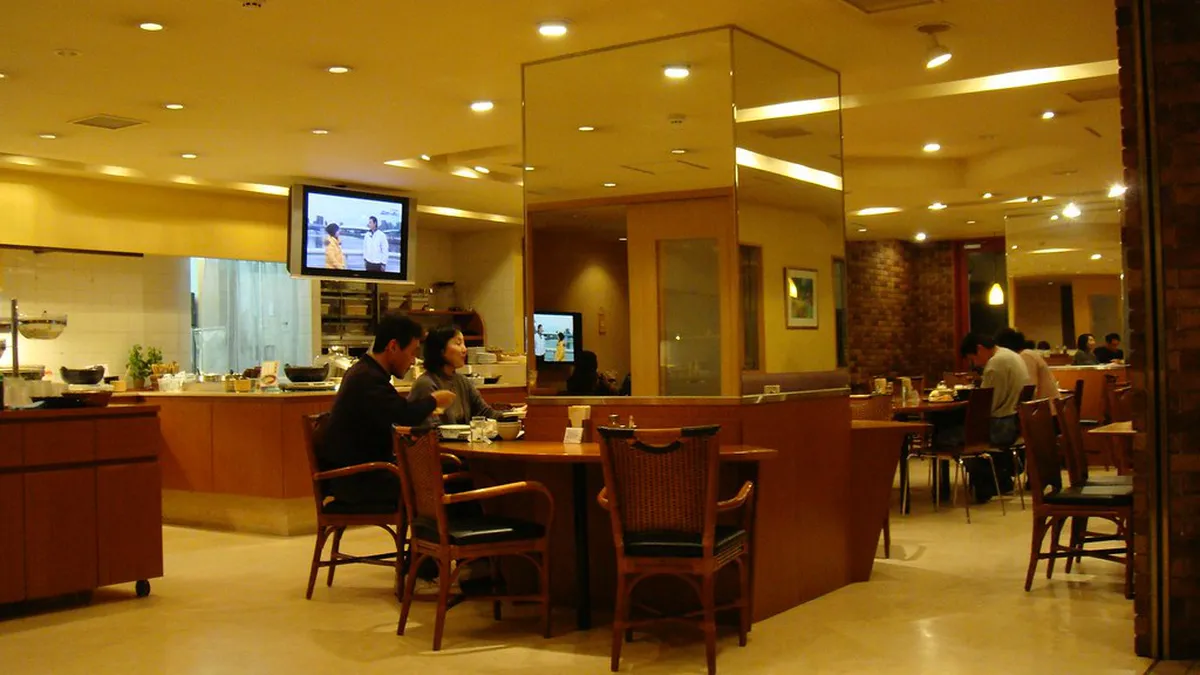
During the Sapporo Snow Festival (early February), Kani Honke and premium crab restaurants fill completely with walk-ins not seated at all. Book at least 3 days ahead for any high-end restaurant and consider ramen alley or soup curry shops as reliable walk-in fallbacks.
Sapporo's dining scene fills up December–February (Snow Festival season) and during summer weekends. Walk-ins face hour-long waits at popular spots like Toriton and Kani Honke. The key differentiator is timing: restaurants that accept reservations should be booked 3–7 days in advance, while walk-in spots like ramen and soup curry shops reward early arrivals (11 am opening, 3–5 pm closing for lunch shift).
High-end restaurants like Kani Honke explicitly state that walk-ins during peak season (especially the Snow Festival) may not be seated at all. Instead of waiting in cold weather, book ahead or accept standing-room-only at ramen alley. Your hotel concierge can assist with English-language reservations; most restaurants have English contact forms or phone lines.
- Call ahead: Kani Honke, AZUMASI, Izakaya Aiyo (3+ days in advance)
- Walk-in friendly: Ganso Ramen Yokocho, Nijo Market, Soup Curry King, KINOTOYA BAKE (expect 15–30 min waits)
- Arrive early: Toriton (30 min before 11 am opening), Nijo Market (before 9 am for fresh stock)
Practical Tips for Dining in Hokkaido
The underground walkway system is your best friend when navigating the city's food scene during winter months. It connects Sapporo Station to Susukino, allowing you to reach dozens of restaurants without stepping into the snow. Most major department stores have extensive 'depachika' food halls in their basement levels with incredible takeout options and seasonal specialties.
Tipping is not practiced in Japan and may even be politely refused by restaurant staff. Instead, a simple 'Gochisosama-deshita' (thank you for the meal) at the end of your meal shows appreciation. Check if a table charge or 'otooshi' snack fee is added to your bill at izakayas before you pay. Many popular spots use digital queue systems that require a local phone number or physical ticket—ask your hotel to assist with bookings to avoid language barriers.
Always carry Japanese Yen, as smaller shops in the markets may not accept international credit cards. Hokkaido Regional Rail Pass holders can easily explore the wider area's agricultural heartland beyond Sapporo, making day trips to farms and smaller towns feasible for a deeper food experience. For those planning a multi-day stay, check out our Sapporo itinerary to balance dining with cultural attractions and outdoor activities.
Frequently Asked Questions
What is the most famous food to eat in Sapporo?
Sapporo is most famous for miso ramen, soup curry, and fresh Hokkaido seafood like crab and uni. You should also try Genghis Khan, a grilled mutton dish served in local beer halls. Most visitors find these hearty dishes perfect for the cold northern climate.
Do I need reservations for restaurants in Sapporo?
Reservations are essential for high-end seafood and crab restaurants, especially during the winter festival. Casual ramen and soup curry shops usually operate on a walk-in basis with physical queues. Check local food blogs for the latest booking tips.
Where can I find the best miso ramen in Sapporo?
The best miso ramen is found in Ganso Ramen Yokocho or the Ramen Republic near Sapporo Station. Each stall offers a slightly different take on the rich, fermented soybean broth. Look for shops with a long line of locals for the most authentic experience.
Sapporo remains one of the world's premier food destinations thanks to its incredible access to fresh, high-quality ingredients sourced from Hokkaido's agricultural heartland. From the smoky halls of the Beer Garden to the quiet precision of a high-end sushi bar, the variety is staggering. The 15 restaurants in this guide represent both time-tested classics and emerging hotspots that define Sapporo's food culture in 2026. These dining experiences pair perfectly with other Sapporo attractions to create a well-rounded travel experience.
Remember to embrace the seasonal changes and try the limited-edition ingredients that appear throughout the year. Whether you are slurping ramen in a hidden alley, cracking into a king crab at Kani Honke, or savoring goat's milk soft serve before boarding your flight, every bite is a celebration of Hokkaido. Safe travels and 'itadakimasu' as you explore the rich culinary landscape of this beautiful Japanese city.
Free: The Sapporo Essentials guide
Top things to do, where to stay, a perfect day plan, getting around, and the best time to go — a Sapporo mini-guide you can take offline.
You might also like
Continue reading
More guides you'll find useful